


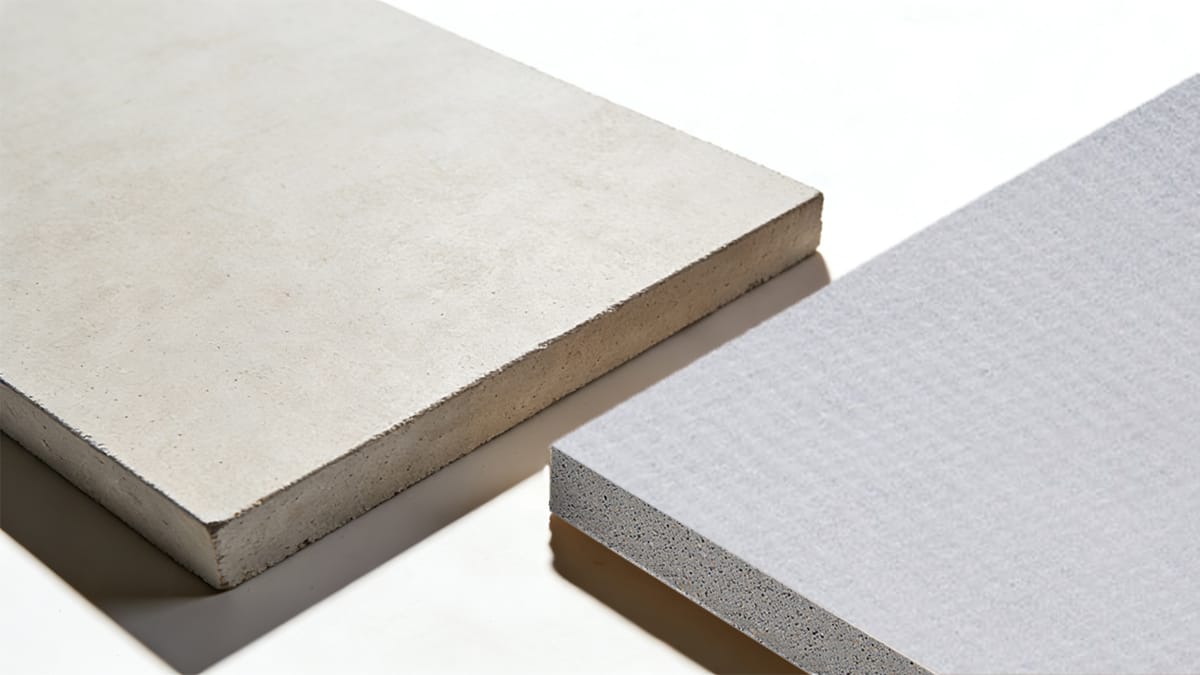
15 Mar Magnesium Oxide Board or Cement Board Which Is the Superior Choice for Modern Construction
When comparing magnesium oxide board vs cement board, you’ll find that magnesium oxide board often outperforms its counterpart. It offers superior fire safety, enhanced moisture protection, and a longer lifespan. Builders tend to prefer magnesium oxide board over cement board due to its compliance with strict fire regulations and its effectiveness in damp environments. Refer to the table below to understand why many individuals choose this board for new construction projects.
Reason for Choosing Magnesium Oxide Board | Description |
|---|---|
Fire Resistance | It provides better protection against fire than other materials. |
Moisture Resistance | It combats mold and water damage, making it ideal for wet areas. |
Durability | It is more robust than gypsum or cement boards and has a longer lifespan. |
Compliance with Building Codes | Its adherence to stringent fire safety regulations makes it a popular choice. |
Market Growth | An increasing number of homes and businesses are adopting it each year. |
Utilize these insights to assist you in selecting the right board for your upcoming project.
Key Takeaways
Magnesium oxide board is better at stopping fires. This makes buildings safer.
MGO board does not let water in. It does not need sealing. It works well in wet places like bathrooms and kitchens.
Pick MGO board because it is strong. It lasts longer and needs less care than cement board.
MGO board is lighter and easy to move. This helps workers install it faster. It also makes less dust, so it is safer.
Using MGO board helps the environment. It makes less CO2 and you can recycle it.
Magnesium Oxide Board vs Cement Board: Key Differences
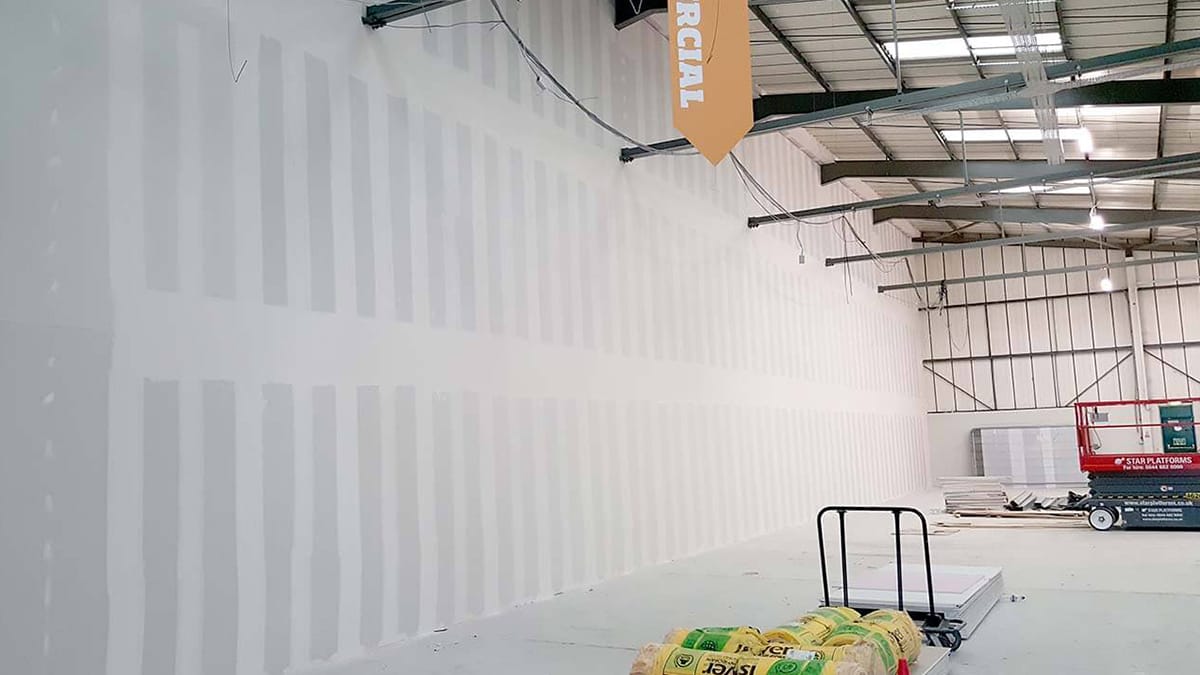 When you look at mgo and fiber cement boards, you see some big differences. These differences can change what you pick for your building. Each board has its own good points. What they are made of, how they work, and where you use them makes them different. The table below helps you see what is special about each board.
Material | Fire Resistance | Moisture Resistance | Durability & Strength | Weight & Handling | |
|---|---|---|---|---|---|
MGO Board | Magnesium oxide, perlite, wood fiber, fiberglass mesh | Fully waterproof | Excellent in humid conditions | Lightweight, easy to cut | |
Cement Board | Portland cement, silica, cellulose or fiberglass fibers | Good | Moisture-resistant | Reliable, needs sealing | Heavier, harder to cut |
Tip: Use this table to help you pick the right board. Think about fire safety, water damage, and how strong you need your board to be.
Fire Resistance Comparison
You want your building to be safe if there is a fire. Mgo board is very good at stopping fire. It uses magnesium oxide and fiberglass mesh. These things make it better at stopping fire than other boards. This means homes, schools, and offices are safer. Fiber cement board is also good at stopping fire, but not as good as mgo board.
Tests in labs show mgo board works better in places where fires can happen. It can take more heat and does not burn fast. Fiber cement board can stop fire, but it might not last as long in very hot places. Pick mgo board if you need the best fire safety.
Mgo board: Best at stopping fire, good for strict rules.
Cement board: Good at stopping fire, works for most jobs.
Fiber cement board: Stops fire, but not as strong as mgo board.
Moisture Resistance Comparison
Water can hurt walls and ceilings if you do not use the right board. Mgo and fiber cement boards are different when it comes to water. Mgo board does not soak up water or grow mold. You can use it in bathrooms, kitchens, and basements. You do not have to worry about it swelling or cracking.
Fiber cement board can soak up some water. You must seal it to keep it strong. If you do not seal it, it can swell or break. Mgo board stays strong in wet places and does not need extra work. This makes it better for places with lots of water in the air.
Mgo board: Stays strong in wet places, does not need sealing, stops mold.
Cement board: Needs sealing to stop water damage.
Fiber cement board: Keeps out some water, but not fully waterproof.
Note: Mgo panels can take in more water than cement board in very wet places. If it gets too wet, salts in mgo board can move to the top. This can make stains or rust. Always check how wet your place is before you pick your board.
Durability and Longevity
You want your walls and floors to last a long time. Both mgo and fiber cement boards are strong, but mgo board has some extra good points. It stays strong in wet places and does not break down fast. Fiber cement board lasts a long time too, but it may need more care in wet places.
Studies show mgo board does not break or wear out as fast as cement board. You get a board that lasts for years without problems. Cement board is strong, but it may need extra work if it gets wet for a long time. Fiber cement board works in most places, but mgo board is better in tough spots.
Mgo board: Strong, does not break in wet places, lasts for years.
Cement board: Strong, but needs care in wet places.
Fiber cement board: Works well, but may need extra work to last.
Summary: When you look at mgo and fiber cement boards, you see mgo board is better at stopping fire, keeping out water, and staying strong. Cement board and fiber cement board are good for many jobs, but mgo board gives you more safety and lasts longer. Use these facts to help you pick the best board for your building.
MGO vs Fiber Cement Boards: Performance
 Versatility and Applications
 Versatility and Applications
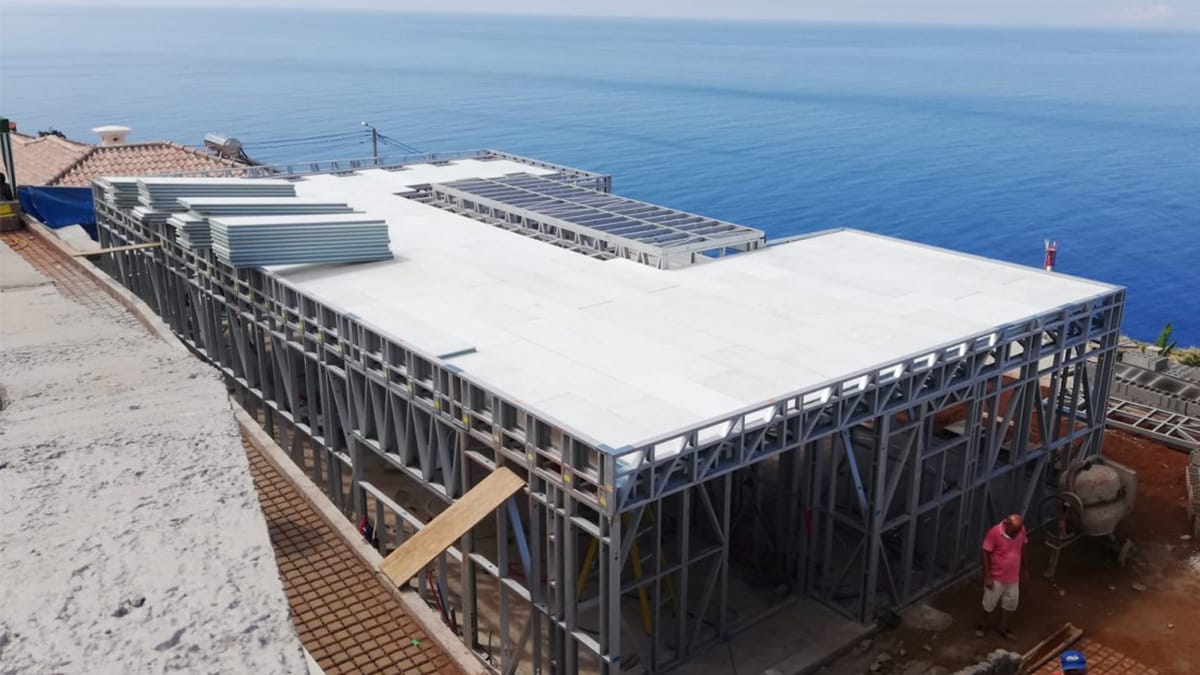
You can use magnesium oxide board and fiber cement board in many parts of a building. Both work well for cladding, subflooring, wall sheathing, and even structural insulation panels. The table below shows common uses for these boards:
Application Type | Description |
|---|---|
Cladding | Strength and support for interior and exterior coverings |
Subflooring | Solid, sustainable foundation for flooring |
Wall Sheathing | Fire-resistant base for siding, roofs, soffits, and fascias |
Structural Insulation Panels (SIPs) | Used in structural insulation panels |
MGO boards stand out because you can use them in wet areas like bathrooms and kitchens. They keep their shape and strength even when they get wet. You can also use them for ceilings and decorative finishes. Fiber cement boards work well for most jobs but may need extra care in damp places.
Aesthetic Flexibility
You want your building to look good and last long. MGO boards give you more design choices. Their smooth surface lets you paint, tile, or add wallpaper easily. You can use them for modern or classic styles. MGO boards keep their shape and do not swell or crack after getting wet. This helps your finishes stay looking new.
Fiber cement boards also allow for painting and tiling. They absorb more water, so you may see changes in shape over time. You might need to seal them before adding finishes. MGO boards offer more flexibility for creative designs and keep their appearance longer.
Tip: If you want more design options and less worry about water damage, choose MGO boards for your project.
Weight and Handling
You will notice a big difference in weight and handling between these two boards. MGO boards weigh less, usually between 32.5 and 46.5 kg per square meter (1.5 to 2.2 lbs per square foot). Fiber cement boards are heavier, at about 54 kg per square meter (over 2.5 lbs per square foot).
Lighter boards make your job easier. You can lift, cut, and install MGO boards with less effort. They do not create as much dust, and you do not face health risks from silica. Fiber cement boards are harder to cut and move. They also release silica dust, which can be harmful if you breathe it in.
Magnesium Oxide Board (MGO) | Fiber Cement Board | |
|---|---|---|
Weight | Lighter | Heavier |
Ease of Handling | Easier to handle | Harder to cut |
Health Risks during Cutting | No crystalline silica | Silica content poses risks |
You save time and protect your health when you choose MGO boards. This makes them a smart choice for many building projects.
Installation and Cost: MGO Board vs Cement Board
Installation Ease
 Installation Ease
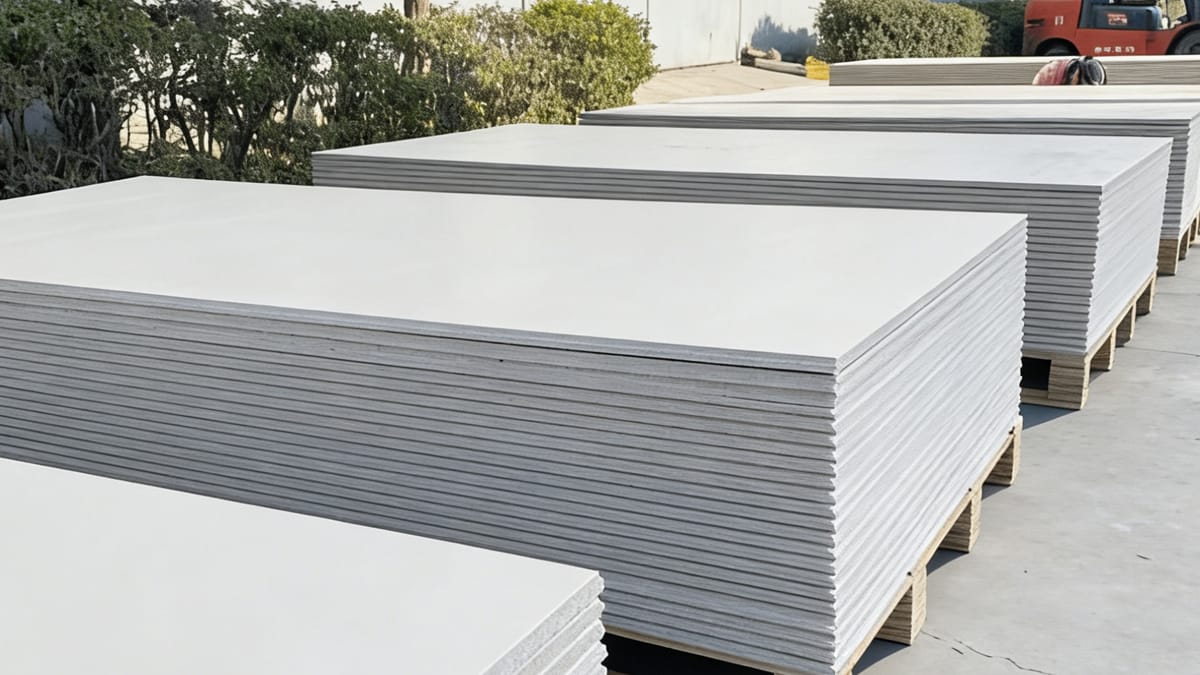
When you start a building project, you want the installation to go smoothly. MGO board makes this process easier for you. You can cut it with basic tools, and it creates less dust. You do not need special equipment. The boards are lighter, so you can move and lift them without much effort. This saves time and helps you finish faster.
Cement board feels heavier and harder to handle. You often need power tools for cutting. The dust from fiber cement board installation can be harmful if you breathe it in. You must wear safety gear. Many workers find fiber cement board installation takes longer and needs more people.
Tip: Choose MGO board if you want a faster and safer installation process.
Material and Labor Costs
You might notice that the initial cost of MGO board is higher than cement board. However, you should look at the full picture. The table below shows how the cost and value compare:
Material Type | Initial Cost | Long-term Value | Maintenance Needs |
|---|---|---|---|
Fiber Cement | Lower | Moderate | Higher |
Magnesium Oxide (MgO) | Higher | Higher | Minimal |
Cement board costs less at first, but you may spend more on labor. Fiber cement board installation often takes longer and needs extra steps. MGO board costs more to buy, but you save on labor because installation is quicker and easier. Over time, you spend less on repairs and upkeep.
Long-Term Value
You want your investment to last. MGO board gives you better long-term value. It resists fire, moisture, and mold, so you do not need to fix or replace it often. Cement board needs more care, especially in wet areas. The table below shows the difference in long-term maintenance cost:
Material | Initial Cost | Long-term Maintenance Cost | Advantages |
|---|---|---|---|
MgO Board | Higher | Lower | Reduced maintenance, durability, resistance to fire, moisture, and mold. |
Cement Board | Lower | Higher | Requires specialized tools, may need extra protective measures in certain areas. |
When you look at ROI, MGO board stands out. You pay more at first, but you get more value over time. You save money on repairs and enjoy a safer, stronger building. Fiber cement board installation may seem cheaper, but the long-term value is lower. If you want the best ROI, choose MGO board for your project.
Environmental Impact: MGO Board and Cement Board
Sustainability Factors
You want to pick materials that are good for the Earth. Magnesium oxide board is better for the environment. When it is made, magnesium oxide reacts with carbon dioxide in the air. This makes magnesium carbonate and takes away CO2 from the air. Using MGO boards helps lower greenhouse gases.
The cement industry makes a lot of carbon emissions. It causes about 5-7% of all CO2 in the world. MGO boards give off 22% less CO2 than cement boards. For each square meter, MGO boards release about 37.3 kg of CO2. Cement boards can release between 48 and 105 kg for the same size. This means MGO boards are a greener choice.
You should also think about what happens when you are done using these boards. MGO boards can be recycled or used again. This helps the environment and supports a circular economy. Cement boards are hard to recycle and often go to landfills.
Material | Recyclability | End-of-Life Disposal |
|---|---|---|
Magnesium Oxide | Recyclable, contributing to a circular economy | Can be repurposed at the end of lifecycle |
Cement Board | Difficult to recycle, often ends up in landfills | Requires additional effort for proper disposal |
You help the planet when you pick MGO boards for your building.
Health and Safety
You want to stay safe while working. Both MGO and cement boards need you to wear safety gear. Use safety glasses, dust masks, and gloves to keep safe from dust and cuts. Always use sharp tools and follow the safety rules. Work where there is fresh air and keep your area tidy. Store boards flat and lift them carefully.
MGO boards make less dust and do not have harmful silica. This makes them safer for your lungs. Cement boards can make silica dust, which is bad if you breathe it in. You lower health risks by choosing MGO boards.
Tip: Always follow safety rules to keep yourself and others safe at work.
Choosing the Right Board for Your Project
Best Uses for MGO Board
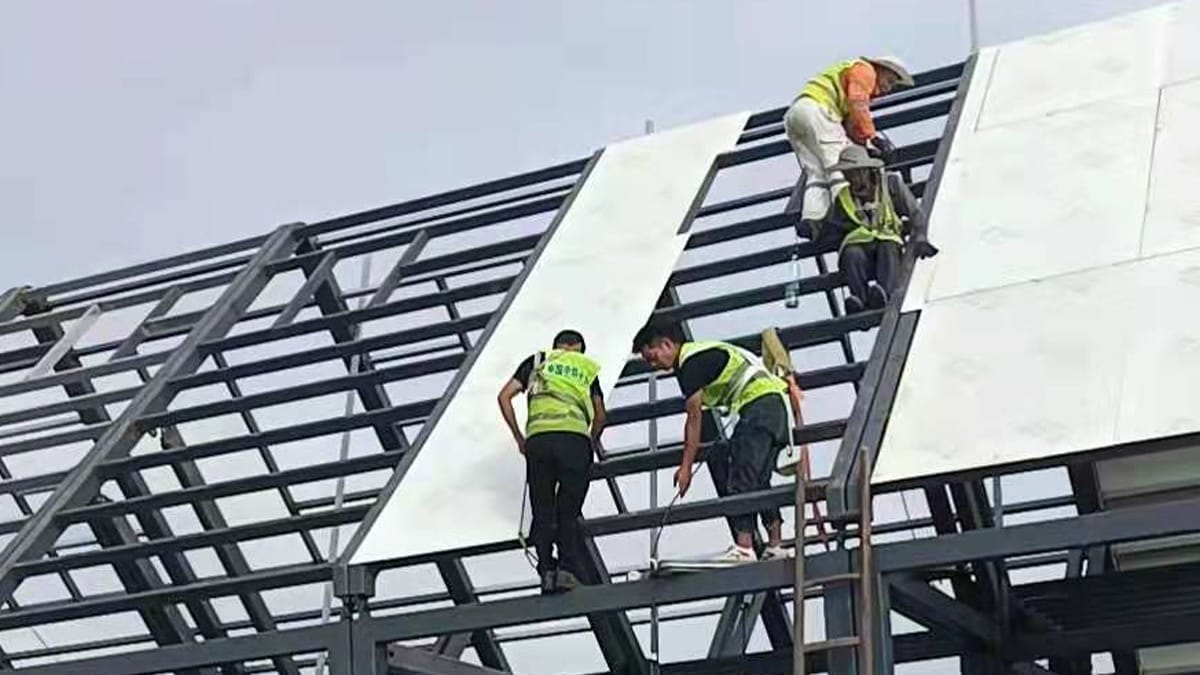 Best Uses for MGO Board
You can use MGO board in many types of projects. It works well for both inside and outside jobs. You might choose it for walls, ceilings, subflooring, roof decking, or siding. MGO board stands out in places with high moisture or salt in the air. It resists corrosion and insects, so you do not have to worry about damage over time. You also help the environment because this board is eco-friendly and non-toxic.
Many builders use MGO board in homes to make walls and roofs. It helps keep your house warm in winter and cool in summer. You save on energy bills. In offices, stores, and schools, MGO board improves how the building looks and works. Factories and warehouses use it for strong walls that last and keep heat inside.
Tip: If you want a board that gives you long-term value and protects against fire, water, and pests, MGO board is a smart pick.
Best Uses for Cement Board
Cement board works best for certain jobs. You can use it for exterior wall systems, like curtain walls and decorative cladding. It also fits well in interior spaces, such as partition walls, ceilings, and bathroom walls. Many factories and warehouses use cement board for fireproof partitions.
You might pick cement board if you need a strong base for tiles or want a board that handles heat well. It is a good choice for places that do not have much moisture or salt in the air.
Decision Guide
You want to make the right choice for your project. Look at the table below to compare key factors:
Factor | Magnesium Oxide Board (MagPanel®) | Cement Board |
|---|---|---|
Corrosion Resistance | Moderate | |
Fire Resistance | High | High |
Resistance to Insects | High | Moderate |
Environmental Impact | Eco-friendly, non-toxic | Varies |
Installation Requirements | Versatile for many uses | Standard |
Ask yourself these questions:
Do you need a board for wet or salty places?
Is energy efficiency important for you?
Will you install the board in a place with lots of insects?
Do you want a board that is easy to recycle?
If you answer yes to any of these, MGO board may be the better option. For standard walls or tile backers in dry areas, cement board can work well. Making the right choice depends on your project’s needs and your goals for safety, cost, and long-term value.
Now you can see that magnesium oxide board is usually the best pick for new buildings. It keeps out fire and water better than other boards. It also lasts longer and is better for the environment. If you want to save time and fix less in the future, pick MGO board. Always think about what your project needs. For wet places or areas with more danger, MGO board works best.
FAQ
What is the main difference between magnesium oxide board and cement board?
You will notice that magnesium oxide board resists fire and moisture better than cement board. It also weighs less and is easier to handle. Cement board costs less at first but may need more care over time.
Can you use magnesium oxide board outside?
Yes, you can use magnesium oxide board for outdoor projects. It stands up to rain, humidity, and insects. You do not need to worry about it breaking down in tough weather.
Is magnesium oxide board safe for your health?
You stay safer with magnesium oxide board. It does not release harmful silica dust when you cut it. Always wear safety gear, but you face fewer health risks compared to cutting cement board.
How do you cut and install magnesium oxide board?
You can cut magnesium oxide board with a standard utility knife or saw. It creates less dust than cement board. You will find it easy to lift and install because it weighs less.