


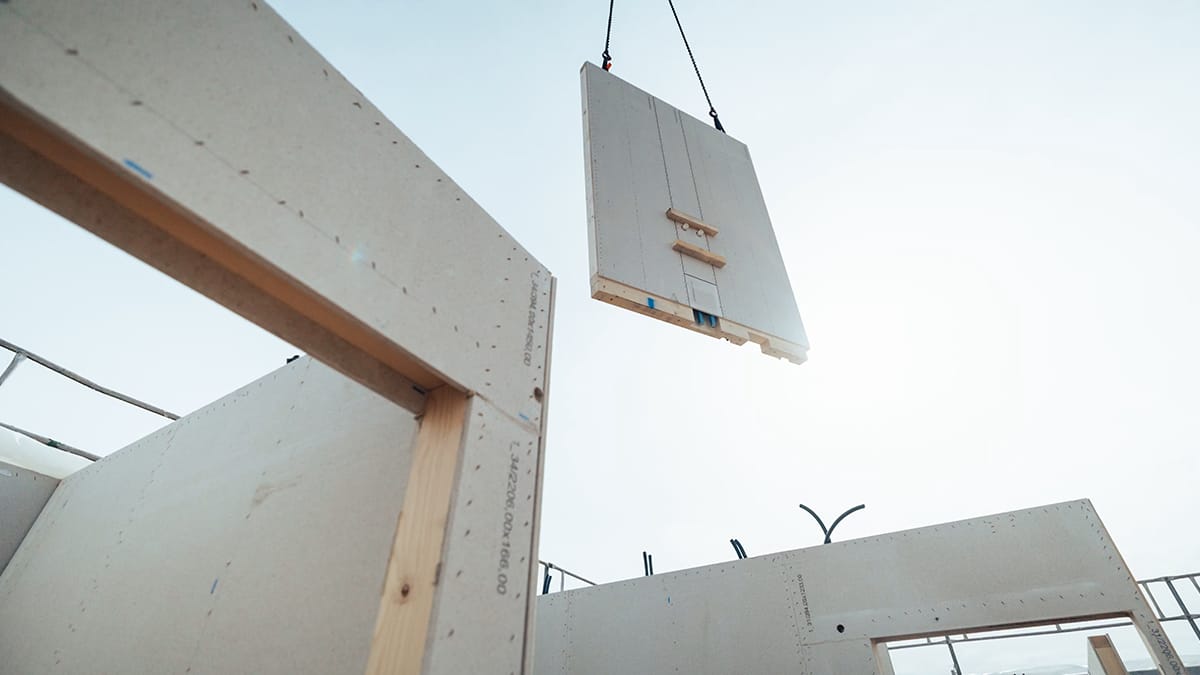
20 Jan What is Magnesium Sulfate Sheathing and How Does It Work in Construction
Magnesium sulfate sheathing gives you a strong and safe way to build walls and roofs. This material uses magnesium sulfate to help stop fires, keep out water, and stop mold from growing. You often see it in modular buildings. These buildings are becoming more popular and common.
The world market for modular construction could be worth $151.53 billion by 2032.
Magnesium sulfate sheathing is very important for this growth.
You can look at the fire resistance ratings in the table below:
Area of Use | Fire Resistance Time |
|---|---|
Regular Use | At least 1 hour |
Special Areas (like fire rooms) | 2 hours or more |
These features make magnesium sulfate sheathing a smart choice for safer and healthier places.
Key Takeaways
Magnesium sulfate sheathing stops fire and water very well. This makes it a safe pick for walls and roofs. This material stops mold from growing. It helps keep the air inside clean. It also lowers the chance of allergies. Magnesium sulfate board is tough and strong. It can handle heavy use without breaking or cracking. Using magnesium sulfate sheathing is good for the environment. It helps builders get green building awards like LEED. It is easy to install. Builders can save time and work in modular and prefab projects.
Magnesium Sulfate Sheathing Overview

What Is Magnesium Sulfate Sheathing
Magnesium sulfate sheathing is different from other building materials. It uses magnesium sulfate as its main part. Builders put it on walls, roofs, and floors. You can find magnesium sulfate sheathing in new buildings. It is common in modular homes and offices. This material helps keep your building safe from fire, water, and mold. When you use magnesium sulfate sheathing, your space is safer and healthier.
Magnesium sulfate board is good for building strong layers. You can use it inside or outside. The board gives strength and keeps things stable. It does not get damaged by water or bugs. Many builders like magnesium sulfate board because it lasts longer than old materials.
Magnesium Sulfate Board Composition
You may wonder what is inside magnesium sulfate board. The board has several important parts. Each part helps the board work better in buildings.
Component | |
|---|---|
Magnesium oxide (MgO) | Forms the base of the board, enhancing durability. |
Magnesium sulfate (MgSO₄) | Acts as a key binding agent, reducing alkalinity. |
Wood dust or cellulose | Adds flexibility and texture to the board. |
Perlite or vermiculite | Improves insulation and fire resistance. |
Glass fiber mesh | Provides additional strength and durability. |
Magnesium sulfate gives the board special powers. It helps the board stand up to fire and water. Wood dust or cellulose makes the board bend without breaking. Perlite or vermiculite keeps heat out and helps stop fires. Glass fiber mesh makes the board tough so it does not break easily.
Making magnesium sulfate board is safe for people and the planet. There is no asbestos in this board. Factories use green steps to make each sheet.
Description | |
|---|---|
Raw Material Preparation | Gathering and preparing magnesium oxide, magnesium chloride, wood fibers, and perlite. |
Mixing and Forming | Combining raw materials to create a uniform mixture, ensuring consistency and structural integrity. |
Pressing and Curing | Enhancing density and strength through high-pressure compaction and controlled curing processes. |
Finishing and Quality Control | Ensuring boards meet dimensions and quality standards, applying protective coatings as needed. |
Workers mix the ingredients and press them into boards. The curing step makes the board hard and strong. Quality checks make sure every board is good. You do not have to worry about bad chemicals or asbestos. Magnesium sulfate board is a safe and earth-friendly choice for your building.
Tip: If you want a sheathing that protects against fire, water, and mold, magnesium sulfate sheathing is a smart pick. You also help the planet by choosing a board made with green methods.
Key Features and Anti-Mold Advantages
Fire and Water Resistance
You want your building to be safe from fire. Magnesium sulfate sheathing helps stop fire from spreading. Builders use it for walls and roofs. These panels do not catch fire easily. They slow down flames and protect buildings. The table below shows how it compares to other boards:
Material | Fire Resistance Characteristics |
|---|---|
MgO Board | Rated as noncombustible, achieving 1-2 hours of fire resistance. |
Gypsum Board | Fire-resistant but needs additional treatments for high ratings. |
OSB | Not fire-resistant, ignites easily under high temperatures. |
Magnesium sulfate board also keeps water out. It stops leaks and blocks moisture. The panels do not swell or fall apart when wet. This makes them good for rainy or damp places.
Tip: Magnesium sulfate sheathing is a good way to keep your building safe from fire and water.
Anti-Mold and Anti-Fungal Advantages
Mold and fungus can be a problem in buildings. Magnesium sulfate helps stop mold and fungus from growing. Its alkaline nature makes it hard for mold to live. The board keeps your space healthier and less smelly.
MGO boards naturally resist mold because they are alkaline.
Low water absorption helps stop mold in wet places.
You get cleaner air and fewer allergies inside.
Scientists tested these panels in wet rooms for three months. They checked for fungus but did not find any. They also tested boards from many companies. The panels stayed strong and did not grow fungus, even in humid air.
Durability and Strength
You want your building to last a long time. Magnesium sulfate board is strong and tough. It does not crack or break easily. You can use it for walls and floors that hold weight. It stands up to heavy things and daily use. The table below shows how strong it is:
Feature | Strength Value |
|---|---|
Compressive Strength | 60 MPa |
Flexural Strength | 9 MPa |
These panels do not bend or lose their shape. They are a smart pick for strong buildings.
Acoustic and Environmental Benefits
You want your building to be quiet and good for the earth. Magnesium sulfate board helps block noise. It has a high STC rating. This means less sound comes through the walls. The table below shows how it compares to other boards:
Material | STC Rating |
|---|---|
Magnesium wallboard | 53 to 54 |
Regular drywall | Lower than magnesium wallboard |
Magnesium sulfate board is also better for the planet. You can use it to get green building awards like LEED and BREEAM. The board uses safe stuff and green ways to make it. You help the earth by choosing this board.
MGO sheathing boards help you get LEED and BREEAM points.
You use panels that are good for the environment.
Note: Magnesium sulfate sheathing gives you fire and water safety, stops mold, is strong, and helps the planet. You get a safer, tougher, and greener building.
Applications as Structural Sheathing Material
 Modular and Prefabricated Construction
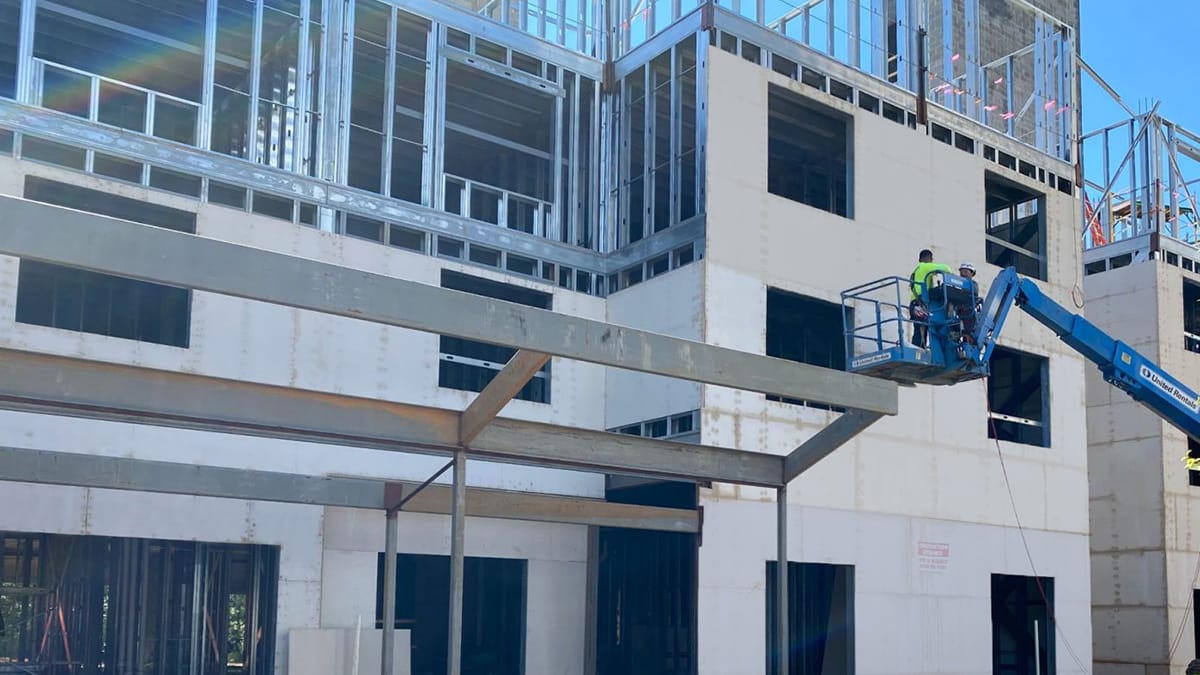 Modular and Prefabricated Construction
Magnesium sulfate sheathing is used in modular buildings. These buildings need strong and safe panels. Magnesium sulfate board helps stop fires and keeps out water. The panels last a long time and help keep buildings healthy. Builders pick magnesium sulfate because it does not burn and has no asbestos. These boards are better for the earth. They use less energy and make less carbon when made.
Here is a table showing the benefits in prefabricated building systems:
Performance Metric | Description |
|---|---|
Durability | Stays strong against fire, mold, and water. Lasts longer and makes less waste. |
Recyclability | Can be reused or breaks down, so less trash goes to landfills. |
Energy Efficiency | Helps keep rooms warm or cool. This lowers energy use. |
Low Carbon Emissions | Makes less CO₂ when made than older materials. |
Use in SIPs and Wall Sheathing
Magnesium sulfate board is used in SIPs and wall sheathing. These panels help stop fires and keep out water. The panels do not burn and are very strong. Magnesium sulfate makes SIPs safer and tougher. The board is safe and has no asbestos. It helps make indoor air cleaner.
A table below shows how magnesium sulfate board performs in SIPs:
Feature | Description |
|---|---|
Mold Resistance | Stops mold, mildew, and fungus. This keeps away rot and allergies. |
Durability | Works well for a long time, even in hard places. |
Environmental Impact | Safe and has no asbestos. Good for green building. |
Residential and Commercial Projects
Magnesium sulfate board is used in homes and businesses. Many houses use it to stop fires and water damage. Stores and offices use it for walls, roofs, and soffits. The board meets building codes and stands up to strong winds and storms. Builders like magnesium sulfate for fire safety and keeping out water.
Here are common applications of magnesium sulfate boards in commercial construction:
Application Type | Benefits |
|---|---|
Fire-resistant base for siding, roofs, soffits, and fascias | Makes outside parts safer from fire. |
Structural Insulation Panels (SIPs) | Gives strength and insulation for saving energy. |
Exterior Sheathing | Stands up to wind, hits, bugs, and decay. |
Hurricane-resistant buildings | Handles bad weather and keeps buildings safe. |
Tip: You spend less money over time because magnesium sulfate board needs little care and helps lower energy bills.
Material Comparison and Installation
Magnesium Sulfate Board vs. Gypsum and OSB
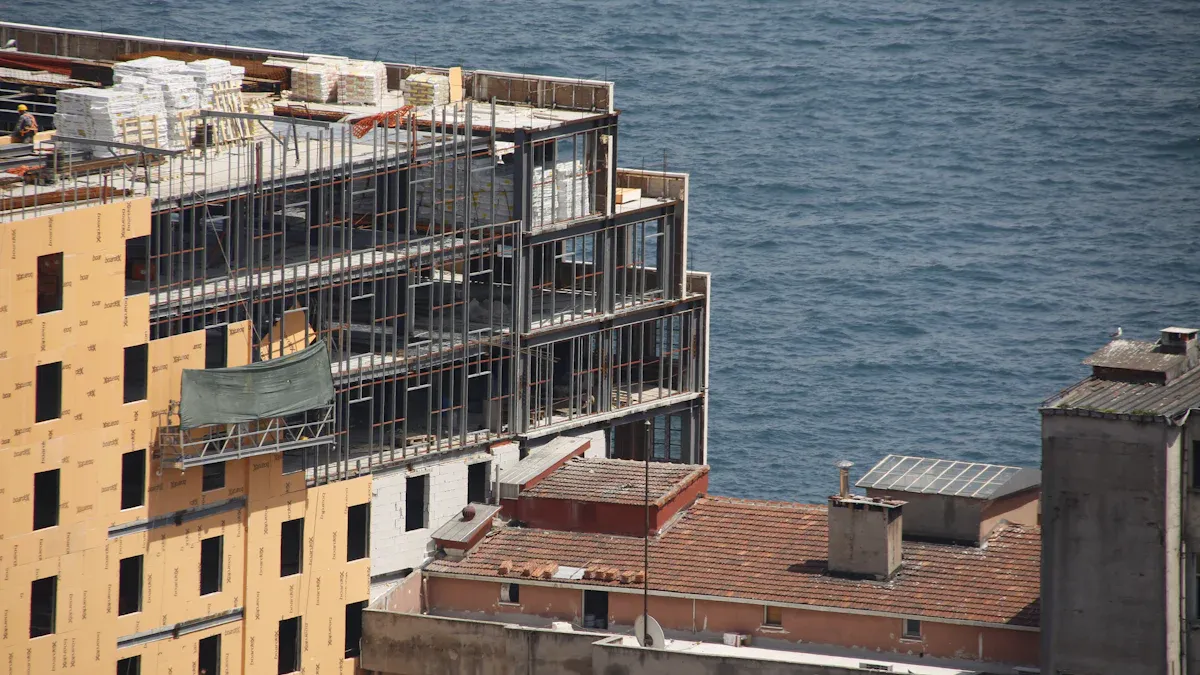 Magnesium Sulfate Board vs. Gypsum and OSB
You might wonder how magnesium sulfate board is different from gypsum board and OSB. Each board has good and bad points. Magnesium sulfate board is better because it stops fire, keeps out water, and lasts longer. The table below shows how each board works:
Feature | Magnesium Sulfate Board (MgO) | Oriented Strand Board (OSB) | Gypsum Board |
|---|---|---|---|
Thermal Insulation | N/A | ||
Fire Resistance | Yes | No | Yes |
Moisture Resistance | Yes | No | No |
Magnesium sulfate board does not soak up water. You can use it in wet places without problems. Gypsum board can break if it gets wet, even special types. OSB gets bigger and weakens when wet. Magnesium oxide sheathing board also helps stop mold and damage.
Tip: If you want good insulation and fire safety, magnesium sulfate board is a smart pick for your building.
MGO Sheathing Board Installation
You can put in magnesium oxide sheathing board with easy steps. First, measure your space and mark where the boards go. Plan to leave small gaps so the boards can expand. Use a utility knife for small cuts. Use a circular saw with a fiber-cement blade for big cuts. Hold the board steady when you cut.
Use 316-stainless steel or ceramic-coated screws to fasten the boards. For wood studs, use #8 flat head screws. For metal, use #8 flat head screws with nibs. Space the screws as the code says. Always wear a dust mask and safety glasses. Do not sweep dry dust; use wet cleaning or a HEPA vacuum.
Some people make mistakes like skipping prep, using wrong screws, or putting screws too close to the edge. Keep screws at least 4 inches from corners. Do not tighten too much. Leave a 1/8-inch gap between boards to stop warping.
Note: If you follow the right code, your sheathing will last longer and work better.
Maintenance and Longevity
You want your sheathing to last many years. Check the boards once or twice a year for cracks or chips, especially after storms. Clean the boards with a damp cloth or mild soap. Do not use strong cleaners. Fix worn seams with new joint compound and sand smooth. Make sure all screws are tight and not rusty. In wet places, put on primer or waterproof sealant every few years.
These steps help your magnesium sulfate board stay strong and safe. You protect your building and keep it up to code.
Tip: Take care of your sheathing and follow the code. Your boards will stay in good shape for a long time.
You get lots of good things with magnesium sulfate sheathing. The board stops fire, keeps out water, and blocks mold. Builders like it because it is strong and easy to put in. Using these panels helps the earth. The table below lists the main benefits:
Advantage | Description |
|---|---|
Fire Resistance | Keeps you safe in places with fire risk |
Moisture Resistance | Stops water damage and mold |
Durability | Stays strong even with heavy use |
Easy Installation | Makes modular and prefab jobs faster |
Eco-Friendly | Helps with green building |
Your building becomes safer and better for health. Magnesium sulfate sheathing works well in modular and prefab buildings. You help make construction greener for the future.
FAQ
What is mgo sheathing board used for in construction?
You use mgo sheathing board to make walls, roofs, and floors stronger. It helps protect buildings from fire, water, and mold. Many builders choose mgo sheathing board for modular and prefabricated projects.
How does mgo sheathing board resist mold and moisture?
You get mold resistance because mgo sheathing board does not absorb much water. The board stays dry, so mold and fungus cannot grow. You keep your building healthy and safe with mgo sheathing board.
Can you install mgo sheathing board easily?
You can cut and install mgo sheathing board with basic tools. You use screws to attach the board to wood or metal frames. You follow simple steps and safety tips for a smooth installation.
Is mgo sheathing board better than gypsum or OSB?
You get better fire and water protection with mgo sheathing board. Gypsum and OSB do not last as long in wet or fire-prone areas. You choose mgo sheathing board for stronger and safer buildings.
Where can you use mgo sheathing board panels?
You use mgo sheathing board panels in homes, offices, schools, and stores. The panels work well for exterior walls, roofs, and floors. You get strong and long-lasting protection in many types of buildings.