


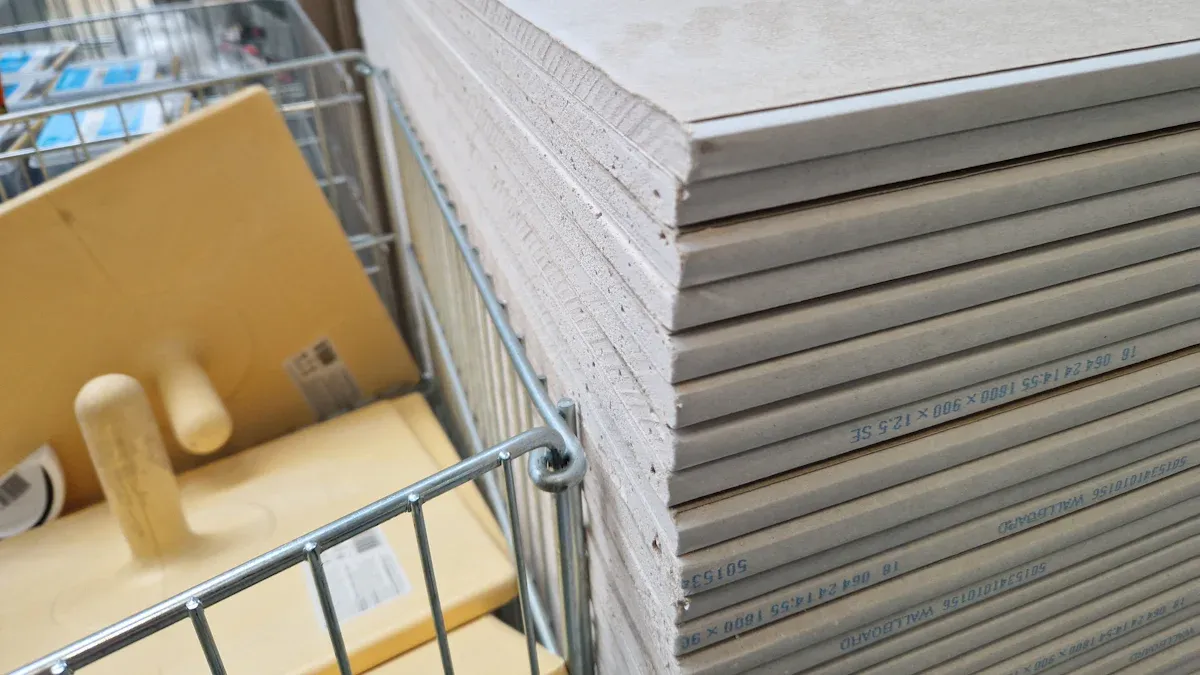
13 Aug What Is Cement Board and How Is It Made in 2025
Table of Contents
Cement board is a tough material used in building projects. It is needed when extra strength and water protection are important. Companies make cement board by mixing cement, fibers, fillers, and special additives. This mix lets the board stand up to water, mold, and fire. Many builders and homeowners pick cement board for bathrooms and kitchens. It lasts a long time in these places. The worldwide market for cement board was $8.15 billion in 2024. It should grow to $8.6 billion in 2025. This shows that more people want strong building materials.
Key Takeaways
Cement board is a tough panel for building. It does not get damaged by water. It is made from cement, fibers, fillers, and additives. These help it fight mold, fire, and cracks.
Fiber cement board works well in wet or strong areas. You can use it in bathrooms, kitchens, and outside walls. It lasts a long time and does not break easily.
To make cement board, people mix the materials. Then, they form them into sheets. The sheets are cured and checked for quality. After that, they are cut into strong panels for many uses.
When you install cement board, you must cut, fasten, and seal it right. This keeps it strong and safe from water. It is good for wet and busy places.
Cement board is very strong and does not burn easily. It does not need much care. This makes it a good choice for homes and businesses.
What Is Cement Board
Definition
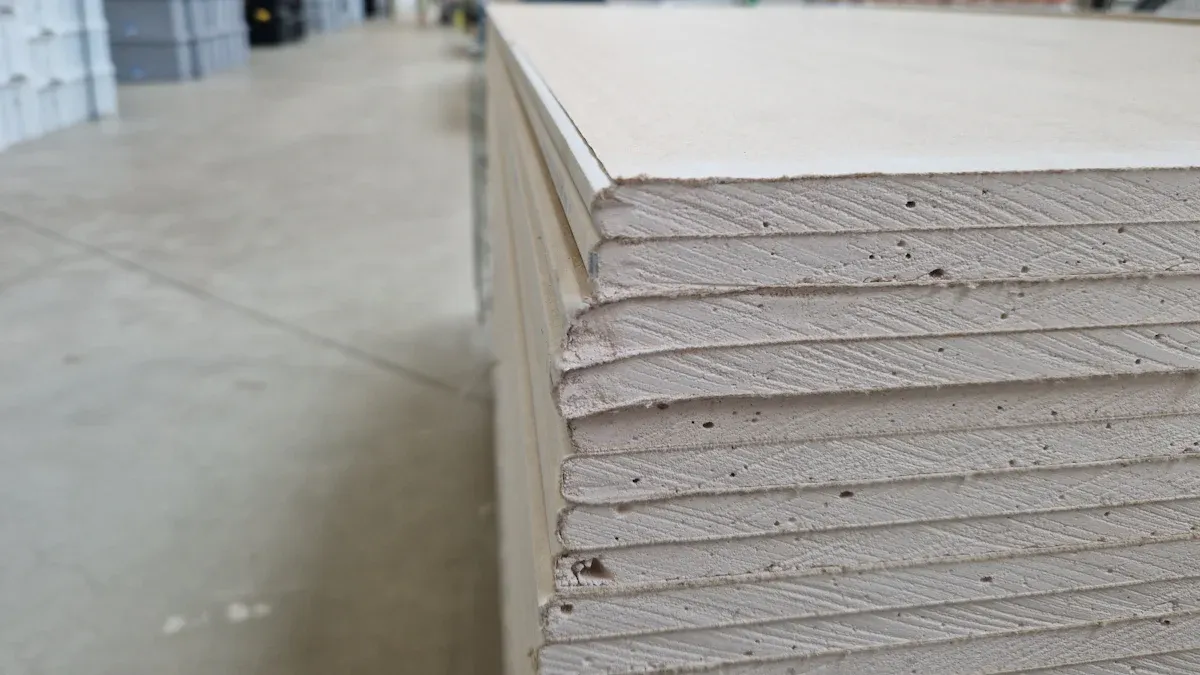
Cement board is a strong panel used in building. It is made from cement, fiber, fillers, and additives. Builders use it under tile or stone in places that need strength and water protection. Cement holds everything together. Fiber, like cellulose or fiberglass, makes the board flexible and strong. Fillers such as silica make the board dense and stable. Water helps mix the parts and shape the board. All these things make cement board tough and water-resistant.
Did you know?
When cement board has cellulose or fiberglass fiber, it is called fiber cement board. People use this board for projects inside and outside buildings.
The table below lists the main parts and what they do:
Component | Role in Cement Board |
|---|---|
Cement | Gives structure, lasts long, and resists fire |
Fiber | Makes the board strong, flexible, and stops cracks |
Silica | Makes the board dense and strong |
Water | Mixes the parts and shapes the board |
Additives | Helps the board work better and last longer |
Key Properties
Cement board is special because it is strong and tough. These features make it a good choice for many building jobs.
Strength and Durability
Cement board is hard to break and can take hits. The fiber inside helps it bend and not snap. It can hold heavy things and does not crack easily.Moisture Resistance
Cement board does not swell or shrink when wet. It stays strong in places like bathrooms and kitchens. It does not soak up water or let mold grow. This makes it great for damp places.Mold and Fire Resistance
The cement and fiber stop mold and mildew from growing. The board also does not burn easily, so it is safer.Dimensional Stability
Silica and fiber help the board keep its shape. It does not warp or crack when it gets hot or cold.Versatility
Builders use cement board for many things. It can go under tile, on outside walls, or under counters. Fiber cement board is even stronger and bends for curved surfaces.Thermal and Acoustic Insulation
Some cement boards with wood fiber keep heat and sound out. This makes rooms more quiet and comfortable.Cost-Effectiveness
Cement board lasts a long time and does not need much care. It is a smart buy for people who want strong and lasting materials.
Tip:
Pick fiber cement board for places that get wet or need extra strength. It works better than gypsum board in busy or damp spots.
Manufacturing
Composition
Cement board is made by mixing different materials together. Cement is the main part and makes up about half of the board. Fillers like silica sand add about a quarter of the mix. These fillers help the board stay strong and not bend. Fiber is also important in the mix. Companies use about 8% to 10% cellulose or fiberglass fiber. This fiber helps the board stay strong and not crack. Mica is added to help the board resist fire and stay stable.
Small amounts of additives are also used. These include aluminum stearate and polyvinyl alcohol (PVA). Additives help control how the board dries and sets. They also help the board resist water. Aluminum stearate and PVA change how crystals form in the cement. This helps the board keep out water and last longer in wet places. Some boards have cenospheres, which are tiny hollow balls. Cenospheres make the board lighter but still strong.
The table below shows what goes into cement board in 2025:
Material | Percentage (%) | Purpose |
|---|---|---|
Cement | 40-60 | Structure, strength, fire resistance |
Fillers (Silica) | 20-30 | Density, stability |
Fiber (Cellulose/Fiberglass) | 8-10 | Flexibility, crack prevention, strength |
Mica | 10-15 | Fire resistance, stability |
Additives (Aluminum Stearate, PVA) | Small amounts | Water resistance, setting control |
Cenospheres (optional) | Small amounts | Lower weight, maintain strength |
Note:
The mix can change based on what the board is used for. Boards for tough jobs may have more fiber or thicker layers.
Process Steps
Making cement board takes several steps to turn raw materials into panels. Each step helps make sure the board is strong and lasts a long time.
Raw Material Preparation
Workers gather and measure all the materials. They use cement, fiber, silica sand, mica, and additives. These are mixed together to make a thick paste.Sheet Forming
Machines press or shape the paste into flat sheets. The fiber spreads out in the mix and makes the board tough. Sheets can be made in many sizes and thicknesses.Curing
The sheets are dried and hardened in this step. Curing makes the board strong and able to resist water. Some factories use steam or heat to speed up drying.Quality Control
Inspectors check the boards for strength, thickness, and water resistance. They make sure each board meets the right standards.Cutting and Finishing
Workers cut the boards into standard sizes. Thin boards are used for ceilings and walls. Thicker boards are used for heavy jobs. Boards come in different widths and lengths for many uses.Packaging and Shipping
Finished boards are stacked, wrapped, and sent to stores or building sites.
Tip:
Boards with more fiber are better for places that need extra strength. Thicker boards are best for busy buildings or heavy use.
Fiber is used in every step to keep the board strong and flexible. Additives like aluminum stearate and PVA help the board resist water and dry right. The process also lets companies make special sizes or lighter boards with cenospheres.
Did you know?
Fiber spread through the board helps stop cracks and keeps the board stable, even when it gets hot or cold.
Types of Cement Board
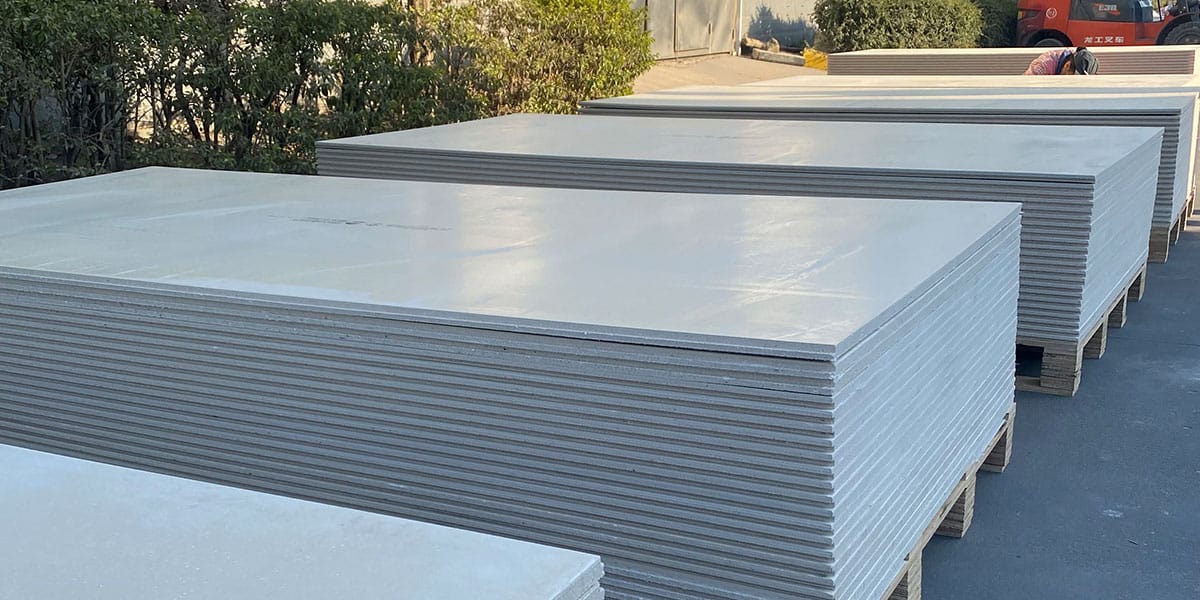 Cement board comes in a few different types. Each type has its own mix of cement and fiber. Builders pick the type based on what the job needs and where it will go.
Fiber Cement Board
Fiber cement board mixes cement with cellulose or synthetic fiber. This board is strong and tough. The fiber inside helps stop cracks and lets the board bend a little. Fiber cement board does not let water, mold, or fire hurt it. Builders use it for siding, roofing, and floors. It works well in wet places or where extra strength is needed. Many people like fiber cement board because it lasts a long time. It does not rot or get eaten by termites. Some new fiber cement boards use fiberglass mesh to make them even stronger. Others use light polystyrene beads so they are easier to cut.
Fibre Cement Board
Fibre cement board is almost the same as fiber cement board. The main difference is how the word is spelled. In the United States, people say “fiber cement board.” In places like the UK or Australia, they say “fibre cement board.” Both types use cement and fiber to make a strong, water-resistant board. Fibre cement board is often used for outside siding, patios, and decks. It does not let mold, mildew, or fire damage it. Builders think it is easy to use and good for many jobs.
Cement Backer Board
Cement backer board is another popular type. It uses cement and fiber like the other boards. Builders put cement backer board under tile and stone. It is great for bathrooms, kitchens, and other wet rooms. Cement backer board does not soak up water, so it helps stop mold and mildew. Some special cement backer boards, like PermaBASE WP®, have extra waterproofing to block water damage. Others, like PermaBASE CI®, add insulation to help save energy.
Tip:
Pick fiber cement board for outdoor jobs or places that need to be strong. Use cement backer board under tile in wet rooms.
Here is a table that shows the main types:
Attribute | Fiber Cement Board | Fibre Cement Board | Cement Backer Board |
|---|---|---|---|
Composition | Cement, cellulose or synthetic fiber | Cement, natural fibres | Cement, fiber |
Water Resistance | High | High | High |
Fire Resistance | High | High | High |
Durability | Very durable, rot-proof | Durable, rot-proof | Durable |
Typical Applications | Siding, roofing, flooring | Siding, patios, decks | Tile substrate, wet areas |
Installation | Easy to cut, strong edges | Lightweight, easy to handle | Easy to install under tile |
Specialty and Advanced Types
Some new cement boards have special features:
Wood wool cement board uses wood fiber and cement to block sound.
Wood strand cement board uses longer fiber to make it stronger.
Some boards use EdgeTech® technology for edges that do not break.
Others add insulation or waterproofing for special jobs.
These new types of cement boards help builders with new building needs.
Uses
Residential Applications
Many people pick cement board for places that need to be strong and dry. It works well under tile in bathrooms, kitchens, and laundry rooms. People use it as a base for tile because it does not get ruined by water. Cement board is also used behind tile in showers and tubs. These places get wet a lot. Builders put it around fireplaces because it can take heat and fire.
Some homes use magnesium oxide boards for walls, ceilings, and floors. These boards are light and easy to move. They help stop mold and last for years. Glass mat gypsum boards are good for damp places like basements and wet rooms. These boards keep out mold and help walls stay strong. Foam boards are another choice for light tile backers and insulation in bathrooms and kitchens.
Tip:
Cement board lasts longer and stops mold better than greenboard in wet places. Greenboard can fall apart if it stays wet, but cement board stays safe and strong.
Common residential uses include:
Under tile in bathrooms, kitchens, and laundry rooms
Around fireplaces and walls that get hot
Wet places like showers and tubs
Walls, ceilings, and floors with magnesium oxide boards
Insulation and light tile backers in damp rooms
Commercial Applications
Cement board is important in many new commercial buildings. Many companies use fiber cement board on the outside of offices, schools, and restaurants. This keeps buildings safe from rain, wind, and fire. It also makes them look neat and modern. Some schools in Dallas use fiber cement board outside to meet safety rules and keep air clean inside.
In busy places like airports, malls, and hospitals, builders use cement board for wall panels, soffits, and outside walls that let air flow. These boards help control heat and save energy. Waterproof fiber cement board works well for walls in bathrooms, locker rooms, and big kitchens. They are also used as ceiling boards in hallways and service areas.
Cement board is easier to care for than brick or stucco. It does not bend, swell, or need much work. Restaurants often use fiber cement board with special looks to make their style last in bad weather.
Key commercial uses include:
Outside walls for offices, schools, and restaurants
Deck planks for rooftops and balconies
Inside wall panels and soffits in public buildings
Under tile in commercial kitchens and bathrooms
Note:
Cement board is fire-resistant, strong, and stops mold. This makes it a top pick for homes and businesses. Builders use this material when they need something safe and tough.
How to Install Cement Board
Cutting and Handling
Cutting cement board requires the right tools and careful handling. Many installers use a circular saw with a special blade that has four or six teeth made for fiber cement. Marking the cut line clearly helps keep edges straight. Workers should cut slowly and support the board to prevent cracks or chips. Power shears work well for straight cuts and create less dust, making them a good choice for tight spaces.
Safety is important during cutting. Workers should wear a dust mask or respirator and gloves to protect against dust and sharp edges. Connecting a dust collection bag or hood to the saw helps capture dust. Following these steps keeps the work area clean and safe. After cutting, painting the edges helps protect the board from moisture.
Tip:
Always follow tool instructions and set up cutting stations outdoors when possible to reduce dust exposure.
Fastening
Proper fastening ensures a strong cement board installation. Installers use screws made for cement board, which resist corrosion and hold well in wet areas. For wood framing, 1¼-inch cement board screws work best. For metal framing, 1⅝-inch screws are recommended. Galvanized nails can be used, but drywall screws should be avoided because they rust and lose strength.
Fasteners should be spaced every 6 to 8 inches along the board’s edge and placed ½ to 2 inches from the edge. Screw heads should sit flush with the surface. Some installers apply a thin layer of thin-set mortar under the board to prevent shifting. In high-moisture areas like bathrooms, screws with a ceramic coating provide extra protection.
Sealing and Finishing
Sealing joints and edges is key to stopping water from getting behind the cement board. Most boards need sealant only at seams, fastener heads, and exposed edges. This targeted sealing saves time and materials. Some boards have reinforced edges, allowing fasteners to be placed closer without damage.
A vapor barrier may be needed behind the cement board in very wet areas. This extra layer helps block moisture and prevent mold. After sealing, installers can finish the surface with tile or another covering.
Note:
Cement board is strong but heavy and not fully waterproof. It needs extra waterproofing in wet areas and does not insulate well. Handling can be hard in small spaces, and the material does not bend for curved designs.
Cement board is a trusted material for new buildings. It is very strong and lasts a long time. It does not burn and needs little care. The table below shows how it compares to other materials:
Feature | Fiber Cement Board | Wood | Vinyl | Brick |
|---|---|---|---|---|
Durability | Needs upkeep | Can crack | 100+ years | |
Fire Resistance | Non-combustible | Burns | Burns | Non-combustible |
Maintenance | Low | High | Low | Low |
Builders pick cement board because it is safe and strong. It also saves money over time.
FAQ
What tools work best for cutting cement board?
Installers use a circular saw with a carbide-tipped blade or power shears. These tools cut cleanly and reduce dust. Workers should always wear a dust mask and gloves for safety.
Can cement board get wet during installation?
Cement board resists water but should not stay wet for long. Installers keep it dry before and during installation. Wet boards may weaken or grow mold if not dried quickly.
Does cement board need waterproofing?
Cement board itself resists water. However, installers add waterproofing membranes or sealants in very wet areas, such as showers. This extra layer helps stop water from reaching walls behind the board.
Is cement board safe for outdoor use?
Builders use cement board outside for siding, soffits, and decks. It stands up to rain, wind, and sun. Fiber cement board does not rot or attract insects, making it a good choice for outdoor projects.
How heavy is cement board compared to drywall?
Cement board weighs more than drywall. A 3×5-foot cement board panel can weigh 40 to 60 pounds. Drywall panels of the same size weigh less. Workers often need help to lift and install cement board.