


25 Apr Exploring the Different Types of Decorative Wall Boards
You can use decorative wall board types to change how a room looks. Many panels are easy to put up. They do not scratch or stain easily. There are options for every design style. Some decorative panel choices help make rooms quieter. Some use materials that are good for the environment. You get beauty and useful benefits.
Key Takeaways
Decorative wall boards can change how a room looks. They also help with sound and last a long time.
Pick the best wall panel for your style and budget. Think about what your space needs to get good results.
Use materials like PVC or MgO in wet places. These materials stop water and mold well.
Decorative Wall Board Types
You can pick from many wall board types. Each type has its own look and use. The right wall board can change your room. It adds beauty and helps your space work better.
Wainscoting Paneling
Wainscoting makes walls look classic. You see it in dining rooms and hallways. It uses wood panels and molding on the lower wall. This style keeps walls safe from scuffs. It also makes rooms look fancy. You can paint or stain wainscoting to match your style.
Beadboard Paneling
Beadboard uses thin boards with grooves. This style gives walls a textured look. You find beadboard in bathrooms and kitchens. The lines make small rooms seem taller. You can use satin or semi-gloss paint for beadboard. Beadboard works well with wainscoting and chair rails.
Tip: Put beadboard in busy rooms for a strong, classic look.
Shiplap Paneling
Shiplap is very popular now. It uses wooden boards that overlap. This makes a tight seal and neat lines. You can use shiplap for a cool wall in living rooms or bedrooms. Many people like shiplap for its simple style. Shiplap is easy to put up. You can paint shiplap or leave it natural.
Shiplap fits modern and rustic rooms.
It adds texture and interest to any space.
Board and Batten Paneling
Board and batten is a classic wall paneling. It uses wide boards and thin strips called battens. Battens cover the seams. This style adds depth and patterns to walls. You see board and batten in entryways and bedrooms. It costs $7 to $20 per square foot. Wood and MDF need care. PVC needs less work.
Type of Wall Paneling | Average Cost Per Square Foot |
|---|---|
Board and Batten | $7–$20 |
Raised Paneling
Raised paneling has shapes that stick out from the wall. This style gives a 3D effect. Raised panels are good for formal rooms. You see them in dining rooms and libraries. Raised paneling is common in Victorian homes. It uses solid wood for a rich look.
Flat Paneling
Flat paneling gives a smooth, modern look. It fits well in new spaces. You can use wood, magnesium oxide, PVC, MDF, composite, metal, fabric, stone, or gypsum.
Material | Characteristics | Benefits | Suitability for Design Styles |
|---|---|---|---|
Wood | Natural beauty, unique grain patterns, durable | Timeless charm, warmth, elegance | Versatile, from rustic to modern |
Magnesium Oxide | Fire-resistant, mold-proof, lightweight | Strong, sustainable, eco-friendly | Residential and commercial spaces |
PVC | Cost-effective, low-maintenance, moisture-resistant | Affordable, easy to install, hygienic | Ideal for bathrooms and kitchens |
MDF | Engineered wood, smooth surface, customizable | Affordable, versatile, sound-absorbing | Residential and commercial spaces |
Composite (WPC) | Combines wood and plastic, moisture-resistant | Durable, eco-friendly, low maintenance | Humid areas like bathrooms or kitchens |
Metal | Industrial look, durable, easy to maintain | Sleek appearance, suitable for urban spaces | Modern urban interiors |
Fabric | Soft, warm, excellent for soundproofing | Adds warmth, ideal for bedrooms or home theaters | Cozy spaces |
Stone | Luxurious, timeless aesthetic, heavier | High-end look, durable | Elegant interiors |
Gypsum | Lightweight, versatile, easy to customize | Great for decorative designs, easy to paint or texture | Various design applications |
Flat panels let you add art or decorations easily.
3D Decorative Wall Panels
3D wall panels make walls look textured. They use materials like gypsum, PVC, or MDF. You can use 3D panels in living rooms or offices. The raised patterns catch light and shadow. This makes plain walls more interesting.
Acoustic Wall Panels
Acoustic panels help make rooms quieter. They use fabric, foam, or wood. You see them in offices and classrooms. Acoustic panels absorb sound. They come in many colors and shapes. You can match them to your room.
Pallet Wood Panels
Pallet wood panels use old wood from pallets. This style is good for the environment. It gives rooms a rustic look. Using pallet wood helps save trees. You can use these panels in living rooms or bedrooms.
Note: Pallet wood panels help the planet and make your home unique.
Tongue and Groove Paneling
Tongue and groove panels fit together easily. One side has a tongue and the other has a groove. This makes a tight, neat look. You can use tongue and groove for walls or ceilings. It works for both old and new designs.
MgO Decorative Wall Board
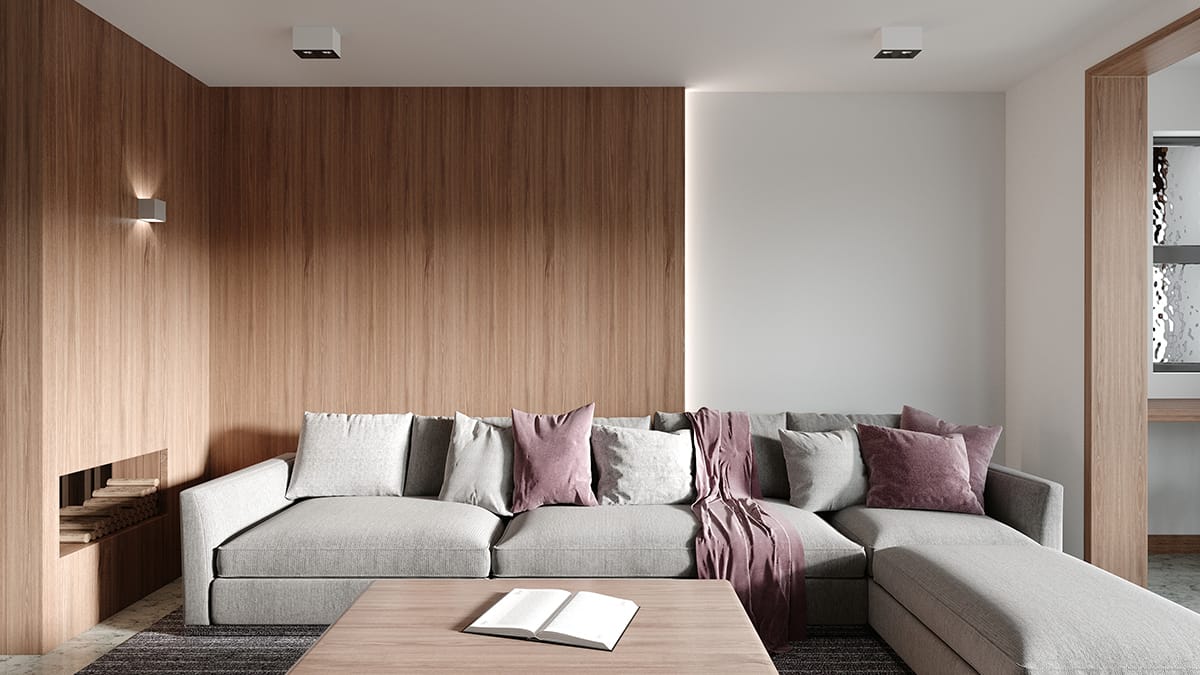 MgO wall board uses magnesium oxide. It is strong and light. MgO boards resist fire, mold, moisture, and bugs.
Feature | Rating/Description |
|---|---|
Fire Resistance | Non-combustible, resists fire for 2-3 hours at 800ºC |
Flame Catching Point | Does not catch flame until 1200ºC |
Durability | Resistant to moisture, fire, mold, and pests |
You can use MgO boards in homes or offices where safety matters.
PVC Decorative Wall Boards
PVC wall boards use polyvinyl chloride. They are waterproof and resist mold and rot. PVC panels are good for bathrooms and kitchens. They are light and easy to install. PVC lasts a long time but can get brittle in the sun.
Evidence | Description |
|---|---|
Waterproof Nature | PVC is described as 100% waterproof, making it ideal for areas with high humidity, such as bathrooms. |
Mold and Rot Resistance | PVC material is 100% mold and rot-resistant, ensuring longevity in moist environments. |
Durability | PVC is durable but may become brittle over time due to UV exposure, which is important for longevity considerations. |
MDF Wall Boards
MDF wall boards use wood fibers and resin. They are smooth and easy to paint. MDF is cheap and fits many styles. You can use MDF for wainscoting or trims. MDF is heavy and does not like moisture.
Advantages | Disadvantages |
|---|---|
Cost-Effective | Moisture Sensitivity |
Smooth Surface | Heavy Weight |
Versatile | Fastener Issues |
Eco-Friendly |
|
Stable |
|
Easy Installation |
|
Gypsum Wall Boards
Gypsum boards are light and easy to put up. You use them for walls and ceilings. Gypsum boards resist fire and noise. You can use them in homes or offices. Gypsum panels work for ceilings and partitions.
Used as a finishing material in residential construction.
Provides fire protection in commercial high-rises.
Helps build quality walls and ceilings.
Improves acoustic performance and hides wiring.
Gypsum wall boards make rooms safer and quieter. They are quick to install.
Many wall paneling types fit every style and budget. You can pick wood, MgO, or PVC for your space.
Wall Paneling Comparison & Design Ideas
 Types of Wall Paneling: Pros & Cons
 Types of Wall Paneling: Pros & Cons
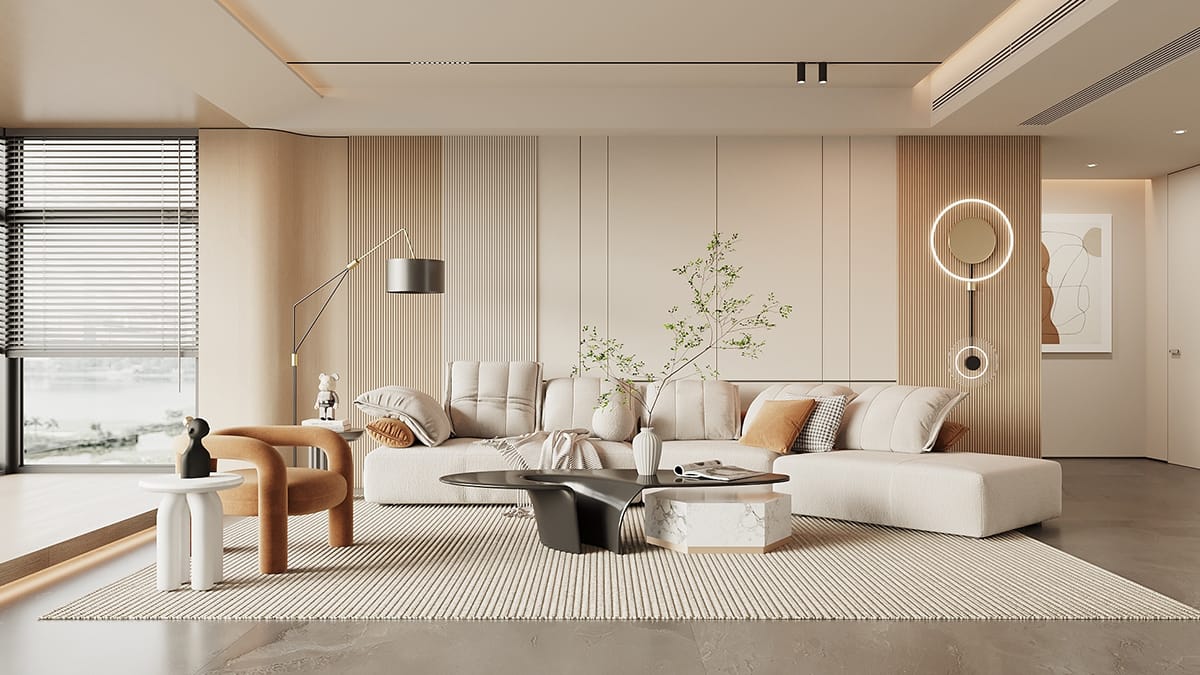
There are many wall paneling types to pick from. Each type has good and bad points. Some panels are cheap and simple to put up. Others last longer and need less work. Check the table below to see the prices:
Material Type | Price Range |
|---|---|
MDF or Plywood | |
Fiber Cement Boards | Over $40 per sheet |
Think about how strong the panels are and how much care they need. Here is a quick chart:
Wall Paneling Type | Durability Level | Maintenance Needs |
|---|---|---|
Metal Panels | High | Low |
Fiber Cement Panels | High | Low |
PVC and Polymer Panels | High | Low |
Wood Panels | Moderate | Restorable or replaceable |
High Pressure Laminates | Moderate | Moderate |
Standard Drywall | Lower | Higher |
Fabric Covered Panels | Lower | Higher |
Phenolic panels can take hits and do not scratch easily. PVC panels keep out water and do not rust. Gypsum boards need more care. MDF panels are cheaper but need more fixing.
Decorative Wall Paneling: Style & Function
Different wall paneling types can make your room look nice and work well. Wainscoting makes rooms fancy and keeps walls safe. Shiplap looks neat and fits many spaces. Board and batten gives a modern style. Beadboard makes rooms feel warm. You can pick the paneling that fits your taste and needs.
Type of Paneling | Description | Functional Benefits |
|---|---|---|
Wainscoting | Decorative molding on lower wall | |
Shiplap | Wooden boards with grooves | Tight seal, boosts style |
Board and Batten | Wide boards with narrow strips | Modern look, adds value |
Beadboard | Narrow planks with ridges | Classic style, cozy feel |
Wall Paneling Design Ideas for Home & Office
Wall paneling ideas can change how any room looks. Use panels to cover wall marks or add warmth in basements. Try dark or bumpy panels for a movie room. Put panels in meeting rooms for a cozy feel. Make one wall stand out with panels. Pick wood or fake stone for a comfy space. Choose shiplap or smooth MDF for calm rooms. Use metal or 3D panels for a cool office. Try panels made from old wood or bamboo for a green choice. Some panels have LED lights built in for extra style.
Tip: Think about both how the panels look and how they work when you choose wall paneling for your room.
Choosing the Right Decorative Wall Paneling
Assessing Your Space & Needs
 Assessing Your Space & Needs
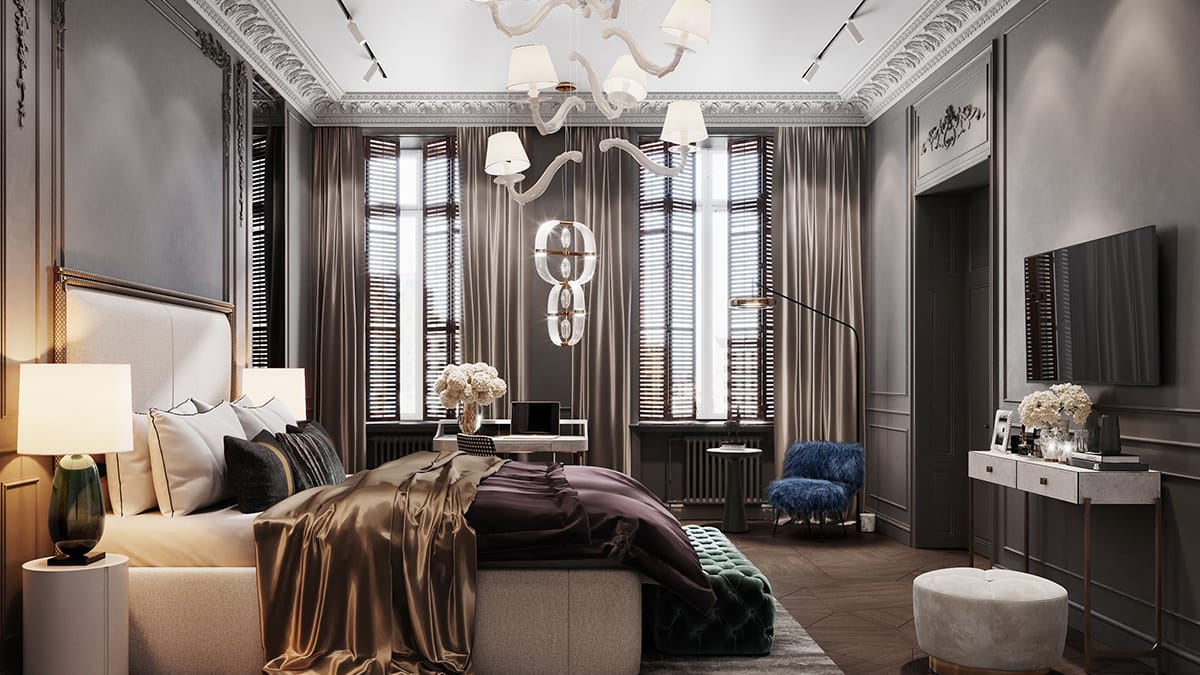
You need to look at your room before picking wall panels. Start by setting your budget. This helps you know which materials fit your price range. Think about the style you want. Choose panels that match your theme, color, and texture. Check how easy the panels are to clean and how long they last. Look at the size and layout of your room. Make sure the panels make your space feel better, not crowded.
Set your budget.
Pick a style and design.
Measure your room and plan the layout.
Tip: Panels with fire resistance or soundproofing work well in busy rooms.
Matching Style Preferences
Wall paneling can change your room’s look fast. You can pick from many styles to match your home. Wainscoting fits classic themes. Board and batten adds depth and works in both old and new spaces. Try geometric designs for a modern touch. Match panel colors with your furniture or cabinets for a smooth look. You can use paneling to make a kitchen or living room feel cozy.
Choose a style that fits your theme.
Coordinate colors for harmony.
Customize panels to match cabinets or decor.
Board and batten works for many interiors.
Balancing Function & Budget
You can get stylish panels without spending too much. Focus on one wall for a big effect and lower costs. Pick materials like 3D laminates or thermofoil for durability at a good price. Try installing panels yourself to save money. Use panels in high-traffic areas for the best value. Decorative panels cost $3 to $12 per square foot, less than fancy finishes.
Material | Best Use Case | Key Features |
|---|---|---|
PVC | Kitchens, bathrooms | Waterproof, easy to clean |
Wood | Living rooms, rustic spaces | Eco-friendly, needs care |
MDF | Modern rooms | Smooth finish, affordable |
MgO | Busy areas | Fire and water resistant |
Think about thickness, soundproofing, and sustainability when you choose panels. Pick reclaimed wood or certified materials for a greener home.
There are many decorative wall boards you can pick for your home. Each kind has special benefits for wood wall uses and accent walls. Wall panels are simple to put up, strong, and easy to care for. Look at new styles and ask an expert to help you make a space that matches what you like and need.
FAQ
What are the benefits of adding wall paneling to my home?
Wall paneling helps keep your walls safe. It makes your home warmer and looks nice. You can cover up marks or dents on your walls. Wall paneling can also make your house worth more.
Which wall paneling materials work best for moisture-prone rooms?
Pick PVC or MgO panels for wet places. These panels do not let water or mold in. They last a long time in kitchens and bathrooms.
How do I install shiplap wall for interior wall paneling?
First, measure your wall and cut the boards. Use nails or glue to put the boards up. Shiplap boards fit close together for a neat look.
Tip: Make sure your wall is straight before you start putting up panels.
Panel Type | Best Room Use |
|---|---|
Shiplap | Living Room |
PVC | Bathroom |
MDF | Bedroom |