


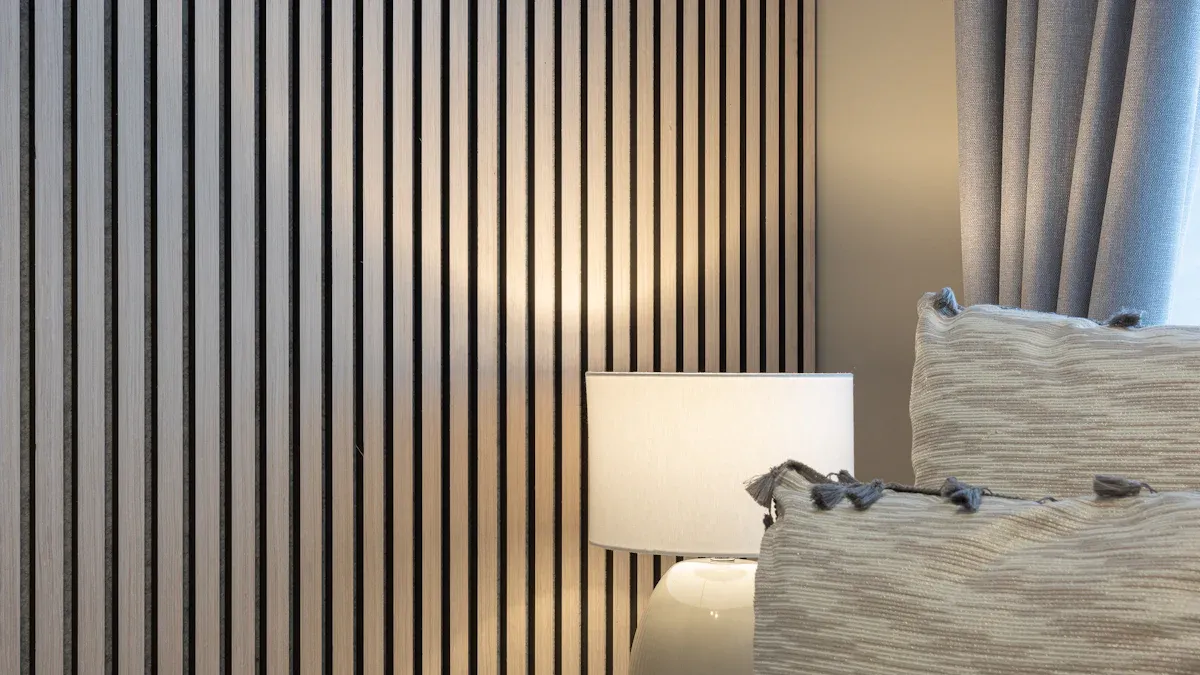
27 Apr Pros and Cons of Popular Decorative Wall Board Options
You want your room to look special, right? Picking from decorative wall board options lets you add style and texture. You can also show your personality in any room. Each choice gives you something different. For example, natural wood panels look unique and help with sound. MDF panels are easier to put up and cost less money. If you want soundproofing or a modern look, felt boards and modular designs are good. Gypsum panels are strong and resist fire, so they work well in busy places. Look at the tables below to see popular decorative wall board options and their features.
Type of Gypsum Wallboard | Features |
|---|---|
Regular Gypsum Wallboard | Good for most building needs. |
Type X (Fire-Resistant) | Lasts longer in fire, needed where fire safety is important. |
Moisture-Resistant | Great for wet places, stops mold and mildew. |
Mold-resistant | Helps stop mold, good for damp rooms. |
High-impact | Made for tough places like gyms and schools, does not dent or scratch easily. |
Abuse-resistant | Thicker and stronger, lasts longer in busy places. |
Type of Felt Board | Advantages |
|---|---|
Classroom Felt Boards | Helps kids be creative, can use again, helps with learning. |
Bulletin Felt Boards | Soft for pinning, looks modern, keeps walls safe. |
Home Decor Felt Boards | Can change the look, adds texture, helps families stay organized. |
Modular Felt Board Walls | Easy to move around, good for sharing ideas, can change shape. |
Soundproof Felt Board Walls | Soaks up sound, makes things clearer, some are good for the planet. |
Type of Wooden Slatted Panel | Advantages | Disadvantages |
|---|---|---|
Natural Wood | Looks special, helps with sound, can be fixed up. | Gets damaged by water, needs care, is heavy. |
MDF | Costs less, can be used in many ways, easy to put up. | Not as strong as real wood, may not look as nice. |
Modern Composites | Light, does not get hurt by water, comes in many styles. | May not look like real wood, can cost more than MDF. |
Decorative wall board options help you change your room with color, texture, and use. You can pick what fits your needs, your money, and your style. If you want a warm home or a cool office, you can find wall boards that match your idea.
Key Takeaways
Pick wall boards that fit your style. Wood makes rooms feel cozy. Metal gives a cool, modern look.
Look at your budget. MDF and PVC panels cost less. Stone and metal cost more money.
Think about how you use the room. Wet rooms need moisture-resistant panels like PVC or MgO.
Maintenance is important. Some panels need care often. Metal and PVC are simple to clean.
Installation is different for each panel. MDF and PVC are easy to put up yourself. Wood and metal may need a pro to help.
Wood Wall Panelling Options
Pros of Wood Wall Panelling
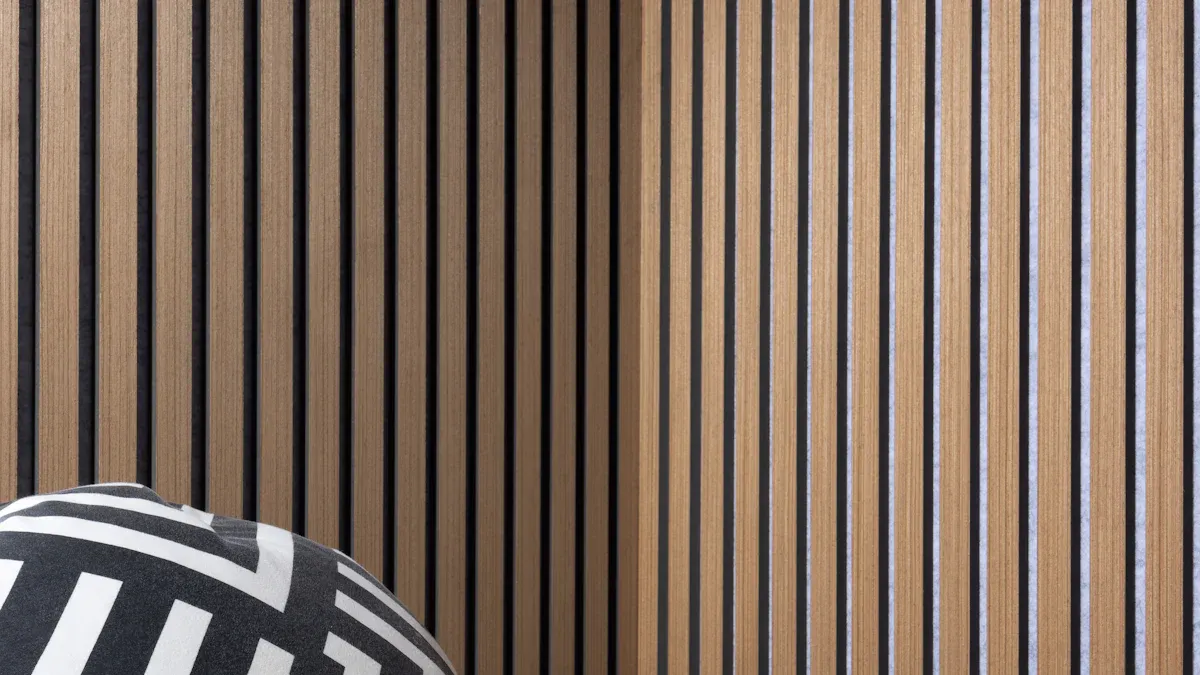
You might love how wood wall panelling changes a room. It brings warmth and makes spaces feel cozy. When you use natural wood, you get unique grain patterns that add visual depth. You can pick slatted wall panels for a modern look or classic styles for a timeless feel. Here are some advantages of slatted wall panels and other wood wall panelling:
Natural wood wall panelling adds character and charm.
Panels made from wood resist wear better than painted walls.
Slatted wall panels help manage sound, making rooms quieter.
Decorative wood wall panelling gives you many design choices.
You can use modern slatted wall panels for a sleek style.
Wood wall panelling works in living rooms, bedrooms, and offices.
Natural wood panels last longer if you care for them.
Slatted wall panels create texture and interest.
Wood wall panelling lets you mix colors and finishes.
You can enjoy the advantages of slatted wall panels in busy spaces.
Tip: Wood wall panelling can make your home feel more inviting and comfortable.
Cons of Wood Wall Panelling
Wood wall panelling has some drawbacks you should know. If you use natural wood in humid rooms, you might see warping or mold. Panels need regular care, even in dry places. The disadvantages of slatted wall panels include heavy weight and higher costs. Here are some common issues:
Panels can crack or deform in bathrooms and kitchens.
You must maintain wood wall panelling to keep it looking good.
Slatted wall panels often need professional installation.
Solid wood panels are heavy and require strong walls.
Panelling can cost more than other materials.
Natural wood panels may not suit every budget.
You might see mold if you skip maintenance.
Wood wall panelling needs cleaning and repairs.
Some panels lose color over time.
Custom Wood Wall Paneling Benefits
Custom wood wall paneling gives your home a special touch. You can design panels to fit your style and space. When you choose custom wood wall paneling, you make your property stand out. Here are some benefits:
Custom wood wall paneling boosts your home’s appeal.
Panels help your house sell faster by making a great first impression.
High-quality wood wall panelling increases perceived value.
Slatted wall panels look polished and well-maintained.
Custom wood wall paneling lets you pick materials and finishes.
You can use natural wood for a rich, classic look.
Panels add value if installed cleanly and professionally.
Custom wood wall paneling works in many rooms.
Wainscoting and slatted wall panels make spaces feel upscale.
Buyers notice custom wood wall paneling during showings.
Note: Custom wood wall paneling can help you get a better price when selling your home.
MDF Panelling
 MDF Panel Advantages
 MDF Panel Advantages
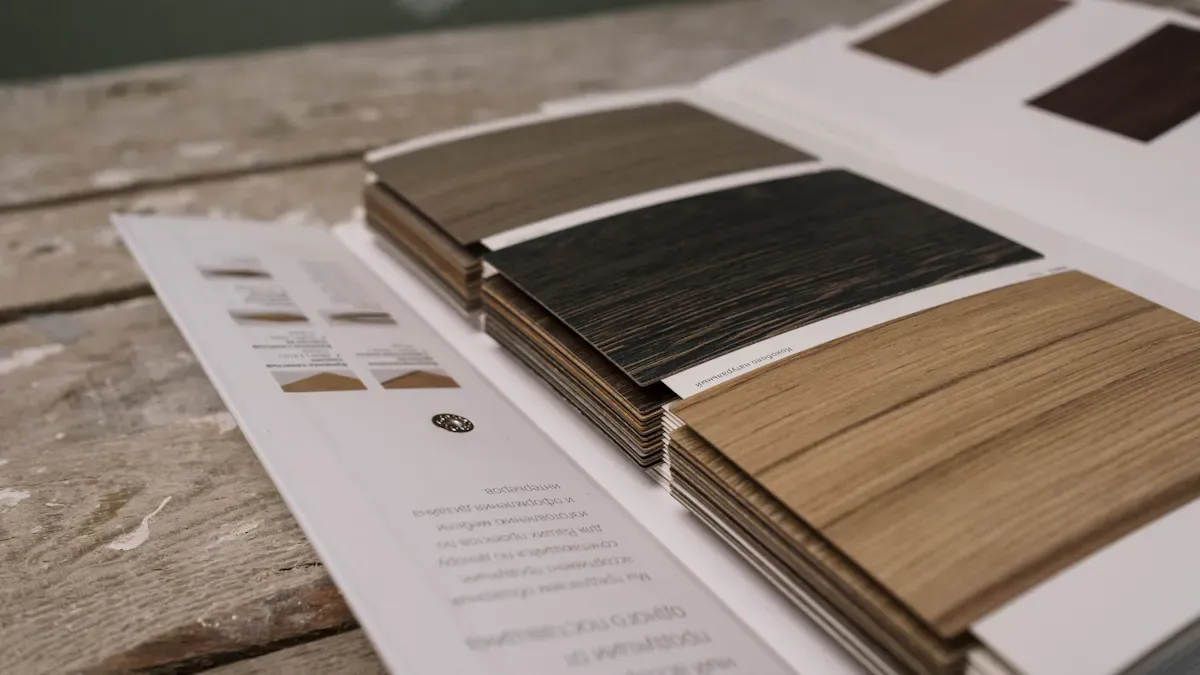
You might want a wall that looks smooth and modern. MDF panelling can help you get that look without spending too much. MDF stands for Medium-Density Fiberboard. Manufacturers make it by pressing wood fibers together with resins. This process gives you panels that are strong and have the same size every time. You do not have to worry about knots or cracks like you do with wood.
Here are some reasons you might pick MDF panelling for your space:
MDF panels are lighter than wood, so you can handle them easily.
You will find that slatted wall panels made from MDF are simple to install.
The surface of MDF panels feels smooth. Paint and varnish stick well, so you can try many colors and finishes.
MDF panelling costs less than natural wood. You can save money and still get a stylish look.
You will not see natural defects in MDF panels. This makes your slatted wall panels look neat and clean.
If you want a modern look, mdf decorative slatted wall panels give you lots of choices for design.
Let’s compare MDF panels and wood panels:
Advantage | MDF Panels | Natural Wood Panels |
|---|---|---|
Weight | Lighter than wood | Heavier than MDF |
Cost | More cost-effective | Generally more expensive |
Installation Ease | Easier to install | More complex installation |
Surface Finish | Smooth surface for better finishes | May have imperfections |
Dimensional Uniformity | Uniform dimensions | Natural variations present |
Defects | No natural defects (knots, cracks) | May contain defects |
Tip: If you want slatted wall panels that look perfect and are easy to paint, MDF panelling is a smart choice.
MDF Panel Drawbacks
MDF panelling does have some downsides. You should know these before you decide. MDF panels do not like water. If you use them in a bathroom or kitchen, they can swell or get damaged. Slatted wall panels made from MDF are not as strong as solid wood. If you bump them hard, they might dent or chip.
Here are some things to think about:
MDF panels can soak up water and swell.
You should not use MDF panelling in places that get wet often.
Slatted wall panels made from MDF do not hold screws as well as wood.
Heavy objects can damage MDF panels more easily.
You might need to replace slatted wall panels if they get chipped.
Note: If you want slatted wall panels for a busy hallway or a bathroom, you might want to look at other materials.
PVC Decorative Wall Board Options
PVC Panel Pros
 PVC Panel Pros
If you want a modern look for your walls, PVC panels can help you get there. These panels are lightweight, so you can carry them without much effort. You do not need to worry about water damage. PVC panels resist moisture, which makes them perfect for bathrooms and kitchens. You can clean them with a simple wipe. You do not need special cleaners or tools.
PVC panels come in many designs. You can find slatted wall panels that look like wood. Some panels have bright colors or patterns. You can use slatted wall panels to make your room feel fresh and stylish. You do not need to paint or stain them. PVC panels keep their color for a long time.
Here are some reasons you might choose PVC panelling:
PVC panels resist stains and scratches.
You can install slatted wall panels quickly.
PVC panelling costs less than wood panelling.
You do not need to worry about termites or mold.
Slatted wall panels made from PVC work well in wet places.
Tip: If you want slatted wall panels that last and look good, PVC panels are a smart pick for busy rooms.
PVC Panel Cons
PVC panels have some drawbacks you should know. If you want a natural look, PVC panels may not match real wood. Slatted wall panels made from PVC can feel less warm than wood panelling. You might notice that PVC panels sound hollow when you tap them.
Some slatted wall panels can crack if you hit them hard. You cannot repair them as easily as wood panels. PVC panelling does not add much value to your home. If you want to sell your house, buyers may prefer wood panelling or other materials.
Here are some things to think about:
PVC panels can fade if you put them in direct sunlight.
Slatted wall panels made from PVC may not suit every style.
You cannot recycle PVC panels easily.
PVC panelling can release odors when new.
Slatted wall panels do not feel as strong as wood panels.
Note: If you want slatted wall panels for a cozy living room, you might want to look at wood panelling instead.
Feature | PVC Panels | Wood Panels |
|---|---|---|
Moisture Resistance | Excellent | Poor |
Installation | Easy | Harder |
Appearance | Modern, varied | Natural, warm |
Durability | Good | Excellent |
Eco-Friendly | Low | Higher |
Metal Decorative Wall Board Options
Metal Panel Benefits
 Metal Panel Benefits
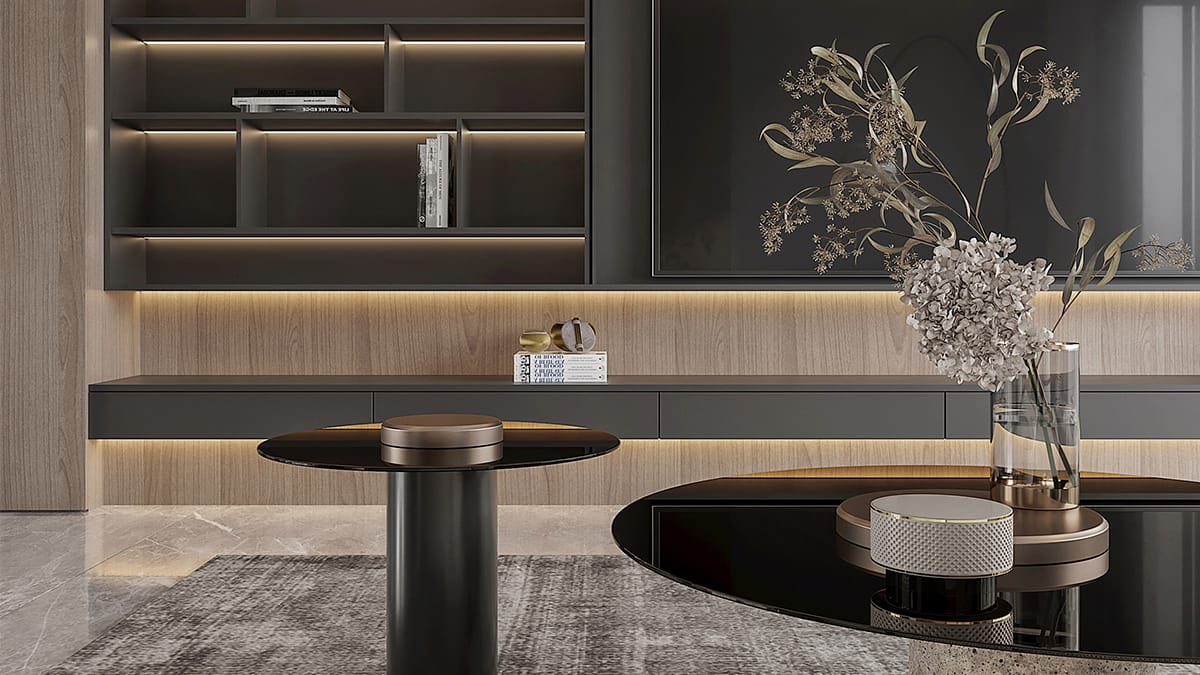
You might want a wall that stands out and feels modern. Metal panels can help you get that look. These panels give your room a sleek style. You can use slatted wall panels to create bold lines and patterns. Metal panels work well in offices, kitchens, and even living rooms. You will notice that metal panels resist scratches and dents. Cleaning is easy. You just wipe them down with a cloth.
Metal panels do not absorb moisture. You can use them in places where wood panelling would not last. Slatted wall panels made from metal can reflect light, making your space feel brighter. Metal panels also resist fire. You get extra safety in busy areas. If you want a cool, industrial vibe, metal panels deliver.
Here are some benefits of metal panels:
Strong and durable
Easy to clean
Moisture and fire resistant
Modern and stylish look
Works well with slatted wall panels for unique designs
Tip: Try mixing metal panels with wood or other materials. You can create a space that feels both warm and modern.
Feature | Metal Panels | Wood Panels |
|---|---|---|
Durability | High | Medium to High |
Maintenance | Easy | Needs care |
Moisture Resistance | Excellent | Poor |
Style | Modern, industrial | Warm, classic |
Metal Panel Limitations
Metal panels have some downsides. You might notice that slatted wall panels made from metal can feel cold. If you touch them, they do not feel as cozy as wood. Metal panels can cost more than other panelling options. You may need special tools to install them. Sometimes, metal panels make rooms echo. You might want to add soft materials to balance the sound.
Metal panels can scratch if you use sharp objects. If you want slatted wall panels for a bedroom, metal might not be the best choice. You cannot paint metal panels as easily as wood. Some panels show fingerprints and smudges. You need to clean them often to keep them looking good.
Here are some limitations:
Can feel cold and less inviting
Higher cost than wood panelling
Needs special installation tools
May cause echo in large rooms
Shows fingerprints and smudges
Note: If you want slatted wall panels for a cozy space, you might prefer wood or felt instead of metal.
Felt Decorative Wall Board Options
Felt Panel Advantages
You might want walls that feel soft and look stylish. Felt panels can help you create a cozy space. These panels absorb sound, so your room stays quiet. You can use them in bedrooms, offices, or classrooms. Felt panels come in many colors and shapes. You can mix and match to make your walls stand out.
Here are some reasons you might choose felt panels:
Felt panels reduce noise. You can focus better or relax more.
You can pin notes or photos to these panels. They work like bulletin boards.
Felt panels add texture. Your walls look interesting and modern.
You can move panels around. Change your design whenever you want.
Felt panels are lightweight. You can install them without much effort.
Tip: Try using felt panels in a study room. You will notice less echo and more comfort.
Feature | Felt Panels | Other Wall Boards |
|---|---|---|
Sound Absorption | Excellent | Moderate |
Design Flexibility | High | Medium |
Installation | Easy | Varies |
Felt Panel Disadvantages
Felt panels have some downsides. You should know these before you decide. These panels can collect dust. You need to clean them often. Felt panels may not last as long as wood or metal. If you touch them a lot, they can wear out.
Here are some things to think about:
Felt panels can stain easily. Spills leave marks.
You cannot use felt panels in wet places. Moisture damages them.
Felt panels do not add much value to your home.
Some panels fade in sunlight. Colors lose brightness.
You might need to replace panels if they tear or get dirty.
Note: If you want panels for a kitchen or bathroom, you should look at other materials.
Concrete Decorative Wall Board Options
Concrete Panel Strengths
 Concrete Panel Strengths
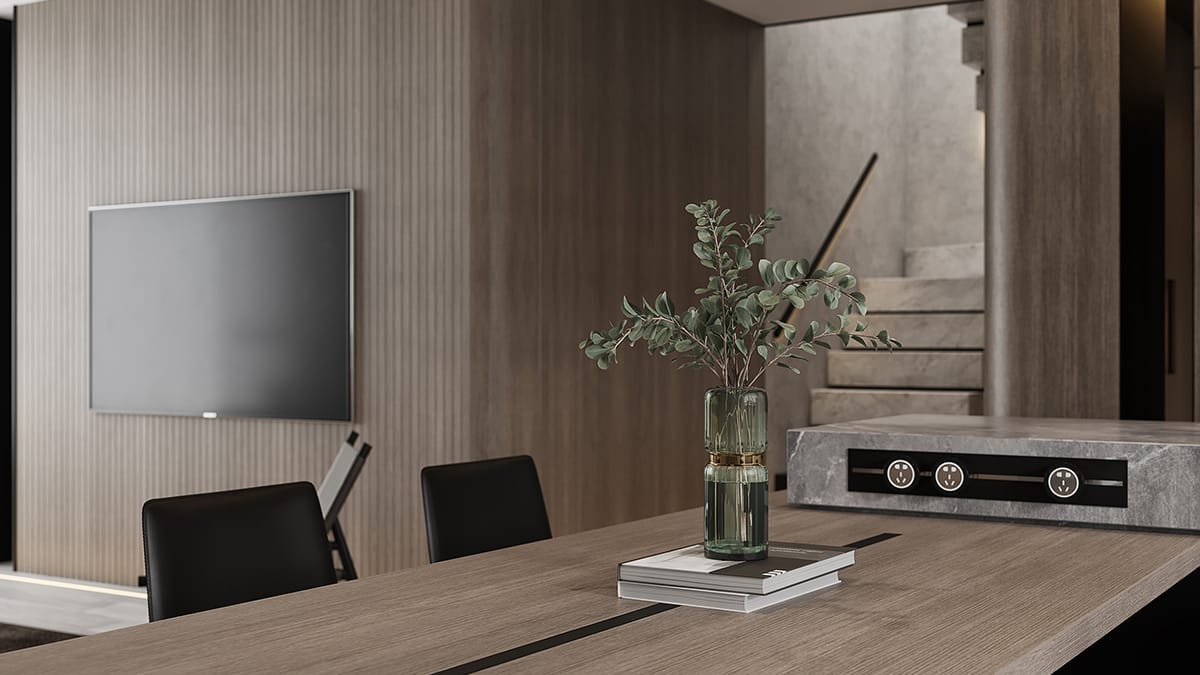
You might want walls that look bold and modern. Concrete panels can help you get that style. These panels give your room a strong, industrial vibe. You can use them in living rooms, offices, or even kitchens. Concrete panels resist fire and moisture. You do not have to worry about mold or water damage. These panels last a long time. You can clean them with just a damp cloth.
Here are some reasons you might choose concrete panels:
Concrete panels make your space feel sturdy and safe.
You can enjoy a unique texture that stands out from other wall boards.
Panels resist scratches and dents. You do not need to fix them often.
You can use panels in busy places. They handle lots of traffic.
Panels work well in modern homes and commercial spaces.
Tip: Try mixing concrete panels with wood or metal. You can create a cool, balanced look.
Concrete Panel Weaknesses
Concrete panels have some downsides you should know. These panels can be heavy. You might need extra support for your walls. Installing panels can take more time and effort. You may need help from professionals. Larger panels can be tricky to move and set up.
Here is a table that shows the main disadvantages:
Disadvantage | Explanation |
|---|---|
Some panels made from dense materials can be heavy, so you need extra support. | |
Installation Complexity | Larger panels may complicate installation because of their size and weight, making it harder. |
You might notice that panels cost more to install. If you want to change your design later, removing panels can be tough. Panels do not offer much flexibility once they are in place.
Note: If you want panels for a space that changes often, you might want to look at lighter options.
Stone Veneer Wall Board Options
Stone Veneer Pros
You want your walls to look impressive and feel strong. Stone veneer panels can help you achieve that. These panels bring a natural look to your space. You get the beauty of stone without the heavy weight. Stone panels are popular because they create a rustic and stately presence. You can use them to make a fireplace stand out or turn a hallway into a feature wall.
Here are some reasons you might choose stone veneer panels:
Panels give your room a timeless style.
You can install panels in living rooms, kitchens, or even outside spaces.
Panels resist scratches and dents. You do not need to worry about damage from daily use.
You can clean panels with a simple wipe. Dirt does not stick easily.
Panels work well in both modern and classic designs.
Tip: Try using stone panels behind your TV or in an entryway. You will notice guests stop and admire the look.
Feature | Stone Veneer Panels | Other Wall Boards |
|---|---|---|
Appearance | Natural, rustic | Varies |
Durability | High | Medium to High |
Maintenance | Easy | Varies |
Weight | Lighter than stone | Varies |
Stone Veneer Cons
Stone veneer panels have some drawbacks you should consider. You might find that panels cost more than other wall boards. If you want to install panels, you may need help from professionals. Panels can chip if you hit them hard. You cannot repair panels as easily as wood or MDF.
Here are some things to think about:
Panels can be expensive for large projects.
You need strong walls to support panels.
Panels may not suit every style. Some rooms look better with softer materials.
You cannot change panels easily once installed.
Panels can feel cold in some spaces.
Note: If you want panels for a bedroom or a cozy nook, you might prefer wood or felt instead.
Gypsum Decorative Wall Board Options
Gypsum Panel Benefits
You might want a wall board that keeps your home safe and comfortable. Gypsum panels do just that. These panels help slow down fire, giving you more time to get out if there is an emergency. They also help keep rooms quiet by blocking sound between spaces. You can use them in bedrooms, living rooms, or even offices.
Here is a table that shows what makes gypsum panels special:
Characteristic | Description |
|---|---|
Fire Resistance | Releases water vapor in fire, slows flames, gives you time to evacuate. |
Moisture Resistance | Special boards work in kitchens and bathrooms, resist mold and mildew. |
Acoustic Performance | Dense core blocks sound, keeps rooms quieter. |
Versatility | Easy to cut and shape, fits many designs. |
Thermal Insulation | Slows heat transfer, helps control room temperature. |
Durability | Lasts a long time, resists wear and tear. |
Easy Installation | Lightweight, simple to install, saves time and money. |
You will also like that gypsum panels cost less than many other wall boards. They use common materials, so you do not have to spend a lot. You can install them quickly, which saves on labor. These panels need little care, so you save money over time.
Tip: If you want a wall board that is safe, quiet, and budget-friendly, gypsum panels are a smart pick.
Gypsum Panel Drawbacks
Gypsum panels have some downsides you should know. If you put them in a bathroom or other wet place, they can soak up water and get weak. You might see them break or crumble if they get too wet. These panels do not work well outside.
You may also notice that gypsum panels can chip or dent if you bump them in busy areas. They do not hold heavy shelves or TVs unless you add extra support. If you want to hang something big, you need to plan ahead.
Here are some things to remember:
Not good for outdoor or very wet spaces.
Can weaken and break if they get wet.
Prone to chips and dents in busy rooms.
Cannot hold heavy items without extra help.
Note: If you need panels for a bathroom, kitchen, or a place with lots of bumps, you might want to look at other options.
MgO Decorative Wall Board Options
MgO Panel Advantages
 MgO Panel Advantages
You might want wall boards that can handle tough conditions. MgO panels stand out because they resist fire and moisture. If you need safety in your home or office, these panels give you peace of mind. You can use them in places where fire safety matters, like schools or kitchens. MgO panels do not burn easily. They stay strong even at high temperatures, up to 800ºC. You will not see them ignite until they reach 1200ºC. That means you get extra time in emergencies.
These panels also help keep your indoor air clean. They do not contain harmful chemicals like formaldehyde or fly ash. You can breathe easier knowing your walls are safe. MgO panels come from natural materials. You can recycle them or send them to a landfill without worry. They are called ‘nutritional waste,’ which means they do not harm the planet.
Here is a quick look at how MgO panels compare to drywall:
Feature | MgO Board | Drywall |
|---|---|---|
Fire Resistance | High | Moderate |
Moisture Tolerance | Excellent | Poor |
Durability | Long-lasting | Standard |
Weight | Heavier | Lighter |
Cost | Higher | Lower |
Tip: If you want panels that last and keep your space safe, MgO panels are a smart choice.
MgO Panel Disadvantages
MgO panels have some downsides you should know. You might notice that these panels cost more than regular wall boards. The price ranges from $16.14 to $26.91 per square meter. You may need special tools and extra help to install them because they are heavier. That means installation costs go up.
Here is a table that shows the differences:
Aspect | MgO Wall Panels | Gypsum Boards |
|---|---|---|
Initial Cost | $16.14 – $26.91 per square meter | Lower initial cost |
Installation Cost | Higher due to weight and tools | Standard installation |
Longevity | Long-lasting, fewer repairs needed | Requires more frequent replacement |
You might not find MgO panels everywhere. Some stores do not carry them, so you may need to order online or wait for delivery. If you want to change your walls often, the heavy panels make it harder. You should think about your budget and how easy it is to get these panels before you decide.
Note: If you want panels for a quick and easy project, you might prefer lighter and cheaper options.
Comparing Decorative Wall Board Options
When you look at all the wall board choices, you might wonder how they compare. Let’s talk about the main things you care about: how long panels last, how easy they are to take care of, how much they cost, how hard they are to put up, and how many styles you can pick. This way, you can see which panels work best for you.
Durability & Maintenance Comparison
You want panels that last a long time and still look nice. Some materials are tougher than others. If you have busy rooms or kids, you need strong panels. You also want panels that are easy to clean, so you don’t spend too much time fixing them.
Here’s a table to help you compare:
Panels Type | Durability | Maintenance | Value |
|---|---|---|---|
Wood | High | Moderate | High |
MDF | Medium | Moderate | Medium |
PVC | Good | Easy | Medium |
Metal | Excellent | Easy | High |
Felt | Medium | Moderate | Low |
Concrete | Excellent | Easy | High |
Stone Veneer | High | Easy | High |
Gypsum | Medium | Easy | Medium |
MgO | Excellent | Easy | High |
Wood panels are very strong, but you need to take care of them.
Metal and concrete panels are super tough. You can clean them fast and they stay looking good.
PVC panels do not get stained or wet easily, so cleaning is simple.
Felt panels make rooms quieter, but they can get dirty and wear out faster.
Gypsum and MDF panels are good for most rooms, but they can chip or dent.
MgO panels are very strong and easy to clean, but they cost more at first.
Tip: If you want panels that last and are easy to clean, pick ones with high durability and easy maintenance.
Cost & Installation Comparison
You probably want to know how much money you will spend and how hard it is to put up panels. Some panels cost more, but last longer. Others are cheaper, but you might need to replace them sooner. How you put up the panels also matters for how good they look and how long they last.
Here’s a table to compare:
Panels Type | Cost | Installation | Installation Quality | Long-term Value |
|---|---|---|---|---|
Wood | High | Hard | High | High |
MDF | Low | Easy | Medium | Medium |
PVC | Low | Easy | Medium | Medium |
Metal | High | Hard | High | High |
Felt | Medium | Easy | Medium | Low |
Concrete | High | Hard | High | High |
Stone Veneer | High | Hard | High | High |
Gypsum | Low | Easy | Medium | Medium |
MgO | High | Hard | High | High |
MDF and PVC panels do not cost much and you can put them up yourself.
Wood, metal, concrete, and stone veneer panels cost more and you need a pro to install them.
Gypsum panels are cheap and easy to put up, but you need extra support for heavy things.
MgO panels cost more and are heavy, so putting them up takes longer.
How well you install panels matters. If you want them to last, make sure you put them up right.
Note: If you want to save money, look for panels that are easy to put up and do not cost a lot.
Design Flexibility Overview
You want your room to look the way you like. Some panels let you pick lots of colors, shapes, and textures. Others have fewer choices. How your walls look is important if you want your room to feel cozy, cool, or bold.
Let’s see how the panels compare:
Wood panels look rich and come in many finishes. You can paint, stain, or leave them natural.
MDF panels are smooth and give you lots of design choices. You can paint them any color you want.
PVC panels come in many colors and patterns. Some look like wood or stone.
Metal panels look modern. You can use slatted panels for cool designs.
Felt panels let you mix colors and shapes. You can move them around for new looks.
Concrete panels look strong and industrial. You can mix them with certain other materials.
Stone veneer panels look natural and give a rustic or classic style.
Gypsum panels are simple, but you can paint or add texture.
MgO panels work in many designs, but you do not get as many color choices.
Panels Type | Design Flexibility | Appearance | Quality |
|---|---|---|---|
Wood | High | Rich | High |
MDF | High | Smooth | Medium |
PVC | High | Varied | Medium |
Metal | Medium | Modern | High |
Felt | High | Soft | Medium |
Concrete | Medium | Industrial | High |
Stone Veneer | Medium | Natural | High |
Gypsum | Medium | Simple | Medium |
MgO | Medium | Plain | High |
If you want lots of choices, wood, MDF, PVC, and felt panels are best.
Metal, concrete, and stone veneer panels look special, but have fewer color options.
Gypsum and MgO panels are good for simple designs, but you can paint them to match your style.
Good quality panels keep looking nice and last longer.
Tip: Pick panels that fit your style and give you the look you want.
Now you can see how each wall board option is different. Think about how long they last, how easy they are to clean, how much they cost, how hard they are to put up, and how many styles you can pick. Choose panels that fit your needs and make your room feel just right.
Choosing the Best Decorative Wall Board Option
Key Factors for Selection
 Key Factors for Selection
You want your walls to look great and work well for your life. Picking the best panels means thinking about what matters most to you. Let’s break it down so you can make a smart choice.
Style: What do you want your room to feel like? Cozy, modern, bold, or classic? Wood panels give warmth and charm. Metal panels bring a sleek, industrial vibe. Felt panels add softness and color. Concrete panels make spaces feel strong and cool. Stone veneer panels create a rustic or elegant look. Gypsum and MgO panels work for simple, clean designs. Think about your favorite colors, textures, and patterns. Your style sets the mood for your space.
Budget: How much money do you want to spend? Some panels cost more, like stone veneer, metal, and custom wood. MDF and PVC panels are more affordable. Gypsum panels are budget-friendly and easy to install. MgO panels cost more up front but last longer. Decide what fits your budget and how much you want to invest in your walls.
Room Use: Where will you put the panels? Busy rooms need tough panels. Kitchens and bathrooms need panels that resist moisture. Bedrooms and offices might need panels that absorb sound. If you want panels for a hallway, pick ones that handle bumps and scratches.
Maintenance: How much time do you want to spend cleaning? Some panels need regular care, like wood. Metal, PVC, and concrete panels are easy to wipe down. Felt panels need dusting and can stain. Gypsum panels need little care but can chip.
Installation: Do you want to install panels yourself or hire a pro? MDF, PVC, and felt panels are easy to put up. Wood, metal, concrete, and stone veneer panels usually need professional help. MgO panels are heavy and need special tools.
Tip: Write down your top priorities. If you care most about style, focus on panels that match your vision. If you want to save money, look for panels that fit your budget.
Decision Checklist
You can use this checklist to help you pick the best panels for your space. Go step by step and answer each question. This will make choosing the right wood wall panelling solution or any other option much easier.
What is your style goal?
Do you want your room to feel warm, modern, rustic, or bold?
Which colors, textures, and patterns do you like?
What is your budget?
How much can you spend on panels and installation?
Are you looking for affordable panels or willing to invest more for lasting quality?
Where will you use the panels?
Is the room busy, wet, or quiet?
Do you need panels that resist moisture, absorb sound, or handle lots of traffic?
How much maintenance do you want?
Do you prefer panels that need little care?
Are you okay with cleaning or fixing panels often?
Who will install the panels?
Can you do it yourself, or will you hire a pro?
Do you have the tools and skills for installation?
Do you want to change your panels later?
Are you looking for panels that are easy to remove or update?
Do you want a permanent solution?
Step | Your Answer | Panel Suggestions |
|---|---|---|
Style |
| Wood, felt, metal, stone veneer |
Budget |
| MDF, PVC, gypsum |
Room Use |
| MgO, concrete, PVC, gypsum |
Maintenance |
| Metal, PVC, concrete, gypsum |
Installation |
| MDF, PVC, felt |
Flexibility |
| Felt, MDF, PVC |
Note: If you check your answers and match them to the panel suggestions, you will find the best fit for your needs.
You can mix and match panels to get the look and function you want. If you love style and want a cozy room, wood panels are a great choice. If you need panels for a busy kitchen, PVC or MgO panels work well. If you want a bold, modern style, try metal or concrete panels. Always think about your budget and how much care you want to give your walls.
You have many options. Take your time, use the checklist, and pick panels that make your space feel just right.
You’ve seen the strengths and weaknesses of each decorative wall board. Take time to compare your options and use the checklist above. Your perfect wall board depends on your style, budget, and how you use your space.
Remember: The best choice is the one that fits your life.
Have questions or want to share your favorite wall board? Drop a comment below! 👇
FAQ
What is the easiest wall board to install by myself?
You can install PVC, MDF, or felt panels without much trouble. These panels are lightweight and often come with simple instructions. You do not need special tools. Just follow the steps and enjoy your new walls.
Can I use decorative wall boards in a bathroom?
Yes, you can use PVC, MgO, or moisture-resistant gypsum panels in bathrooms. These panels resist water and mold. Avoid wood or felt panels in wet spaces. They can warp or get damaged.
How do I clean decorative wall boards?
You can wipe most panels with a damp cloth. Metal, PVC, and concrete panels clean up fast. Felt panels need gentle dusting. Wood panels may need special cleaners. Always check the manufacturer’s care guide.
Will wall boards help with soundproofing?
Some panels, like felt, gypsum, and MgO, absorb sound well. You can use them in bedrooms or offices. Wood panels also help reduce noise. If you want a quiet room, pick panels with good acoustic properties.