


17 Apr How to Choose the Best Wall Decorative Panel for Your Space
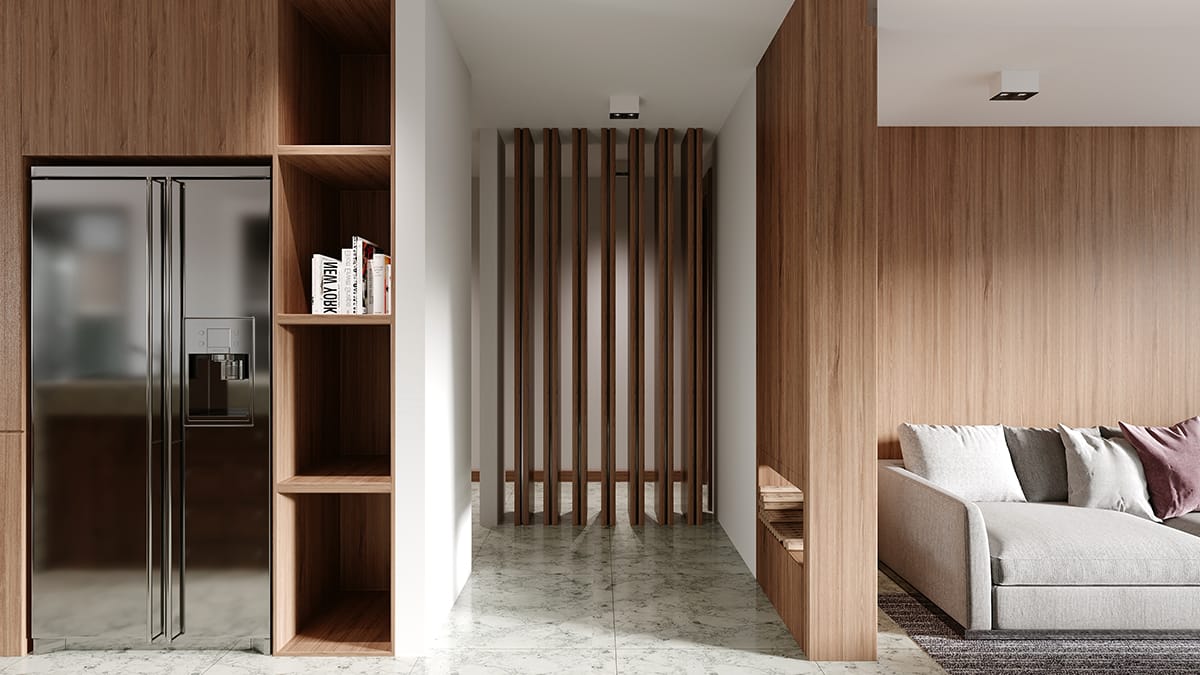
Choosing the best wall decorative panel can be fun. You want a panel that looks nice and fits your home. The right wall decorative panel makes your room look better. It can also become the main thing people notice. Natural decorative materials can help make the air inside healthier. Many people now like panels that last long and hide flaws. See how a wall decorative panel changes your home:
Aspect | Impact on Perceived Value |
|---|---|
Aesthetics | Makes the room feel nicer and draws attention |
Functionality | Lasts a long time and hides things you do not like |
Versatility | Works in many places and gives more design choices |
Health & Wellness | Helps keep the air inside healthier with natural materials |
Investment Potential | Is a smart way to make your home look better |
Key Takeaways
Think about what the room is used for before picking a panel. Each room needs something different. Bathrooms need panels that can handle water.
Make sure your wall panel matches the style and color of your room. Try using the 60-30-10 rule to keep things balanced.
Pick materials that last long and are easy to clean. Wood makes a room feel warm. PVC works well where there is a lot of water.
Set up your lighting to make your panels look better. Good lighting can show off textures. It can also make the room feel cozy.
Try out samples in your room before you buy them. This helps you see if the panel fits your style. It also shows if it works with your room’s lighting.
Assessing Your Space
 Room Function and Use
 Room Function and Use
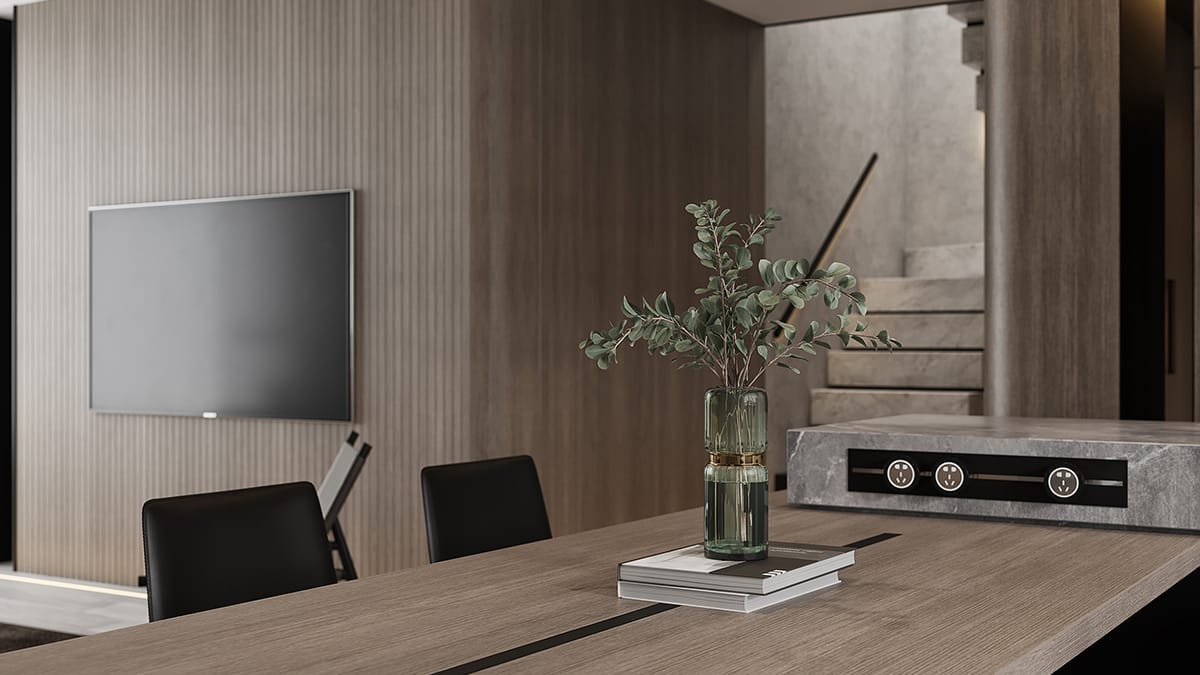
Before you pick a wall decorative panel, think about how you use the room. Every space has its own needs. For example, a living room might need panels that look cozy and stylish, while a bathroom needs something that can handle moisture. Here are some things you should consider:
Room size: Small rooms often look bigger with lighter panels.
Acoustics: Some panels help reduce noise, which is great for bedrooms or offices.
Material types: Choose materials that fit the room’s purpose. For example, wood feels warm, while PVC works well in wet areas.
Aesthetics: Pick a style that matches your taste.
Placement: Decide if you want to cover one wall or the whole room.
Installation: Some panels are easy to put up yourself, while others need a pro.
Maintenance: Think about how much cleaning the panel will need.
Budget: Set a budget before you shop.
You want your wall panel to fit your lifestyle and make your space feel just right.
Lighting and Wall Dimensions
Lighting changes how your wall panels look. Bright lights can make a wall look flat, while soft lights can show off textures and patterns. If you add cove lighting, linear LEDs, or wall washers, you can make the panels stand out even more. Try to plan your lighting at the same time as your wall panels. When you use hidden LED strips or spotlights, you highlight the best parts of your wall. Good lighting not only makes your panels look better but also helps the room feel more comfortable and useful.
Existing Decor and Color Scheme
Your new wall panel should match what you already have in the room. The 60-30-10 rule helps you balance colors. Usually, the main color covers about 60% of the room, like the walls. The next color takes up 30%, and a bold accent color fills the last 10%. When you pick a wall panel, make sure it fits with these colors. This way, your room looks put together and stylish. Matching your panel to your furniture and decor helps everything feel connected and welcoming.
Types of Decorative Wall Panels
You can pick from many decorative wall panels. Each material has its own look and feel. Some materials have special benefits too. Let’s look at the most popular types. This will help you choose what fits your space.
Wood and MDF Panels
Wood panels make your room feel classic or rustic. They add warmth and texture. Modern designs are popular now. Rustic styles are also becoming more common. Plywood is strong and lasts a long time. MDF panels are easy to customize.
Here’s how wood and MDF compare to other materials:
Material Type | Durability | Maintenance Requirements |
|---|---|---|
Wood Panels | Needs re-staining and special cleaners sometimes | Moderate upkeep, especially for natural finishes |
MDF Panels | Needs dusting and polishing over time |
Wood panels work well in living rooms, bedrooms, and offices. Board and batten or beadboard add extra texture. These styles give your walls more depth. Vertical wood slat panels make your walls look taller.
Wood decorative wall panels never go out of style. Raised designs play with light and shadow. This makes your space feel cozy and inviting.
PVC and Plastic Panels
PVC panels are great for kitchens, bathrooms, and laundry rooms. They handle moisture very well. You don’t need to worry about warping or swelling. These panels last a long time and protect your walls from mold.
Property | PVC Panels | Other Materials (FRP, Drywall) |
|---|---|---|
Moisture Resistance | 100% moisture-resistant | Limited moisture resistance |
Longevity | Can last up to 100 years | FRP: 25-30 years, Drywall: 30-40 years |
Mold Resistance | Mold-resistant, stops mold growth | Can get mold and mildew |
Structural Integrity | Stays strong over time | Can break down and peel |
You can clean PVC panels with a damp cloth. They resist scratches, UV rays, and mild impacts. This makes them good for busy areas. You get a clean look with little effort. PVC panels come in many colors and patterns.
PVC panels are best for places with lots of moisture.
They do not warp or swell like wood or drywall.
PVC panels resist scratches, moisture, UV rays, and mild impacts.
Fabric and Upholstered Panels
Fabric panels make your walls soft and comfortable. You often see them in bedrooms, home theaters, or offices. These panels help reduce noise and make your space calm.
Advantages | Disadvantages |
|---|---|
Reduces noise inside and outside | May need a pro to install for best results |
Makes the room quieter | Some fabrics can absorb odors if not treated |
Helps you sleep better by lowering noise | Needs regular cleaning to stay fresh |
Keeps the room warmer by acting as an insulator | Costs more than paint or wallpaper |
Fabric panels come in many colors, patterns, and weaves. You can copy luxury materials like velvet, linen, or silk. Embossing, tufting, and custom layouts let you create a special look. Fluted panels add extra texture and style.
Fabric walls feel warm and cozy. Your bedroom feels relaxing, almost like a spa.
Metal Panels
Metal panels give your room a modern look. You can use them in kitchens, bathrooms, or commercial spaces. Metal panels resist fire and need little care.
Material Type | Fire Resistance | Notes |
|---|---|---|
Metal (Steel, Aluminum) | Non-combustible | Does not burn or add fuel to a fire. |
PVC | Combustible | Can make toxic smoke when burned. |
Metal panels are strong and last a long time. You don’t need to replace them often. They are good for places where safety matters. Metal panels save money compared to wallpaper over time.
Many modern wall panels use fire-retardant materials.
Metal panels are strong and need little maintenance.
MgO Wall Decorative Panel
MgO panels are a newer choice for wall paneling. They work well in bathrooms, kitchens, and other wet areas. MgO panels block water and stop mold. They also resist fire, making your space safer.
Property | Description |
|---|---|
Mold Resistance | MgO panels stop mold, great for wet areas like bathrooms. |
Moisture Resistance | They block water, good for humid places. |
Fire Resistance | MgO panels resist fire, adding safety. |
Weight | Heavier than some other panels, very durable. |
Cost | Each sheet costs $18 to $25, affordable for most people. |
MgO panels are strong and last a long time. You can use them where you want both style and function.
How Textures and Patterns Change Your Room
Textures and patterns change how your room feels. You can pick matte, 3D, or slat panels to set the mood.
3D panels add depth and energy. They make your room lively.
Light on 3D panels creates a fancy look.
Slat panels make your walls look taller and your room feel bigger.
Matte finishes give a soft background. Other design pieces stand out more.
Shape in interior design helps organize and balance a space. It also affects how a room feels.
Geometric patterns bring energy and movement. Triangles show direction. Squares and rectangles give stability. Circles make the room feel connected. Simple patterns keep things clean and neat. You can use shapes to guide how your room looks.
Triangles bring energy and direction.
Squares and rectangles make the room feel safe.
Circles help the room feel connected and welcoming.
Popular textures and patterns include wood with raised designs, board and batten, and beadboard. These styles add depth and interest. They fit both rustic and modern rooms.
You can mix panel styles to make your room unique. Try combining 3D panels with geometric patterns for a bold look. Use matte or fluted panels for a softer feel. Decorative wall panels let you show your personality and make your space yours.
Matching Panel Style to Your Interior
Texture and Pattern Selection
 Texture and Pattern Selection
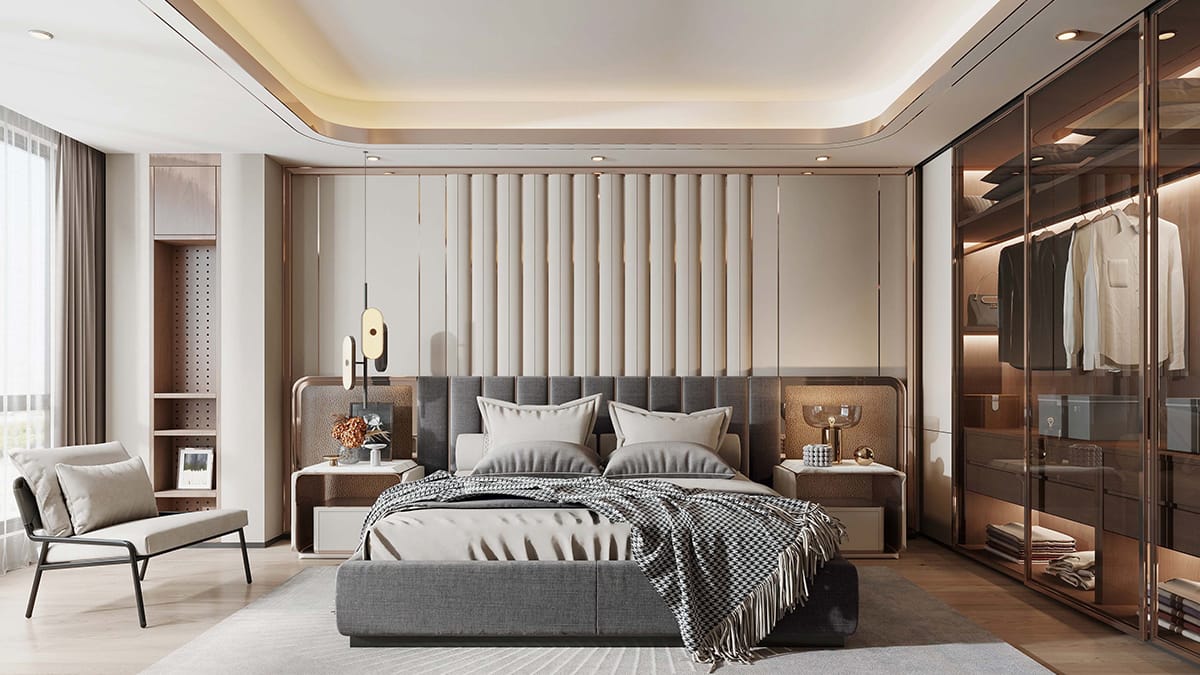
Picking the right texture and pattern can change your room’s mood. You want your panels to go well with your furniture and decorations. Think about how the surface feels. Some panels are smooth, and some are rough. If you mix smooth panels with rough things, like a brick fireplace or a woven rug, your room looks more interesting. Patterns are important too. Shapes like triangles and squares give energy. Simple lines make the room feel calm.
Make sure your panels match your room’s colors for a put-together look.
Try different finishes. Matte panels feel soft. Glossy panels stand out more.
Use texture to make your room cozy or modern.
Tip: The finish of your panels changes how you feel in the room. A soft finish feels relaxing. A shiny finish feels lively.
Color Coordination
Color is important when you pick your panels. Look at your walls, floors, and furniture before you choose. Wall paint is the background and helps everything fit together. If you want a calm room, use colors that are close on the color wheel. For more energy, use colors that are across from each other.
Match your panels to your main colors to keep things balanced.
Use color to set the mood. Warm colors feel cozy. Cool colors feel fresh.
Think about how your panels will look with your art and rugs.
Color coordination helps your room feel finished. It also stops things from clashing or looking messy.
Style Compatibility
You want your panels to fit your room’s style. Each design works best with certain panels. Here is a quick guide:
Interior Style | |
|---|---|
Rustic & Farmhouse | Natural grains and warm colors make it feel rustic. |
Modern & Minimalist | Smooth finishes look good with simple designs. |
Industrial | Dark wood looks cool with metal and concrete. |
Traditional & Classic | Classic wood colors make rooms look fancy. |
Modern industrial rooms use metal and wood panels. This keeps things simple and useful.
Traditional rooms mix old shapes with new materials. This style feels fancy and comfortable.
Industrial panels often use concrete or metal for a bold look.
Modern panels come in many materials and finishes. You can find panels for any style, from farmhouse to city loft. Custom panels let you show your style and make your room special.
Practical Considerations
Budget and Cost
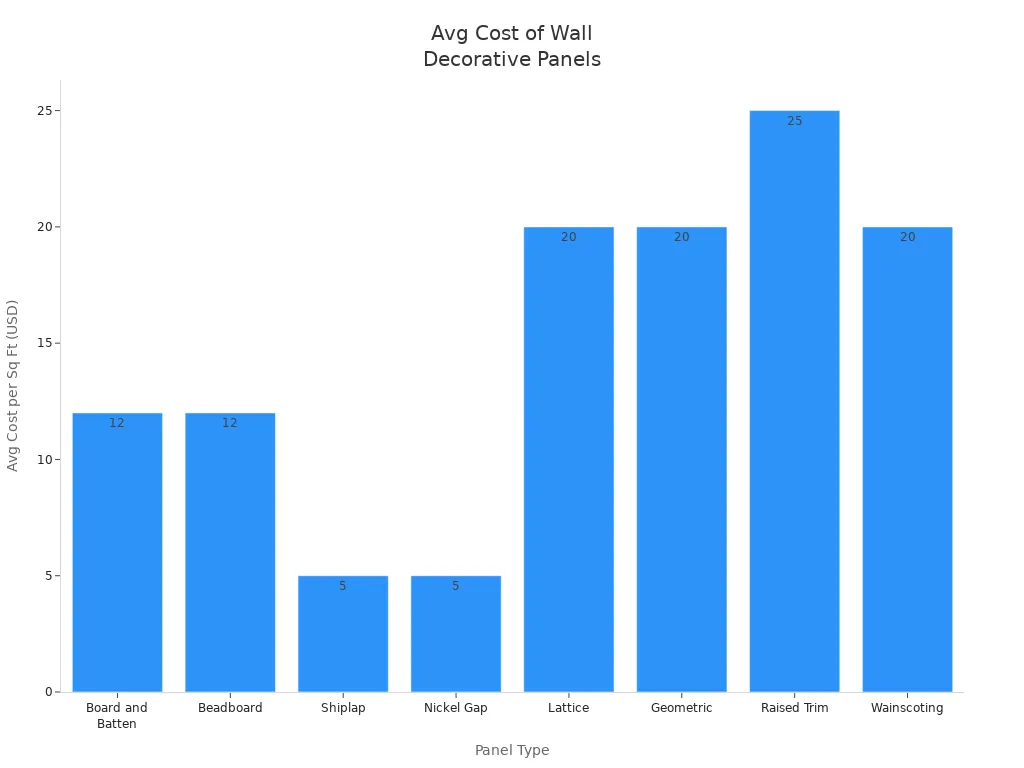
You want to know how much wall panels cost. Prices change based on the material and style you pick. Basic MDF panels are cheap, about $0.40 for each square foot. Wood panels cost around $1 per square foot. Fancy or rare wood can cost more than $40 per square foot. Composite panels cost between $0.50 and $2 per square foot. Metal panels cost from $12 to $25 per square foot. If you hire someone to install high-end wood or metal panels, it can cost $40 or more per square foot. Some decorative panels, like Texture Plus Faux, cost almost $100 for each panel.
Panel Type | Average Cost per Square Foot |
|---|---|
Board and Batten | $12 |
Beadboard | $12 |
Shiplap | $5 |
Nickel Gap | $5 |
Lattice | $20 |
Geometric | $20 |
Raised Trim | $25 |
Wainscoting | $20 |
Texture Plus Faux | $99.95 (1-24 panels) |
| $95.95 (25-149 panels) |
Tip: Always check the total price, including installation and finishing. Some panels seem cheap but cost more after adding labor.
Installation Options
You can install panels yourself or hire a pro. DIY panels are easy if you like projects. You need tools like a tape measure, glue, and a spirit level. You can cut panels with basic woodworking tools. For big jobs or heavy panels, hiring a pro is better. Experts make sure panels fit well and last longer. They handle hard designs and fix problems.
Measure your wall first.
Draw your paneling plan.
Sand and fill holes in the wall.
Use strong glue to attach rails and panels.
Check each panel before moving on.
Professional installation saves time and gives a perfect finish. If you are not sure, hiring a pro is a good idea.
Maintenance and Durability
Panels need care to stay nice. Solid wood panels last many years but need more cleaning. You should dust and polish them often. Polyester acoustic panels last 5-10 years and resist fading and impacts. Foam panels are cheap but do not last long. Clean panels the right way to keep them looking good.
Dust panels often.
Use special cleaners for wood.
Look for damage and fix it fast.
DIY Decorative Wall Panels
DIY is a good way to save money on wall panels. Simple projects are fun and let you show your style. For kitchens and bathrooms, use moisture-resistant panels like gypsum board with mold-resistant agents. These panels are easy to clean and last longer in wet rooms.
Gypsum Board Type | Use Description | Features |
|---|---|---|
Good for kitchens and bathrooms | Has moisture-resistant additives | |
Mold-Resistant Gypsum Board | Best for places with mold, like bathrooms | Has mold- and mildew-resistant agents |
You can make your paneling project fun and personal. Try DIY wall panels for a custom look and lower cost.
Making the Final Choice
 Balancing Looks and Function
 Balancing Looks and Function
You want your wall panels to look great and work well. Sometimes, you see wall panel ideas that catch your eye, but you also need panels that last. Here are some ways to balance style and function:
Pick materials that resist stains and scratches. Composite panels work well in busy homes.
Choose water-resistant panels for kitchens and bathrooms. These stop mold and make cleaning easier.
Look for panels that need little care. Durable materials save you time.
Try panels with built-in storage. These keep your room neat and organized.
Use glass panels and good lighting to make your space feel open and bright.
Tip: Think about how you use each room. The best wall panel ideas fit your daily life and make your home feel comfortable.
Testing Samples
Before you buy, test samples at home. You want to see how the panels look in your space. Try these steps:
Visit the supplier’s website to check their products.
Compare samples from different brands. Look for quality and design.
Check the panels for strong smells. Some panels have harmful chemicals.
Look at the color and texture in your room’s lighting.
Ask about installation methods. Some panels are easier to put up than others.
A sample helps you avoid surprises. You can touch the panel and see if it matches your style.
Where to Buy
You can find high-quality wall panels from trusted suppliers. Sagebrook Home offers many options. When you choose a supplier, think about these factors:
Material quality
Design choices
Customization services
Customer reviews
Note: Always check the supplier’s website to avoid scams. Compare different manufacturers to find the best fit for your needs.
You get the best results when you pick panels that match your style and needs. Take your time and enjoy the process.
Choosing the best wall decorative panel is easy when you follow a few simple steps:
Look at your space for size, light, and style.
Pick a material that fits your needs and the room’s use.
Match the panel to the room’s function, like moisture resistance for bathrooms.
Plan your budget for the best value.
Thoughtful choices give you panels that last, look great, and are easy to care for. You get a stylish room, better sound, and less work. With the right panel, you can enjoy a space that feels new and fits your life.
Benefit | Description |
|---|---|
Aesthetic Appeal | Lets you show your style and make your room unique. |
Durability | Protects your walls and lasts a long time. |
Low Maintenance | Needs little cleaning and keeps looking good. |
Pick with care, and you’ll love your walls for years to come!
FAQ
What is the easiest wall panel to install?
You can install PVC panels with basic tools. They are lightweight and snap together. You do not need special skills. Many people finish the job in one afternoon.
Can I use wall panels in bathrooms?
Yes! Choose moisture-resistant panels like PVC or MgO. These panels stop mold and water damage. You keep your bathroom looking fresh.
How do I clean decorative wall panels?
Most panels need only a soft cloth or mild soap. For wood, use special cleaners. Avoid harsh chemicals. You keep your panels looking new.
Will wall panels help with noise?
Some panels, like fabric or acoustic types, reduce noise. You get a quieter room. These panels work well in bedrooms and offices.
Where can I buy wall decorative panels?
You find panels at home improvement stores, online shops, or specialty suppliers. Look for trusted brands. Ask for samples before you buy.