



21 Feb What Are Fire-Resistant Boards and Their Benefits in Construction
Fire-rated boards are made of non-combustible materials such as magnesium sulfate, gypsum, cement or calcium silicate. These boards play a critical role in construction by enhancing safety and protecting structures during fire incidents. They help safeguard lives and property by slowing down fire progression and reducing damage.
The importance of fire-resistant materials becomes clear when you consider fire statistics. For example, in 2022 alone, there were 1,504,500 reported building fires. Many of these fires started from cooking (47.7%) or electrical malfunctions (7.0%). Choosing the right fire resistant board options can significantly reduce the impact of such incidents.
Modern building codes, like Section 2303.2, mandate the use of fire-resistant materials to meet safety standards. By incorporating fire resistant board options into your projects, you ensure compliance and create safer environments for everyone.
What Are Fire-Resistant Boards?
Definition and Composition
Fire-resistant boards are specialized panels designed to withstand high temperatures and prevent fire from spreading. These boards are made from materials that enhance their ability to resist flames and heat. Common materials include:
- Magnesium Oxide (MgO): Known for its excellent fire resistance and durability.
- Gypsum: A popular choice for its affordability and ease of installation.
- Cement: Offers high strength and water resistance but provides less fire insulation compared to other options.
- Calcium Silicate: Lightweight and easy to install, with superior fire resistance and thermal insulation.
Each material contributes uniquely to fire resistance. For example, calcium silicate boards maintain low temperatures on the non-fire side, while cement boards provide structural strength. Boards like Indowud are engineered to suppress flames and smoke, making them ideal for fire-resistant construction materials. However, not all materials perform equally. Plywood, for instance, is highly flammable and accelerates fire spread, while WPC offers only moderate fire resistance.
Tip: When selecting fire-resistant boards, consider the specific needs of your project, such as durability, weight, and thermal insulation.
Primary Purpose in Construction
Fire-resistant boards serve two critical purposes in construction:
Preventing Fire Spread and Containing Heat
These boards act as barriers, compartmentalizing buildings to limit fire spread. They resist heat and radiation, ensuring the temperature on the non-fire side remains low. This containment provides valuable time for evacuation and firefighting efforts.
Protecting Structural Elements During a Fire
Fire-resistant boards shield load-bearing structures, preserving their integrity during a fire. For example, in a fire incident in Surrey, Magply boards protected a million-pound house from significant damage. Although the garage was destroyed, the main house only suffered surface damage, showcasing the effectiveness of these boards in real-world scenarios.
By incorporating fire-resistant boards, you enhance safety and reduce the risk of structural collapse during emergencies.
Key Benefits of Fire-Resistant Boards in Construction
Enhanced Fire Safety
Slowing down fire progression and providing critical evacuation time
Fire-resistant boards play a vital role in containing fire and slowing its spread. They act as barriers, keeping flames and heat confined to specific areas. This containment ensures that temperatures on the non-fire side remain low, creating a safer environment for evacuation. These boards provide critical time for people to escape and for rescue teams to intervene effectively.
- Fire-resistant boards prevent the spread of fire, keeping it contained.
- They maintain low temperatures on the cold side, ensuring safety during a fire.
- These boards provide critical time for evacuation and rescue operations, allowing people to escape safely.
Reducing fire intensity and damage to property
By resisting heat and radiation, fire-resistant boards reduce the intensity of a fire. They protect structures and belongings by maintaining their integrity during high-temperature conditions. This allows firefighters to control the blaze more effectively, minimizing property damage.
- Fire-resistant boards withstand heat and radiation, keeping temperatures low on the non-fire side.
- They prevent the spread of fire and maintain structural integrity.
- This allows for safe evacuation and effective intervention by fire services.
Structural Integrity
Protecting load-bearing elements from fire damage
Fire-resistant boards shield critical load-bearing structures from the destructive effects of fire. Their low heat conductivity and high heat absorption ensure that temperatures on the protected side remain manageable. This protection preserves the strength of the structure, even during prolonged exposure to flames.
- Fire-resistant boards maintain structural integrity during fires by ensuring low temperature on the non-fire side.
- They are tested to meet national standards for fire performance, achieving a fire rating of up to 120 minutes.
- These boards are used in applications such as encasing electrical cables, protecting load-bearing structures, and smoke extraction ducts.
Reducing the risk of collapse during a fire
By maintaining the integrity of load-bearing structures, fire-resistant boards significantly reduce the risk of collapse. They contain the fire, preventing it from spreading to other parts of the building. This containment provides valuable time for evacuation and rescue operations, ensuring the safety of occupants.
- Fire-resistant boards maintain the integrity of load-bearing structures during a fire.
- Their low heat conductivity and high heat absorption help keep temperatures low on the other side of the board, protecting critical structures.
- This allows time for evacuation and rescue operations, reducing the risk of collapse.
Compliance with Building Codes
Meeting fire safety standards and regulations
Fire-resistant boards are designed to meet stringent fire safety standards outlined in building codes. For example, Section 2303.2 specifies that fire-retardant-treated wood must have a flame spread index of 25 or less when tested according to ASTM E84 or UL 723. Using these boards ensures compliance with such regulations, demonstrating your commitment to safety.
| Section | Description |
|---|---|
| 2303.2 | Fire-retardant-treated wood must have a flame spread index of 25 or less when tested according to ASTM E84 or UL 723. |
| The wood must show no significant progressive combustion during a 20-minute test period. | |
| The flame front must not progress more than 10 1/2 feet beyond the centerline of the burners during the test. |
Avoiding legal and financial penalties
Non-compliance with building codes can lead to severe consequences, including legal action and financial penalties. By incorporating fire-resistant boards into your construction projects, you avoid these risks. You also create safer environments that protect lives and property, enhancing your reputation as a responsible builder.
Versatility and Durability
Suitable for Various Applications (Walls, Ceilings, Partitions)
Fire-resistant boards offer unmatched versatility in modern construction. You can use them in a wide range of applications to enhance fire safety and structural integrity. These boards are ideal for creating fire barriers that compartmentalize buildings, limiting the spread of flames. They also work effectively as secondary linings to protect load-bearing structures, ensuring they remain intact during a fire.
Additionally, fire-resistant boards are perfect for encasing electrical cables, reducing the risk of fire hazards caused by overheating. They also serve as reliable materials for ventilation and smoke extraction ducts, helping to control smoke movement during emergencies.
- Common Applications of Fire-Resistant Boards:
- Fire barriers for building compartmentation
- Encasements for load-bearing structures
- Protection for electrical cables
- Ventilation and smoke extraction ducts
This adaptability makes fire-resistant boards a valuable choice for walls, ceilings, and partitions in both residential and commercial projects. Whether you’re constructing a high-rise building or renovating a small office, these boards provide the flexibility you need to meet fire safety requirements.
Long-Lasting Performance in Diverse Environments
Fire-resistant boards are designed to perform well in various environmental conditions. However, their durability depends on the material and the environment they are exposed to. For instance, gypsum boards and intumescent coatings may face challenges in maintaining fire ratings in harsh conditions. Factors like humidity, temperature changes, UV exposure, and salt spray can affect their longevity.
In coastal areas, materials like intumescent paint on structural steel have shown significant degradation over time. This highlights the importance of selecting the right fire-resistant board for your project’s specific environment. Boards made from magnesium oxide or calcium silicate often perform better in challenging conditions due to their resistance to moisture and temperature fluctuations.
By choosing durable fire-resistant boards, you ensure long-term fire protection for your structures. These boards not only withstand environmental stress but also maintain their fire-resistant properties, providing reliable safety for years to come.
Tip: Always assess the environmental conditions of your project site before selecting fire-resistant boards. This ensures optimal performance and durability.

Fire-Resistant Board Options and Their Applications
Fire Resistan Mgo Board
Features and applications in residential and commercial buildings
Magnesium oxide (Mgo) boards stand out as one of the most effective fire-resistant board options. These boards are non-combustible and exhibit excellent fire resistance, making them ideal for both residential and commercial applications. Their thermal stability and low flame spread characteristics ensure safety in high-temperature situations. Additionally, Mgo boards are lightweight yet strong, which simplifies installation while maintaining structural integrity. Unlike some materials, they do not emit harmful gases during a fire, further enhancing safety.
In residential settings, you can use Mgo boards for fireproofing walls and ceilings, especially in areas prone to fire hazards. In commercial buildings, these boards are often installed in spaces requiring high fire resistance, such as stairwells and corridors. Their versatility and safety features make them a reliable choice for modern construction projects.
Commonly used as fire-resistant drywall for interior walls and ceilings
Mgo boards are frequently used as fire-resistant drywall for interior walls and ceilings. Their ability to withstand high temperatures and prevent fire spread makes them a preferred option for creating safe living and working environments. Whether you are constructing a new home or upgrading a commercial space, Mgo boards provide dependable fire protection.
Fire-Rated Gypsum Board
Features and applications in residential and commercial buildings
Fire-rated gypsum boards are another popular fire-resistant board option. These boards contain glass fiber reinforcement and additives that enhance their fire resistance. They are specifically designed to prevent the spread of flames, making them essential in fire-prone areas. Building codes often mandate their use to minimize fire damage and protect lives.
In residential buildings, fire-rated gypsum boards are commonly installed in kitchens, garages, and utility rooms. In commercial settings, they are used in offices, schools, and healthcare facilities to meet fire safety standards. Their ability to provide critical evacuation time during a fire makes them indispensable in construction.
Commonly used as fire-resistant drywall for interior walls and ceilings
Fire-rated gypsum boards are widely used as fire-resistant drywall for interior walls and ceilings. They are integral to fire-resistance-rated assemblies that separate distinct areas in buildings. You can also use them in floor/ceiling systems to prevent fire spread between stories. For retrofit projects, gypsum board membranes can meet unique fire-resistance requirements.
- Common applications include:
- Separating areas in buildings with fire-resistance-rated assemblies.
- Preventing fire spread between floors with fire-resistance-rated floor/ceiling systems.
- Retrofitting structures to meet fire-resistance standards.
Cement Boards
Features and applications in exterior and high-moisture areas
Cement boards excel in high-moisture environments, making them a practical choice for exterior applications. Their water resistance surpasses that of calcium silicate boards, which can deteriorate when exposed to moisture. Cement boards also offer reliable fire resistance, ensuring safety in areas prone to both fire and water exposure.
You can use cement boards in exterior cladding, where they provide a durable and fire-resistant barrier. They are also ideal for high-moisture areas like basements and laundry rooms, where other materials may fail. Their robust performance makes them a versatile option for fire-safe construction.
Ideal for fire-safe construction in kitchens and bathrooms
Cement boards are particularly suitable for kitchens and bathrooms, where fire and moisture risks often coexist. Their fire-resistant properties protect these spaces from potential hazards, while their water resistance ensures long-lasting performance. By choosing cement boards, you can create safer and more durable environments in your home or commercial building.
Calcium Silicate Boards
Features and applications in industrial and high-temperature settings
Calcium silicate boards excel in industrial and high-temperature environments due to their unique properties. These boards are engineered for durability, making them ideal for heavy-duty applications. They resist wear and tear, ensuring long-lasting performance even in demanding conditions. Their ability to withstand temperatures up to 1,100°C makes them essential for areas exposed to extreme heat. This thermal insulation minimizes heat loss in furnaces and kilns, improving energy efficiency.
You can rely on calcium silicate boards for fireproofing industrial structures. Their non-combustible nature prevents fire propagation, enhancing safety in fire-sensitive areas. These boards also provide acoustic insulation, acting as effective sound barriers in noisy environments. Additionally, they resist chemicals, maintaining their integrity when exposed to corrosive substances.
Commonly used in factories and power plants
Factories and power plants often use calcium silicate boards for their fire-resistant insulation properties. These boards protect walls and ceilings in high-temperature zones, ensuring safety and structural stability. Their lightweight yet strong composition simplifies installation and reduces the load on structures. Whether you need to insulate a furnace or fireproof a workspace, calcium silicate boards offer reliable solutions for industrial applications.
Fiber Cement Boards
Features and applications in exterior cladding and roofing
Fiber cement boards are a versatile choice for exterior cladding and roofing. These boards combine durability with aesthetic appeal, making them suitable for modern construction. They resist severe weather conditions, ensuring safety and longevity. Their non-combustible nature enhances fire resistance, providing an added layer of protection.
You can use fiber cement boards to achieve various textures and finishes, creating high-end looks without compromising sustainability. These boards are also eco-friendly. They resist pests, eliminating the need for chemical treatments and contributing to a healthier living environment.
Known for their durability and fire resistance
Fiber cement boards are renowned for their durability and fire-resistant insulation capabilities. They perform exceptionally well in exterior applications, protecting buildings from fire and harsh weather. Their robust construction ensures they remain intact for years, making them a cost-effective and reliable option for cladding and roofing. Whether you aim to enhance safety or improve aesthetics, fiber cement boards deliver on both fronts.
How Fire-Resistant Boards Enhance Safety and Compliance
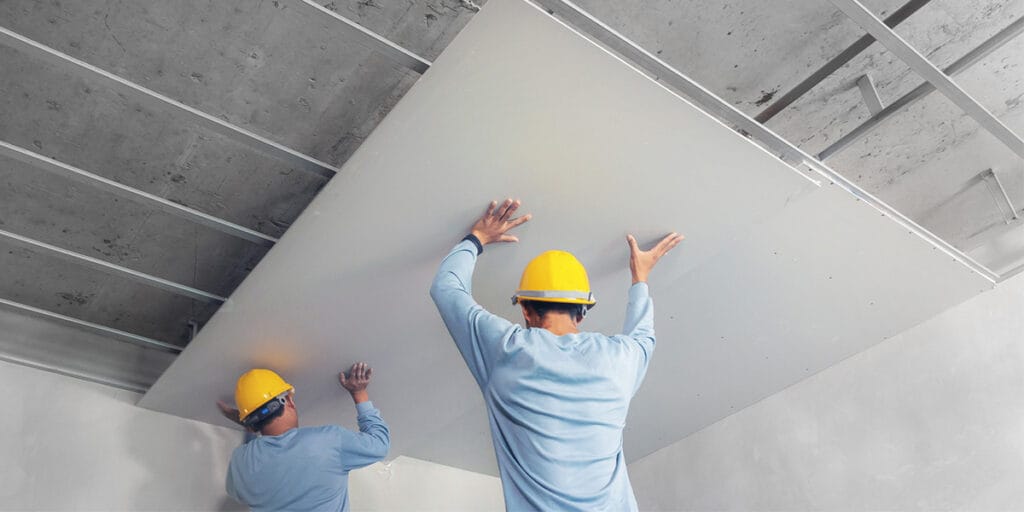
Fire Containment
Limiting fire spread to specific areas and protecting occupants
Fire-resistant boards play a crucial role in containing fires within specific areas of a building. These boards act as barriers, preventing flames and heat from spreading uncontrollably. You can use them for various fire safety applications, such as creating fire barriers for compartmentation, encasing load-bearing structures, and protecting electrical cables. Their ability to withstand heat and radiation ensures that the temperature on the non-fire side remains low. This containment provides you and other occupants with valuable time to evacuate safely while allowing first responders to act effectively.
Preventing fire propagation to adjacent structures
Fire-resistant boards also help prevent fires from spreading to nearby buildings. Their low heat conductivity and high heat absorption properties make them effective at resisting heat transfer. You can rely on these boards to protect critical areas like ventilation and smoke extraction ducts, which are often vulnerable during a fire. By maintaining structural integrity and containing the fire, these boards reduce the risk of fire propagation to adjacent structures.
Supporting Emergency Response
Providing time for firefighters to control the fire
When a fire breaks out, every second counts. Fire-resistant boards slow down the spread of fire, giving firefighters the time they need to control the situation. These boards are designed to withstand high temperatures and resist heat transfer, ensuring that the non-fire side remains safe. This feature allows for safe evacuation and effective firefighting operations, ultimately saving lives and minimizing damage.
Reducing the intensity of fire damage and aiding rescue efforts
Fire-resistant boards reduce the intensity of fires by keeping flames and heat contained. Their ability to maintain low temperatures on the non-fire side ensures that load-bearing structures remain stable. This stability aids rescue efforts by providing a safer environment for emergency responders. You can trust these boards to protect critical areas and support rescue operations during emergencies.
Meeting Regulatory Standards
Ensuring compliance with local and international building codes
Using fire-resistant boards ensures that your construction projects meet fire safety regulations and code compliance requirements. For example, international building codes like Section 704.3 mandate the protection of primary structural frame members with individual encasements. Similarly, Section 705 outlines fire protection measures for exterior walls. By incorporating fire-resistant boards, you demonstrate adherence to these standards and prioritize safety.
| Section | Description |
|---|---|
| 7704.2 | Columns needing fire-resistance rating must be encased on all sides. |
| 704.3 | Primary structural frame members supporting multiple floors must be protected by individual encasement. |
| 705 | Fire protection measures for exterior walls, including limitations on wall openings. |
Demonstrating commitment to safety in construction projects
Incorporating fire-resistant boards into your projects showcases your commitment to safety. These boards prevent fire spread, maintain structural integrity, and provide critical time for evacuation and rescue operations. Their applications include compartmentation of buildings, protection of load-bearing structures, and encasement of electrical cables. By using these materials, you create safer environments and enhance the overall quality of your construction projects.
Fire-resistant boards are essential for enhancing fire safety, maintaining structural integrity, and meeting building codes. Their versatility allows you to use them in walls, ceilings, and partitions, while their durability ensures long-term performance. These boards also offer cost-effective benefits by reducing fire spread, providing insulation, and avoiding fines from non-compliance with fire codes. Emerging technologies, like eco-friendly and self-healing flame retardants, further improve their efficiency. When selecting fire-resistant boards, consider factors like fire resistance, durability, and design flexibility. By choosing these materials, you protect lives, property, and ensure safer construction projects.