


22 May Everything You Need to Know About MgO Boards for Exterior Walls
MgO Boards Use for Sheathing Materials are a strong and reliable option for exterior walls. Builders and homeowners prefer MgO Boards Use for Sheathing Materials because these boards provide excellent resistance to fire, water, and mold. You can use MgO Boards Use for Sheathing Materials for both structural wall support and exterior cladding.
MgO Boards Use for Sheathing Materials do not emit harmful chemicals, making them a safer choice for you and the environment.
Here’s why so many people are choosing MgO Boards Use for Sheathing Materials today:
Attribute | Description |
|---|---|
Durability | MgO Boards Use for Sheathing Materials remain tough and last for years. |
Fire Resistance | These boards are non-combustible, which may help reduce your insurance costs. |
Low Maintenance | MgO Boards Use for Sheathing Materials require minimal time and money to maintain. |
Sustainability | Made from natural minerals, MgO Boards Use for Sheathing Materials are better for the planet. |
Cost-Effectiveness | Savings on insurance and maintenance can offset the initial investment in MgO Boards Use for Sheathing Materials. |
Key Takeaways
MgO boards are strong and last a long time. They do not burn easily. They do not get damaged by water or mold. This makes them a good choice for outside walls.
These boards are good for the environment. They do not have bad chemicals. This helps make your home healthier.
MgO boards do not need much care. This saves you time and money over time.
It is easy to put in MgO boards. They are light and easy to carry. You can cut them with normal tools. This helps you finish your work faster.
Using MgO boards can make insurance cheaper. This is because they do not burn easily. You get safety and save money too.
What Is Magnesium Oxide Board?
 MgO Board Composition
 MgO Board Composition
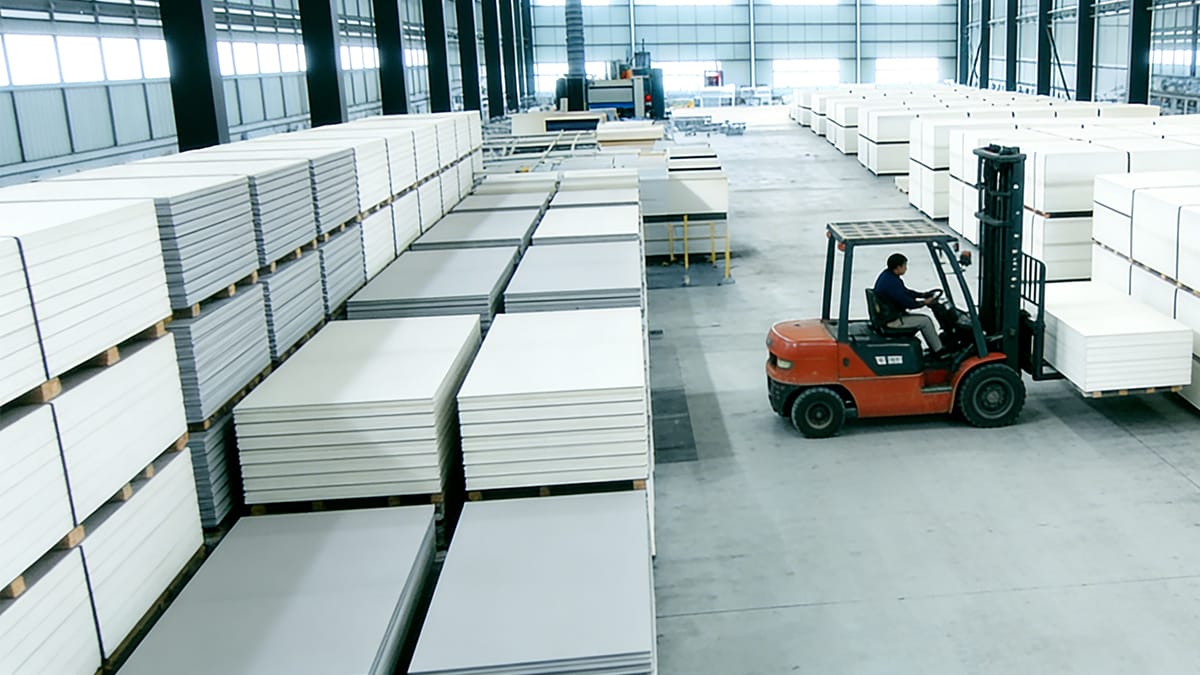
You may wonder what makes mgo boards so unique. These boards use a blend of magnesium oxide, magnesium chloride, and natural fibers. Manufacturers mix these ingredients with water to form a strong, dense sheet. You get a board that feels solid and smooth. The surface of mgo boards resists scratches and dents. You can cut mgo boards with standard tools, which makes them easy to handle on the job site.
Magnesium oxide boards do not contain harmful chemicals like formaldehyde or asbestos. You can trust that mgo boards are safe for your home or business. The natural minerals in mgo boards help them resist fire, water, and pests. You will notice that mgo boards do not warp or swell when exposed to moisture. This feature makes mgo boards a smart choice for areas with high humidity or frequent rain.
Common Uses in Construction
You can use mgo boards in many parts of a building. Builders choose mgo boards for both residential and commercial projects. Here are some of the most common ways you will see mgo boards used:
Interior walls and ceilings: Mgo boards provide fire safety, moisture resistance, and sound insulation.
Underlayment for flooring: Mgo boards add durability and water resistance in busy spaces.
Roof sheathing: Mgo boards offer thermal insulation and stand up to harsh weather.
Exterior cladding: Mgo boards resist pests and let you pick different looks for your building.
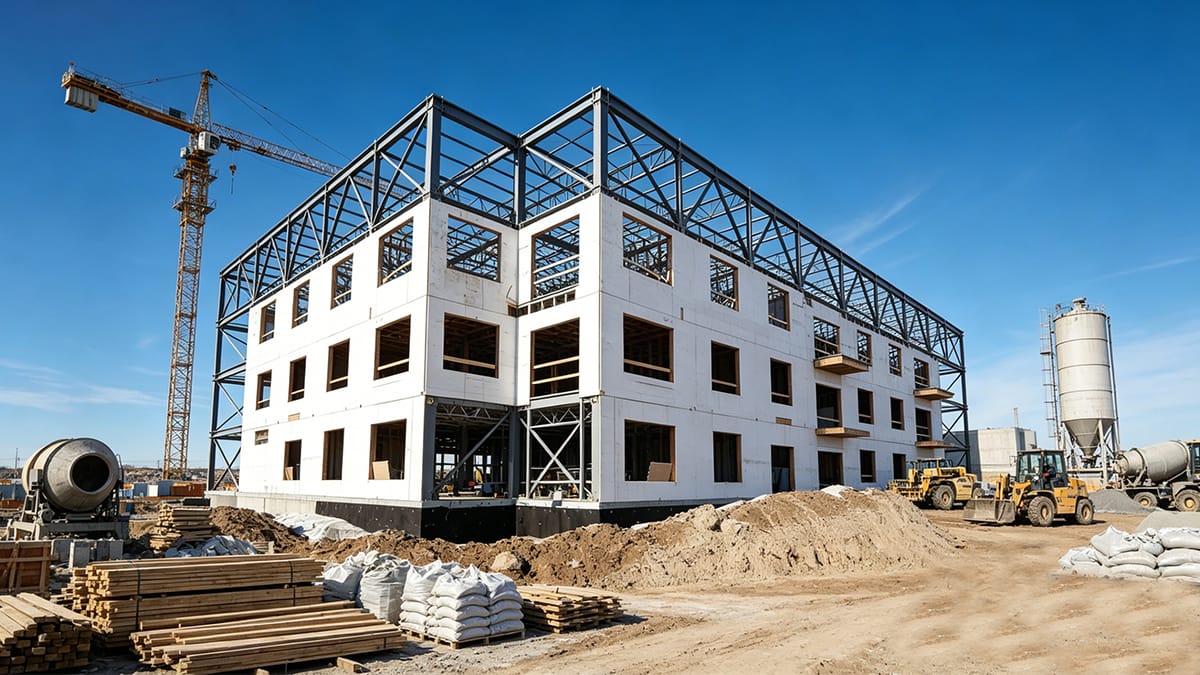
You can also use mgo sheathing board for exterior wall support. Magnesium oxide boards work well as a base for siding or stucco. You will find that mgo boards help protect your building from fire and water damage. Many builders like mgo boards because they last a long time and need little maintenance.
Tip: When you choose mgo boards, you invest in a material that supports safety, strength, and design flexibility.
Why Pick MgO Boards for Outside Wall Sheathing?
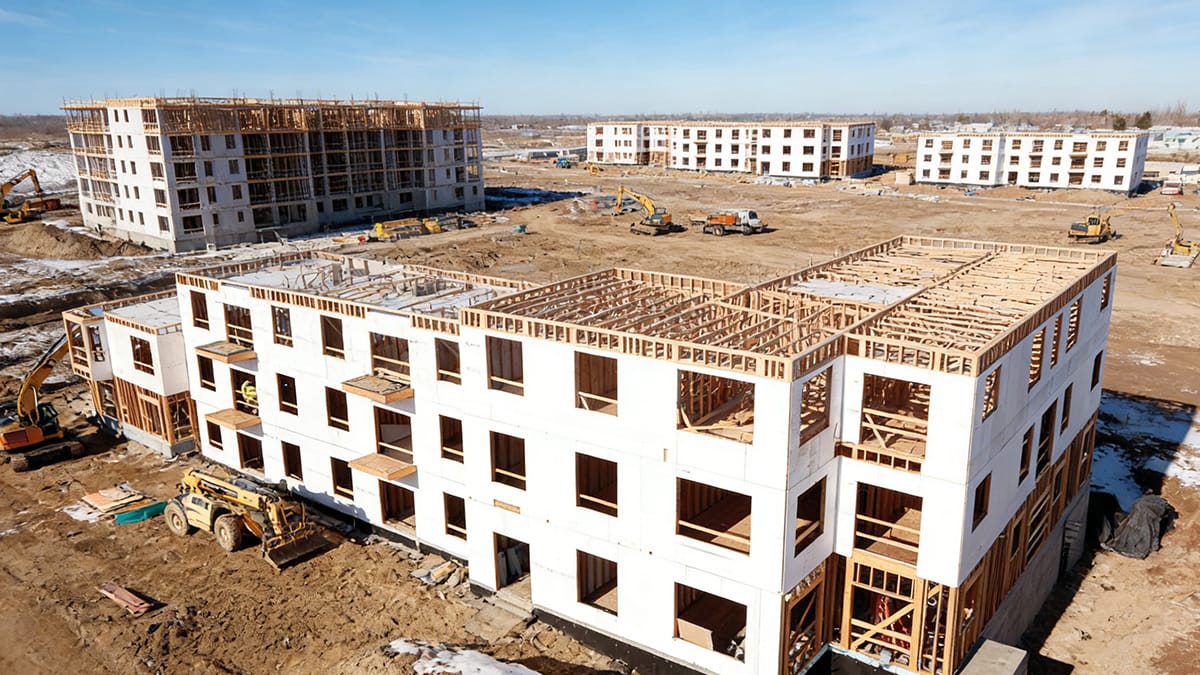 If you want a good material for outside walls, you need one that can handle fire, water, and last a long time. MgO boards give you all these things and even more. You can use them for many wall jobs and coverings. Let’s see why builders and homeowners like magnesium oxide boards for outside projects.
Fire and Water Protection
You need your outside walls to be safe from fire. MgO boards are great at stopping fire. They do not burn or make smoke. These boards help keep your house or building safe from fire. You can check how they do in fire tests:
Test Method | Description | Results |
|---|---|---|
ASTM E136 | Checks if it burns at 750°C | MgO board is noncombustible |
ASTM E84/UL 723 | Looks at flame and smoke | No flame spread, no smoke |
ASTM E119/UL 263 | Tests fire-resistance time | 1, 2, and 3-hour ratings, depends on setup |
MgO boards also keep out water very well. You want your outside walls to stay strong, even when it rains or gets wet. Magnesium oxide boards do not soak up much water. They keep their shape and strength after getting wet and drying out many times. Here is how they do compared to other boards:
Property / Material | Magnesium Oxide (MgO) Board | Plywood | Drywall (Gypsum Panels) |
|---|---|---|---|
Moisture Absorption | Higher | Higher | |
Flex Strength After Wet/Dry | Almost 100% after 25 cycles | Loses 9% | Loses 36-52% |
Mold Growth (ASTM G21) | 0/0/0 (no mold) | Gets mold | Gets mold |
Shape Change | No warping or swelling | Warps, cups | Swells, crumbles |
You can count on mgo boards to keep your outside walls safe from fire and water. These reasons make them a smart pick for wall sheathing in any weather.
Tip: MgO boards help lower fire risk and stop water damage, so you fix less.
Stops Mold and Fungus
You want your outside walls to stay clean and safe. Mold and fungus can cause big trouble in buildings. MgO boards help stop these problems before they start. The thick, non-organic part of magnesium oxide boards keeps water out. The boards do not bend or break, even in wet places. You will not see black spots or bad spores on your walls.
The high pH of mgo boards stops mold and fungus from growing.
The non-organic board gives mold nothing to eat.
MgO boards stop fire, bugs, mold, mildew, and rot.
The board does not feed mold spores.
MgO boards take in only 0.34% water, but gypsum boards take in much more.
Lab tests show mgo sheathing got a perfect 0/0/0 on the ASTM G21 test.
You get better air inside and fewer health problems when you use mgo sheathing board. These good things make mgo boards a top choice for outside walls in wet or damp places.
Strong and Long-Lasting
You want outside walls that stay strong for many years. MgO boards give you the toughness you need. They keep their strength in all kinds of weather. You do not have to worry about cracks, swelling, or losing support. MgO boards meet tough rules for strength and staying in shape.
ASTM C1288 and ASTM C1325 show mgo boards stay strong and stop mold in wet air.
ASTM G21 proves the high pH of mgo boards stops mold.
ASTM E96 shows mgo boards keep out water, so they stay in shape.
ASTM C1186 and ASTM C1185 show mgo boards do not crack and keep their shape under normal weight.
You can also see that mgo boards pass big tests for being strong:
Standard | Description |
|---|---|
ASTM C1513 | Checks how well screws stay in steel frames |
ASTM C1396 | Measures force to pull out screws, helps wall stay up |
ASTM D1761 and D1037 | Checks strength when pulled, pushed, or squeezed |
ICC-ES Evaluation Reports | Shows it meets IBC and IRC building codes |
NFPA and UL Certifications | Proves fire safety in wall systems |
MgO boards give you strong support for your outside walls. You can use them in homes and big buildings. These good things help you save money on fixes and keep your building safe for a long time.
Note: When you pick mgo boards for outside walls, you get a board that stands up to fire, water, and time. You also make putting it in easier and safer.
Key Benefits of MgO Sheathing Board
 Versatility as Sheathing and Cladding
 Versatility as Sheathing and Cladding
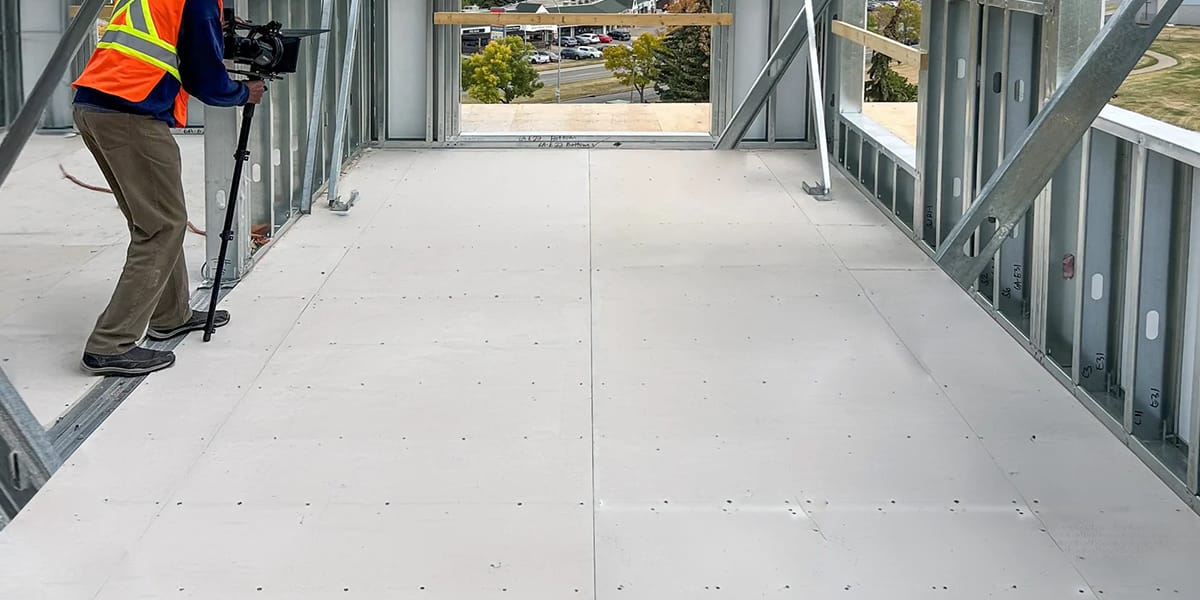
You can use mgo boards in many places in your building. These boards work for outside wall sheathing and also as cladding. You get strong walls and a nice look with just one board. Builders in the Middle East use magnesium oxide boards for outside walls and as a base for pretty cladding. You can also see mgo boards in inside walls for offices and homes. These boards help keep buildings safe because they do not burn easily. You save money on shipping and putting them up since mgo boards are light. Your walls last longer because mgo boards can handle sun and bad weather. Here are some ways mgo boards can be used:
Use mgo boards for outside wall sheathing and cladding.
Put mgo boards in modular buildings for fire safety.
Pick mgo boards for both inside and outside walls.
You get more use from mgo sheathing board because you can use it in many ways.
Environmental and Safety Advantages
You want safe and earth-friendly materials for your building. Mgo boards do not have harmful chemicals or things that cause cancer. You only need a dust mask and glasses when you cut mgo boards. You should use water spray or a HEPA vacuum to clean up dust. Mgo boards do not react with most frames, but you can add a barrier if you use galvanized steel. Here is a table that shows how magnesium oxide boards compare to other sheathing materials:
Safety Aspect | Magnesium Oxide Boards | Other Sheathing Materials |
|---|---|---|
Carcinogenic Material | None | Varies |
Safety Gear | Mask, glasses | Varies |
Handling Procedure | Wet suppression/HEPA vacuum | Varies |
Installation Compliance | Follows all codes | Varies |
Reaction with Framing | Barrier for galvanized | Varies |
You help the earth when you pick mgo boards. These boards use natural minerals and last a long time, so you make less trash.
Ease of Handling and Installation
You will see that mgo boards are easy to use when you build. These boards are lighter than plywood or OSB, so you can move and cut them without much work. You do not need special tools for mgo boards. You also save time because mgo boards do not need extra steps to keep out water. The way you put them up is simple, so you finish your outside wall sheathing faster. Here are some mgo board benefits for putting them in:
You do not need to add water barriers.
You can put up mgo boards faster than plywood or OSB.
You get strong, safe, and long-lasting outside wall sheathing with mgo boards. These good things make mgo sheathing a smart pick for your next project.
Installing MgO Boards Use for Sheathing Materials
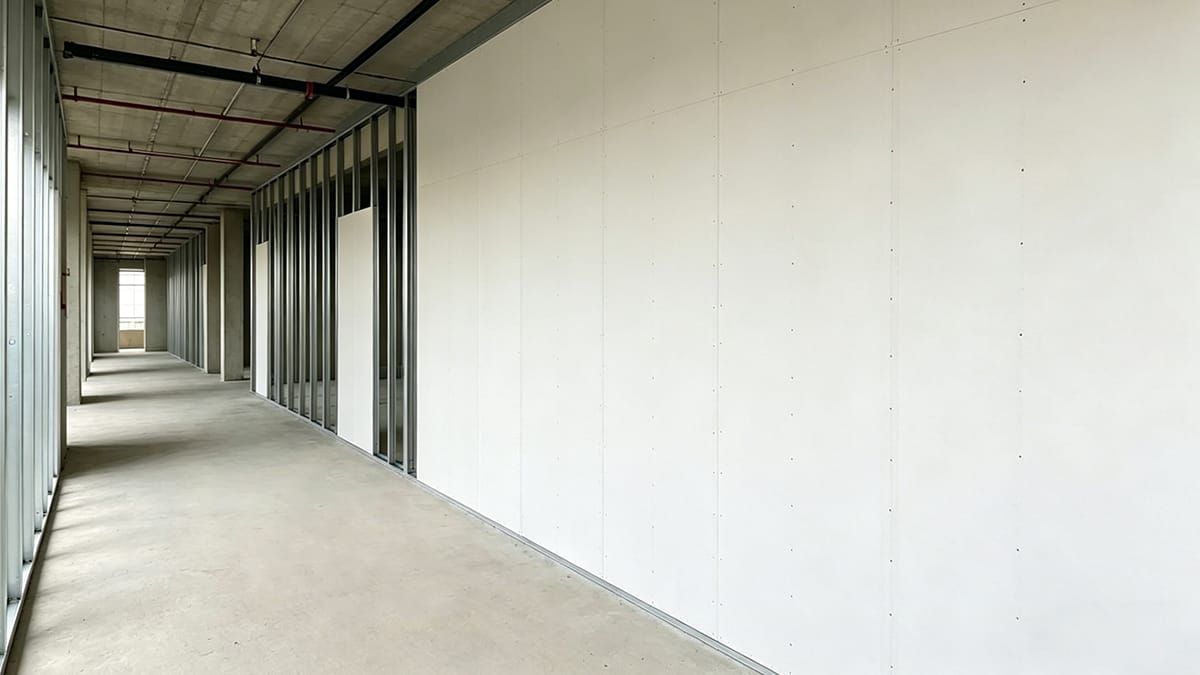 If you want your mgo boards to work well, you must follow the right steps. This section shows you how to install magnesium oxide boards. You will learn how to get ready, cut, attach, and seal your boards. These steps help your exterior wall sheathing stay strong and safe.
Preparation and Tools
You need the correct tools and materials before you start. Good planning helps you avoid mistakes and keeps your project going. Here is a table to help you get ready:
Tools and Materials Required | Description |
|---|---|
Safety Glasses | Protects eyes during installation |
Dust Mask | Prevents inhalation of dust |
Gloves | Protects hands from sharp edges |
Putty Knife | For applying adhesive and smoothing joints |
Saw Horses | Supports boards during cutting |
Square | Ensures straight cuts |
Carbide Tipped Scoring Knife | For cutting the board |
Fiber Cement Shears | For precise cuts |
Dust Reducing Circular Saw | Minimizes dust during cutting |
Polyurea or Modified Epoxy Seam Filler | For sealing joints |
Underlayment | Provides a base layer |
Fasteners | Varies by application |
Adhesive (ASTM D3498 compliant) | For strong bonding |
Always wear safety glasses, a dust mask, and gloves. Put the boards on saw horses to make cutting easier. Use a square to mark straight lines. Remove the packaging and let the panels sit for 48 hours. This helps the boards get used to the room’s temperature and humidity.
Tip: Make sure your framing is straight and square before you install mgo boards. This helps your exterior wall sheathing last longer.
Cutting and Fastening MgO Boards
Cutting and fastening are important steps. You want your boards to fit well and stay in place. Here are some tips for cutting and fastening mgo boards:
Use a carbide tipped scoring knife or a dust-reducing circular saw for straight cuts.
For small cuts, use fiber cement shears.
Cut boards to fit around windows, doors, and corners. Leave small gaps—1/16 inch for steel framing and 1/8 inch for wood framing.
Start fastening in the middle of the board and move outward. This stops warping.
Use screws that do not rust, like stainless steel. Space screws 8 to 12 inches apart.
Keep screws 10–12mm from the edges to stop cracking.
Do not drive screws too deep. Make sure they are level with the board.
Best Practice | Description |
|---|---|
Cutting | Cut boards accurately and fit around openings to minimize gaps. |
Fastening | Use self-tapping or fine-thread screws. Ensure full penetration and proper spacing. |
Moisture Management | Install a vapor barrier in wet areas and seal joints with waterproof compound. |
You can use adhesive that meets ASTM D3498 standards to glue the edges. This makes your boards stronger and helps keep out water and mold.
Note: Mgo boards are not as easy to install as plywood or OSB. Take your time and follow each step for the best results.
Sealing Edges and Joints
Sealing edges and joints is very important. Good sealing keeps water and air out. This protects your exterior wall sheathing from damage. Here are the steps you should follow:
Put adhesive on the edges of each board before adding the next one.
Use self-adhesive fiberglass tape over all seams. This tape stops cracks and makes the joints stronger.
Fill small gaps with caulk that does not shrink. This blocks water and air from getting inside.
Seal all screw holes and joints with a water-resistant sealant. This keeps your boards safe from moisture.
For extra protection, use a clear sealer, like water-based or polyurethane, on the surface.
Callout: Sealing every joint and edge is important for moisture and mold protection. This step helps your mgo boards last longer and keeps your building safe.
Now you know how mgo boards fit into modern installation and cladding systems. When you follow these steps, you get all the benefits of mgo boards. You have strong, safe, and long-lasting exterior wall sheathing with great moisture and mold protection. These steps also make your installation and cladding systems more reliable and tough.
Comparing MgO Boards to Other Exterior Wall Sheathing
MgO vs. Plywood and OSB
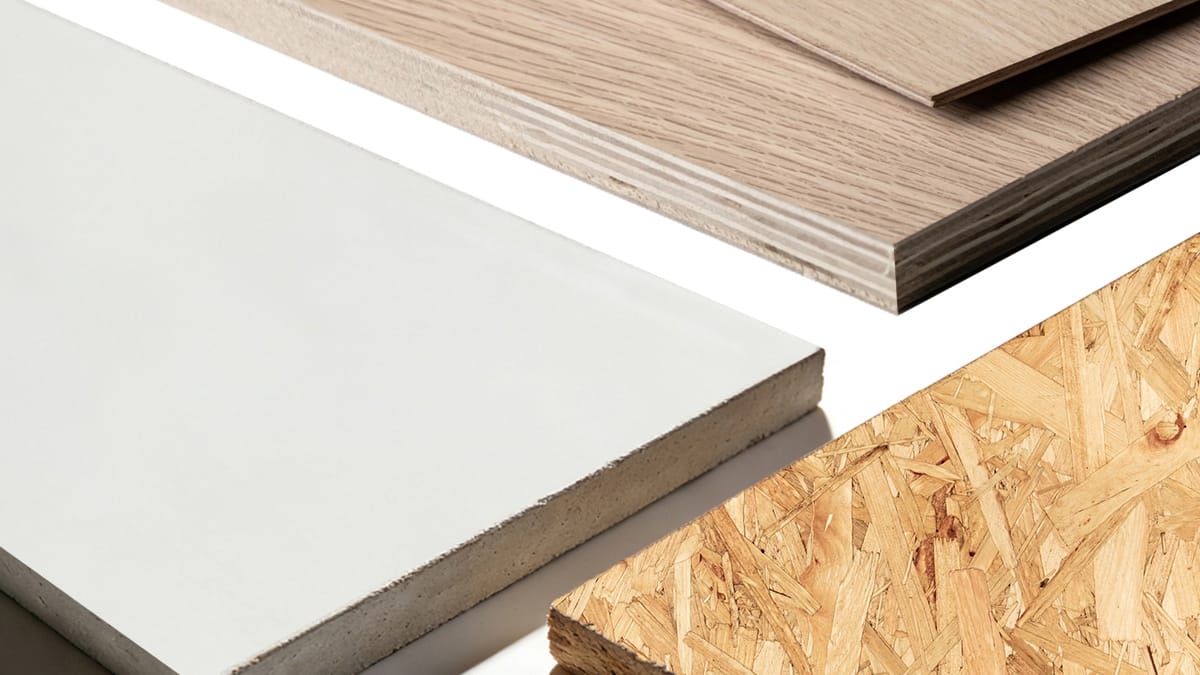 MgO vs. Plywood and OSB
When you look at mgo boards next to plywood or OSB, you see big differences in performance. Mgo boards do not soak up much water. They keep their shape even after many wet and dry cycles. Plywood and OSB can swell, warp, or even fall apart if they get wet too often. You want your exterior wall sheathing to last, so this matters a lot.
Material | Water Absorption | Dimensional Changes | Strength Retention | Structural Stability |
|---|---|---|---|---|
Magnesium Oxide Boards | 0.34% | Negligible | Nearly 100% after 25 cycles | Maintains integrity when wet |
Plywood | Higher | Swelling, warping, cupping | Loses 9% after 25 cycles | Can delaminate with prolonged wet |
Mgo boards also give you better fire safety. Magnesium oxide boards do not burn or melt, even at high temperatures. Plywood can catch fire, even if you treat it. You get a safer building with mgo boards.
Tip: Mgo boards keep their strength and shape, even in tough weather. You spend less time and money on repairs.
MgO vs. Fiber Cement
You may wonder how mgo boards compare to fiber cement. Both materials resist fire and moisture, but mgo boards go further. Magnesium oxide boards are fully waterproof and do not let mold grow. Fiber cement can absorb some water over time, which may lead to problems in wet climates.
Feature | Fiber Cement Board | Magnesium Oxide (MgO) Board |
|---|---|---|
Fire Resistance | Good | Superior |
Moisture Resistance | Good, can absorb | Excellent, resists mold |
Mgo boards give you a higher fire rating and better moisture protection. You get more peace of mind when you use mgo for exterior wall sheathing.
Performance, Cost, and Sustainability
You want a material that performs well, saves money, and helps the planet. Mgo boards check all these boxes. Magnesium oxide boards last longer than plywood or OSB. They need less maintenance, so you save money over time. Mgo boards are also fully recyclable. You can reuse them instead of sending them to a landfill.
Mgo boards have a lower carbon footprint than other sheathing materials.
You can recycle mgo boards easily.
The recycling process for mgo is simple and helps reduce waste.
When you choose mgo boards, you get strong, safe, and green exterior wall sheathing. You help protect your building and the environment at the same time.
Challenges and Maintenance of MgO Sheathing Board
Moisture Limitations and Hydrothermal Expansion
You may notice that MgO boards have some challenges when used outside. These boards can be brittle. If you drop or bend them, they may crack. You need to handle them with care during installation. Moisture can also affect MgO boards. If water gets trapped, the board may expand or lose strength. You should always seal edges and joints to keep water out.
Some other common issues include:
MgO boards may not hold nails as well as wood boards.
You may find it hard to get MgO boards in some areas.
The cost is often higher than plywood or OSB.
You need skilled workers and special tools for the best results.
Drawback | Description |
|---|---|
Higher cost | MgO boards cost more than plywood or OSB. |
Installation challenges | You need skilled labor and special tools. |
Brittleness | Boards can crack if handled roughly. |
Limited availability | Not always easy to find in every region. |
Note: Always check for moisture problems before you install MgO boards. Good planning helps you avoid damage.
Maintenance Tips for Longevity
You want your MgO boards to last for many years. Regular care helps you get the most from your exterior walls. You do not need special coatings or treatments. You should check your walls often for cracks or water leaks. If you see damage, you can patch it with simple repair materials.
Here are some easy steps:
Inspect your walls every few months for cracks or water spots.
Fix any surface damage right away.
Make sure all joints and edges stay sealed.
Clean the surface with mild soap and water if needed.
Tip: Quick repairs and regular checks help your MgO boards stay strong and safe.
Compatibility with Finishes and Insulation
You can use many types of finishes and insulation with MgO boards. For the best results, you should cover the boards with cladding or a special coating. This protects the board from rain and sun. You can add extra insulation to improve energy savings. MgO boards let moisture escape, so you do not need to worry about mold or mildew.
Compatibility Aspect | Details |
|---|---|
Finishes | Use cladding or special coatings for weather protection. |
Insulation Materials | Add extra insulation for better comfort and savings. |
Moisture Management | Boards let moisture out, which helps stop mold and mildew. |
Callout: Always choose finishes and insulation that match your climate and building needs. This helps your MgO boards work their best.
You get lots of good things when you pick magnesium oxide boards for outside wall sheathing. These boards stop fire and water, give strong support, and are simple to put in. Look at how MgO boards stack up:
Advantage | Description |
|---|---|
Fire Resistance | Will not burn and is rated A1 for safety. |
Moisture Resistance | Stays flat and strong, even if it gets wet. |
Structural Strength | |
Environmental Friendly | Uses little energy, has no bad chemicals, and you can recycle it. |
Easy Installation | Easy to cut and move with normal tools. |
Check your local rules and needed papers before you begin. Always store, cut, and seal the boards the right way. Ask a building expert if MgO boards are right for your job.
FAQ
What thickness of MgO board should you use for exterior walls?
You should use 10mm to 12mm thick MgO boards for most exterior wall sheathing. Thicker boards give more strength and better fire resistance. Always check your local building codes for exact requirements.
Can you paint or finish MgO boards?
Yes, you can paint or finish MgO boards. Use acrylic-based paints or weatherproof coatings. Make sure the surface is clean and dry before you start. This helps the finish last longer.
Are MgO boards safe for people with allergies?
MgO boards do not contain formaldehyde or asbestos. You will not smell strong odors. These boards help create a healthier indoor environment, especially for people with allergies or asthma.
How do you store MgO boards before installation?
Store boards flat on a dry surface.
Keep them covered to protect from rain.
Let boards adjust to room temperature for 48 hours before installing.
This prevents warping and damage.