


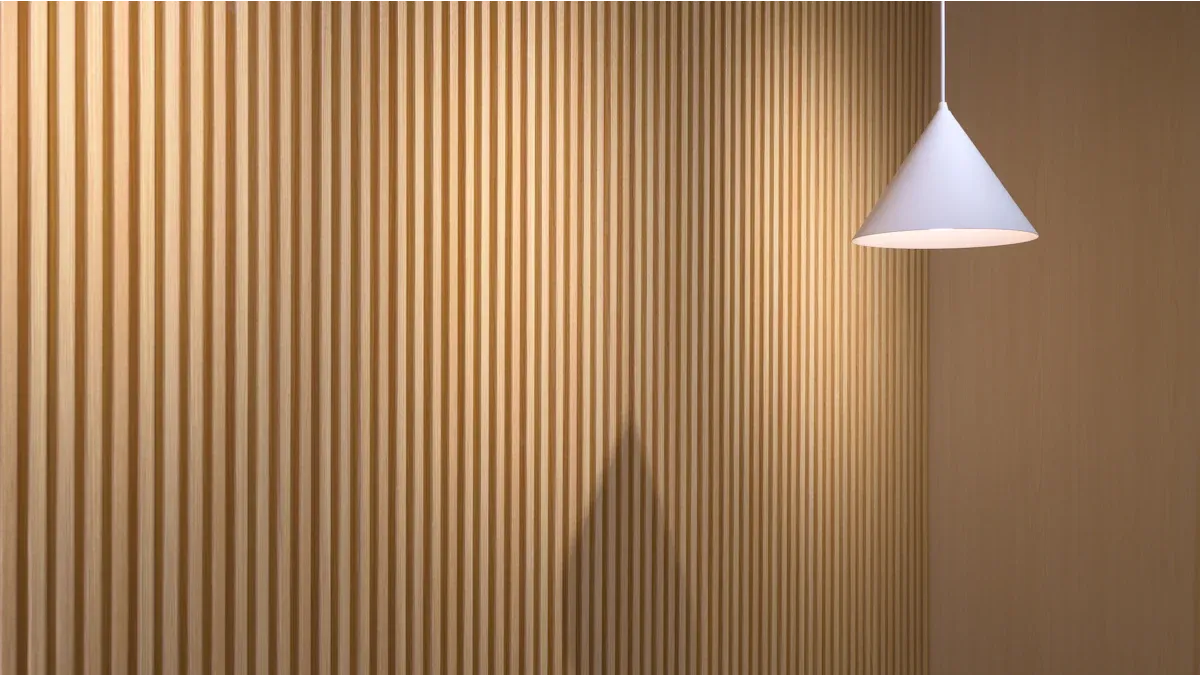
17 Mar Decorative wall board choices for every style
You can find many decorative wall board materials for your home or business. Each type offers a unique look and feel. For example, you might see 3D panels, stone-look panels, or wood veneer panels on walls. Some options, like mgo decorative board, give you extra strength and fire resistance. When you choose a wall board, think about how it will look in your space and how well it will work for your needs.
Key Takeaways
Pick wall boards that fit your room’s needs. Think about moisture resistance for bathrooms and kitchens. Choose strong boards for places where people walk a lot.
Look at different materials like MDF, PVC, and MgO boards. Each material has its own good points. Some are cheaper, some resist water, and some are safer from fire.
Match wall board styles to your home’s look. Shiplap and beadboard make rooms feel cozy. Metal and 3D panels give a modern style.
Putting up wall boards can be easy. Panels like tongue and groove or PVC snap together fast. This makes DIY projects simple for most people.
How you care for wall boards depends on the material. PVC and MgO need little cleaning. Wood needs polishing and sealing to stay nice.
Decorative wall board materials
MDF panels
MDF panels are smooth and do not cost much. MDF means Medium-Density Fiberboard. You can paint or finish it easily. It is simple to cut and put on walls. MDF does not bend or break fast. It uses recycled wood fibers, which is good for the earth.
Feature/Benefit | Description |
|---|---|
Cost-Effective | MDF costs less than solid wood, so it saves money. |
Smooth Surface | The fine texture is great for painting or finishes. |
Versatile | You can get it in many sizes and thicknesses. |
Eco-Friendly | It uses recycled wood fibers, so fewer trees are cut down. |
Stable | MDF does not bend or break, so it lasts long. |
Easy Installation | It is light, so you can cut and install it easily. |
Plywood panels
Plywood panels are strong and last a long time. The way plywood is made keeps it flat and safe from water. You can use plywood in wet rooms without worry. It is easy to cut and shape. Plywood works for walls that hold weight.
Plywood is tough and does not get ruined by water.
It does not get bigger or weaker when wet.
It fits many styles and is easy to use.
PVC panels
PVC panels are great for bathrooms and kitchens. They do not let water, mold, or mildew grow. You can clean them with a wipe. PVC panels cost less than wood or drywall. There are many colors, patterns, and textures. Some look like wood or stone.
PVC panels last long and need little care.
They are cheap and fast to put up.
You can pick from many designs.
Gypsum panels
Gypsum panels stop fire and block noise. You can use them in homes, offices, or schools. They have a smooth top for easy finishing. Gypsum panels are light and easy to put up.
Advantages | Ideal Applications |
|---|---|
Fire resistance | Homes |
Noise blocking | Offices |
Smooth surface for easy finishing | Schools |
Lightweight and easy to install | Indoor walls and ceilings |
Fabric-covered panels
Fabric-covered panels make rooms quieter. You can use them in theaters, offices, or bedrooms. These panels look soft and help with sound.
Fabric wall coverings help keep rooms quiet.
Metal panels
Metal panels make rooms look modern and cool. You can use them for special walls or in stores. Metal panels are strong and simple to clean. They shine and give a special style.
MgO board
MgO board means Magnesium Oxide board. You can use it for a strong and safe wall board. MgO board does not burn or get hurt by water. It is made from natural things and does not give off bad chemicals.
Feature | MgO Board | Traditional Wall Board Materials |
|---|---|---|
Fire Resistance | Does not burn, stops fire for 2-3 hours at 800ºC, does not catch fire until 1200ºC | Not as good at stopping fire |
Environmental Impact | Made from natural things, safe for landfills and recycling, has no bad chemicals | May have bad chemicals and is not easy to recycle |
Tip: The most used decorative wall board materials are wood, PVC, MDF, and MgO board. Each one has its own good points for your space.
Wall board style options
Shiplap
Shiplap helps make rooms feel warm and old-fashioned. The boards go across the wall and overlap each other. This way, the wall looks tight and has a special texture. Shiplap is usually white or gray. It makes living rooms, kitchens, and bathrooms feel cozy.
Shiplap boards go sideways on the wall.
The boards overlap for a close fit.
The old-style look fits many homes.
Beadboard
Beadboard gives your room a classic look. It has lines that go up and down, making the wall look fancy. People use beadboard on the bottom part of walls in bathrooms, kitchens, and on ceilings. The straight lines make it look neat and never out of style.
Beadboard | Shiplap | |
|---|---|---|
Appearance | Close fit with up-and-down lines | Sideways boards with old look |
Usage | Used for lower walls and ceilings | Good for many rooms |
Board-and-batten
Board-and-batten uses wide boards and thin strips called battens. This style makes a pattern that stands out on your wall. You can pick colors and designs to make it your own. It works for both new and old-style rooms.
Makes walls look interesting
Lets you change the design
Simple to make your own
Raised panels
Raised panels make rooms look fancy and special. You see them in dining rooms, libraries, and front halls. Raised panels help rooms feel rich and friendly.
Interior Type | Description |
|---|---|
Formal Dining Rooms | Raised panels make the room look nice and important. |
Libraries | They give a rich and quiet place to read. |
Entry Halls | Make guests feel welcome and impressed. |
Slatted panels
Slatted panels use slats that are spaced the same way. The slats can go up and down or side to side. These panels make walls look deeper and more interesting. They also help keep rooms quieter, so they are good for offices or media rooms.
Modern look and helps with sound
Makes walls look cool
Makes busy rooms sound better
Pallet wood panels
Pallet wood panels are good for the earth. Many are made from wood that comes from safe forests. Using pallet wood helps nature and cuts down on trash. You can make your room look old or eco-friendly with this style.
Helps the planet
Looks natural and reused
3D and geometric panels
3D and geometric panels have strong shapes and patterns. You can get them in PS, WPC, or PVC. These panels are great for offices, restaurants, and hotel lobbies. They make walls stand out and work for modern or fun spaces.
Material Type | Characteristics | Applications |
|---|---|---|
PS 3D Wall Panels | Light, does not get wet, easy to use | Offices, restaurants, hotel lobbies |
WPC 3D Wall Panels | Good for the earth, does not get wet | Places like restaurants or hallways |
PVC 3D Wall Panels | Saves money | Big building projects |
Tongue and groove
Tongue and groove panels snap together with special edges. This makes them easy to put up for anyone. You do not need much time or tools, and there is less waste.
Advantage | Description |
|---|---|
Ease of Installation | Easy for anyone to put up with few tools. |
Interlocking Edges | The edges snap together to make it simple. |
Reduced Labor Time | You do not need lots of work or glue, so it is fast. |
Low Waste | This way does not waste much, which is good for big jobs. |
Wainscoting
Wainscoting covers the bottom part of the wall. You see it in old homes and also in new or farmhouse styles. Wainscoting keeps walls safe and makes them look nice.
Used in farmhouse styles too
Keeps walls safe and pretty
You can pick a wall board style that fits what you like and need. Each style has something special for your home or business.
Comparing decorative wall board materials
 Appearance and style
 Appearance and style
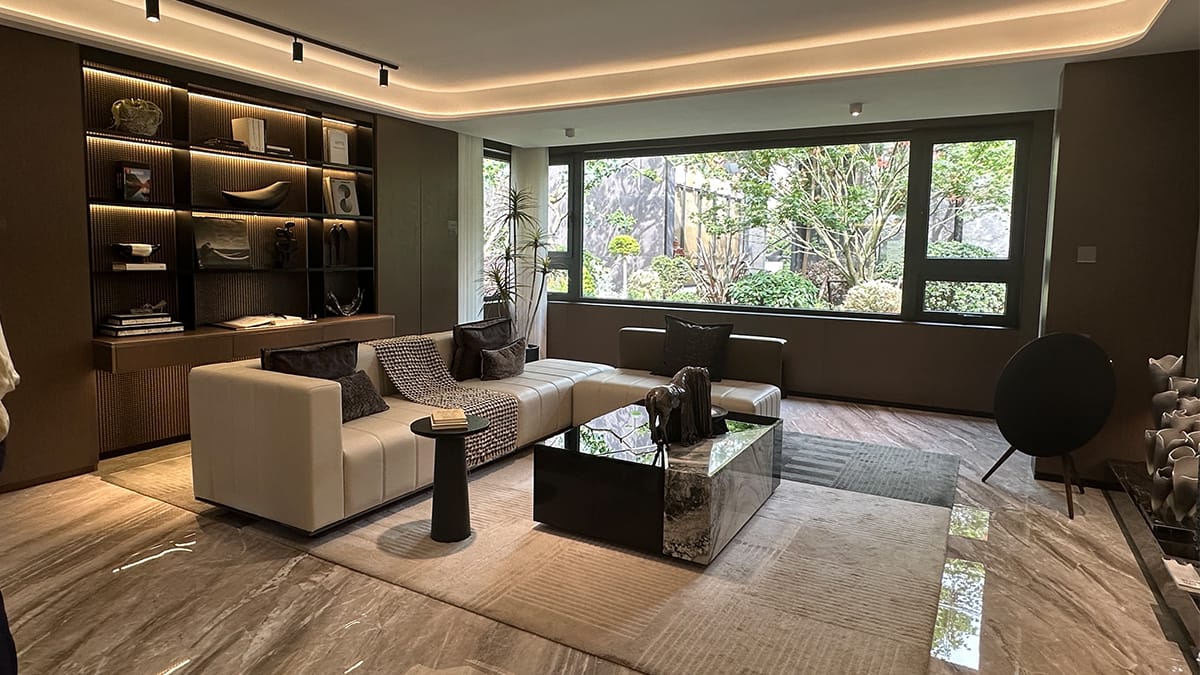
You can choose from many textures and finishes when picking a decorative wall board. Each material gives a different look and feel to your space. The table below shows how each type stands out:
Material | Texture/Finish Description | Key Features |
|---|---|---|
MDF | Smooth surface, great for painting and finishing | Affordable, easy to cut, moisture sensitive |
Plywood | Wood veneers and laminates, organic beauty | Durable, good for high-traffic areas |
PVC | Smooth, easy to clean, resists water and bugs | Long-lasting, good for wet areas |
Gypsum | Smooth finish, can be textured | Good for fire resistance, common for drywall |
Fabric-Covered | Soft texture, many colors and patterns | Absorbs sound, adds warmth |
Metal | Shiny or matte, modern look | Lightweight, fast to install, stylish |
MgO | Smooth, strong, fire-resistant | Safe for public spaces, resists water and mold |
Tip: If you want a modern look, try metal or MDF panels. For a cozy or rustic style, plywood or fabric-covered panels work well.
Durability and maintenance
You want your walls to last and stay nice with little work. Some materials need more care than others. The table below compares how long each type lasts and what you need to do to keep it looking good:
Material | Average Lifespan | Maintenance Requirements |
|---|---|---|
Wood | Decades | Polish and treat sometimes |
PVC | Years | Wipe with a damp cloth, very easy |
MDF | Moderate | Dust often, keep dry to avoid swelling |
MgO | Excellent | Few repairs, resists stains and mold |
PVC panels last a long time and need little care. MgO boards also last and resist water and mold. Wood panels can last for decades if you polish and treat them. MDF panels need to stay dry, or they can swell.
Cost range
You need to know how much each wall board costs before you choose. The table below shows the typical price range for each type:
Wall Board Type | Cost Range |
|---|---|
Standard Gypsum Boards | $0.50 – $1.50/sq ft |
Specialized Gypsum | $1.00 – $3.00/sq ft |
MgO Boards | $1.50 – $3.50/sq ft |
Plywood Panels | $20.00 – $50.00/sheet |
PVC Panels | $1.00 – $3.00/sq ft |
PVC and gypsum boards give you a good look for less money. MgO boards cost more but give you extra safety. Plywood panels cost more per sheet but last a long time.
Best style matches
You can match each decorative wall board material to a style that fits your taste. Wood panels work best for rustic or traditional rooms. They add texture and warmth. MDF panels fit modern and minimalist spaces because they have clean lines and a smooth surface. PVC panels look good in bathrooms and kitchens where you need water resistance. Metal panels give a modern or industrial feel. Fabric-covered panels add softness and help with sound in bedrooms or offices. MgO boards work well in places where you want safety and strength, like public buildings or busy homes.
Note: Always think about the look, how long it will last, and how much care it needs before you pick a wall board for your space.
Matching materials to styles
Shiplap and material choices
 Shiplap and material choices
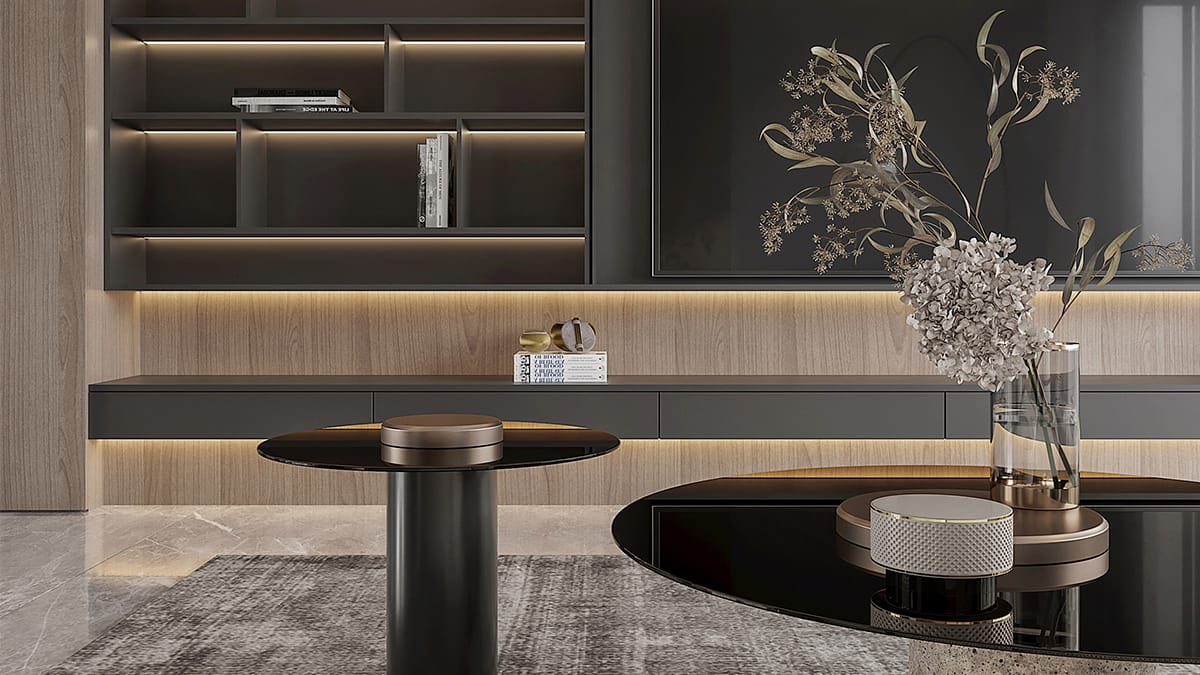
You can choose from several materials for shiplap walls. Each one gives a different look and works best in certain spaces. Here is a table to help you compare your options:
Material | Features | Benefits | Suitability |
|---|---|---|---|
Wood | Aesthetic, eco-friendly | Needs regular care | Best for classic or rustic styles |
PVC | Durable, water-resistant | Low cost, easy to clean | Great for kitchens or bathrooms |
MDF | Affordable, smooth | Easy to paint or decorate | Good for modern looks, needs sealing |
MgO | Eco-friendly, fire and water resistant | Strong, durable | Best for high-traffic areas, higher cost |
Wood shiplap gives your room a warm, natural feel. You can use PVC if you want something that resists water and is easy to clean. MDF works well for painted shiplap in modern homes. MgO board is a smart choice for busy spaces because it is strong and safe.
Tip: If you want a shiplap wall in a bathroom, pick PVC or MgO for the best results.
Beadboard and material choices
Beadboard adds charm to any room. You need to pick the right material for your space, especially if you have moisture. Here are the best options:
PVC is a top choice for beadboard in bathrooms or kitchens. It does not get damaged by water.
Sealed wood beadboard works well if you want a natural look and some moisture resistance.
MDF with a waterproof coating is another good option for areas that get wet.
PVC beadboard is easy to clean and lasts a long time. Sealed wood gives you a classic look. MDF beadboard costs less and can look smooth and neat if you seal it well.
Board-and-batten and material choices
Board-and-batten walls stand out in any room. You can use many types of wood or engineered materials. The table below shows the best choices for high-traffic spaces:
Material | Durability | Moisture Resistance | Aesthetic Appeal |
|---|---|---|---|
Cypress | High | Excellent | Attractive |
Redwood | High | Excellent | Rich beauty |
Cedar | High | Good | Distinct look |
Douglas Fir | High | Good | Versatile |
Pine | Moderate | Good | Common |
Engineered Wood | High | Excellent | Wood-like |
Cypress and redwood last a long time and resist moisture. Cedar and Douglas fir also work well and give your wall a special look. Engineered wood is strong and does not warp, so it is a smart pick for busy rooms.
Note: For a decorative wall board in a hallway or mudroom, choose a material that can handle bumps and moisture.
3D/geometric panels and material choices
You can make a bold statement with 3D or geometric wall panels. Some materials work better than others for these designs:
PVC panels resist water and clean up fast. You can use them in kitchens, bathrooms, or anywhere you want easy care.
Bamboo panels give you a natural look and resist moisture. They are also good for the planet.
Wood panels with a water-resistant finish add warmth and style.
You can also try PS 3D wall panels for a lightweight and eco-friendly option. WPC panels blend recycled wood and plastic, so they work well in places that get a little damp, like restaurants or hallways.
PS 3D Wall Panels: Modern, many finishes, eco-friendly.
WPC Panels: Good for moisture, look like wood.
PVC Panels: Cheap, light, easy to install.
Callout: If you want a strong visual impact, pick PVC or WPC panels for your 3D wall.
Wainscoting and material choices
Wainscoting protects your walls and adds style. You have several good material choices:
MgO wallboards work best in rooms with lots of moisture. They resist mold and stay strong in humid places.
PVC panels are waterproof and do not let mold grow. You can use them in bathrooms and kitchens. They need little care.
Wood panels look beautiful and last a long time. You need to clean and care for them more than MgO or PVC.
You can match your wainscoting to your room’s needs. Use MgO or PVC for easy care and water resistance. Choose wood if you want a classic look and do not mind extra upkeep.
Tip: For busy homes or wet rooms, MgO and PVC wainscoting give you the best mix of strength and low maintenance.
Practical considerations
Installation tips
 Installation tips
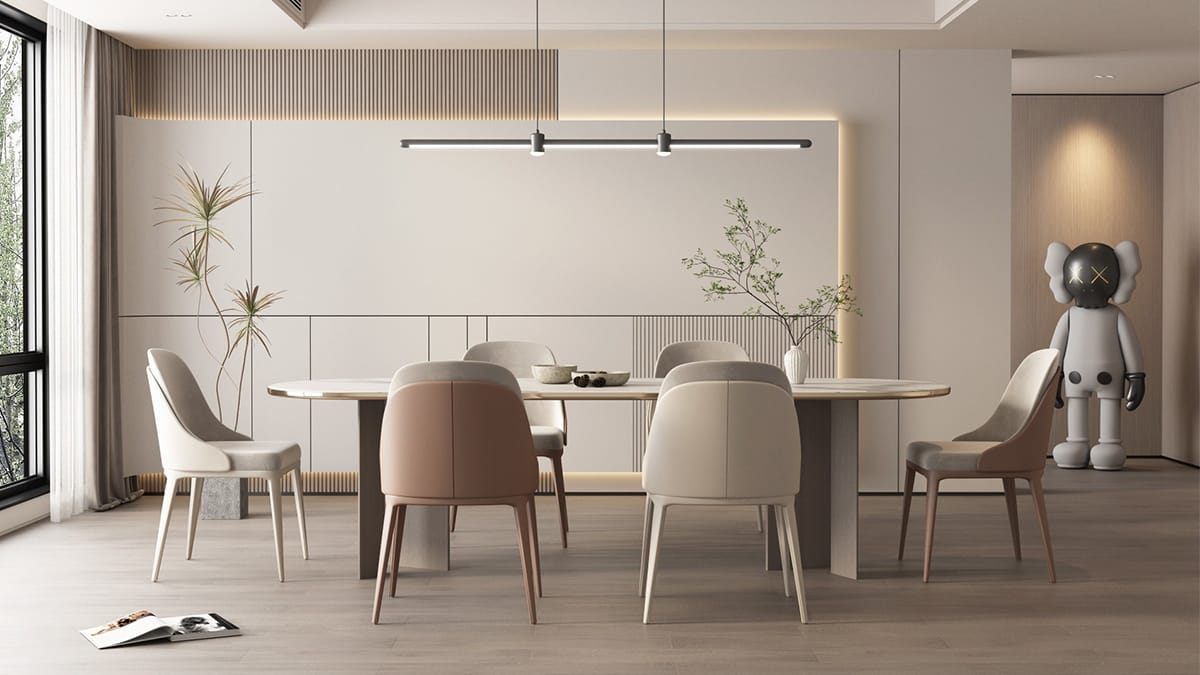
You can install most decorative wall boards with basic tools. Some panels, like tongue and groove or shiplap, snap together easily. You do not need special skills for these. MDF and PVC panels are light, so you can cut and handle them without help. If you choose plywood or MgO boards, you may need a saw and strong fasteners. Always measure your wall before you start. Dry-fit your panels on the floor to see how they look. Use a level to keep lines straight. For heavy panels, ask a friend to help you lift and hold them.
Tip: Wear safety glasses and gloves when you cut or install wall boards.
Maintenance and cleaning
You want your walls to look good for a long time. Some materials need more care than others. PVC panels clean up with just a damp cloth. You do not need strong cleaners. MgO boards resist stains and mold, so you only need to wipe them sometimes. Wood panels need polish and may need new finish after a few years. MDF panels should stay dry. If they get wet, they can swell or warp. Metal panels only need dusting and a gentle cleaner.
Material | Cleaning Needs | Special Care |
|---|---|---|
PVC | Wipe with damp cloth | None |
MgO | Wipe, resists stains | None |
Wood | Polish, refinish | Avoid water |
MDF | Dust, keep dry | Seal edges |
Metal | Dust, gentle cleaner | Avoid scratches |
Room suitability
You should match your wall board to the room’s needs. Kitchens and bathrooms get wet and messy. PVC panels work best here because they resist water and clean up fast. MgO boards also work well in humid rooms. Living rooms and bedrooms need style and comfort. Wood and fabric-covered panels add warmth and beauty. For high-traffic areas, pick durable materials like plywood or MgO. If you want an eco-friendly choice, look for panels made from recycled wood or bamboo.
Durability matters most in busy rooms.
Aesthetics help your space feel right.
Maintenance is key for kitchens and baths.
Cost and sustainability can guide your final choice.
Note: Always think about how much use and moisture your room gets before you pick a wall board.
Decorative wall board comparison table
Material and style summary
 Material and style summary
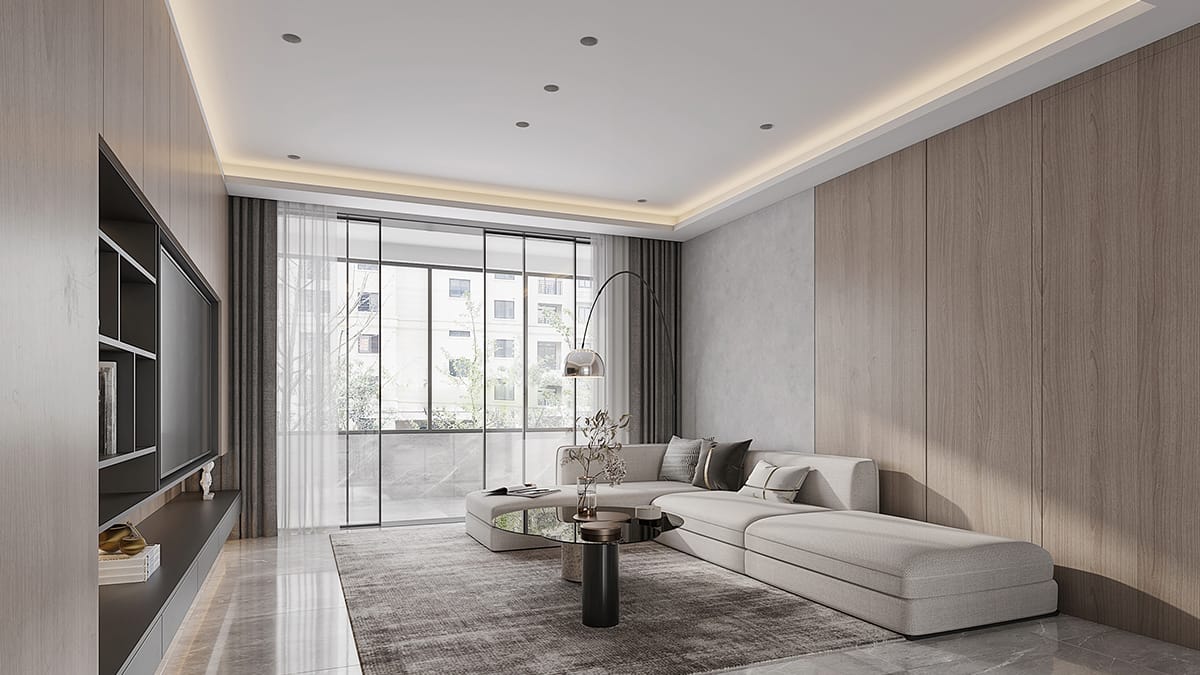
This table helps you see which wall board works best. You can check the main features and styles for each material.
Material | Appearance | Durability | Maintenance | |
|---|---|---|---|---|
MDF | Smooth, paintable | Moderate | Easy | Modern, Minimalist |
Plywood | Natural wood grain | High | Moderate | Rustic, Traditional |
PVC | Clean, many colors | High | Very Easy | Contemporary, Wet Areas |
Gypsum | Smooth, flat | Moderate | Easy | Classic, Simple |
Fabric-Covered | Soft, textured | Moderate | Easy | Cozy, Acoustic Spaces |
Metal | Shiny, sleek | High | Easy | Industrial, Modern |
MgO Board | Smooth, strong | Very High | Very Easy | Safe, High-Traffic |
Tip: Pick the material that fits your room and style. For example, use PVC in wet rooms or plywood in living rooms.
Pros, cons, and best uses
It is important to know what each material does well and not so well. Here is a simple guide:
MDF
👍 Pros: You can paint it easily. It costs less. The finish is smooth.
👎 Cons: It swells if it gets wet. Do not use in damp rooms.
🏠 Best Use: Good for accent walls and modern rooms.
Plywood
👍 Pros: It is strong and looks natural. It lasts a long time.
👎 Cons: It costs more and needs some care.
🏠 Best Use: Works well in rustic rooms and busy spaces.
PVC
👍 Pros: It does not get hurt by water. It is easy to clean and cheap.
👎 Cons: It does not feel warm like wood. It can look fake.
🏠 Best Use: Great for kitchens, bathrooms, and basements.
Gypsum
👍 Pros: It stops fire. It is smooth and simple to put up.
👎 Cons: It is not very strong and can crack.
🏠 Best Use: Use for inside walls and ceilings.
Fabric-Covered
👍 Pros: It feels soft and helps with sound. There are many colors.
👎 Cons: It can get stains and needs gentle cleaning.
🏠 Best Use: Good for bedrooms, offices, and theaters.
Metal
👍 Pros: It looks modern and is strong. It is easy to clean.
👎 Cons: It can scratch and feels cold.
🏠 Best Use: Use for feature walls, stores, and lofts.
MgO Board
👍 Pros: It does not burn or get hurt by water. It is good for the earth and strong.
👎 Cons: It costs more and is heavy.
🏠 Best Use: Best for busy homes, public places, and wet rooms.
Note: Use this guide to help you choose the right wall board. Always think about how it looks, how long it lasts, and how much care it needs.
You have many choices when picking a decorative wall board. You can use the tables and tips in this guide to compare materials and styles. Think about how each option looks and how it fits your needs. Visit a store or ask a pro if you want to see samples. The right wall board can make your space look great and show your style.
FAQ
What is the easiest wall board to install by myself?
You can install PVC panels or tongue and groove boards with basic tools. These panels snap together. You do not need special skills. Always measure your wall first.
Can I use decorative wall boards in a bathroom?
Yes! You should pick water-resistant materials like PVC or MgO board. These do not swell or mold. They work well in wet rooms.
How do I clean decorative wall boards?
Most panels clean with a damp cloth. For PVC or MgO, wipe gently. For wood, use polish. Avoid soaking MDF.
Tip: Always check the maker’s cleaning guide.
Which wall board is best for soundproofing?
Fabric-covered panels work best for sound. You can also use thicker gypsum boards. These help block noise in bedrooms or offices.
Fabric panels absorb sound
Gypsum blocks noise
Are decorative wall boards eco-friendly?
Many wall boards use recycled or natural materials. Look for MDF, bamboo, or WPC panels. These choices help the planet.
🌱 Choose certified or recycled boards for a greener home.