


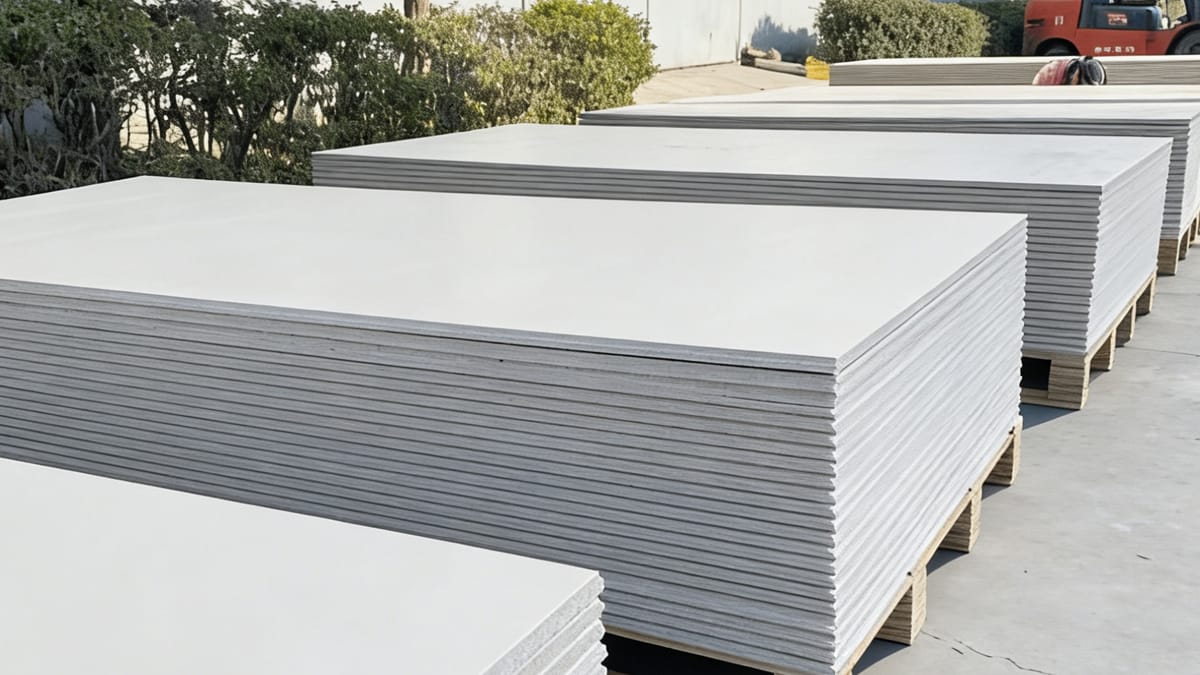
25 Dec Magnesium Oxide Board Versus Gypsum Board Pros and Cons Explained
If you want strong walls in 2025, magnesium oxide board is better than gypsum board. Magnesium oxide wallboard fights fire, water, and damage more than gypsum wallboard. Magnesium oxide wallboard lasts longer, even in tough places. New building rules like magnesium oxide wallboard for safety and the environment. Gypsum wallboard is cheaper at first, but magnesium oxide wallboard saves money on repairs and insurance later. Here is a cost comparison:
Material | Cost per square foot |
|---|---|
Gypsum Board | $0.30 – $0.70 |
$1.50 – $3.50 |
If you want strong walls or need to stop mold, magnesium oxide wallboard is better than gypsum wallboard.
Key Takeaways
Magnesium oxide board is very good at stopping fire. It can last up to four hours without burning. This makes it a safer choice for buildings.
Magnesium oxide board works best in wet places like bathrooms and kitchens. It does not let water or mold damage the walls. This helps keep walls strong.
Magnesium oxide board costs more at first. But it saves money later because it lasts a long time and needs little fixing.
Gypsum board costs less and is simple to put in. It is good for fast jobs in dry rooms. But it might need more repairs as time goes on.
Picking magnesium oxide board helps the environment. It makes less pollution and people can recycle it.
Fire Resistance Comparison
Magnesium Oxide Board Fire Safety
You want walls that keep you safe from fire. Magnesium oxide wallboard is very good at stopping fire. This board does not catch fire, even when it gets very hot. It can stop fire for up to four hours at 1,472°F. Many lab tests and building rules show this is true. Magnesium oxide wallboard passes the ASTM E136 test and gets an A1 non-combustible rating. Insurance companies say magnesium oxide wallboard is a top pick for fire safety. If there is a fire, you get less smoke and no bad fumes. The board lets out water vapor, which helps slow the fire down.
Here is a table that shows how magnesium oxide wallboard compares to other materials:
Material | Fire Resistance Rating (ASTM E84/UL 723) | Fire Resistance Characteristics |
|---|---|---|
Magnesium Oxide (MgO) Boards | 0/0 (Flame Spread/Smoke Developed Index) | Class A1 fire product; does not burn and releases water vapor to help stop fire. |
Plywood | N/A | Not flame-resistant; can help fire spread. |
Oriented Strand Board (OSB) | N/A | Not fire-resistant; can help fire spread. |
You can see that magnesium oxide wallboard works better than the others. It does not let flames spread and makes almost no smoke. You can use mgo boards in homes, schools, and offices for more safety.
Tip: If you build where fire rules are strict, magnesium oxide wallboard helps you follow those rules.
 Gypsum Board Fire Safety
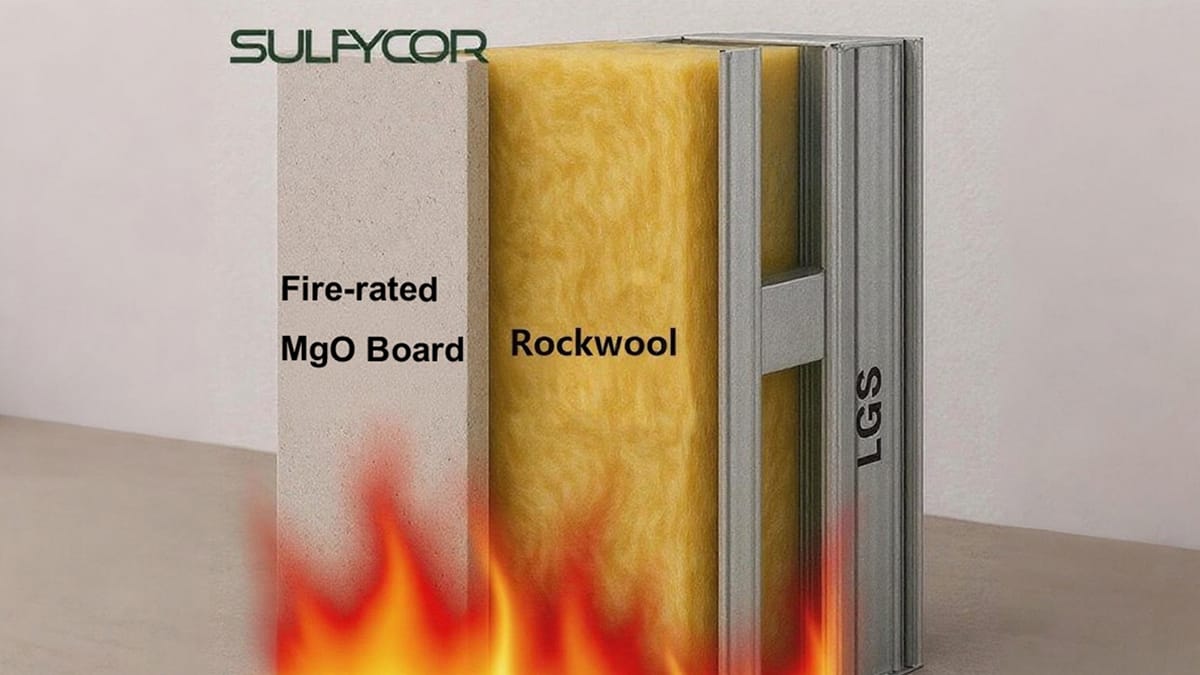 Gypsum Board Fire Safety
Gypsum wallboard also helps protect you from fire, but it works in a different way. The middle of gypsum wallboard has water, which slows fire for a short time. You get fire protection for 30 to 60 minutes in most cases. Some special gypsum wallboard types last up to four hours, but they cost more and need extra steps to install. Gypsum wallboard can crack or break if it gets too hot. It makes more smoke than magnesium oxide wallboard. Insurance companies think gypsum wallboard is okay, but not the best for fire safety.
Here is a table that compares magnesium oxide wallboard and gypsum wallboard:
Board Type | Structural Integrity | Smoke Production | Temperature Resistance | |
|---|---|---|---|---|
Magnesium Oxide | Up to 4 hours | Maintains integrity | Less smoke | Up to 1200°C |
Gypsum | 30 to 60 minutes (up to 4 hours under specific conditions) | Can crack or break | More smoke | Lower than MgO |
You can see that magnesium oxide wallboard gives you better fire protection and lasts longer. Gypsum wallboard is fine for simple needs, but magnesium oxide wallboard is better for fire safety.
Moisture and Mold Resistance
MgO Board Performance
You want walls that do not get weak from water. Magnesium oxide wallboard stops water from getting in. You can use it in bathrooms, kitchens, and basements. It does not soak up much water. Many tests show magnesium oxide wallboard stays strong. Over 1,000 samples did not bend or break after two years in wet air. The panels did not show water drops. Even after 840 days at 90% humidity, magnesium oxide wallboard kept water out. You get safe walls in places with lots of water.
Note: MagPanel® stays strong in cold and wet weather. You can trust magnesium oxide wallboard in places with lots of rain or snow.
Here is a table that shows how magnesium oxide wallboard does in water tests:
Test Condition | Boards Tested | Duration | Humidity | Key Findings |
|---|---|---|---|---|
Exposure Test i | MOC Boards (A-F), MOS Boards (G-H) | 840 days | 90% RH | Boards A and D did not show water drops after 840 days. MOS boards did not cry after two years in wet air. |
Magnesium oxide wallboard keeps mold away and helps your home stay safe.
Traditional Gypsum Board Performance
Gypsum wallboard does not stop water and mold as well. You see problems when you use gypsum wallboard in wet rooms. It can soak up 3% water. This makes mold grow and hurts the wall. Gypsum wallboard can break and lose its shape when wet. You may need to change it often in bathrooms or basements. In wet or cold places, gypsum wallboard gets weak.
Here is a table that compares water resistance and mold risk:
Material | Moisture Resistance | Mold Risk |
|---|---|---|
MgO Board | Excellent (0.34% water) | Low |
Gypsum Board | Poor (3% water) | High |
Magnesium oxide wallboard is best for wet places. Gypsum wallboard works better in dry rooms. If you want walls that last, magnesium oxide wallboard is the best pick.
Durability and Strength
Magnesium Oxide Board Durability
You want walls that stay strong for many years. Magnesium oxide wallboard is tough and strong. You can use mgo panels in busy places. These panels do not crack or bend easily. They last longer because they resist water, fire, and damage.
Mgo panels are great at stopping fire and bending.
The compressive strength of mgo panels is between 12 and 25 MPa. This means the panels can hold heavy things without breaking.
Mgo panels are strong when you push or pull them. They do not snap or break.
You can trust magnesium oxide board in schools and hospitals. Mgo panels stay strong even if people bump into them. MagPanel® gives a 5-year warranty for defects. This shows that makers believe in magnesium oxide wallboard.
Here is a table that compares how well the panels handle hits and busy places:
Material | Impact Resistance | Suitability for High-Traffic Areas |
|---|---|---|
Mgo panels | Superior | Yes |
Gypsum board | Less strong | No |
Tip: If you want walls that are tough and hard to damage, pick mgo panels.
Gypsum Board Durability
Gypsum board is not as strong as you may think. It works best in dry and quiet rooms. In busy places, gypsum wallboard gets chips and dents. It cannot hold heavy things well. You need extra help like metal frames or more studs.
Gypsum wallboard does not stop water. Water makes it weak and moldy over time. You may need to change gypsum wallboard often in wet rooms. Some special gypsum boards were tested for bending. They broke quickly when pushed hard. This means gypsum wallboard can break fast when stressed.
Here is a table that shows common problems with gypsum wallboard:
Disadvantage | Why It Matters | How to Reduce the Risk |
|---|---|---|
Moisture Sensitivity | Gets weak and moldy over time | Use moisture-resistant board, improve ventilation |
Low Load-Bearing | Cannot hold heavy things easily | Add studs or metal frames for support |
Impact Vulnerability | Gets chips and dents from hits | Use stronger board in busy places |
You see that mgo panels are better at handling hits and staying strong. Magnesium oxide wallboard is best for places that need tough walls. Gypsum board works better in quiet, dry rooms. If you want walls that last, magnesium oxide wallboard is the best choice.
Environmental Impact
MgO Board Sustainability
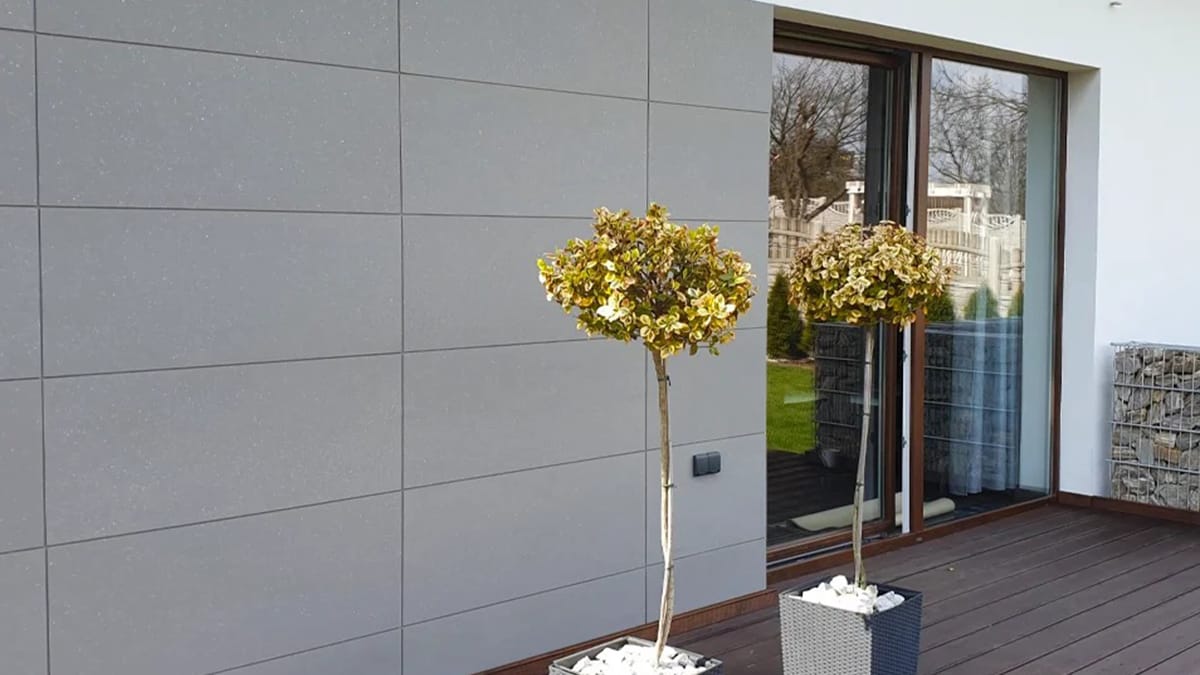 MgO Board Sustainability
You want to use building materials that are good for the earth. Magnesium oxide wallboard is a green choice. Making mgo panels traps carbon dioxide, which means less pollution. Mgo board only makes 340 kg of CO2 for each ton made. This is much less than gypsum wallboard. Getting magnesite for mgo panels uses surface mining. It does not need bad chemicals. You do not have to worry about asbestos, formaldehyde, or benzene with magnesium oxide wallboard.
You can recycle mgo panels all the way. Leftover mgo board can be crushed and put in soil as food for plants. Builders call mgo panels “nutritional waste” because they help the earth after use. Mgo panels also keep bugs away, so you use fewer bug-killing chemicals. This makes magnesium oxide wallboard even better for the planet.
Tip: If you want a green building, mgo panels help you meet eco rules and lower your carbon footprint.
Here is a quick look at carbon emissions:
Material | CO2 Emissions per Ton Produced |
|---|---|
Magnesium Oxide Wallboard | 340 kg |
Gypsum Wallboard | 740 kg |
Gypsum Board Sustainability
Gypsum wallboard is used a lot, but it hurts the earth more. Making gypsum wallboard gives off 740 kg of CO2 for each ton. Mercury can also get out during the making process, especially with FGD gypsum. Mercury is very bad for people and animals. The U.S. EPA made rules to stop mercury from getting out of factories.
It is hard to recycle gypsum wallboard. Most recycling places will not take it, so a lot goes to landfills. Builders throw away about 300,000 tonnes of gypsum wallboard every year. This is bad for the environment.
Environmental Concern | Description |
|---|---|
Carbon Emissions | High emissions during manufacturing |
Mercury Release | Mercury can escape during FGD gypsum production |
Recycling Challenges | Few recycling options for gypsum wallboard |
Waste Generation | Large amounts of waste from new construction |
Gypsum wallboard does not keep bugs away like mgo panels. You may need more chemicals to stop bugs. If you want to build green, magnesium oxide wallboard is the best choice.
Cost and Value
Magnesium Oxide Board Cost
When you look at the price of magnesium oxide wallboard, you see that it costs more than gypsum wallboard at first. You pay between $1.50 and $3.00 for each square foot of mgo panels in North America and Europe. The price per square meter ranges from $16.14 to $32.29. You also spend more on installation because mgo panels are heavier and need special tools. Many builders say that mgo board takes extra time to install. You pay more for labor.
Board Type | Price per Square Foot (USD) | Price per Square Meter (USD) |
|---|---|---|
Magnesium Oxide Board | $1.50 – $3.00 | $16.14 – $32.29 |
Gypsum Board | $0.50 – $1.50 | $5.38 – $16.14 |
You save money over time with magnesium oxide wallboard. Mgo panels last 20 to 30 years. You do not need to repair or replace them often. You spend less on maintenance because mgo panels resist water, fire, and mold. Many homeowners see that mgo panels give better long-term value. You avoid frequent repairs and replacements.
Tip: If you want walls that last and save money in the future, magnesium oxide wallboard gives you strong long-term value.
Gypsum Board Cost
You pay less for traditional gypsum board when you buy it. The price is about $0.50 to $1.50 per square foot. Gypsum-based sheetrock is easy to install. You spend less on labor because it is light and simple to cut. Many builders use gypsum wallboard for quick projects.
Cost Factor | MgO Panels | Gypsum Wallboard |
|---|---|---|
Initial Material Cost | Lower ($0.40 – $1.00/sq. ft.) | |
Installation Cost | Higher | Lower |
Maintenance Cost | Low | Moderate |
Long-term Durability Savings | High | Low to moderate |
Total Lifespan | 20-30 years | 10-15 years |
Total Lifecycle Cost | Lower over time | Higher over time |
You may spend more on repairs with gypsum wallboard. Water, mold, and dents can damage gypsum-based sheetrock. You might need to replace panels in bathrooms, basements, or busy rooms. Many people find that the total cost of gypsum wallboard goes up over ten years. You get less long-term value from gypsum board compared to mgo panels.
Note: If you want a low upfront cost and quick installation, gypsum wallboard works well. If you want fewer repairs and better durability, mgo panels offer more value.
Installation and Handling
 MgO Board Installation
 MgO Board Installation
Installing magnesium oxide wallboard is not easy. Mgo panels weigh more than gypsum wallboard. You need more people to lift them. It takes longer to put them on ceilings or tall walls. You should plan for higher labor costs. You need special tools to install mgo panels. You must be careful so you do not break them.
Here is a table with problems contractors see when using magnesium oxide wallboard:
Challenge | Description |
|---|---|
Moisture Absorption | Boards can take in water from the air when it is humid. This can cause water drops to form. |
Corrosion | Water with salt can make metal fasteners rust faster. |
Mold Growth | Too much water can make mold grow on the boards and other surfaces. |
Cracking | Some boards can crack. You need space and sealant, but this can be hard to do. |
You should keep mgo panels dry before you use them. If you work in a wet place, check for water drops and use fasteners that do not rust. If you do not leave space between panels, they may crack. Sealant helps stop cracks, but it costs more and takes time. Mgo board is better at stopping fire and water, so the extra work can be worth it in wet or risky places.
Tip: Wear gloves and lift mgo panels slowly so you do not get hurt or break them.
Gypsum Board Installation
Gypsum wallboard is light and simple to use. You can cut and put up panels fast with regular tools. Workers do not get tired as quickly. You finish jobs faster. You do not need special fasteners or sealant in most rooms. Gypsum wallboard works well for ceilings and walls in dry places.
Here is a table that shows weight and handling:
Board Type | Weight Characteristics | Handling Impact |
|---|---|---|
Magnesium Oxide | Heavier than gypsum | Needs more work and time, especially for high walls. |
Gypsum | Lighter | Easier to carry, so workers do not get tired. |
You save money on labor with gypsum wallboard. You can use it in homes, schools, and offices without problems. If you want to finish fast and easy, gypsum wallboard is a good pick.
Note: Always check if the room is dry before you put up gypsum wallboard. This helps stop mold later.
Best Use Cases
When to Choose Magnesium Oxide Board
You need walls that stay strong in hard places. Magnesium oxide wallboard is best for safety and strength. It works well where there is lots of water, heat, or people. Mgo panels stop fire, mold, and water from hurting buildings. These panels last many years, so you spend less on repairs. Builders use magnesium oxide wallboard in homes, offices, and schools. You also see mgo panels in hospitals and modular homes. If you want to help the earth, magnesium oxide board gives you green building points.
Here is a table that shows where mgo panels work best:
Use Case | Benefits | Applications |
|---|---|---|
Fire Safety | Great at stopping fire, good for safe places | Offices, schools, hospitals |
Moisture Resistance | Stops water, mold, and mildew, good for wet rooms | Bathrooms, kitchens, basements |
Durability | Strong and lasts long, saves money on repairs | Homes, modular homes, commercial |
Environmental Impact | Helps get green building awards | Many commercial and residential |
Installation Efficiency | Easy to put up, saves time and work | All types of buildings |
Tip: Pick magnesium oxide wallboard for places with fire danger, lots of water, or busy use.
When to Choose Gypsum Board
You want walls that look nice and cost less. Gypsum wallboard is good for dry rooms and quick jobs. You can use gypsum board for many designs. It bends into arches or special shapes for style. Builders use gypsum wallboard in homes, offices, restaurants, and cafes. Gypsum board helps air stay clean inside, which is good for health. It also keeps rooms warm or cool, so you save energy.
Here are the best ways to use gypsum boards:
Homes where you want cheap and easy walls.
Offices, restaurants, and cafes for flexible designs.
Rooms that need quiet, like bedrooms or meeting rooms.
Spaces with cool shapes, like arches and niches.
Projects that want to save energy and have clean air.
Note: Use gypsum board for dry rooms, creative looks, and jobs where you want to save money and finish quickly.
Quick Comparison Summary
Pros and Cons Overview
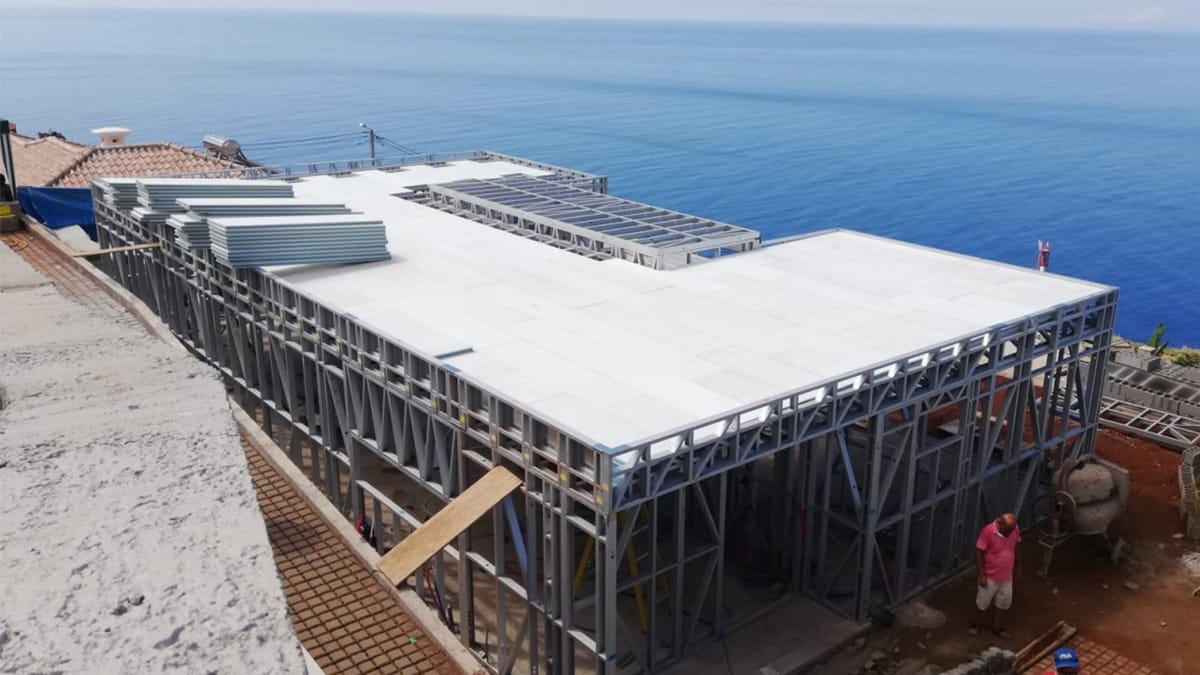 Pros and Cons Overview
You want to pick the right wallboard for your project. This table shows how magnesium oxide board and gypsum wallboard do in important ways:
Feature | Magnesium Oxide Board (MgO) | Gypsum Wallboard |
|---|---|---|
Fire Resistance | Non-combustible, A1 rating, withstands extreme heat | Slows flame spread, lower fire resistance |
Moisture Resistance | Excellent in humid environments, resists water damage | Vulnerable to water, can swell and mold |
Durability | Highly impact-resistant, longer lifespan | Prone to cracking and damage |
Cost | Higher upfront costs | More affordable, budget-friendly |
Environmental Impact | Eco-friendly, made from sustainable materials | Can be recycled, but often ends up in landfill |
Magnesium oxide board gives better fire and water safety. It lasts longer and is good for the earth. You pay more at first, but you save money later. Gypsum wallboard costs less and is simple to put up. It works best in dry rooms and easy projects.
Here is another table that shows how each board works in buildings:
Key Aspect | Magnesium Oxide Board | Gypsum Wallboard |
|---|---|---|
Weight | Heavier and denser | Lighter |
Strength | High impact resistance | Adequate for most rooms |
Sound Insulation | Superior | Decent |
Installation | Needs skilled labor | DIY friendly |
Typical Applications | Wet, busy, or risky places | Dry, quiet, or decorative |
Tip: Use magnesium oxide board for places with fire danger, water, or lots of people. Pick gypsum wallboard for dry rooms, fast jobs, and cool designs.
Pros and Cons at a Glance:
Magnesium oxide wallboard:
👍 Great fire and water resistance
👍 Very strong and lasts long
👍 Good for the planet
👎 Costs more
👎 Harder to put up
Gypsum wallboard:
👍 Cheap
👍 Easy to install
👍 Best for dry rooms
👎 Not as strong against fire and water
👎 Does not last as long
You can use magnesium oxide board in tough spots. You can use gypsum board in simple, dry rooms. Magnesium oxide board helps you build safe, strong, and green walls. Gypsum board helps you save money and finish work fast.
You can spot big differences between magnesium oxide board and gypsum board. Magnesium oxide board is better for fire safety. The table below shows how they compare:
Material | Fire Resistance Rating | Notes on Fire Resistance |
|---|---|---|
Magnesium Oxide Board | Up to 1-2 hours; noncombustible | Superior fire protection |
Gypsum Board | Needs extra layers | Less fire resistance unless enhanced |
Experts say magnesium oxide board works well in busy places. It does not break or get wet as easily as gypsum board. Think about these things when picking a board:
Magnesium oxide board lasts longer and saves money later.
Gypsum board is cheaper at first but needs more fixing.
Some people think magnesium oxide board is hard to put up, but good brands and the right steps help a lot.
Make sure to think about safety, strength, and cost before you choose.
FAQ
What makes magnesium oxide board better for wet areas?
You get strong protection from water with magnesium oxide board. It resists mold and does not swell. You can use it in bathrooms, kitchens, or basements. Gypsum board absorbs water and may grow mold.
Can you install magnesium oxide board by yourself?
You can install magnesium oxide board, but it feels heavy. You need help to lift panels. Use gloves and special tools. If you want an easy job, gypsum board is lighter and simpler to handle.
Does magnesium oxide board cost more than gypsum board?
You pay more for magnesium oxide board at first. It lasts longer and needs fewer repairs. Gypsum board costs less, but you may spend more on fixing damage over time.
Is magnesium oxide board safe for the environment?
You help the planet when you choose magnesium oxide board. It uses fewer chemicals and creates less pollution. You can recycle it. Gypsum board often ends up in landfills.
Which board is best for fire safety?
You get top fire protection with magnesium oxide board. It does not burn and keeps you safer. Gypsum board slows fire but does not stop it as well.