


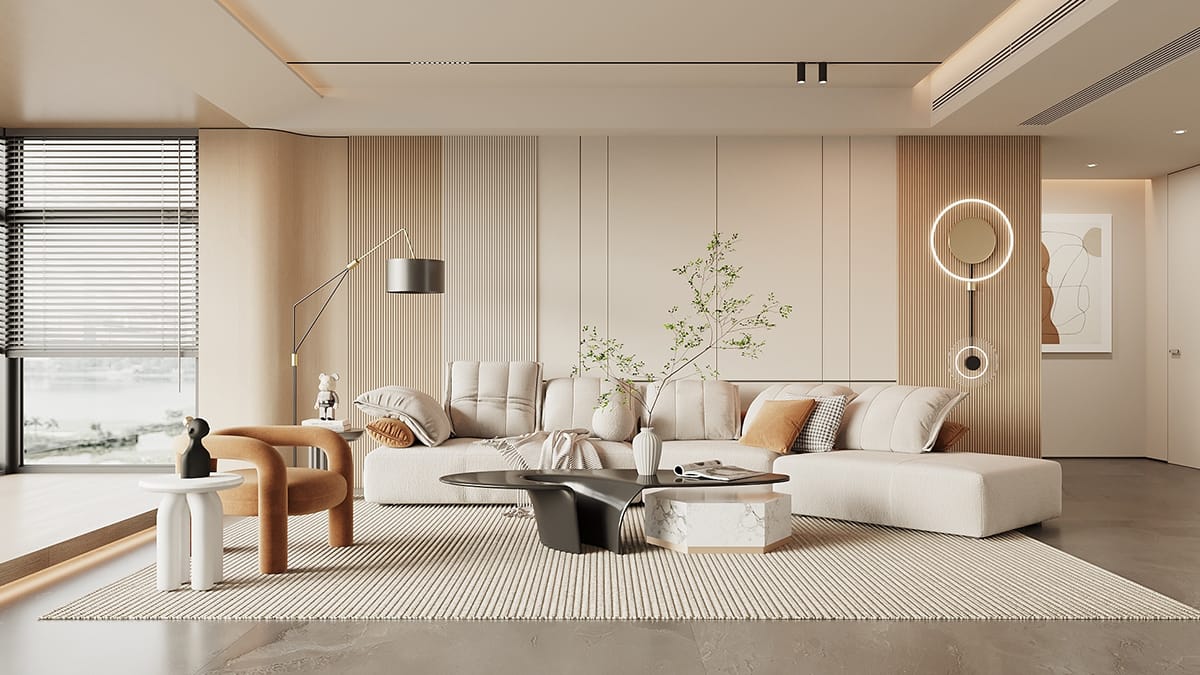
04 Sep Melamine-Paper Faced vs HPL Faced MgO Wall Panels: How to Choose
“Melamine vs HPL wall panels” sounds like a surface-only comparison. For a buyer of faced MgO panels, the face is one part of the quoted construction. The MgO substrate, bonding construction, decorative face, edges and sample reference all need to be identified before two offers can be compared.
This guide compares melamine-paper and HPL faces on the same magnesium oxysulfate MgO substrate family. It does not rank one face as a universal winner. It shows how to request matched samples, construction details and evidence for the panels actually being offered.
Separate substrate, bonding construction and face
- MgO substrate: record magnesium oxysulfate MgO board, requested dimensions and order-specific information.
- Bonding construction: identify how the proposed face becomes part of the panel. A bare-substrate report does not automatically describe the face, adhesive or finished construction.
- Decorative face: state melamine-paper or HPL, then add the finish code, colour, pattern and texture reference.
- Edges and finished panel: define the visible edge and joint result, panel size, openings and fabrication information.
HPL and MgO are not competing substrates in the configuration discussed here. HPL is the decorative face, while the MgO board is the substrate. The same substrate family can be quoted with either face, subject to the construction the supplier confirms.

Specify the melamine-paper faced option
Begin with the exact finish reference rather than a broad label such as woodgrain or solid colour. Record the sample code, appearance, proposed substrate, dimensions, visible edges and joints, intended room use, buyer-defined cleaning method, required documents and sample-approval responsibility.
The melamine-faced MgO decorative wall panel page is a commercial starting point. The quotation and approved sample should identify the actual configuration. Do not transfer a result from another face, substrate, adhesive or panel thickness without checking its scope.
Specify the HPL faced option
Use the same fields for HPL so the proposals can be reviewed on equal terms. Record the HPL reference, appearance, proposed substrate, dimensions, edges, sample control and documents. If the buyer requires a particular face grade or project test, write it into the enquiry instead of assuming it from the letters “HPL.”
The HPL laminated MgO decorative wall panel page identifies the related product route. Its title does not replace a matched sample and project-specific quotation. Confirm availability for the requested finish, dimensions, edges and quantity.
Use a matched comparison checklist
A comparison sheet can show the two proposals side by side, but every row should contain a documented input rather than a generic winner. Record:
- Finish identity: supplier code, colour, pattern, texture and included faces.
- Panel construction: substrate, decorative face, bonding construction, dimensions and any backing.
- Edges and fabrication: edge condition, joint appearance, openings and coordination information.
- Use and maintenance inputs: intended room, buyer-defined cleaning method and requirements needing confirmation.
- Available evidence: document title, source, described specimen, date and limitations.
- Commercial inputs: quantity, packing, destination, sample schedule and approval date.
Do not fill an evidence gap by saying one face is always more suitable. Wear, stain, cleaning, moisture, fire-related and indoor-material questions should be checked for the quoted construction and documented requirement. Mark unsupported comparisons “confirmation required.”
Approve matched samples, not screen colours
Woodgrain, stone-look, solid-colour and metallic-effect names describe appearance. They do not mean the panel is solid wood, stone or metal. Screen display, lighting and photography can change how a finish looks.
Request both faces on the proposed substrate where available. Label each sample with its finish code and construction reference. Record who approved it, when, and which quotation or order it controls. Include a visible edge or joint in the sample decision where relevant.
The MgO decorative wall panel range provides product-family context. The physical or otherwise agreed control sample remains the appearance reference.
Request documents for the exact option
- Construction: substrate identity, face identity and offered construction.
- Sample control: finish code, label and approval record.
- Dimensions and edges: offered sizes and visible edge or joint condition.
- Maintenance: guidance available for the exact face, compared with the buyer’s cleaning method.
- Project evidence: method, specimen, result and limitations for each requested report.
- Order controls: quantity, packing, destination, production reference and approval date.
If a document covers a different face, adhesive, substrate or thickness, ask whether it is relevant. Do not restate a partial match as proof for every panel in the family.
Frequently asked questions
Are HPL and MgO competing materials?
Not here. HPL is the decorative face and magnesium oxysulfate MgO board is the substrate.
Does a substrate report cover both faces?
Not automatically. Check the specimen and whether the proposed face, bonding construction, dimensions and edges fall within its scope.
Can an online image approve the finish?
No. Use a physical sample or another agreed control reference and connect its identifier to the quotation and order.
Which face should I choose?
Compare the approved appearance, room and cleaning requirements, panel details, available evidence, quantity and schedule for the exact constructions offered. A face name alone is not a universal recommendation.