


01 Dec Modular Wall Panel Types Compared For Every Budget
You want to pick the best modular wall panel types for your project and budget. Many people like these modular wall panel types. These panels make up more than half of the market. Most homes use modular wall panel types, especially in North America. People there want buildings that are built quickly and are good for the environment.
Segment | Leading Category | Key Drivers |
|---|---|---|
By Type | Modular Panels (50.7%) | Cuts down work and time needed to build |
By Application | Residential (57.1%) | More people moving to cities, not enough homes, need to build fast |
By Region | North America (34.5%) | People want building methods that are quick and eco-friendly |
You can pick entry-level modular wall panel types for $15–$25 per square foot. Mid-range modular wall panel types cost $25–$40 per square foot. Premium modular wall panel types cost $40–$60 per square foot. Getting a professional to install them usually costs $5 to $15 per square foot. New mounting systems help you save time and money when you install these panels.
Key Takeaways
Pick entry-level panels like PVC if you want to save money. These panels are simple to put up. They work well in places that get wet.
Mid-range panels like plywood and melamine are strong and look nice. They fit busy rooms and do not need much care.
Premium panels like real wood and metal have the best looks and features. They are great for fancy projects. They help with sound and safety.
Think about using bamboo or recycled materials for the environment. These choices can help you get green building awards.
Check your budget and what your project needs before you choose panels. Quick setup and easy care can help you spend less over time.
Modular wall panel types by budget
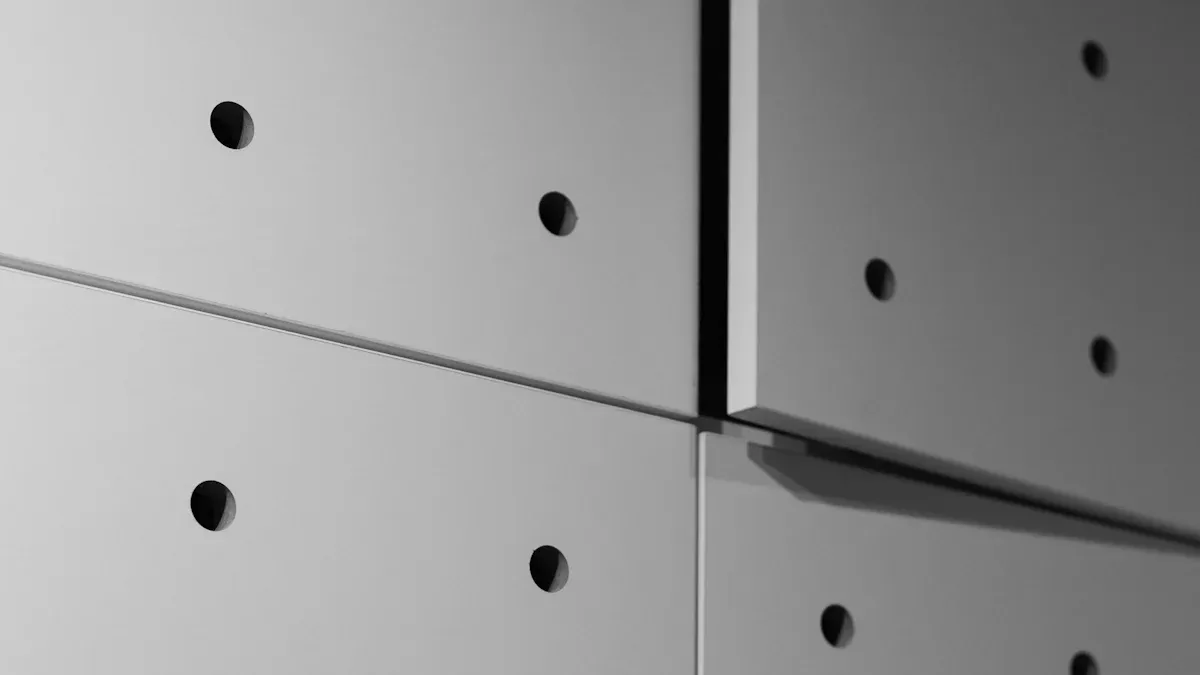
Picking modular wall panel types depends on your money, the environment, and what you need. There are choices for every budget, from basic to fancy. Each material has its own strengths for lasting long, looking nice, and being easy to put up. Here are the most popular modular wall panel types for each price level.
Entry-level: MDF, PVC, uPVC, and vinyl finishes
Entry-level modular wall panel types are good when you want to save money. You see MDF, PVC, uPVC, and vinyl finishes in homes, offices, and rentals. These materials look neat and are simple to install.
Characteristic | PVC Foam Board | MDF |
|---|---|---|
Moisture Resistance | Poor (swells, warps) | |
Maintenance | None required | High (paint, seal) |
Longevity | 10-20+ years outdoors | Shorter lifespan |
PVC and uPVC panels do not get damaged by water. They last a long time outside. You do not need to paint or seal them, so you save time. MDF is cheaper but needs more care. It can swell or rot if it gets wet. Vinyl finishes add color and texture. They make rooms look new without costing much.
Tip: Use PVC or uPVC modular wall panel types in bathrooms, kitchens, or basements. These places need panels that fight water and mold.
Entry-level modular building panels are good for quick fixes or short-term spaces. They go up fast and keep costs down.
Mid-range: Plywood, melamine, high-quality laminates, MgO wall panel
Mid-range modular wall panel types last longer and look better. You find plywood, melamine, high-quality laminates, and MgO wall panels in homes, schools, and offices. These materials give you a good mix of price and quality.
Material | Installation Process | Environmental Resistance |
|---|---|---|
Plywood | Standard carpentry tools required | Moderate moisture resistance |
Melamine | Simple installation with pre-finished panels | Resistant to scratches and moisture |
High-Quality Laminates | Quick installation with adhesive or clips | Resistant to scratches, moisture, easy maintenance |
MgO Wall Panels | Needs specific accessories |
Plywood is great for furniture and cabinets. It can handle some water but not as much as other choices.
Melamine panels are easy to clean and put up. You can use them in busy places like offices or kitchens.
High-quality laminates come in many styles. They do not scratch or get damaged by water easily, so they work well in busy areas.
MgO wall panels are special because they are safe from fire and water. You can use them in kitchens, bathrooms, or places that need extra safety.
MgO wall panels meet tough fire safety rules (Class A1) and are made in a way that is good for the planet. All these materials follow rules for low formaldehyde. You can put them up quickly with things like keels and corner pieces.
Note: Mid-range modular building panels are best when you want a good mix of price, style, and strength.
Premium: Real wood, metal (Modular AL, steel), glass, acoustic, specialty panels
Premium modular wall panel types give you the best features and a fancy look. You see real wood, metal, glass, acoustic, and special panels in expensive homes, hotels, and big buildings. These materials have cool features and last a long time.
Material Type | Sound Insulation | Fire Resistance |
|---|---|---|
Real Wood | NRC up to 1.0 | Class A |
Metal | Excellent | Non-drip, no toxic fumes |
Glass | Not specified | Not specified |
Premium panels can have smart technology. You can add touch controls, climate sensors, or built-in lights. Some panels work as screens or help with sound.
Feature | Description |
|---|---|
Modular and upgradeable | Add or change smart features easily |
Touch-responsive | Control lights or music with a tap |
Climate-reactive | Adjust HVAC systems automatically |
Integrated smart lighting | Built-in LED strips and RGB lighting |
Acoustic integration | Sound-dampening materials and speakers |
Real wood panels block sound and resist fire. Metal panels stop noise and do not make toxic smoke in a fire. Acoustic panels make rooms sound better, so they are good for theaters or studios.
Tip: Pick premium modular wall panel types for places where you want the best sound, safety, and smart features.
Sustainable and eco-friendly options
Sustainable modular wall panel types help you protect nature and save resources. You can choose recycled wood, bamboo, hempcrete, recycled concrete, or Eco-SANDWICH panels. These materials meet green building rules and help you get LEED points.
Material | Description |
|---|---|
Recycled Wood and Plastic | Old waste is reused, saving new resources |
Bamboo | Grows quickly, is strong, and lightweight |
Hempcrete | Made from hemp, lime, and water; tough and insulates well |
Recycled Concrete Aggregates | Replaces mined materials in concrete, reducing extraction |
Eco-SANDWICH Panels | Combines recycled concrete and mineral wool for energy savings |
Recycled materials help keep trash out of landfills.
Bamboo and hempcrete use less energy to make, so they lower pollution.
Using old materials saves natural resources.
Sustainable modular wall panel types also make less carbon than regular panels. You save money because they are made and reused in smart ways. These panels can be used again or remade. They help you get LEED credits by cutting waste, making air cleaner, and saving energy.
Note: Pick sustainable modular building panels if you want to help the planet and reach green building goals.
When you pick modular wall panel types, think about your project, budget, and the environment. Entry-level panels are good for quick, cheap jobs. Mid-range panels give you style and strength. Premium panels have the best features. Sustainable options help you build in a way that is good for the earth and saves resources.
Common finishes for modular wall panels
 Vinyl and laminate finishes
 Vinyl and laminate finishes
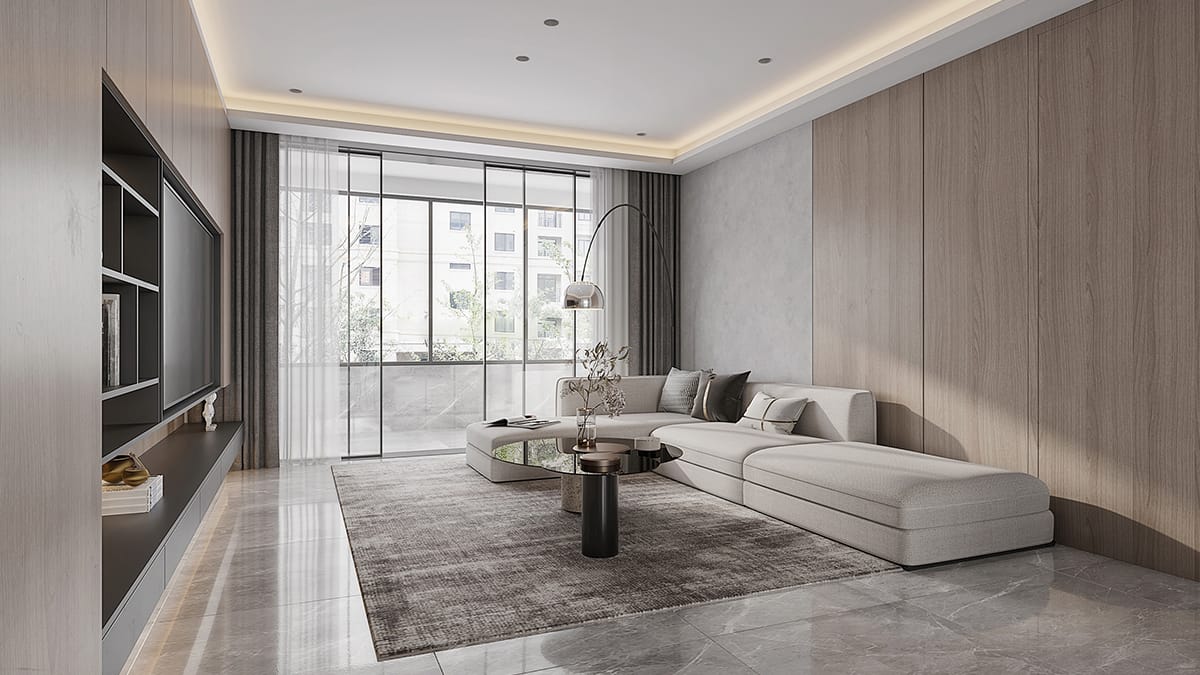
Vinyl finish and laminate finishes are used in many places. You see them in homes, schools, and offices. These finishes look smooth and are easy to clean. Vinyl finish works well in wet rooms like bathrooms and kitchens. Laminate finishes do not scratch or dent easily. You can use them in busy spots. Both finishes last a long time and need little care.
Feature | Laminate Wall Panels | |
|---|---|---|
Durability | Stays strong even with lots of use | Good for places with lots of people |
Moisture Resistance | Does not get ruined by water | Works well where you need tough panels |
Maintenance | Simple to keep clean | Simple to keep clean |
Tip: Use vinyl finish in wet rooms. Use laminate finishes in hallways or classrooms.
Paint, texture paint, and acrylic render
Paint and texture paint come in many colors and styles. Acrylic render gives walls a rough look and protects them. Paint can seal small cracks and keep water out. Texture paint is cheap and makes walls look special. Acrylic render needs careful work but lasts a long time.
Paint keeps walls safe from sun and fading.
Texture paint makes walls look rough or patterned.
Acrylic render keeps walls strong and stops mold.
Note: Use acrylic render outside or in sunny, rainy places.
Tiling, veneers, and cladding
Tiling, veneers, and cladding make walls look nice and strong. Veneers cost less than real wood and help save trees. Flat panels go up fast and save money. Fancy designs need special workers and cost more.
Veneers are good for big projects.
Tiling looks nice and does not get ruined by water.
Cladding keeps walls safe from damage.
Tip: Use veneers for large spaces. Use tiling in bathrooms or kitchens.
Metal and specialty finishes
Metal and specialty finishes give you lots of choices for style and strength. Metal panels last a long time and do not get ruined by water. Specialty finishes, like fiberglass or magnesium, resist fire and chemicals. You can use these finishes in places that need extra safety or energy savings.
Metal finishes help build quickly and save energy.
Specialty finishes protect from water and let you pick different designs.
Note: Use metal finishes in business buildings. Use specialty finishes where you need fire safety.
Modular wall panel comparison table
Materials, finishes, and price ranges
You might want to know how much panels cost. You also want to see what they are made of and how they look. The table below helps you compare modular panels and regular wall systems. Modular panels save you time and money. They make less trash and go up faster.
Category | Traditional Wall Systems | Modular Panels |
|---|---|---|
Labor Hours | 120–160 hours | 40–60 hours |
Installation Days | 10–14 days | 3–5 days |
Material Waste | High | Low |
Total Cost | $40–$55 per sq. ft. | $30–$40 per sq. ft. |
Panels use many materials and finishes. You can find wood, metal, fiber, and perforated panels in schools and offices. Some panels have vinyl or laminate on top. Others use paint, tile, or special coatings. You can pick panels that fit your style and budget.
Material Type | NRC Value (Sound Absorption) | Sustainability Certification | Maintenance Level | Typical Applications |
|---|---|---|---|---|
Wood Panels | 0.60–0.85 | FSC-certified options | Moderate | Offices, auditoriums |
Metal Panels | 0.70–0.90 | Often recyclable | Low | Airports, transit hubs |
Fiber Panels | 0.80–0.95 | High recycled content | Moderate | Classrooms, theaters |
Perforated Panels | 0.65–0.90 | Depends on base material | Low to Moderate | Museums, galleries |
Tip: Pick panels with high NRC values if you want better sound in busy places.
Durability, installation, and maintenance
Panels are strong and easy to put up. Steel panels do not break easily. They work well in places with lots of people. You do not need to fix them often. Fiberglass reinforced plastic panels do not scratch or get ruined by chemicals. You clean these panels with soap and water.
Steel panels last a long time and need little care.
Fiberglass panels stay clean and look new with simple cleaning.
Wood panels need more care but give a warm look.
Metal panels resist rust and damage.
You can install modular panels faster than regular walls. Most jobs finish in less than a week. You make less mess and trash. You keep your space looking nice with panels that fit your needs.
Note: Choose panels that match your space and how much care you want to give. You save time and money when you pick the right panels.
How to choose the right modular wall panel
Assessing budget and needs
 Assessing budget and needs
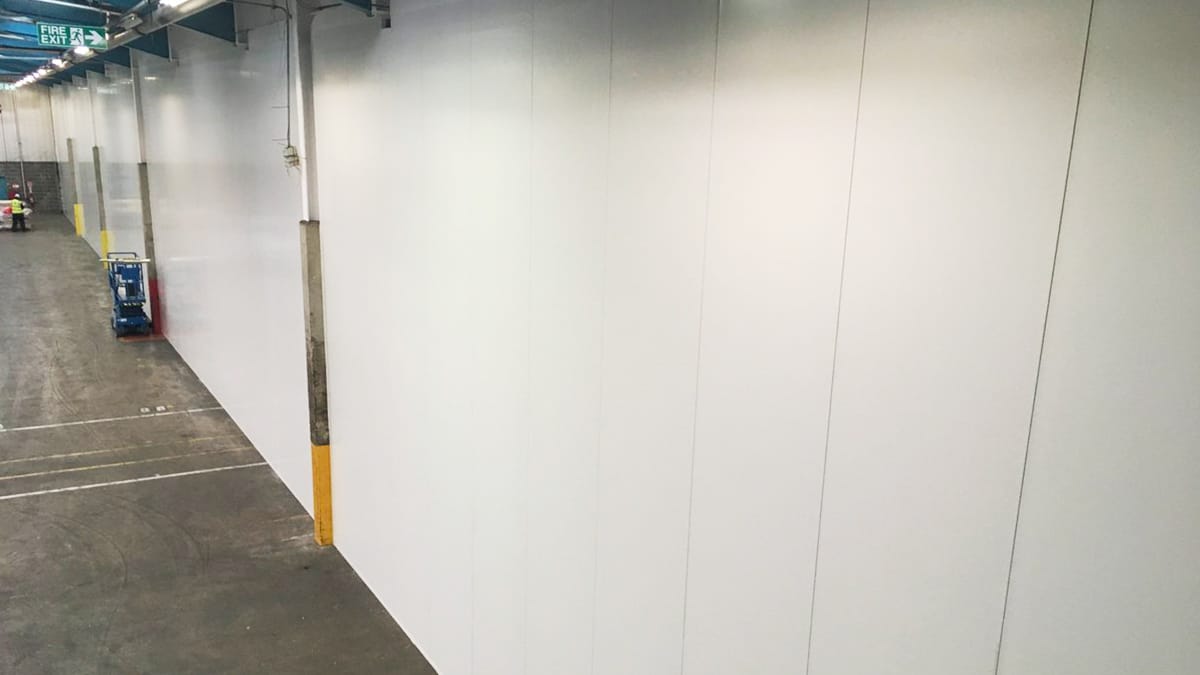
Look at your budget before picking a modular wall panel. Think about what you need for your space. Modular panels might seem expensive at first. They save money later because they go up fast. You pay less for workers. Many modular panels can be used again. This helps the environment. Some panels are easy to clean. This is good for places like kitchens or hospitals. Here is a table to help you decide:
Factor | Description |
|---|---|
Cost | Modular systems cost more at first but save money later. |
Installation Speed | Fast setup and removal means you pay less for workers. |
Sustainability | You can use panels again, so you make less trash. |
Infection Control | Easy-to-clean panels help keep places clean and safe. |
Aesthetics | Panels look nice and can make spaces look better. |
Think about how long you want the panels to last. Also, think about if you need to move or change them. Modular panels work in homes and offices.
Matching style and function
Pick panels that look good and do what you need. If you want quiet, use acoustic panels. If you need panels for wet places, pick waterproof ones. Modern rooms look nice with smooth panels. Traditional rooms use panels that look like wood or have texture. You can get panels made just for your style. Modular panels work in many places, so you can find the right one.
Some panels block sound. Others stop water or stains. Match the panel’s features to the room. For example, use sound panels in music rooms. Use waterproof panels in bathrooms. This helps your panels last longer and look nice.
Installation and upkeep tips
Modular wall panels are simple to put up. Many use clips or tracks. You do not need special tools. Most jobs finish in a few days. Always follow the maker’s instructions. Clean panels with mild soap and water. Some panels need little care. Wood panels may need more work.
Tip: Check your panels often for damage. This is important in busy places. Fix or change panels to keep your space looking good.
Pick modular wall panels that fit your budget and style. The right panels make your space look nice and work well for a long time.
You have many choices for modular wall panels. Entry-level panels like PVC cost less and install easily, but you may need to replace them sooner. Mid-range options such as metal panels offer quick installation and low maintenance. Premium wood panels look great and last long, but they cost more. When you choose, think about:
Cost and installation time
How the panel looks in your space
How much care it needs
How long it will last
Try samples or talk to a professional before you decide. This helps you find the best fit for your project.
FAQ
What are the main options for modular wall panels?
You can choose from many options. These include MDF, PVC, plywood, metal, glass, and sustainable materials. Each option fits different budgets and needs. You can also pick from many panel surface options for style and function.
Where do you use modular wall systems most often?
You see modular wall systems in homes, offices, schools, and hospitals. These systems work well for fast building and easy changes. Common applications include dividing rooms, adding style, and improving sound control.
How do you pick the best panel surface options?
You should look at your space and needs. Some options resist water, while others block sound or add style. Vinyl, laminate, paint, tile, and metal are popular panel surface options. Try samples to see what works best.
Are there eco-friendly options for modular wall panels?
You can find eco-friendly options like bamboo, recycled wood, and hempcrete. These options help you save resources and lower your impact on nature. Many builders use these options to meet green building goals.
Do modular wall panels need special care?
Most options need little care. You clean vinyl and metal panels with soap and water. Wood panels need more attention. Always check the maker’s guide for care tips. Good care helps your options last longer.