


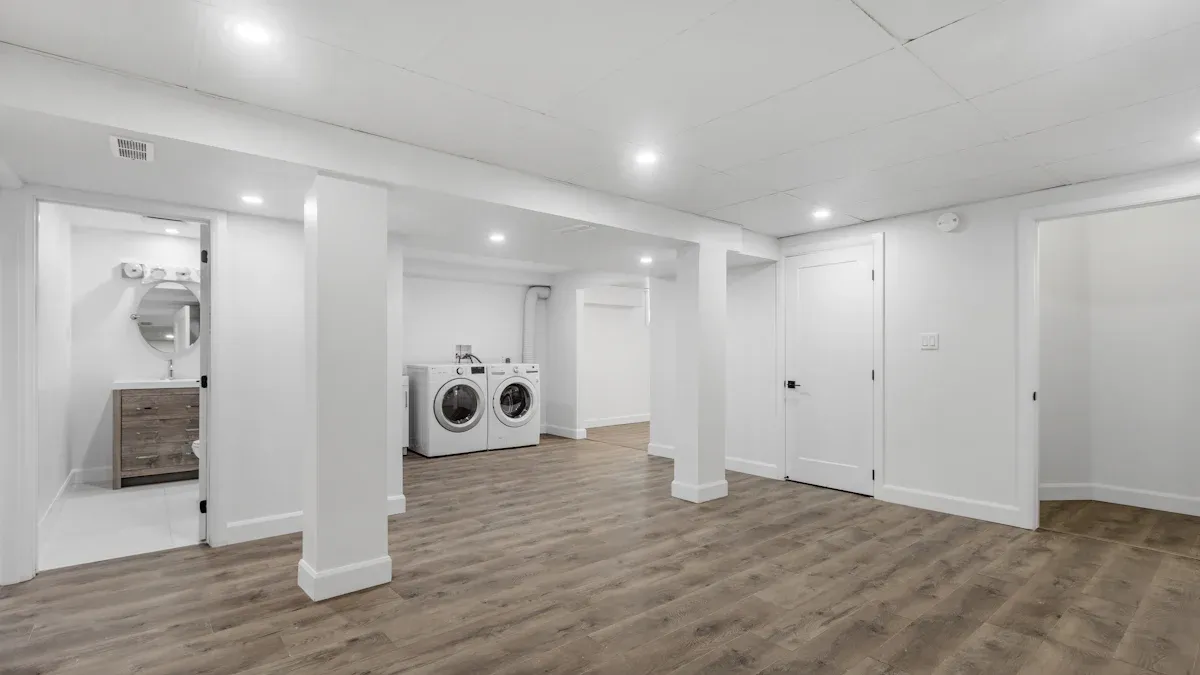
13 Dec MgO Basement Subfloor vs OSB and Plywood Which Is Better
If you want the best protection for your basement, MgO Basement Subfloor is a great choice. It gives strong fire resistance and keeps out moisture well. This helps your basement stay safe and dry. OSB and plywood do not protect as much. Look at the table below to see how each material works:
Material | Fire Resistance | Moisture Resistance |
|---|---|---|
OSB | Moderate | Low |
Plywood | Moderate | Moderate |
Magnesium Oxide | High | High |
Some people pick OSB or plywood because they cost less. They are also easier to put in. But you should think about what makes your basement safe and last a long time.
Key Takeaways
Pick MgO Basement Subfloor for the best fire safety and water protection. It keeps your basement safe and dry for many years.
OSB costs less but does not stop water well. Only use it in dry places to stop swelling and harm.
Plywood costs more than OSB but works better. It is good in places with little water but needs sealing to stop water damage.
Think about how much you will spend later. MgO costs more at first but saves money on fixes and new floors later.
Always pick a subfloor that fits your basement’s needs. Think about how wet it gets and how safe it should be.
Material Overview
MgO Basement Subfloor Basics
MgO panels have special features for basements. They use magnesium oxide board. This board is good at stopping fire and water. MgO panels stay strong in wet places. They do not swell or fall apart when wet. Some benefits of MgO panels are:
They last a long time in hard places
They stop fire well
They keep out water
They work for many years
People use MgO panels in basements with water or mold problems. These panels help keep your basement safe and strong.
OSB Panel Features
OSB panels are a cheaper choice for subfloors. They are strong and have even thickness. OSB panels can hold heavy things. This helps in big jobs. Some main features are:
They are strong for their weight
They cost less than plywood
They work well in dry or a little damp places
But OSB and MgO panels are not the same. OSB panels can chip at the edges. They can swell if they get too wet. You need to seal them to stop water damage. OSB panels are best in places that do not get very wet.
Plywood Sheet Qualities
Plywood sheets have layers for strength. They make a strong and steady subfloor. Plywood is lighter than MgO and OSB. But plywood can split or come apart if it gets too wet. You should use plywood where water is not a big problem. Plywood is strong and easy to use.
Tip: Pick the right subfloor for your basement’s water and safety needs.
Here is a table to help you see the differences:
Material | Composition and Properties | Weight Considerations | General Performance |
|---|---|---|---|
Magnesium Oxide | Great at stopping fire and water; lasts long | Heavier than OSB and plywood | Very strong, good for tough places |
OSB | Cheap, strong for its weight; not good with water | Lighter than MgO, heavier than plywood | Good for building but not for wet places |
Plywood | Layers make it strong; water can cause problems | Lighter than MgO and OSB | Strong and steady but can break with water |
Durability & Strength
 MgO Basement Subfloor Durability
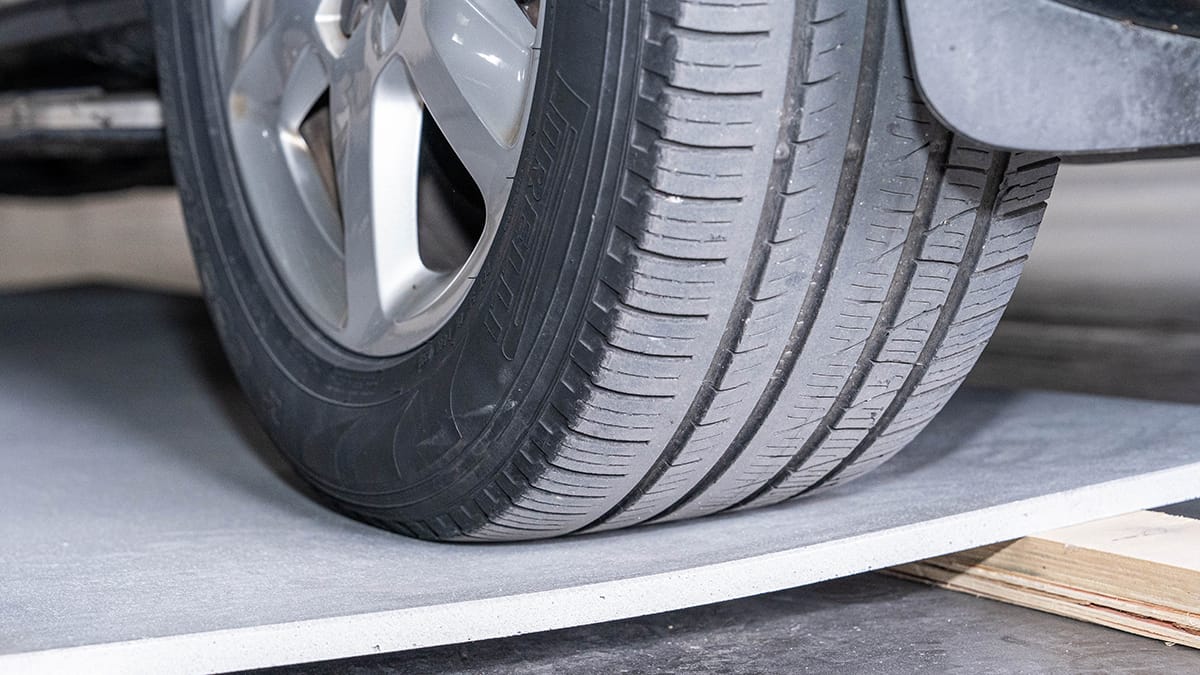 MgO Basement Subfloor Durability
When you want a subfloor that lasts, mgo basement subfloor stands out. Mgo panels have unique properties that help them resist water, mold, and fire. You get a high level of strength that keeps your basement safe for many years. These panels do not swell or break down when exposed to moisture. This makes them a smart choice for basements where water can be a problem. The advantages of mgo panels include their ability to stay strong even in tough conditions. You will notice that mgo panels keep their shape and do not crack or warp. This means you can trust your floor to hold up over time.
Here is a table that shows the key differences in durability and moisture resistance:
Material | Durability | Moisture Resistance |
|---|---|---|
MgO | Strong, safe, resists water, mold, and fire | Excellent |
Plywood | Performs well in dry conditions, needs sealing | Good, better in moist conditions than OSB |
OSB | Can absorb moisture, treated versions available | Moderate, needs protection from water |
OSB Strength
OSB gives you good strength for many building projects. You can use it for subfloors if you keep it dry. OSB panels are strong for their weight, but they do not handle water well. If OSB gets wet, it can swell and lose its strength. Some newer OSB panels have better moisture resistance, but you still need to protect them from water. You may find that OSB works best in areas where you do not expect much moisture. Always check the edges for damage, as they can chip or break.
OSB absorbs moisture more than plywood.
Modern OSB panels may resist water better, but you must still keep them dry.
Plywood Load Capacity
Plywood gives you steady strength and can hold heavy loads. You will see that plywood performs well in dry conditions. It is less likely to swell or fall apart than OSB when exposed to a little moisture. Still, you should seal plywood to keep it strong. If you use plywood in a basement, make sure you protect it from water. Plywood can last a long time if you take care of it. You get good durability and strength, but not as much as mgo panels.
Note: To get the most durability from plywood, always seal and protect it from moisture during installation and use.
Moisture & Mold Resistance
MgO Moisture Protection
You want your basement to stay dry and safe. The mgo basement subfloor gives you the best moisture resistance. Mgo panels have unique properties that keep water out. These panels do not absorb moisture like wood products. You can use mgo panels in wet or humid places without worry. The advantages of mgo panels include stopping mold before it starts. You will not see swelling or soft spots. Mgo panels keep their shape and strength even when exposed to moisture for a long time. This makes them a top choice for basements.
Tip: Mgo panels are perfect for areas with high humidity or water leaks.
Here is a table showing key differences in moisture absorption and swelling risk:
Board Type | Moisture Absorption | Swelling Risk | Best Use Areas |
|---|---|---|---|
OSB | High | Yes | Dry interiors |
Plywood | High (similar to OSB) | Yes | Dry interiors |
MgO Board | Very Low | No | Wet, humid locations |
OSB Water Issues
OSB panels do not have strong moisture-resistant properties. When you use OSB in a basement, you risk moisture getting inside the board. OSB absorbs moisture quickly. Once it gets wet, it is hard to dry. This can lead to swelling and damage. You may also see mold grow on OSB if the area stays damp. The key differences between OSB and mgo panels become clear in wet conditions. OSB holds moisture and has a high chance of mold.
OSB is covered with mold in damp places.
OSB does not recover well after getting wet.
Plywood in Damp Conditions
Plywood gives you better moisture resistance than OSB, but it still absorbs moisture. Plywood drains moisture faster, so it dries out more easily. You will see less mold on plywood than on OSB. Still, plywood can swell and lose strength if it stays wet. You should use plywood in areas with low moisture. If you want more moisture resistance, mgo panels are a better choice. The advantages of mgo panels stand out in basements with water problems.
Note: Always check for moisture before installing any subfloor. Pick the material that matches your basement’s needs.
Material | Moisture Retention | Susceptibility to Mold |
|---|---|---|
OSB | Holds moisture | High |
Plywood | Drains moisture | Low |
Fire Resistance
MgO Fire Safety
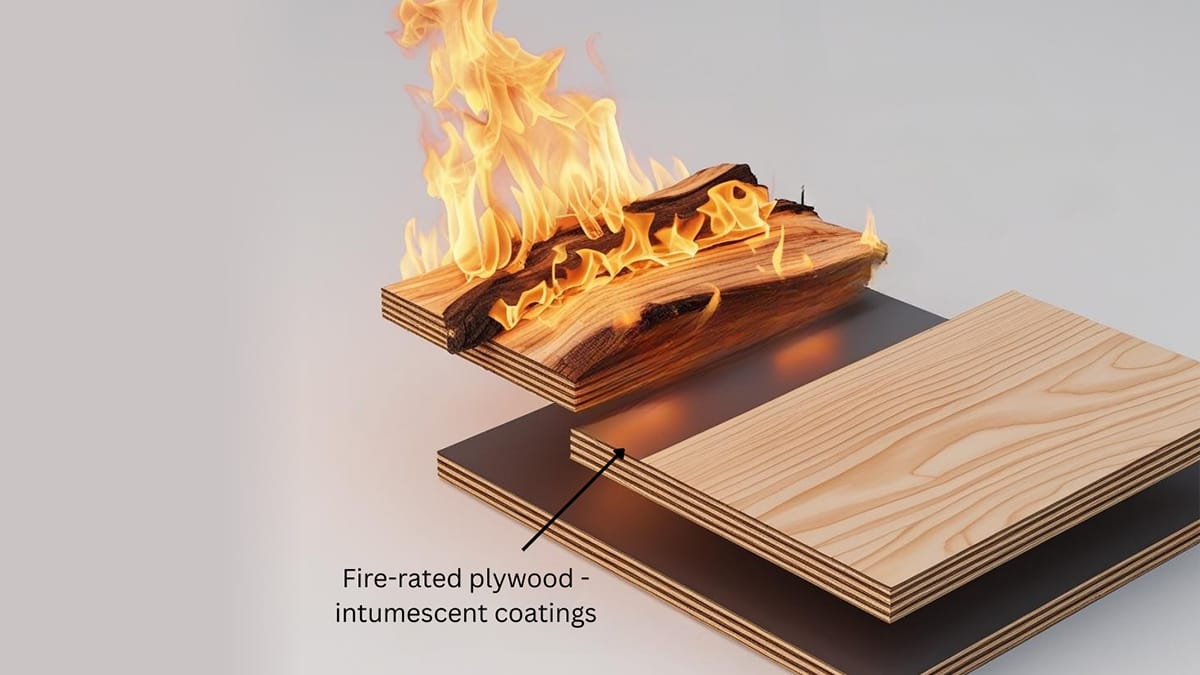 MgO Fire Safety
You want your basement to stay safe during a fire. MgO panels give you the highest level of fire resistance. These boards do not burn or add fuel to a fire. MgO is class A1 non-combustible under the ASTM E136 and the 2021 International Building Code. You can trust MgO to keep its strength even when exposed to high heat. MgO boards withstand temperatures up to 800°F and maintain their structure for up to four hours. This means your basement gets strong fire-resistant properties and better protection than wood products.
Here is a table that shows how MgO compares to other materials:
Material | Fire Resistance Rating |
|---|---|
MgO | 1 to 2 hours |
OSB | 5 to 15 minutes |
Plywood | 5 to 15 minutes |
MgO does not contribute to fire spread. You get peace of mind knowing your subfloor helps stop fire from moving through your home.
OSB Fire Performance
OSB panels do not offer strong fire resistance. These boards catch fire quickly and burn fast. OSB is combustible and can only resist fire for 5 to 15 minutes. You may see smoke and harmful gases when OSB burns. OSB does not have fire-resistant properties like MgO. If you use OSB in your basement, you risk faster fire spread and less time to react. OSB needs extra fireproofing to improve its fire resistance, but it still cannot match MgO.
OSB burns easily and spreads fire.
OSB does not keep its strength during a fire.
Plywood Fire Rating
Plywood gives you similar fire resistance to OSB. Plywood is also combustible and burns quickly. You get only 5 to 15 minutes of fire resistance before plywood loses its strength. Plywood can catch fire easily and help spread flames. You may need to add fireproof coatings to improve its fire-resistant properties, but plywood still cannot match MgO. Plywood produces smoke and gases when it burns, which can make a fire more dangerous.
Tip: If you want the best fire resistance for your basement, choose MgO panels. They offer the strongest fire-resistant properties and help keep your home safe.
Here is a table comparing fire features:
Feature | Magnesium Oxide (MgO) Boards | Plywood |
|---|---|---|
Combustibility | Non-combustible | Combustible |
Temperature Resistance | Withstands up to 800°F | Vulnerable to heat |
Fire Resistance | Maintains strength up to 4 hours | Variable; requires fireproofing |
Fire Spread | Does not contribute to fire spread | Catches fire easily and spreads |
You can see that MgO gives you the best fire resistance. OSB and plywood do not protect your basement as well during a fire.
Cost Comparison
MgO Basement Subfloor Cost
When you look at the cost of mgo basement subfloor, you see a higher price at first. You pay more for each square foot than for OSB or plywood. Mgo panels often cost more because they offer excellent durability and a long lifespan. You do not need to replace them as often. You save money over time because mgo resists moisture, mold, and fire. You avoid repairs and replacements that other materials need. The advantages of mgo include fewer maintenance costs and less worry about damage.
Note: Mgo basement subfloor gives you strong protection, which means you spend less on repairs.
OSB Pricing
OSB costs less when you buy it. You pay a lower price for each panel. Many people choose OSB because it fits their budget. You must remember that OSB does not last as long as mgo. OSB has poor moisture resistance and moderate durability. You may need to replace OSB panels if they get wet or damaged. Over twenty years, you could spend more on replacements and repairs. OSB looks cheap at first, but the total cost can rise.
Here is a table showing average costs for 500 square feet:
Material | Average Cost (for 500 sq. ft.) |
|---|---|
Plywood | |
OSB | $590 |
Plywood Price Points
Plywood sits between mgo and OSB in cost. You pay more than for OSB but less than for mgo. Plywood offers good durability, but it can face problems in wet basements. You may need to seal plywood or replace it if water causes damage. Plywood gives you a balance between price and performance. You get a strong subfloor, but you must watch for moisture issues.
Here is a table comparing features over twenty years:
Feature | MGO Board | Plywood | OSB |
|---|---|---|---|
Moisture Resistance | Excellent | Good | Poor |
Fire Resistance | Excellent | Fair | Poor |
Durability | Very High | High | Moderate |
Mgo board has a higher initial cost but lower long-term costs due to its durability and resistance to moisture, mold, and fire.
OSB is cheaper upfront but may lead to higher replacement costs due to poor moisture resistance.
Plywood offers a balance but can face issues in wet conditions.
Tip: If you want to save money over time, choose a material with high durability and a long lifespan. Mgo basement subfloor may cost more now, but you spend less on repairs and replacements.
Installation & Handling
Installing MgO Boards
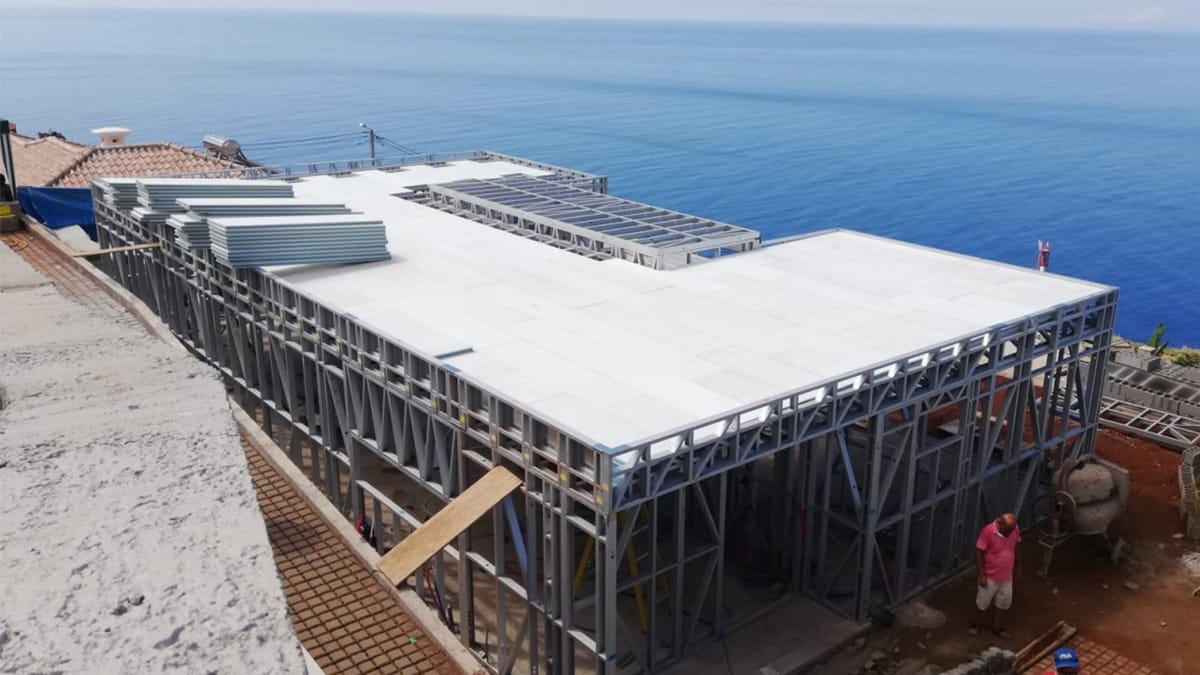 Installing MgO Boards
You can install MgO boards with basic tools and simple steps. Start by making sure the surface is clean and level. Remove any old flooring and debris. If you see uneven spots, use a leveling compound. Measure and cut the MgO boards to fit your space. Stagger the joints for better strength. Place the boards on the floor and fasten them with screws or adhesive. Leave small gaps between boards to allow for expansion. After fastening, seal the seams and edges to block moisture. Check the surface for any bumps and fix them. Make sure the subfloor is clean and dry before you add your final flooring.
Tip: You do not need special tools for MgO boards. You can use the same tools as you would for plywood.
Here is a quick guide to the installation steps:
Step | Description |
|---|---|
1 | Clean and level the base. Remove old flooring and debris. |
2 | Cut and measure boards. Stagger joints. |
3 | Position and fasten boards with screws or adhesive. |
4 | Leave expansion gaps. |
5 | Seal seams and edges. |
6 | Level the surface. |
7 | Ensure the subfloor is clean and dry. |
OSB Installation
You will find OSB panels easy to handle. Start by cleaning and leveling the base. Cut the panels to fit your room. Stagger the joints for added strength. Place the OSB panels and fasten them with nails or screws. Always leave a small gap between panels for expansion. If you want better moisture protection, seal the seams. Check the surface for any uneven spots and fix them before laying the final floor.
OSB panels are lightweight and simple to cut.
You can use standard tools for installation.
Plywood Installation
Plywood installation follows similar steps. Clean and level the base first. Cut the plywood sheets to fit your layout. Stagger the joints for stability. Fasten the sheets with nails or screws. Leave small gaps for expansion. Seal the seams if you want extra moisture protection. Make sure the surface is flat and ready for your finished floor.
Feature | MgO Floor Board | Plywood | OSB |
|---|---|---|---|
Ease of Installation | Easy | Easy | Easy |
Note: All three materials are easy to install if you follow the right steps. You do not need special skills or tools.
Summary & Recommendations
Quick Comparison Table
You want to pick the best subfloor for your basement. The table below shows how MgO, OSB, and plywood compare. You can check each material for durability, fire safety, moisture resistance, cost, and environmental impact.
Material | Durability | Fire Resistance | Moisture Resistance | Maintenance Needs | Environmental Impact | Recyclability | Chemical Emissions | |
|---|---|---|---|---|---|---|---|---|
MgO | High | High | Excellent | Low | $3.50 – $10.50 | Low carbon, eco-friendly | Fully recyclable | Non-toxic, no VOCs |
Plywood | Moderate | Moderate | Good | Moderate | $2.75 – $6 | Deforestation, chemicals | Can be recycled if untreated | May off-gas chemicals |
OSB | Moderate | Low | Fair | High | $3 – $4.40 | Deforestation | Limited | May off-gas formaldehyde |
Tip: Moisture resistance matters most for basement subfloors. Pick a material that can handle dampness and stop mold.
Best Use Cases
You need to match the subfloor to your basement’s needs. Here are the best ways to use each material:
MgO Boards
Use MgO in basements with lots of humidity or water leaks.
MgO works well in bathrooms, laundry rooms, and kitchens.
Pick MgO for the best protection against mold, rot, and fire.
MgO is smart if you want low maintenance and long-term value.
MgO is eco-friendly and safe for indoor air.
Plywood
Choose plywood if you want a warm, comfy floor.
Plywood fits basements where moisture is a worry but not extreme.
Use plywood when fixing older homes or matching old subfloors.
Plywood helps stop squeaks and holds nails and screws well.
For more moisture protection, use marine-grade or moisture-resistant plywood and add a dimpled underlayment.
OSB
Pick OSB for dry basements if you want to save money.
OSB is best for bedrooms, living rooms, or places with low humidity.
OSB works well if you want to install engineered flooring that needs a flat surface.
Do not use OSB in bathrooms, laundry rooms, or places with high humidity (over 70%).
OSB is easy to install with glue or nails, just like plywood.
Note: OSB can swell at the edges when it gets wet. This may cause bumps under your floor. You might need more repairs if you use OSB in a wet basement.
Key Points to Remember:
Moisture is the biggest risk for basement floors. Always pick a subfloor that resists water, mildew, and mold.
MgO gives the best protection and lowest maintenance, but costs more at first.
Plywood offers comfort and good moisture resistance, especially with extra protection.
OSB is budget-friendly for dry spaces, but needs more care in damp areas.
Think about your budget, how you use your basement, and how much maintenance you want to do.
🏆 Choose the subfloor that matches your basement’s needs for a safe, comfortable, and long-lasting result.
When you choose a subfloor for your basement, you want the best mix of durability, moisture resistance, and safety. MgO stands out as the top subfloor because it gives you strong protection against water, fire, and noise. You get a subfloor that lasts for years and keeps your home safe.
Moisture resistance keeps your subfloor from swelling or warping.
Fire safety protects your home from danger.
You may pick OSB or plywood if you need a subfloor that fits a tight budget or is easy to find. These subfloor options work in dry basements but do not give you the same safety as MgO. Plywood gives you a subfloor that feels warm and is easy to install, but it can swell if it gets wet. OSB is a subfloor that costs less, but it needs more care to keep it safe.
Criteria | MGO Board subfloor | Plywood subfloor |
|---|---|---|
Moisture Resistance | High | Moderate |
Durability | High | Moderate |
Fire Safety | High | Low |
Cost | Higher | Lower |
You should always think about your basement’s needs before you pick a subfloor. If you want the best safety, choose a subfloor that can handle water, fire, and daily use. Your subfloor is the base for your whole basement. A strong subfloor gives you peace of mind and keeps your family safe. Remember, the right subfloor makes your basement last longer and gives you better safety every day.
FAQ
What makes MgO basement subfloor better than plywood or oriented strand board for water exposure?
MgO protects your basement from water much better. Plywood and oriented strand board can swell when wet. They might break down if water gets in. MgO does not let water or mold in. This keeps your basement dry and safe for a long time.
Can I use plywood for all basement applications?
Plywood works for many basement jobs. It is not good for places with lots of water. Plywood is best in dry basements. For wet spots, pick something that stops water and mold.
What are the main disadvantages of using oriented strand board in basements?
Oriented strand board is not good in wet basements. It soaks up water fast and swells. This can make bumps under your floor. You might need to change it more often if your basement gets wet.
Is plywood cost-effective for structural applications in basements?
Plywood is a good deal for dry basement floors. It holds heavy things and is easy to put in. If your basement gets wet, you may pay more for fixes or new boards later.
Do these subfloor materials meet fire safety regulations?
MgO follows strict fire safety rules. Plywood and oriented strand board burn faster. They may not meet all safety codes. Always check your local rules before picking a subfloor for your basement.