



19 Jul Best Fire Resistant Wall Panels for Commercial and Residential Spaces in 2025
Fire safety is very important for homes and businesses. In 2023, the U.S. had over 1.3 million fires. These fires caused $23.2 billion in damage. More than 3,600 people died from these fires.
You can make buildings safer by using fire resistant wall panels. These panels are made from strong materials like magnesium, gypsum, rock wool, or steel. Fire resistant wall panels help stop fire from spreading. They protect people and keep walls strong when it gets very hot.
Key Takeaways
Fire resistant wall panels help keep buildings safe. They stop fire from spreading and keep walls strong in heat. Magnesium oxide, mineral wool, gypsum, and concrete panels are very safe. Each type has different strengths and uses. Always look at fire ratings and certifications like UL or ASTM. This makes sure the panels follow safety rules. Install panels the right way with fire-rated sealants. Follow all instructions to keep panels safe and working well. Using fire resistant materials can lower insurance bills. They also help save energy and are good for the environment.
Top Fire Resistant Wall Panels
Picking the right fire resistant wall panels helps keep your building safe. It also helps you follow safety rules. In 2025, there are many new choices. These use advanced fire resistant building materials. The panels slow down fire. They also keep your walls strong and safe. Here are the top 10 fire resistant wall panels for homes and businesses:
Magnesium Oxide Wall Panels
Fiber Cement Wall Panels
Gypsum Fire Resistant Panels
Calcium Silicate Panels
Mineral Wool Insulated Panels
Steel Composite Panels
Concrete Sandwich Panels
Autoclaved Aerated Concrete (AAC) Panels
High-Density Glass Fiber Reinforced Concrete Panels
Fire-Rated Insulated Metal Panels
Experts say Type I fire rated wall panels are still the most used. They are common in big buildings and factories. Type III panels are becoming more popular in homes and small shops. This is because of stricter fire rules and new technology. This is happening mostly in North America and Europe.
Magnesium Oxide Wall Panels
Magnesium oxide wall panels are one of the best choices for 2025. You can use them in homes or businesses. They are made from magnesium oxide, which is a mineral that does not burn. These panels can take heat up to 1200°C for four hours. They also do not get damaged by water, mold, or bugs. This makes them a smart pick for many jobs.
Country of Origin | Certifications | Fire Rating / Resistance | Key Fire Safety Features | |
|---|---|---|---|---|
DragonBoard | USA | UL, Intertek | Up to 2 hours fire resistance | Fire-rated assemblies, mold/moisture resistant |
Suparna MgO Board | China | ISO, CE | Class A (EN 13501-1) | Non-combustible, no toxic smoke, mold resistant |
Magnesium oxide panels have a Class A or A1 fire rating. This is the highest non-combustible level. These panels are light, strong, and simple to put up. They also block sound well. You must be careful when installing them so they do not chip. They cost more than gypsum or cement boards. Sometimes, it is hard to find them in some places.
Advantages:
Strong and blocks sound
Made from recycled stuff, no toxic smoke
Disadvantages:
Costs more than other panels
Needs careful handling when installed
Not much long-term data yet
Fiber Cement Wall Panels
Fiber cement wall panels are made from cement and wood fibers. These panels are used in homes and businesses. They can resist fire, water, and bugs. Fiber cement panels pass tough fire tests like ASTM E-84 and NFPA 285. They do not let flames spread and make very little smoke.
In real fires, like the 2017 Mendocino Lake Complex fire in California, buildings with fiber cement panels did not burn down. These panels are good for places where fires happen often. You can use them for custom homes, apartments, and offices. They come with a 15-year warranty and many styles.
Remember, fiber cement panels can crack or break in very hot fires. If there are burnable things behind the panel, fire can still get through. You should use these panels with other fire resistant building materials for the best safety.
Gypsum Fire Resistant Panels
Gypsum fire resistant panels are a popular choice for homes and businesses. These panels have a core made from gypsum, which does not burn. There are two main types: Type X and Type C. Type X uses glass fibers. Type C has vermiculite for even better fire safety.
These panels meet strict rules like ASTM E119 and ASTM C1396. You can use them in walls that need up to 4 hours of fire safety. They are easy to put up and finish. This makes them good for many jobs. Gypsum panels help you follow building codes and keep your building safe.
Calcium Silicate Panels
Calcium silicate panels are another great pick for fire resistant wall panels. They are made from silica and calcium oxide. These panels do not burn or give off bad gases in a fire. You can use them in places that need up to 120 minutes of fire safety.
Performance Characteristic | Description/Value |
|---|---|
Fire Classification | Class A1 non-combustible, CE certified (EN 13501-1) |
Maximum Service Temperature | Up to 1000°C |
Fire Resistance Duration | Up to 120 minutes |
Moisture and Mold Resistance | Hygroscopic, vapor-permeable |
Applications | Fire doors, steel protection, partitions, ceilings |
You will see these panels in fire doors, steel protection, and wall dividers. They are light, easy to put up, and work well in wet places like bathrooms and kitchens. Calcium silicate panels last a long time and help save energy.
Key Features:
Great thermal insulation
Resists moisture and mold
Good for the environment and can be recycled
Mineral Wool Insulated Panels
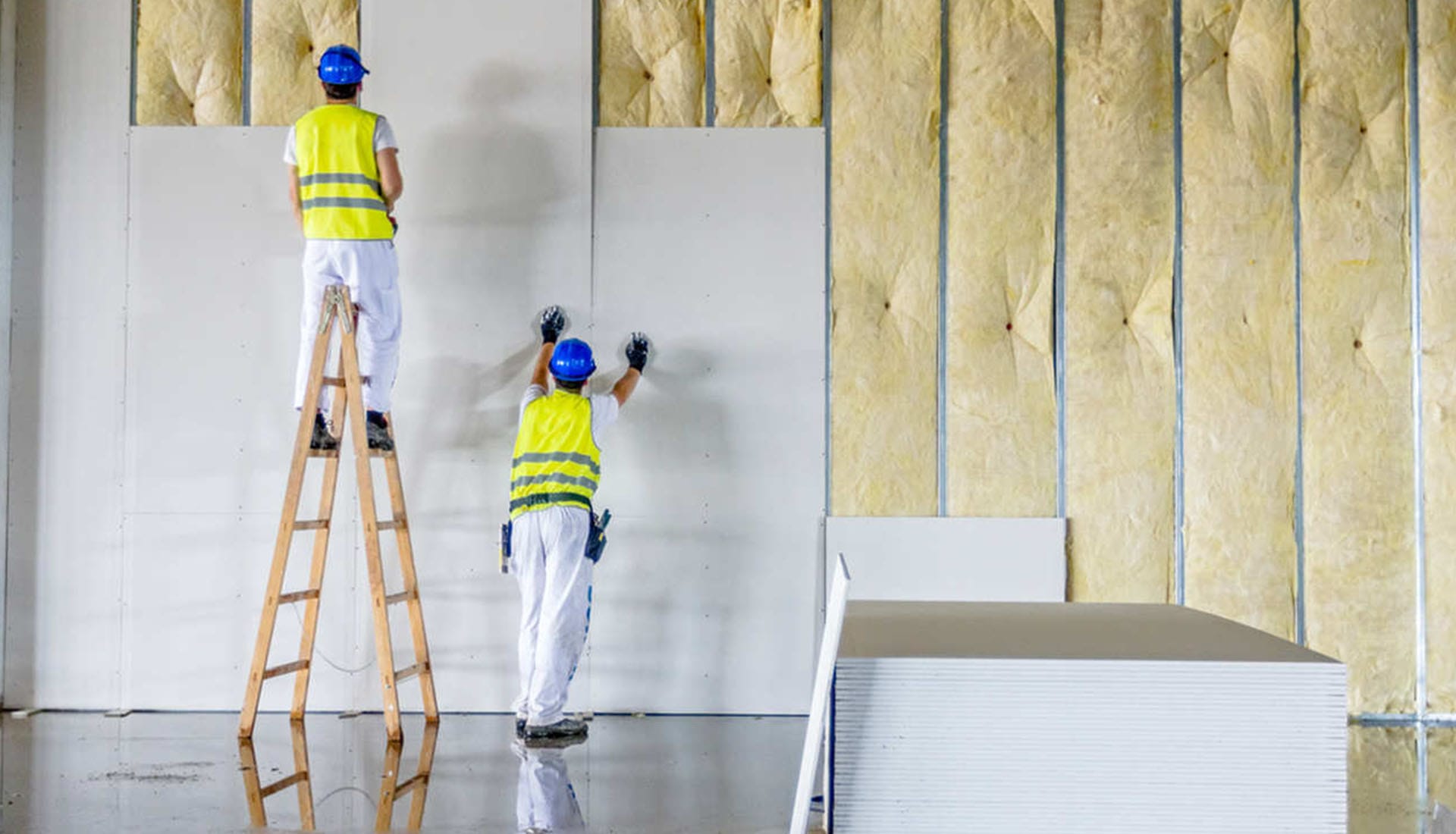 Mineral wool insulated panels have a core made from mineral wool. This material does not burn. These panels give you high fire safety, with ratings of 1, 2, or 3 hours. You can use them in places where fire safety is most important, like factories and warehouses.
Mineral wool panels also resist water and last long in wet places. They do not insulate as well as foam panels. But if you need fire safety more than warmth, mineral wool panels are the best.
Metl-Span’s ThermalSafe® panels and All Weather Insulated Panels use mineral wool cores. These products meet tough fire safety rules like ASTM E 119 and UL 263. You can use them in homes and businesses that need strong fire safety.
Other Leading Fire Resistant Wall Panels
Steel Composite Panels: These use steel sheets with a fire safe core. They are strong and used in factories.
Concrete Sandwich Panels: These have layers of concrete with insulation in the middle. They are very fire safe and strong. You see them in schools, hospitals, and offices.
Autoclaved Aerated Concrete (AAC) Panels: AAC panels are light and do not burn. They are easy to put up and resist fire well.
High-Density Glass Fiber Reinforced Concrete Panels: These mix concrete with glass fibers for more strength and fire safety. They are used inside and outside walls.
Fire-Rated Insulated Metal Panels: These use metal skins with a fire safe core, like mineral wool or special foam. They are used in cold storage, factories, and kitchens.
Tip: When picking fire resistant wall panels, always check the fire rating. Make sure the whole wall uses fire resistant building materials. This gives you the best safety.
You will see that concrete is used in many of these panels. Concrete sandwich panels, AAC panels, and glass fiber reinforced concrete panels all use concrete. Concrete is one of the oldest and most trusted fire safe materials. It does not burn, stays strong in heat, and helps stop fire from spreading. You can use concrete in blocks, panels, or poured walls to build safe and strong buildings.
Fire Resistant Building Materials
Key Materials Used
There are many fire resistant building materials for wall panels. Gypsum board is the most common for inside walls. Type X gypsum board has special things added to slow fire. When it gets hot, water in the gypsum turns to steam. This helps stop fire from spreading fast.
Magnesium oxide panels are a newer choice. They can take heat up to 800°C for three hours. They have a top fire resistance rating. These panels do not burn or give off bad gases. You can use them where you need strong fire protection. They also resist water, mold, and bugs. Magnesium oxide panels are good for the earth and can be recycled.
Concrete is a classic fire resistant material. You see it in many wall panels and buildings. Concrete does not burn and stays strong in heat. Reinforced concrete can take very high temperatures. It is trusted for walls and support beams. Concrete sandwich panels and autoclaved aerated concrete panels use concrete for extra fire safety.
Mineral wool and rock wool are used as insulation in wall panels. These materials do not burn and slow down heat. Steel is also used in some panels. It makes walls stronger and helps them stand during a fire.
Fire-rated sealants are important in wall assemblies. You should use these sealants to fill gaps and joints. They stop fire and smoke from moving through small spaces. This makes your wall system safer.
Technologies for Fire Resistance
New technology makes fire resistant building materials better. Some panels now use aerogels for top thermal insulation. Intumescent coatings are another smart idea. These coatings get bigger when hot and protect the wall from fire.
Hybrid panels mix gypsum board with mineral wool insulation. This gives you fire resistance and good thermal performance. 3D printing lets you make custom panels that improve insulation and fire safety. Some smart panels have sensors to watch for heat or smoke. This helps you find fire risks early.
You can also get fire-rated glazing systems. These use special glass and steel frames to block fire and smoke. They still let in natural light. Eco-friendly options are growing too. Panels made from recycled glass, cellulose, or plant-based materials help lower your building’s carbon footprint.
Fireproofing materials like water-based intumescent coatings and bio-based systems cut harmful emissions. Prefabricated panels and 3D printing reduce waste and make installation faster. Many fire resistant wall panels now use recycled content and can be recycled again. This helps green building goals.
Tip: Using fire resistant building materials helps you meet safety codes. It also improves energy efficiency and supports sustainability. You can earn points for green certifications like LEED.
Fire Ratings and Standards
Understanding Fire Ratings
You need to know how fire ratings work before you choose wall panels. Fire resistance ratings show how long a wall assembly can hold back fire. These ratings usually range from 20 minutes to 4 hours. The time tells you how long the wall can resist fire before it fails. Testing labs use standard tests like ASTM E119 or UL 263 to check this. They build a full wall, then expose it to fire and measure how long it stays strong.
You will also see flame spread ratings. These use tests like ASTM E-84. Materials get a Class A, B, or C rating. Class A means the material has the lowest flame spread and smoke. Noncombustible materials, like magnesium oxide or mineral wool, get the best ratings. You should look for panels with a fire-resistant rating that matches your building’s needs.
Tip: Always check if the wall panel has a label from a trusted lab. This label proves the panel passed fire tests.
Fire Rating Class | Flame Spread Index | Smoke Development Index | Typical Use |
|---|---|---|---|
Class A | 0-25 | ≤ 450 | Schools, hospitals, exits |
Class B | 26-75 | ≤ 450 | Offices, retail |
Class C | 76-200 | ≤ 450 | Storage, utility rooms |
Relevant Codes and Compliance
You must follow building codes when you pick fire resistant wall panels. The International Building Code (IBC) and International Residential Code (IRC) set the rules. The IBC splits fire-rated assemblies into fire walls, fire barriers, and fire partitions. Each type has its own fire resistance rating and construction details.
Fire walls run from the ground to above the roof. They stop fire from moving between building sections.
Fire barriers go from floor to roof deck. You see them in stairwells and between different uses in a building.
Fire partitions often separate rooms or corridors. They connect to the ceiling or floor above.
Testing for these assemblies uses ASTM E119. For homes, the IRC covers structural insulated panels (SIPs) and gives rules for fire safety. SIPs must pass fire tests and get listed in ICC reports. You should always check that your wall panels meet the right code and have proof of testing.
Note: Certified panels help you pass inspections and keep people safe. Always ask for test reports and code listings before you buy.
Applications for Walls
 Commercial Spaces
 Commercial Spaces
Commercial spaces need strong fire protection. Offices, schools, and hospitals use fire resistant wall panels. These panels help keep people and property safe. Many commercial buildings use concrete panels. Concrete does not burn and can take high heat. Hospitals and schools often have concrete sandwich panels or block walls. These walls help stop fire from moving to other rooms or floors. Factories and warehouses use mineral wool insulated panels with concrete or steel skins. These panels slow fire and help the building stay up longer. Shopping centers and offices sometimes use fiber cement panels. Fiber cement panels resist fire, water, and pests. Concrete walls make a strong barrier against fire. They also help block noise.
Tip: Always check the fire rating of your wall panels. Commercial codes usually need walls with at least a 2-hour fire rating. This is important in stairwells and exits.
Residential Spaces
Fire resistant wall panels help keep homes safe. You want to protect your family and your things from fire. Many homes now use concrete panels, gypsum board, and magnesium oxide panels. These give better fire safety. Concrete walls in basements and garages are a strong shield against fire. These walls also help keep your house cool and quiet. Magnesium oxide wall panels give you more time to get out during a fire. These panels do not burn. They keep their shape and block heat and smoke. You can trust them because they pass tough fire tests. They meet strict safety codes. Fire rated panels like DuraWall can take high heat for up to 2 hours. This extra time helps you and your family get out safely. You also see panels made from gypsum, cement board, and mineral wool in many homes. These materials slow fire and help keep the house strong. Some panels, like Hikae Equs EPS, add earthquake resistance and soundproofing. Using concrete and other fire resistant materials in your walls makes your home safer and more comfortable.
Comparison Table: Fire Resistant Wall Panels
Picking the right fire resistant wall panel can be hard. You want to find the one that works best for you. The table below lets you look at the top choices for 2025. It shows the main material, fire rating, best places to use, good and bad points, and what makes each panel special.
Panel Type | Material Composition | Fire Rating / Performance | Ideal Use | Pros | Cons | Unique Features / Certifications |
|---|---|---|---|---|---|---|
Magnesium Oxide (MGO) | Magnesium oxide, fiberglass | Up to 1,800°F, 2-4 hours | Homes, wet areas, schools | Non-combustible, water/mold resistant, eco | Higher cost, less common in some regions | UL, ISO, CE; recyclable, long-lasting |
Type X Drywall | Gypsum with glass fibers | ~1 hour, Flame Spread: 15 | Homes, offices | Cost-effective, easy to install | Less moisture resistant | ASTM C1396, UL SCX, GREENGUARD Gold |
Type C Drywall | Gypsum with more glass fibers, vermiculite | Up to 2 hours, UL-rated | High-risk, commercial | Better fire resistance, stable under fire | Higher cost than Type X | UL, ASTM E119, GREENGUARD Gold |
Mineral Wool Panels | Mineral wool core, steel skins | Up to 3 hours | Factories, warehouses | Non-combustible, durable, energy saving | Lower insulation than foam panels | ASTM E119, UL 263, water resistant |
Fiber Cement Panels | Cement, cellulose fibers | 1-2 hours, Class A | Homes, offices | Fire, water, pest resistant, many styles | Can crack in extreme heat | ASTM E84, NFPA 285, 15-year warranty |
Insulated Concrete Forms | Concrete core, insulation | Up to 4 hours | Basements, safe rooms | Excellent fire/energy resistance, durable | Needs pro install, higher upfront cost | ASTM E119, energy saving, long lifespan |
PVC Fireproof Panels | Polyvinyl chloride, fire additives | Stops fire spread, Class A | Kitchens, bathrooms | Lightweight, waterproof, easy to clean | Not structural, mostly for interiors | Meets global safety standards, termite-proof |
HPL Fireproof Panels | Kraft paper, resin, pressed layers | Meets global fire standards | Commercial, public spaces | Scratch, stain, water resistant, stylish | Higher cost, not structural | Many colors/textures, easy maintenance |
📝 Tip: Always look for certifications like UL, ASTM, or GREENGUARD Gold. These show the panel is safe from fire and helps you pass checks.
Thicker panels protect against fire for longer. For example, 4-inch panels last about 1 hour. 8-inch panels can stop fire for up to 3 hours. Some panels, like MGO and mineral wool, are good in wet places. Others, like Type X drywall, are better in dry rooms. Duramax and other brands give long warranties for fire resistant wall panels. This helps you feel safe and keeps your building protected for years.
When you look at these panels, think about where you will use them. Also think about your budget and how much fire safety you want. This table helps you pick the safest and smartest panel for your space.
Choosing Fire Resistant Materials
Assessing Building Codes
You should always check building codes before picking materials. Rules like the International Building Code (IBC) help keep buildings safe from fire. Standards such as ASTM E119 and ASTM E84 tell you how long walls must stop fire. Some buildings need walls that last one hour. Others need walls that last two hours or more. Look for panels that pass tests like the Steiner Tunnel Test (ASTM E84). Magnesium oxide panels often get a Class A rating. This means they are very good at stopping flames. Always ask your local building office or a design expert for help. This makes sure your wall panels follow all the rules.
Tip: Using fire resistant materials that meet the rules can help lower your insurance. These materials make fires less likely.
Installation Considerations
It is important to install fire resistant materials the right way. Always follow the maker’s instructions for cutting and putting up panels. Keep panels dry and off the ground before you use them. When you put up panels, fill all gaps and joints with fire-rated sealant. This keeps fire and smoke from getting through. Pay close attention to soffits and eaves. If you do not install these parts right, you lose fire protection. Use solid blocking or approved ways to keep these spots safe. Check your panels often and fix any damage fast. This helps your fire resistant materials last longer and keeps your building safe.
Keep panels in a dry, clean place.
Follow the rules for fastening and spacing.
Fill every joint and hole with fire-rated compound.
Check for damage and fix it right away.
Budget and Performance
Fire resistant materials like magnesium oxide boards cost more at first. They are lighter and easier to put up than regular boards. This can save you money on labor. Over time, you spend less on repairs because these materials resist fire, water, and mold. Some panels, like structural insulated panels, can last over 60 years if you take care of them. Clean and check your panels often to keep them in good shape. Using fire resistant materials can also lower your insurance. Insurance companies see your building as safer.
Material Type | Upfront Cost | Maintenance Needs | Lifespan | Insurance Impact |
|---|---|---|---|---|
Magnesium Oxide | Higher | Low | 60+ years | Lower premiums |
Gypsum Board | Lower | Moderate | 20-30 years | Standard premiums |
Mineral Wool Panels | Moderate | Low | 30+ years | Lower premiums |
Note: Picking the right fire resistant materials keeps you safer. It saves you money over time and can help you get insurance discounts.
Picking the best fire resistant wall panels keeps your building safe. It also helps you follow safety rules. You can choose from strong panels like magnesium oxide, mineral wool, or concrete. Real fires show that natural and modular panels protect better than old walls. Some panels can last twice as long in a fire. Not every fire resistant material works the same way. You need to check and take care of your panels often. For the safest results, ask experts or the people who make the panels for help. 🏢🛡️ Look at your choices now to keep your space safe.
FAQ
What is the best fire resistant wall panel for homes?
Magnesium oxide and Type X gypsum panels are good for homes. These panels protect well against fire and are easy to put up. Magnesium oxide panels also stop water and mold. Always check the fire rating before you buy any panel.
How do I know if a wall panel is fire rated?
Check for labels from trusted labs like UL or ASTM. These labels mean the panel passed fire tests. You can also ask the company for test reports or certifications.
Can I install fire resistant panels myself?
Some panels are easy to install if you follow the steps. Use fire-rated sealant on every joint. For big jobs or business buildings, hire a pro installer.
Do fire resistant panels cost more than regular panels?
Fire resistant panels usually cost more at first. You save money later because they last longer and can lower your insurance. They also keep your building safer during a fire.
Are fire resistant wall panels eco-friendly?
Many fire resistant panels use recycled materials. Magnesium oxide and mineral wool panels are good for the earth. Some panels can be recycled after you use them. Always look for eco-friendly certifications.