



21 Dec What Is Basement Subfloor And Why You Need One
Table of Contents
You might be wondering, what is basement subfloor? A basement subfloor is a layer that sits between the concrete slab and your finished flooring. Understanding what is basement subfloor is important because it makes your floor more comfortable and warmer, while also providing protection against moisture. In fact, more than 60% of homes with basements in the U.S. experience water leaks every year.
“I can’t say this enough,” says Skip Bedell, TV host and contractor. “DRICORE® helps keep finished floors and furniture safe from water in concrete floors and from small leaks.”
When you ask what is basement subfloor, it’s also good to know that a subfloor creates a barrier and allows space for air circulation. This helps prevent condensation and mold growth. Consider whether your basement could benefit from the added safety and comfort that a subfloor provides.
Key Takeaways
A basement subfloor is a layer between concrete and flooring. It helps keep your basement warm, dry, and cozy.
Putting in a subfloor stops moisture and mold from growing. This makes your home safer and healthier for your family.
Pick good materials for your subfloor to make it last longer. Use things like engineered panels or raised systems to stop water damage.
Check for wet floors, bad smells, or bumpy spots. These signs show your basement might need a subfloor.
Take care of your subfloor and check it often. This helps it last longer and keeps your money safe.
What is basement subfloor
Definition and purpose
When you ask what is basement subfloor, you find out it is a layer between the concrete and your finished floor. This layer gives your basement floor a strong base. It helps turn a cold, hard basement into a nice place to live. The subfloor acts like a shield. It keeps water away from your floors. It also makes the room warmer and quieter. You use it to stop water damage and mold. Water can get through concrete, so the subfloor helps protect your home.
Tip: If you want to put carpet or laminate in your basement, you need a subfloor. It keeps the floor flat and dry.
A subfloor spreads weight so floors do not bend or break. It gives better insulation, so you save money on energy. The subfloor helps make your basement safe and cozy for your family.
Main components
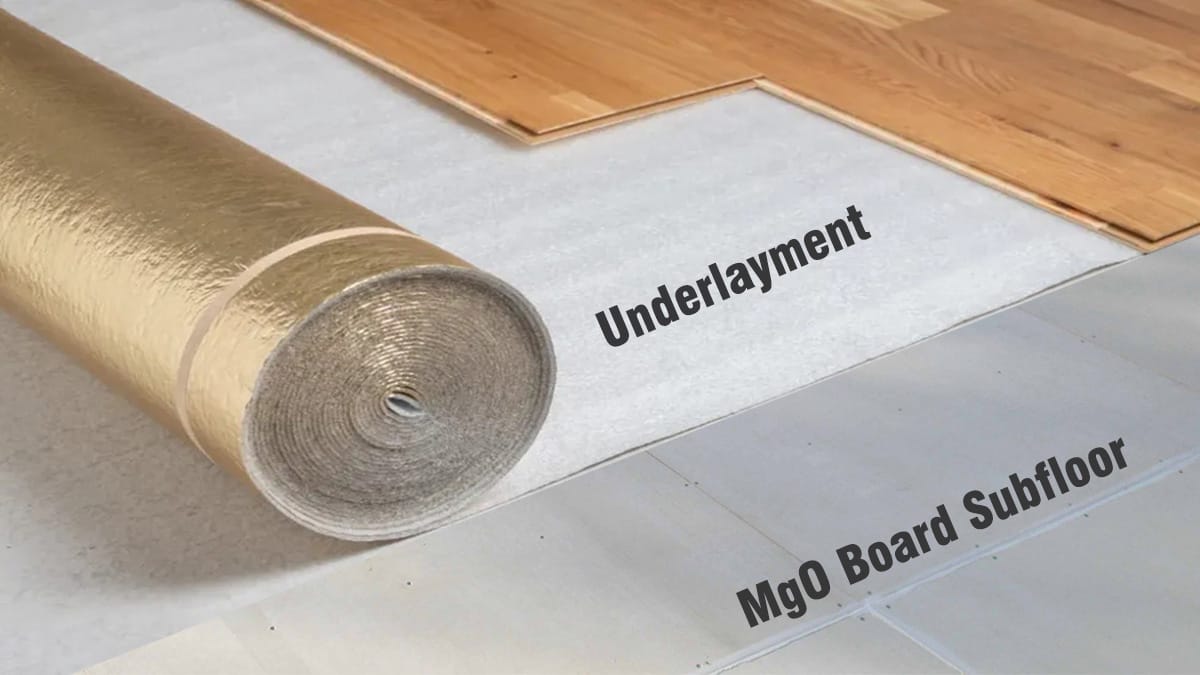
You make a basement subfloor with a few main materials. The most common are plywood, oriented strand board (OSB), and concrete. Some systems use special panels made from high-density polyethylene (HDPE) or magnesium oxide (MgO) boards. These materials are strong and do not let water in.
The main parts of a subfloor are:
A moisture barrier that keeps water away from your finished floor.
Structural panels, like plywood or OSB, that give support.
Air gaps or dimples that let air move and water escape.
Fasteners and glue that hold the subfloor together.
The moisture barrier is important. It keeps water out and stops mold. You should check your basement floor before you put in a subfloor. Fix any problems first. Picking the right materials helps stop damage later. It keeps your basement floor in good shape.
How it works
You put in a basement subfloor to make a barrier and airspace between the concrete and your finished floor. This stops water from building up and keeps condensation away. Some subfloors, like the Dorken DELTA-FL, have a dimpled pattern to make an air gap. This gap lets air move and helps control water. Other systems, like Platon Plastic Subfloor, use a double-dimpled design to make a vapor barrier. These features keep your finished floor dry and warm.
Here is a table that shows what a basement subfloor does:
Function | Description |
|---|---|
Structural Support | Gives strong support for your floor and spreads weight. |
Moisture Protection | Blocks water and stops mold from growing in wet places. |
Insulation | Keeps the temperature steady and helps lower energy bills. |
Sound Dampening | Makes the basement quieter by reducing noise between floors. |
You need a subfloor to keep your basement warm, dry, and comfortable. It stops too much water, which can hurt your house. Studies show that waterproofing and good floor finishing help stop mold. If you keep humidity under 50%, mold has a hard time growing. Interior drainage systems also help by keeping the basement dry.
When you pick a basement subfloor, you make your home safe and healthy. You protect your home and enjoy a better place to live.
Importance of subflooring in basements
 Moisture and mold prevention
 Moisture and mold prevention
Basements often have problems with water. Water can get in through cracks in the concrete. Humidity can build up and make water drops form. Leaks from pipes or bad drainage bring in more water. These things make it easy for mold and mildew to grow. A basement subfloor helps stop these problems.
Water from the ground can come in through walls and floors.
Water drops form when warm air touches cold concrete.
Leaks from pipes or sinks add more water.
Humidity stays because basements are under the ground.
Bad drainage lets water sit near the house.
A subfloor works like a shield. It keeps water out and your floor dry. Air spaces in the subfloor let water drain away. This helps stop water drops and keeps mold from growing. You smell less musty air and breathe better.
Note: If you keep water away, you protect your house and your health.
Comfort and insulation
You want your basement to be warm and nice. Concrete floors feel cold, especially in winter. An unfinished basement can lose a lot of heat. Putting in a subfloor with insulation helps a lot.
Insulation on concrete floors makes it more comfortable.
Your feet feel warmer in winter.
The floor feels softer than plain concrete.
You save money on heating because energy use goes down.
Keeping water out stops hidden water drops.
A subfloor makes a barrier that keeps the room warm. You feel less cold air and more heat. The room feels nice, so you want to spend time there. You also breathe better because the subfloor stops mold and bad smells.
Tip: Insulating your subfloor helps you use your basement all year.
Structural support
You need a strong base for your finished floor. A subfloor gives a flat and steady surface. It spreads weight and takes in movement. This makes the floor less squeaky and bouncy.
Subflooring gives a flat base for carpet, laminate, or tile.
It spreads weight over the joists.
It takes in movement, so floors feel firm.
The subfloor keeps water out and protects the floor’s strength.
Building codes, like in New York City, say you should use subflooring for strong basements. Inspections look at the ground and the building parts. These rules help keep your basement safe and strong.
Callout: A good subfloor keeps your basement floor steady and safe for a long time.
You can see why subflooring matters in every part of your basement. It stops water problems, makes the room nicer, and supports your floor. You make your basement healthier, warmer, and stronger for your family.
Basement subfloor benefits
Healthier indoor environment
 Healthier indoor environment
You want your home to feel safe and healthy. A basement subfloor helps you reach that goal. When you install a subfloor, you reduce unwanted heat loss and keep your basement warmer. You also lower the risk of mold and mildew. Mold spores can travel through your house and make the air unhealthy, even if you do not use the basement.
Insulated subflooring keeps heat inside your home.
Mold and mildew have a harder time growing, so your air stays cleaner.
Damp basements can cause biological growth, which makes living spaces unhealthy.
Some subfloor materials, like MgO board, stop mold and mildew from growing. These boards do not release harmful chemicals, such as formaldehyde or VOCs. This means you breathe cleaner air, which is important if you have allergies or asthma. By keeping moisture away, you also lower the risk of respiratory problems.
Tip: Always fix moisture problems before turning your basement into a living space.
Longevity of finished flooring
You want your floors to last a long time. A subfloor protects your finished flooring from damage. It creates a barrier between the concrete and your floor, so water cannot get in and cause problems.
Subfloor tiles form a mold-resistant layer.
A moisture barrier stops water from reaching your finished floor.
Penetrating sealers protect wood from rot and moisture.
When you use a subfloor, your carpet, laminate, or tile stays in good shape. You do not have to worry about warping, stains, or mold under your floors. This saves you money and keeps your home looking nice.
Level and stable surface
A level and stable surface makes your basement more comfortable. The subfloor gives you a flat base for any type of flooring. You do not feel bumps or dips when you walk. The floor feels solid and does not squeak or move.
Subfloors help spread weight evenly.
Finished floors stay flat and strong.
You get a smooth surface for carpets, tiles, or wood.
A stable floor means fewer repairs and a better space for your family. You can use your basement for play, work, or relaxing, knowing the floor will hold up.
Signs you need a basement subfloor
It is important to know when you need a basement subfloor. This can help you save money and keep your basement safe. There are some warning signs you should watch for. These signs show your basement needs more protection and support. If you notice them, you should think about your basement subfloor options.
Damp or cold floors
Sometimes, your basement floor feels wet or cold under your feet. This happens a lot in basements, especially when it is cold or rainy. Concrete can soak up water from the ground. This makes the floor cold and not nice to walk on. If you see wet spots or feel a cold breeze, you should think about adding insulation and a moisture barrier. A subfloor can stop water and help keep the room warm.
Tip: If your feet are cold or you see wet spots, your basement needs more protection.
Mold or musty odors
If your basement smells musty, mold or mildew might be growing. Mold likes damp places and can spread fast. You might see dark spots on the walls or floor. You might also smell a strong odor when you walk in. These things mean water is stuck under your floor. Putting in a basement subfloor can stop mold by making the space dry and letting air move. When you think about a subfloor, pick materials that stop mold and keep the air fresh.
Sign | What It Means |
|---|---|
Musty odor | Possible mold or mildew |
Dark spots | Mold growth on surfaces |
Persistent dampness | Trapped moisture under floor |
Uneven or damaged flooring
If your floor feels bumpy, squeaks, or looks broken, there may be bigger problems. You might see parts of the floor sinking, cracked tiles, or hear popping sounds. These problems often come from water or bad work. Floorboards that bend and nails that come loose are also signs of trouble. If you notice these things, you should think about making your floor flat and strong. A new subfloor can fix these problems and keep your floor safe.
Callout: Floors that squeak, sink, or crack mean your basement needs a strong subfloor for support.
Watching for these signs helps you know when to improve your basement. Making good choices about your basement subfloor keeps your home dry, safe, and comfortable.
Basement subfloor options
When you look at basement subfloor options, you see many choices. Each type works best in different situations. Every option has good and bad points. You should learn about each one before you pick.
Wood subfloors
Wood subfloors use plywood or OSB panels. You put these panels on top of a moisture barrier. Wood makes your basement feel solid. It works well with carpet or laminate floors. But wood can soak up water. If water gets in, the panels may bend or get moldy. You must keep the area dry and clean up spills fast to protect your subfloor.
Tip: Always check for leaks before you put in wood subfloors.
Engineered panels
Engineered panels are made from layers of wood glued together. This makes them stronger and less likely to bend than regular wood. These panels handle moisture better than wood subfloors, but they are not waterproof. You still need to clean up spills quickly. Engineered panels help keep your basement floor flat and steady. Many people pick them because they last long and resist moisture.
Raised systems
Raised systems make a space between the concrete and your floor. You use plastic or composite panels with small legs or bumps. This space helps control moisture and keeps the basement warmer. Raised systems also let you run wires or pipes under the floor. You can choose any flooring you want for the top.
Advantage | Description |
|---|---|
Moisture Control | Makes it easier to keep moisture away by letting air move and dry things out. |
Utility Access | Lets you reach wires, pipes, or HVAC under the floor easily. |
Thermal Insulation | Adds insulation so your basement stays comfortable all year. |
Flexibility in Flooring Options | Lets you put carpet, laminate, or tile over the raised floor. |
Pros and cons
You should look at the good and bad sides of each subfloor before you decide.
Wood subfloors: Easy to put in, but can bend or get moldy if wet.
Engineered panels: Strong and handle moisture well, but not waterproof.
Raised systems: Good for moisture and wires, but may cost more.
Note: Choose the subfloor that matches your basement and your budget.
Installation tips for basement subfloors
Assessing basement conditions
 Assessing basement conditions
Before you install a basement subfloor, you need to check a few important things. You want to make sure your basement stays dry and safe. Here are some steps you should follow:
Check how well you manage moisture in your basement.
Look at the condition of your current subfloor or concrete slab.
Choose the right materials for your space.
In places like the SF Bay Area, building codes set rules for ceiling height and clearance. You must think about the thickness of your subfloor and finished flooring. This helps you keep enough headroom in your basement.
Managing moisture is very important. Water vapor can damage your flooring. You should use a vapor retarder to protect your subfloor, especially in older homes. To test for moisture, tape an 18-inch by 18-inch sheet of polyethylene to the floor. Wait at least 16 hours. Check for condensation to see if moisture is a problem.
Tip: Always fix moisture issues before you start installing your subfloor.
DIY vs. professional install
You can install a basement subfloor yourself or hire a professional. Each choice has good and bad sides. The table below shows the main differences:
Aspect | Professional Installation | |
|---|---|---|
Pros | Lower Cost, Flexibility and Control, Satisfaction | Experience and Skill, Speed and Efficiency, Warranty |
Cons | Learning Curve, Tool Costs, Time Commitment | Higher Cost, Scheduling Challenges |
If you do it yourself, you save money and learn new skills. You control the project and feel proud of your work. You need to spend time learning and buy tools. If you hire a professional, you get expert help and finish faster. You pay more, but you get a warranty and fewer mistakes.
Note: Choose the option that fits your skills, budget, and timeline.
Cost and maintenance
The cost of installing a basement subfloor can change based on size and materials. For a 300-square-foot area, the average cost is $1,560. Most projects cost between $900 and $3,000. Full basement installations can range from $3,000 to $10,000.
Regular maintenance helps your subfloor last longer. You should check for water damage often. If you see problems, call a professional right away. Regular inspections help you find issues early and avoid big repairs. Professionals can handle tough jobs and keep your basement safe.
Maintenance checks keep waterproofing strong.
Early repairs stop small problems from getting worse.
Professional help makes sure the job is done right.
Callout: Taking care of your basement subfloor protects your investment and keeps your home healthy.
When you put in a basement subfloor, you get many good things. Your basement will be dry, warm, and cozy. Research shows that getting the subfloor ready and stopping water helps floors last longer. You can pick waterproof floors like luxury vinyl plank or ceramic tile for more safety. Think about your room, how much water is there, and how much money you want to spend before choosing. If you are not sure, ask an expert or look up how to install subfloors to find the best one for your house.
FAQ
What is the best type of subfloor for a basement?
You should choose a subfloor that resists moisture. Raised systems and engineered panels work well. These options help keep your floor dry and stable.
How do I know if my basement needs a subfloor?
Look for damp floors, cold spots, or musty smells. Uneven or damaged flooring also shows you need a subfloor. These signs mean your basement needs better protection.
Can I install a basement subfloor myself?
You can install a subfloor if you have basic tools and skills. Follow instructions closely. If you feel unsure, hire a professional for best results.
How much does it cost to install a subfloor?
Most homeowners spend between $900 and $3,000 for a small area. Full basement installations can cost up to $10,000. Prices depend on materials and labor.
Does a subfloor help with basement insulation?
Yes, a subfloor adds insulation. It keeps your basement warmer and more comfortable. Insulated subfloors also help lower energy bills.