



02 Dec A Guide to Modular Wall Panel Types for Modern Offices
Table of Contents
You can change your office with modular wall panels. These panels help you make private spaces or open spots for teamwork. You can also make areas that show your company’s style. Many companies want workspaces that can change fast and easily. Modular wall panel types help with this. You can move or set them up again without big building work. This saves time and lets your team keep working with fewer problems.
Key Takeaways
Modular wall panels are flexible. You can change your office layout easily. This helps as your business gets bigger.
There are different panel types. Vinyl, MgO, and fabric panels have special uses. They help with sound control, fire safety, and looks.
Installing modular wall panels is fast. It does not disturb work much. Your team can keep working with little trouble.
Picking the right panels can make your office look better. It also helps show your brand style.
Think about what your office needs. Privacy and teamwork are important. Choose modular wall panels that fit these needs for the best results.
Modular Wall Panels in Office Space
What Are Modular Wall Panels
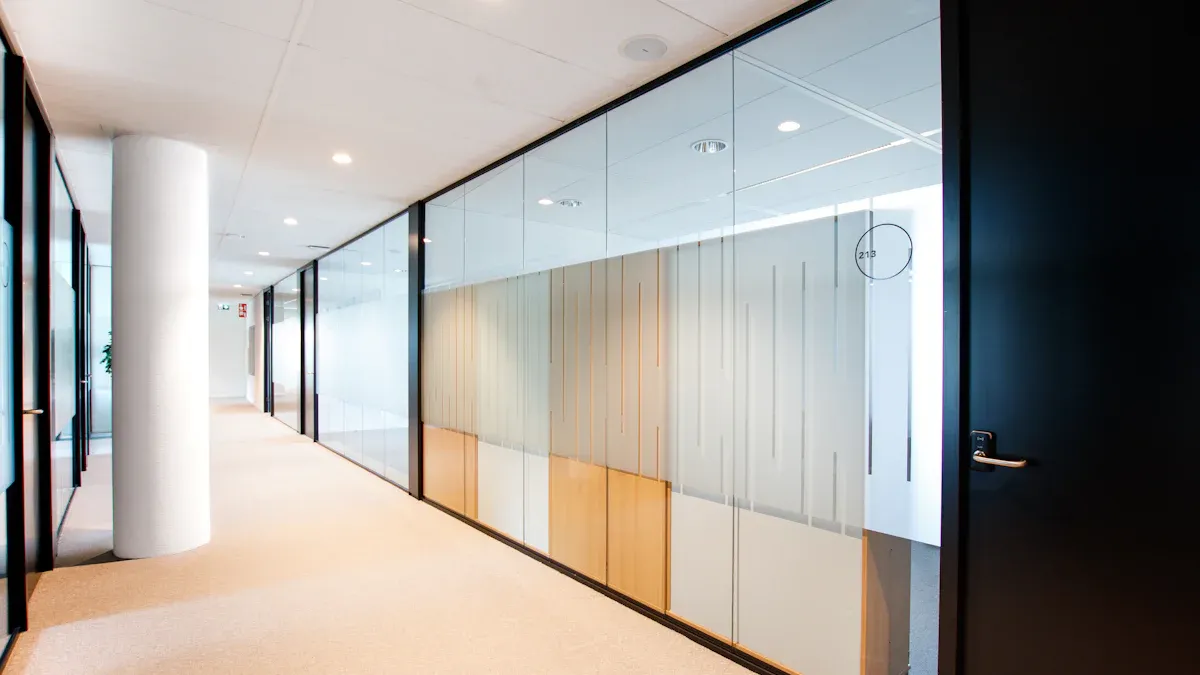
Modular wall panels are like building blocks for offices. You can use them to change your office space. They help you make private rooms or open spots for groups. These panels come in many materials and finishes. You can pick panels that match your company’s look. Many businesses like these panels because they are simple to put in and move. You do not need to stop work for a long time when you use them.
Tip: Modular wall panels work in permanent and temporary offices. You can use them in many places, like commercial buildings, cultural centers, or homes.
Benefits for Office Space
There are many good things about using modular wall panels:
You can change your office layout as your business grows.
You can make new rooms or split big spaces fast.
You can choose how each area looks and works.
You can put up panels with less mess than regular walls.
Your team can keep working with little trouble during setup.
You can let in more light and air with the right panel design.
You can show your brand by picking colors and finishes.
Many companies like modular wall panels because they are flexible. You can change your office without big building work. This helps you add meeting rooms or quiet spaces when you need them. You can also make your office look new and professional.
Modular Wall Panel Types Overview
Modern offices need solutions that can change easily. You can pick from many modular wall panel types for your office. Each type has its own features and finishes. Some work best in certain places. This guide helps you learn about the main choices.
Vinyl Modular Wall Panels
Vinyl modular wall panels are good for busy offices. They have a smooth surface that is easy to clean. These panels do not need painting again. They resist chemicals and last a long time. You can install them fast and spend less time fixing them. Brands like PortaFab make vinyl panels that last for years.
Feature | Vinyl Modular Wall Panels | Other Types of Wall Panels |
|---|---|---|
Hygiene and Cleanliness | Smooth, wipe-clean surface; antimicrobial properties reduce pathogen buildup. | May trap dirt and require more intensive cleaning. |
Chemical Resistance | Withstands chemical exposure without degradation; safe for commercial-grade cleaning. | Less resilient materials may discolor or corrode. |
Installation and Maintenance | Quick installation; minimal maintenance required; no repainting or special care needed. | Often requires extensive finishing and maintenance. |
Durability | Resists impact, scratches, and wear; maintains integrity over time. | Prone to dents, holes, or cracking. |
Cost-Effectiveness | Long-term savings due to low maintenance and repair costs. | Higher long-term costs due to repairs and replacements. |
Compliance | Meets strict building codes and sanitation standards; inspection-ready. | May not meet all regulatory requirements. |
Vinyl panels can last 10-20 years in an office.
Material | Average Lifespan |
|---|---|
Vinyl Panels | 10-20 years |
Vinyl modular wall panel types are great for healthcare offices and labs. They work well where cleanliness is very important.
MgO Modular Wall Panels
MgO modular wall panels are strong and safe. They give you fire resistance and help the environment. You can use them where safety matters most. These panels come from natural minerals and do not burn easily. Brands like NxtWall and DIRTT use MgO for safe, green offices.
Panel Size | |
|---|---|
4-inch | 1 hour |
8-inch | 3 hours |
MgO modular wall panel types are good for the planet.
Feature | MgO Panels | Traditional Materials |
|---|---|---|
Energy Efficiency | Requires less energy to produce | Higher energy consumption |
Carbon Footprint | Lower emissions during production | Significant CO2 emissions (e.g., cement) |
Recyclability | Fully recyclable | Often not recyclable |
Waste Generation | Less waste during construction | More waste, contributes to landfills |
Material Source | Made from natural minerals | Often sourced from environmentally harmful practices (e.g., deforestation) |
You can use MgO modular wall panels in offices that need fire safety and want to help the environment.
Fabric Modular Wall Panels
Fabric modular wall panel types help control sound in open offices. You can choose from many fabrics and colors. These panels are good for meeting rooms and classrooms. Brands like Versare and Steelcase make fabric panels that absorb sound well.
Feature | Fabric Panels | Wood Wool Panels | OWA ECO Panels |
|---|---|---|---|
Noise Reduction Coefficient (NRC) | 0.70 | 0.60 | 0.90 |
Fire Rating | Class A | Class B | Class A+ |
Recycled Material Content | 40% | 25% | 65% |
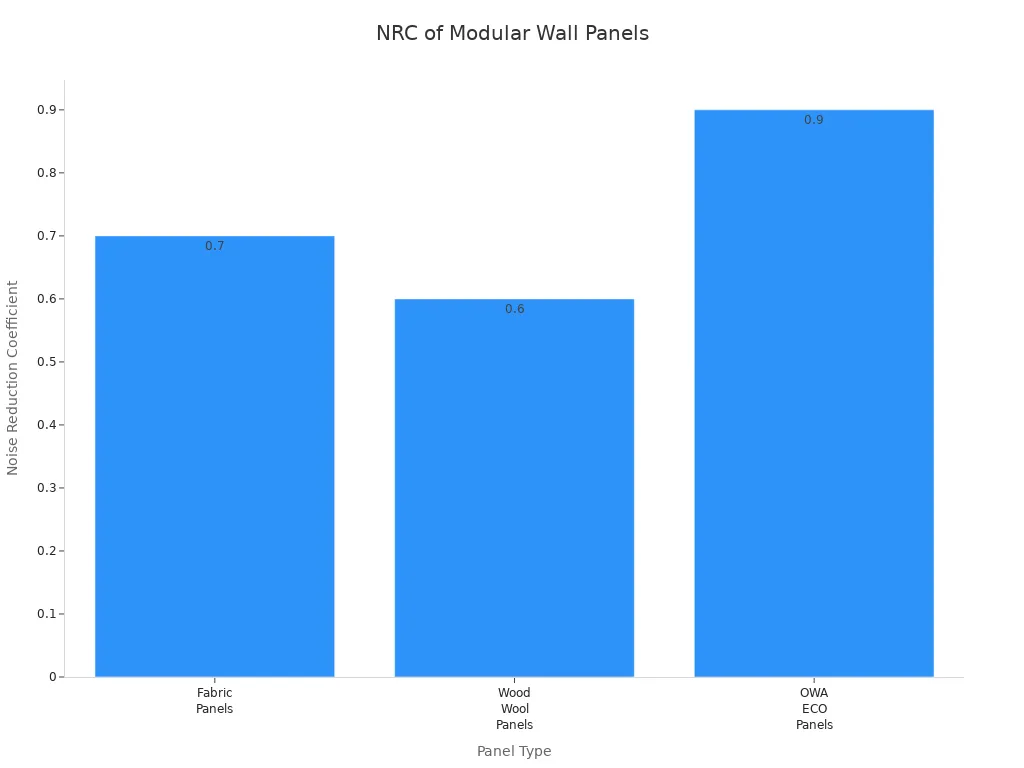
78% of workers say they focus better in offices with good sound control.
You can pick fabric modular wall panels with tackable surfaces for displays. Many panels use recycled materials, so they are a green choice.
Feature | Description |
|---|---|
Durability | Durable fine textured pre-finished walls |
Tackability | Highly tackable and abrasion resistant |
Display Surface | Excellent office wall display surfaces |
Thickness | Fabric tackable Industrial Insulation Board (IIB) wall panels at 1/2 inch thick |
Fabric Options | Numerous fabric options including COM fabric options |
Eco-Friendliness | Eco-friendly drywall alternative |
Acoustical Rating | High acoustical rating |
Ideal Use | Ideal for conference, educational, or meeting rooms where sound privacy is important |
Glass Modular Wall Panels
Glass modular wall panel types let in natural light. They make your office feel open and bright. You can build private rooms but still get daylight. Companies like DIRTT and Agile Interiors offer glass panels that help people work better.
“The additional transmission of light that you get into the built-office environment tends to lead to more productivity,” says Benjamin Urban of demountable wall provider Agile Interiors.
Glass walls let in more daylight, so you use less electric light.
They make spaces feel happy and help people focus.
A study found that workers with more natural light had better health and sleep.
You must use safe glass in offices.
Safety Standard | Description |
|---|---|
Tempered or Laminated Glass | Required for exterior installations to enhance safety and durability. |
Impact Resistance Testing | Compliance is necessary to ensure the glass can withstand impacts. |
Local Building Codes | Must be adhered to for legal compliance and safety assurance in installations. |
Metal Modular Wall Panels
Metal modular wall panel types are strong and safe. You can use them where tough walls are needed. Metal panels resist fire and keep their look for years. Brands like VersaKing and PortaFab make metal panels for busy offices.
Metal walls block fire and keep areas cool.
They resist damage and keep looking good.
Feature | Metal Modular Wall Panels | Other Panel Types |
|---|---|---|
Durability | Long-lasting, weather-resistant | Varies by material |
Ease of Installation | Combines multiple parts, saves time | Often requires more assembly |
Sustainability | Recyclable steel | Depends on material used |
Cost Efficiency | Cost-saving due to reduced waste | May incur higher installation costs |
You can use metal modular wall panels in tech offices and factories. They work well where you need strong, safe walls.
Wood Modular Wall Panels
Wood modular wall panel types add warmth and style. You can pick from many wood species, like Cumaru or Brazilian Cherry. These panels make your office feel calm and look nice. Brands like Steelcase and DIRTT offer wood panels with different finishes.
Wood Species | Aesthetic Impact |
|---|---|
Cumaru | Known for its rich color and durability. |
Brazilian Cherry | Offers a warm tone and unique grain patterns. |
Wood panels make your office look better and sound quieter.
They help create a peaceful space and support green design.
Slatted wood wall panels add texture and help reduce noise. This is good for focus and comfort.
You need to care for wood modular wall panels:
Clean with a soft, damp cloth to remove dust.
Protect from moisture and avoid leaks.
Apply varnish or sealer once a year.
Keep out of direct sunlight and away from heat.
Use protectors under heavy items to prevent scratches.
Temporary Modular Wall Systems
Temporary modular wall panel types help you change your office quickly. You can use them during renovations or when you need a new space fast. Brands like SwiftWall and STARC make panels you can install in hours.
Description | |
|---|---|
Containing Dust and Debris | Temporary walls help to contain dust and debris, preventing it from spreading into public areas. |
Ensuring Privacy | They provide privacy for employees and clients during renovations, minimizing distractions. |
Professional Appearance | These walls maintain a clean and polished look, essential for businesses during renovations. |
Reducing Noise | Temporary walls help to reduce noise pollution, creating a quieter environment for everyone. |
Flexibility and Speed of Installation | Quick installation allows for minimal downtime, making them ideal for fast-paced renovations. |
Controls dust and keeps air clean.
Gives privacy to workers and clients.
Looks professional during changes.
Reduces noise from construction.
Installs quickly, so you lose less work time.
Feature | Permanent Modular Walls | Temporary Modular Walls |
|---|---|---|
Installation Time | Weeks | Hours (100’ in under an hour with STARC) |
You can use temporary modular wall panels for short-term needs or quick office changes.
There are many modular wall panel types to pick from. Each type fits different needs, like sound control, fire safety, or fast changes. You can mix and match these modular wall panels to make the best office for your team.
Comparing Modular Wall Panel Types
 Features and Benefits
 Features and Benefits
You want to find the best modular wall panels for your office. Each type has special features and benefits. Some panels are strong and keep people safe. Others help block noise or are easy to set up. The table below shows the main differences.
Panel Type | Composition and Features | Performance Metrics | Common Applications |
|---|---|---|---|
Gypsum Wall Panels | Gypsum core between paper or fiberglass layers; lightweight. | Great for fire safety and sound blocking. | Used in homes and offices for walls/ceilings. |
Steel Wall Panels | Made from high-quality steel; rust-resistant coating. | Very strong and durable; may need extra insulation. | Common in factories and prefab homes. |
Composite Wall Panels | Mix of metal, foam, and plastic; lightweight yet strong. | Insulates well and blocks sound effectively. | Used in homes, offices, and factories. |
Magnesium Wall Board | Made from magnesium oxide; lightweight and strong. | Resists fire and water; good sound blocking. | Used in modular homes and offices. |
You can pick panels that are light and easy to move. Fire-resistant panels help keep your office safe. Composite panels are good for dividing space and keeping rooms warm.
Acoustic and Aesthetic Qualities
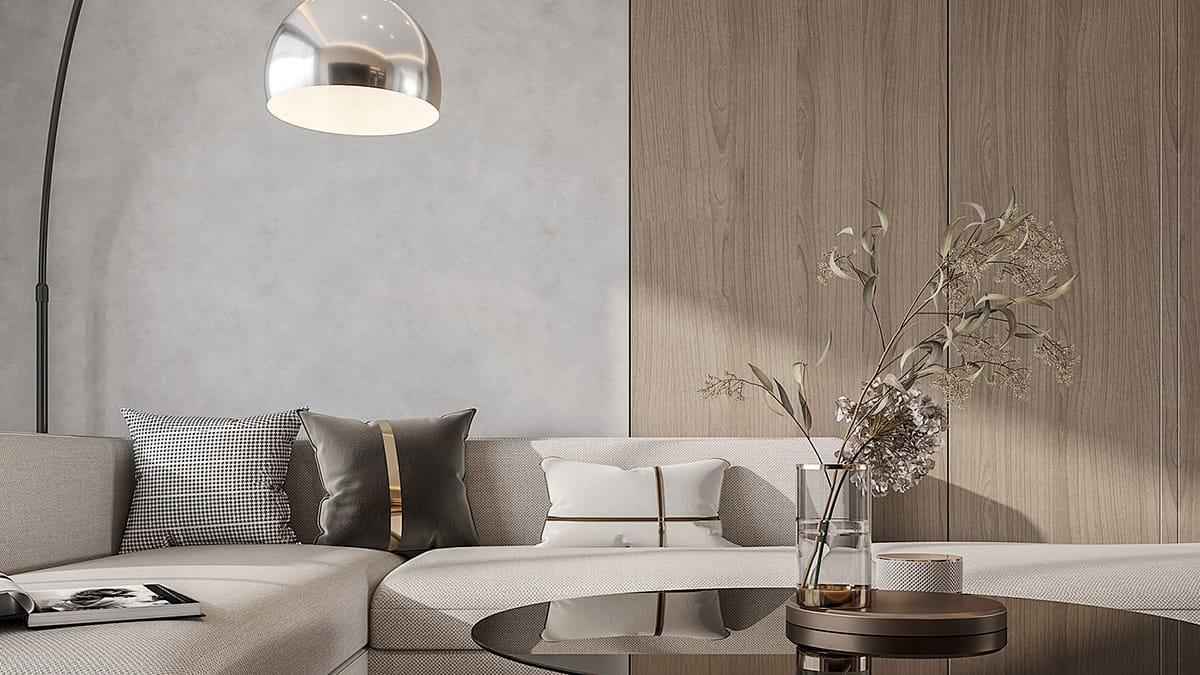
You want your office to be quiet and look nice. Modern sound panels help control noise and add style. You can choose panels in many colors and patterns. This lets you make your workspace look how you want.
Modern acoustic panels mix art and sound control.
Decorative panels come in lots of colors and patterns.
Multi-layered fabric panels give you more design choices.
Recycled polyester felt panels are popular and work for many sounds.
Cork panels look different and help with sound.
Old sound panels used heavy cloth and foam. They worked but did not look modern. Now, you can get panels that block noise and look cool.
Flexibility and Reconfiguration
You want your office to change as your needs change. Top brands make modular wall panels that are easy to put together and move. You can change or add walls without much trouble.
Feature | Description |
|---|---|
Highly Adaptable | Meets specific aesthetic and functional requirements. |
Easy Assembly | Quick installation without losing quality or stability. |
Rapid Deployment | Good for projects with tight schedules. |
Customizable Designs | Many finishes, core materials, and configurations available. |
Quick Installation | Prefabricated systems for fast on-site setup. |
Fire-Rated & Soundproof Options | Improves safety and noise control. |
Scalable & Reconfigurable | Modify or expand your wall system as needed. |
Sustainable | Designed to be sustainable, demountable, and removable. |
Easy Reconfiguration | Change spaces easily to meet new needs. |
Variety of Applications | Supports many uses and adapts quickly. |
You can change your office fast. This helps you keep up with new needs and saves time.
Sustainability and Maintenance
You care about the planet and want panels that last. Some modular wall panels use green materials and can be recycled. The table below shows how different panels compare.
Panel Type | Material Type | Certification Type | Environmental Impact |
|---|---|---|---|
Magnesium Oxide | MgO | LEED | Eco-friendly, recyclable, low waste |
Composite Panels | Steel/Aluminum | N/A | Reusable materials, energy-efficient |
MDF | Wood fibers | N/A | Supports responsible forest management |
You need to keep your panels clean and working well. Check seals and connections often. Use cleaners made for your wall system. Clean all surfaces and joints the right way. Make a plan to check doors and windows.
Changing walls can interrupt work.
Matching office style and finishes can be tricky.
Setting up power and workstations may need extra planning.
You can pick panels that are easy to care for and help the environment.
Summary Table: Modular Wall Panel Types at a Glance
Panel Type | Acoustic Quality | Visual Appeal | Flexibility | Sustainability | Maintenance Needs |
|---|---|---|---|---|---|
Gypsum | Good | Basic | Moderate | Low | Low |
Steel | Fair | Industrial | High | Moderate | Moderate |
Composite | Good | Modern | High | High | Moderate |
Magnesium Oxide | Good | Neutral | High | High | Low |
Fabric | Excellent | Customizable | High | High | Moderate |
Glass | Fair | Elegant | High | Moderate | Moderate |
Wood | Good | Warm | Moderate | Moderate | High |
Temporary Systems | Fair | Neutral | Excellent | Moderate | Low |
Tip: You can mix different modular wall panels to make the best office for your team.
Practical Considerations for Office Space
Installation and Integration
 Installation and Integration
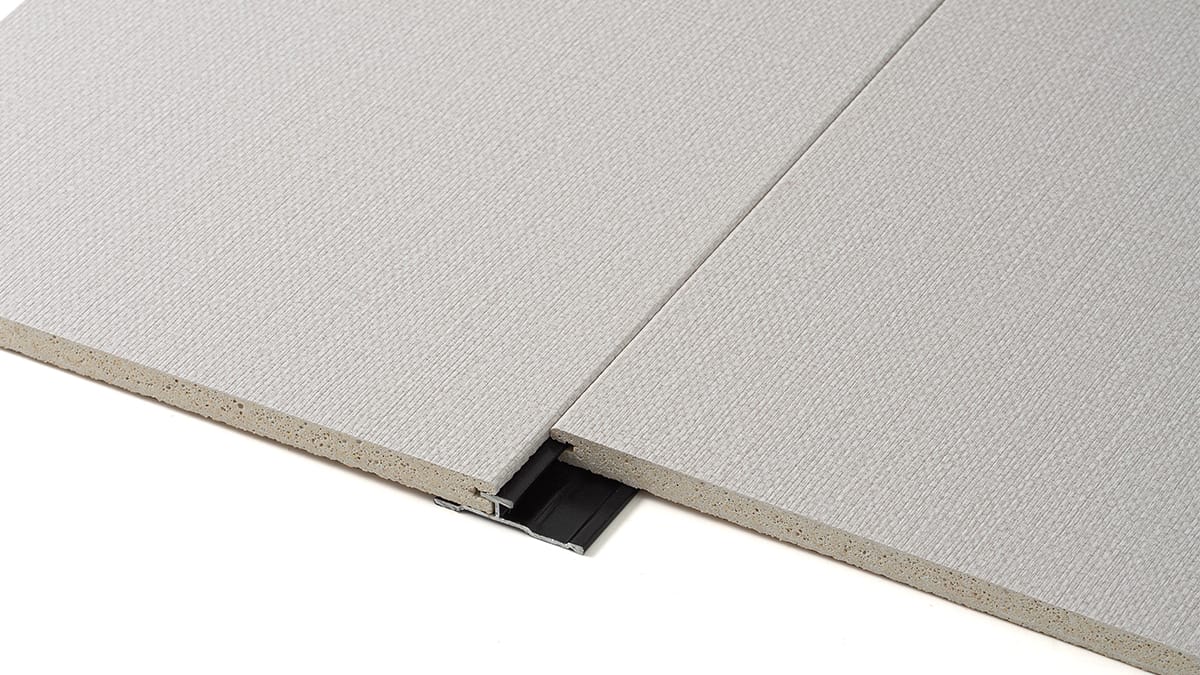
You can set up demountable walls fast in your office. Most systems come ready to put together. Professionals can build 100 feet of wall in 30 minutes. You follow easy steps and use connectors or zip ties to hold panels. Always wear gloves and be careful of pinch points. After you finish, check the system and plan removal if you need changes. Demountable walls work with your building’s electrical, HVAC, and data systems. This means your office stays working well.
Step | Description |
|---|---|
1 | Ask for a free estimate and plan your project. |
2 | Get the modular wall system delivered to your office. |
3 | Professionals install the walls, usually with 2-3 people. |
4 | Check the system after it is installed. |
5 | Plan to remove the walls when you want changes. |
Tip: Demountable walls let you change your office quickly. This helps when you have tight deadlines.
Customization and Branding
You can make demountable walls fit your company’s style. Many makers offer custom graphics, lights, doors, and windows. You pick materials, finishes, and even backlighting for a special look. Some brands, like PortaFab and Starrco, help you choose what works best for you.
Manufacturer | Customization Options | Additional Features |
|---|---|---|
PortaFab | Many materials and thickness choices | Fast setup, strong walls |
Starrco | Custom wall panel solutions | Lots of finishes, made for you |
Highmark Tech | Graphics, lights, doors, windows | Full graphic design, backlighting, extras |
You show your brand and make your office friendly with custom demountable walls.
Cost and Value
You want to know the price of demountable walls. The cost depends on the type and finish you pick. Moveable walls cost $500–$600 for each foot. Shiplap panels cost $2.50 to $12.00 for each square foot. Bamboo is the least expensive choice. Modular office buildings cost $20–$40 for each square foot. Demountable walls save money over time because you can use them again and skip big building jobs.
Wall Panel Type | Cost per Square Foot |
|---|---|
Moveable Walls | $500–$600 per foot |
Shiplap | $2.50–$12.00 |
Bamboo | Cheapest choice |
Modular Office Buildings | $20–$40 |
Demountable walls help you save time and keep your office running with less trouble.
Compliance and Safety
You keep your office safe with demountable walls. Many systems meet fire rules and building codes. You can pick panels that lower sound for privacy. Always check that your walls use safe materials and follow local laws. You feel good knowing your office meets safety rules.
Demountable walls have fire-rated choices.
You get sound reduction for quiet spaces.
Systems follow building codes for safety.
Demountable walls help you make a safe, flexible, and stylish office.
Choosing the Right Modular Wall Panels
Matching Panel Types to Office Needs
You want your office space to work well for everyone. Start by thinking about what your team needs most. Some people need quiet places to focus. Others need open spots to work together. You can match modular wall panel options to these needs.
Look at privacy needs. Decide if you need panels that block sound above or below the desk.
Choose panel types like Enclave for full privacy or Terrace for open, airy spaces.
For teamwork, pick panels with whiteboard surfaces. These let your team share ideas and keep things private at the same time.
Think about how often you want to change your space. Mobile panels move easily. Permanent panels stay in place.
Make sure your panels fit the style and feel you want for your office.
Tip: Flexible panels help you change your office as your needs grow.
Tips for Decision-Makers
You can make smart choices when picking modular wall panels. Use these steps to guide you:
Draw a simple map of your office. Mark where you want panels and note any doors or windows.
List what matters most. Do you need soundproofing, strong walls, or a special look? Pick panels that match your list and your budget.
Talk to experts. They can help you follow rules and set up your panels the right way.
Try out samples. Place them in your space to see how they look and feel before you buy.
Plan for changes. Pick panels that you can move or add to later.
Measure your space. Make sure the panels will fit and work for your team.
Note: Good planning helps you get the best value and a better office space.
You can create a flexible and efficient office space by choosing the right modular wall panels. Think about what your team needs most. Consider privacy, collaboration, branding, and how your workspace might change in the future.
Review your goals for each area.
Explore different panel options.
Talk with providers to find the best fit.
Take time to evaluate your choices. You will build a workspace that supports your team and grows with your business.
FAQ
What are modular wall panels made of?
Modular wall panels use many materials. Some common ones are vinyl, glass, metal, wood, fabric, and magnesium oxide (MgO). Each material has its own benefits. Some last a long time. Some help block sound. Some look stylish.
Can you move modular wall panels after installation?
Most modular wall panels can be moved. You can change your office layout when you need to. Many systems use connectors or tracks. This makes it easy to take panels down. You can set them up again with little work.
How do modular wall panels help with office noise?
Fabric or acoustic modular wall panels absorb sound. These panels lower noise and make spaces quieter. Offices use them in meeting rooms or open areas. This helps people focus and gives more privacy.
Are modular wall panels safe and compliant?
You can pick panels that meet fire safety and building codes. Many brands have fire-rated and impact-resistant choices. Always check your panels follow local rules. Make sure they use safe materials.