


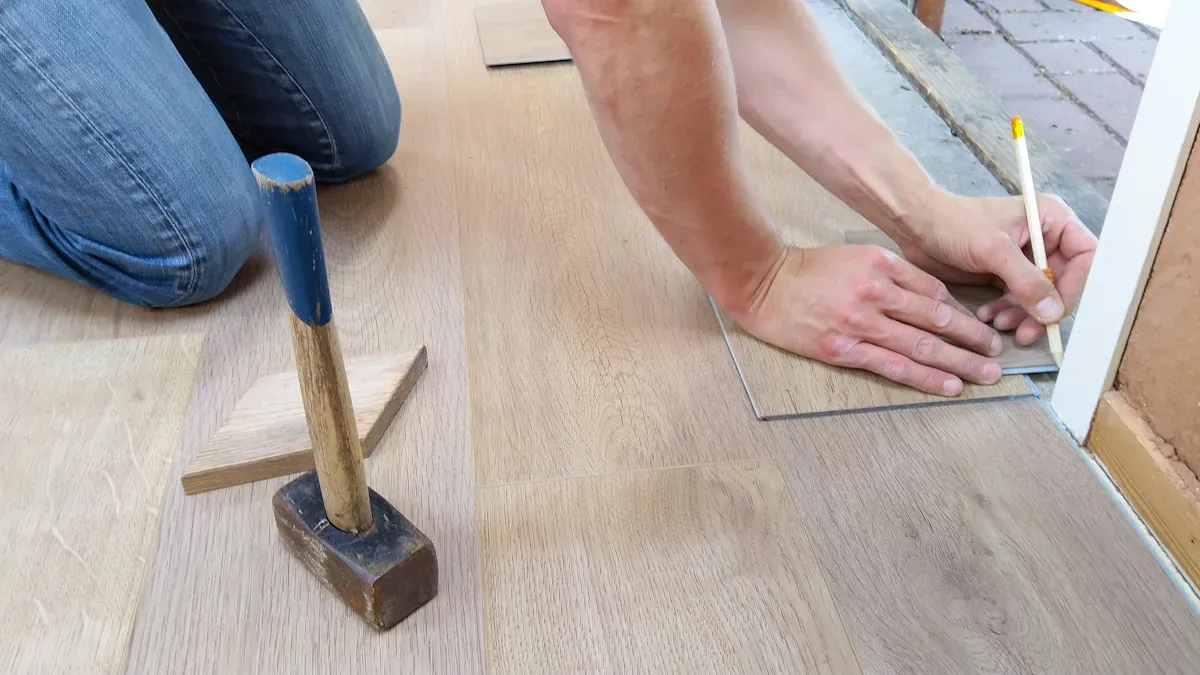
25 Feb Choosing Between MgO Board and Plywood for Subfloors in 2025
Table of Contents
- 1 Key Takeaways
- 2 MgO Board vs Plywood Substrate Floor Overview
- 3 Comparative Analysis of Durability and Resistance
- 4 Environmental Impact of Subflooring Material
- 5 Cost and Value Comparison
- 6 Installation and Practical Considerations
- 7 Suitability for Different Subflooring Scenarios
- 8 Final Comparison for Modern Construction Needs
- 9 FAQ
You should pick MgO board for your subfloor in 2025. This material is better in the MgO Board VS Plywood Substrate Floor debate. It lasts longer. It does not get damaged by water. It is safe during fires. Market data shows MgO boards are selling more each year. They will be worth almost $3.1 billion in 2025. Look at the table below to see how MgO board and plywood are different:
Criteria | MgO Board | Plywood |
|---|---|---|
Moisture Resistance | Highly resistant; does not swell or warp | Swells or warps with moisture |
Durability | Very durable | Durable but less so with moisture/impact |
Fire Resistance | Excellent; non-combustible | Limited; catches fire at high temperatures |
Cost | More expensive | More affordable |
Lifespan | Longer lifespan | Shorter, especially in wet areas |
Think about what your project needs before you choose.
Key Takeaways
Pick MgO board for places that get wet. It does not let water or mold in. It does not get damaged easily. This makes it great for bathrooms and basements.
Think about how long it will last. MgO board costs more at first. But it stays good for a longer time. It also needs less fixing than plywood.
Put fire safety first. MgO board does not burn. It is safer in places where fire could happen. Plywood is not as safe.
Look at how you will put it in. Plywood is lighter. It is easier to move and use. MgO board needs special tools and more care when you put it in.
Think about the planet. MgO board is good for the earth. You can recycle it. This makes it better for green building projects.
MgO Board vs Plywood Substrate Floor Overview
 What Is MgO Board?
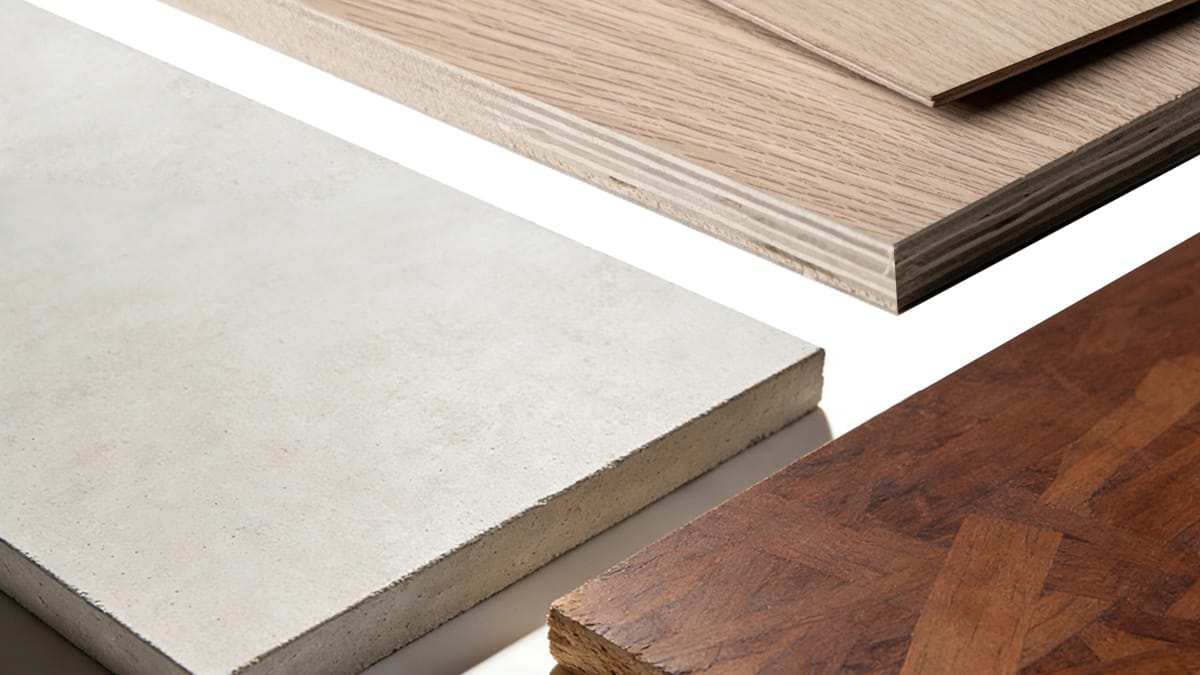 What Is MgO Board?
You may see the term “MgO board” in many modern building materials lists. MgO stands for magnesium oxide board. This subflooring material uses magnesium oxide, which is a mineral-based compound. Manufacturers mix it with other natural materials to create strong, flat panels. You can use MgO board in places where you need extra strength and safety. Many builders choose this subflooring for bathrooms, kitchens, and basements. It works well in humid spaces and fire-prone areas. MgO board also supports heavy loads in multi-story buildings. You will find it in eco-friendly projects because it is a green building material.
What Is Plywood?
Plywood is a classic subflooring material. You get plywood when thin layers of wood are glued together. Each layer, or “ply,” sits at a right angle to the one below it. This makes plywood strong and flexible. You can use plywood in many parts of a house. It works well in living rooms, bedrooms, and kitchens. Plywood is light, so it fits well in second floors and multi-level homes. Many people pick plywood board for its easy handling and good support.
Key Differences in Subflooring Material
When you compare MgO board vs plywood substrate floor, you see some clear differences:
MgO board is made from minerals, while plywood comes from wood.
MgO board resists water, mold, and fire. Plywood can swell or warp if it gets wet.
MgO board is heavier than plywood, but it lasts longer in tough conditions.
Plywood is easier to cut and install. MgO board needs more care during installation.
MgO board fits best in wet, busy, or high-risk areas. Plywood works well in dry, low-traffic spaces.
You should think about your project needs before you choose a subflooring material. The mgo board vs plywood substrate floor debate depends on where you plan to use the subflooring and what you want from your building materials.
Comparative Analysis of Durability and Resistance
Durability and Lifespan
When you choose subflooring, you want it to last. The durability of mgo board stands out in many tests. You can see this in the way mgo board handles stress and heavy loads. Mgo board panels use fiberglass mesh for extra strength. They do not bend or break easily, even when you put a lot of weight on them. In the ASTM E455 test, mgo board holds heavy weight without bending. It also achieves an impact strength of 4.5 kilojoules or higher.
Plywood is also strong. Builders have used it for years because it supports floors well. The durability of plywood is good in dry areas. It can last 20–30 years or more if you keep it away from water. However, plywood does not do as well in wet places or under heavy impact.
Here is a table to help you compare the durability and lifespan of both materials:
Criteria | MgO Board | Plywood |
|---|---|---|
Durability | Very durable, reinforced with fiberglass | Durable, but less so with moisture/impact |
Lifespan | Longer, even in tough conditions | Shorter, especially in wet areas |
Impact Resistance | High (4.5 kJ or more) | Moderate |
Structural Tests | Holds heavy weight, does not bend | Can bend or warp under stress |
You can see that mgo board gives you a longer-lasting subfloor, especially in places where you expect stress or moisture.
Moisture and Mold Resistance
Moisture resistance is a key factor in subflooring. Mgo board is highly resistant to moisture. It does not swell or warp, even after long exposure to water. You can use mgo board in bathrooms, kitchens, and basements without worry. It also resists mold and bacteria. This gives mgo board a big advantage in places with high humidity.
Plywood does not have the same level of moisture resistance. If plywood gets wet, it can swell, warp, or even rot. Mold can grow on plywood if you do not keep it dry. This can lead to health problems and costly repairs.
Tip: If you want to avoid mold and water damage, pick mgo board for your subflooring in wet areas.
Mgo board is also breathable. It lets moisture escape, which helps prevent condensation and mold growth. Plywood can trap moisture, leading to rot and mildew. This difference makes mgo board a better choice for mold resistance.
Fire Resistance
Fire resistance is another important part of this comparative analysis of durability. Mgo board is non-combustible. It does not catch fire, even at high temperatures. Building standards rate mgo board as A1 non-combustible. It can withstand heat up to 1200°C and maintain its structure for up to two hours or more. It also produces very little smoke during a fire.
Plywood is combustible. It can catch fire quickly and fails fast under high heat. Plywood also creates a lot of smoke when it burns. This can make fires more dangerous in homes and buildings.
Here is a table to show the fire resistance of both materials:
Material | Fire Resistance Rating | Combustibility | Structural Integrity Under Fire | Smoke Emission |
|---|---|---|---|---|
MgO Board | Excellent (A1, up to 2 hrs) | Non-combustible | Maintains integrity | Minimal |
Plywood | Limited | Combustible | Fails quickly | High |
If you want a safe subfloor, mgo board gives you better fire resistance.
Strength After Water Exposure
You need your subflooring to stay strong, even after water exposure. Mgo board keeps its structure after being wet for a long time. Tests show that mgo board stays sound after 100 days under water. It does not lose its strength or shape. This makes mgo board a top choice for places that might flood or get wet often.
Plywood does not perform as well. When plywood gets wet, it can swell, warp, or break down. Over time, water weakens plywood and shortens its lifespan. This is a big problem in bathrooms, kitchens, and basements.
Mgo board resists water absorption.
It stays strong in high humidity.
Plywood loses strength and can rot when wet.
Note: For long-lasting subflooring in wet or flood-prone areas, mgo board is the best option.
Environmental Impact of Subflooring Material
Sustainability and Eco-Friendliness
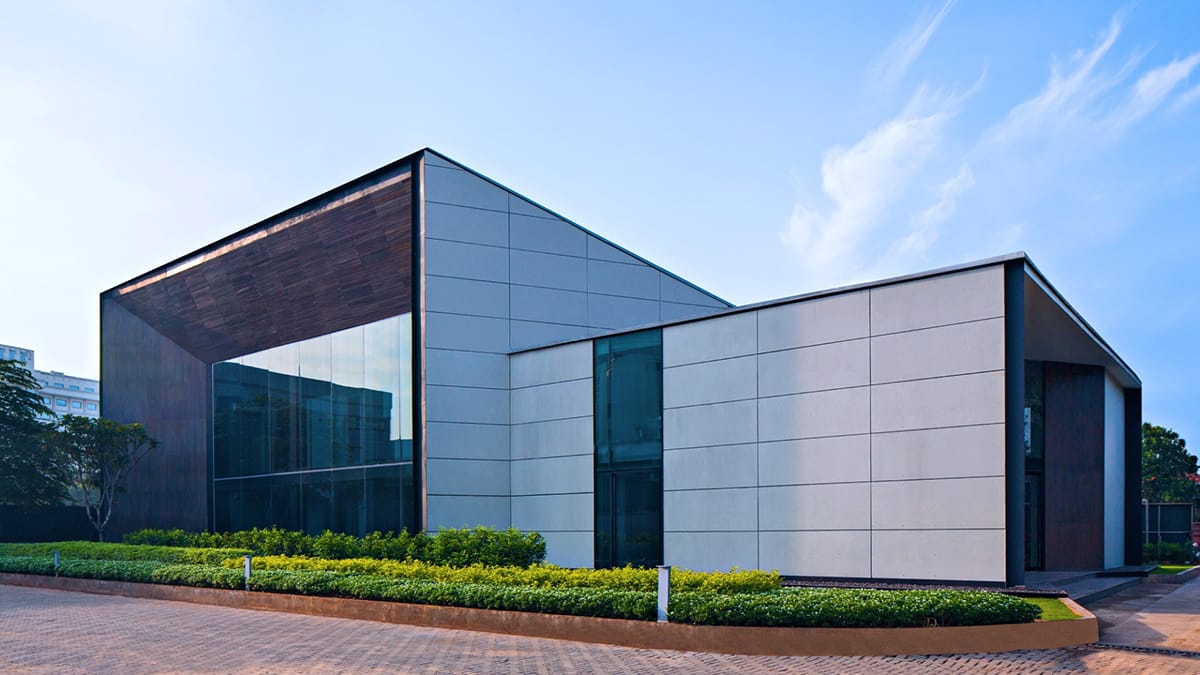 Sustainability and Eco-Friendliness
You want your subflooring to help the planet. The sustainability of mgo board is better than plywood. MgO board uses minerals, so it does not hurt forests. Plywood comes from trees, so forests get cut down to make it. MgO board needs less energy to make. Plywood uses more energy and can have formaldehyde, which is bad for the environment.
Here is a table that shows how mgo board and plywood affect the environment:
Feature | MgO Boards | Plywood |
|---|---|---|
Embodied Energy | Low embodied energy | Higher embodied energy |
Hazardous Substances | Absence of hazardous substances | May contain formaldehyde |
Moisture Resistance | Excellent moisture and mold resistance | Limited moisture resistance |
Fire Resistance | Non-combustible | Lower fire resistance |
Recyclability | Fully recyclable | Limited recyclability |
Contribution to Green Certs | Supports green building certifications | Does not significantly contribute |
MgO board helps you get green building certifications. Plywood does not help as much with eco-friendly goals. If you want strong floors and care about the earth, mgo board is a smart pick.
Indoor Air Quality
Indoor air quality is important for your health. MgO board does not give off harmful chemicals. You can use it at home and not worry about toxic fumes. Plywood can release VOCs because of the glue in its layers. These VOCs can make the air unsafe, especially for kids or people with allergies.
Material | VOC Emissions | Toxicity |
|---|---|---|
MgO Boards | None | Non-toxic |
Plywood | Yes | Potentially toxic due to adhesives |
Tip: Pick mgo board for better indoor air. You will breathe easier and keep your family safe.
End-of-Life and Recycling
You should think about what happens when your subflooring gets old. MgO board can be recycled in many ways. You can use big pieces in new projects. Ground mgo material works as filler in construction. Crushed mgo boards mix into cement-based products. Some mgo waste can help soil by adding nutrients.
Plywood is harder to recycle. You may have to throw old plywood away. This adds more trash and hurts the environment.
Recycling Method | Description |
|---|---|
Larger broken pieces | Can be used in areas needing smaller panels |
Ground material | Serves as filler in new construction materials |
Crushed boards | Blends seamlessly into cement-based applications |
Nutritional waste | Enriches soil with essential nutrients, aiding plant growth and soil balance |
MgO board gives you more ways to recycle and reuse. This helps you make less waste and protect the planet.
Cost and Value Comparison
Upfront and Installation Costs
You want to know how much you will spend at the start of your subflooring project. The cost analysis for mgo board shows that you will pay more for the original material costs. Mgo board is heavier and needs special tools for cutting. You may need extra help to move and install it. This adds to the cost. Plywood costs less to buy. You can cut plywood with simple tools. You can carry plywood sheets by yourself or with one helper. This makes plywood easier and cheaper to install.
If you want to save money at the start, plywood looks like the better choice. You will spend less on materials and labor.
Here is a quick cost comparison for modern construction:
Mgo board: Higher upfront cost, more labor needed
Plywood: Lower upfront cost, easier to handle
Maintenance and Long-Term Value
You should think about the cost analysis over time. Mgo board gives you better durability. It does not swell or rot when wet. You do not need to replace it often. You will spend less on repairs. Plywood needs more care. It can warp, swell, or grow mold if it gets wet. You may need to fix or replace plywood subflooring after a few years. This adds to your maintenance costs.
The table below shows a cost comparison for modern construction over ten years:
Material | Upfront Cost | Maintenance Costs | Long-term Value |
|---|---|---|---|
MgO Board | Higher | Low | Better |
Plywood | Lower | Higher | Worse |
You can see that mgo board costs more at first, but you save money later. The durability of mgo board means you get better long-term value. Plywood costs less at the start, but you may pay more for repairs and replacements. If you want a subflooring that lasts, mgo board is a smart investment. You get strong floors and peace of mind.
Tip: Always look at the total cost, not just the price you pay today. Durability and low maintenance can save you money in the long run.
Installation and Practical Considerations
Handling and Cutting
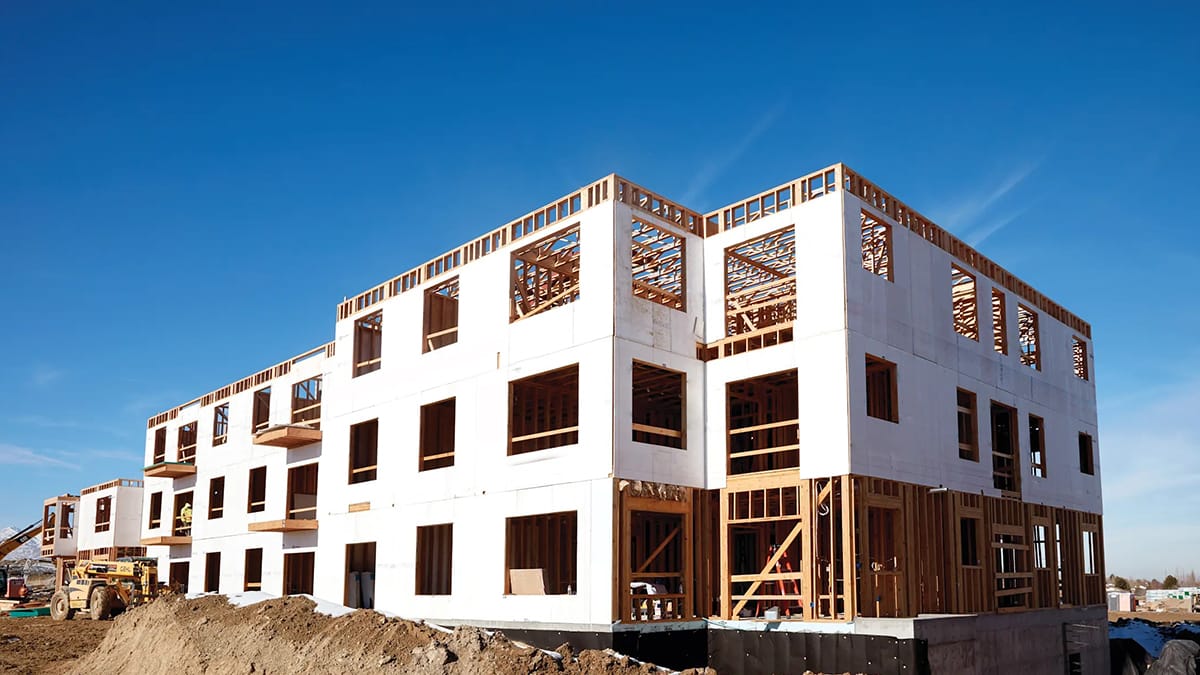 Handling and Cutting
You will notice that mgo board is heavier than plywood. This means you need to use more care during installation. When you move mgo panels, you should support them from underneath. If you do not, the mgo board can crack or break. Plywood is lighter and more flexible. You can carry plywood sheets with less effort. This makes plywood easier to handle during installation.
Cutting mgo board is different from cutting plywood. You need special tools for mgo. Use a plunge or circular saw with a diamond-tipped or thin carbide blade. These blades help you make clean cuts. If you use the wrong blade, the mgo board can chip at the edges. Plywood does not need special blades. You can cut plywood with a regular saw. This makes plywood faster to prepare for installation.
Here is a table that shows the main handling and cutting challenges:
Challenge | Description |
|---|---|
Brittleness | Mgo boards can crack or break during handling and cutting. |
Cutting Precision | Mgo needs special saws; plywood does not. |
Edge Chipping | Mgo can chip if not cut with care. |
Nail Holding Power | Mgo holds nails less well than plywood. |
Installation Time | Mgo takes longer to install due to these challenges. |
Tip: You can ask for factory pre-cut mgo boards to save time and reduce mistakes during installation.
Fastening and Compatibility
You must use the right fasteners for each material during installation. Mgo board works best with screws. Use a power drill and screws made for subfloor installation. Screws hold mgo boards tightly and prevent movement. Nails do not work as well with mgo. Plywood holds nails better, so you can use either screws or nails for plywood installation.
Here is a quick look at fastening methods:
Fastening Method | Compatibility | Notes |
|---|---|---|
Screws | Mgo boards | Best for hold and stability |
Nails | Plywood | Works well, but screws are stronger |
You should space screws evenly during installation. This keeps the mgo board flat and prevents cracks. For plywood, you can use nails or screws, but screws give you a tighter fit. Always check that your screws match the mgo board to avoid breaking the material during installation.
Common Installation Challenges
You may face some common problems during installation. Over-tightening screws can break mgo boards. You should tighten screws just enough to hold the board. If you do not seal seams between mgo panels, water can get in and cause damage. Always follow the manufacturer’s instructions for spacing and fastening during installation. This helps you avoid uneven floors.
Here are some common mistakes to watch for during installation:
Not leaving proper gaps between mgo or plywood panels can cause buckling.
Forcing tongue-and-groove plywood panels together too tightly can lead to problems.
Failing to seal seams can let water in and damage the subfloor.
Not using the right screws for mgo can cause cracks.
Using nails instead of screws for mgo installation can lead to loose boards.
Note: Take your time during installation. Careful work with mgo and plywood gives you a strong, long-lasting subfloor.
Suitability for Different Subflooring Scenarios
Residential vs Commercial Use
 Residential vs Commercial Use
You need to match your subfloor to the type of building. In homes, you often see plywood because it is easy to install and light to carry. You can cut plywood with simple tools, which helps in small spaces. Many homeowners like plywood for bedrooms and living rooms. In commercial buildings, you need stronger floors. Mgo works well in offices, schools, and hospitals. You get better fire safety and moisture resistance with mgo. You also find that mgo lasts longer in busy places. Plywood can wear out faster in these settings.
Wet Areas (Bathrooms, Basements)
You want your subfloor to stay strong in wet places. Bathrooms and basements often have water on the floor. Plywood can swell or rot if it gets wet. Mold can grow on plywood, which is not safe for your family. Mgo does not swell or warp. You can use mgo in bathrooms, kitchens, and basements. It resists mold and water damage. For the best results, you can also use tile or waterproof vinyl on top of mgo. These surfaces do not absorb water. You should test for moisture before you install any subfloor. You may need a vapor barrier to keep water away from your mgo or plywood.
Use porcelain tile or waterproof vinyl in bathrooms.
Choose mgo for subfloors in wet areas.
Avoid standard laminate on plywood in bathrooms.
High-Traffic or Heavy-Load Areas
You need a strong subfloor in busy places. Mgo gives you high load-bearing capacity. It does not bend or break under heavy weight. You can use mgo in gyms, stores, or hallways. Plywood works in less busy rooms, but it can wear down with lots of foot traffic. Mgo panels resist scratches and dents. They stay strong even after getting wet and drying many times. You get better performance from mgo in places where people walk or move heavy things every day.
Feature | Mgo Panels | Plywood |
|---|---|---|
Flexural Strength | Above 14 MPa | Lower |
Durability | Highly resistant | Less durable |
Environmental Resistance | Stable in tough settings | More changes with weather |
Load-Bearing | Superior | Adequate |
Renovations vs New Construction
You must think about your project type. In new construction, you can pick mgo or plywood based on your needs. Mgo gives you fire safety, moisture resistance, and long life. You can use mgo for walls, floors, and ceilings. Plywood is easy to find and works well in dry rooms. In renovations, mgo can be a smart upgrade. You get better mold and pest resistance. You need special screws and tools for mgo. Plywood is simple to install if you want a quick fix. Mgo is eco-friendly and safe for your family. You can recycle mgo when you finish your project.
Tip: Choose mgo for long-lasting, safe, and green renovations. Pick plywood for fast and easy jobs in dry spaces.
Final Comparison for Modern Construction Needs
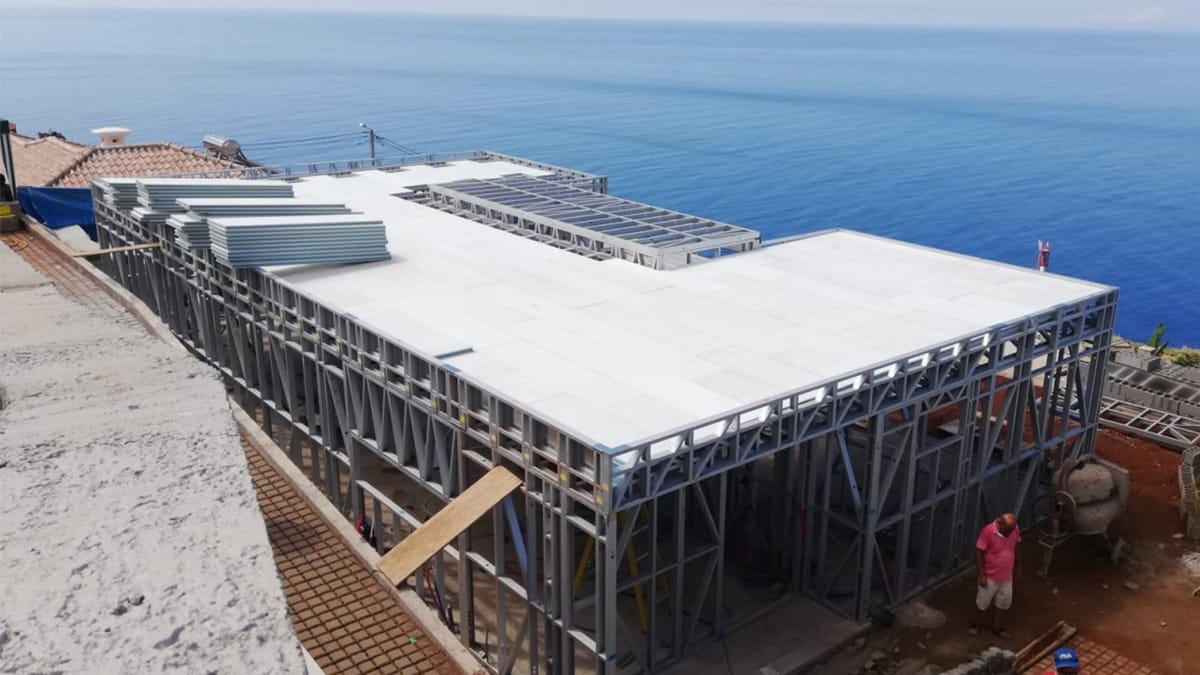 You want to pick the best subfloor for your project. This final comparison for modern construction needs helps you see what works. MgO board gives strong protection from water, fire, and mold. Plywood is good for easy jobs and costs less at first. Think about what your building needs before you choose.
Quick Decision Guide
Check this table to compare MgO board and plywood for your subfloor:
Criteria | MGO Board | Plywood |
|---|---|---|
Moisture Resistance | High moisture resistance | Moderate moisture resistance |
Fire Resistance | Non-combustible | Combustible |
Impact Resistance | Superior impact resistance | Moderate impact resistance |
Ease of Installation | Easy to install with right tools | Standard installation |
Environmental Friendliness | Eco-friendly, low energy use | Varies by type |
Cost | Higher initial cost | Lower initial cost |
Tip: Pick MgO board for wet, busy, or safe places. Choose plywood for dry, quiet, or cheap projects.
Pros and Cons Summary
Here are the main good and bad points for MgO board and plywood:
MGO Board Pros:
Resists fire, water, mold, and hard hits
Great for tough jobs and busy spaces
Good for the planet and indoor air
MGO Board Cons:
Heavier and needs special tools
Plywood Pros:
Light and simple to use
Cheaper for buying and putting in
Works well in dry rooms
Plywood Cons:
Does not stop fire, water, or bugs
Can swell, bend, or rot if it gets wet
Use MgO board if you want floors that last in wet or busy places. Plywood is best for easy, dry rooms when you want to save money. This final comparison for modern construction needs gives you a simple guide for your next job.
You now know mgo protects well from water, fire, and mold. Plywood is good in dry rooms and costs less at first. Always think about what your project needs before you pick. The table below shows how mgo and plywood compare for subfloors in 2025.
Feature | MgO Board | Plywood |
|---|---|---|
Initial Cost | Higher upfront costs | Moderate upfront costs |
Long-term Value | Excellent due to durability | Good, especially in humid areas |
Moisture Resistance | High, protects against water damage | Moderate, may require maintenance |
Fire Resistance | Excellent | Moderate |
Environmental Impact | Eco-friendly, lower carbon footprint | Moderate, depends on sourcing |
Check these things before you choose:
Think about how much water is in your space.
Look at what you need for fire safety.
Decide if you want eco-friendly materials.
Plan for long-term value, not just the price.
Ask a pro for help with big or hard jobs.
You can balance cost, strength, installation, and the planet. Mgo works best in wet, busy, or safe places. Plywood is better for dry, easy, or cheap projects.
FAQ
What tools do you need to cut MgO board?
You need a circular saw with a diamond-tipped or carbide blade. Always wear a mask and goggles. MgO board creates dust when you cut it. You should cut outside or in a well-ventilated area.
Can you install tile directly on MgO board?
Yes, you can install tile right on top of MgO board. The surface is flat and strong. Use a quality thin-set mortar for best results. Always follow the tile manufacturer’s instructions.
Is plywood safe for use in bathrooms?
Plywood is not the best choice for bathrooms. Water can make plywood swell or rot. You should use MgO board in wet areas. It resists water and mold much better.
How does MgO board help indoor air quality?
MgO board does not release harmful chemicals. You get cleaner air in your home. Plywood can give off VOCs from its glue. This can lower air quality, especially in closed spaces.
Which subfloor is better for heavy furniture?
MgO board supports heavy furniture well. It does not bend or break under weight. Plywood works for most furniture, but it may flex with very heavy loads. For extra strength, choose MgO board.