


28 Jan Magnesium Sulfate Subfloor vs OSB Subfloor for Modern Homes
Table of Contents
- 1 Key Takeaways
- 2 Magnesium Sulfate Subfloor vs OSB Subfloor Overview
- 3 Durability and Lifespan
- 4 Moisture Resistance
- 5 Fire Safety
- 6 Cost and Availability
- 7 Installation and Compatibility
- 8 Magnesium Sulfate Subfloor vs OSB Subfloor: Quick Comparison Table
- 9 Practical Recommendations for Homeowners
- 10 FAQ
- 10.1 What is the main difference between magnesium sulfate subfloor and OSB subfloor?
- 10.2 Can you install tile or hardwood over both subfloor types?
- 10.3 Is magnesium sulfate subfloor safe for people with allergies?
- 10.4 How do you maintain each subfloor type?
- 10.5 Which subfloor lasts longer in a basement?
When choosing a subfloor that can withstand daily wear, it’s important to compare magnesium sulfate subfloor vs OSB subfloor. The magnesium sulfate subfloor offers superior protection against water and fire, making it a strong choice for safety and durability. In contrast, OSB subfloor is more budget-friendly and easier to install, but it doesn’t match the strength, water resistance, or fire safety of magnesium sulfate subfloor. Consider your home’s specific needs and the issues you want to avoid when deciding between magnesium sulfate subfloor vs OSB subfloor.
Key Takeaways
Magnesium sulfate subfloor stops water and fire very well. It works great in wet or risky places.
OSB subfloor costs less and is simple to put in. But it does not work well in wet places because it can get damaged by water.
Pick magnesium sulfate subfloor if you want it to last long. It needs less fixing and stays strong for years.
If you want to save money and your space is dry, OSB is fine. But remember, it does not do well in places with lots of water.
Think about what your home needs. Talk to experts before you pick the best subfloor for your project.
Magnesium Sulfate Subfloor vs OSB Subfloor Overview
When you look at magnesium sulfate subfloor and osb subfloor, you notice they are very different. Each one has its own good and bad points. It is important to know what makes them different before you pick one. This part explains both subfloor types and tells you what to compare as you read more.
What Are Magnesium Sulfate Subfloors
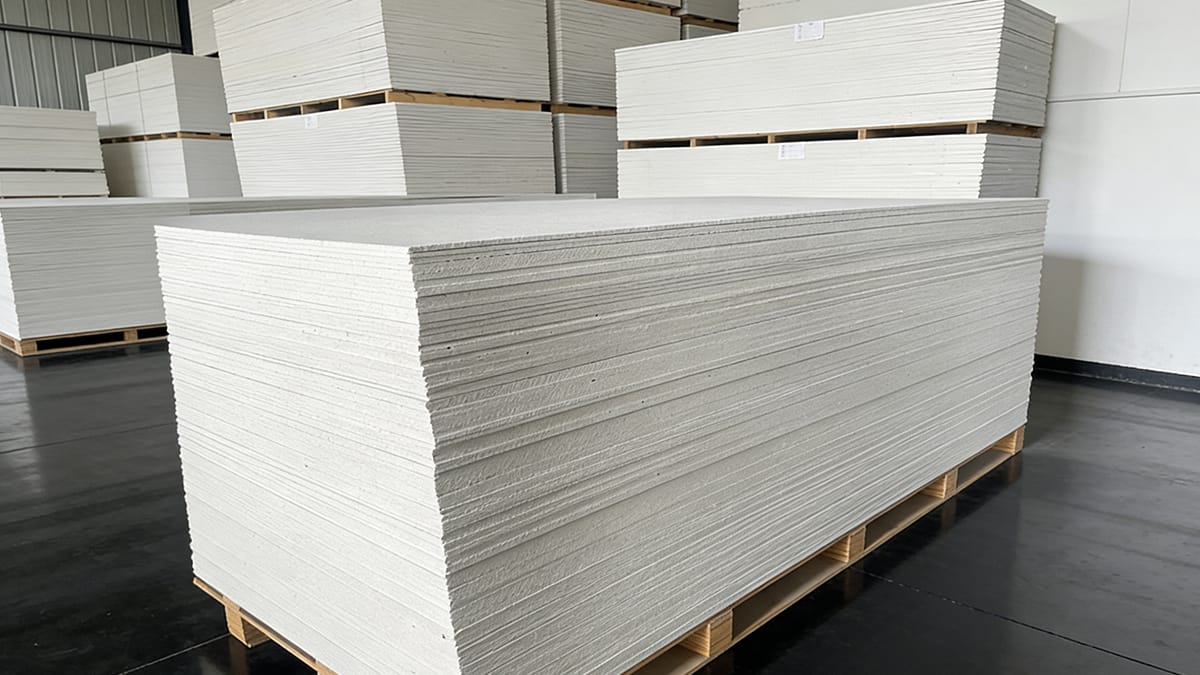
Magnesium sulfate subfloors use mgo boards as the main part. These boards are made with special science and smart design. They can handle water, fire, and lots of use. Making mgo boards takes a few steps and uses different things:
Magnesium sulfate helps hold everything together.
Wood dust or cellulose makes the board bend and feel better.
Perlite or vermiculite helps keep heat in and stops fire.
Glass fiber mesh is put inside for more strength.
People mix magnesium oxide and magnesium sulfate with water to make a paste. They add wood dust, perlite, or vermiculite to make the board work better. Glass fiber mesh is put in to make it strong. The mix goes into molds, gets pressed flat, and dries in special rooms.
Mgo boards are great at stopping fire and water. They are also good for the planet. These boards do not let out bad chemicals. They stop mold and mildew, so they are good for healthy homes. You can use mgo boards in wet places, basements, and where fire safety is important.
What Are OSB Subfloors
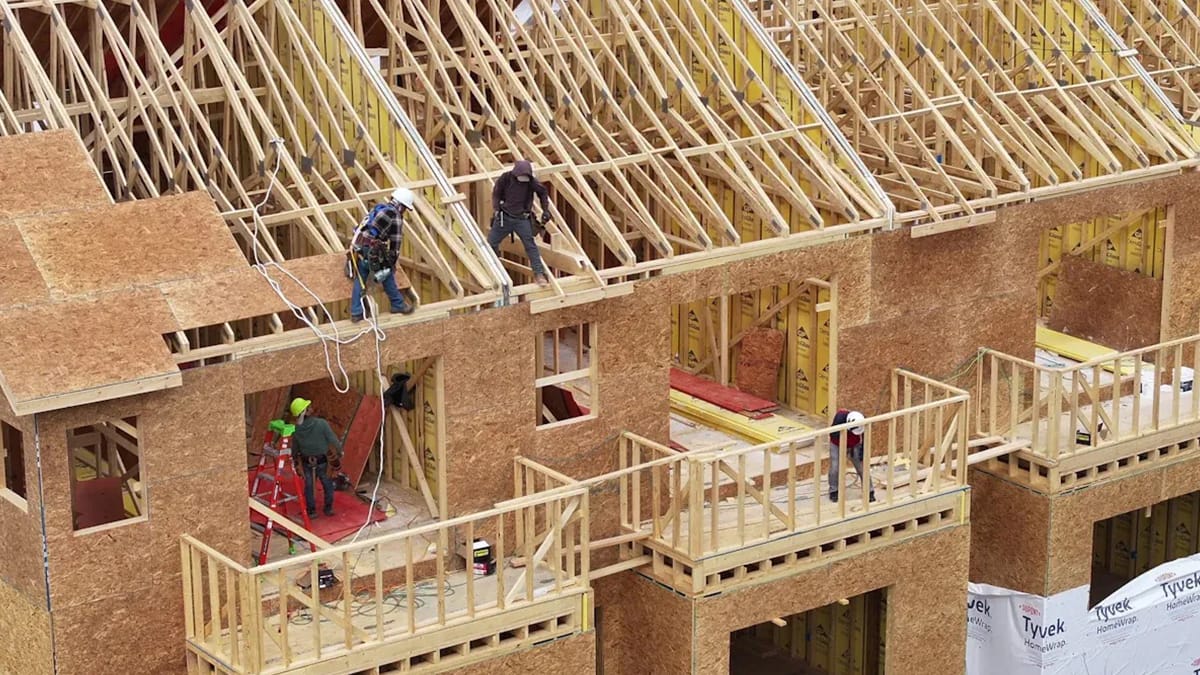
OSB means oriented strand board. This is a very common subfloor in North America. You see osb panels in new homes and when people fix old ones. Oriented strand board is made from wood strands from fast-growing trees like lodgepole pine and Southern Pine. Making osb takes a few steps:
Wood strands are dried until they have just a little water.
Binders like phenol formaldehyde or diphenylmethane diisocyanate stick the strands together.
Strands are lined up in layers to make the board stronger.
Fungicides are added to stop rot and bugs.
You get a subfloor that does not cost much and is easy to put in. Oriented strand board gives you a flat place for your floor. But osb does not do well with water. It can swell, bend, or break if it gets wet. You should not use osb in places that are damp or get wet a lot.
mgo boards vs osb: Material Differences
When you check mgo boards and osb, you see they are not the same. They act differently and have different strengths. The table below shows the main things to compare:
Feature | MgSO₄-MgO Boards | OSB Panels |
|---|---|---|
Fire Resistance | Flammable, contributes to flame spread | |
Moisture Resistance | Stable under wet-dry cycles, resists mold | Sensitive to moisture, may swell or warp |
Mechanical Strength | High flexural and compressive strength | Adequate in dry conditions, degrades when wet |
Weight | Lighter, averaging 12–13 kg per board | Lightweight but less durable in demanding areas |
Sustainability | Non-toxic, suitable for green certifications | Often bonded with formaldehyde, releases VOCs |
You also need to think about how much weight each board can hold and how dense they are. The next table shows how mgo boards and osb compare:
Property | MgO Board (MPa) | OSB (MPa) |
|---|---|---|
Compressive Strength | 10.3 to 17.2 | |
Flexural Strength | 14 to 22 | N/A |
Density Range (kg/m³) | 1200–1400 | N/A |
Sound and heat control are important for comfort and saving energy. Mgo boards and osb are different here too:
Material | Sound Insulation | Thermal Performance |
|---|---|---|
MgO Boards | Better due to fire and water resistance | |
OSB | Less effective | Less effective due to moisture sensitivity |
Tip: If you want a subfloor that fights fire, water, and mold, mgo boards are a good pick. If you want to save money and your room is dry, osb might work for you.
People who own homes say mgo boards and osb have different good and bad points:
Subfloor Type | Advantages | Disadvantages |
|---|---|---|
MgO | Higher cost, requires special installation tools | |
OSB | Affordable, provides a flat surface | Susceptible to moisture, can bend or crack under stress |
When you compare magnesium sulfate subfloor and osb subfloor, you see mgo boards are better with water, fire, and last longer. Oriented strand board costs less and is easier to put in. You should think about these things and what your home needs. The next parts of the blog will help you pick the best subfloor for your project.
Durability and Lifespan
 Long-Term Performance
 Long-Term Performance
Picking subflooring for your house is important. You want it to last a long time. Magnesium sulfate subfloor is very strong. It can handle lots of use. It stays steady for many years. This subfloor does not warp, swell, or crack easily. OSB subfloor works well in dry places. But it gets weak if it gets wet. Over time, OSB panels can show damage. This happens more in rooms with moisture. Magnesium sulfate subflooring lasts longer. It is a good choice for modern homes.
Maintenance Needs
You want a subfloor that is easy to care for. Magnesium sulfate subflooring needs little work. You just check it sometimes for damage. Keep the surface dry. OSB subfloor needs more care. You should look for swelling, mold, or soft spots. If you find problems, you may need to fix or change parts. Here is what you can expect:
Magnesium sulfate subfloor:
Stays steady with little effort
Repairs are rare
OSB subfloor:
Needs more checks for water damage
May need repairs if swelling or mold shows up
Needs extra care in wet rooms
Tip: If you want less work and more strength, magnesium sulfate subflooring is better.
Subfloor Replacement Cycle
How long your subfloor lasts matters. Magnesium sulfate subfloor can last for many years. You may never need to change it while you live there. OSB subfloor does not last as long. It wears out faster in wet rooms. You might need to replace OSB panels every 10 to 20 years. This depends on how they hold up. Picking magnesium sulfate subflooring means you get strong floors and worry less about replacing them.
Moisture Resistance
High-Moisture Area Suitability
You need subflooring that works well in wet places. Bathrooms and basements often get damp. Magnesium sulfate subfloor is very good at stopping water. This water resistant subfloor keeps water from getting through. It helps stop swelling, bending, and mold. OSB subfloor does not do as well with water. It soaks up moisture and can swell or break after getting wet. If you want waterproof subfloors for wet rooms, magnesium sulfate subflooring is the best pick. You can feel sure your subfloor will last and stay strong.
Mold and Mildew Protection
Mold and mildew can hurt your house and make you sick. You need subflooring that blocks water and stops mold from growing. Magnesium sulfate subfloor keeps out water and mold. OSB subfloor does not protect as much. It can hold water and let mold grow. The table below shows how each subfloor deals with water and mold:
Material | Mold and Mildew Resistance | |
|---|---|---|
Magnesium Sulfate (MgO) | Highly resistant; does not swell or warp | High |
OSB | Medium-High; can swell or degrade | Poor |
You can see magnesium sulfate subflooring controls water better. It helps keep your home healthy. Waterproof subfloors like MgO boards are best for damp places.
Water Damage Risks
Water can ruin your subfloor and cost a lot to fix. Magnesium sulfate subfloor stops water and does not crack or swell. OSB subfloor has more problems with water. It can soak up water and break down over time. You might see swelling, soft spots, or mold. Water resistant subfloor like MgO boards keeps your home safe from these issues. Waterproof subfloors help you avoid repairs and keep your floors safe.
Magnesium sulfate subfloor:
- Stops water
- Does not swell or crack
- Lowers mold risk
OSB subfloor:
- Soaks up water
- Swells and cracks in wet rooms
- More likely to get mold
You should choose water resistant subfloor for rooms that get wet. Magnesium sulfate subflooring gives you the best water protection and keeps your home safe for a long time.
Fire Safety
Fire Resistance Ratings
You want your home to stay safe if a fire starts. The type of subfloor you choose can make a big difference. Magnesium sulfate subflooring gives you strong protection against fire. These boards do not burn easily. They can last up to two hours when exposed to flames. OSB subfloor does not protect as well. OSB can catch fire and help flames spread. You should know how each material reacts to fire. The table below shows how common subfloor materials compare:
Material | Fire Resistance Rating |
|---|---|
Plywood | Low; ignites easily and burns quickly. |
OSB | Slightly better than plywood; flammable. |
MgO Board | Excellent; rated for up to 1–2 hours. |
Cement Board | Non-combustible; highest level of resistance. |
If you want the best fire safety, magnesium sulfate subflooring is a smart choice. You get peace of mind knowing your subfloor will not add fuel to a fire.
Tip: Always ask your builder about fire ratings before you pick a subfloor. This helps you make a safe decision for your family.
Building Code Compliance
Building codes help keep homes safe. You need to use subfloor materials that meet these rules. Magnesium sulfate subfloor passes strict fire tests like ASTM E119 and NFPA 285. These boards are classified as non-combustible by ASTM E-136. The 2024 International Building Code and Residential Code both accept magnesium sulfate boards for fire safety. They also have a Flame Spread Index of 0, which means fire does not move across the surface.
OSB subfloor does not always meet the same fire safety standards. Some types may not pass the tests needed for high fire resistance. You should check local codes before you use OSB in your home. Builders often recommend certified magnesium sulfate subflooring for areas where fire safety matters most.
Here is a quick look at how each subfloor meets fire safety rules:
Material | Fire Rating | Compliance Standards |
|---|---|---|
Magnesium Sulfate Boards | A1 | ASTM E84-24, EN 13501-1+A1:2010 |
OSB Subfloors | Varies | May not meet the same fire safety standards |
OSB subfloor may not meet all fire safety codes.
You should always choose subflooring that meets or exceeds fire safety standards. This keeps your home safer and helps you follow the law.
Cost and Availability
Material Costs
 Material Costs
When you plan your home project, you want to know the cost and availability of each subfloor. Magnesium sulfate subflooring uses MgO boards, which cost more than osb panels. You pay for extra durability and safety. The table below shows the average cost per square foot for both materials in 2024:
Material Type | Average Cost per Square Foot |
|---|---|
Magnesium Oxide (MgO) | $1.50 – $3.00 |
OSB | $0.50 – $1.00 |
You see that osb subfloor is more affordable. If you want to save money, osb gives you a lower upfront cost. Magnesium sulfate subfloor costs more, but you get better protection against water and fire. You should think about long-term value. MgO boards last longer and need fewer repairs, which can save you money over time.
Installation Expenses
You need to consider installation cost when you choose subflooring. Osb subfloor is easy to install. Most builders know how to work with osb panels. You pay less for labor and tools. Magnesium sulfate subfloor takes more skill and special tools. You may pay more for installation. The higher cost comes from the need for careful handling and extra steps. If you want a quick and affordable job, osb is the better choice. If you want a subfloor that lasts and protects your home, MgO boards are worth the extra cost.
Note: You should ask your builder for a full cost estimate before you decide. This helps you avoid surprises and plan your budget.
Market Availability
You want to find subfloor materials easily. Osb panels are common in North America and Europe. You can buy osb at most home stores. Magnesium sulfate subflooring is growing in popularity, especially in places with high moisture. You see more MgO boards in wet climates because they resist water better than osb. Both subfloor types have strong market presence. You can find them for most home projects.
MgO boards work well in high moisture areas, so you see more of them in those markets.
Osb subfloor is easy to find and buy for most homes.
Both materials offer benefits that affect their availability.
You should check local suppliers for cost and availability before you start your project. This helps you choose the best subfloor for your needs and budget.
Installation and Compatibility
Ease of Installation
You want subflooring that is easy to put in. How easy it is to install can change how fast you finish your floors. OSB panels are simple and quick to install. Most builders know how to use OSB. You can cut and attach OSB with basic tools. The panels hold nails and screws tightly. This saves you time and money because the steps are easy.
Magnesium sulfate subflooring takes more work. You need special tools and ways to install it. You must follow the maker’s rules to avoid mistakes. Some boards can soak up water if you do not seal them. You might need extra steps to protect the edges. This makes it harder to install than OSB. You get better fire and water safety, but you spend more time putting it in.
Here is a table that shows the good and bad points for each type:
Subfloor Type | Benefits | Drawbacks |
|---|---|---|
OSB | Strong, lower cost, holds fasteners well | Water damage, less durable, price changes |
MGO | Fire resistant, eco-friendly, stable in temperature | Can get water damage, needs special steps, soaks up moisture |
Tip: If you want a fast and easy job, OSB is better for installation. If you want more safety, magnesium sulfate subflooring is worth the extra work.
Flooring Compatibility
You need subflooring that works with many floor types. OSB panels can go under carpet, laminate, hardwood, and tile. You get a flat base for most floors. Magnesium sulfate subflooring also works with many floors. You can use it under tile, vinyl, and engineered wood. It gives strong support and keeps out water.
The table below shows how each material matches with common floors:
Material | Cost Effectiveness | Fire Resistance | Moisture Resistance |
|---|---|---|---|
OSB | High | Moderate | Low |
Plywood | Moderate to High | Moderate | Moderate |
Magnesium Oxide | Moderate | High | High |
You see that magnesium sulfate subflooring is better for fire and water safety. OSB costs less and works with many floors. You should pick the subflooring that fits your floor and safety needs.
Note: Always ask your flooring store if your subflooring works with your floor type.
Magnesium Sulfate Subfloor vs OSB Subfloor: Quick Comparison Table
 Feature-by-Feature Comparison
 Feature-by-Feature Comparison
You want to see the main differences between mgo boards vs osb in one place. The table below helps you compare the most important features. You can use this table to decide which subfloor works best for your home.
Feature | Magnesium Oxide Board | OSB |
|---|---|---|
Excellent | Poor | |
Durability | High | Moderate |
Installation | Moderate | Easy |
Cost | Moderate | Low |
Eco-friendliness | Very High | Moderate |
When you look at mgo boards vs osb, you see that magnesium oxide boards give you excellent moisture resistance. These boards do not swell or bend when wet. You get a subfloor that stays strong even in tough weather. OSB does not handle water well. It can swell, bend, or break if it gets wet.
You also want a subfloor that lasts. Mgo boards vs osb show a big difference in durability. Magnesium oxide boards stay strong for many years. OSB works well in dry rooms but may not last as long in damp places.
You may care about how easy it is to install your subfloor. OSB is simple to put in. Most builders know how to use it. Magnesium oxide boards need more care and special tools, so installation takes more time.
Cost matters for every project. OSB costs less and is easy to find. Magnesium oxide boards cost more, but you get better protection and longer life.
If you want an eco-friendly choice, magnesium oxide boards are the best. They are recyclable and help keep your home healthy by stopping mold and mildew.
Tip: Use this table to match your needs with the right subfloor. Think about where you will use it and what matters most for your home.
Practical Recommendations for Homeowners
Best Choice for Wet Areas
You want your basement to stay dry and safe. Moisture can cause big problems in a basement. When you compare magnesium sulfate subfloor vs osb subfloor, you see that one works much better in wet places. Magnesium sulfate subfloor does not soak up water. It keeps its shape and strength even when the basement gets damp. You can use this subfloor for waterproof basement flooring. It helps stop mold and mildew from growing.
OSB does not do well with moisture. If your basement gets wet, osb can swell and break. You may need to replace it often. For basement subflooring, you should pick magnesium sulfate subfloor. It gives you peace of mind and keeps your basement healthy. Many green building projects use this material because it lasts longer and helps the planet.
Tip: If you want the best waterproof basement flooring, choose magnesium sulfate subfloor. It is the top pick for wet basements and other damp rooms.
Best Choice for Fire Safety
Fire safety matters for every home. You want a subfloor that keeps your family safe. Magnesium sulfate subfloor vs osb subfloor shows a big difference in fire protection. Magnesium sulfate subfloor can resist fire for up to 3 hours. It can handle heat up to 800ºC. This subfloor does not burn or make toxic smoke. It keeps its shape and strength during a fire. You can see how it compares in the table below:
Feature | Description |
|---|---|
Fire Resistance Duration | MgO boards can resist fire for up to 3 hours. |
Heat Tolerance | They can handle heat up to 800ºC. |
Toxicity | These boards do not burn or give off toxic smoke. |
Structural Integrity | They maintain shape and strength under high heat. |
Fire Safety Standards | MgO boards meet strict fire safety standards. |
OSB does not give you the same fire safety. It can catch fire and help flames spread. If you want the best protection, use magnesium sulfate subfloor for your basement subflooring. This is also a smart choice for green building projects that need safe materials.
Note: Always check local fire codes. Magnesium sulfate subfloor meets the highest standards for fire safety.
Best Choice for Budget
You want to save money on your basement project. OSB costs less than magnesium sulfate subfloor. It is easy to find and install. Many people use osb for basement subflooring when they need to keep costs low. You can see the cost and benefits in the table below:
Subfloor Type | Average Cost per Sheet (USD) | Key Benefits | Drawbacks |
|---|---|---|---|
OSB | $50 – $77 | Affordable, strong, smooth | Absorbs water, takes longer to dry, not as good at holding nails |
MgO | Fireproof, does not absorb water, eco-friendly | Higher upfront cost, heavier, installation knowledge varies |
If your basement stays dry, osb can work for you. It gives you a flat surface for many floor types. If you want to spend less now, osb is the best choice. For green building projects, you may want to spend more for better safety and moisture control.
Tip: Ask your builder about total cost. Sometimes, paying more for magnesium sulfate subfloor saves money later because you avoid repairs.
Best Choice for Longevity
You want your basement subflooring to last a long time. Moisture can shorten the life of many materials. When you look at magnesium sulfate subfloor vs osb subfloor, you see that magnesium sulfate subfloor lasts longer. It does not break down in wet basements. It keeps working for many years. OSB can wear out faster if your basement gets damp. You may need to replace it more often.
Recent studies show how long each subfloor can last:
Subfloor Material | Moisture Resistance | Longevity Rating |
|---|---|---|
Exterior-grade plywood | High | Good |
Marine-grade plywood | Very High | Excellent |
Magnesium Oxide (MgO) | High | Excellent |
Magnesium sulfate subfloor is the best for longevity. It works well for waterproof basement flooring. You see this material in many green building projects because it lasts and protects your home. If you want to avoid repairs and keep your basement strong, pick magnesium sulfate subfloor.
Callout: For the best applications in basements, always choose a subfloor that fights moisture and lasts for years.
When you pick subflooring for your house, you should think about water, fire safety, price, and how long it lasts. Magnesium sulfate subfloor keeps out water and fire very well. OSB subfloor costs less and is simple to put in, but it does not last long if it gets wet. The table below helps you see how they are different:
Feature | Magnesium Sulfate Subfloor | OSB Subfloor |
|---|---|---|
Moisture Resistance | High | Moderate |
Fire Safety | Excellent | Poor |
Durability | Long-lasting | Swells faster |
If you want a subfloor that lasts and keeps your home safe, magnesium sulfate subfloor is the best pick. OSB is good for dry rooms and helps you save money. You should think about what your house needs and talk to an expert before you choose.
FAQ
What is the main difference between magnesium sulfate subfloor and OSB subfloor?
Magnesium sulfate subfloor stops water and fire better. OSB subfloor costs less money and goes in faster. Magnesium sulfate is best for wet or risky rooms. OSB works well in dry rooms and if you want to save money.
Can you install tile or hardwood over both subfloor types?
You can put tile or hardwood on both subfloors. Magnesium sulfate subfloor gives a strong, water-safe base. OSB works for most floors but can swell if it gets wet. Always check what your floor maker says before you start.
Is magnesium sulfate subfloor safe for people with allergies?
Yes, magnesium sulfate subfloor is safe for people with allergies. It does not let out bad chemicals or VOCs. This means the air in your house stays healthy. OSB might let out formaldehyde, which can bother some people.
How do you maintain each subfloor type?
Just look at magnesium sulfate subfloor sometimes for damage. You do not need to fix it much. OSB subfloor needs more checks for water or mold. You may have to change OSB panels if they get ruined.
Which subfloor lasts longer in a basement?
Magnesium sulfate subfloor lasts longer in basements. It fights water, mold, and mildew. OSB can swell or break if your basement gets wet. You get more years from magnesium sulfate subfloor.