


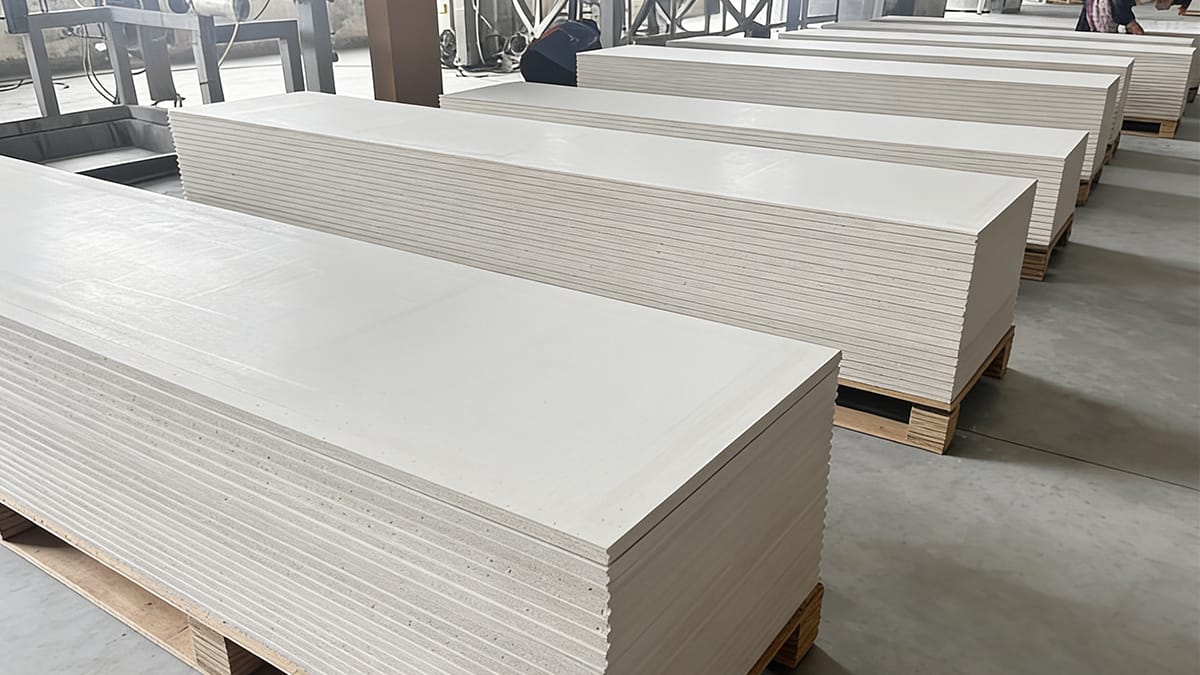
27 Feb Why Choose Non-Corrosive MgO Boards for Safer and Greener Buildings
Table of Contents
- 1 Key Takeaways
- 2 Magnesium Oxide (MgO) Boards: Composition
- 3 MgO Board Production and Environmental Impact
- 4 Fire Resistant and Moisture Resistant Features
- 5 Health and Safety of Magnesium Oxide Boards
- 6 Magnesium Oxide Board Applications
- 7 Comparing MgO Boards to Traditional Materials
- 8 Cost and Value of MgO Boards
- 9 Innovations and Certifications in MgO Boards
- 10 FAQ
You want buildings to be safe and good for the planet. Magnesium oxide (MgO) boards help you feel safe. These boards use a non-corrosive binder, so they do not rust or get damaged easily. They are also very strong against fire and water. For example, see the table below:
Attribute | Magnesium Oxide Board | Gypsum Board (Drywall) |
|---|---|---|
Fire Resistance | Lasts up to 4 hours, does not burn | Lasts 30–60 minutes, gets weak in fire |
Moisture Resistance | Very strong, does not swell or mold | Takes in water, can grow mold |
Because of these good things, magnesium oxide boards help you make buildings that are safe, last a long time, and are healthy.
Key Takeaways
Magnesium oxide boards do not rust. They last a long time and are safe to use in buildings.
These boards stop fire and water damage. They help keep your space safe.
MgO boards help the environment. They use less energy to make and can trap CO₂.
MgO boards are not poisonous. They make the air inside better. This is good for places like schools and hospitals.
Magnesium oxide boards cost more at first. But they save money later because you do not need many repairs or replacements.
Magnesium Oxide (MgO) Boards: Composition
Core Materials and Structure
To know what magnesium oxide boards are, look at what is inside. These boards have a mix of special things that make them strong and safe. The main part is magnesium oxide. It holds everything together. Other things are added to help the board work better and be safer. Here is a table that shows the main raw materials and how they stop corrosion:
Raw Material | Contribution to Non-Corrosiveness |
|---|---|
Magnesium Oxide (MgO) | Acts as the core binder, providing structural integrity and durability. |
Magnesium Chloride (MgCl₂) | Can pose corrosion risks if unreacted chloride ions remain. |
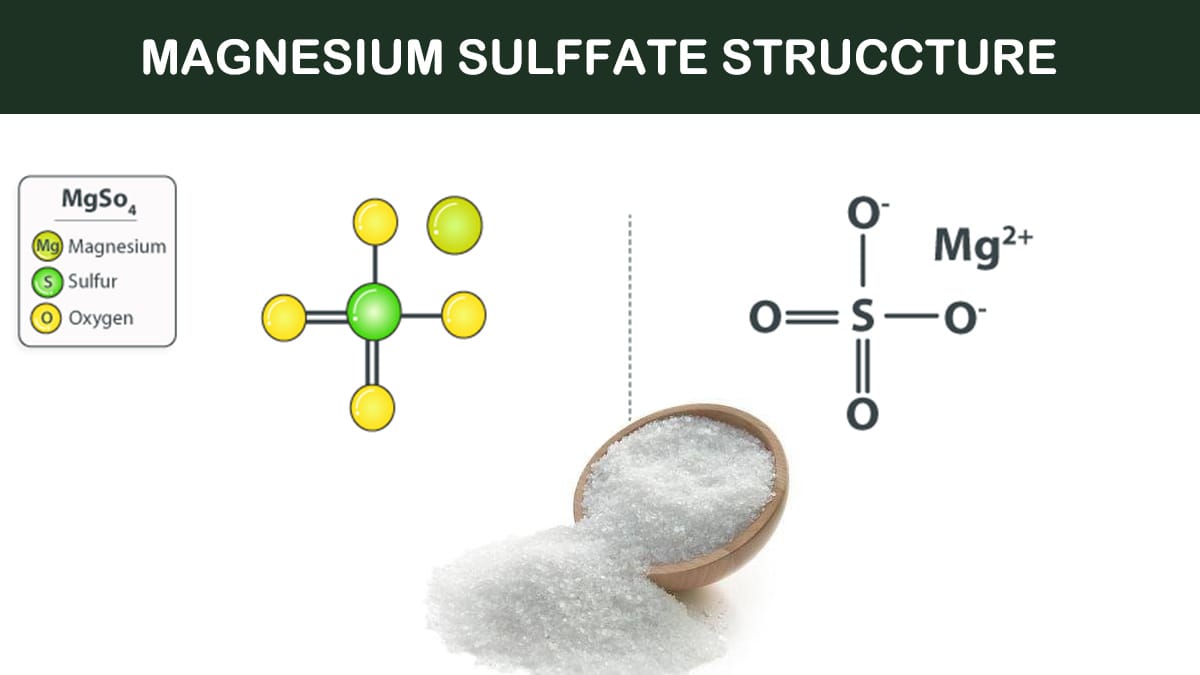
Magnesium Sulfate (MgSO₄) | Safer alternative to MgCl₂, prevents efflorescence and metal corrosion. |
Sawdust (Wood Fiber) | Enhances adhesive properties and overall performance of the board. |
Perlite | Improves fire resistance and insulation properties. |
You can see that magnesium sulfate is safer than magnesium chloride. It helps stop rust and keeps the board strong for many years.
Non-Corrosive Binder Innovation
New binder systems in magnesium oxide boards help you a lot. Many companies now use magnesium sulfate instead of magnesium chloride. This makes the boards safer and better. Magnesium sulfate does not make metal parts rust. It also stops white stains, called efflorescence, from showing up. You get a board that is easy to put in and lasts longer.
Magnesium sulfate is a binder with no chloride.
It gives great fire resistance and strong structure.
It stops corrosion and makes your building material safer.
Advanced MgO Formulations
There are new types of magnesium oxide boards for different jobs. Some boards have fibers to make them stronger. Some are light, so you can carry and use them easily. These new boards help you build walls, floors, and roofs that last a long time.
Advanced Formulation Type | Key Benefits | Applications |
|---|---|---|
Fiber-Reinforced Magnesium Oxide Boards | Improved mechanical strength, enhanced durability | Interior and exterior wall panels, flooring |
Lightweight Magnesium Oxide Boards | Easier handling, cost efficiency, fire resistance, sound insulation | Roofing, acoustic insulation, ceramic tile backers |
These boards work well in many building projects. They do not let in water or mold. They save energy and keep buildings quiet and comfortable.
MgO Board Production and Environmental Impact
 Low-Energy Manufacturing
 Low-Energy Manufacturing
When you pick magnesium oxide boards, you help the Earth. Making these boards uses less energy than other materials. The factories use lower heat to make them. For example, magnesium oxide boards are made with heat between 600 and 1300 °C. Gypsum boards need more heat, about 1400 °C. This means factories burn less fuel and make less pollution. Magnesium oxide boards are good for the environment. They are also strong against fire and water because of how they are made.
CO₂ Capture and Green Benefits
Magnesium oxide board factories help the air. They can trap carbon dioxide from the air. When they use magnesium oxychloride cement with phosphogypsum, each square meter traps about 0.29 kg of carbon dioxide. This helps lower greenhouse gases. It is good for the planet and helps stop climate change. These boards also keep out water and fire, so your building stays safe.
Tip: If you choose magnesium oxide boards, you help the planet and support green buildings.
Recycling and Disposal
You might wonder what happens when you are done with these boards. Magnesium oxide boards are easy to recycle. You can use them again in new boards or other things. If you throw them away, they break down safely. They do not hurt the environment. There are no bad chemicals, so your space stays healthy. These boards keep out water and mold, even after many years. You make a smart choice for safety and the environment.
Fire Resistant and Moisture Resistant Features
Certified Fire Performance
You want your building to stay safe during a fire. Magnesium oxide boards give you strong fire protection. These boards have top fire-resistant properties. They do not burn or give off smoke. You can trust them in places where safety matters most.
You get an A1 fire rating, which means the board does not catch fire and protects for up to 90 minutes.
These boards pass tough tests like ASTM E119, showing they can last 1 to 2 hours under heavy fire.
You see certifications such as CE, ISO, and INTERTEK, which prove the boards meet strict safety rules.
ICC-ES certification shows that magnesium oxide boards follow building codes and keep you safe from fire.
You can use these boards in schools, hospitals, and homes. They stay durable against fire and help protect people and property.
Water, Mold, and Pest Resistance
You also want your walls to stay dry and clean. Magnesium oxide boards do not soak up water like other materials. Their moisture absorption is very low, about 0.34%. This means you do not see swelling or damage after a leak or flood. In wet places, these boards stay mold-free for a long time. Air quality tests in buildings with water problems show that rooms with these boards remain healthy.
Material | Moisture Absorption | Mold Susceptibility |
|---|---|---|
Magnesium Oxide Board | Very low (~0.34%) | Low |
Gypsum Board | Higher (~3%) | High |
You do not have to worry about pests either. The chemical makeup of magnesium oxide boards keeps termites and other insects away. No wood means no food for bugs. You get a wall that is fire resistant, water safe, and pest-proof. This makes your building last longer and stay healthier.
Tip: Choose magnesium oxide (mgo) boards for fire-resistance and moisture control. You get peace of mind and a safer space.
Health and Safety of Magnesium Oxide Boards
Non-Toxic and Safe Indoors
You want everyone inside to be safe. Magnesium oxide boards help you do this. These boards do not let out bad chemicals into the air. There is no formaldehyde or asbestos in them. Tests show that these boards have very low VOCs. The amount is so small, it is hard to find. This makes them a good pick for hospitals, schools, and homes.
No formaldehyde or asbestos inside
Very low VOCs, good for sensitive places
Do not let out harmful chemicals
Note: You can use magnesium oxide boards where clean air is important.
Air Quality and Sensitivities
You care about the air your family breathes. Magnesium oxide boards help make indoor air better. These panels do not give off formaldehyde or crystalline silica. This helps people with asthma or allergies feel safe. You can trust these boards to keep air clean at home, work, or school. MagPanel® is safe and does not hurt the earth, even in landfills.
Feature | Magnesium Oxide Boards | Traditional Drywall |
|---|---|---|
Off-gassing of harmful substances | No | Yes |
Suitable for sensitive environments | Yes | Sometimes |
Landfill-friendly | Yes | No |
Safe Handling and Installation
You want to put up your boards safely and keep things tidy. Here are some easy steps for using magnesium oxide boards:
Carry boards on their side to keep edges safe.
Stack boards flat on wood or other supports, not on the ground.
Wear safety glasses and a dust mask when cutting or sanding.
Cut boards in a place with fresh air or use a dust vacuum.
Store boards flat on a strong surface so they do not bend.
Always wear gloves, safety glasses, and a dust mask.
Do not sweep dry dust; use water or a HEPA vacuum instead.
Tip: Safe handling keeps your project neat and protects your health.
Magnesium Oxide Board Applications
Interior and Exterior Uses
 Interior and Exterior Uses
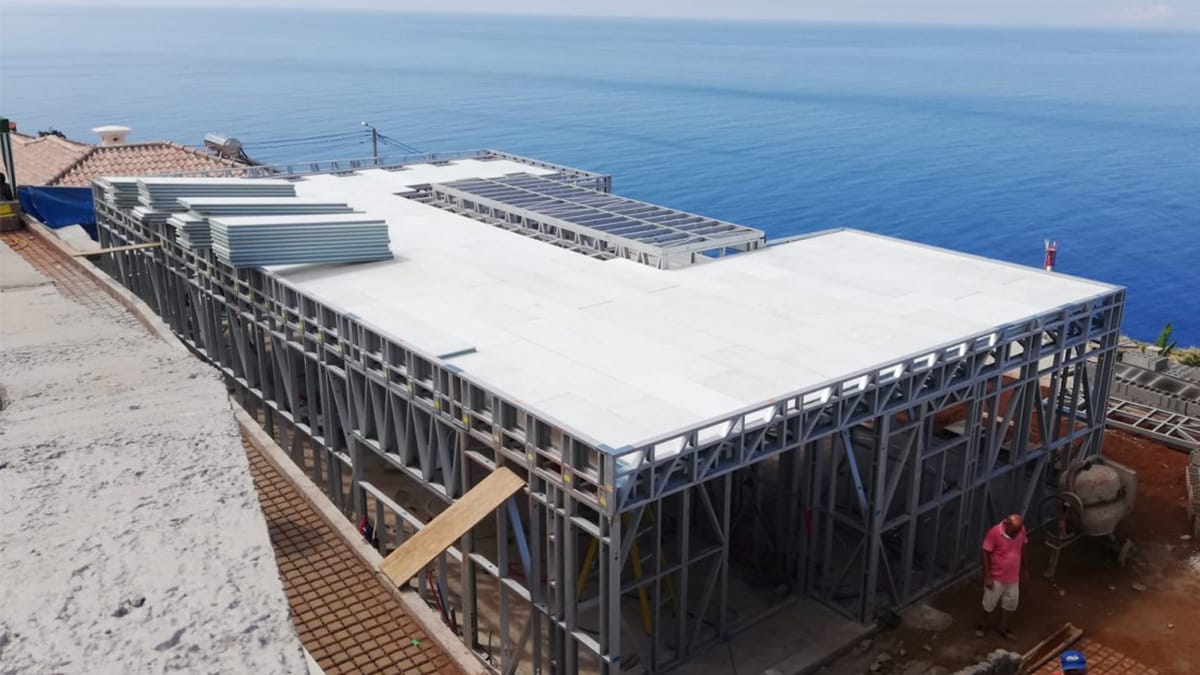
Magnesium oxide boards can be used in many places. You can use them inside or outside buildings. They work well in homes and businesses. Here are some ways you can use them:
Use them for indoor walls, even in wet rooms.
They are good for fixing up old spaces.
You can use them instead of drywall for strong walls.
They work for floors in busy places because they do not get damaged by water.
Use them for ceilings if you want a clean look.
They are strong for outside walls in any weather.
Use them for doors and walls that need to stop fire.
They make good roofs and floors that do not burn or get wet.
You can use them to make cool designs.
They are light, so you can use them for temporary buildings.
You have lots of choices when you use these boards.
Performance in Harsh Conditions
You want your building to last in bad weather. Magnesium oxide boards do not change shape in wet or cold places. They do not break or bend. Experts say these boards stay strong for years, even in hot and wet air. You will not see water damage, even after a long time. Your walls and floors stay safe and look nice in any weather.
Easy Installation
It is easy and quick to put in these boards. Magnesium oxide boards are lighter than cement boards. You can carry and lift them without much effort. You can cut them with normal tools. You do not need special tools. You can use screws or nails, and the boards do not break. This helps you finish your work faster and keeps things clean.
Tip: Always measure and mark before you cut. Wear safety gear to keep your eyes and hands safe.
You get smooth walls and strong rooms with less work. These things make magnesium oxide boards a smart pick for many building jobs.
Comparing MgO Boards to Traditional Materials
Corrosion and Durability
You want your building materials to last a long time. Magnesium oxide boards give you strong corrosion resistance. This means the boards do not rust or break down when they touch metal or get wet. You can use them in places where other boards might fail. Traditional drywall and cement boards can let water in and cause metal parts to rust. Over time, this can weaken your walls and floors. Magnesium oxide boards stay strong, even after many years of use. You do not have to worry about rust or damage from moisture.
Fire and Moisture Comparison
You need to keep your building safe from fire and water. Magnesium oxide boards perform much better than traditional boards in fire tests. Here is how they compare:
Magnesium oxide boards can withstand fire for up to 4 hours.
Gypsum boards last only 30 to 60 minutes in fire.
Magnesium oxide boards keep their shape at temperatures as high as 1200°C.
Gypsum boards get weak and break down when they dry out in heat.
Cement boards need extra fireproofing to match the fire resistance of magnesium oxide boards.
Magnesium oxide boards do not burn and make less smoke or harmful gases.
When it comes to moisture, magnesium oxide boards absorb very little water. They have a moisture absorption rate of about 0.34%. Drywall and plywood take in more water and can swell or grow mold. Even if magnesium oxide boards absorb some moisture, they release it naturally and keep their strength. You can see the difference in this table:
Property / Material | Magnesium Oxide (MgO) Board | Plywood | Drywall (Gypsum Panels) |
|---|---|---|---|
Moisture Absorption | 0.34% | Higher | Higher |
You get a board that stays strong and safe, even after getting wet.
Weight, Space, and Acoustic Benefits
You want materials that are easy to handle and help you save space. Magnesium oxide boards weigh about 30 pounds and can go up to 100 pounds, depending on the size. The weight is similar to traditional drywall. Here is a quick look:
Material | Thickness (inches) | Weight (psf) |
|---|---|---|
MgO Board | 0.5 | 1.5 to 2.0 |
Traditional Drywall | 0.5 | 1.6 to 2.2 |
You can use magnesium oxide boards in the same way as drywall. They do not take up extra space. You can cut and install them with regular tools. These boards also help reduce noise between rooms. They give you moderate sound insulation, making your space quieter and more comfortable. If you need more sound control, you can add special insulation.
Environmental and Health Advantages
You care about your health and the planet. Magnesium oxide boards do not have asbestos or harmful chemicals. They give off almost no volatile organic compounds (VOCs), so the air inside your building stays clean. This is important for hospitals, schools, and homes. You do not have to worry about formaldehyde or other toxins. Studies show that magnesium oxide boards have good bending strength and handle water well. They stay strong after being soaked or frozen and thawed many times. You get a safe, healthy, and durable choice for your building.
Tip: Choose materials that protect your health and the environment. Magnesium oxide boards help you build safer and greener spaces.
Cost and Value of MgO Boards
Upfront vs. Long-Term Costs
 Upfront vs. Long-Term Costs
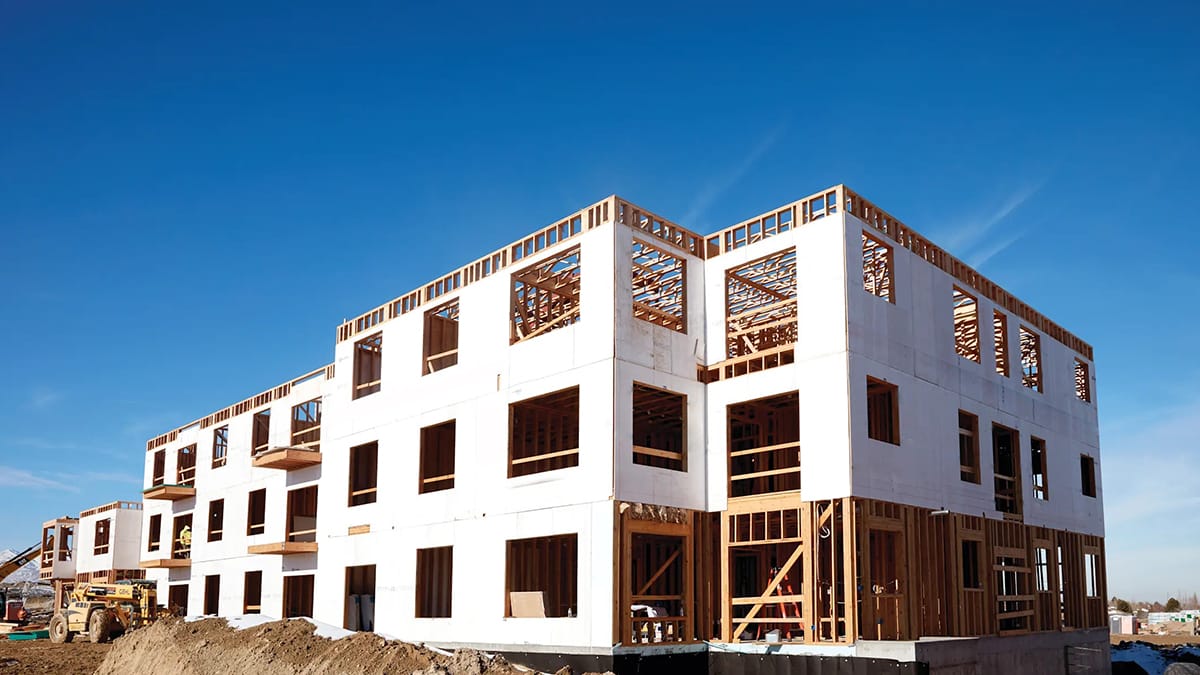
You may notice that the price of magnesium oxide boards is higher than regular drywall. The table below shows the average cost per square foot:
Board Type | Cost per Square Foot |
|---|---|
MgO Board | $1.50 – $3.50 |
Gypsum Board | $0.30 – $0.70 |
You pay more at first, but you save money over time. Here is why:
You spend less on repairs because these boards resist fire, water, and mold.
You do not need to replace them as often as traditional drywall.
You avoid extra costs from damage after leaks or fires.
Tip: A higher upfront cost can mean lower bills for repairs and replacements in the future.
Market Trends and Availability
You see more builders choosing magnesium oxide boards every year. The market is growing because people want safer and greener buildings. Companies like USG Corporation, Knauf Insulation, and Saint-Gobain are making new products and building more factories. They use smart technology to make boards faster and with less waste. In Asia-Pacific, these boards are very popular because cities are growing quickly. In North America, you find them in many stores as more people remodel homes and build new ones. Builders like these boards because they are easy to get and help meet green building goals.
Investment Justification
You want your building project to be a smart investment. Magnesium oxide boards cost more at first, but they last longer and need less care. Their fire resistance and moisture-proof features protect your building and save you money on repairs. You also save on energy bills because these boards help keep rooms warm or cool. Over time, you get more value for your money and a safer, healthier space.
Note: Choosing quality materials now can lead to big savings and peace of mind later.
Innovations and Certifications in MgO Boards
Non-Corrosive Product Advances
There are new magnesium oxide boards that work even better now. Companies make these boards in different thicknesses for many uses. You can choose the right one for walls, floors, or ceilings. These boards use both natural and recycled materials. They mix active magnesium oxide with magnesium chloride. They also add glass fiber mesh that does not break down in chemicals. Plant fibers and perlite help make the boards safer from fire. These things make the boards strong and safe to use.
Tip: Pick boards with these new mixes if you want better fire safety and less chance of rust.
Here is a table that shows what is inside these new boards:
Feature | Description |
|---|---|
Material Composition | Natural and recycled parts, active magnesium oxide, magnesium chloride |
Additional Components | Glass fiber mesh, plant fibers, perlite for fire safety |
Environmental Impact | Non-toxic, no formaldehyde, good for green building projects |
Industry Standards
You want to be sure your building materials are safe. The newest magnesium oxide boards have important safety labels. The ICC-ES Evaluation Services Report shows these boards pass tough corrosion tests. You can trust these boards to last a long time and protect metal inside your walls.
These boards pass new tests for corrosion.
They meet building rules in many countries.
You will see labels like CE, ISO, and ICC-ES on the box.
Note: Always look for these labels before you buy. They mean the boards are tested and safe.
Future Trends
You will see even better boards soon. Companies are working to make boards lighter and stronger. They want to use more recycled materials to help the earth. Some boards will work better in wet or salty places. Builders want panels that are easy to put in and last for years.
There will be more types of panels for special jobs.
Boards will help buildings save energy and stay healthy.
Safety rules will get even tougher to keep you safe.
Callout: Look for new boards each year that make your building safer and greener.
You want a building that is safe, strong, and good for the planet. Magnesium oxide boards give you non-corrosive innovation, top fire and moisture resistance, and better health safety. You also help the environment and save money over time.
Choose certified MgO boards for your next project.
Build smarter and greener.
Want to learn more? Talk to a building expert or research MgO boards before you start your next build.
FAQ
What makes MgO boards non-corrosive?
You get non-corrosive MgO boards because they use magnesium sulfate instead of magnesium chloride. This stops rust and protects metal parts in your building. You do not see white stains or damage from moisture.
Can you use MgO boards in wet areas like bathrooms?
Yes, you can use MgO boards in bathrooms and kitchens. These boards resist water and mold. You do not have to worry about swelling or damage after leaks or spills.
Are MgO boards safe for people with allergies?
MgO boards do not release harmful chemicals or dust. You get clean air inside your home. People with asthma or allergies feel safer because these boards have very low VOCs.
How do you cut and install MgO boards?
You can cut MgO boards with regular tools like a utility knife or saw. Always wear safety glasses and a dust mask. You can use screws or nails to attach the boards to walls or ceilings.
Do MgO boards cost more than drywall?
MgO boards cost more at first. You save money over time because they last longer and need fewer repairs. You also avoid costs from water or fire damage.