Author: sulfycor

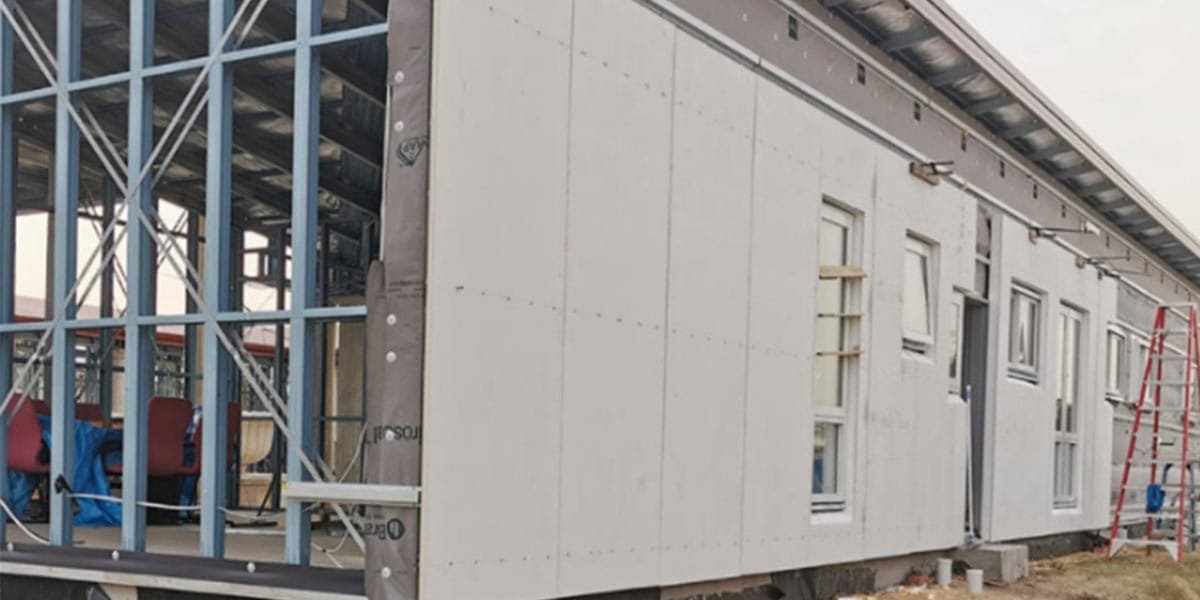
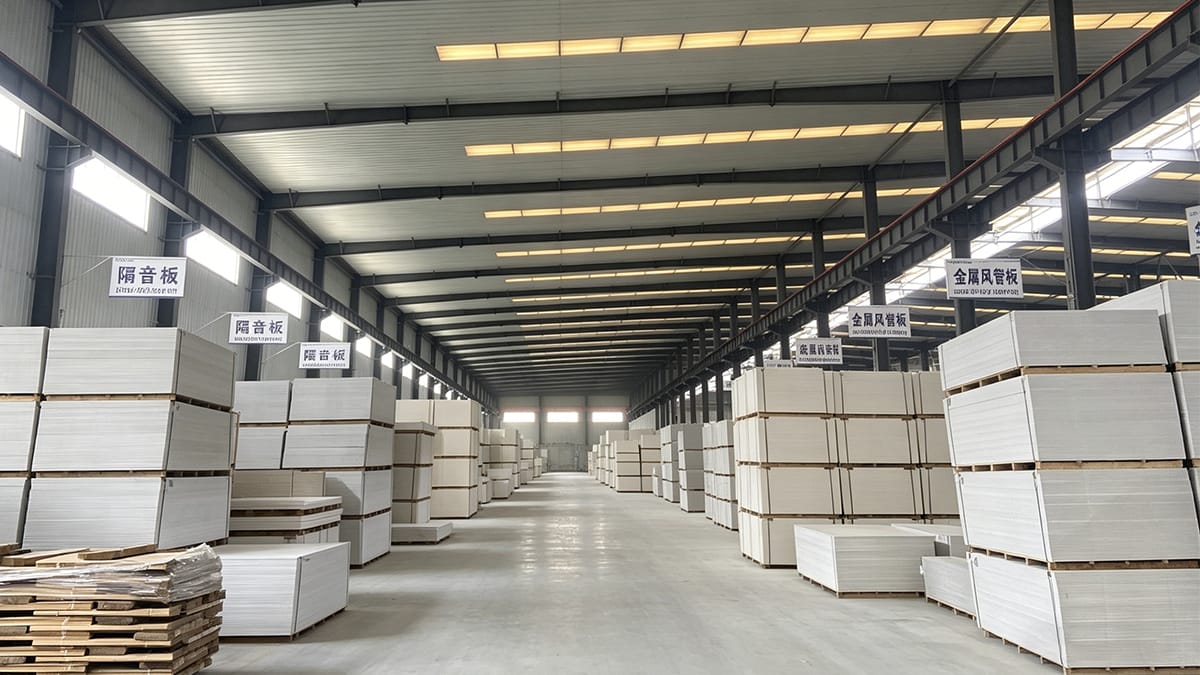
Every construction material has pros and cons, and MgO boards (Mgo Panels) are no different! Disadvantages do not necessarily mean that the material is bad. They just have a specific application! Let's see what the downsides of MgO boards are!Exploring MgO Board DrawbacksMgO boards' disadvantages include their cost, installation, limited availability, and moisture sensitivity. Other common drawbacks are potential brittleness, aesthetic challenges, and weaker nail-holding power. Let's check those out!MgO Boards are a bit PriceyMgO boards are known for their high performance and durability. But, these qualities come at a higher price than traditional materials, like plywood. MgO boards are a product of an advanced manufacturing process. They are also made with high-quality materials, which contribute to their cost. If you are operating on a...
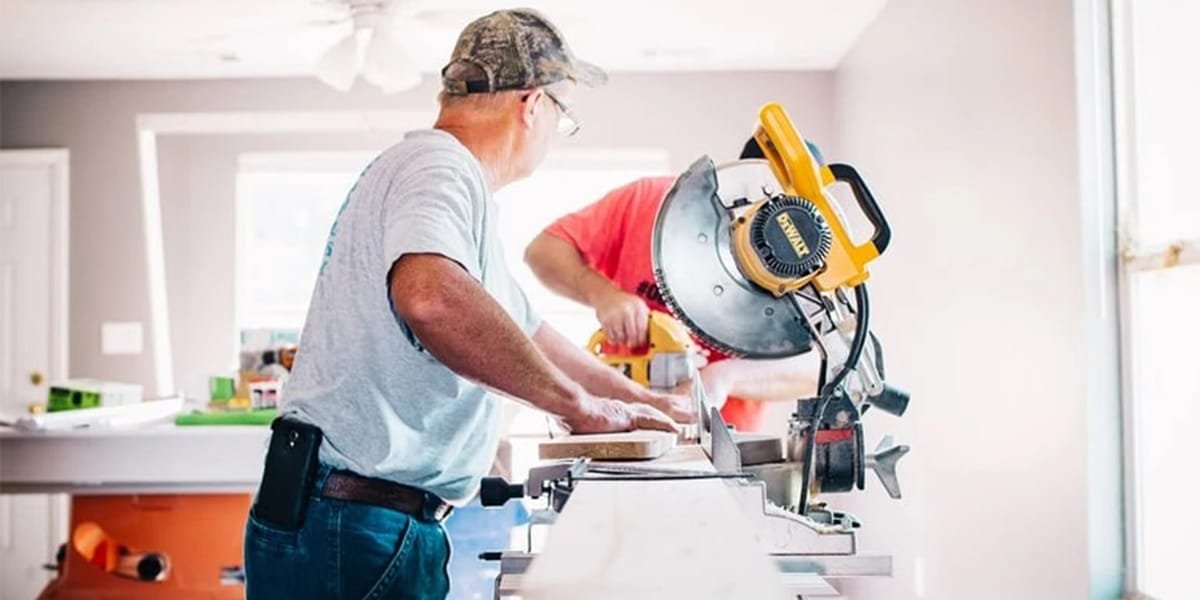
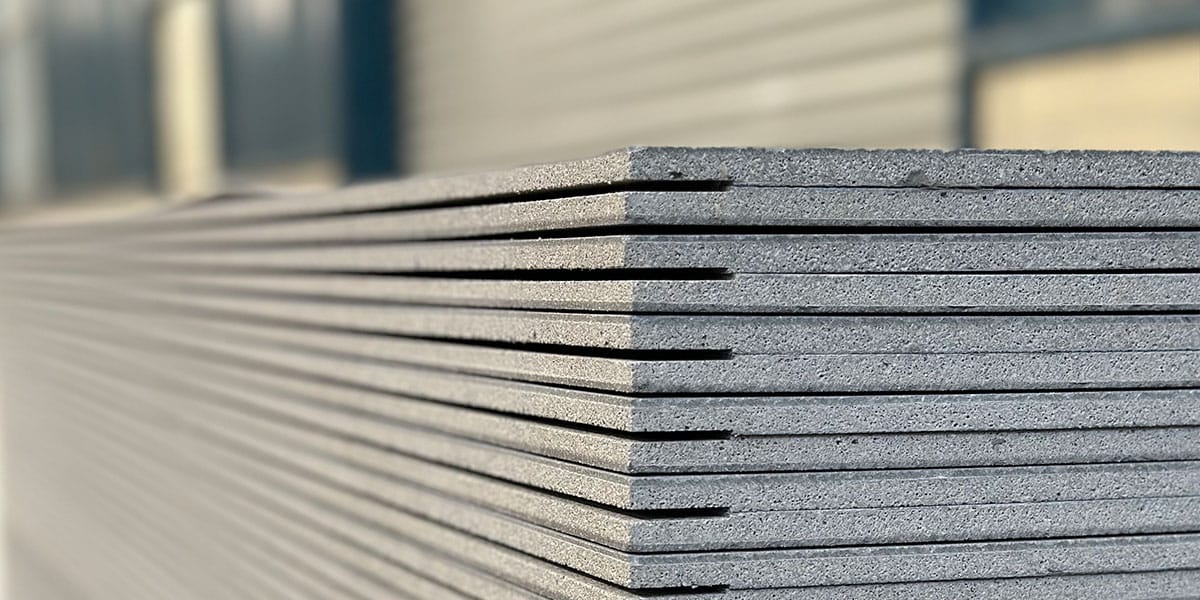
Did you recently buy magnesium oxide boards for a project and want to know how to cut them? Or maybe you plan to acquire MgO bards and what to self-inform in advance? Either way, you have landed at the right place! Buckle up! I will explain everything you need to know about cutting MgO boards!MgO Board Cutting Guide: Tools and TechniquesTo cut magnesium oxide boards, use a circular saw with a thin carbide blade for clean and precise cuts. Ensure you wear safety goggles, gloves, and a dust mask to protect yourself from dust particles.Circular SawAnyone who has dealt with MgO boards will tell you that the best way to cut them is using a circular saw with a thin carbide blade. In other words,...

Do you care about indoor air quality? Are you looking for breathable materials for your home, office, or industrial space? If you answered yes, then you're in the right place! Today, we'll explore the importance of magnesium oxide boards' breathable feature!Can MgO Boards Breathe? Unveiling the Walls' Hidden TalentYes, most MgO boards are breathable. This means they let moisture pass through but not liquid water. The level of breathability can vary depending on the type of MgO board. Breathability is important because it prevents moisture from building up inside walls and ceilings.MgO Boards Prevent Moisture AccumulationBreathable materials let moisture escape from inside the building. That way, it does not create condensation on the walls and ceilings. This helps stop mold, wood rot, and other moisture-related...

Have you ever wondered what the MgO board is made from? Most people know that the abbreviation MgO stands for magnesium oxide. However, that is not the only raw material used to make these boards! Today, I'll give you all the information needed on raw materials for the MgO board, plus more!Raw Materials behind MgO BoardsThe raw materials for MgO boards include magnesium oxide, fillers, and bonding agents. Common fillers are perlite, vermiculite, wood fibers, and fiberglass mesh. Bonding agents can be magnesium sulfate or magnesium chloride.Magnesium OxideMagnesium oxide is the basic or primary component of MgO boards, but you already know that! It is a naturally occurring compound from magnesium-rich minerals such as magnesite (MgCO3). Magnesium oxide can also be obtained through the extraction...

MgO boards are made of Magnesium oxide and Magnesium chloride or magnesium sulfate(MgSO4) along with Perlite and additives. These substituents give MgO boards strength, durability, and make them a top building material.This blog will delve into the composition and manufacturing process of MgO boards. So, let’s get into the topic.MgO Boards- In a Nutshell MgO boards, the name we hear more often, are sleek and durable building materials. They are fiberglass, which is becoming a popular substitute for Portland cement. Both interior and exterior building construction use sheathing boards, such as MgO boards.Unlike traditional gypsum boards, MgO boards are impervious to moisture damage. This makes them ideal for areas with high relative humidity or wetness. They are also environmentally friendly and support sustainable building methods.MgO boards are...

MgO boards are generally safe. They are non-toxic and fire and mold-resistant, making them a reliable choice for construction sites. However, proper installation and handling are crucial to ensure safety....

Choosing an innovative and sustainable alternative always seems scary, doesn’t it? What if the material is not good? What if it has a high cost but little efficiency? Well, we've got you covered, as change always sounds scary. MgO boards are sustainable yet the most vital building material. Their unique properties make them withstand extreme temperatures and bear heavy loads without breaking. Research showed that raw materials used for the manufacturing process of MgO boards have extra benefits in addition to being environmentally friendly. This blog post will provide detailed guidelines on whether MgO boards are structural or not. So, without further ado, let’s get into the topic. MgO Boards: A Quick OverviewMgO boards have become popular in the construction industry. But what is the material? These are...

Is Magnesium Oxide Board Flammable?The straight-up answer is NO! MgO boards are one of the hardest and sturdiest materials out there! They contain magnesium oxide or, in other words, mineral cement. Like any other type of mineral, magnesium oxide does not burn....

Construction projects are now easier with the newly inducted boards. However, the variety of boards available in the market needs to be clarified for customers about which one is the best. Having spent more than 8 years in this field, I am about to share the most unexpected insights here. Gypsum board is softer and more easily cut due to its lower hardness and bending strength, and it is also typically more affordable in price. MgO board, also known as magnesium oxide board, offers superior performance in terms of fire resistance, waterproofing, and bending strength, but it is more expensive. When it comes to on-site installation and there is a need for cutting the material, working with an MgO board can be more complicated. Though the Magnesium...

Looking for an affordable yet classic alternative to cement? The non-insulating board serves this purpose and is environmentally friendly. The variety of options puts your decision-making power to the test. Isn’t it?  From my experience, I will share some valuable insights. Magnesium Oxide board is a non-insulating glass fiber material with low density, making it strong yet lightweight. On the other hand, the Calcium Silicate board has shorter fibers, making it very strong. However, it’s heavy. Besides that, MgO boards can protect you from loud sound as they have sound-absorbing material. These fire-resistant boards give an interior a grand look. I will compare every aspect of both boards so you can make an informed decision. So, without further ado, let's get into the topic. Magnesium and Calcium Silicate Boards:...