


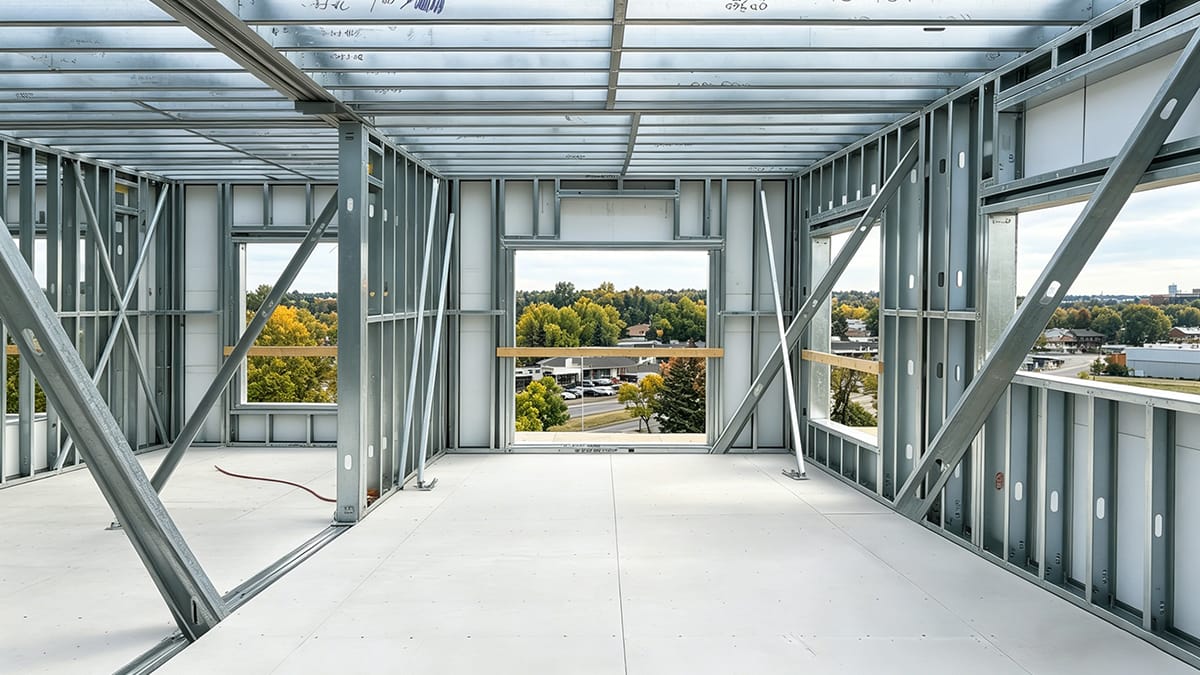
07 May MgO Boards vs Traditional Interior Sheathing Materials Which Performs Better
You want your building to be safe and worth the money. MgO Boards for Interior Sheathing usually protect better than most other materials. They resist fire, moisture, and damage more than plywood and others. MgO boards can handle heat over 1200°F. They can last more than 50 years. Plywood and other materials do not do as well in these ways.
Material | Fire Resistance | Moisture Resistance | Structural Strength | Durability |
|---|---|---|---|---|
MgO Board | Class A, >1200°F | Excellent, resists mold and rot | 12-25 MPa | Over 50 years |
Plywood | Burns, warps, releases toxins | Poor, susceptible to mold | 3-45 MPa | Shorter lifespan |
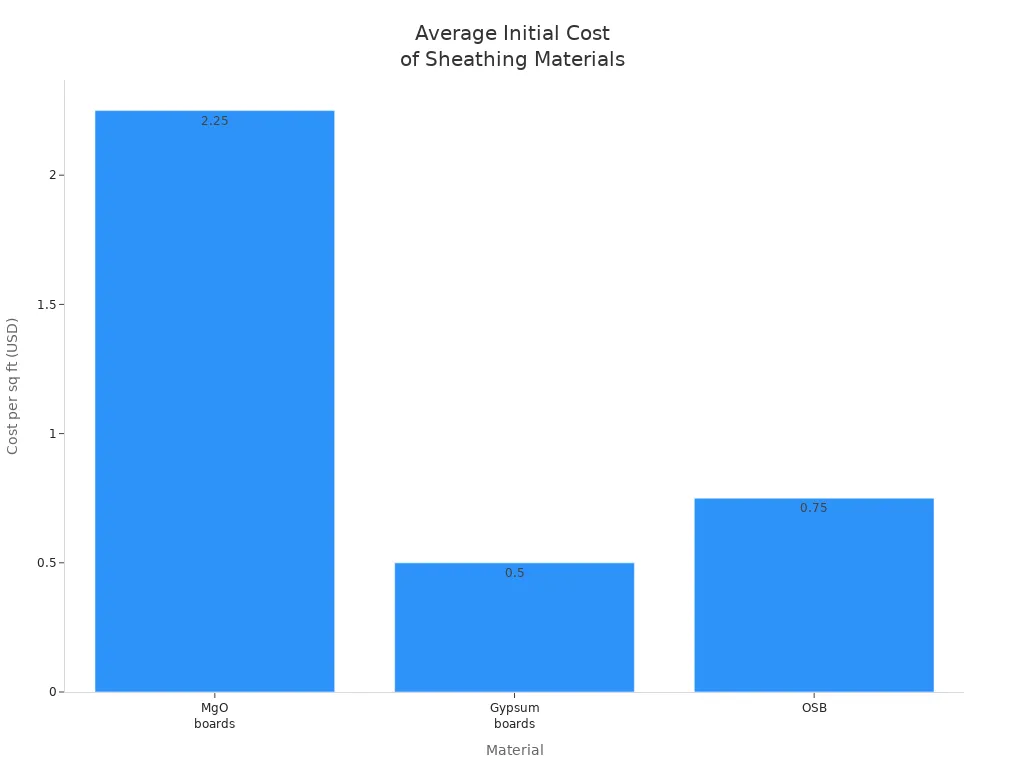
MgO boards cost more at first. The chart below shows the price difference for each material.
When you pick interior sheathing, check fire resistance and moisture resistance. Look at strength, durability, environmental impact, cost, and installation. Think about what your project needs and your budget before you choose.
Key Takeaways
MgO boards protect better from fire and water than other materials. They are strong and can last more than 50 years. This means you do not need to fix them often. MgO boards cost more at first, but you save money later because you do not need much maintenance. It is fast and simple to install MgO boards. This makes them a good choice for many projects. Plywood and OSB cost less, but they are not as safe or long-lasting.
Quick Comparison of MgO Boards and Traditional Sheathing
Performance Table
The table below shows how MgO boards and other sheathing materials are different. It compares things like fire resistance, moisture resistance, strength, durability, environmental impact, cost, and how easy they are to install.
Material | Fire Resistance | Moisture Resistance | Structural Strength | Durability | Environmental Impact | Cost | Installation |
|---|---|---|---|---|---|---|---|
MgO Board | Class A, >1200°F | Excellent, resists mold and rot | High (12-25 MPa) | Over 50 years | Low carbon footprint | Higher | Lightweight, easy to cut, quick install |
Gypsum Board | Good, but burns | Moderate, can absorb water | Moderate | 20-30 years | Recyclable | Low | Easy, standard tools |
OSB | Poor, burns easily | Poor, absorbs moisture | High | 20-30 years | Moderate | Low | Heavy, longer install time |
Fiberboard | Poor, burns easily | Poor, absorbs moisture | Low | 10-20 years | Moderate | Low | Easy, but less durable |
Fiber Cement | Excellent, non-combustible | Good, resists moisture | High | Over 40 years | Moderate | Higher | Heavy, slow install |
Tip: MgO boards are not heavy. They are easier to move than fiber cement. You can cut MgO boards with simple tools. You need special fasteners for them. But you finish the job faster. OSB and fiber cement are heavier. They take more time to put in.
Key Takeaways
MgO boards protect best from fire and water.
They are strong and last a long time.
They cost more at first, but you save on work and repairs.
You can put in MgO boards quickly because they are light and easy to cut.
OSB and gypsum cost less, but do not last as long or protect as well.
Fiber cement stops fire and water, but takes more time and work to install.
MgO boards are best when you want safety, strength, and speed.
If you want a material that keeps your building safe and saves time, MgO boards are a great choice. Think about your budget and what your project needs before you decide.
Fire Resistance of Interior Sheathing
 MgO Boards Fire Performance
 MgO Boards Fire Performance
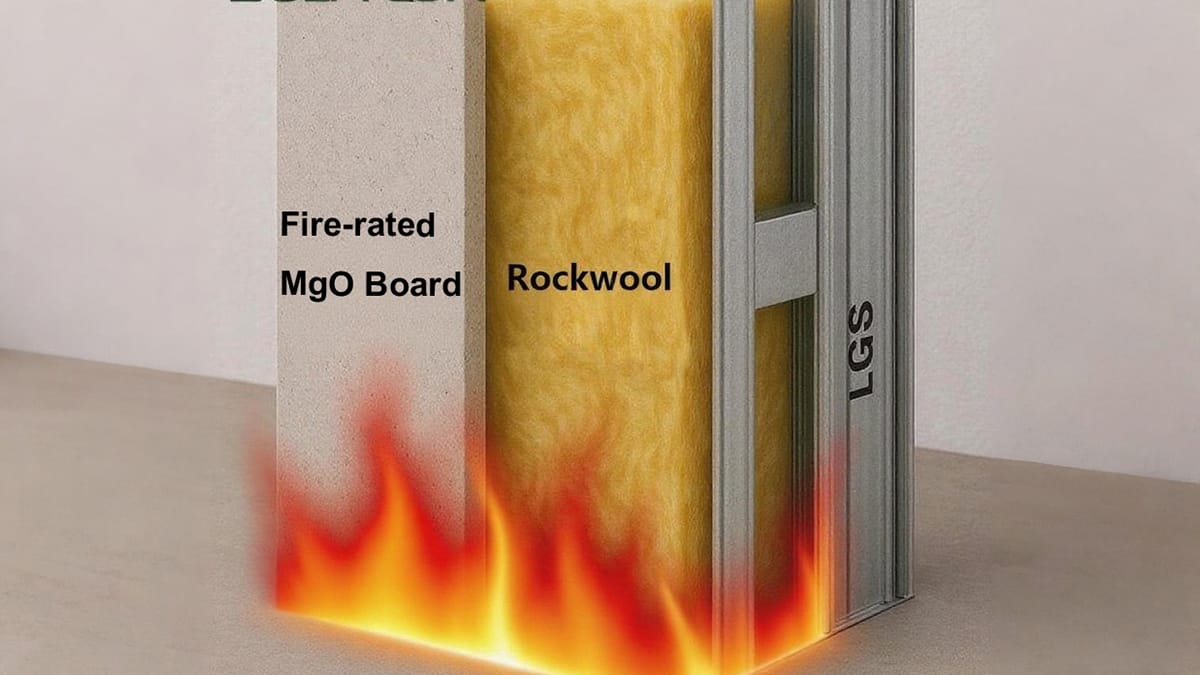
You want your building to stay safe during a fire. Magnesium oxide boards give you some of the best fire resistance and safety you can find for interior sheathing. These boards do not burn. They can handle very high heat, even up to 1,382°F (750°C) for over 30 minutes. Some magnesium oxide boards have a melting point as high as 2,800°C. This means they will not melt or break down in most fires.
You can see how magnesium oxide boards compare to other materials in fire tests:
Test Type | MgO Board Performance | OSB Performance |
|---|---|---|
Fire Rating | A1 (highest possible) | Needs chemical treatments for Class A |
Temperature Stability | Up to 1,382°F (750°C) for over 30 minutes | N/A |
Melting Point | Up to 2,800°C | N/A |
ASTM E84 | Zero flame spread and smoke indices | Flame spread indices below 25 with treatments |
ASTM E119 | 1-hour and 2-hour ratings without extra layers | Needs more protection for same ratings |
Magnesium oxide boards do not just resist fire. They also stop flames from spreading. You get zero flame and smoke spread in important tests like ASTM E84. You do not need extra layers or special coatings to reach a 1-hour or 2-hour fire rating. This makes magnesium oxide boards a top choice for fireproof properties in homes, schools, and offices.
Note: Magnesium oxide boards have zero combustibility. They do not add fuel to a fire. You can trust them to protect your building and give you more time to get out safely.
Gypsum Board Fire Resistance
Gypsum board is a common choice for walls and ceilings. You may know it as drywall. Gypsum board gives you good fire resistance, but not as much as magnesium oxide boards. Most gypsum boards can last from 30 minutes to 1 hour in a fire. Some special types can last up to four hours.
Gypsum board slows down flames.
It does not burn right away.
It helps keep fire from spreading fast.
You can see how gypsum board compares in fire tests:
Material | Fire Resistance Rating | Notes |
|---|---|---|
Gypsum Sheathing | At least one hour, up to four hours | Resists burning, slows flame spread |
Magnesium Oxide | Very tough, does not burn easily |
Gypsum board works well for most homes and offices. You can use it for walls that need basic fire resistance and safety. If you want the highest level of fireproof properties, you should look at magnesium oxide boards.
OSB and Fiberboard Fire Resistance
You may think about using OSB (oriented strand board) or fiberboard for sheathing. These materials do not give you strong fire resistance. OSB and fiberboard can burn quickly. They do not have the same fireproof properties as magnesium oxide boards or even gypsum board.
Features | Magpanel® MGO (magnesium sulfate) | Regular MGO Board (magnesium chloride) | Oriented Strand Board (OSB) | Plywood | Cement Board |
|---|---|---|---|---|---|
Combustibility | Zero | Zero | High | High | Zero |
Flame Resistance | High | High | Poor | Poor | High |
You can see that OSB and fiberboard need chemical treatments to slow down fire. Even with treatments, they do not match the fire resistance of magnesium oxide boards. In many tests, OSB and fiberboard do not get a fire rating at all. They can add fuel to a fire and make it spread faster.
If you want the best fire resistance and safety for your building, you should choose magnesium oxide boards. They give you peace of mind and protect your investment.
Moisture Resistance Comparison
MgO Boards in Wet Environments
 MgO Boards in Wet Environments
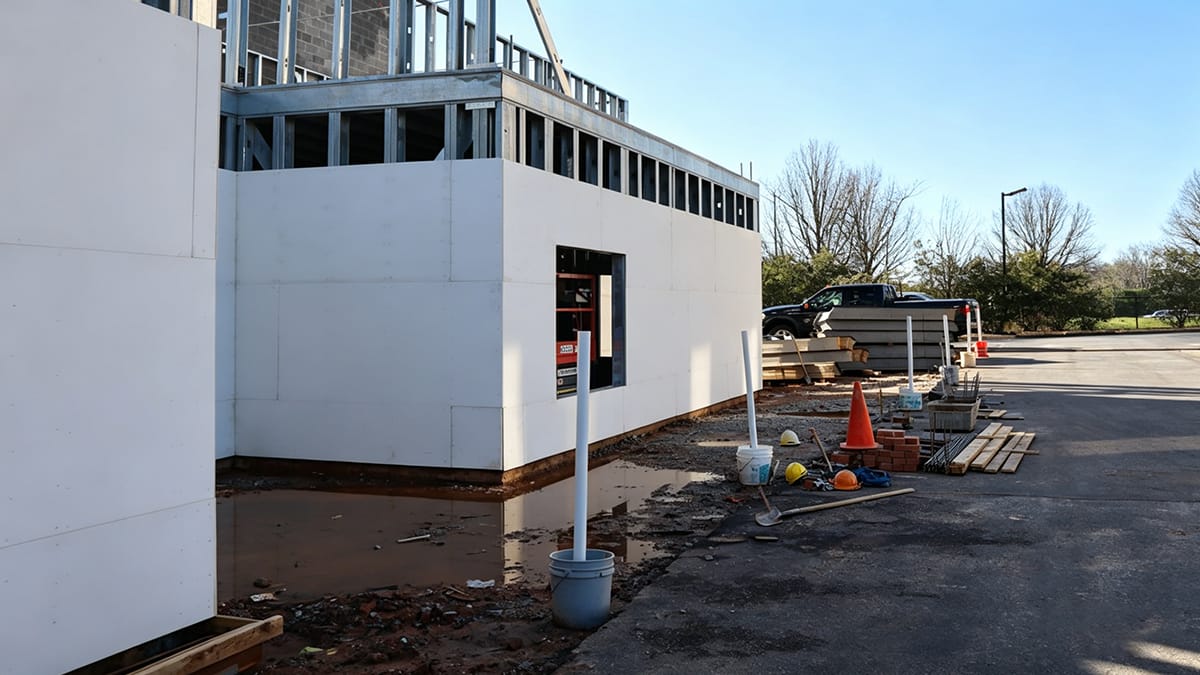
You want your walls to last, even if they get wet. MgO boards are very good at stopping water. If you put MgO boards in a wet place, they do not bend or change shape. In a lab test, MgO boards took in about 20% water after being under water for a whole day. Even after getting wet, these boards stay strong and keep their shape. You can dry them, and they get almost all their strength back.
Here is how MgO boards and other materials are different:
Feature | MgO Boards | Traditional Materials |
|---|---|---|
Water Resistance | Yes | No |
Swelling/Warpage | No | Yes |
Mold and Mildew Resistance | High | Low |
Structural Integrity Retention | Maintains when wet | Degrades |
You can use them in bathrooms, basements, and kitchens.
They stop mold and mildew because they do not stay wet.
Tip: If you need a board for wet rooms, MgO boards are a smart pick.
Gypsum and OSB Moisture Issues
Gypsum board and OSB do not stop water well. You might have problems if you use them in wet places. Gypsum board works in dry rooms, but not in showers or behind tiles. OSB can bend, change shape, and grow mold if it gets wet.
Issue Type | Description |
|---|---|
High Humidity Areas | Good for dry rooms, not for lots of water |
Limitations in Wet Areas | Not allowed behind tiles or under pools |
Mold and Mildew Prevention | Needs to stay dry when you put it in |
Nonstructural Use | Not made for wet places or water all the time |
You must keep gypsum and OSB dry when you put them in. If they get wet, they get weak and can break. They do not give you the water protection you need for bathrooms or basements.
Fiber Cement and Fiberboard Moisture
Fiber cement boards stop water better than wood boards. You can use them in damp rooms, but they might still take in water if you do not seal them. In places near the ocean, you may need a waterproof layer. Fiberboard does not stop water well. It can bend, change shape, and grow mold when wet.
Board Type | Moisture Resistance Characteristics |
|---|---|
MgO Boards | Great at stopping water, do not soak up water, stay strong when wet, do not bend or change shape |
Fiber Cement Boards | Better than wood, can take in water if not sealed, may need waterproof layer |
You should use fiber cement in rooms with some water, but MgO boards protect best. Fiberboard is not good for wet rooms.
Note: If you want the best water protection, MgO boards are the top choice.
Structural Strength and Durability
Magnesium Oxide Boards Structural Strength
 Magnesium Oxide Boards Structural Strength
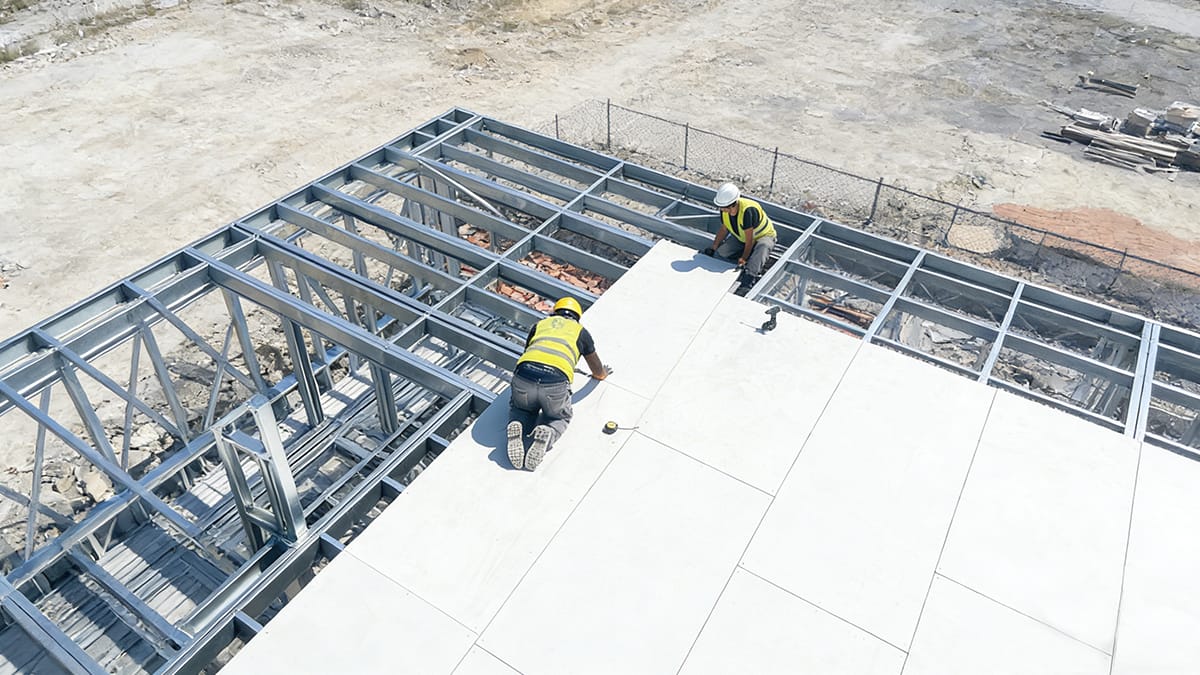
You want your walls to be strong for a long time. Magnesium oxide boards are very strong. They do not bend or crack easily. You can use them where you need tough walls.
Magnesium oxide boards have flexural strength from 13 to 30 MPa in one way and 13 to 22 MPa across. This means they do not break or bend easily.
They work better than regular drywall. They do not fall apart when wet or hot.
These boards are stronger than gypsum boards, even with fire or water.
Magnesium oxide boards are made for tough places. They last longer than many other materials.
If you want walls that can take hard hits, pick magnesium oxide boards. They are very tough and do not need many repairs. You will see less damage from bumps. This helps you worry less and save money.
Material | Durability | Impact Resistance |
|---|---|---|
Magnesium Oxide Board | Stronger | Handles heavy impacts |
Gypsum Board | Less strong | Can get damaged easier |
You can use magnesium oxide boards in schools, hospitals, and homes. They give you strong walls and protect for a long time.
OSB and Plywood Strength
You might see OSB and plywood in many buildings. These materials are strong. Builders use them for floors, walls, and roofs.
Model building codes call plywood and OSB “wood structural panels.” Codes say these two are the same. The APA, a group that checks most panels for homes, treats OSB and plywood as equals. Wood experts also say OSB and plywood are just as strong.
OSB and plywood give good support. You can use them for many parts of a building. They hold weight and keep walls straight. But if they get wet, they can lose strength. Over time, they might bend or rot. You may need to replace them sooner than magnesium oxide boards.
Fiber Cement and Gypsum Durability
You may wonder how fiber cement and gypsum board last. Fiber cement boards last a long time. They can last from 30 to 100 years. You need to paint them every 10 to 15 years to keep them nice. Gypsum boards do not last as long. Water or hard hits can damage them.
Material | Durability (Years) | Maintenance Needs |
|---|---|---|
Fiber Cement | 30 to 100 | Repainting every 10 to 15 years |
MgO Boards | Highly resistant |
Magnesium oxide boards are very strong and do not get damaged easily. You do not need to worry about mold, rot, or fixing them often. These boards last longer than other materials. If you want walls that stay strong and need little care, magnesium oxide boards are the best pick.
Tip: Pick magnesium oxide boards if you want strong, tough walls that last a long time.
Environmental and Health Impact
MgO Boards Sustainability
 MgO Boards Sustainability
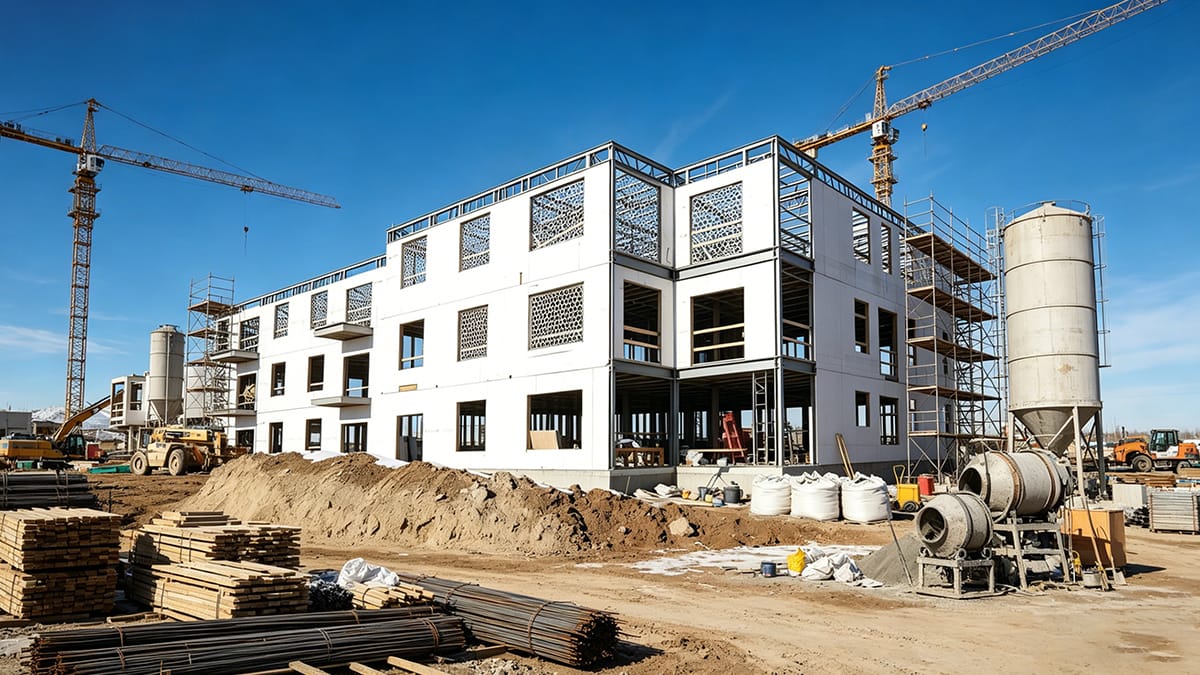
When you pick MgO boards, you help the earth. These boards are made in a way that takes carbon dioxide out of the air. This makes MgO boards much better for the planet than most other building materials.
MgO boards are made by capturing about half a ton of CO₂ for every ton they make.
If you use MgO boards instead of regular sheathing, you can cut your building’s carbon footprint by up to 70%.
The factories that make MgO boards do not make much waste.
MgO boards are lighter than many other boards, so trucks use less gas to bring them to you.
You can recycle MgO boards. They do not let out bad chemicals in your house.
MgO boards also help the air inside your building. They do not give off toxic fumes. You can use them in homes, schools, and hospitals and feel safe.
Here is a table that shows how MgO boards and gypsum boards compare when you are done using them:
Material | Recyclability | End-of-Life Disposal Challenges |
|---|---|---|
MgO Boards | Contributes to a circular economy | |
Gypsum Boards | Limited recyclability; often landfilled | Contains contaminants; may include hazardous materials |
Traditional Materials Environmental Concerns
You might think boards like OSB, gypsum, or fiberboard are good for the earth, but they have some problems. Many of these boards use chemicals or make waste that can hurt the planet. Gypsum boards often end up in landfills. They can have things that are bad for the earth and sometimes even dangerous materials.
Some fiberboard and other sheathing materials might have asbestos. Most fiberboard is made from plants and does not have asbestos, but some old boards might. You should always check before using old boards.
OSB and plywood are made from trees. Making these boards can cause forests to be cut down. They are heavy, so moving them uses more fuel. Many old boards are hard to recycle. They can fill up landfills and pollute the air if burned.
If you want to help your health and the planet, MgO boards are a better choice.
Cost and Installation Factors
MgO Boards Cost and Installation
 MgO Boards Cost and Installation
You may notice that MgO boards have a higher cost than many traditional materials. The price for MgO boards usually ranges from $1.50 to $3.50 per square foot. Here is a quick look at the average installed cost per square foot:
Material | Cost per sq ft |
|---|---|
MgO Boards | $1.50 – $3.50 |
Plywood | $0.50 – $2.50 |
You pay more at first for MgO boards, but you get value over time. These boards need little maintenance. You only check for cracks or chips once or twice a year. Cleaning is easy. You use a damp cloth or mild soap. You may add joint compound to seams if needed. Over ten years, you spend less on repairs and replacements than with traditional materials.
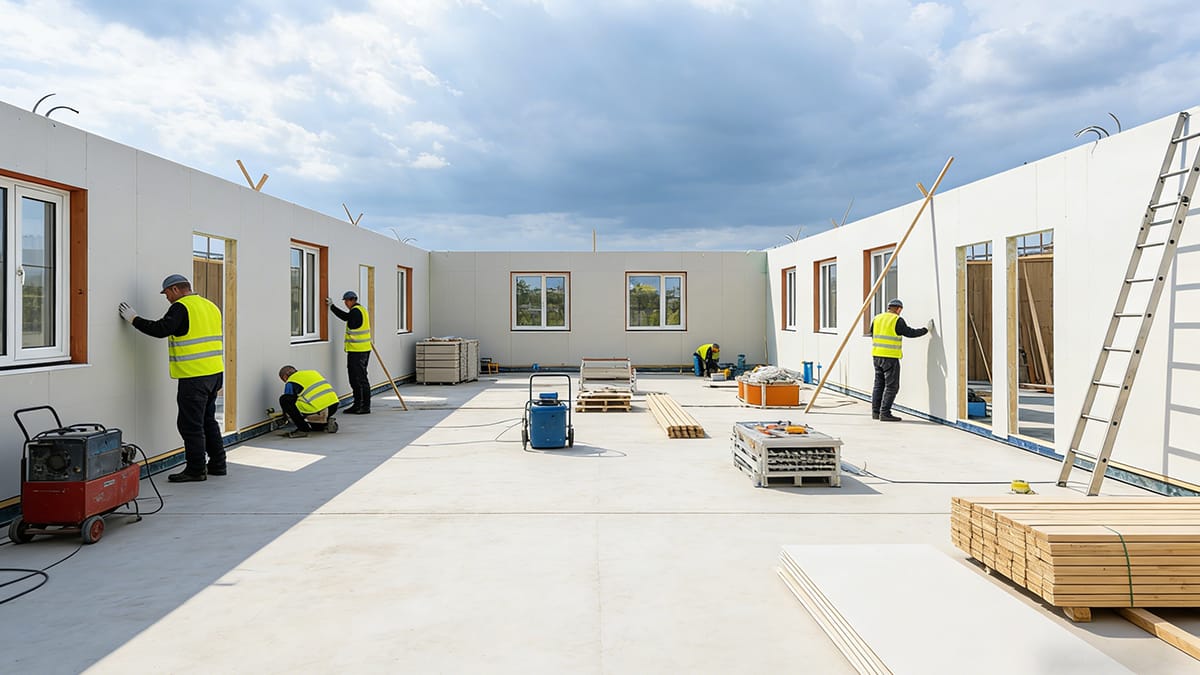
You will find MgO boards easy to handle. They are lighter than cement boards. You can cut them with a utility knife or a circular saw. You do not need special tools. You may need some training at first. Using the right fasteners and sealing the edges helps you get the best results.
Tip: MgO boards save you time during installation. You finish jobs faster and with less effort.
Traditional Sheathing Cost and Installation
You may choose traditional sheathing for a lower upfront cost. Plywood, OSB, and other traditional materials cost between $0.50 and $2.50 per square foot. Labor costs for installing OSB range from $0.50 to $1.00 per square foot. These numbers make traditional materials a popular choice for budget projects.
You may face more work with traditional materials. Plywood and OSB are heavier than MgO boards. You need to watch for swelling, warping, and mold. You may need to replace damaged panels. Plywood can attract pests, so you might use chemicals for control. Over time, the cost of repairs and maintenance adds up.
Traditional materials are easy to install if you have experience. You use standard tools. You may need to spend more time on repairs and upkeep. Fiberboard and gypsum board also need care in wet areas.
Note: If you want to save money at first, traditional sheathing works well. If you want less work and fewer repairs, MgO boards may be better for you.
Best Use Cases for Interior Sheathing
MgO Boards for Interior Sheathing
 MgO Boards for Interior Sheathing
You want your building to stay safe and strong. MgO boards help protect rooms with lots of water. Kitchens, bathrooms, and laundry rooms often get wet. MgO boards keep the air inside clean. Their surfaces stop mold and mildew from growing. This helps lower allergies and keeps your family healthy. MgO boards also do not burn easily, so you get extra safety.
You can see how MgO boards help in different projects:
Project Type | Benefit of MgO Board Sheathing |
|---|---|
High-moisture environments | Great at stopping water and mold |
Fire-rated partition systems | Extra safety and fire protection |
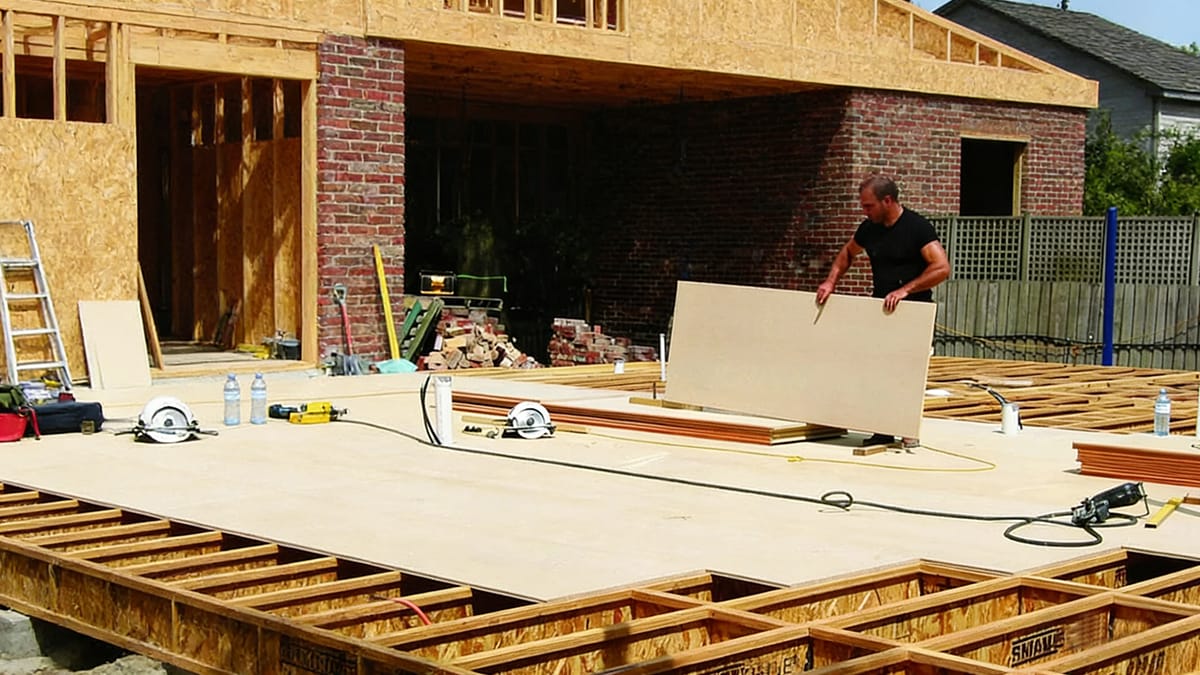
Modular and prefabricated | Easy to install and light panels |
MgO boards work well in apartments and big buildings. They are strong and last a long time. MgO boards also help block noise. You can use them in schools, hospitals, and offices. They keep bugs and insects away, so you avoid problems. MgO boards are good for the planet because they are eco-friendly.
Tip: Pick MgO boards if you want water resistance, strength, and long-lasting walls.
When to Use Traditional Materials
You might use gypsum or OSB sheathing for some jobs. These materials cost less, so they are good for saving money. Gypsum is simple to put in, so you finish fast. You can use gypsum for walls, ceilings, and decorations. OSB sheathing works for basic support in dry rooms.
Here are times when traditional materials are a good choice:
You need to spend less money.
You want to finish quickly with easy tools.
You do not need strong water or fire protection.
You use the material for decoration.
Traditional materials work well if you use them in the right place. They last for short-term needs. If you do not need the strength of MgO boards, traditional materials are fine.
Note: Choose traditional materials if you care more about cost and speed than safety or long-lasting walls.
You want your building to stay safe. MgO boards protect well from fire and water. They are strong and last a long time. If there is a fire, you see less smoke and no bad gases. The table below shows how MgO boards and cement boards are different:
Feature | MgO Boards | Cement Boards |
|---|---|---|
Fire Endurance | Up to 4 hours | Up to 2 hours |
Moisture Resistance | Highly resistant | Good, needs sealing |
Durability | Lightweight, impact-resistant | Strong, can crack |
Long-term Value | High | Moderate |
Pick MgO boards if you want safety and good value. Make sure you check what your project needs and follow local rules before you choose.
FAQ
What makes MgO boards safer than plywood or OSB?
MgO boards do not burn. You get strong fire protection. Plywood and OSB can catch fire quickly. MgO boards help keep your building safe during emergencies.
Can you use MgO boards in bathrooms or kitchens?
Yes, you can use MgO boards in wet rooms. They resist water and do not grow mold. You get walls that stay strong and clean in kitchens and bathrooms.
Are MgO boards hard to install?
You can cut MgO boards with simple tools. They are light and easy to move. You finish your project faster than with heavy boards like fiber cement.
Do MgO boards cost more than traditional materials?
MgO boards cost more at first. You save money later because you do not need many repairs. You spend less on maintenance over time.