


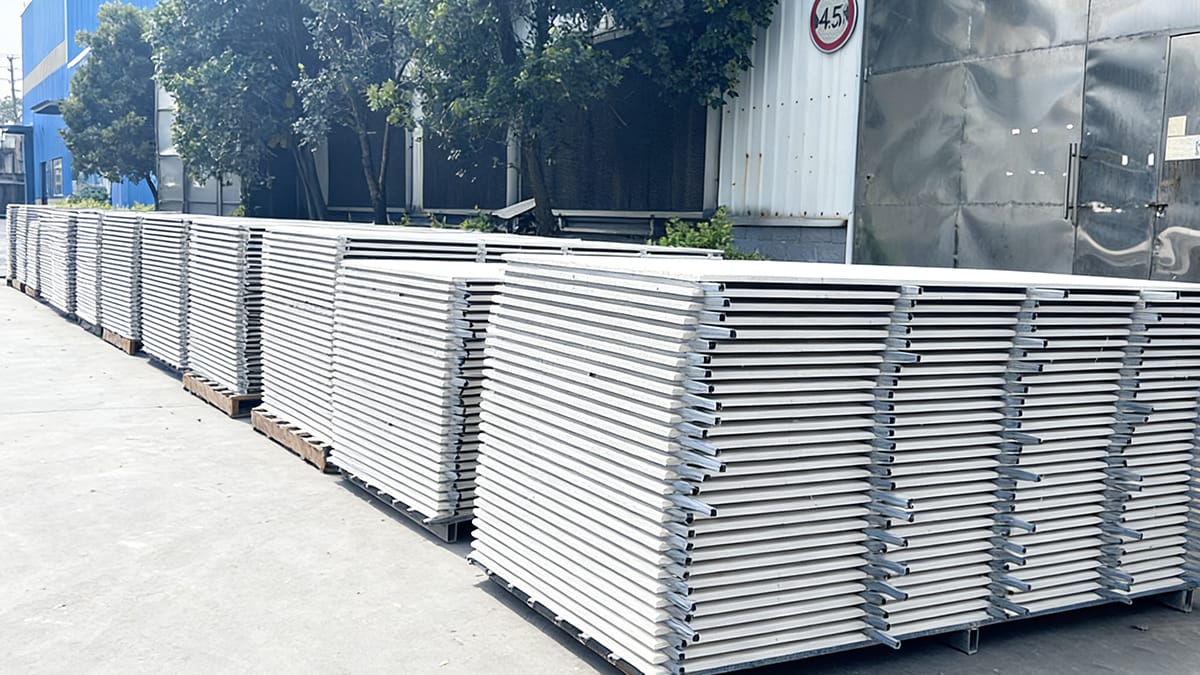
17 Feb Durability Showdown Between MgO Board and Fiber Cement Board Substrate Floors
If you want a very strong subfloor board, pick fiber cement board. Real-life facts show fiber cement board can last more than 50 years, and sometimes it lasts up to 100 years. In comparison, magnesium oxide board lasts at least 33 years. Fiber cement board also comes with warranties for up to 50 years. When you consider MgO Board VS Fiber Cement Board Substrate Floor, both effectively resist fire and mold. However, fiber cement board can absorb water if it is not properly sealed. You need your floors to be strong, water-resistant, and durable for a long time.
Key Takeaways
Pick fiber cement board if you want strong floors. It can last up to 100 years if you take care of it.
Use MgO board in places that get wet. It does not let water in and stops mold from growing.
MgO board is light, so it is easier to put in. This helps you save time and work when you set it up.
Think about the planet; MgO board is better for the environment. It does not let out bad chemicals.
Look at what you need: fiber cement board costs less for dry spots. MgO board lasts longer in busy and wet places.
MgO Board vs Fiber Cement Board Substrate Floor: Structural Comparison
MgO Board Structure and Materials
MgO board and fiber cement board are built differently. MgO board uses magnesium oxide, fiberglass mesh, and minerals. This mix makes the board light and easy to carry. MgO boards use eco-friendly materials. They do not have harmful chemicals. The board is very strong and does not let water in. You can cut and put in MgO board with simple tools. This saves you time and work.
MgO board is made with reactive magnesium oxide. This makes strong crystals inside the board. These crystals help the board stay tough. MgO board does not get weak in wet or damp places. It does not swell, rot, or break when it gets wet.
Fiber Cement Board Structure and Materials
Fiber cement board has cement, sand, and cellulose fibers. This makes the board heavy and hard to move. You need special tools to cut and install it. The board is tough and lasts a long time. It can soak up water if you do not seal it. Fiber cement board is good for siding and roofing outside. It does not burn or grow mold, but needs care in wet spots.
Category | Fibre Cement Board | MgO Board |
|---|---|---|
Cement, sand, cellulose fibers | Magnesium oxide, fiberglass mesh, minerals | |
Fire Resistance | Fire-resistant | Superior fire resistance |
Moisture Resistance | Moisture-resistant, can absorb water | Highly water-resistant |
Weight | Heavy | Lightweight |
Durability | Strong, heavy | Impact-resistant, weatherproof |
Environmental Impact | Less eco-friendly | Eco-friendly |
Cost | Affordable, higher labor | Higher cost, lower labor |
Installation | Special tools needed | Easy to cut and install |
Common Uses | Siding, roofing | Wallboards, flooring |
Impact on Durability
MgO and fiber cement boards act differently as floors. MgO board keeps out water and is hard to break. It does not swell or get mold. MgO board is easy to put in and lasts a long time. Fiber cement board is strong and does not burn, but needs waterproofing. MgO board works best in wet or damp places. Fiber cement board is good for dry places where you need strength. Pick the board that fits your space and needs. The way each board is made helps you choose which one will last longer and work better.
Durability Factors: MgO vs Fiber Cement Boards
Impact Resistance Comparison
When you look at mgo vs fiber cement boards, you want to know which one can handle heavy use. MgO board shows high impact strength. You can drop heavy objects or walk on it every day, and it stays strong and durable. Fiber cement board also has good strength, but it can crack under heavy loads. If you use fiber cement board in busy places, you may need to fix cracks more often. MgO board keeps its shape and does not swell, even in wet areas. This means you get better durability and less maintenance with MgO board. The structural performance of MgO board gives you more benefits in high-traffic spaces.
Tip: If you need a substrate floor for a gym, hallway, or kitchen, MgO board gives you better durability and longevity because it resists cracking and damage.
Fire Resistance Comparison
Fire resistance is important when you compare mgo vs fiber cement boards. Both boards are noncombustible, but MgO board handles high heat better. International standards show that MgO board can resist fire for 1-2 hours. Fiber cement board also resists fire, but not as well as MgO board. You want a substrate floor that keeps your home safe during a fire. MgO board gives you more protection and peace of mind.
Material | Fire Resistance Rating | Notes |
|---|---|---|
MgO Board | Noncombustible | Handles high heat, rated for 1-2 hours of fire resistance. |
Fiber Cement Board | Noncombustible | Less effective in fire resistance than MgO boards. |
If you live in an area with fire risk, MgO board offers better durability and fire resistance. You get strong and durable floors that protect your home.
Moisture and Mold Resistance
Moisture and mold can ruin substrate floors. When you compare mgo vs fiber cement boards, you see big differences in moisture resistance and mold prevention. MgO board absorbs very little moisture, about 0.34%. Fiber cement board can soak up water if you do not seal it. If you use MgO board in wet places like bathrooms or basements, it stays dry and does not swell. Fiber cement board needs extra care to keep out moisture.
MgO board keeps its strength after long exposure to moisture.
Environmental tests show MgO board works well in high humidity and heat.
Field studies prove MgO board stays strong and resists mold in wet places like pools and outdoor walls.
MgO board stops mold and rot better than fiber cement board. You want a substrate floor that does not grow mold, especially in kitchens and bathrooms. Fiber cement board resists mold, but not as well as MgO board. If you want the most benefits in moisture resistance and mold protection, MgO board is the better choice.
Material | Moisture Absorption | Mold Susceptibility |
|---|---|---|
MgO Board | Very low (approx. 0.34%) | Low |
Gypsum Board | Higher (approx. 3%) | High |
Note: MgO board is especially effective in stopping mold and rot in wet areas. Fiber cement board gives some protection, but MgO board performs better.
Longevity and Wear
You want your substrate floor to last a long time. The long lifespan of fiber cement board can reach 50 to 100 years if you take care of it. You need to clean and repaint fiber cement board every 10-15 years to keep its strength. MgO board also has a long lifespan and needs less upkeep. In high-traffic areas, MgO board shows less wear and tear. It does not crack or warp, even when exposed to moisture. Fiber cement board may need more repairs in wet places.
MgO board has high impact strength and resists cracking under heavy loads.
Fiber cement board can crack and needs more maintenance, especially in moist conditions.
MgO board’s moisture resistance keeps it from swelling and warping.
You spend less time and money on upkeep with MgO board.
When you compare mgo vs fiber cement boards for durability and longevity, MgO board gives you more benefits in wet and busy places. Fiber cement board works well in dry areas and lasts a long time with regular care. MgO board is more durable and long-lasting in places with moisture and mold risk.
Installation and Maintenance
 Installation Challenges
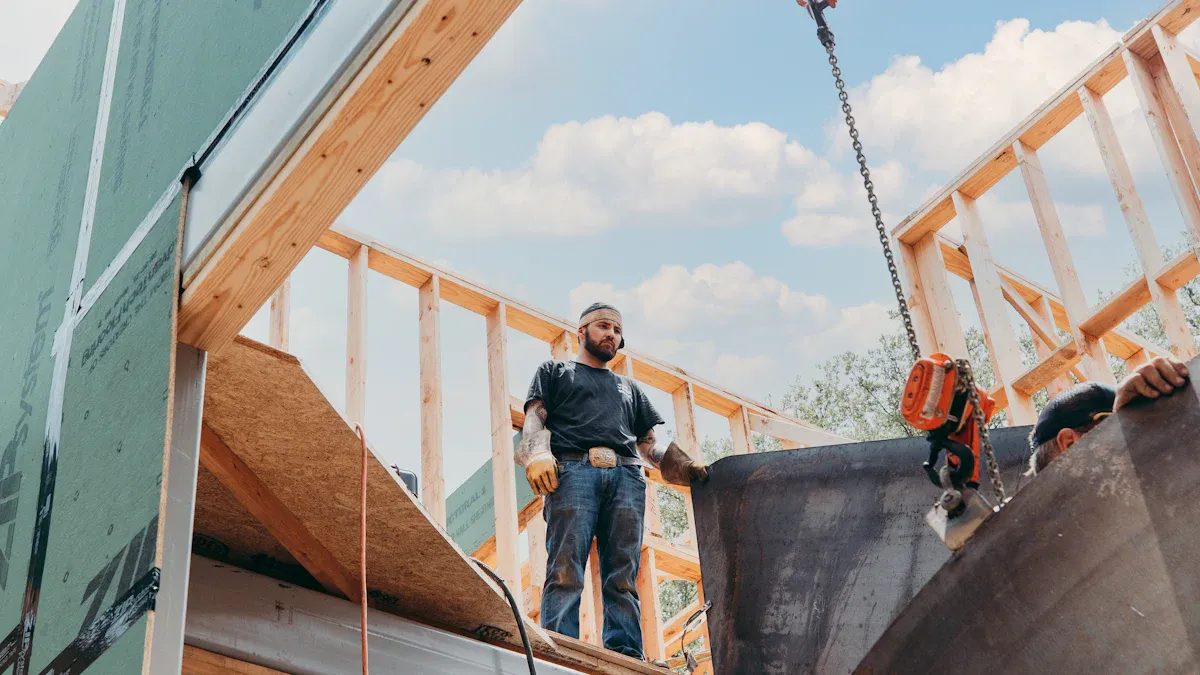 Installation Challenges
MgO board and fiber cement board have different installation problems. Fiber cement board is heavy and hard to cut. You need special tools to cut it. You must hold up the ends with joists so it does not sag. If the board gets wet, it can bend or get bigger. This makes installing fiber cement board harder. You should leave small gaps between panels for heat changes. You have to follow building rules and cut the boards the right way. This helps you avoid mistakes. MgO board is lighter and easier to cut. But you still need to support it well and make sure it is flat. Good installation helps your floors last longer and gives you better value.
Maintenance Needs
You want your floors to last a long time. Clean both boards with a soft brush or gentle washer. Check for cracks, loose screws, or paint that is coming off. Paint fiber cement board every 7 to 15 years to keep it looking good. Seal and caulk the joints to stop water from getting in. This is important for long-lasting floors. Fix problems fast to keep your floors strong and save money. Look for bugs and mold, especially in wet places. Good airflow and drainage stop mildew from growing. Clean gutters to keep water away from your boards. Get a pro to check your floors to find problems early and protect your money.
Long-Term Performance
How you install and care for your floors changes how long they last. Check your floors often to find cracks or uneven spots early. Put on new sealant every 2 to 3 years, mostly in wet places. This keeps water out. Use rugs or mats in busy spots to stop damage. Keep the room at a steady temperature and humidity to protect your boards. Doing these things helps your floors last longer and gives you more value. Both MgO board and fiber cement board last a long time if you take care of them. Good care helps you get the best value and keeps your floors strong for many years.
Environmental and Health Considerations
Sustainability Comparison
You want building materials that are good for the earth. MgO boards use natural minerals and need less energy to make. Fiber cement boards use more energy because they need cement and high heat. This means fiber cement boards make more pollution. MgO boards make less waste and you can recycle them. Fiber cement boards usually end up in landfills.
Here is a quick look at how both boards compare:
Aspect | MgO Boards | Fiber Cement Boards |
|---|---|---|
Raw Materials & Production | Lower kiln temperatures, reduced CO₂ emissions | Energy-intensive cement production, high emissions |
Indoor Air Quality | Non-toxic, VOC-free | May contain VOCs and requires coatings |
Recyclability | Often recyclable, inert composition | Less recyclable, often ends up in landfills |
LEED & Green Building Credits | Advantageous for low embodied energy, VOC-free | Can contribute, but less favorable overall |
Longevity | Longer lifespan, less waste | Shorter lifespan, more replacements needed |
MgO boards help you get green building credits. They use less energy and do not give off harmful chemicals. Fiber cement boards can help too, but they are not as eco-friendly.
Health and Safety
You want safe air in your house. MgO boards do not let out toxic gases or formaldehyde. They use natural materials and do not need harmful glue. Fiber cement boards might have VOCs and need coatings that can hurt air quality.
MgO boards are non-toxic and safe for your family.
You do not need to worry about formaldehyde or VOCs with MgO boards.
MgO boards do not burn and do not make toxic smoke.
They keep out moisture, so mold and mildew do not grow.
Property | MgO Board | Traditional Boards |
|---|---|---|
Toxicity | May contain VOCs and harmful adhesives | |
Formaldehyde Emission | None | Often present in particle boards |
Fire Resistance | Non-combustible | Combustible (wood-based boards) |
Moisture Resistance | Mold and mildew resistant | May weaken or promote mold growth |
Indoor Air Quality | Contributes positively | May release harmful gases |
Tip: If you want a healthy home with clean air, MgO boards are a great choice. You keep your family safe and help the planet too.
Value and Use Case Recommendations
Cost vs Performance
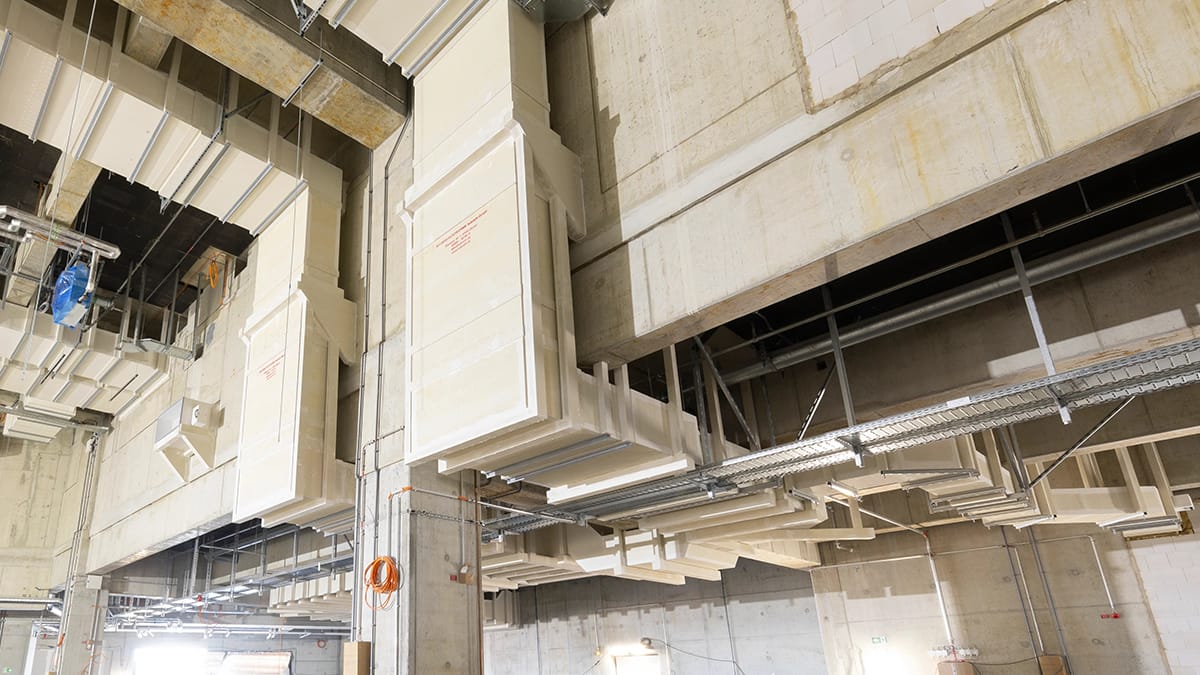 Cost vs Performance
You want to get the best value for your money. MgO board costs more at first, but it saves you money over time because it lasts longer and needs less care. Fiber cement board costs less to buy, but you may spend more on repairs and upkeep.
Feature | MgO Board | Fiber Cement Board |
|---|---|---|
$8–$20 | $6–$15 | |
Fire Rating | A2-s1,d0 | A2-s1,d0* |
Ease of Cutting & Milling | Easy | Harder |
Installation Efficiency | Faster | Slower |
You can install MgO board faster because it is easier to cut and handle. Fiber cement board takes more time and effort. Over many years, MgO board gives you better value because you do not need to fix or replace it as often.
MgO boards give you long-term value with fewer repairs.
Fiber cement boards work well if you have a tight budget.
MgO boards are more cost-effective when you look at long-term expenses.
Best Uses for MgO Board
You should use MgO board in places where you need strong, water-resistant floors. It works best in rooms that get wet or have lots of people walking on them.
Use Case | Benefit |
|---|---|
Kitchens | Stops swelling from spills |
Bathrooms | Keeps floors flat and dry |
Basements | Lasts longer than plywood or cement |
MgO board stands up to heavy foot traffic.
It does not crack easily, even under pressure.
You can use it as an underlayment in busy areas.
It resists mold and moisture, so it is great for humid rooms.
Tip: Choose MgO board for kitchens, bathrooms, and basements where you want floors to stay strong and dry.
Best Uses for Fiber Cement Board
Fiber cement board gives you a strong base for many projects. You can use it in places where you want a tough floor but do not need as much moisture protection.
Fiber cement board lasts longer than wood or drywall.
It works well under tile in busy areas.
It resists rot and mildew, so you can use it in humid places.
You can use it in hotels, schools, and factories.
It is a good choice for modular homes and buildings.
Fiber cement board gives you a cost-effective option for large projects. It keeps its strength in places with heavy use and helps you save money if you do not need the highest moisture resistance.
You want a floor that lasts a long time. MgO board is very strong and keeps out water and mold. Fiber cement board is strong too, but needs more care if it gets wet.
Property | MgO Board | Fiber Cement Board |
|---|---|---|
Durability | Long with care | |
Moisture Resistance | Excellent | Moderate |
Mold Resistance | High | Moderate |
Check the weather where you live before picking.
Think about how much repairs and care will cost.
Pick boards that do not let out bad air.
Choose materials that you can recycle or throw away safely.
Pick the board that fits your room and how you use it. This helps you save money and have a floor that lasts.
FAQ
Can you install MgO board over old flooring?
You can install MgO board over old flooring if the surface is flat and clean. Remove loose material first. Use screws or adhesive for a secure fit. Always check manufacturer instructions.
Does fiber cement board need sealing in wet areas?
Yes, you should seal fiber cement board in wet areas. Sealing helps prevent water absorption and stops mold growth. Use waterproof sealant on joints and edges for best results.
Which board is safer for indoor air quality?
MgO board is safer for indoor air quality. It does not release VOCs or formaldehyde. Fiber cement board may need coatings that can affect air quality.
How do you clean and maintain MgO board floors?
Sweep or vacuum regularly.
Wipe spills with a damp cloth.
Check for cracks or loose screws.
Avoid harsh chemicals.
What is the main difference in lifespan between MgO and fiber cement boards?
Board Type | Typical Lifespan |
|---|---|
MgO Board | 30–50 years |
Fiber Cement Board | 50–100 years |
Fiber cement board lasts longer with proper care. MgO board needs less maintenance.