


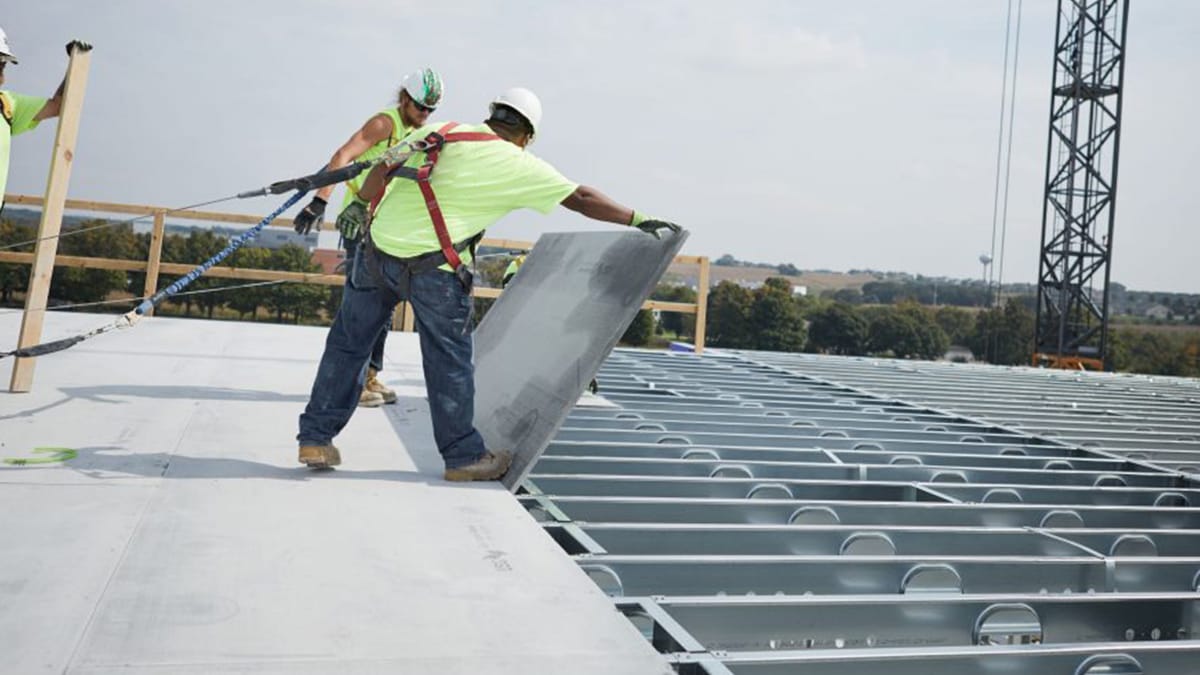
23 Dec Exploring the Strengths and Weaknesses of Magnesium Oxide Boards
You see many builders use magnesium oxide board. They want walls that are safer and stronger. People want materials that last a long time. They also want materials that work well. This is important in places with lots of moisture or fire danger.
MgO panels do not burn. They can handle high heat. They do not make dangerous smoke or flames. They do not soak up water easily. They keep their shape and strength in wet places.
Durability
Moisture resistance
Fire resistance
Environmental sustainability
You should learn the good and bad sides before you pick this material for your project.
Key Takeaways
Magnesium oxide boards stop fire well. This makes them safe for buildings where fires happen often. These boards are very strong and can last a long time, even up to 100 years. You do not need to fix them often. They keep out water, so mold does not grow. This makes them good for wet places like bathrooms and kitchens. They are light, so it is easy to put them in. Projects finish faster because of this. Magnesium oxide boards cost more at first. But they help save money later because they last so long.
Advantages of Magnesium Oxide Boards
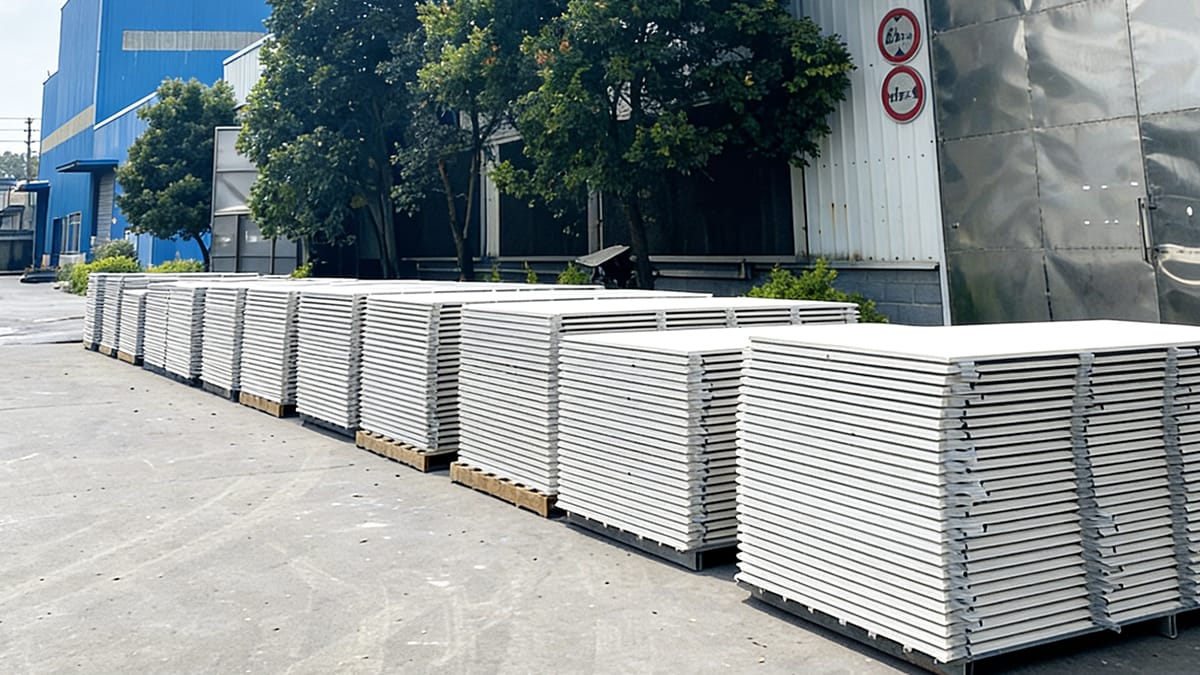 When you pick building materials, you want to know what is good about them. Magnesium oxide boards have many benefits. These boards are used in homes, schools, and offices. Let’s look at why this material is a smart choice.
Fire Resistance
Fire safety is very important in buildings. Magnesium oxide boards protect well against fire. They do not burn and can take high heat. These boards work better than other materials for fire resistance.
Material | Notes on Fire Resistance | |
|---|---|---|
Magnesium Oxide (MgO) Board | Up to 1-2 hours; noncombustible | Superior fire resistance, meets ASTM E136 & E84 |
Gypsum Board | Needs extra layers or treatments | Less fire resistance unless enhanced |
Fiber Cement Board | Moderate fire resistance | Lower than MgO boards |
Magnesium oxide wallboard meets strict fire safety rules. It passes tests like ASTM E84, ASTM E119, and EN 13501-1. Florida and California building codes accept these boards for fire safety. This helps keep people and property safe.
Durability and Strength
You want walls that last a long time. Magnesium oxide boards are very strong and durable. They stay tough for many years. You can use them where walls need to be strong. Flexural strength follows ASTM C364 and EN 12467. Compressive strength is between 12 and 25 MPa. This means magnesium oxide wallboard can take heavy loads and hits.
Comparative Aspect | Magnesium Oxide (MgO) Board | Traditional Boards (Drywall, Plywood, Gypsum) |
|---|---|---|
Fire Resistance | Up to 4 hours | About 1 hour |
Estimated Lifespan | Up to 100 years | Shorter life, more repairs needed |
Mold Resistance | High; mold-free for 3+ years | Gets mold when wet |
Durability & Stability | Stays strong after aging | Breaks down faster under stress |
Maintenance Costs | Lower | Higher due to damage and mold |
Magnesium oxide wallboard lasts longer and needs fewer repairs. This saves you money and time.
Moisture and Mold Resistance
You need walls that do not get damaged by water or mold. Magnesium oxide boards resist moisture very well. They absorb very little water. Lab tests show only 0.34% moisture absorption. Plywood and drywall take in more water and get ruined faster.
Property / Material | Magnesium Oxide (MgO) Board | Plywood | Drywall (Gypsum Panels) |
|---|---|---|---|
0.34% | Higher | Higher |
Magnesium oxide wallboard does not feed mold or mildew. You can use it in bathrooms, kitchens, and basements. These places stay mold-free for years. The board’s surface and makeup help stop mold. This keeps your air clean and healthy.
Tip: Use magnesium oxide wallboard in wet places to stop mold and cut down on repairs.
Lightweight and Easy Installation
You want materials that are easy to move and install. Magnesium oxide boards are lighter than cement boards. You can carry and put up magnesium oxide wallboard with less work. The density is 0.85 to 1.2 g/cm³. The weight is about 1.5 to 2.2 lbs/ft² for a 12mm board. Gypsum board weighs about the same, but cement board is much heavier.
Material | Weight (lbs/ft², 12mm) | |
|---|---|---|
Gypsum Board | 1.2 – 1.3 | 1.5 – 2.0 |
Magnesium Oxide Wall Board | 0.85 – 1.2 | 1.5 – 2.2 |
Cement Board | 1.3 – 1.5 | 2.5 – 3.0 |
You can cut and shape magnesium oxide wallboard with simple tools. This helps you finish projects faster and with less effort.
Eco-Friendly Production
You want to help the environment. Magnesium oxide boards are eco-friendly. Making these boards uses less fuel and makes less carbon than gypsum or cement boards. Choosing magnesium oxide wallboard lowers your carbon footprint. CO2 emissions from magnesium oxide made with natural gas are 18% lower than those made with coal. Magnesium oxychloride panels make at least 22% less CO2 than concrete boards.
Magnesium oxide boards have a lower carbon footprint.
Making them uses less fuel than other boards.
CO2 emissions are lower with natural gas.
Magnesium oxide wallboard helps you build greener spaces.
Magnesium oxide board gives you fire safety, durability, moisture resistance, easy installation, and eco-friendly production. These benefits make magnesium oxide wallboard a great choice for building projects.
Disadvantages of Magnesium Oxide Boards
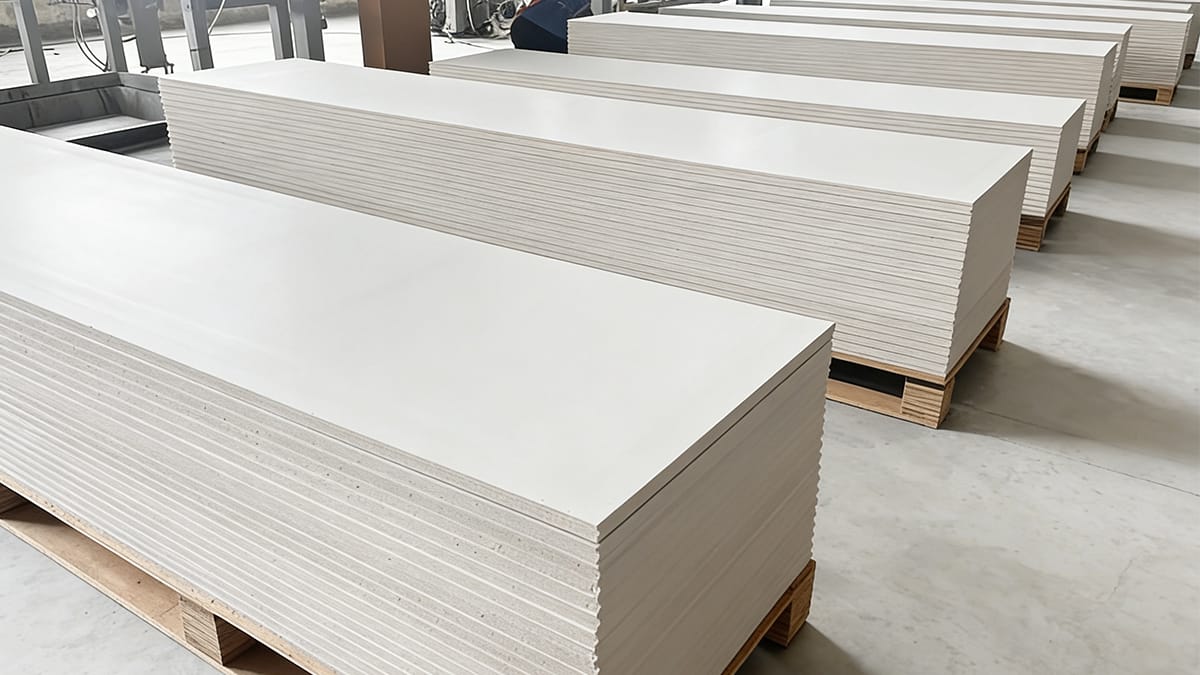 Magnesium oxide wallboard has many good points. But you should know the downsides before you choose it. Some problems can change your budget, how you install it, and how it works over time.
Higher Cost
Magnesium oxide wallboard costs more than other boards. The price for each square foot is higher than gypsum board. You spend more money at first. You might save money later because it lasts longer and resists fire.
Board Type | Long-term Value | |
|---|---|---|
MgO Board | $1.50 – $2.50 | Strong, fireproof, and water-resistant, saving money later. |
Gypsum Board | $0.50 – $1.00 | Cheaper upfront but may need more repairs over time. |
Many things make magnesium oxide sheet cost more. The price of magnesium oxide and magnesium chloride changes often. Thicker boards cost more but last longer. Special finishes, packaging, and shipping add to the price. Custom sizes or small orders cost even more.
Factor | Description |
|---|---|
Raw Material Costs | Prices of magnesium oxide, magnesium chloride, fibers, and fillers fluctuate, impacting overall cost. |
Board Specifications | Thicker and denser boards offer better durability and fire resistance, leading to higher prices. |
Surface Finish and Lamination | Additional processing for finishes like PVC lamination increases costs. |
Packaging and Logistics | Export packaging and shipping terms affect the final price, with bulk orders reducing unit costs. |
Order Quantity and Customization | Larger orders can lower prices due to economies of scale, while custom designs may raise costs. |
Note: Magnesium oxide wallboard lasts longer and needs fewer repairs. You may save money over time. But the higher starting price can be hard for some projects.
Moisture and Corrosion Issues
You think magnesium oxide wallboard will not get damaged by water. Sometimes it does not work as well as you hope. Magnesium oxide boards can soak up water in very humid places. If humidity is above 84%, salty water drops can form on the surface. These drops can hurt wood and metal nearby. Mold can grow if the board stays wet for a long time.
MgO boards can grow mold because they have organic material, especially in wet places, which can cause them to break.
Studies show high humidity can make salty water drops that damage wood and help mold grow.
MgO boards can make steel frames rust and cause mold on wood parts.
Many times, MgO boards leaked salty water, hurting wood or metal next to them and falling apart.
You can lower these risks by using coatings and sealants. Primers, acrylic stucco topcoats, and cement bases help protect the board. Seal the edges with waterproof sealant. Leave gaps between boards. Fill gaps with fire-rated sealant to keep fire safety.
Coating Type | Description |
|---|---|
Primer | Prevents chemical reactions on alkaline surfaces like MagPanel®. |
Acrylic Stucco Topcoats | Durable finish that can be applied directly. |
Polymer Modified Cement Base | Enhances moisture resistance and durability. |
Paint | Some paints provide a UV-resistant layer on MgO boards. |
Tip: Always seal the edges and use the right coatings to protect magnesium oxide sheet in wet places.
Supply and Availability
It can be hard to find magnesium oxide wallboard in some places. Problems with shipping and tariffs can limit your choices. In the United States, tariffs make magnesium oxide boards cost more and harder to get. Some places in Latin America and the Middle East are starting to use magnesium oxide sheet more. New technology helps use it in modular buildings.
Challenges | Opportunities |
|---|---|
Emerging markets in Latin America and the Middle East are adopting MGO boards for construction. | |
Supply chain disruptions | Technological advancements are expanding applications in modular and prefabricated structures. |
Check with local suppliers before you start your project. If supply is low, building can take longer or cost more.
Quality Variations
You want building materials to be the same every time. Magnesium oxide wallboard can be different depending on who makes it. Some boards do not meet the same rules for water resistance or strength. Sellers say there are problems with product consistency and not enough testing. This makes it hard to compare products and trust how they work.
Product quality can change from one maker to another, so performance is not always the same.
Not enough testing and certification makes comparing products hard.
Higher starting costs than regular boards can stop people from buying.
People worry about different types of magnesium oxide boards.
Moisture problems are not always fixed.
There should be an ASTM standard to make sure quality is good.
Manufacturers use different steps to check quality, but not all do the same things.
Stage | Quality Control Measures |
|---|---|
Raw Materials Test | Humidity, Density, Active Content |
Curing Room Control | Humidity, Temperature |
Semi-finished Inspection | Density, Size, Apparent Quality |
Finished Boards Test | Density, Strength, Chloride Content, Water Absorption |
Note: Ask for test results and certifications before you buy magnesium oxide wallboard. This helps you avoid problems with bad quality.
Compatibility Concerns
You need magnesium oxide wallboard to work with other building materials. Sometimes problems happen with fasteners, adhesives, or joint compounds. The alkaline nature of magnesium oxide boards can make paint or glue peel or bubble. Water can weaken the bond between joint compounds and boards, causing cracks or pieces to fall off.
Issue Type | Description |
|---|---|
Moisture Absorption | Magnesium oxide boards can absorb moisture, leading to water droplets that may cause corrosion and mold growth. |
Alkaline Nature | The alkaline nature of magnesium oxide boards can hinder the adhesion of paints and adhesives, resulting in peeling or bubbling. |
Joint Compound Adhesion | Moisture absorption can weaken the bond between joint compounds and the boards, leading to cracking or detachment. |
You can make things work better by using special joint compounds and fasteners. Sandable elastomeric joint compounds or concrete patching compounds work well. Wide fiberglass tape helps make joints stronger. Always support board ends with joists and countersink fasteners. Leave a small gap between walls and magnesium oxide sheet for expansion. Use stainless steel or ceramic-coated fasteners to stop rust. If you use galvanized steel framing, put a barrier between it and magnesium oxide wallboard.
Use sandable elastomeric joint compounds or concrete patching compounds with wide fiberglass tape.
Make sure finishing products work with MagPanel®.
Always support board ends with joists.
Countersink each fastener a little.
Leave about 1/8 inch between walls and MagPanel® for expansion.
Use 316-stainless steel fasteners or ceramic coated fasteners.
Put fasteners no closer than 4 inches from corners, with perimeter fasteners 6 inches apart and center fasteners 12 inches apart.
If you use galvanized steel framing, put a barrier to stop direct contact with MgO sheathing.
Ask local fastener experts for advice for your project.
Tip: Follow installation tips to avoid problems with magnesium oxide wallboard and other materials.
Magnesium oxide wallboard has many good features, but you should think about these downsides before you choose it. Some projects may not be right for this material because of cost, water problems, supply issues, quality differences, or compatibility concerns.
Magnesium Oxide Board vs. Traditional Materials
 Gypsum Board Comparison
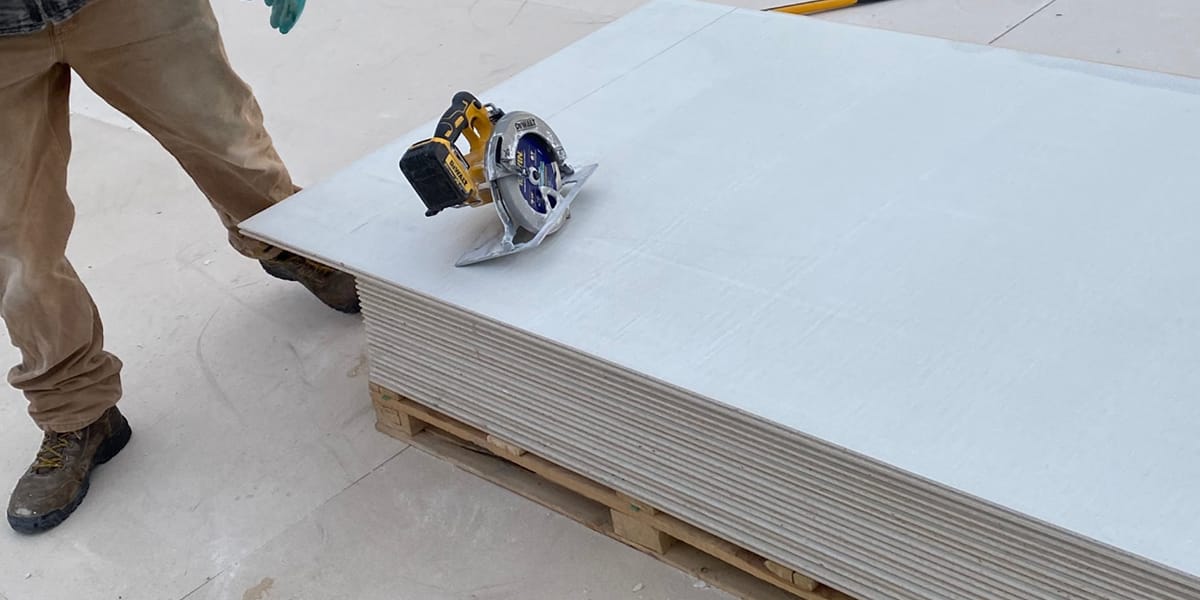 Gypsum Board Comparison
Gypsum board is common in homes and offices. Magnesium oxide wallboard protects better from fire and water. It makes walls stronger and helps them last longer. Gypsum board costs less money. But it can soak up water and grow mold. Magnesium oxide wallboard does not burn or make toxic smoke. You can use it in places with lots of moisture or high fire risk.
Criteria | Magnesium Oxide Wallboard | Gypsum Board |
|---|---|---|
Fire Resistance Rating | A1 Non-Combustible, up to 4 hours | Up to 1 hour |
Water Absorption | Low | High |
Mold Resistance | Excellent | Moderate |
Cost | $1.50–$2.50 per sq ft | $0.50–$1.00 per sq ft |
Strength and Durability | High | Moderate |
Environmental Impact | Eco-friendly | Energy-intensive production |
Tip: Pick magnesium oxide wallboard for bathrooms and kitchens. It gives better protection and cleaner air.
Cement Board Comparison
Cement board is used for tile and siding. Magnesium oxide wallboard is lighter and easier to install. Both work well in wet places. Magnesium oxide sheet resists mold and water better. Cement board can crack and needs more care. Magnesium oxide wallboard lasts longer and needs less fixing. It costs more at first, but you save money later.
Magnesium oxide wallboard is strong and flexible.
Cement board is heavy and can crack.
Magnesium oxide sheet fights water and mold better.
Cement board hurts the environment more.
Magnesium oxide wallboard costs more but saves money over time.
Feature | Cement Board | Magnesium Oxide Wallboard |
|---|---|---|
Water Resistance | Okay | Excellent |
Mold Resistance | Low | High |
Longevity | Long (needs care) | Long (low upkeep) |
Structural Strength | Good | Very strong |
Plywood and OSB Comparison
Plywood and OSB are used for floors and walls. Magnesium oxide wallboard works better in wet places. Plywood and OSB can swell, warp, or rot when wet. Magnesium oxide sheet stays strong and does not change shape. It gives better fire protection. OSB and plywood need chemicals to resist fire, which can hurt air quality.
Property | Magnesium Oxide Wallboard | OSB / Plywood |
|---|---|---|
Moisture Resistance | Non-porous, stable | Swells, warps, rots |
Fire Rating | 1–4 hours, noncombustible | Treated, less effective |
Toxic Smoke Emission | None | Possible |
Suitability | Wet areas, fire-rated | Dry areas, general use |
Price per m² | $8–$20 | Lower |
Magnesium oxide wallboard is more durable and fire-resistant.
Plywood and OSB cost less but need more repairs.
Magnesium oxide sheet may be harder to find and needs careful installation.
Note: Use magnesium oxide wallboard in places with moisture or fire risk. It makes walls safer and last longer.
Magnesium Oxide Wallboard Applications
 Residential Use
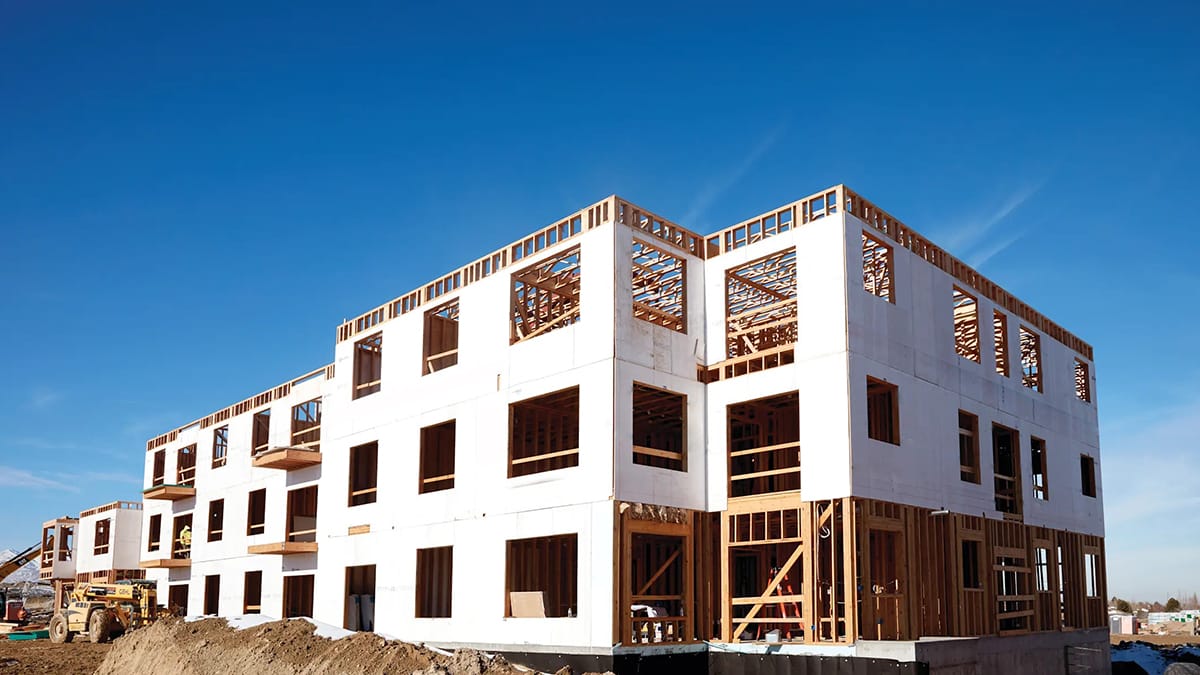 Residential Use
You can use magnesium oxide wallboard in your house. It works for walls, ceilings, and floors. Many people pick it because it is strong and safe. It is also easy to put in. Using eco-friendly materials helps the planet. Magnesium oxide boards last a long time. They do not let out bad gases. You can recycle them when you fix or rebuild your home.
Put magnesium oxide wallboard in living rooms and bedrooms.
Use it on ceilings for better fire safety.
Place it on floors where people walk a lot.
Application Area | Key Benefits | Performance Data |
|---|---|---|
Fire Resistance | Stops fire from spreading | Resists fire up to 1200°C |
Moisture & Mold Resistance | Keeps mold and mildew away | Does not absorb water |
Strength & Durability | Handles heavy use and impact | |
Eco-friendliness | Made from natural, recyclable materials | Fewer emissions during production |
Tip: Pick magnesium oxide wallboard for a safer and greener home. It will last a long time.
Commercial and Industrial Use
You see magnesium oxide wallboard in offices and schools. It is also used in hospitals and factories. Builders like it because it is tough and lasts long. This wallboard does not break easily. It can handle strong hits and does not wear out fast. It also stands up to many chemicals. This makes it good for labs and industrial places.
Property | Description |
|---|---|
Durability | |
Chemical resistance | Can withstand exposure to various chemicals |
Impact strength | Resilient against physical impacts |
Resistance to extreme conditions | Performs well in harsh environments |
Soundproofing properties | Reduces noise, creating a better workspace |
You can use magnesium oxide sheet where you need strong walls. It helps keep buildings safe and quiet.
Wet Areas and Fire-Rated Assemblies
Magnesium oxide wallboard works great in bathrooms and kitchens. It is also good for basements. It does not let water in, so mold and rot do not happen. You can use magnesium oxide sheet in places that need fire protection. It keeps buildings safe from flames and heat.
Put magnesium oxide wallboard behind showers and sinks.
Use it in laundry rooms and basements to stop water damage.
Build fire barriers in stairwells and utility rooms.
Note: Magnesium oxide boards help you feel safe in wet and fire-risk areas. You get strong walls and long-lasting protection.
You get many good things with magnesium oxide wallboard. It helps keep buildings safe from fire. It is strong and stops mold from growing. But it costs more money than other boards. Sometimes it is hard to find in stores. Magnesium oxide wallboard is best for wet or fire-risk places. It may not be right for every project or budget. Always look to see if you can buy it nearby before you choose.
FAQ
Can you paint magnesium oxide boards?
Yes, you can paint magnesium oxide boards. First, put on a primer so the paint sticks well. Pick paint made for alkaline surfaces. This stops peeling or bubbling.
Are magnesium oxide boards safe for indoor air quality?
Magnesium oxide boards do not let out bad gases. Your air stays cleaner at home or work. These boards help you avoid formaldehyde and VOCs.
How do you cut magnesium oxide boards?
You can cut magnesium oxide boards with a utility knife or saw. Wear a mask so you do not breathe in dust. Use a straight edge to make clean cuts.
Do magnesium oxide boards need special fasteners?
Fastener Type | Recommended? |
|---|---|
Stainless Steel | ✅ |
Ceramic-Coated | ✅ |
Regular Steel | ❌ |
You should use stainless steel or ceramic-coated fasteners. These stop rust and keep your walls strong.