


09 Dec Comparing Magnesium Oxide Board and Other Basement Subfloor Materials
You may ask if magnesium oxide board is the best basement subfloor materials option for your basement in 2025. MgO board provides excellent fire resistance and also protects against moisture and pests. This material is more environmentally friendly. It’s essential to check all basement subfloor materials options before making your choice. Your needs and space are crucial factors. You want to select the best option for your project.
Key Takeaways
Magnesium oxide board is good for the environment. It does not burn easily. It does not get damaged by water. Bugs do not harm it. This makes it great for basements.
When you pick a subfloor, think about water damage. Think about how long it will last. Think about how easy it is to put in. This helps you choose the best one for you.
You should always use a vapor barrier. It keeps water away from your subfloor. This is very important in wet or flooded basements.
You need to be careful when you put in magnesium oxide board. Use the right fasteners. This helps your floor stay strong for a long time.
Some floors need special subfloors. Pick the right one for your basement. This helps your floor last and feel good.
Basement Subfloor Materials Option Overview
Quick Comparison Table
There are many basement subfloor materials option types in 2025. Some common ones are concrete panels, composite panels, and eco-friendly choices like magnesium oxide board. Other types include smart sheathing, plywood, OSB, DRIcore, foam panels, sleepers, and dimpled membranes. Magnesium oxide board now makes up almost half of the lightweight panel market. This means it is a popular choice for basement subfloor materials option types.
Here is a quick comparison table. It shows how each basement subfloor materials option performs:
Material | Moisture Resistance | Durability | Installation | Cost | Eco-friendliness |
|---|---|---|---|---|---|
Magnesium Oxide Board | Excellent | High | Moderate | Moderate | Very High |
Plywood | Fair | High | Easy | Moderate | Moderate |
OSB | Poor | Moderate | Easy | Low | Moderate |
DRIcore | Good | High | Easy | High | Moderate |
Foam Panels | Good | Moderate | Easy | Moderate | High |
Sleepers | Poor | High | Moderate | Low | Low |
Dimpled Membranes | Excellent | High | Moderate | High | High |
Concrete Panels | Excellent | Very High | Difficult | High | Moderate |
Composite Panels | Good | High | Moderate | High | High |
Smart Sheathing | Good | High | Moderate | High | High |
Tip: Magnesium oxide board is special because it does not give off bad fumes. It is not toxic and stops mold and mildew. You can recycle it. It helps keep the air inside your home healthy.
Key Performance Factors
When you look at basement subfloor materials option types, you should think about some important things:
Moisture resistance
Durability
Fire resistance
Sound insulation
Ease of installation
Cost
Eco-friendliness
Compatibility with flooring
Lifespan
Magnesium oxide board does not burn and stays strong when it is wet. You can recycle it. It does not let mold or mildew grow. It can handle tough weather. It uses sulfate, which is better for the environment than chloride.
Plywood is strong and does not bend or split easily. But, if it gets wet, it can come apart over time. OSB is cheap and good for many uses. But it does not do well with water. It can swell and bend if it gets wet.
DRIcore and dimpled membranes are great at stopping water and last a long time. They are easy to put in, but they cost more. Foam panels and composite panels also stop water and are good for the environment. Sleepers are simple and cheap, but they do not stop water.
Note: Eco-friendly basement subfloor materials option types like magnesium oxide board and foam panels are better for the planet. Plywood and OSB depend on how they are made and where the wood comes from.
You should pick your basement subfloor materials option based on how wet your basement is, how much money you have, and what kind of floor you want. Each type has good and bad points. Magnesium oxide board is best for the environment and stops water well. Plywood and OSB are good for dry basements. DRIcore and dimpled membranes are best for wet or flood-prone places. Foam panels and composite panels give you both insulation and are good for the planet.
Magnesium Oxide Board as a Basement Subfloor
 What Is MgO Board?
 What Is MgO Board?
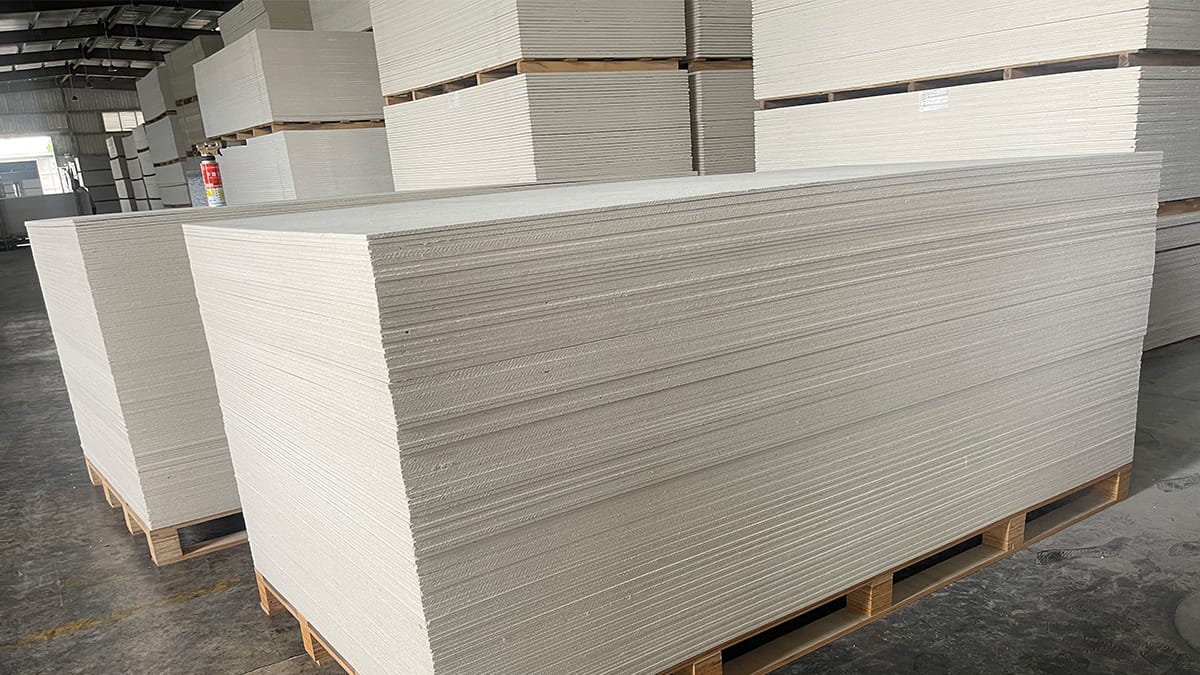
You might notice magnesium oxide board, called MgO board, is a newer choice for basement subfloors. MgO board is made with a mix of special ingredients. These ingredients make it strong and able to resist fire. Here is what is inside MgO board:
Magnesium Oxide (MgO): This mineral gives the board fire resistance and strength.
Magnesium Chloride (MgCl2): This binder reacts with MgO and holds the board together.
Perlite: This volcanic glass makes the board lighter and helps with insulation.
Wood Fiber: This adds flexibility and strength, and often comes from recycled sources.
Vermiculite: This mineral expands when heated and helps with fire resistance.
Glass Mesh: This layer stops the board from breaking and adds structure.
Manufacturers mix these ingredients together. They cure the boards so the chemicals react. Each board gets checked for quality. The finished product is light, strong, and resists fire. It is ready to use as a basement subfloor.
Pros and Cons
MgO board has many good points for basement subfloors. Many homeowners pick it for their projects. Here is a table that shows the main pros and cons:
Advantages | Disadvantages |
|---|---|
Excellent fire resistance | Higher cost compared to other materials |
Mold and mildew resistance | Potential brittleness and cracking |
Eco-friendliness | Weight issues |
Durability | Inconsistent quality among brands |
| Specific installation challenges |
You get strong fire protection and mold resistance. MgO board does not let out bad fumes, so your basement air stays healthy. You can recycle it, which is good for the planet. Many people like how durable and eco-friendly it is.
There are some problems you should know about. MgO board can crack if dropped, which makes installation harder. The boards are heavy, so you may need help to lift them. Some brands do not last as long or work as well. Screws might not stay in the board, which can slow down your work. You might see water stains, even though the board resists water. Sometimes delivery takes longer, which can delay your project.
Tip: Always check the brand and quality before you buy MgO board for your basement subfloor. Ask for reviews or feedback from other homeowners.
Installation Tips
You want your basement subfloor to last and work well. MgO board needs careful installation. Here are some tips to help you:
Description | |
|---|---|
Acclimation | Let the panels get used to room temperature and humidity for 48 hours before installing. |
Fastening | Use 316-stainless steel or ceramic coated fasteners to stop rust. |
Joint Treatment | Push the sheets close together and use construction adhesive on the seams. |
Framing Consideration | If you use galvanized steel framing, put a barrier between the framing and MgO board. |
Compliance | Make sure you follow all local, state, and federal codes. |
Material Management | Store MgO board in a dry place and keep the packaging sealed until you use it. |
Always let the boards get used to the room before installing. This helps stop warping or cracking. Use the right fasteners to keep away rust. Treat the joints with adhesive for a tight seal. If you use steel framing, add a barrier to protect the board. Always follow building codes and keep your materials dry.
Note: Careful installation helps you get the most from your basement subfloor. You protect your investment and make your basement safer and healthier for your family.
Traditional Subfloor Options
Plywood Panels
 Plywood Panels
Many basements use plywood panels for the floor. Plywood is simple to cut and put in place. It works for lots of subfloor options. You can put it under carpet and carpet tiles. This makes it a flexible pick. But plywood does not do well with water. If your basement is damp, plywood can bend, shrink, or get bugs. This makes the floor weak and it will not last long. Magnesium oxide board does not have these problems. It stays strong even when wet. It is better for basements that get damp. You should only use plywood in dry basements with no water issues.
Tip: If you want to use plywood, check for leaks first. Always use a vapor barrier to help protect your subfloor options.
OSB Panels
Oriented Strand Board, or OSB, is also a popular subfloor option. OSB costs less than plywood and is still strong. Many people use OSB under carpet and carpet tiles. It helps block noise. But OSB can swell or break if it gets wet. You must install it the right way. Sometimes you need to add more layers for the best results.
Disadvantages | |
|---|---|
Strength and durability | Moisture sensitivity |
Cost-effectiveness | Need for proper installation techniques |
Soundproofing properties | Extra layering may be required |
Environmentally friendly | Limited flooring options |
Note: OSB is best for dry basements. If you want to use carpet and carpet tiles, make sure your basement stays dry.
Sleepers and Foam Panels
You can use sleepers or foam panels for your subfloor. Sleepers are wood strips on top of the concrete. You fill the spaces with insulation. This keeps your basement warm and quiet. Foam panels give you a solid layer of insulation. They also protect against water. Both work well under carpet and carpet tiles. Each has its own good points.
Sleepers | Foam Panels | |
|---|---|---|
Insulation | Works well with foam or mineral wool for warmth and sound. | Gives a full layer of foam to stop heat loss. |
Moisture Management | Needs a break to keep wood dry from the slab. | Taped seams keep out water and act as a barrier. |
Best Use | Good for uneven floors and heavy furniture. | Best for flat floors and saving money. |
Installation Complexity | Harder to put in because of shims and fasteners. | Easier to install with floating plywood. |
Cost | $6.50–$10.50 per sq ft. | $4.75–$8.25 per sq ft. |
Pick sleepers if your basement floor is not flat or you have heavy things. Foam panels are best if you want a fast, easy job and want to save money. Both help keep carpet and carpet tiles dry and comfy.
Raised and Dimpled Subfloor Systems
DRIcore and Similar Systems
You can pick raised basement subfloor systems like DRIcore. These systems help keep your basement dry and comfy. The panels have a built-in air gap. Air moves under the floor and keeps moisture away. You snap the panels together with tongue-and-groove edges. You do not need special tools for this job. Most rooms can be finished in one day. DRIcore panels hold heavy furniture and gym gear. Your floor will be strong and last a long time.
Barricade and Tyroc make similar basement subfloor systems. Barricade uses light panels with an air-gap membrane. Tyroc uses magnesium oxide board for extra strength and moisture protection. All three brands are easy to install and give solid support.
Dimpled Membranes
Dimpled membranes work well in basements with lots of humidity. You put the membrane over the concrete slab. The dimples make a vapor barrier and let air flow under the floor. This stops moisture from coming up into your living space. You get better moisture control than most raised basement subfloor systems. Dimpled membranes use waterproof technology to keep your basement dry. You can use them under many kinds of flooring.
Tip: Dimpled membranes help stop mold and mildew. They protect your basement and make the air cleaner.
Dimpled membranes make a vapor barrier and help airflow.
They block moisture from moving up through concrete slabs.
You get better moisture control than other raised basement subfloor systems.
Brand Comparisons
You may want to know how DRIcore, Barricade, and Tyroc compare. Each brand is strong, easy to install, and has a long warranty. The table below shows the main differences:
Feature | Dricore | Barricade | Tyroc |
|---|---|---|---|
Durability | 7,000 pounds per square foot | 6,000 pounds per square foot | 7,000 pounds per square foot |
Moisture Resistance | Lets air move, stops moisture | Air-gap membrane for vapor | Magnesium oxide board resists moisture |
Installation Process | Tongue-and-groove, easy DIY | Lightweight, easy to install | Prefabricated, no vapor barrier needed |
Warranty Coverage | 25-year limited warranty | 25-year limited warranty | 25-year limited warranty |
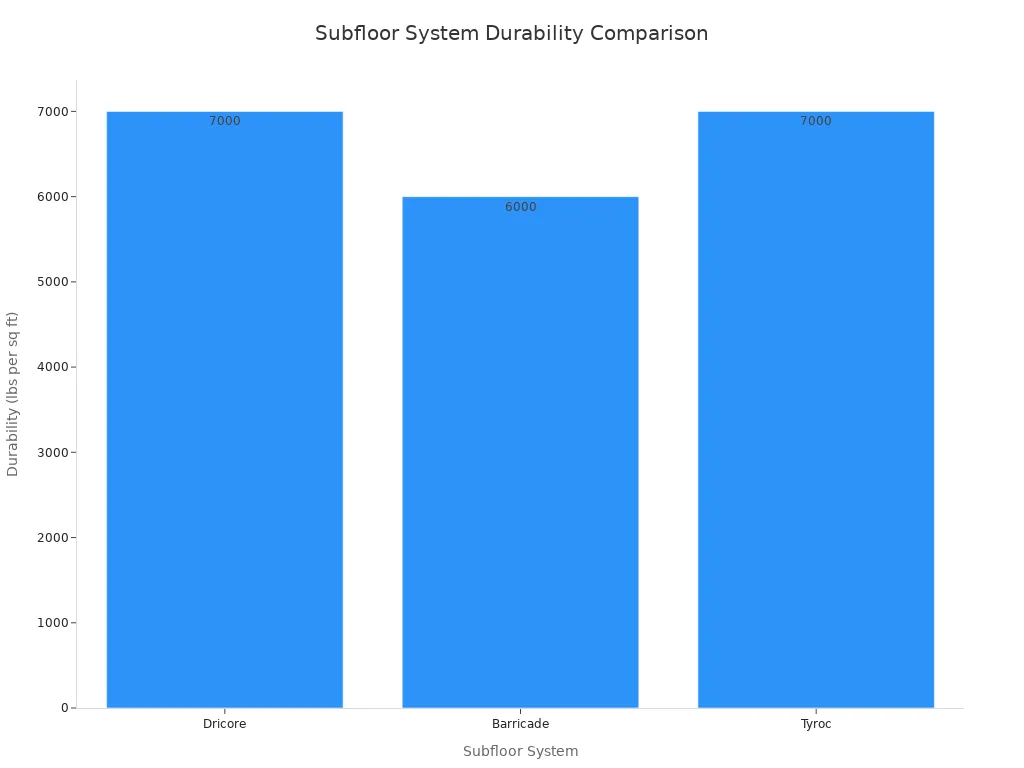
DRIcore and Tyroc hold more weight than Barricade. All three brands last a long time. You get a 25-year warranty for peace of mind. You can put in these basement subfloor systems yourself. You do not need to hire anyone.
Note: Pick a system based on your basement’s moisture, your flooring type, and your budget.
Moisture and Vapor Management in Basement Subfloor
Why Moisture Matters
It is important to think about moisture when picking a basement subfloor. Basements often have lots of water in the air or ground. Water can come from the ground, walls, or even the air. If you do not control moisture, your subfloor can get ruined. You might see it bend, swell, or grow mold. Mold resistance helps keep you healthy and makes your floor last longer.
You should test for moisture before you put in any subfloor. This helps you choose the best material for moisture resistance. Some materials, like magnesium oxide board, resist water and mold very well. Others, like plywood, do not do as well with moisture.
Here is a table that shows how different ways to control moisture affect your subfloor choice:
Moisture Control Method | Impact on Subfloor Material Selection |
|---|---|
Use a vapor barrier | Stops water from reaching the subfloor, so you can use more types of flooring. |
Apply waterproof sealers | Protects the subfloor from water damage, so you can use laminate or wood. |
Set up proper drainage | Lowers moisture levels, so you can use flooring that needs dry conditions. |
You want your subfloor to resist moisture well. This keeps your basement dry and safe.
Vapor Barriers
Vapor barriers are important for basement subfloors. These barriers stop water vapor from moving through concrete into your home. Vapor can hurt your floor if it gets trapped underneath. You need to pick the right vapor barrier for your subfloor.
There are three main types of vapor barriers:
Type | Description | Common Uses |
|---|---|---|
Class I | Blocks almost all vapor, less than 0.1 perm. | Polyethylene sheets, foil-faced insulation |
Class II | Blocks some vapor, 0.1 to 1.0 perm. | Kraft-faced insulation, coated papers |
Class III | Lets more vapor through (1.0 to 10 perms). | Latex paint, gypsum board |
Vapor barriers block water vapor from coming through basement walls.
They help stop condensation on cold surfaces, which lowers mold and damage risk.
Different vapor barriers block different amounts of moisture.
You should always use a vapor barrier with materials that do not resist moisture well. This protects your subfloor and helps your floor last longer. Vapor barriers also help stop mold by keeping water away from wood and other organic materials.
Tip: Always check the permeability rating of your vapor barrier. The right vapor barrier gives you the best moisture resistance and keeps your basement healthy.
Cost Comparison of Subfloor Options
 Material Costs
 Material Costs
When you plan your basement, you should check the price of each subfloor material. The cost for each square foot can change your total spending. Some subfloor types are more expensive because they use special materials or last longer. Here is a table that shows the average cost for popular subfloor options in 2025:
Material | Average Cost per Square Foot |
|---|---|
Magnesium Oxide Board | $1.50 to $3.00 |
Plywood | $2.50 to $3.00 |
OSB | $0.50 to $1.00 |
OSB is the cheapest subfloor option. Plywood and magnesium oxide board cost more, but they last longer and work better. If you want to save money, you might pick OSB. If you want a subfloor that lasts and stops water, you may choose magnesium oxide board.
Installation Costs
You also need to think about how much it costs to put in your subfloor. Some subfloor materials are simple to install, so you pay less for labor. Others take more time or need special tools. The table below shows the usual installation costs for each main subfloor:
Subfloor Material | Average Cost (Per Square Foot) |
|---|---|
Plywood | $2.50–$3.50 |
Oriented strand board (OSB) | $2.50–$4.50 |
Amdry | $3–$10 |
DRIcore | $2.50–$9 |
Barricade | $2–$10 |
Warmboard | $7 |
Concrete | $6 |

You can see that installation costs can get high quickly. DRIcore and Barricade cost more, but they help keep your basement dry. Warmboard and concrete are the most expensive to install. If you want to spend less, you can use OSB or plywood. If you want the best moisture control, you may pay more for DRIcore or Barricade.
When you pick a subfloor, always look at both the material and installation costs. You want a subfloor that fits your budget, works well, and helps keep out water. If you plan to use epoxy or polyaspartic coatings, make sure your subfloor is flat and dry. These coatings work best on a smooth, clean surface. You can use epoxy and polyaspartic coatings on concrete, magnesium oxide board, or plywood if you prepare the floor right. Epoxy and polyaspartic coatings help stop water and protect your subfloor. You get a strong finish that lasts and stands up to water and damage.
Tip: Always add up both material and installation costs for your subfloor. This helps you stay on budget and get the best deal for your basement.
Best Basement Flooring Options and Compatibility
Flooring Types for Basements
You can pick from many basement flooring options. Some floors are better because they fight water and last longer. You want a floor that stays strong if your basement gets wet. Here is a table that shows how different flooring materials work with popular subfloor types:
Flooring Material | Compatibility with MGO Boards | Key Features |
|---|---|---|
Highly compatible | Water, mold, and fire resistant | |
Cement Board | Compatible | Strong in humid areas, suitable for tiles or vinyl |
Plywood | Condition-dependent | Works if basement is mostly dry, requires sealing |
Vinyl/Tiles | Recommended | Water-resistant and easy to clean |
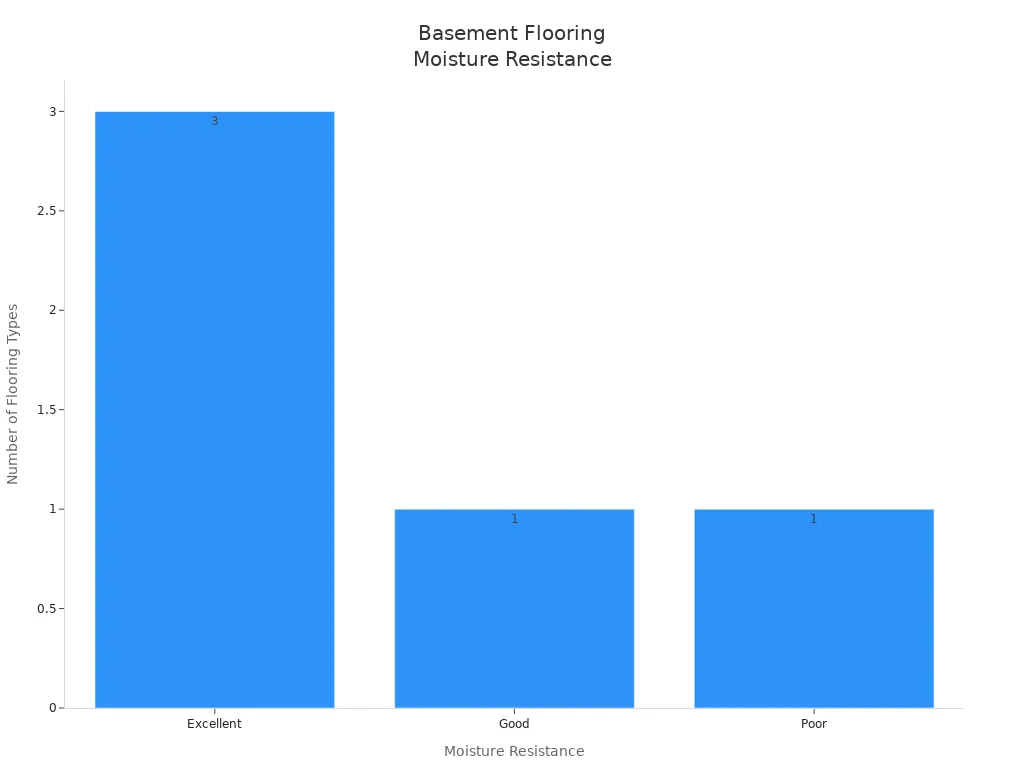
Luxury vinyl plank flooring is a great choice for basements. It does not let water in and feels nice to walk on. Waterproof laminate flooring also works well in basements. Ceramic and porcelain tile are good for wet places. These tiles are tough and last a long time. Carpet is soft but does not stop water. You should only use carpet in dry rooms. Epoxy and polyaspartic coatings make a hard, waterproof floor. These coatings are best for gyms or workshops.
Matching Subfloors to Flooring
Your basement floor should match your subfloor. Some floors need extra protection from water. Others need a flat and strong base. The table below shows which flooring types work best with different subfloors:
Flooring Type | Moisture Resistance | Durability | Cost Range (per sq ft) | Comfort | Best Use |
|---|---|---|---|---|---|
Luxury Vinyl Plank | Excellent | High | $4–$16 | Comfortable | Living spaces |
Waterproof Laminate | Good | Moderate | $4–$14 | Comfortable | Dry areas |
Ceramic/Porcelain Tile | Excellent | High | $10–$50 | Hard | Wet areas |
Carpet | Poor | Moderate | $2–$8 | Soft | Dry spaces |
Epoxy/Polyaspartic | Excellent | High | $4–$12 | Hard | Gyms, workshops |
Waterproof laminate flooring works best with magnesium oxide board or cement board. You get good water protection and a smooth floor. Luxury vinyl plank flooring matches most subfloors, especially MGO boards and dimpled membranes. Ceramic and porcelain tile need a strong, waterproof base like cement board or MGO board. Carpet works with plywood or OSB, but only if your basement stays dry. Epoxy and polyaspartic coatings need a flat, sealed subfloor. You can use these coatings on concrete or MGO board.
Tip: If you want eco-friendly floors, pick ones made from recycled stuff or natural fibers. These choices help the planet and keep your basement healthy.
Waterproof laminate flooring gives you comfort and fights water. You can use it in most finished basements. Ceramic and porcelain tile are best for laundry rooms or bathrooms. Carpet feels nice in playrooms, but you must keep the room dry. Always match your flooring to your subfloor for the best results.
Recommendations for Different Basement Needs
Damp or Flood-Prone Basements
If your basement is damp or floods, you need to stop water. Pick a subfloor that blocks water and stays strong. Builders use softwood boards, plywood, or oriented strand board for flat floors. These materials are tough and last a long time. Always put a vapor barrier under your subfloor. This stops water from the ground from hurting your floor.
“AdvanTech subflooring is popular in wet places. It keeps its strength and holds screws even after getting wet and drying,” said Vegas.
You can use a floating subfloor with dimpled membranes or DRIcore panels. These systems make a space for water to drain and air to move. This helps stop mold and mildew from growing. Always tape plastic sheets on the concrete. Check the finish floor’s rating so your floor dries right.
Recommended Steps:
Put a vapor barrier under the subfloor.
Use a floating subfloor for more water protection.
Pick materials that do not swell or grow mold.
Finished, Dry Basements
If your basement is dry, you have more options. You can use plywood or OSB panels for your subfloor. These work well with carpet, laminate, or vinyl. You can also use a floating subfloor for easy setup and extra warmth. This gives you a smooth floor for any finish.
Tip: Always look for leaks before you put in your subfloor. A dry basement helps your floor last longer.
A floating subfloor is great for finished basements. You get a nice space for living, working, or relaxing.
Playrooms, Gyms, and Special Uses
You want your basement to be safe and comfy for daily use. For playrooms or gyms, pick a subfloor that is soft and strong. Foam panels or composite boards give you warmth and a soft feel. You can use luxury vinyl plank or rubber floors for easy cleaning and long life.
Space Type | Best Subfloor Choice | Flooring Match |
|---|---|---|
Playroom | Foam panels, floating subfloor | Carpet, vinyl plank |
Gym | Composite panels, floating subfloor | Rubber, epoxy |
Workshop | MgO board, concrete | Epoxy, tile |
You make a space that feels good and is easy to use. You also keep your subfloor safe from heavy things and equipment.
MgO board protects against fire, water, and pests. It is good for the planet and lasts a long time. Other subfloor choices work better in dry basements or for special needs. You should pick based on how wet your basement is and what floor you want.
Common mistakes to avoid:
Choosing floors only because they look nice.
Mixing up water resistant and waterproof.
Professional tips:
Watch out for moisture at all times.
Ask an expert for help with basement jobs.
Check moisture often to stop mold and damage.
FAQ
What makes magnesium oxide board better for basements?
You get strong fire, mold, and moisture resistance with magnesium oxide board. This board does not rot or attract pests. You help the environment because it uses fewer chemicals and natural minerals.
Can you install MgO board over an uneven basement floor?
You should level your basement floor before you install MgO board. Uneven surfaces can cause cracks or gaps. Use a self-leveling compound for best results.
Is magnesium oxide board safe for indoor air quality?
Yes, you can trust MgO board for healthy air. It does not release harmful fumes or VOCs. You keep your basement air clean and safe for your family.
How do you cut and handle MgO board?
You can cut MgO board with a carbide-tipped saw or utility knife. Always wear gloves and a mask. The board can be heavy, so ask for help when moving large panels.
What flooring works best with MgO board in basements?
You can use vinyl plank, tile, laminate, or carpet over MgO board. This board gives you a strong, flat base for many flooring types. Always check the flooring manufacturer’s instructions for best results.