


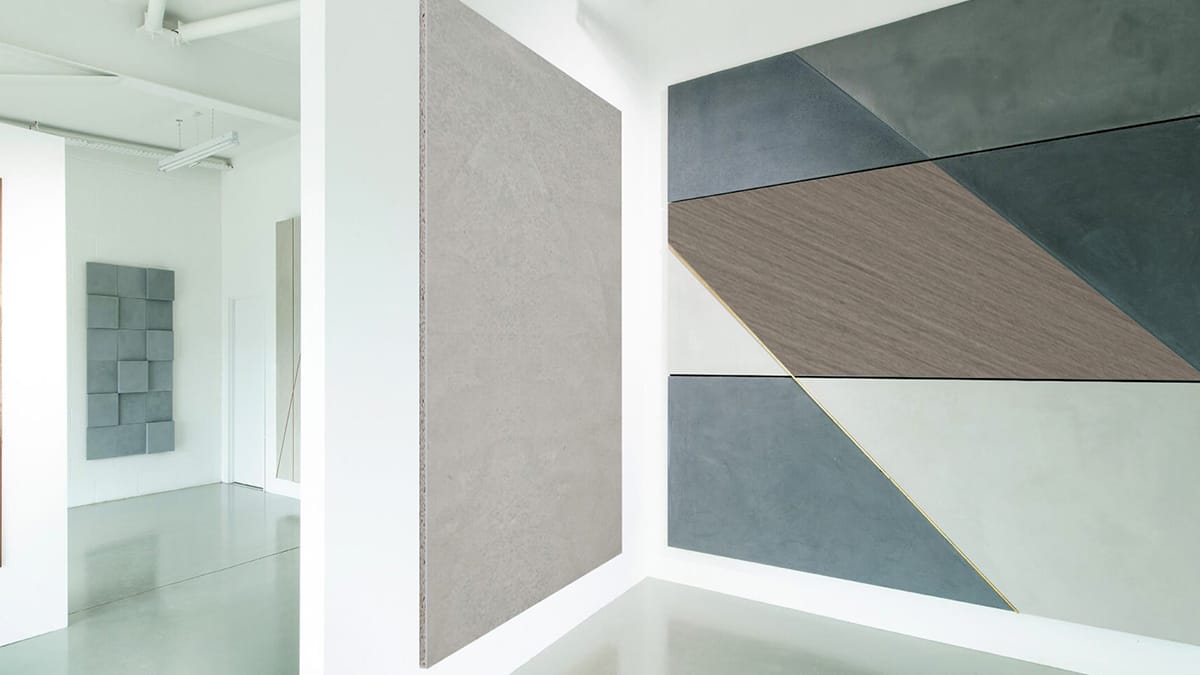
04 Dec Top Tips for Picking Modular Wall Panels That Fit Your Space
Table of Contents
Have you ever stood in a room and wondered how to make those walls work better for you? Picking modular wall panels starts with thinking about what your space needs. You want panels that look good and do their job, whether it’s cutting down noise or making repairs easy. Many people choose modular wall panels because you can move them around, fix them quickly, and even help the planet by reducing waste. Your choice should blend style, function, and smart solutions for your space.
Key Takeaways
Look at your space closely before picking modular wall panels. Think about how you use the room. Measure the walls to make sure the panels fit well.
Decide what you need most when choosing panels. Look for things like soundproofing, durability, and easy cleaning. This helps you find the best panels for you.
Talk to experts or suppliers for help. They know a lot and can guide you with safety rules. They can help you pick the right panels for your project.
Try out samples in your space to see how they look and feel. This lets you check color and texture before you buy. It helps you avoid problems later.
Make sure your design can change if needed. Pick panels that you can move or change easily. This helps your space work for you as your needs change.
Modular Wall Panels Overview
What Are Modular Wall Panels
You may ask how modular wall panels are not like normal walls. These panels come in pieces you can put together or take apart. You can use them to make new walls or split up rooms. They also add style to any place. People use them in homes, offices, schools, and hospitals.
Here’s a simple table showing the main types:
Category Type | Examples |
|---|---|
Product Type | Acoustic Panels, Decorative Panels |
Application | Residential, Commercial, Healthcare, Education, Government, Financial, Manufacturing, Others |
You can pick panels that do what you need. Some block sound, some add color, and some give you privacy. Modular wall panels save time because they go up fast. You do not have to wait long or hire lots of workers.
Modular wall panels are fast and simple to put in, so you save time.
Regular walls take more time and cost more since they need more stuff and skilled people.
You can move or change modular panels anytime, and you will not make a mess.
Why Choosing The Right Panels Matters
Choosing the right panels does more than just cover a wall. The best panels help your space last longer, look nicer, and save money over time.
Feature | Benefit |
|---|---|
Durability | Strong panels last longer in busy places like airports and schools. |
Maintenance Ease | Surfaces do not scratch or stain easily, so you clean less. |
Aesthetic Appeal | Many styles, colors, and textures let you match your taste and space. |
Cost-Effectiveness | You save money over time because panels last and need less care. |
You can find modular wall panels for any style, from modern to warm. Decorative panels make homes and businesses look nice. You can try cool designs, like shaped patterns or special finishes. When you choose the right panels, your space works well and looks great.
Types of Modular Wall Panels
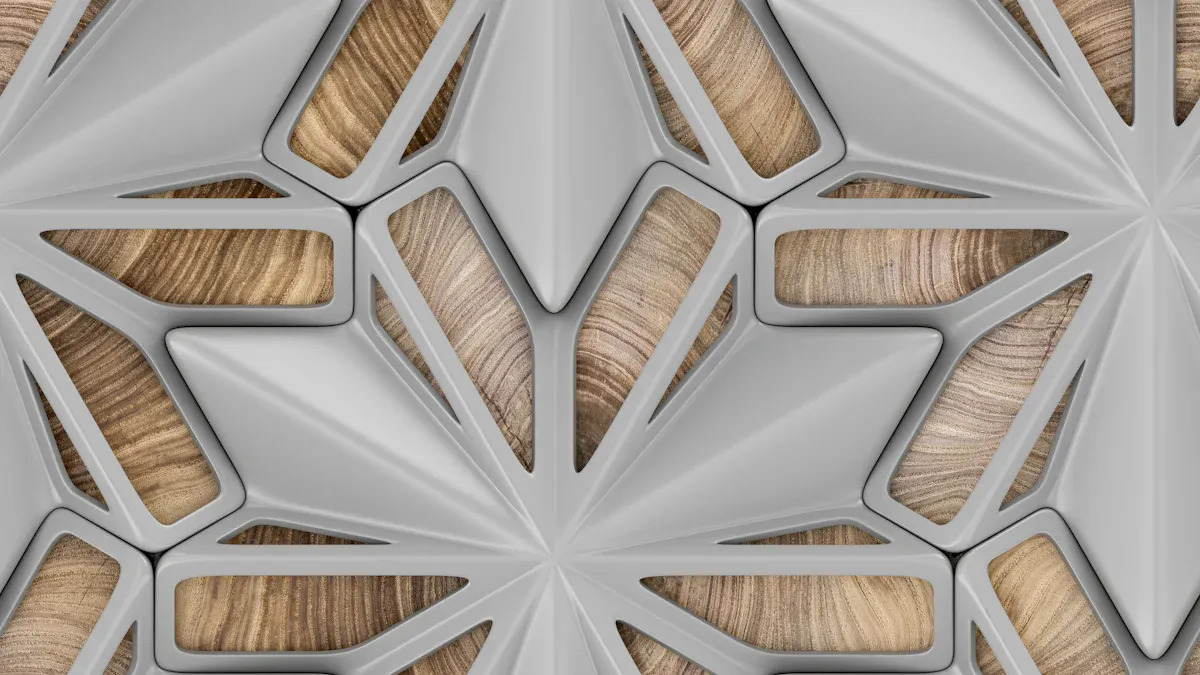
Acoustic and Sound Absorbing Wall Panels
If you want less noise, try acoustic panels. These panels help make rooms quieter. They are good for offices, classrooms, or home theaters. Acoustic panels come in many styles. Some look nice and block sound at the same time. Fire and sound modular walls are popular. They work well in busy places and follow safety rules. You might see steel or fiberglass reinforced plastic panels. These are easy to clean and help control noise. Sound absorbing wall panels are also used in hospitals. They help stop infection and keep things calm.
Decorative and Design Panels
Decorative panels let you show your style. You can pick bright colors, 3D shapes, or natural textures like bamboo. Many decorative panels use low-VOC finishes. This means your space stays healthy without strong chemicals. Some decorative acoustic panels look good and block sound. You get both beauty and quiet. Here are some design trends:
Trend Type | Description |
|---|---|
Bamboo & Rapidly Renewable Resources | Bamboo grows fast and makes strong, stylish wall panels. |
Biophilic Designs | These panels use natural textures and plant-based materials. |
Bold Colors & Statement Finishes | Designers use bright finishes to make walls stand out. |
3D & Geometric Wall Panels | These panels add depth and movement for a modern look. |
Decorative panels can make any wall look special.
Partition and Functional Panels
Functional panels help you use your space better. You can make new rooms or private work areas. These panels move easily, so you can change your space anytime. Here are some benefits:
You can change your space when you need to.
You use your space well without big changes.
You make private work areas but keep things open.
You make less construction waste.
You can change things later if you want.
Functional panels work in homes and offices. You can pick tough stucco embossed steel skin or aluminum honeycomb for cleanrooms.
Customizable Options
You can change modular wall panels to fit your needs. Pick the size, door spot, finish, and even soundproof or fire-rated features. Many companies help you choose the best options. You can pick different panel types and setups for your space. Want a special color or texture? Decorative panels have many choices, so you get what you want. Flexible modular wall systems let you install and move panels fast. They are smart for spaces that change often.
Key Factors to Consider
When you look for modular wall panels, think about what matters most. These things help you pick panels that fit your space and last a long time. Let’s look at the most important points.
Material and Durability
You want panels that can handle daily use. Some materials last longer and are tougher than others. Here’s a quick chart to compare popular materials:
Material | Durability Characteristics | Common Applications |
|---|---|---|
Fiberglass Reinforced Plastic (FRP) | Very tough, water-resistant, and does not scratch easily. | Bathroom walls |
Stainless Steel | Very strong, does not rust, easy to clean, and resists fire. | Clean rooms |
Aluminum | Light, strong, does not rust, and works well in clean places. | Clean rooms |
Clean Room-Grade Plastics | Great at resisting chemicals, does not react, and easy to clean. | Clean rooms |
If you want panels that last a long time, aluminum alloy panels can last over 50 years. Bamboo fiber composite panels can last up to 50 years too. Wooden 3D wall panels last about 10 to 20 years. PVC panels last 5 to 15 years. Insulated panels are even stronger and last longer. These panels fight mold, mildew, and rust, so they are good for busy places.
Acoustic Performance and NRC Rating
If you want a quiet room, you need acoustic treatment. Acoustic modular wall panels help block noise and make rooms calm. You should check the NRC rating. A higher NRC number means the panel blocks more sound.
Fabric-wrapped wall panels usually have NRC ratings from 0.75 to 0.95.
High-performance panels can have NRC ratings from 0.75 up to 1.05.
Insulated panels with acoustic treatment work well in offices, schools, and hospitals. They help keep noise down and help people focus. If you want a peaceful space, pick panels with a high NRC rating.
Thermal Insulation
Insulated panels do more than block sound. They help keep rooms warm in winter and cool in summer. MgO insulated panels keep heat in when it’s cold and block heat when it’s hot. These panels do not let heat pass through easily, so they work better than wood or drywall. You save money on energy bills and stay comfortable all year.
Insulated panels help keep the temperature steady.
You spend less on heating and cooling.
These panels make your space use less energy.
Fire Resistance
Safety is important. You need panels that follow fire safety rules. Insulated panels often have fire-resistant features. Here are some codes you should know:
Code Name | Description |
|---|---|
International Building Code (IBC) | Covers all buildings and makes sure they are safe. |
International Residential Code (IRC) | Focuses on homes and townhouses and gives fire safety tips. |
International Fire Code (IFC) | Makes sure fire safety steps are in place for all buildings. |
Stainless steel and clean room-grade plastics are good for fire resistance. Insulated panels with fire ratings help keep your space safe and follow the rules.
Design, Color, and Texture
You want your walls to look nice. Modular wall panels come in many colors and textures. You can pick 3D shapes, stone looks, or natural patterns. Metallic finishes like brushed brass look great in restaurants and showrooms. You can even pick panels that look like concrete for a modern style.
Color/Texture Type | Description |
|---|---|
3D Geometric Patterns | These look cool and help with sound, great for tech spaces. |
Natural Stone Replicas | These look like real stone and are used in fancy places. |
Biophilic Textures | These have natural patterns and help people feel calm. |
Metallic Finishes | These look like metal and make places look modern. |
Customizable Modular Systems | You can add your own designs, good for stores and offices. |
Concrete-Effect Panels | These look like concrete and are good for city styles. |
Fabric-Embedded Surfaces | These feel soft and are good for busy rooms. |
Terrazzo-Inspired Designs | These look retro and are easy to clean and change. |
Digital Print Textures | These have high-quality prints for cool looks. |
Recycled Material Textures | These are eco-friendly and good for people who care about the planet. |
Insulated panels come in many styles, so you can match your look and get the benefits of sound and heat control.
Budget and Cost
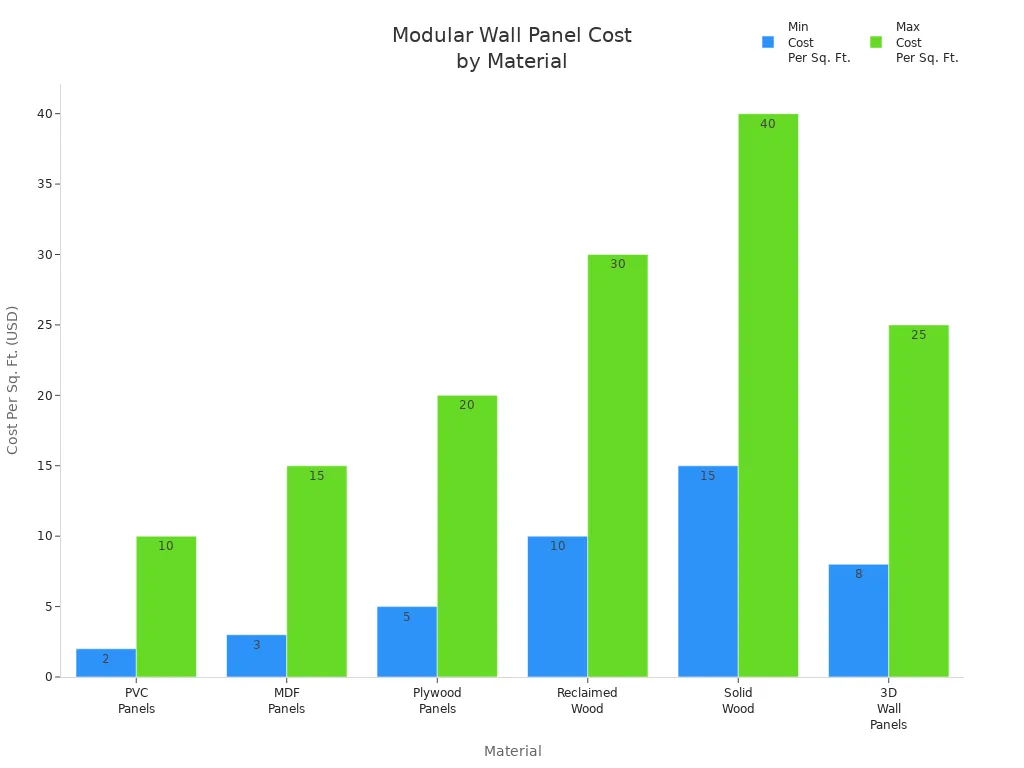
You need to think about your budget. The price of modular wall panels depends on the material, design, and extra features. Here’s a quick chart:
Material | Cost Per Sq. Ft. | Best For |
|---|---|---|
PVC Panels | 2–10 | Bathrooms, kitchens, rentals |
MDF Panels | 3–15 | Accent walls, modern homes |
Plywood Panels | 5–20 | Budget projects, painted looks |
Reclaimed Wood | 10–30 | Rustic or farmhouse styles |
Solid Wood | 15–40+ | Luxury homes, historic renovations |
3D Wall Panels | 8–25 | Feature walls, offices, hotels |
Insulated panels cost more at first, but you save money later. They last longer and help lower your energy bills. Modular panels also save money compared to regular walls, especially if you change your space a lot.
Wall Type | Positive ROI Achieved After | Total Savings Over 5 Phases | |
|---|---|---|---|
STARC RealWall™ | $479 | Phase #3 | $35,000 |
STARC LiteBarrier™ | $279 | Phase #2 | $55,000 |
STARC FireblockWall™ | $867 | Phase #2 | $200,000 |
Drywall | $169 (standard) | N/A | N/A |
Drywall with Soffit | $585 | N/A | N/A |
Customization and Flexibility
You want panels that work for you now and later. Modular wall systems let you make straight or curved walls, change heights, and use different materials like acrylics and fabrics. You can move insulated panels, change the layout, and take them apart without breaking them.
Insulated panels let you change your space fast.
You can make new rooms for shows or events.
These panels protect your money because you can use them again.
You get a professional look and quick setup.
If your space changes a lot, flexibility is very important. Insulated panels make it easy to change things.
Maintenance and Cleaning
You want panels that are easy to clean. Insulated panels need simple care. Vacuum them often and wipe with a damp sponge and mild soap. Do not use strong cleaners so the panels stay nice. Clean them every week and install them right to help them last longer.
Tip: Insulated panels with smooth surfaces are easier to clean and keep looking new. If you pick panels for busy places, choose ones that do not stain or scratch easily.
When you think about all these key points, you can pick modular wall panels that fit your space, style, and budget. Insulated panels give you strength, sound control, energy savings, and flexibility. You get a space that works for you now and can change as you need.
Temporary vs. Permanent Modular Wall Panels
Pros and Cons of Temporary Panels
Sometimes you need a wall you can move fast. Temporary modular wall panels let you do this. You can put them up quickly and take them down easily. The setup is simple and does not make a mess. Many people use these panels for short projects or renovations.
Here’s a table showing what people think about temporary panels versus drywall:
Disadvantages of Traditional Drywall | |
|---|---|
Easy to change during renovations | Takes more time and effort |
Quick to install and remove | Needs demolition to adjust |
Can use again for other projects | Cannot use again after removal |
Looks neat and finished | Looks unfinished while working |
You can use temporary panels again for new jobs. Drywall needs to be torn down and cannot be reused. Using drywall takes more time and costs more money.
Pros and Cons of Permanent Panels
Permanent modular wall panels are good for spaces that stay the same. These panels make strong walls that last many years. It may take longer to install, but you get a stable wall. You save money over time because you do not need to replace them often.
Here’s a table with the good and bad points for commercial spaces:
Benefit/Drawback | Description |
|---|---|
Good for the planet | You can reuse panels and make less waste. |
You pay more at first, but save on work and materials. | |
Fast to set up | You can put up and take down panels quickly. |
Helps stop infection | Many panels meet safety rules for hospitals and clinics. |
Permanent panels are safer and follow strict rules for schools and hospitals. You get a wall that looks nice and helps keep people safe.
How to Choose for Your Project
You need to pick the best wall for your space. Here is an easy way to decide:
Make sure the panels follow all safety rules.
Look at the total cost, not just the first price.
Talk with everyone to meet budget and safety needs.
Tip: If you change your space a lot, pick temporary panels. If you want a wall that lasts and follows rules, choose permanent panels.
Picking the right modular wall panel helps your space work better.
Tips for Choosing Modular Wall Panels
 Assess Your Space
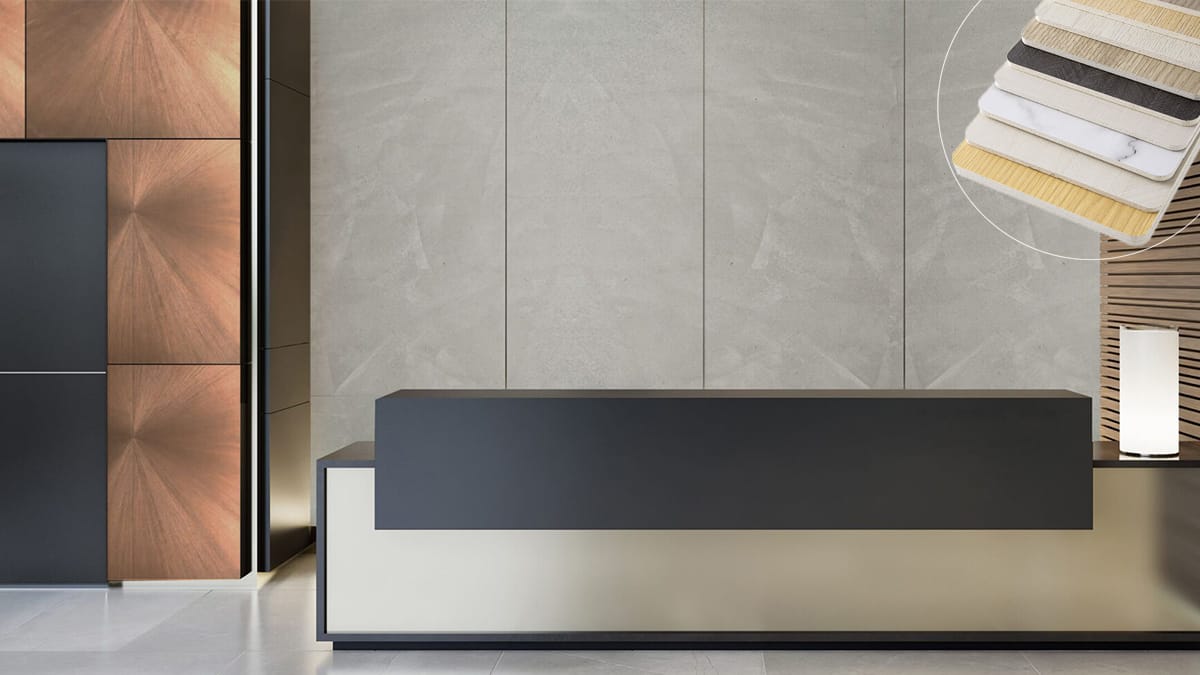 Assess Your Space
Start with a close look at your room or project area. You want to check your space before you buy anything. Think about how you use the room every day. Is it a busy office, a quiet classroom, or a home theater? The type of space changes what panels work best. You also need to measure the walls and see if you have odd corners or windows.
Here’s a table to help you check your space and make smart choices:
Factor | Description |
|---|---|
Project Type and Environment | The kind of project and its location guide your choice. Steel panels fit tough spots. Gypsum works well indoors. |
Budget Constraints | Some panels cost less, like plastic. Gypsum panels are reliable for inside use. |
Desired Performance Metrics | Look for insulation (R-values) and soundproofing (STC ratings) to save energy and cut noise. |
When you check your space, you set yourself up for success. You avoid panels that don’t fit or work for your needs.
Prioritize Needs and Features
You want panels that solve your problems and look good. Focus on your needs first. Do you need quiet rooms, strong walls, or easy cleaning? Make a list of what matters most.
Designers and architects often look for these features:
Durability means panels last longer and resist damage.
Ease of installation saves time and effort.
Aesthetic versatility lets you match your style.
You can also think about how panels change the feel of a room. Perforated panels add shadows and texture, making spaces feel cozy and calm. If you focus on your needs, you get panels that work for you now and later.
One big advantage of modular wall panels is the precision you get from factory-made parts. Every piece fits perfectly, so your walls look neat and professional.
Consult Experts or Suppliers
You don’t have to figure everything out alone. Talk to experts or suppliers who know modular wall panels inside and out. They can help you pick panels that meet safety codes and last a long time. Look for people with real experience and the right qualifications.
Here’s a table showing what to look for when you consult experts:
Qualification/Expertise | Description |
|---|---|
FDA IDE Approvals | Knows how to get FDA approvals for safe panels. |
510(k) Clearances | Helps with regulatory paperwork and clearances. |
Code Consulting | Offers advice on building codes and reviews plans. |
Certified Inspectors | Has certified inspectors with years of experience. |
Custom Solutions | Can make panels just for your project. |
Quality Assurance | Checks every step for quality and reliability. |
When you ask questions, you get answers that save you time and money. Experts can show you new options and help you avoid mistakes.
Test Samples and Finishes
Don’t just look at pictures online. Ask for samples and test finishes in your space. You want to see how panels look in your lighting and feel to the touch. Try out different colors, textures, and shapes. Some panels catch light and make rooms brighter. Others feel soft or sturdy.
Testing samples helps you spot problems before you buy. You can see if a finish scratches easily or if a color matches your furniture. If you check your space with real samples, you make better choices.
Plan for Flexibility
Spaces change over time. You want panels that can move or change with your needs. Modular wall panels let you reconfigure rooms, add new areas, or update styles without big construction projects.
Here’s a table showing how modular panels help you plan for the future:
Feature | Description |
|---|---|
Flexibility | Move panels to fit new layouts or needs. |
Customization | Pick finishes and materials that match your style. |
Efficiency | Use vertical space and add storage to make small rooms work better. |
Modular panels help you create home offices or study nooks without permanent walls.
In offices, you can change layouts to fit new teams or tasks.
Some panels, like VersaKing, make it easy to reconfigure spaces, so you invest once and use them for years.
If you focus on your needs and plan for flexibility, you get panels that work now and in the future. These tips for choosing modular wall panels help you create a space that grows with you.
You have a lot to think about when picking modular wall panels. Here’s a quick look at what matters most:
Factor | What to Watch For |
|---|---|
Pick panels that fit your price range. | |
Functionality | Choose panels that block sound or resist fire. |
Design | Match your style, from simple to bold. |
Maintenance | Go for easy-to-clean options if you want less work. |
Customization | Look for panels you can change or add features to. |
Use these tips to make smart choices. The right panels can turn any space into something special!
FAQ
What are the main benefits of modular wall panels?
You get flexibility, quick installation, and easy changes. Modular panels let you update your space without big messes. You can also pick styles and features that fit your needs.
Can I install modular wall panels by myself?
Yes, you can! Most modular panels come with simple instructions. You only need basic tools. If you have a large project, you might want help from a friend or a pro.
How do I clean and maintain modular wall panels?
Tip: Use a soft cloth and mild soap for most panels. Avoid harsh cleaners. Wipe spills right away. Check your panel’s care guide for special instructions.
Are modular wall panels good for soundproofing?
Many modular panels help reduce noise. Look for panels with a high NRC rating. These work well in offices, classrooms, and home theaters.
Can I move modular wall panels if I change my space?
Absolutely! You can take down most modular panels and set them up in a new spot. This makes them perfect for spaces that change often.