


05 Dec Modular Wall Panels Pros And Cons You Need To Know
Table of Contents
- 1 Key Takeaways
- 2 Pros of modular wall panels
- 3 Cons of modular wall panels
- 4 Pros of traditional walls
- 5 Cons of traditional walls
- 6 Modular walls vs traditional walls: comparison
- 7 Choosing the right wall system
- 8 FAQ
- 8.1 What are modular wall panels used for in homes?
- 8.2 How do modular wall panels help a homeowner save money?
- 8.3 Can modular wall panels improve energy efficiency in homes?
- 8.4 Do modular wall panels require more homeowner involvement during installation?
- 8.5 Are modular wall panels a good choice for all types of homes?
You might ask if modular wall panels are better than regular walls. The answer depends on what you want for your project. Many people pick modular wall panels because they are quick to put in and easy to change. You can look at the main differences in the table below.
Factor | Modular Wall Panels | Traditional Walls |
|---|---|---|
Construction | Made somewhere else, ready to install | Built at the site, needs more workers |
Time Efficiency | Quicker to install, less mess | Slower, needs more work |
Flexibility | Easy to change later | Stays the same once built |
Think about what matters most to you, like how fast you need it, how much money you have, or if you want to change things later, before you decide.
Key Takeaways
Modular wall panels are fast to put up. This helps projects finish sooner. There is less mess than with regular walls.
These panels let you change the design. You can pick different materials and layouts. You can also update them later if you want.
Saving money is a big plus. Modular panels cost less to install. The price is easy to plan for. This helps you stay on budget.
Modular wall panels are strong and last long. They can last 25 to 30 years. You do not need to fix them much. This saves you time and money.
Modular panels are better for the environment. They can use recycled materials. They also make less waste when building.
Pros of modular wall panels
 Fast installation
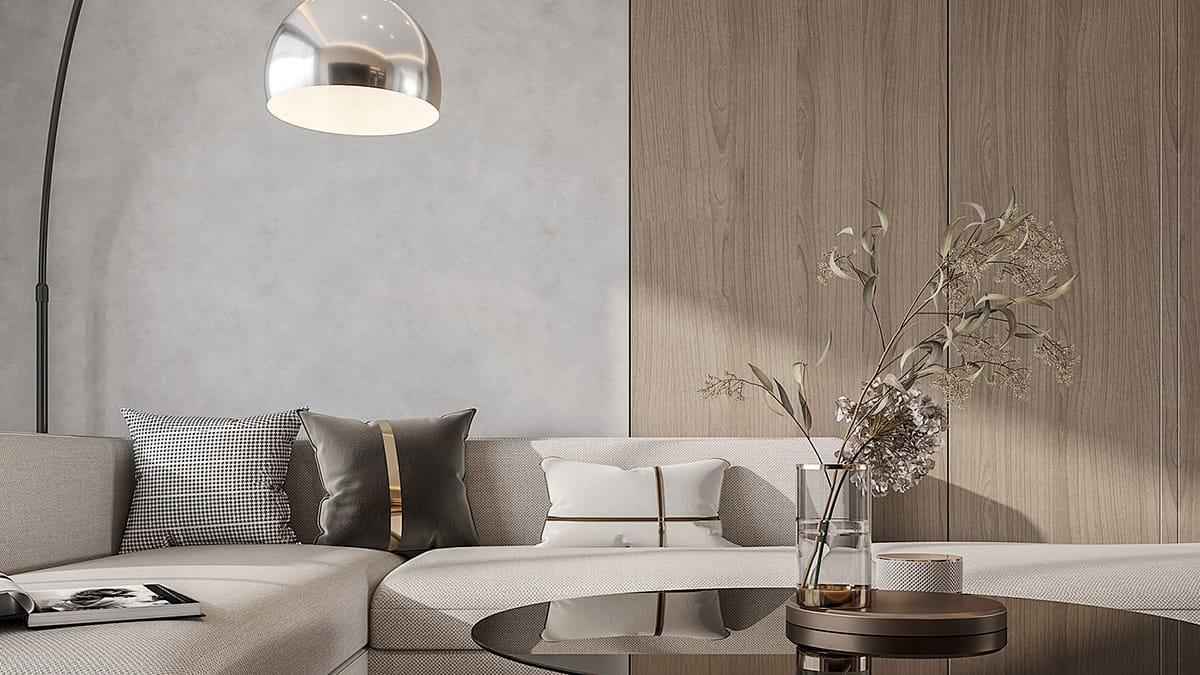
Modular wall panels help you finish projects quickly. The panels come ready to use when they arrive. You do not need to wait for weeks like with regular walls. Some systems, such as SwiftWall, let you build walls in hours or days. Two workers can put up 100 feet of panels in one hour. This fast work helps you meet tight deadlines. Your project stays on schedule. You also skip the mess and loud sounds from old wall building.
Modular wall panels can save you lots of time. You finish your project faster. This means less trouble and more time for other jobs.
Design flexibility and customization
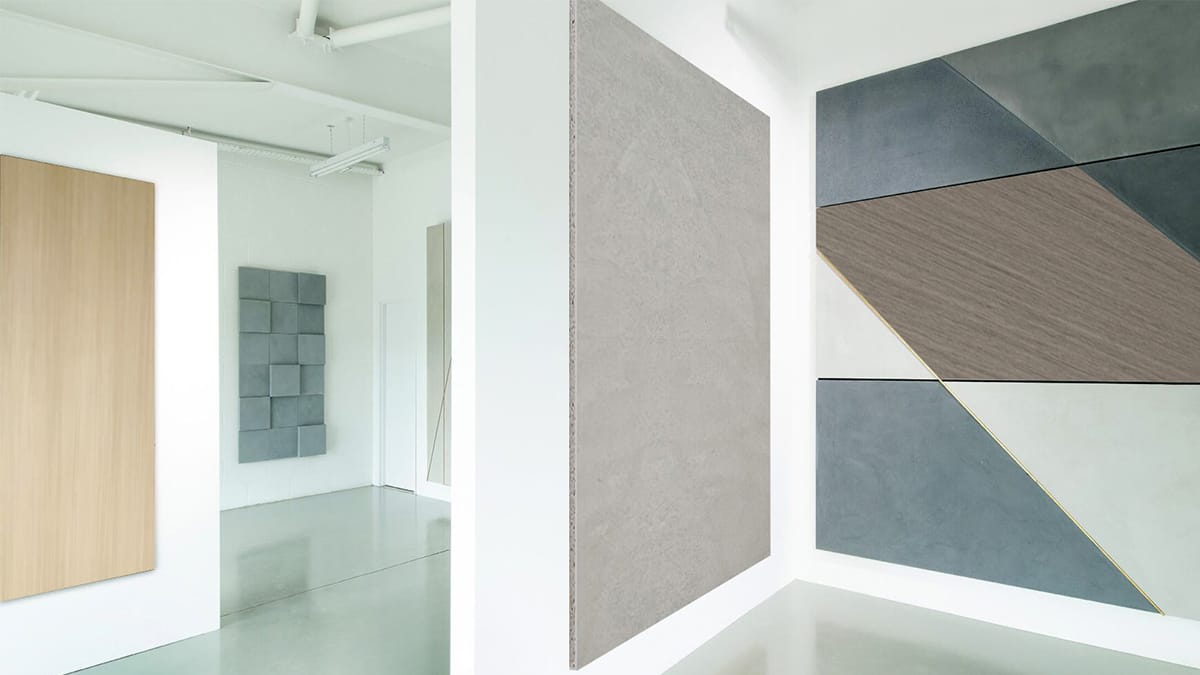
You get many choices with modular wall panels. You can pick different materials, finishes, and layouts. Some panels look like wood, stone, or have cool textures. Schools, offices, and stores use these panels to match their style. You can change the layout later if you want a new look or need extra space.
Feature | Description |
|---|---|
Custom Fabrication | Panels fit tricky shapes and work with building systems. |
Surface Finishes and Textures | Many finishes help show your brand and make your space look better. |
System Integration | Panels can have lights, air vents, and screens for a full setup. |
You get flexibility and value because you can update your space. You do not need to start over. This makes modular wall panels a smart pick for many projects.
Cost efficiency
Modular wall panels help you stick to your budget. They cost about $20 to $40 per square foot. You know the price before you start, so there are no surprises. Fast installation means you pay less for labor. You also save money because you can move or change panels without tearing down walls. Businesses often save a lot by using modular wall panels instead of building new walls every time.
You avoid downtime, so your business keeps working.
Fewer repairs and replacements save you money over time.
Knowing the cost helps you plan better.
Durability and maintenance
Modular wall panels last a long time. In offices or hotels, panels can last 25 to 30 years with little care. Some panels, like MgO boards, are strong and do not break easily. They stay in place for years without repairs. You spend less time and money fixing them than with regular walls, which need more care.
Application Area | Expected Lifespan | Maintenance Level |
|---|---|---|
Indoor Walls | 25–30 years | Low |
Semi-Outdoor | 20–25 years | Moderate |
Exterior Walls | 15–25 years | Moderate-High |
Temperature and climate control
Modular wall panels help keep rooms comfortable. They hold heat in during winter and keep it out in summer. Some panels have high R-values, so they insulate well. For example, composite panels can have an R-value up to 45, which is higher than brick or timber walls. This helps you save money on heating and cooling. Magnesium wall boards also help keep your space safe and comfy, even in tough weather.
Sustainability and less waste
Modular wall panels are good for the planet. You can pick panels made from recycled steel, bamboo, or hempcrete. These materials use fewer new resources and last a long time. Modular building can cut wood waste by 32% and lower landfill waste by up to 91%. You use only what you need, so you do not throw away extra stuff. This makes modular wall panels a smart choice for people who care about the environment.
Recycled steel and plastic mean you need fewer new materials.
Bamboo grows fast and is strong.
Hempcrete is tough and helps keep your space warm or cool.
Safety and fire ratings
Modular wall panels help keep you safe. They follow strict building codes like the International Building Code (IBC) and International Fire Code (IFC). These panels resist fire and do not give off bad fumes. You can use them in homes, offices, and schools and feel safe. The panels also help protect your building in emergencies.
Code Name | Description |
|---|---|
IBC | Covers all buildings, makes sure safety rules are followed. |
IRC | Focuses on homes, gives fire safety tips. |
IFC | Checks that fire safety steps are in place. |
Demountable and reusable
You can move and reuse modular wall panels when you need to. Offices and schools often take down panels and put them up somewhere else. This saves money and cuts down on waste. You do not need to throw away old walls or buy new ones every time you want a change. This makes modular wall panels great for places that change a lot.
Modular wall panels are made to last and be reused. You can move or use them again, which helps cut waste and supports green building.
Cons of modular wall panels
Structural limitations
Modular wall panels have some limits with structure. They can hold up roofs and floors. They also support heavy equipment. But they are not always as strong as regular walls. Most modular wall systems use steel or aluminum. These materials help the panels carry heavy loads. Modular panels meet building codes for safety. You can trust them to be reliable. If you want to build tall or complex buildings, modular panels may not work as well. They do not offer as much flexibility as regular construction.
Modular walls hold up roofs, floors, and equipment.
Steel and aluminum make panels stronger.
Modular wall systems pass safety codes.
You should check what your project needs. If you want to hang very heavy things, you may need extra support. For multi-story spaces, you might need a different wall system.
Aesthetic constraints
Modular wall panels can limit your design choices. Some architects say modular designs look plain. They may not show personal style. Sometimes, panels do not match their surroundings. This can make spaces feel less connected. The materials in modular panels affect how they look and feel. Some panels use lower-quality materials. These may not last long or look as nice as regular walls. Standard sizes and shapes can make spaces look the same.
Panels may not fit well with the environment.
Material quality changes how walls look and last.
Standard sizes can make spaces feel boring.
You can still pick finishes, textures, and colors. Some panels look like wood, stone, or metal. But if you want a unique or classic look, modular panels may not be enough.
Compatibility with existing structures
Adding modular wall panels to old buildings can be hard. The panels must fit with other building systems. These include water, air, and vapor barriers. If you do not plan well, problems can happen where panels meet other parts.
Putting modular wall panels in old buildings can cause problems. You need to match the panels with other building systems. Problems often happen where panels meet other parts. This can make it hard to keep water, air, and vapor barriers working right.
To avoid problems, you should:
Make sure all workers meet before starting.
Find tricky spots where panels meet other systems.
Plan how panels will connect before you finish designs.
Light modular panels help with fixing old buildings. They are easy to install and can make old walls look better. But you need to plan every step to get good results.
Upfront design planning
You need to plan carefully before using modular wall panels. Decide on the layout and finishes first. You also need to know how panels connect to other systems. Planning takes more time at the start. But it helps you avoid mistakes later.
Evidence Type | Description |
|---|---|
Cost Savings | |
Time Savings | Modular panels save time and help you work faster. |
Labor Cost Reduction | Factory-made panels can lower labor costs a lot. |
You can build the foundation and panels at the same time. This makes the process faster. Wall sections go up in days, not weeks. But you must plan every detail early. If you skip planning, you may have delays or extra costs.
Tip: Spend time planning before you order panels. Good planning helps you avoid problems and keeps your project on track.
Pros of traditional walls
 Strong structural support
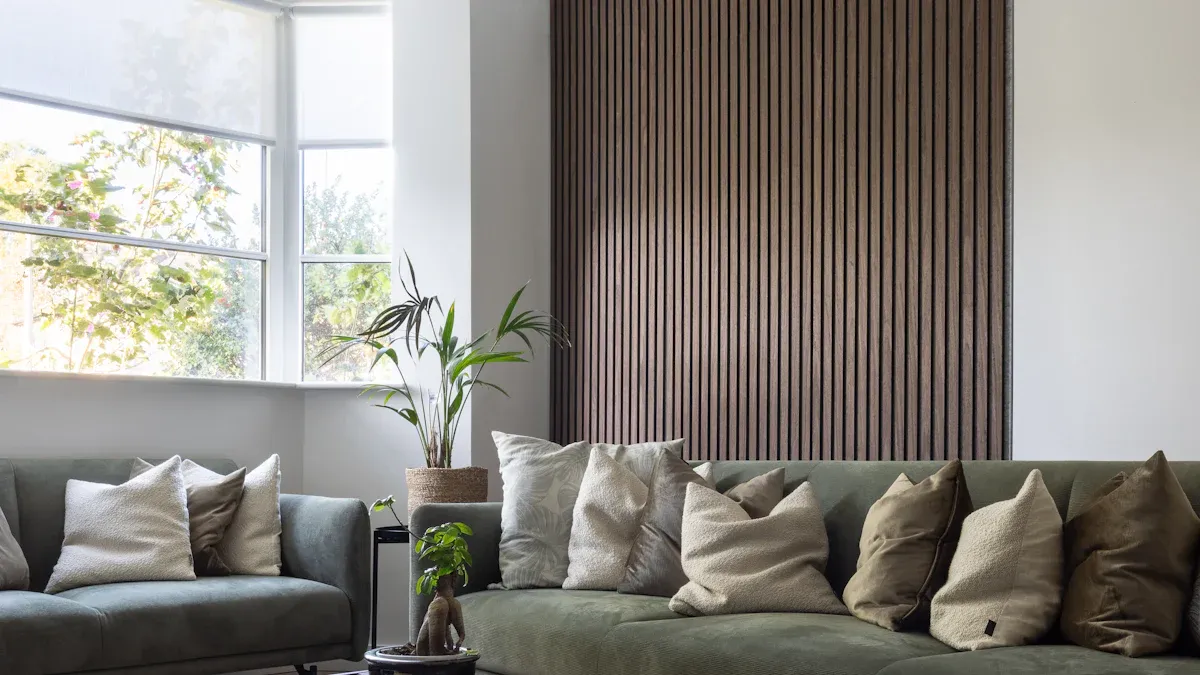
Traditional walls give your building strong support. You can trust these walls to hold up roofs and floors. In areas with earthquakes or strong winds, traditional walls help keep buildings safe. Builders use materials like concrete, steel, or wood to make these walls. Each material gives a different level of strength. When you place these walls in the right spots, they spread out the force from wind or shaking ground. This helps your building stay stable.
Aspect | Description |
|---|---|
Material | Shear walls can be made from concrete, steel, or wood, each providing different levels of resistance. |
Placement | Strategic placement throughout a building helps distribute lateral forces effectively. |
Load Path | Creates a continuous load path from roof to foundation, enhancing stability against lateral forces. |
Resistance to Lateral Loads | Concrete shear walls are particularly effective in high-rise buildings located in seismic zones. |
You also get extra safety from wood walls. Wood can handle strong winds for short times. Builders use many fasteners in light-frame construction. This creates more paths for the force to travel, so the wind does less damage. Plywood or OSB panels make the whole structure even stronger.
Wood walls handle heavy loads during storms.
Light-frame walls use many fasteners for extra strength.
Structural panels add stability to walls, roofs, and floors.
Classic appearance
You can create a timeless look with traditional walls. These walls let you use brick, stone, or plaster. Many people like the solid feel and classic style. You can match your wall to almost any design, from old-fashioned to modern. This helps your space feel warm and welcoming.
Customization for permanent spaces
Traditional walls give you many ways to customize your space. You can add built-in shelves, arches, or special finishes. If you want a unique room, you can shape the walls to fit your needs. Permanent walls work well for homes, schools, and offices that will not change often.
Tip: If you want a space that feels special and lasts a long time, traditional walls let you add personal touches that stand out.
Proven longevity
Traditional walls last for decades. You do not need to worry about replacing them often. Many old buildings still have their original walls. These walls resist wear and tear from daily use. You can count on them to protect your space for many years.
Cons of traditional walls
Slow and disruptive installation
Building traditional walls takes a lot of time. Workers mix things, build frames, and wait for them to dry. This can take weeks to finish. Loud sounds and dust can bother you every day. If you have a business, you might need to close some areas. You lose time and comfort while the work happens.
Tip: Be ready for delays and interruptions with traditional walls.
Higher costs
Traditional walls usually cost more than modular wall panels. You pay more for skilled workers and materials. It also takes longer to build, which adds to the cost. If you want special looks or designs, the price goes up. Sometimes, problems during building make you spend even more. Modular wall panels help you know your budget better.
Cost Factor | Traditional Walls | Modular Wall Panels |
|---|---|---|
Labor | High | Lower |
Materials | Variable | Fixed |
Installation Time | Long | Short |
Customization | Expensive | Affordable |
Limited flexibility
After you build traditional walls, it is hard to change things. You cannot move the walls without a lot of work. If you want a new layout, you must tear down and rebuild. This takes time and costs more money. Modular wall panels let you change things fast, but traditional walls do not.
You cannot change rooms without big work.
Adding doors or windows needs skilled workers.
Changing things later means more mess and cost.
Maintenance challenges
Traditional walls need more fixing as time goes on. You might have to patch holes, paint again, or fix cracks. These repairs can bother you and cost a lot. Over 20 years, you spend more on fixing traditional walls than modular wall panels. With modular wall panels, you can swap out broken parts easily. Modular homes also save money on energy bills.
Traditional walls need more repairs and care.
You pay more for upkeep over time.
Modular wall panels are easier and cheaper to fix.
Note: If you want less work and lower costs, modular wall panels might be better for you.
Modular walls vs traditional walls: comparison
 Key pros and cons side by side
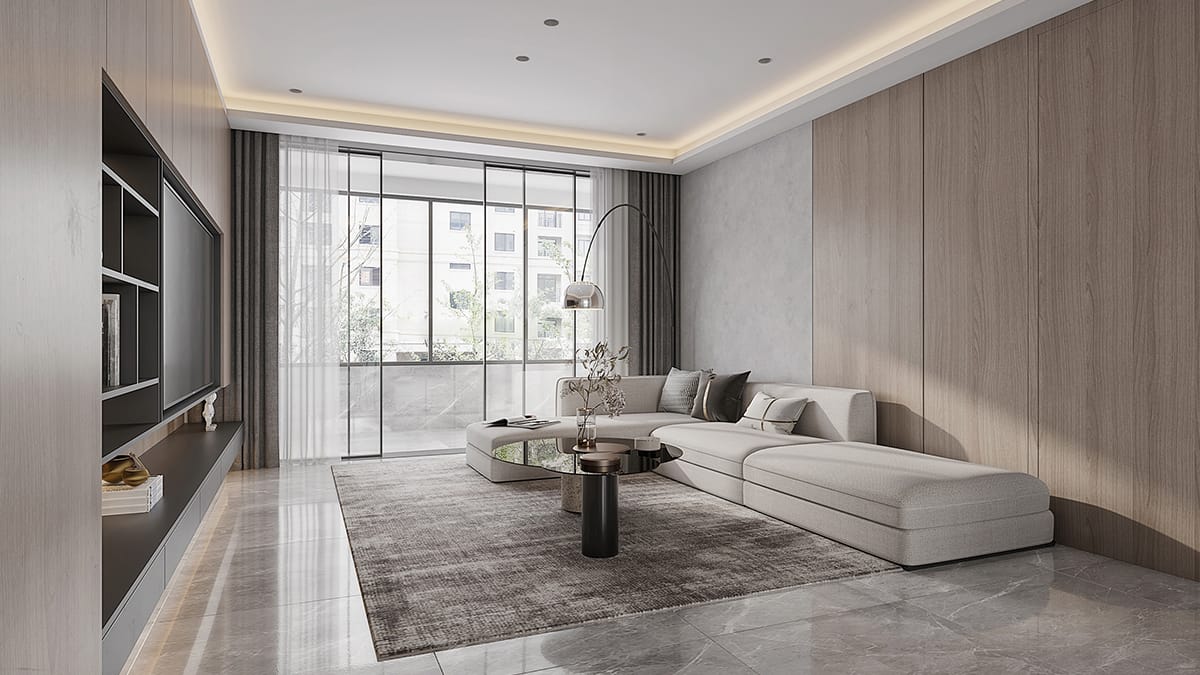
If you want to know how modular walls and traditional walls are different, look at the table below. It shows the main things that make them different. This can help you pick what works best for your project.
Feature | Modular Walls | Traditional Walls |
|---|---|---|
Installation Process | Fast, clean, less disruption | Slow, messy, more disruption |
Design | Plenty of customization options | Custom home design possible |
Flexibility | High adaptability, reconfigurable aesthetic | Fixed layout, hard to change |
Cost Benefits | Lower labor, predictable costs | Higher labor, variable costs |
Quality | Consistent from factory | Varies with site work |
Sustainability | Eco-friendly building alternative | More waste, less green |
Maintenance | Easy to repair or replace panels | Harder, more costly repairs |
Energy Efficiency | Good insulation, saves energy | Depends on materials used |
Tip: Modular walls help you work faster and change things later. You can update your space when you need to.
Panel built homes and modular wall applications
Panel built homes use modular walls to build houses quickly. This way, you save time and money. The building process is simple and does not take long. Modular walls make these homes strong and safe. Factories check each step, so you know the quality is good.
You can choose how your panel built home looks. Pick the colors, finishes, and layout you like best. Modular walls let you design your home your way. If you want to change the design later, you can do it easily. This makes modular walls great for offices, schools, and homes that need to change.
Panelized construction uses modular walls to finish jobs faster. You do not need as many workers, so you save money. There is less waste, which is better for the planet. Modular walls also help you save energy. You pay less for heating and cooling, and upgrades are easy.
Note: Modular walls work in many places. You see them in homes, offices, and schools. They let you change how things look and keep your space strong.
Choosing the right wall system
Project type and needs
You should start by thinking about your project. Ask yourself what kind of space you want to build or update. Modular wall panels work well for offices, classrooms, and stores. These spaces often need quick changes or updates. Traditional walls fit best in homes or buildings that will not change much over time. If you need strong support for heavy equipment or want a classic look, traditional walls might be better.
Tip: Write down your main goals for the space. This helps you see which wall system matches your needs.
Budget and timeline
Your budget and timeline play a big role in your choice. Modular wall panels usually cost less to install. You save money on labor because the panels go up fast. You also avoid long delays. Traditional walls often cost more and take longer to build. If you have a tight budget or need to finish quickly, modular panels can help you stay on track.
Factor | Modular Wall Panels | Traditional Walls |
|---|---|---|
Cost | Lower | Higher |
Installation | Fast | Slow |
Labor Needed | Fewer workers | More workers |
Note: Always ask for a full price quote before you start. This helps you avoid surprises.
Flexibility and future changes
Think about how often you might want to change your space. Modular wall panels give you the power to move or reconfigure walls when you need to. You can update your layout without much trouble. Traditional walls stay in place. Changing them takes more time and money. If you expect to grow, move, or change your space often, modular panels offer more flexibility.
Modular panels: Easy to move, reuse, or update.
Traditional walls: Hard to change once built.
Choosing the right wall system depends on your needs today and your plans for tomorrow.
You have seen the main pros and cons of modular wall panels and traditional walls. Modular panels offer speed, flexibility, and cost savings. Traditional walls give you strong support and a classic look. Your best choice depends on your project, budget, and future plans.
Think about what matters most to you.
Review your goals and timeline.
Talk to a building expert for advice.
Ready to learn more? Start by researching local suppliers or ask a professional for a custom plan.
FAQ
What are modular wall panels used for in homes?
You can use modular wall panels in many homes. They work well for dividing rooms, creating new spaces, or updating old walls. Many homeowners choose them for quick changes. These panels help you change the look of your homes without much mess.
How do modular wall panels help a homeowner save money?
You save money because modular wall panels cost less to install in homes. You do not need many workers. You finish the job faster. Many homeowners see lower bills for repairs. You also spend less on changes in your homes over time.
Can modular wall panels improve energy efficiency in homes?
Yes, modular wall panels help keep your homes warm in winter and cool in summer. You use less energy for heating and cooling. Many homeowners notice lower energy bills. These panels add value to homes by making them more comfortable.
Do modular wall panels require more homeowner involvement during installation?
You often see more homeowner involvement with modular wall panels. You pick the design and layout for your homes. You help plan the changes. Many homeowners like to take part in the process. This makes your homes feel more personal.
Are modular wall panels a good choice for all types of homes?
You can use modular wall panels in many types of homes. They fit new homes and older homes. Homeowners like them for fast updates. You can change the look of your homes easily. These panels work well in small and large homes.