


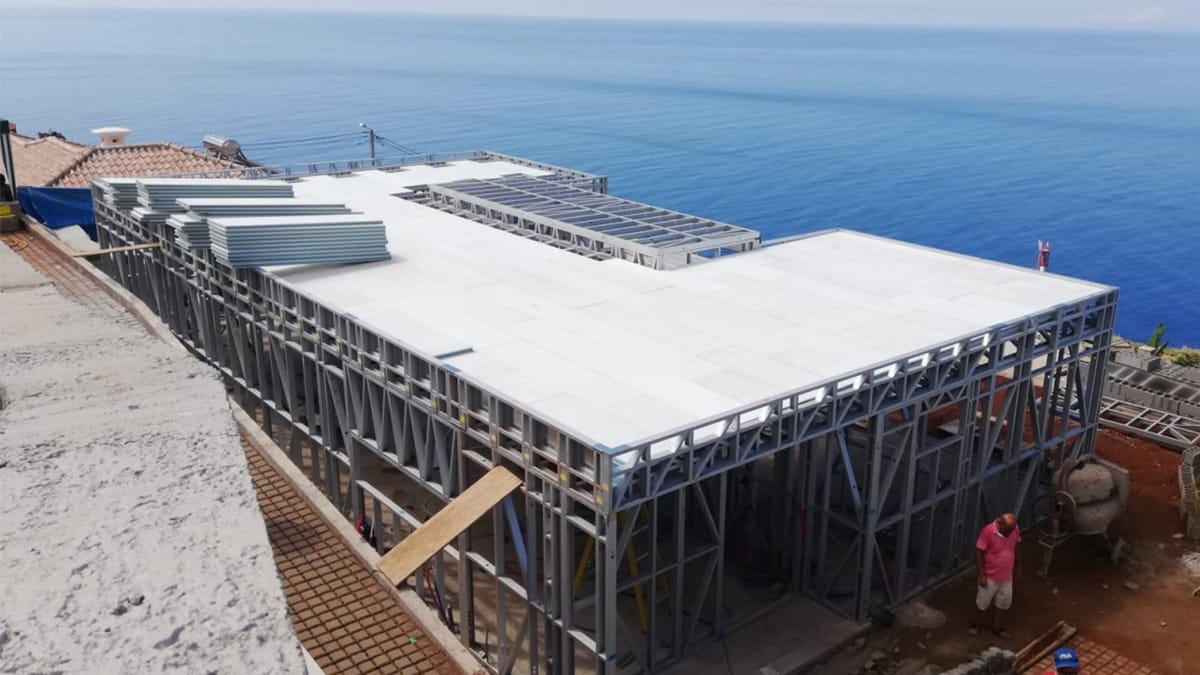
19 Dec Why MgO Board Is the Smartest Choice for Basement Subfloors
Table of Contents
Choosing MgO board for your basement subfloor offers many advantages. The MgO board basement subfloor advantages include keeping out water, stopping mold, and providing excellent fire protection. Unlike plywood, MgO board does not rot, swell, or burn, making it a reliable and durable option. You save money over time because it lasts longer and requires fewer repairs.
MgO board basement subfloor advantages: keeps out water
Stops mold
Protects against fire
Very strong
Simple to install
Saves money
With MgO board basement subfloor advantages, you get better results and greater peace of mind. It outperforms traditional materials in every way.
Key Takeaways
MgO board does not let water in. It keeps your basement dry. This stops mold from growing.
It is very safe in fires. It does not burn. It can help lower your insurance bill.
MgO board is tough and lasts a long time. It is stronger than plywood. You do not need to fix it often.
You can install it fast and easily. This makes it good for DIY jobs.
Picking MgO board helps the environment. It uses natural stuff. You can recycle it all.
MgO Board Basement Subfloor Advantages
Moisture-Resistant And Mold-Proof Benefits
You want a strong subfloor for your basement. Magnesium oxide flooring protects against water damage. It works better than plywood or cement board. Look at the table below:
Board Type | Moisture Absorption |
|---|---|
Magnesium Oxide (MgO) | |
Plywood | ~9% |
Cement Board | ~3% |
Magnesium oxide flooring hardly takes in any water. Plywood soaks up a lot and swells. Cement board is better than plywood, but not as good as magnesium oxide. This means your basement stays dry with magnesium oxide flooring.
If you worry about floods or damp air, magnesium oxide flooring is best. It can stay underwater for 100 days and still work. Plywood gets weak when it gets wet. With magnesium oxide flooring, you do not get rot or swelling.
Mold is a big problem in basements. Magnesium oxide flooring stops mold and mildew. It has special properties that keep the air clean. Your home is healthier with magnesium oxide flooring. You do not have to worry about mold in wet places.
Fire Safety And Non-Combustibility
You want your basement to be safe from fire. Magnesium oxide flooring is the best for fire safety. It does not burn. Plywood and cement board cannot protect as well. See the table below:
Property | MgO Boards | Gypsum Board | Cement Board | Plywood |
|---|---|---|---|---|
Inherent Non-Combustibility | Yes | No | No | No |
Fire Ratings | 1 hr | 2 hr | Low | |
Certification/Standard | ASTM E119, ASTM E136, EN 13501-1 | N/A | N/A | N/A |
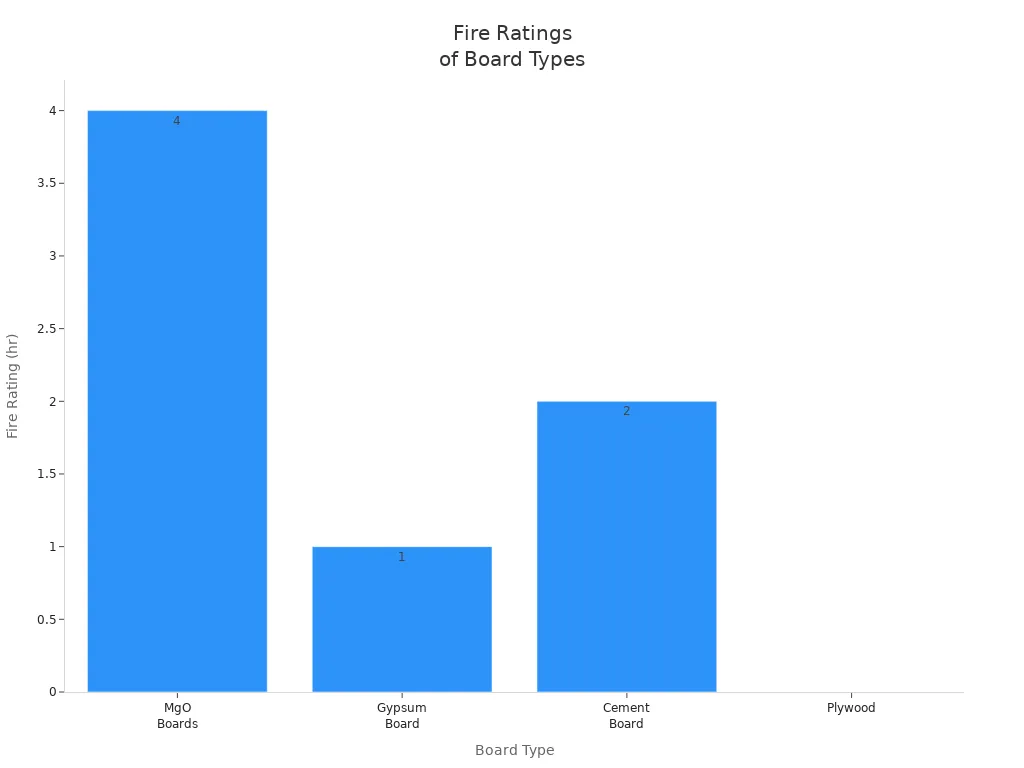
Magnesium oxide flooring meets tough fire safety rules. You feel safer with magnesium oxide flooring. Insurance companies may give you lower rates. They know your home is safer with fire-resistant materials. You also meet building codes and keep your family safe.
Tip: Using magnesium oxide flooring can help lower your insurance bill. Insurance companies like homes with fire-resistant floors.
High Strength And Durability
You want subfloors that last a long time. Magnesium oxide flooring is strong and tough. It holds heavy things without bending or breaking. Look at the table below:
Material | Compressive Strength (MPa) | Flexural Strength (MPa) |
|---|---|---|
MgO Board | > 6 | |
Plywood | 3 to 45 | N/A |
Cement Board | 10 to 40 | N/A |
Magnesium oxide flooring has compressive strength from 12 to 25 MPa. It can handle lots of people and furniture. You do not need to replace it often. Magnesium oxide flooring also has flexural strength over 6 MPa. Your subfloors stay strong for many years.
Magnesium oxide flooring lasts longer than plywood. It does not swell or warp from water. It can handle busy areas without damage. You save money and do not need many repairs.
Note: Magnesium oxide flooring is best for busy basements. You get strong floors, safety, and good value for many years.
Mold And Mildew Resistance In Damp Basements
Preventing Rot, Swelling, And Delamination
You want your basement to stay dry and safe. Mgo flooring helps stop mold and mildew. Basements can be damp and sometimes have leaks. Plywood can rot and swell when it gets wet. It can also fall apart. Magnesium oxide flooring is a better choice.
You do not have to worry about layers peeling off.
Mgo flooring keeps its shape and stays strong after getting wet.
Builders use mgo flooring in bathrooms because it handles water better than plywood.
Magnesium oxide flooring is great for basements with moisture problems. Your subfloor stays strong and does not change. Plywood gets weaker over time, but mgo flooring does not. In tests, mgo panels kept their flexural strength. Plywood lost about 9% of its strength. You can trust mgo flooring to protect your basement from rot and damage.
Long-Term Performance In Humid Conditions
Basements can stay humid for a long time. You need a subfloor that can handle this. Magnesium oxide flooring is strong and lasts for years. Look at the table below to see how mgo flooring does in long-term humidity tests:
Board Type | Exposure Duration | Humidity Level | Crying Behavior | Moisture Droplets |
|---|---|---|---|---|
MOC Boards | 840 days | 90% | Yes | No |
MOS Boards | > 2 years | 90% | No | No |
Magnesium oxide flooring does not break or lose its shape, even after two years in high humidity. You can feel good knowing your basement floor will last. Mgo flooring really stops mold and keeps your home safe from damage. Pick mgo flooring for a basement that stays strong, dry, and healthy every year.
Tip: If you want a subfloor that can handle water and humidity, magnesium oxide flooring is the best choice for your basement.
Installation And Cost Considerations
 Lightweight And Easy To Install
 Lightweight And Easy To Install
You want a basement floor that is easy to put in. Magnesium oxide flooring helps make your job simple. Mgo flooring is light, so you can carry it easily. You do not need to lift heavy panels. You can cut mgo flooring with regular tools. This saves you time and effort. You can fit mgo panels into small spaces or around things in the way. The panels always look smooth when finished. You do not need special skills to install mgo flooring. You can finish your basement fast. You also get strong fire protection and floors that stay the same shape.
Tip: Pick mgo flooring if you want easy work and less trouble. You get good results and spend less money on workers.
Cost Comparison With Plywood And Cement Board
You want to know if mgo flooring is a good deal. Mgo flooring costs more at first, but you save money later. Here are some facts:
Mgo board floors last 25 to 50 years. Gypsum floors last only 10 to 15 years.
Mgo panels need little care. You do not fix them often.
Mgo panels cost $1.50 to $3.50 for each square foot. Gypsum costs $0.30 to $1.00.
You save money because mgo flooring does not break or need new panels.
When you buy mgo flooring, you get strong floors, fire safety, and better results. It is easier to put in, and you do not pay for extra work. The floors stay flat and strong for a long time. You save money and feel good about your choice.
Eco-Friendly Features
You want to help the earth. Magnesium oxide flooring is good for green building. Mgo flooring uses natural stuff and makes less pollution. You do not make much trash when you put it in. Look at the table below:
Material | Carbon Emissions | Resource Use | Recyclability | Energy Consumption | Waste Generation |
|---|---|---|---|---|---|
MgO Boards | Low | Natural materials | Fully recyclable | Low | Minimal |
Plywood | Low to moderate | Renewable wood | Fully recyclable | Low | Minimal |
Cement Board | Very High | High | Limited | Very high | Significant |
Magnesium oxide flooring can be recycled. You help the planet and use less energy. Mgo flooring is strong and lasts a long time. You protect the earth while getting good floors.
Compatibility And Practical Tips
Working With Different Flooring Finishes
You can put many kinds of floors on mgo flooring. You might want carpet, tile, laminate, or luxury vinyl plank. Magnesium oxide flooring gives a strong base for all these. Use ASTM D3498 glue for the best results. If you pick vinyl or linoleum, fill the seams with polyurea or modified epoxy seam filler. This makes the floor smooth and helps it last longer. Adding an underlayment makes the floor more stable and even stronger.
Tip: Always ask your floor maker which glue and underlayment to use before you begin.
Installation Best Practices
You want your basement floor to last a long time. Follow these steps when you put in mgo panels:
Clean and make the subfloor flat before starting. Take away all dirt.
Use the right screws and follow local building rules. This stops bending and warping.
Always put down a moisture barrier, especially in damp basements.
Use the panel thickness the maker says is best.
Here is a simple guide for screw spacing:
Fastener Type | Material | Spacing Requirements |
|---|---|---|
Wood Studs | #8 flat head screws | No closer than 4″ from corners, perimeter 6″ apart, center 12″ apart |
Metal | #8 flat head screws | Same spacing as wood studs |
Pneumatic Nails | Hardened nails | Set pressure based on countersinking needs |
Note: Good prep and the right screws help your mgo floor stay flat and strong.
Potential Drawbacks
You should know about some problems before picking mgo for your basement. Putting in mgo panels takes time and needs careful work. If the floor is not flat, you might get bumpy spots. Even though mgo panels fight water, they can still weep, swell, or break down in very wet places. These panels can soak up more water than some other boards. Screws can make noise paths, so sound can travel between floors.
Drawback | Description |
|---|---|
Installation Complexity | Needs almost perfect framing for a flat floor. If not done right, the floor can be uneven. |
Moisture Resistance Issues | Panels might weep, swell, or break down if wet for a long time. |
Sound Performance Concerns | Screws can make noise paths, letting sound move between floors. |
Alert: Cutting mgo panels makes dust. Always wear a mask and keep the air moving.
You want the smartest choice for your basement subfloor. Mgo boards give you moisture resistance, fire safety, and strong durability. Homeowners and building professionals say mgo keeps your basement dry and healthy. You get up to 89% return on investment, which means you save money over time. Mgo panels do not trap moisture or release harmful chemicals, so your air stays clean. If you want a safe, long-lasting, and easy-to-maintain floor, pick mgo for your next basement project.
FAQ
Can you install MgO board over an uneven basement floor?
You should level your basement floor before installing MgO board. Uneven surfaces can cause gaps and weak spots. Use a self-leveling compound for best results. Smooth floors help MgO panels stay strong and last longer.
Does MgO board need a moisture barrier?
You need a moisture barrier in damp basements. MgO board resists water, but a barrier adds extra protection. This step keeps your subfloor dry and prevents future problems.
What flooring types work best over MgO board?
Carpet
Tile
Laminate
Luxury vinyl plank
You can use many finishes. MgO board gives you a solid base for all popular flooring choices.
Is MgO board safe for homes with kids and pets?
Feature | MgO Board | Plywood |
|---|---|---|
VOC Emissions | None | Possible |
Mold Resistance | Yes | No |
You get a safe, healthy floor. MgO board does not release harmful chemicals. Your kids and pets stay protected.