


03 Dec What Are the Main Types of Modular Wall Panels and How Are They Used
Table of Contents
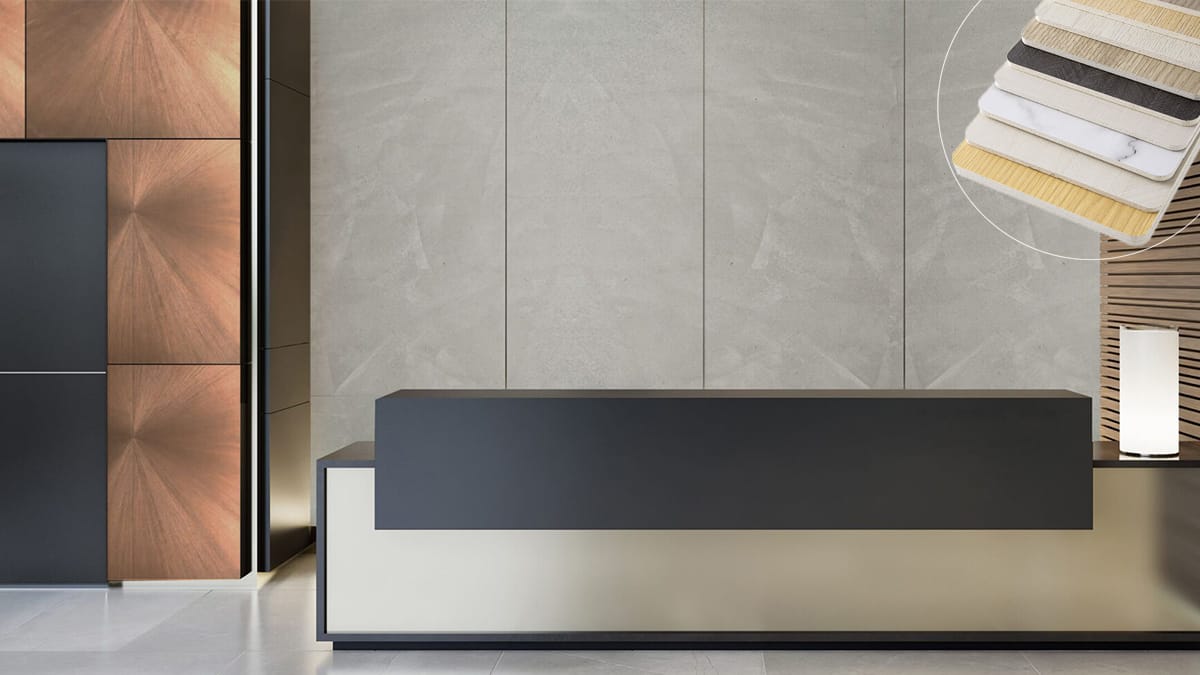
Today, you can find various modular wall panel types available. Some popular choices include PS, WPC, MDF, SPC, MgO, glass, acoustic, demountable, fire-rated, and decorative panels. Each modular wall panel type offers its own unique advantages. These panels are commonly used in offices, homes, stores, and at events.
Key Takeaways
Modular wall panels have many types. Some types are PS, WPC, MDF, SPC, MgO, glass, and acoustic panels. Each type is used for different places and needs.
MgO panels are good for the environment. They stop fire and water very well. People use them in homes, schools, and offices.
Demountable wall panels help change spaces easily. You can put them up fast. You can use them again. This saves time and money.
Fire-rated panels are important for safety. They help slow down fire in risky places. This gives people more time to leave.
Decorative and 3D panels make rooms look nice. They also help lower noise. These panels are great for offices and public places.
Types of Modular Wall Panels
PS, WPC, MDF, and SPC Panels
Some modular wall panels are PS, WPC, MDF, and SPC. Each type is good for different places. They have special features that make them useful.
Here is a table with the main features of these panels:
Material Type | Key Features |
|---|---|
Polystyrene (PS) | Light, keeps heat in, does not soak up water, easy to cut, saves money. |
Wood-Plastic Composite (WPC) | Strong, looks like wood, does not rot, lasts a long time. |
Medium-Density Fiberboard (MDF) | Smooth, easy to change, good for inside rooms. |
Stone Plastic Composite (SPC) | Hard, bends without breaking, makes less noise, easy to clean. |
MDF panels are used in offices and music rooms. They help keep rooms quiet because they absorb sound well. WPC panels are good for inside and outside. They do not rot or get ruined by rain. You can use them for garden walls or patios. SPC panels are great for bathrooms and kitchens. They do not get damaged by water and are simple to clean.
Tip: WPC panels look like real wood if you want a natural style. SPC panels are strong and bend easily for busy places.
MgO Wall Panels Overview
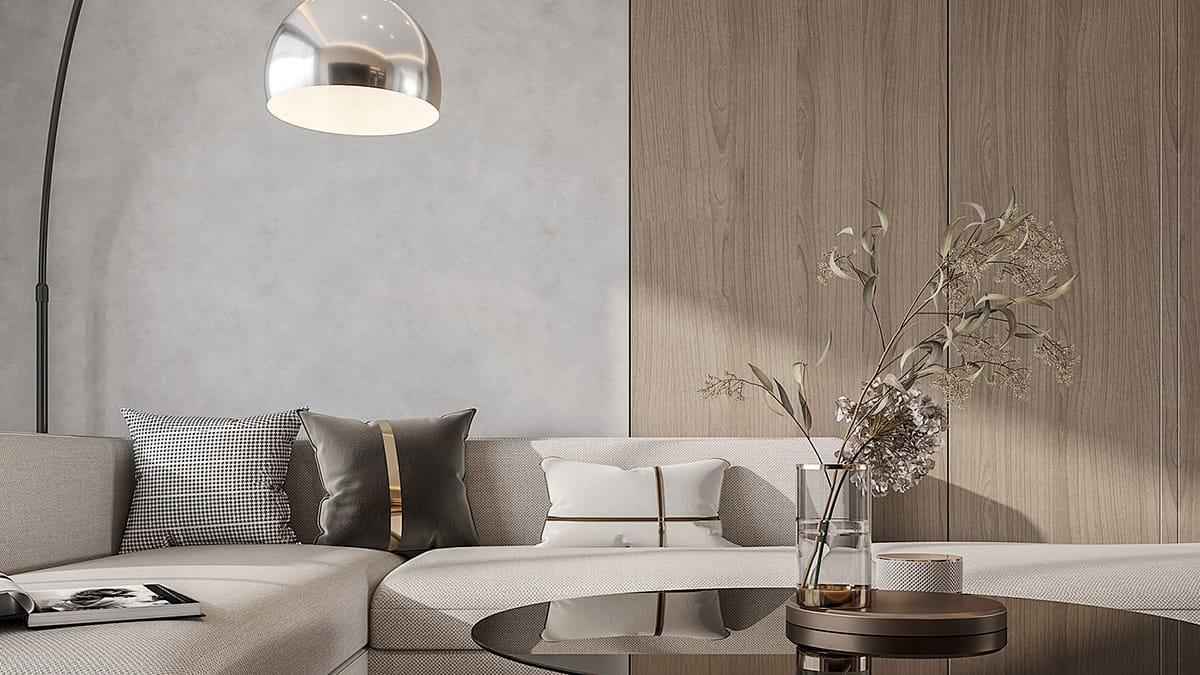 Magnesium Oxide (MgO) wall panels are special because they stop fire and water damage. People use MgO panels in homes, offices, and schools.
Here is a table that compares MgO panels with other wall panels:
Feature | MgO Panels | HPL Panels | Gypsum Board |
|---|---|---|---|
Fire Resistance | Does not burn, no flames | Passes tough fire tests | Type X: safe for one hour, Type C: safe for two hours |
Moisture Resistance | Stays dry, does not grow mold | Strong, handles heat | Used a lot, but not as dry as MgO |
MgO panels are light and save energy, so they work in tiny homes. They stop mold from growing, which helps in places with little air. Offices and warehouses use MgO panels to keep things safe from fire and water. These panels follow safety rules for schools and hospitals.
Note: MgO panels are good for the planet and can be recycled. If you want a green home, MgO panels are a smart pick.
Glass and Acoustic Panels
Glass and acoustic panels are used in offices, schools, and hotels. Glass panels let light in and make rooms feel open. Acoustic panels help make rooms quieter.
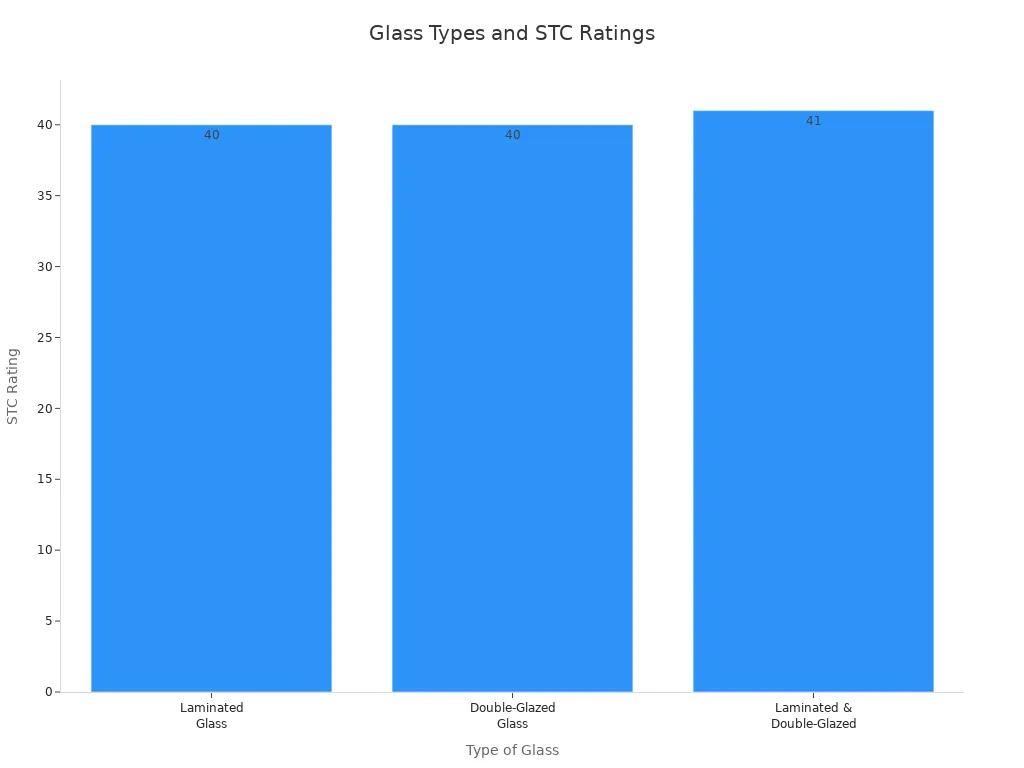
There are different glass panels to pick from. Some block sound better than others. Here is a table with sound ratings for glass panels:
Type of Glass | STC Rating | Notes |
|---|---|---|
Laminated Glass | Up to 40 | Uses glue to block sound. |
Double-Glazed Glass | Up to 40 | Has two layers with air in between for less noise. |
Laminated & Double-Glazed | 40+ | Uses both ways for the best sound blocking. |
Acoustic panels soak up sound. They do not stop all noise, but they make rooms less loud. You will see these panels in offices, schools, theaters, and music rooms.
If you want quiet and privacy, pick laminated or double-glazed glass panels. For less noise, acoustic panels are best for places where people talk or work.
Many places use modular wall panels. Offices, schools, hospitals, and hotels use glass and acoustic panels to make rooms nice and quiet.
Modular Wall Panel Types for Specialized Uses
Demountable Walls
Demountable walls help you make spaces flexible. You can move these panels to change room layouts fast. Offices, hospitals, and schools use demountable wall panels a lot. They help split up rooms or make private spots.
Here is a table that shows how demountable modular wall panels and fixed wall systems are different:
Advantage | Demountable Modular Wall Panels | Fixed Wall Systems |
|---|---|---|
Flexibility | High | Low |
Installation Speed | Faster | Slower |
Cost-Effectiveness | Competitive in the long run | Often higher initial costs |
Reusability | 90-100% reusable | Not reusable |
Design Options | Wide array of options | Limited options |
Labor Requirements | Fewer people needed on site | Multiple trades required |
Depreciation | 7 years | 35 years |
Schedule Compression | Yes | No |
You can find demountable walls in many places. In hospitals, they help stop germs and keep construction areas safe. Offices use them to split up work areas and lower noise. Factories use them to keep dust and dirt away from workers. In public places, they make safe walkways during building work.
Demountable wall panels are quick to put up and look nice. You can use them again, which saves money. These panels follow safety rules and come in many styles. You need fewer workers to set them up, so jobs finish faster.
Tip: If you want to change your space a lot, demountable walls are the best choice.
Fire-Rated Modular Wall Panels
Fire-rated modular wall panels help keep people and buildings safe from fire. You use these panels in offices, schools, hospitals, and factories. They slow down fire and give you more time to get out.
Here is a table that shows how long each type can stop fire and where you use them:
Fire Rating | Description | Applications |
|---|---|---|
1-Hour | Stops fire for at least 60 minutes, often with gypsum wall panels or mineral wool. | Offices, commercial interiors, healthcare settings |
2-Hour | Has thicker cores or two layers for more fire safety. | Data centers, schools, multi-family housing |
3-Hour | Gives the most fire protection for risky places. | Industrial facilities, chemical labs, manufacturing sites |
You see fire-rated wall panels where safety is very important. The ASTM E119 test checks how long a wall can last in a fire. A higher number means you have more time to leave safely. The ASTM E84 test checks how fast fire and smoke move. You want panels with a Class A rating for the best safety.
Fire Resistance Class | Flame Spread Rating |
|---|---|
Class A | 0 to 25 |
Class B | 26 to 75 |
Class C | 76 to 200 |
You must follow rules like the Life Safety Code (NFPA 101) and Section 803.1 of the International Building Code. These rules tell you which fire-rated panels to use. You pick fire-rated modular wall panels based on your building’s size and shape.
Knowing your wall panel ratings helps you stay safe and makes it easier to follow your fire escape plan.
You use fire-rated panels in theaters, schools, and hospitals. You also use them in factories and labs where fire is a big risk. Gypsum wall panels are common in fire-rated systems because they slow down fire and smoke.
Decorative and 3D Panels
Decorative and 3D modular wall panels help make spaces look nice. You use these panels in offices, stores, and public places. They make rooms look new and special.
Here is a table with popular materials and styles for decorative and 3D panels:
Material Type | Description |
|---|---|
High-Performance Polymers | Strong, do not get wet, come in many colors and finishes, good for DIY. |
Natural Stone and Marble-Look | Fancy, easy to clean, do not get wet, fit many styles. |
Recycled and Upcycled Materials | Good for the planet, look different, help the environment. |
You see these wall panels where first looks matter. Offices use acoustic panels to make rooms quieter and help people focus. Stores use panels with texture and dark wood to get more customers. Public lobbies use nature designs to make people feel welcome.
Popular styles include:
Simple looks
Acoustic panels for less noise
Nature-inspired designs
Textured panels like 3D fluted and acoustic slats
Dark wood finishes like walnut and mahogany
Eco-friendly materials like recycled PVC, bamboo, and WPC are popular. You pick modular wall panels that match your brand and style. You also want panels that last and are easy to clean.
If you want your space to look special, decorative and 3D panels give you lots of choices for color, texture, and design.
You use sound-reducing wall panels in busy offices and stores. Gypsum wall panels and acoustic panels help lower noise and make rooms calm.
Comparing Modular Wall Panels
 Insulation and Soundproofing
 Insulation and Soundproofing
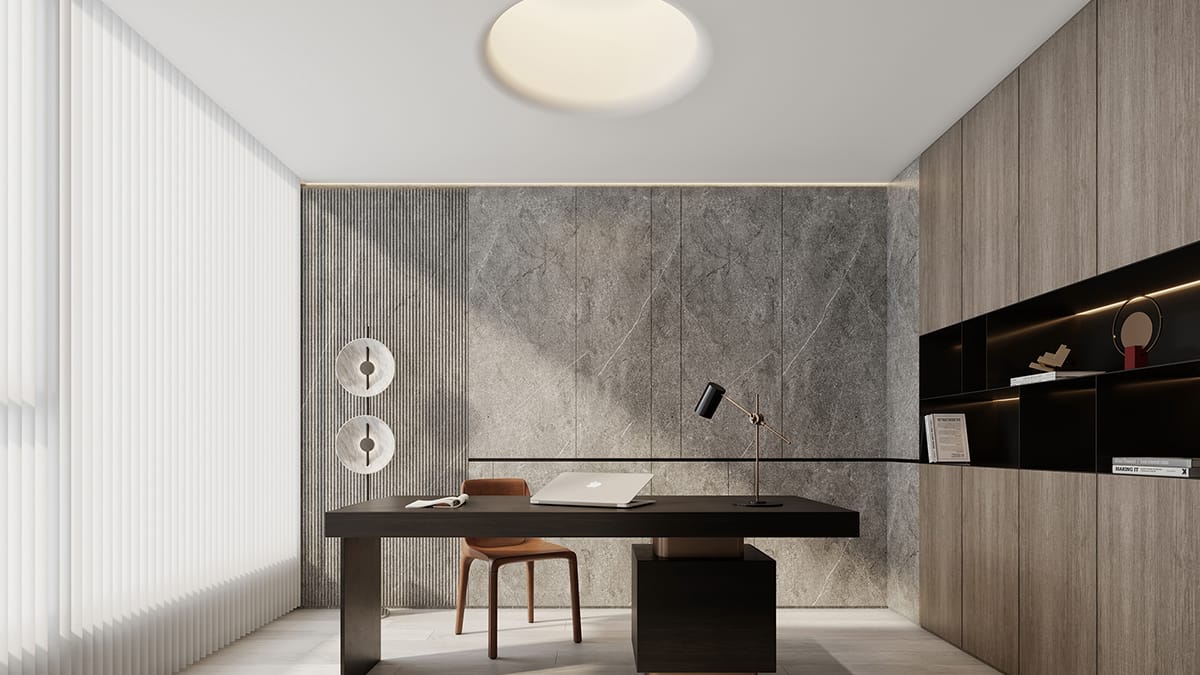
You want rooms to be quiet and comfy. Insulated panels help keep heat in and block noise. Some panels use polyiso insulation. This works better than batt insulation for sound. A wall with drywall has an STC of 33. Adding batt insulation raises it to 39. Polyiso insulation can make it 45. Using resilient channels gets it above 50. MECART panels work better than drywall for all sounds. They are also lighter. Modular wall panels help stop noise in offices and schools.
Insulated panels give you more privacy from noise.
Composite and eco-friendly panels help block sound.
Feature | Modular Wall Panels | Traditional Drywall |
|---|---|---|
Sound Transmission Class (STC) | Higher STC ratings for better soundproofing | Lower STC ratings for less soundproofing |
Acoustic Performance | Made for sound control and privacy | Can be improved but not as good |
Installation | Easy to move, reuse, and change | Stays in place and cannot be moved |
Durability and Maintenance
You want panels that last and keep your space safe. Insulated panels with steel are strong for busy places. SwiftWall Max panels use metal that resists hits, mold, and damage. Steel wall panels protect from carts and tools. Trusscore PVC panels do not scratch or dent easily. You will not need to fix them much. Composite and eco-friendly panels also fight off water and mold. These panels are easy to clean, so your space stays safe.
Tip: Pick insulated panels with extra protection for busy places like schools, hospitals, and factories.
Cost and Installation
You want to save money and time with wall panels. Insulated panels are made ahead of time. This means you put them up faster and pay less for work. You can finish the job up to 75% faster than with normal walls. The price depends on the panel type. MDF panels cost $0.4 to $1 per square foot. Composite panels cost $0.50 to $2. Steel wall panels cost $12 to $25. Eco-friendly panels cost more but last longer and help the planet.
Panel Type | Cost Range (per square foot) | Installation Time (general) |
|---|---|---|
MDF | $0.4 – $1 | Varies |
Composite | $0.50 – $2 | Varies |
Steel wall panels | $12 – $25 | Varies |
Eco-friendly panels | $2 – $15 | Easy |
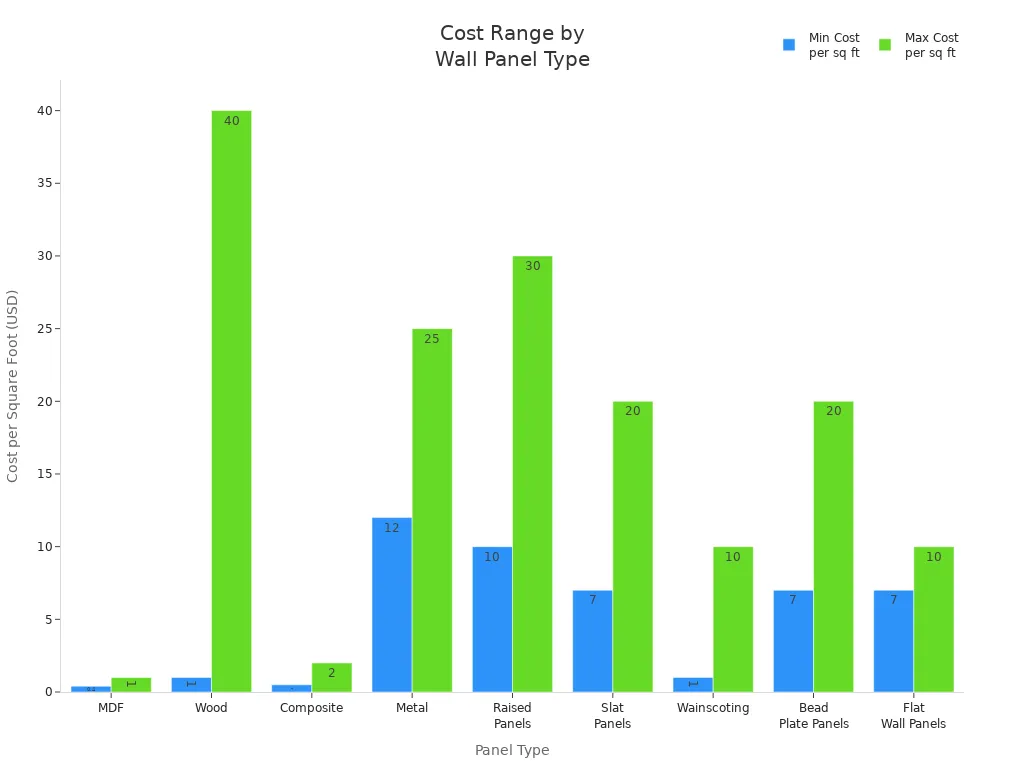
When you choose wall panels, think about sound, heat, safety, and price. Make sure they follow safety rules and can be changed later. Insulated panels with extra protection are best for hospitals, schools, and hotels. Eco-friendly panels help you build green.
Some mistakes are not following rules, bad setup, and not planning for changes. Always pick the right panel for your project.
There are lots of modular wall panel choices. Each one has good and bad points.
Advantages | Disadvantages | |
|---|---|---|
Precast | Quick, always the same, can change | Needs special tools, costs more |
SIPs | Saves energy, lasts long | Costs more, needs careful use |
Metal | Strong, simple to put in | Gets dents, may need insulation |
Wood-Based | Good for nature, can be used many ways | Not for wet places, can catch fire |
Magnesium | Stops fire, good for the planet | Costs more at first |
Demountable | Fast, can use again, easy to move | Does not insulate much |
Picking the best panel for your job helps you work better and saves money. To begin, you should:
Look at your space and safety needs.
Check what each panel does and how much it costs.
Find out about warranties and help with setup.
Picking the right modular wall panel lets you build safer, smarter, and greener spaces.
FAQ
What are modular walls and why should you use them?
Modular walls let you change your space quickly. You can move panels, add new ones, or take them out. These walls work well in offices, schools, and stores. You save time and money because you do not need to build new walls.
How do modular walls help with sound and privacy?
Modular walls use acoustic panels and sound-reducing wall panels. These panels block noise and give you privacy. You can work, study, or relax without hearing loud sounds from other rooms. Offices and schools use modular walls for improved acoustics.
Can modular walls protect against fire or chemicals?
You can choose fire-resistant panels or chemical-resistant wall solutions for modular walls. These panels keep you safe in high-risk facilities like labs or factories. Fire-resistant panels slow down fire. Chemical-resistant wall solutions stop damage from spills.
What materials can you pick for modular walls?
You can pick steel wall panels, vinyl-covered gypsum panel, eco-friendly panels, or decorative panels. Each material works for a different application. Steel wall panels last a long time. Eco-friendly panels help the planet. Vinyl wall finishes look clean and modern.
How do modular wall systems compare to regular walls?
Modular wall systems install faster than regular walls. You can reuse panels and change layouts. Regular walls stay in place and cost more to change. Modular walls give you more options for design and use.
Tip: Modular walls make your space flexible and easy to update. You can use them in many places and change them when you need.