


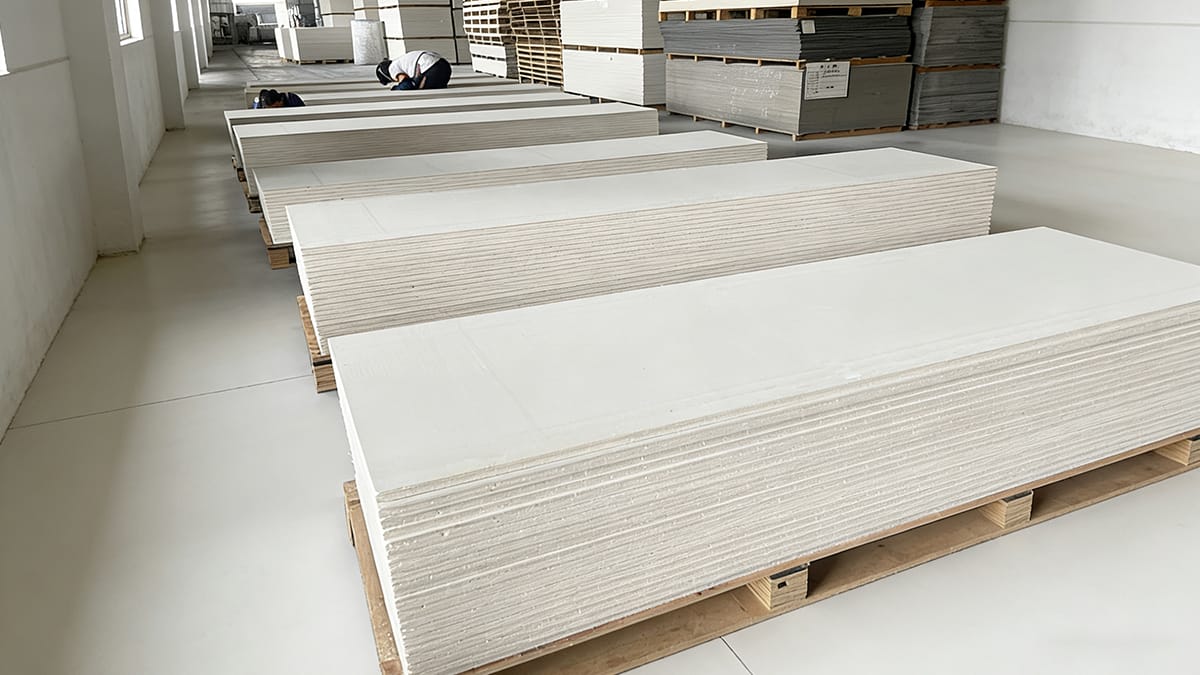
06 Jan Magnesium Sulfate Wallboard vs Traditional Drywall Which Is More Durable
Table of Contents
If you need a wallboard that is very strong, magnesium sulfate wallboard is usually better than traditional drywall. It protects better from fire, water, and hits. For example, magnesium sulfate wallboard can stop fire for up to 4 hours. It also stays strong in wet places. Traditional drywall soaks up water and can fall apart fast. Here is a simple comparison:
Durability Factor | Magnesium Sulfate Wallboard | Traditional Drywall |
|---|---|---|
Fire Resistance | Up to 4 hours | Less than 1 hour |
Water Absorption | Very low | |
Impact Resistance | High | Prone to damage |
Mold Resistance | Excellent | Poor |
Key Takeaways
Magnesium sulfate wallboard is better at stopping fire. It can last up to four hours. Traditional drywall only lasts one hour. This wallboard also does well with water. It stops mold from growing. It stays strong in wet places like bathrooms and kitchens. Magnesium sulfate wallboard is harder to damage. It is good for busy places. Walls there can get hit or scratched. Magnesium sulfate wallboard costs more at first. But you do not need to fix it as much. It saves money over time because it is strong. Picking magnesium sulfate wallboard makes buildings safer. It also helps them last longer. It is a smart choice for homes and businesses.
Durability Comparison Overview
Magnesium Sulfate Wallboard vs Traditional Drywall
If you want a wallboard that is tough, magnesium wall board protects better than traditional drywall. You might wonder how each type works in real life. Here is a simple chart to show the differences:
Property | Magnesium Wall Board | Traditional Drywall |
|---|---|---|
Fire Rating | Class A, non-combustible | Combustible |
Flexural Strength | 7–15 MPa | 3–5 MPa |
Moisture Resistance | High | Low |
Mold Resistance | High | Low |
Impact Resistance | Very strong | Prone to damage |
Longevity | Lasts longer, less upkeep | Needs more repairs |
Tip: Pick magnesium wall board for places that need extra strength, fire safety, or protection from water.
This chart shows magnesium wall board is better than traditional drywall in almost every way. It does not burn, handles water well, and stops mold. It also stays strong when hit. You will not need repairs as often.
Key Performance Factors
It is important to know what makes a wallboard strong. Experts look at these main things to judge wallboard quality:
Fire Resistance: Magnesium wall board can stand up to fire for four hours. It does not burn or make toxic smoke. Traditional drywall burns faster and does not protect as long.
Moisture Resistance: Magnesium wall board does not swell or grow mold, even in wet places. Traditional drywall soaks up water and can break apart.
Impact Strength: Magnesium wall board is very strong. It can take bumps and heavy loads. Drywall cracks or dents more easily.
Mold Resistance: Magnesium wall board stops mold and fungi. This helps keep your home safe and healthy.
Longevity: Magnesium wall board costs more at first, but it lasts longer and needs fewer repairs. Drywall is cheaper but may need fixing sooner.
Here is another quick chart to help you remember the benefits:
Magnesium wall board is best for fire, water, and mold resistance.
It works well in places with moisture or fire risks, like bathrooms or kitchens.
Drywall costs less and is easier to put up, but you may need to fix it more.
Note: How well magnesium oxide wallboard works can change based on how it is made. Some brands last longer than others. Always check the quality before you buy.
Magnesium oxide wallboard gives you many good things, especially if you want a wall that lasts and keeps your space safe. You get better fire safety, less mold, and more strength. Some magnesium oxide wallboard can soak up water over time, which may cause problems with metal fasteners or mold in rare cases. Still, most experts say magnesium oxide wallboard is a strong choice for many uses.
If you want a quick chart, magnesium oxide wallboard stands out for its strength, durability, and long life. You get more value and worry less about repairs or damage.
Fire Resistance
 Magnesium Sulfate Wallboard Performance
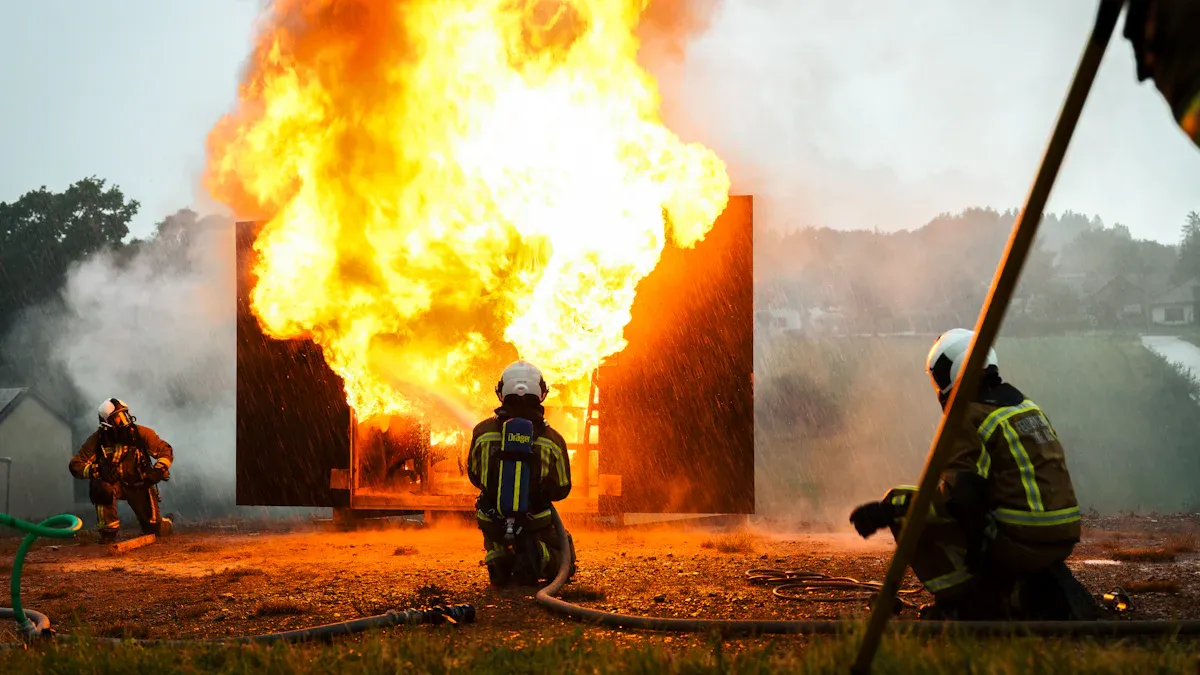 Magnesium Sulfate Wallboard Performance
You want walls that help protect you from fire. Magnesium wall board does a great job here. It does not burn easily. It can resist fire for up to four hours. This gives you more time to get out if there is a fire. Magnesium oxide wallboard does not make toxic smoke when it gets hot. You can trust it to keep your home or building safer. Many builders use magnesium oxide wallboard in schools, hospitals, and tall buildings. It gives strong fire resistance and lasts a long time. Magnesium wall board keeps working well over the years. You do not have to worry about losing fire safety.
Traditional Drywall Performance
Traditional drywall gives some fire protection, but not as much. Regular drywall lasts up to one hour in a fire. Type-X drywall lasts up to two hours. Type-C drywall lasts up to four hours. Here is a simple table to show the difference:
Drywall Type | Fire Resistance |
|---|---|
Regular Drywall | Up to 1 hour |
Type-X Drywall | Up to 2 hours |
Type-C Drywall | Up to 4 hours |
Most homes use regular drywall. It does not protect as well as magnesium oxide wallboard. Drywall can lose strength if it gets wet or damaged. You may need to replace drywall after a fire, even if flames did not touch it. This makes your walls less durable.
Head-to-Head Comparison
You want the best fire protection for your space. Magnesium oxide wallboard gives up to four hours of safety. Traditional drywall gives less unless you use special types. Magnesium oxide wallboard does not burn or make bad smoke. You get better fire safety and walls that last longer. Drywall works differently depending on the type you use. Magnesium oxide wallboard stays strong and durable for many years. You can feel sure about picking magnesium sulfate wallboard for places where fire safety is important.
Moisture & Mold Resistance
Magnesium Wall Board Strengths
You want walls that stay strong in wet rooms. Magnesium wall board does not let water soak in fast. In lab tests, it absorbs about 20% water after one day underwater. Most homes do not have this much water. In normal life, magnesium wall board keeps its shape and strength. You can use it in bathrooms, kitchens, or basements. Mold does not grow well on magnesium wall board. This helps keep the air clean and your home safe. Even when wet, magnesium wall board still resists fire. This makes it last longer in wet places. You do not need to fix water damage as often.
Traditional Drywall Weaknesses
Traditional drywall does not stop water well. Water can get inside the board quickly. When drywall gets wet, it gets weak and can break. You might see soft spots or holes. Mold grows fast on wet drywall. Studies show mold likes wet drywall. Humid air does not cause much mold, but water does. If drywall gets wet, mold can grow even if the air is dry. This makes drywall a bad choice for wet places. You may need to replace it often. Wet drywall also loses fire resistance.
Direct Comparison
You want to know which wallboard works best in wet rooms. Magnesium wall board is better for stopping water and mold. It keeps its fire resistance and strength. Drywall does not last as long in wet places. Here is a table to show the difference:
Material | Moisture Resistance | Mold Risk |
|---|---|---|
Magnesium wall board | Excellent (0.34% water) | Low |
Traditional drywall | Poor (3% water) | High |
Magnesium wall board lasts longer in wet rooms. You get less mold, fewer repairs, and stronger walls. Magnesium oxide wallboard keeps its fire and water resistance over time. You can trust it in bathrooms, kitchens, and basements. It gives strong mold and water resistance. Magnesium oxide wallboard helps with safety and durability. You can feel safe with it in your home. If you want the best wallboard for water, mold, and fire, magnesium oxide wallboard is a smart pick.
Impact & Structural Strength
Magnesium Sulfate Wallboard Durability
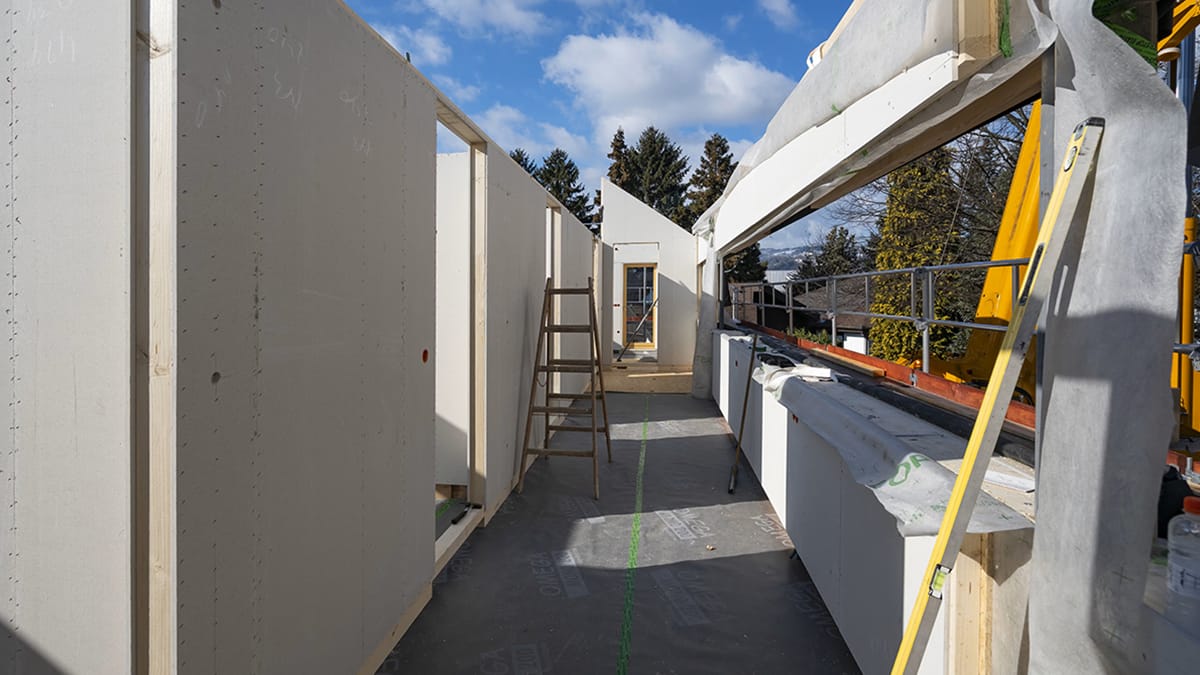 Magnesium Sulfate Wallboard Durability
You want walls that stay strong when life gets rough. Magnesium oxide wallboard gives you that strength. It does not crack or break easily. You can bump it with furniture or tools, and it will not dent like other boards. Builders trust magnesium oxide wallboard in schools, hospitals, and busy hallways. It stands up to daily wear and tear. You get peace of mind because your walls last longer. Magnesium oxide wallboard also keeps its fire resistance, even after a hard hit. This means your home stays safer for a longer time.
Traditional Drywall Durability
Traditional drywall does not handle bumps well. If you hit it with a chair or a door, you may see dents or holes. You might need to patch or replace it often. In busy homes or buildings, traditional drywall can look worn out fast. It loses fire resistance if it cracks or gets damaged. You may worry about safety if your walls get weak. Magnesium oxide wallboard gives you a better choice for strength and safety.
Real-World Impact Resistance
You want proof that magnesium oxide wallboard works. Lab tests show how tough it is. In a soft body impact resistance test, a 50 kg weight hit the board. The board handled 240 Nm of force without breaking. Here is a table to show the result:
Test Type | Impact Mass | Resistance Value |
|---|---|---|
Soft Body Impact Resistance | 50 kg | 240 Nm |
Magnesium oxide wallboard gives you high impact resistance. You can use it in places where walls get hit often. It keeps its fire resistance and strength, even after many bumps. Traditional drywall cannot match this level of durability. You get walls that last longer and keep your family safe. Magnesium sulfate wallboard stands out for its impact resistance, fire resistance, and long-lasting durability.
Longevity & Lifespan
Magnesium Wall Board Over Time
You want walls that last for many years. Magnesium wall board gives you strong protection against fire, water, and pests. When you install magnesium sulfate wallboard correctly, you can expect it to stay durable for a long time. Magnesium wall board does not break down quickly. You do not see much damage from daily use. Magnesium oxide wallboard keeps its shape and strength, even in busy places. You can use magnesium wall board in homes, schools, and offices. It stays tough with proper care. Magnesium oxide wallboard does not need much repair. You save money over time because magnesium wall board does not wear out fast. You get a cost-effective choice for your walls.
Traditional Drywall Over Time
You may wonder how long traditional drywall lasts. Here are some facts about its lifespan:
Under normal conditions, traditional drywall can last well over 50 years.
Some sources say it lasts between 30 and 70 years.
The average lifespan of drywall depends on how you care for it and where you use it.
Traditional drywall can last a long time if you keep it dry and safe. You need to watch for water damage and cracks. Magnesium wall board gives you more peace of mind because it resists problems that shorten the life of regular drywall.
Maintenance & Degradation
You want to know how to keep your walls strong. Magnesium wall board needs less upkeep than other boards. Magnesium oxide wallboard keeps its fire resistance if you seal it well, even after you cut it. You should check magnesium wall board for moisture, cracks, or damage. Use the right joint compounds and tapes to keep magnesium oxide wallboard strong. Here is a table to show how magnesium wall board and traditional drywall compare:
Criteria | Magnesium Sulfate Boards (MgO) | Gypsum Boards |
|---|---|---|
Fire Resistance Rating | Rated A1 Non-Combustible | Fire-resistant up to 1 hour |
Flame Spread | Low flame spread | Moderate flame spread |
Heat Resistance | High | Medium |
Smoke and Toxic Gas Emissions | Low emissions | Moderate emissions |
Fire Endurance | Very high | Limited |
Magnesium wall board stands up to heat and fire. Magnesium oxide wallboard does not make much smoke or toxic gas. You get walls that last longer and keep you safer. You do not need to fix magnesium wall board often. Traditional drywall needs more repairs if it gets wet or damaged. Magnesium wall board gives you a strong, safe, and long-lasting wall for your space.
Real-World Applications
Residential Use Cases
You want your house to be safe and strong for a long time. Magnesium wall board helps with that. Builders use magnesium oxide wallboard in places like kitchens, bathrooms, and basements. These rooms get wet often. Magnesium wall board does not swell or bend when wet. You do not need to worry about mold or fire. Magnesium oxide wallboard is strong. You can hang shelves or heavy things without hurting the wall. Here is a simple chart that shows how magnesium wall board works in homes:
Characteristic | Outcome/Description |
|---|---|
Water Resistance | Stays the same when wet, does not bend or come apart |
Fire Resistance | Stops flames, safer than plywood |
Strength | 12 mm board holds more than 200 lbs. |
Longevity | Needs fewer fixes and changes over time |
Environmental Impact | Makes less pollution, has no bad chemicals |
Magnesium oxide wallboard helps you make your home safer and stronger.
Commercial & Exterior Use
Magnesium wall board is good for busy places like schools, hospitals, and offices. These places need walls that can take bumps every day. Magnesium oxide wallboard gives strong fire safety and blocks sound well. You can use magnesium wall board outside, too. It does not get ruined by rain or sun as fast as regular drywall. Here is a chart to compare magnesium wall board and traditional drywall in busy buildings:
Property | Magnesium Sulfate Board | Traditional Drywall |
|---|---|---|
Fire Resistance | 1 to 4 hours | 1 hour |
Moisture Resistance | Very good | Not good |
Durability | Lasts 20-30 years | Lasts 10-15 years |
Soundproofing (STC) | Higher | Lower |
Magnesium oxide wallboard lasts longer and needs fewer repairs. It is a smart pick for busy places and outdoor walls.
Environmental Sustainability
You want to help the planet. Magnesium wall board is good for green building. Magnesium oxide wallboard uses materials that can be recycled. It does not have bad chemicals. By picking magnesium wall board, you help the earth. Many green building rules, like LEED and BREEAM, say magnesium oxide wallboard is good because it makes less pollution. Here are some important facts:
Magnesium oxide wallboard uses recycled stuff.
It helps you get green building awards.
MagPanel® uses less energy and does not burn.
Magnesium wall board lets you build safe and green spaces. You keep your family and the planet safe at the same time.
Cost & Installation
Upfront Costs
 Upfront Costs
You want to know how much you will spend at the start. Magnesium wall board costs more than regular drywall. You pay for better strength and safety. Here is a table to help you compare the prices:
Cost Category | MgO Boards | Regular Gypsum Boards |
|---|---|---|
Initial Cost | $1.50 – $2.50/sq ft | $0.50 – $1.00/sq ft |
You see that magnesium wall board has a higher price per square foot. You pay more at first, but you get better fire, water, and mold resistance. This means you invest in walls that last longer.
Installation Process
You want to know how easy it is to put up each type of wallboard. Magnesium wall board, also called magnesium oxide wallboard, needs special tools for cutting. The board is dense, so you cannot use regular drywall knives. You need saws or power tools. Even though magnesium wall board is strong, it feels light. You can carry and lift it without much trouble. The cutting step takes more time and effort. You may need more labor for magnesium oxide wallboard than for regular drywall. Drywall cuts fast with a simple knife. You finish the job quicker with drywall, but you do not get the same level of strength.
Tip: If you want to save time, use drywall. If you want walls that last, choose magnesium wall board.
Long-Term Value
You want to know if your investment pays off. Magnesium wall board gives you strong value over time. Magnesium oxide wallboard does not need much repair. You do not have to fix cracks, water damage, or mold as often. Here is a table to show how each board performs over the years:
Feature | Magnesium Oxide Board | Traditional Gypsum Board |
|---|---|---|
Upfront Cost | Higher | Lower |
Durability | High | Moderate |
Fire Resistance | Excellent | Good |
Moisture Resistance | Excellent | Poor |
Maintenance Needs | Minimal | High |
Long-term Savings | Yes | No |
Magnesium oxide wallboard saves you money in the long run. You spend less on repairs and replacements. You get walls that stay strong and safe for many years. Drywall may cost less at first, but you pay more for upkeep. Magnesium wall board gives you peace of mind and better value for your home or building.
Magnesium sulfate wallboard is stronger than regular drywall. It keeps out fire, water, and mold better. Use it in bathrooms, kitchens, and basements to stop moisture and mold. For offices or stores, pick walls that last and keep your money safe. The table below lists important safety features:
Feature | Magnesium Sulfate Wallboard | Traditional Drywall |
|---|---|---|
Non-toxic | Yes | No |
Fire Safety | Enhanced | Standard |
Moisture Resistance | High | Moderate |
Think about how much you spend over time. Stronger walls might cost more at first, but you fix them less and save money later.
FAQ
What makes magnesium sulfate wallboard more durable than drywall?
You get better durability because magnesium sulfate wallboard resists fire, water, and impact. It does not crack or grow mold easily. You can use it in places where drywall would fail.
Can you use magnesium sulfate wallboard in wet areas?
Yes, you can use it in bathrooms, kitchens, and basements. It does not soak up water like drywall. You will see fewer problems with mold or swelling.
Is magnesium sulfate wallboard safe for your home?
Magnesium sulfate wallboard does not release toxic smoke or chemicals. You can trust it for safer indoor air. Many builders use it in schools and hospitals.
Does magnesium sulfate wallboard cost more to install?
You pay more at first for magnesium sulfate wallboard. You save money later because you do not need as many repairs. You also get longer-lasting walls.