


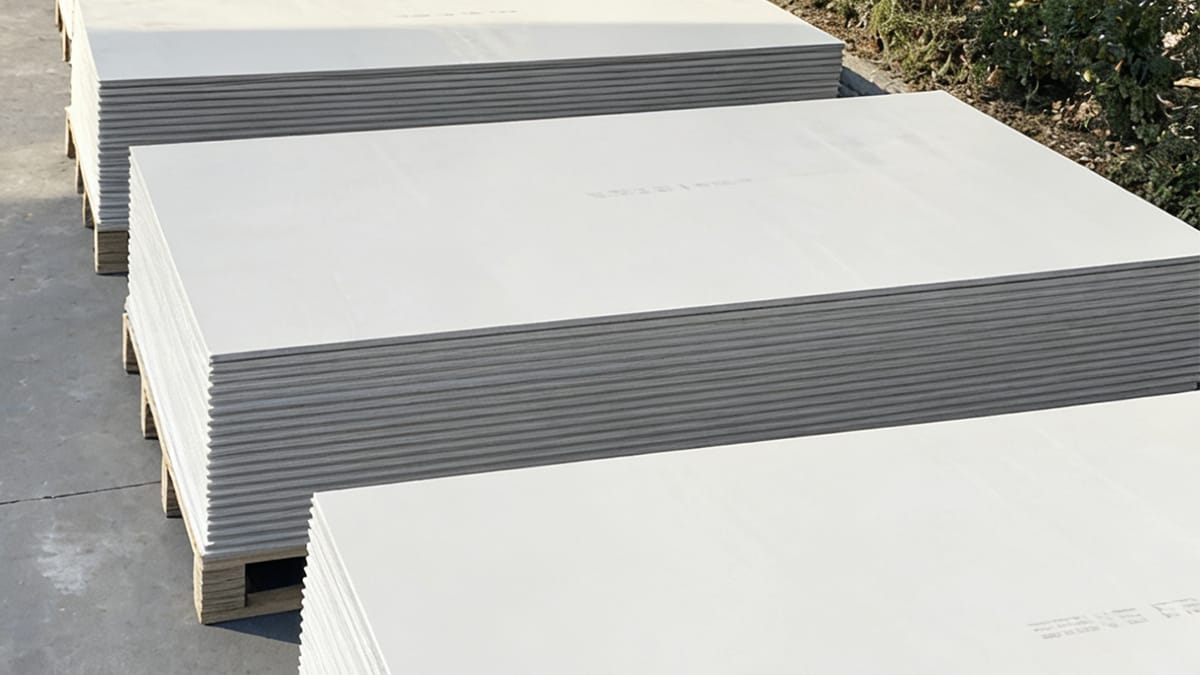
24 Jan What is a Magnesium Sulfate Sheathing Board and Why Use It
Table of Contents
- 1 Key Takeaways
- 2 Magnesium Sulfate Sheathing Board: What It Is
- 3 Composition and How Magnesium Sulfate Boards Are Made
- 4 Features of Magnesium Sulfate Boards
- 5 Applications of Magnesium Sulfate Boards
- 6 MGO Sheathing Board vs. Other Boards
- 7 FAQ
- 7.1 What tools do you need to cut magnesium sulfate boards?
- 7.2 Can you paint or tile over magnesium sulfate boards?
- 7.3 Are magnesium sulfate boards safe for people with allergies?
- 7.4 How do magnesium sulfate boards handle extreme weather?
- 7.5 Do magnesium sulfate boards cost more than regular drywall?
A magnesium sulfate sheathing board is light and waterproof. It does not catch fire easily. People use it in walls, floors, roofs, and fire barriers. More people want magnesium sulfate sheathing each year. The market grows by 7.5% every year around the world. Builders like it because it lasts longer than old boards. It also meets tough safety rules better.
Application Area | Description |
|---|---|
Wall Panels and Partitioning | Light, strong, and fire-safe, good for nice and tough walls. |
Flooring and Substrates | Hard, quiet, and water-safe, good for busy places. |
Roofing and Underlayment | Saves energy, fire-safe, and water-safe, makes roofs last longer. |
Fireproof Barriers and Ceilings | Great at stopping fire, good for safe places like stairs and halls. |
Prefabricated Construction | Light and strong, good for parts made in factories. |
Key Takeaways
Magnesium sulfate sheathing boards are light. They do not burn easily. They do not get damaged by water. This makes them good for many building uses.
These boards are strong and last a long time. They work better than gypsum and cement boards. They resist water and fire more than other boards.
It is easy to put these boards in place. They do not cost much to install. Their light weight helps finish jobs faster. Workers do not need as much time.
Using magnesium sulfate boards helps the environment. They are made from natural things. You can recycle them when you are done.
These boards stop mold and mildew from growing. They keep termites away. This helps homes and buildings stay safe and healthy.
Magnesium Sulfate Sheathing Board: What It Is
Definition and Key Properties
You might ask what makes a magnesium sulfate sheathing board special. This board is made mainly with magnesium sulfate. It is light, strong, and safe to use. Magnesium sulfate boards do not catch fire easily. They also do not soak up water. These boards are good for places where safety and strength are important.
Here are some main things that make magnesium sulfate boards different:
Characteristic | Description |
|---|---|
Fire Resistance | Gets an A1 fire rating, does not burn or make toxic smoke in a fire. |
Moisture Resistance | Does not soak up water or leak chloride, good for wet places. |
Strength and Durability | Hard to break and stronger than gypsum board. |
Termite Resistance | Termites do not eat it, so it is good for places with bugs. |
Environmental Friendliness | Made from natural stuff, has no bad chemicals like formaldehyde. |
Easy Installation | Light and easy to cut with normal tools. |
Versatility | Works for walls, ceilings, and floors. |
Tip: Magnesium sulfate boards stay strong even when it is wet. You do not have to worry about mold or swelling.
When you look at magnesium sulfate boards next to other boards, you see they have more benefits. Gypsum board weighs about the same but only gives some fire safety. Magnesium sulfate boards give much better fire safety. Cement boards are heavier and harder to use. Magnesium sulfate boards make building easier and safer.
Main Uses in Construction
You can use magnesium sulfate boards in many parts of a building. These boards work inside and outside. Builders use them for walls, ceilings, floors, and roofs. You can find them in homes, schools, hospitals, and offices.
Here are ways magnesium sulfate boards help in different places:
Application Area | Benefits |
|---|---|
Exterior Sheathing | Stands up to wind, hard to break, and bugs cannot hurt it. |
Structural Insulated Panels | Light, easy to move and put in. |
Indoor Uses | Stops fire, mold, mildew, and chemicals. |
Eco-friendly | Better for the earth than old materials. |
Magnesium sulfate boards can be used for many jobs. You can use them for floors, walls, ceilings, and behind tiles. They also work for siding, trims, and fascias outside. Because they are light, you can put them in fast and easy. This saves time and money.
You also get peace of mind. Magnesium sulfate boards stop fire, water, and bugs. You do not have to worry about termites or water damage. These boards last a long time and keep your building safe.
Note: Magnesium sulfate boards are safe for people and the earth. They do not have bad chemicals. You can recycle them when you are done.
Magnesium sulfate boards are flexible. You can use them in theaters, hospitals, schools, and homes. They are strong like heavier boards. You get a board that is easy to use and put in.
Benefit | |
|---|---|
Lightweight | Easy to carry and put in, saves on work costs. |
Strong composition | Works as well or better than heavy boards like sheetrock. |
Moisture resistance | Lasts longer, good for many places. |
Fire resistance | Good for places that need fire safety like theaters and hospitals. |
Eco-friendliness | Safe for people, can be recycled, and does not hurt the earth. |
Versatile applications | Works inside and outside for many types of buildings. |
Magnesium sulfate boards help you build places that are safe, strong, and good for the earth. You can trust them for many building jobs.
Composition and How Magnesium Sulfate Boards Are Made
 Materials and Structure
 Materials and Structure
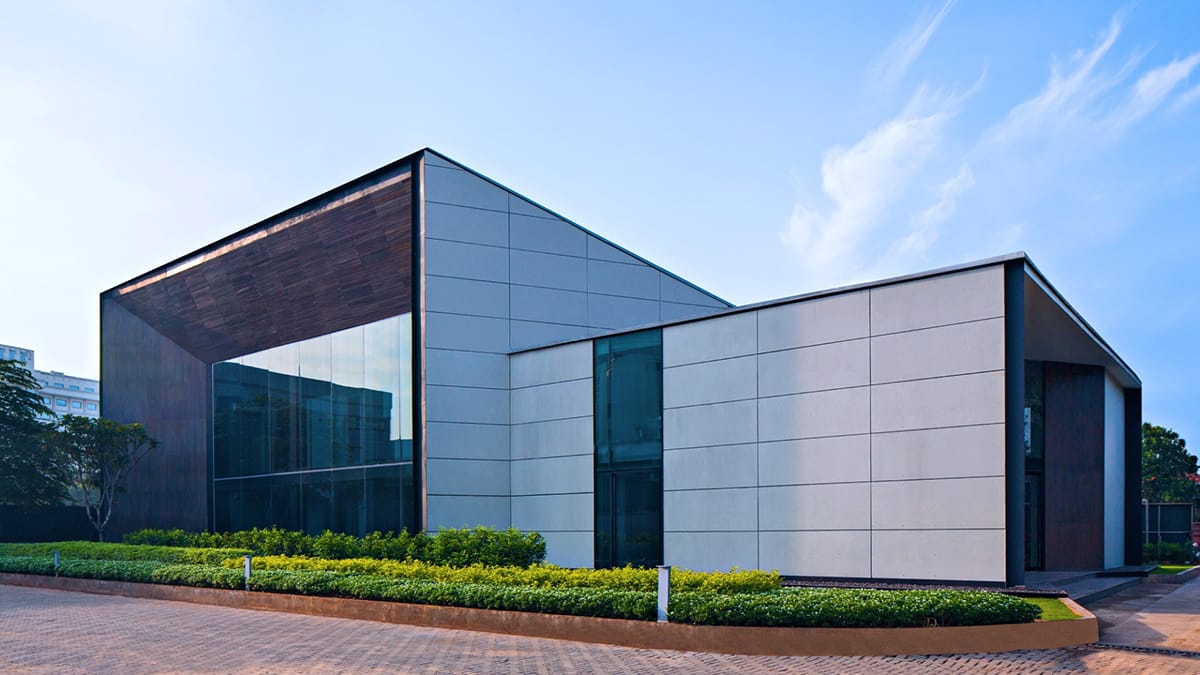
Magnesium sulfate sheathing boards use smart materials. Makers mix minerals and fibers to make them strong. The main part is magnesium oxide. It comes from magnesite or heated magnesium hydroxide. Fillers like perlite and vermiculite are added. These minerals get bigger when heated. This makes the boards lighter and helps keep heat inside. Wood fibers and fiberglass mesh make the boards stronger and flexible.
Here is a table that shows what is in magnesium sulfate boards:
Raw Material | Description |
|---|---|
Magnesium Oxide | Comes from magnesite or calcined magnesium hydroxide. Main building block. |
Fillers | Perlite, vermiculite, wood fibers, and fiberglass mesh. Make boards stronger and lighter. |
Bonding Agents | Magnesium sulfate or magnesium chloride. Hold everything together. |
Perlite | Expands with heat. Makes boards light and helps with insulation. |
Vermiculite | Expands with heat. Adds to lightness and insulation. |
Wood Fibers | Give boards flexibility and strength. |
Fiberglass Mesh | Reinforces boards. Makes them tough and durable. |
The way magnesium sulfate boards are built helps them work well. They bend without breaking, do not soak up much water, and last a long time. These things make magnesium sulfate boards good for places that need strong materials.
Performance Characteristic | Magnesium-Based Boards | Traditional Boards |
|---|---|---|
Bending Strength | Good | Varies |
Water Absorption | Comparable | Varies |
Sensitivity to Moisture | Lower for oxysulphate | Varies |
Durability | Good under cycles | Varies |
Tip: Magnesium sulfate boards stay strong and keep their shape after freezing and thawing many times.
Improvements Over Magnesium Oxide Boards
Magnesium sulfate boards fix problems found in older magnesium oxide boards. Makers changed how they are made to make them better.
Magnesium sulfate boards last longer in hard places. You do not have to change them often.
These boards do not make metal parts rust. Magnesium oxide boards can have chloride, which causes rust.
Magnesium sulfate boards handle water better. They do not swell, bend, or get white marks. This makes them great for bathrooms and basements.
Tests show magnesium sulfate boards are stronger when bent. They meet tough rules like ASTM C1185 and C666.
These boards stop mold and mildew. They work well in wet places.
Magnesium sulfate boards help the earth. They make less carbon than Portland cement.
They are very good at stopping water and fire. The boards stay strong even when wet.
Note: Magnesium sulfate boards have a strong whisker phase inside. This makes them safe for tall buildings and places that need extra strength.
If you pick magnesium sulfate boards, you get a product that fixes old problems and gives new benefits for building.
Features of Magnesium Sulfate Boards
Fire and Moisture Resistance
 Fire and Moisture Resistance
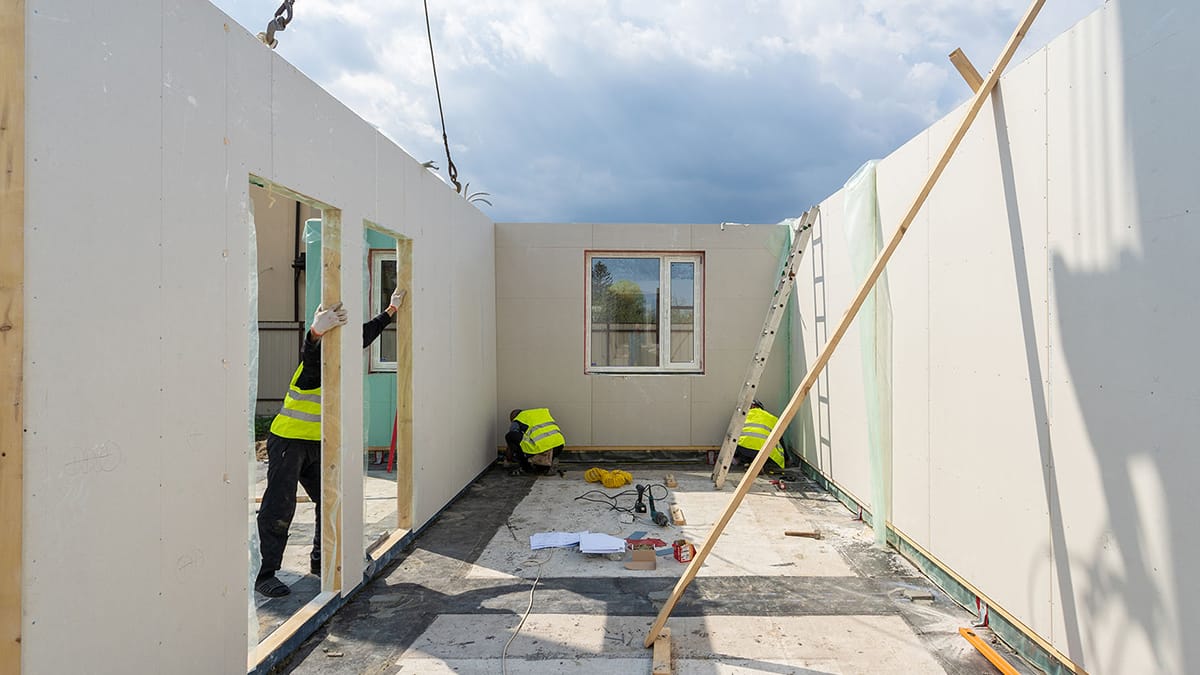
You want your building safe from fire and water. Magnesium sulfate boards protect well against both. These boards meet tough fire safety rules. The table below shows how they do:
Standard | Fire Rating | Duration |
|---|---|---|
ASTM E84 | Class A | 0/0 score |
ASTM E119 | A1 | Up to 4 hours |
EN 13501-1 | A1 | Non-combustible |
EN 13501-1 | A2 | High safety |
Magnesium sulfate boards also resist moisture very well. They only take in 0.34% water. Mold cannot grow on them. You will not see swelling or warping. Other boards like plywood and drywall do not protect as much.
Durability and Strength
You need building materials that last a long time. Magnesium sulfate boards keep their shape in tough places. They do not swell, rot, or warp. The strong bonds inside make them very tough. You can use these boards in hot or cold weather. They do not crack or break easily. Their structure stops mold and mildew. This keeps your building safe and healthy.
Property | Benefit |
|---|---|
Strong bonds | Give the board strength. |
Moisture resistance | Stops swelling and rot. |
Mold and mildew resistance | Keeps the building healthy. |
Temperature resilience | Works in heat or cold. |
Eco-friendly composition | Stops steel frames from rusting. |
Eco-Friendliness
Magnesium sulfate boards help the earth. They use natural materials. They make less carbon than cement boards. Cement makes about 5% of the world’s CO2. Magnesium sulfate boards can be recycled. They even trap CO2 while curing. This lowers their effect on the planet. You can trust these boards for green building.
Made with natural materials like magnesium oxide.
Make less CO2 than cement boards.
Can be recycled and break down safely.
Do not have bad chemicals.
Installation Benefits
Magnesium sulfate boards save you time and money. They are light, so you can carry and put them in easily. You do not need special tools. Here is what you need to install them:
Tape measure and square ruler for measuring
Utility knife or circular saw for cutting
Screwdriver, drill, or nail gun for fastening
Gloves, goggles, and dust mask for safety
Clean and level the surface, fill cracks, let boards sit for 48 hours
You finish jobs faster and with less work. Lower labor costs help you save money.
Tip: Magnesium sulfate sheathing board gives you a safe, strong, and easy way to build today.
Applications of Magnesium Sulfate Boards
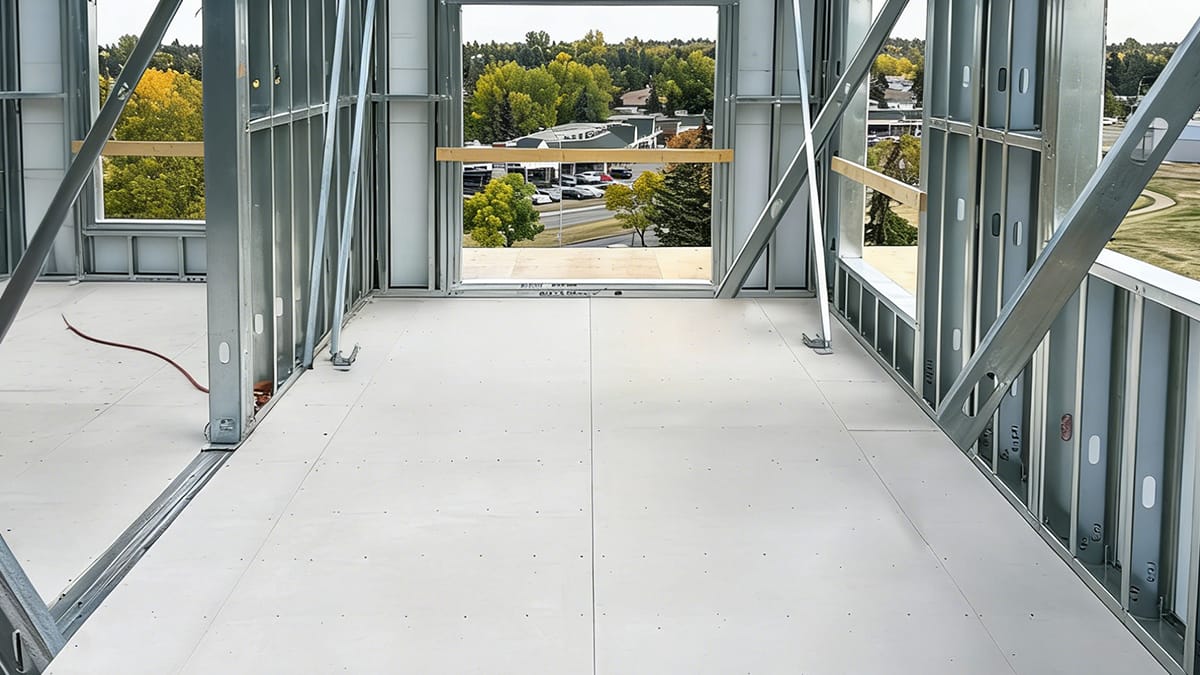 Magnesium sulfate boards are used in many ways. You can put them on floors, walls, ceilings, and outside parts. These boards work well for new buildings. Let’s see how people use magnesium sulfate boards.
Subflooring and Wall Sheathing
Floors and walls need a strong base. Magnesium sulfate boards make good subfloors and wall sheathing. They give a solid base for floors. They also help siding, roofs, soffits, and fascias stay safe from fire.
Application Type | Description |
|---|---|
Subflooring | |
Wall Sheathing | Fire-safe base for siding, roofs, soffits, and fascias |
Structural Sheathing | Used to support building parts |
Magnesium sulfate boards are better than old materials. They do not break easily. They are strong and bugs cannot hurt them. These boards do not shrink or swell when wet.
Feature | Magnesium Sulfate Boards | Traditional Materials |
|---|---|---|
Impact Resistance | 2.32 kJ/m² (Cement Boards) | |
Compressive Strength | 12-25 MPa | 3-6 MPa (Gypsum boards) |
Moisture Resistance | Excellent | Poor (Gypsum breaks down) |
Insect Resistance | Complete | Bugs can hurt wood |
Ceilings, Tile Backers, and Decorative Finishes
You can use magnesium sulfate boards for ceilings and behind tiles. These boards help you make nice finishes that last. They stop mold and mildew, so rooms stay healthy. The boards do not break down in wet places. They also stop fire better than safety rules ask.
Benefit | Description |
|---|---|
Mold Resistant | |
Waterproof | Does not break down when wet |
Fire Resistance | Stops fire, does not make smoke or spread flames |
Anti-Pest | Bugs like termites and rats do not like these boards |
Tip: You can use magnesium sulfate boards in kitchens, bathrooms, and basements. These boards help keep your home clean and safe.
Exterior Siding, Trims, and Fascias
Magnesium sulfate boards are good for outside siding, trims, and fascias. They protect against rain, wind, and hot or cold weather. These boards do not bend or crack, so buildings look nice for a long time. The boards are light, so you can move and put them in easily.
Put cladding or coatings on magnesium sulfate boards to protect them from weather.
Use fasteners that do not rust for best results.
Seal edges and seams with tape or glue that keeps out water.
The boards let water out, so mold and mildew do not grow.
Magnesium sulfate boards only take in about 0.34% water, much less than gypsum or plywood.
They keep their shape after getting wet and drying.
Magnesium sulfate boards can be used for many building jobs. You get strong, safe, and easy-to-care-for boards.
MGO Sheathing Board vs. Other Boards
Comparison with Gypsum and Cement Boards
 Comparison with Gypsum and Cement Boards
If you compare mgo sheathing board to gypsum and cement boards, you will notice some big differences. Mgo sheathing board is stronger and lasts longer. Gypsum board costs less at first, but it can break if it gets wet. Cement board is tough, but it is heavy and hard to put in. Magnesium sulfate boards are special because they stop mold, fire, and water. You save money over time since you do not fix them often.
Factor | Magnesium Wall Board | Gypsum Board |
|---|---|---|
Initial Material Cost | Higher | Lower |
Installation Cost | May be higher (needs skilled labor) | Lower (easy and quick to install) |
Long-term Maintenance | Low (resists mold, fire, and water) | Higher (may need repairs in wet areas) |
Overall Value | Saves money over time | Can cost more if repairs are needed |
Mgo sheathing board is better than gypsum board for strength and water safety. You can use mgo sheathing board in wet places or where fire safety matters. Gypsum board soaks up water and can fall apart. Cement board is strong but needs special tools and takes more work to install.
Material | Installation Ease | Common Challenges |
|---|---|---|
Gypsum Board | Light and easy to cut, carry, and install | Can break if handled roughly, may sag, gaps near outlets, seams can show |
Cement Board | Heavier, requires special tools, more effort | Heavy panels, needs special tools, takes more work |
“We used mgo boards in our basement. The walls stay dry and we feel safer from fire.”
Practical Advantages and Limitations
Mgo sheathing board gives you many good things. Magnesium sulfate boards stop water, fire, and bugs. You can use mgo sheathing board for walls, floors, and ceilings. Mgo sheathing board stays strong in wet places. You do not have to worry about mold or swelling. Magnesium sulfate boards also help you build safer and greener buildings.
But mgo sheathing board has some problems. You need skilled workers to put in mgo sheathing board. Sometimes, you need weather barriers to protect wood and follow building rules. Quality can change between brands, so you should check before you buy. Some builders say mgo sheathing board is heavy and hard to lift alone. You may need help or special tools.
Aspect | Magnesium Sulfate-based MgO Boards | Compliance Challenges / Drawbacks |
|---|---|---|
Moisture Resistance | You need weather barriers to follow building rules and protect wood | |
Installation Considerations | Needs weather barrier to stop water | Harder and costs more to put in because of water issues |
Quality Variability | Some MgO boards do not last long in wet places | Quality is not always the same, affecting durability in moisture-prone areas |
Cracking and breaking
Heavy weight
Quality changes
Screws can strip
Water stains
Delivery can be slow
Be careful when handling
Drill holes before putting in screws
Seal the edges
Use the right tools
Make a plan before you start
Tip: Always check the quality of magnesium oxide sheathing board before you start your project. Good planning helps you avoid problems with mgo sheathing board.
Magnesium sulfate sheathing boards help your project in many ways. These boards do not burn easily. They last a long time and need little care. You can use them inside or outside. They stop mold, bugs, and water from causing problems. It is easy to put them in and they work well for years.
Check if the boards have safety and quality labels.
Choose sellers who know a lot and help you.
Pick the size and look that fits your project.
You can learn more about building materials to find other good choices for your next project.
FAQ
What tools do you need to cut magnesium sulfate boards?
You can use a utility knife, circular saw, or jigsaw. Always wear gloves and goggles for safety. You do not need special tools. The boards are easy to cut and shape.
Can you paint or tile over magnesium sulfate boards?
Yes, you can paint or tile over these boards. The surface holds paint and tile well. Make sure the board is clean and dry before you start.
Are magnesium sulfate boards safe for people with allergies?
Magnesium sulfate boards do not have formaldehyde or other harmful chemicals. You can use them in homes, schools, and hospitals. They help create a healthy indoor space.
How do magnesium sulfate boards handle extreme weather?
These boards resist water, heat, and cold. You can use them outside or inside. They do not warp, crack, or rot in tough weather.
Do magnesium sulfate boards cost more than regular drywall?
You may pay more at first. You save money over time because the boards last longer and need fewer repairs. They resist mold, fire, and water better than drywall.