


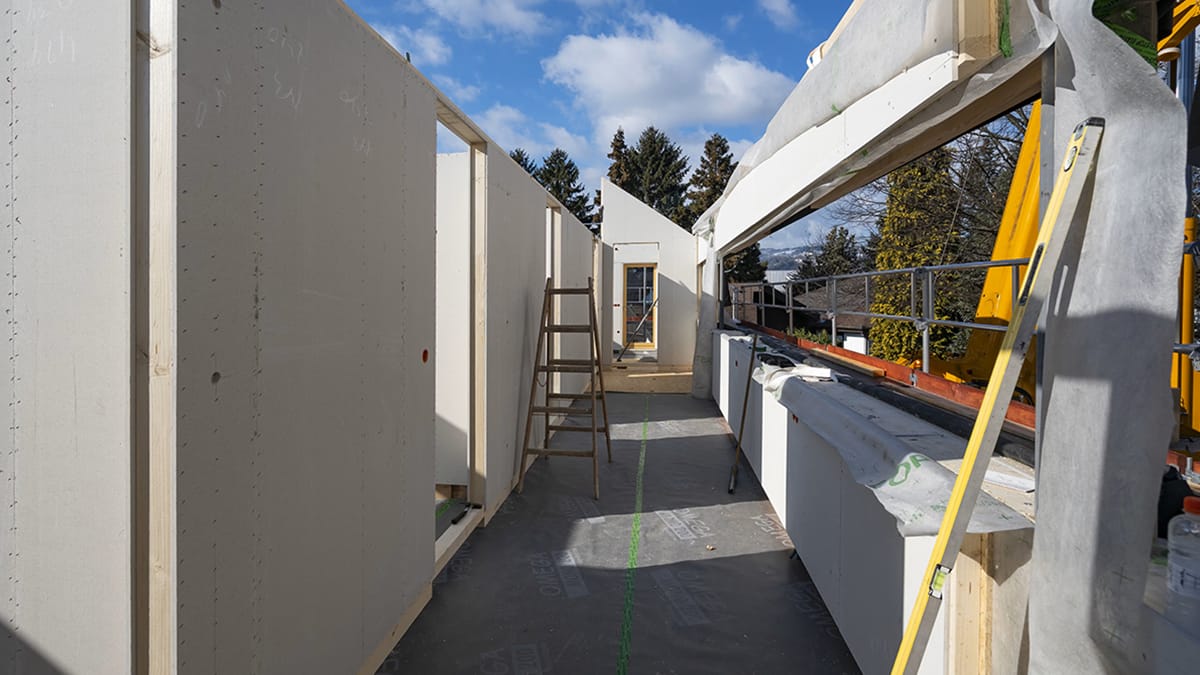
03 Mar Which Wallboard Wins for Modern Homes Magnesium Oxide Board vs Drywall
Table of Contents
If you want a strong wallboard for modern homes, magnesium oxide board is better than drywall. This wallboard can stop fire, water, and damage from hits. Tests show magnesium oxide boards stay strong for at least 33 years. They also keep their strength after 840 days in wet or hot places.
Parameter | Numerical Data | Description |
|---|---|---|
Stability duration | At least 33 years | Boards stay stable in normal UK weather |
Test duration | Up to 840 days | Boards keep their strength in wet and hot places |
Flexural Strength (MPa) | 7 to 15 (MgO), 3 to 5 (Drywall) | MgO board bends less before breaking |
You might still pick drywall if you want something cheaper or easier to put up. But magnesium oxide board vs drywall gives better strength and safety.
Key Takeaways
Magnesium oxide board is very good at stopping fire. It can last up to four hours in a fire. This makes it great for homes that want more safety.
In wet places like bathrooms and kitchens, magnesium oxide board works well. It keeps out water and stops mold and damage.
Magnesium oxide board costs more at first. But it lasts a long time and needs little care. This can help you save money later.
Drywall is faster and easier to put up. It is a good pick for places where you want to save money. It also works well in rooms that people do not use much.
Think about what you need most, like fire safety or water protection, before you pick magnesium oxide board or drywall.
Magnesium Oxide Board vs Drywall Overview
What Is Magnesium Oxide Wallboard?
Magnesium oxide wallboard is used in many new buildings. It is made from magnesium oxide, magnesium sulfate, and things like perlite, wood fibers, or fiberglass mesh. People call these boards mgo panels or mgo board. Builders pick magnesium oxide wallboard because it stops fire, water, and mold. Mgo panels do not burn and stay strong when wet. Mgo board is good for busy places. You see it in schools, hospitals, and homes that need more safety. Magnesium oxide wallboard is good for the environment. Using mgo panels helps the planet because they use safe, natural materials. You can recycle mgo board after you use it. Magnesium oxide wallboard costs more, but it lasts longer and protects better.
Tip: If you want walls that last and keep you safe, magnesium oxide wallboard is a smart choice.
What Is Drywall?
Drywall is a popular wall covering in homes and offices. It is made from gypsum pressed between two sheets of paper. People call it traditional gypsum board or traditional drywall. Builders use drywall because it is simple to cut and put up. You see traditional gypsum board in almost every room. Drywall costs less than magnesium oxide wallboard. You can finish building faster with drywall. Regular drywall does not stop water or fire as well as mgo panels. You can buy special drywall for better fire or water resistance, but it is still not as good as mgo board. Traditional gypsum board is lighter, but it breaks more easily. Drywall is used for inside walls and ceilings in most buildings.
Attribute | ||
|---|---|---|
Composition | Made from magnesium oxide, magnesium sulfate, and other materials like perlite, wood fibers, or fiberglass mesh. | Made mainly from gypsum with paper on both sides. |
Fire Resistance | Great at stopping fire, does not burn, good for fire-safe places. | Regular gypsum board stops some fire; fire-safe types are sold but are not as good as MGO. |
Water and Moisture Resistance | Very good at stopping water, moisture, and mold. Does not get ruined by water. | Regular gypsum board does not stop water; water-safe types are sold but are not as good as MGO. |
Strength and Durability | Stronger and harder to break, good for busy places. | Not as strong, breaks easier, lighter and simpler to cut. |
Environmental Impact | Better for the earth, made from safe and natural stuff, can be recycled. | Gypsum is natural, but making it uses lots of energy; recycling is not common. |
Cost | Usually costs more because it works better and lasts longer. | Mostly costs less. |
Applications | Used where you need walls that stop fire, water, and last long. | Used for inside walls and ceilings in homes and businesses. |
You look at magnesium oxide board vs drywall when you choose building materials. Mgo panels and regular gypsum board have different good points. Next, you will see how each wallboard works.
Head-to-Head Comparison: Key Factors
 Fire Resistance Comparison
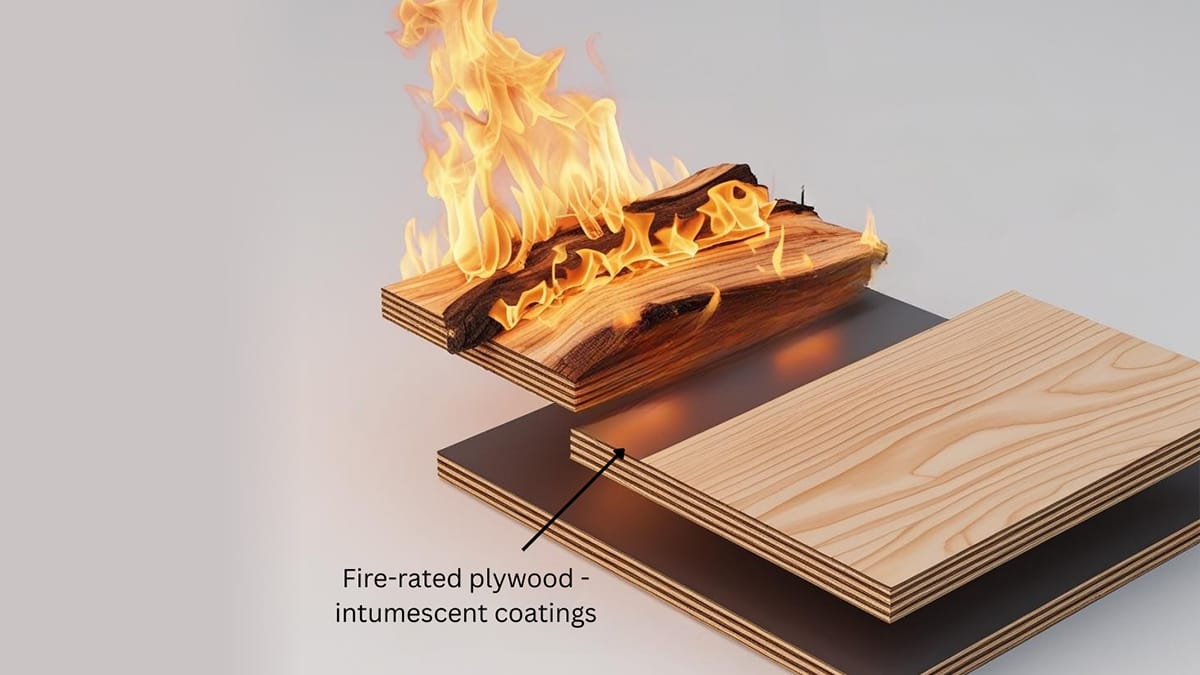 Fire Resistance Comparison
Magnesium oxide wallboard is much better at stopping fire than drywall. It does not burn at all. It stays strong even when there is fire for a long time. You can use mgo panels in places that need fire safety. They do not catch fire and have no flame spread. Drywall uses water inside to slow down fire. When it gets hot, the water goes away. Then drywall gets weak fast. Most drywall lasts only half an hour to one hour in fire. Magnesium oxide board can last up to four hours.
Board Type | |
|---|---|
Magnesium Oxide Boards | Very fire-resistant; does not burn; lasts 1-2 hours or more; stays strong |
Gypsum Board | Fire-resistant but needs water inside; usually lasts 30 minutes to 1 hour |
Fire Resistance Rating | Up to 4 hours (A1 Non-Combustible) |
Thermal Combustibility | Non-Combustible |
Flame Spread | Zero Flame Spread |
Fire Endurance | Very High |
Magnesium oxide wallboard follows strict fire safety rules. You can trust mgo board for safe walls in homes and schools. Drywall does not protect as well. If you want walls that stop fire, magnesium oxide board is the better choice.
Note: Magnesium oxide wallboard is best for fire safety. You feel safer with mgo panels in your house.
Moisture Resistance Comparison
Magnesium oxide wallboard is better than drywall at stopping water. Mgo panels do not soak up water. They keep their shape and strength even when wet. You can use mgo board in bathrooms, kitchens, and basements. Drywall can handle some wet air but gets weak with too much water. It swells, bends, and can grow mold.
Board Type | Performance in Wet Conditions | |
|---|---|---|
Magnesium Oxide Board | Superior water resistance, does not absorb water | Excellent durability in wet areas, does not swell or warp |
Gypsum Board | Can handle some humidity but weakens with prolonged exposure | Suitable for light moisture but prone to mold and damage with excessive water exposure |
MgO panels move very little with water after 22 weeks.
Gypsum boards move more, so they are easier to damage.
Tests show mgo panels stay strong in very wet places.
Magnesium oxide wallboard also stops mold and mildew. You can use mgo board where drywall would not work. Drywall is not good for wet rooms. If you want walls that last in wet places, mgo panels are better.
Tip: Pick magnesium oxide wallboard for rooms with lots of moisture.
Durability and Strength
Strong walls last longer. Magnesium oxide wallboard is much tougher than drywall. Mgo panels can take hard hits and heavy weight. You can use mgo board in busy places like schools and hospitals. Drywall breaks easily and cannot hold heavy things.
Material | Impact Resistance (kJ/m²) | Compressive Strength (MPa) | Flexural Strength (MPa) |
|---|---|---|---|
Magnesium Oxide Board | 5 to over 20 | 20 to over 40 | 7 to 15 |
Drywall (Gypsum Board) | 1 to 2 | 3 to 6 | 3 to 5 |
Magnesium oxide wallboard can hold more weight and pressure.
Mgo panels do not have paper that tears.
Drywall is not good for walls that carry weight or get used a lot.
Feature | MgO Boards | Drywall |
|---|---|---|
Durability | Much stronger and more impact-resistant | Less durable, prone to damage |
Fire Resistance | Non-combustible, A1 rated | Combustible |
Moisture & Mold Resistance | Does not rot or support mold growth | Can rot and support mold growth |
You get strong walls with mgo board. Magnesium oxide wallboard is great for places that need tough walls. Drywall works for quiet rooms but needs fixing more often. If you want strong walls, mgo panels are the best.
Callout: Magnesium oxide wallboard is best for busy places that need strong walls.
Environmental Impact
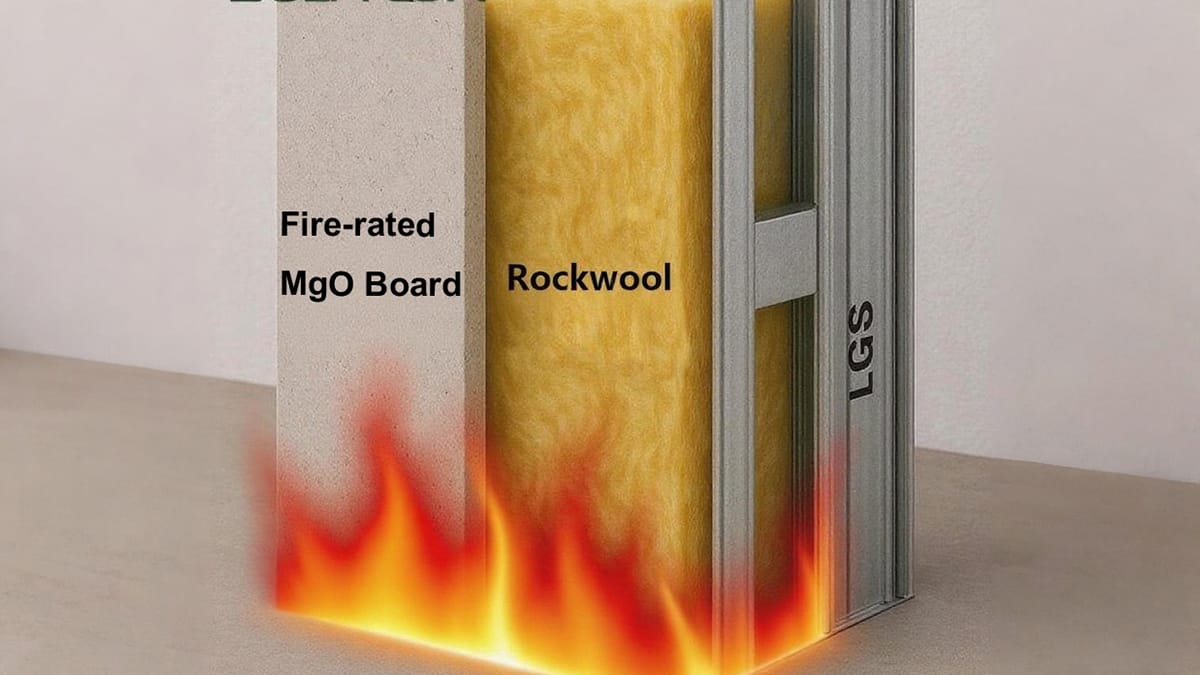 If you care about the earth, think about what wallboard you use. Magnesium oxide wallboard uses natural stuff and takes in CO2 when it dries. Mgo panels need less energy to make than drywall. Making drywall uses more energy and puts out more CO2.
Material | CO2 Emissions (kg) | Recyclability |
|---|---|---|
Magnesium Oxide Boards | 340 | Highly recyclable – can be reused in construction or as fertilizer |
Gypsum Boards | 740 | Limited recyclability – ends up mostly in landfills |
Magnesium oxide wallboard can be recycled easily.
Mgo board can be used again or made into fertilizer.
Drywall often gets thrown away.
If you want a green home, mgo panels are better. Magnesium oxide wallboard helps lower pollution.
Tip: Use mgo panels if you want to help the planet.
Cost and Value
Money matters when you build. Magnesium oxide board costs more than drywall. You pay $1.50 to $3.50 for each square foot of mgo board. Drywall costs $0.30 to $0.70 for each square foot. Drywall is cheaper at first.
Material | |
|---|---|
Magnesium Oxide | $1.50 – $3.50 |
Drywall | $0.30 – $0.70 |
But think about how long it lasts. Magnesium oxide wallboard lasts longer and needs fewer repairs. Mgo panels save money over time because they stop fire, water, and damage. Drywall costs less at first but needs more fixing and replacing.
Board Type | Cost per Square Foot | |
|---|---|---|
MgO Board | $1.50 – $2.50 | Strong, fireproof, and water-resistant, saving money in the long run. |
Gypsum Board | $0.50 – $1.00 | Cheaper upfront but may need more repairs, costing more over time. |
Magnesium oxide wallboard gives you more for your money if you want walls that last. Mgo panels are a smart buy for new homes.
Note: Think about the good and bad points of mgo panels before you choose.
Installation and Workability
How you put up wallboard is important. Magnesium oxide wallboard is heavier and harder to work with than drywall. Mgo panels can crack if you drop them. You need special screws and tools for mgo board. Drywall is lighter and easier to cut and put up.
Aspect | Magnesium Wall Board (MgO) | Drywall |
|---|---|---|
Corrosion-resistant (stainless steel or ceramic-coated) | Regular drywall screws | |
Cutting Methods | Circular saw with carbide blade; utility knife for scoring and snapping | Standard utility knife or saw |
Essential Tools | Circular saw, utility knife, carbide-tipped scoring knives, cordless drills | Standard saws, screw guns |
Magnesium oxide wallboard can soak up water, which can hurt screws.
Mgo panels are heavy and need more lifting.
Some mgo boards are not made the same.
Screws may not stay in mgo panels as well as drywall.
Drywall is easier for most people to put up.
If you want fast and easy walls, drywall is better. Magnesium oxide wallboard needs more skill and care.
Tip: Get a pro to help if you pick mgo panels.
Aesthetics and Finish
You want walls that look nice. Magnesium oxide wallboard has a surface that can make paint peel if you do not use the right primer. Mgo panels need a special primer before painting. You should test paint on mgo board before you finish the whole wall.
Paint a small spot on mgo panels and let it dry.
Cut an X on the dry paint, put tape on it, and pull it off to see if the paint sticks.
Magnesium oxide wallboard can soak up water, which can make joint compound crack or fall off. Drywall looks smoother and works well with most paints and joint compounds. Drywall is easier to finish and decorate.
If you want walls that look perfect and are easy to finish, drywall is best. Magnesium oxide wallboard needs extra steps to look good.
Note: Always use the right primer and test paint before finishing mgo panels.
This comparison shows magnesium oxide wallboard is better for fire, water, and strength. Mgo panels are best for safe and strong walls. Drywall is easier to put up and costs less at first. Think about what matters most before you pick your wallboard.
Best Use Cases for Each Wallboard
Where Magnesium Oxide Wallboard Excels
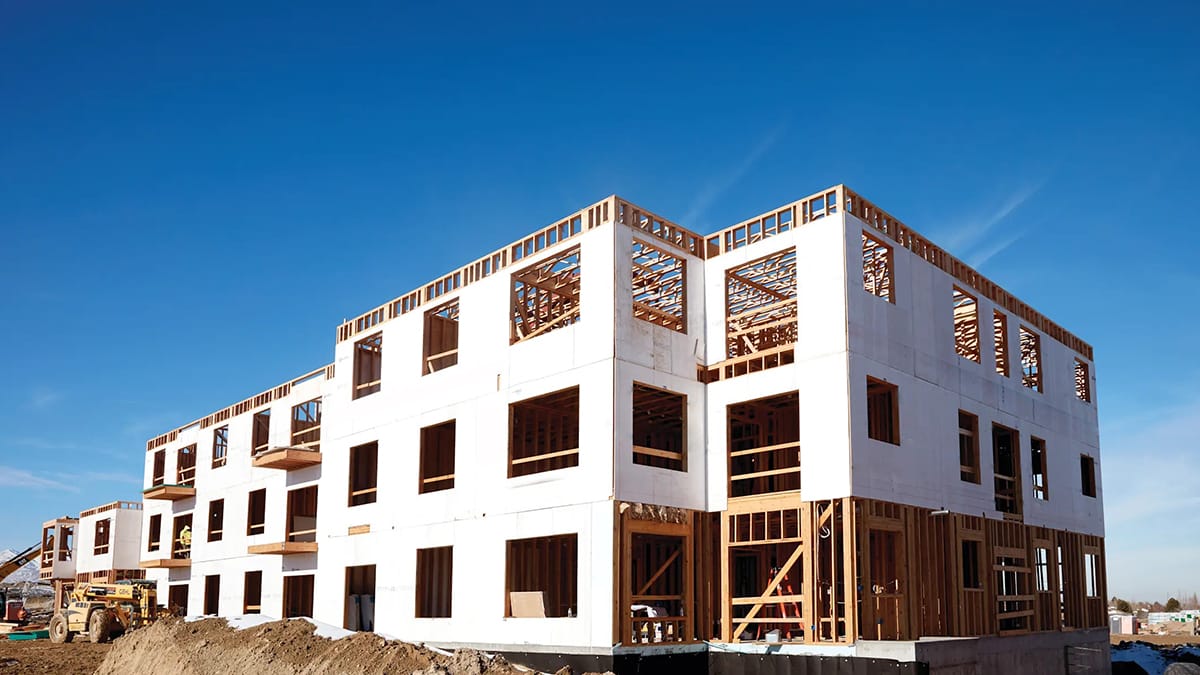 Where Magnesium Oxide Wallboard Excels
You want walls that last and protect your home. Magnesium oxide wallboard stands out in places where you need high moisture tolerance, fire safety, and strong walls. You see mgo panels used in rooms that get wet or need extra strength. These include bathrooms, kitchens, and basements. Mgo board also works well in commercial spaces like schools and offices. The table below shows where you should use magnesium oxide wallboard:
Room Type | Reason for Use |
|---|---|
Bathrooms | High water resistance and mold resistance |
Kitchens | High water resistance and mold resistance |
Basements | High water resistance and mold resistance |
Commercial Spaces | High durability and mold resistance |
You get key advantages with mgo panels in these areas. Mgo board does not break down when wet. It stops mold and mildew. You also get fire safety because mgo panels do not burn. In coastal homes, mgo board keeps its structural strength even during storms. Builders use mgo panels in energy-efficient homes to lower heating and cooling costs. You find mgo board in fire-resistant building materials for schools and hospitals. Mgo panels help you meet fire safety rules and protect your family.
You see the best use cases for mgo panels in places that need tough, safe, and green walls. Mgo board gives you peace of mind in busy or wet rooms.
Where Drywall Is Preferred
You may choose drywall when you want a quick and affordable wall solution. Traditional gypsum board works well in bedrooms, living rooms, and hallways. These spaces stay dry and do not need extra protection. Drywall is easy to cut and install. You finish your project faster with traditional drywall. Many offices and stores use traditional gypsum board for walls and ceilings to save money. You also see drywall in temporary setups, like displays or partitions.
Drywall gives you a smooth finish for painting and decorating. You do not need special tools for traditional gypsum board. Drywall is the best use case for gypsum boards in budget projects or rooms with low traffic. You get a modern look without spending much. Drywall construction is a smart choice if you want to save time and money.
Tip: Pick drywall for simple, dry rooms where you want fast results.
You now know where each wallboard works best. Magnesium oxide wallboard fits wet, busy, or high-risk areas. Drywall fits dry, quiet, and budget-friendly spaces.
Making the Right Choice: Magnesium Oxide Board or Drywall?
Key Factors to Consider
 Key Factors to Consider
When you pick between magnesium oxide wallboard and drywall, you need to think about a few important things. Each one has good and bad points. What you choose depends on what is most important for your house.
Here is a table that helps you see the main differences:
Factor | MgO Board | Drywall |
|---|---|---|
Fire Resistance | Superior fire resistance | Lower fire resistance |
Moisture Resistance | Vulnerable to moisture | |
Strength and Durability | High durability and strength | Less durable |
Environmental Benefits | Eco-friendly and safe | Less eco-friendly |
You should also think about how much money you want to spend. Mgo panels cost more at first than drywall. But you save money later because magnesium oxide wallboard does not need as many repairs. This makes it a better deal when you look at how much you spend over time.
Magnesium oxide wallboard gives you better fire and water safety.
Mgo panels last longer and stay strong in busy places.
Mgo board is safer for people with allergies because mold cannot grow on it.
Drywall costs less at the start and is easier to put up.
Gypsum boards can bend and get moldy if they get wet. This can make your walls weak and cause health problems, especially for people with allergies or breathing trouble. Magnesium oxide wallboard keeps these problems away. Mgo panels help your home stay safe and healthy.
You should also think about your weather and local rules. Magnesium oxide wallboard works well in places with wildfires or lots of rain. Mgo panels follow US building rules, so you know they are safe. Mgo board is a good pick for kitchens, bathrooms, and busy rooms. You can use mgo panels in homes and businesses.
Tip: Always check your local building rules before you pick a wallboard. Some places need fire-safe or water-safe materials.
Real-World Recommendations
You want to make the best choice for your house. Here are some real-life examples to help you decide:
High-Traffic Areas
Use magnesium oxide wallboard in hallways, schools, or offices. Mgo panels do not dent or break easily. Mgo board stays strong even if people bump into it a lot.Wet or Humid Spaces
Pick magnesium oxide wallboard for bathrooms, kitchens, and basements. Mgo panels do not soak up water. Mgo board stops mold and mildew from growing.Fire-Prone Regions
Choose magnesium oxide wallboard if you live where wildfires happen. Mgo panels do not burn. Mgo board helps you feel safe and follows fire rules.Eco-Friendly Homes
Pick magnesium oxide wallboard if you want to help the earth. Mgo panels use natural stuff and can be recycled. Mgo board helps you build a greener house.Budget Projects or Simple Rooms
Use drywall for bedrooms, living rooms, or dry spaces. Drywall is easy to put up and costs less. You finish your project faster with drywall.
Many people who use magnesium oxide wallboard are very happy. They like that it is strong and stops fire. People also see that mgo panels keep their homes healthy by stopping mold. Some people like that mgo board saves energy and makes less trash.
Note: Magnesium oxide wallboard gives you big benefits in safety, strength, and health. Drywall is best for quick, cheap projects in dry rooms.
You can see a clear pattern in the magnesium oxide board vs drywall debate. Magnesium oxide wallboard and mgo panels are best for places that need strong, safe, and water-resistant walls. Mgo board is a smart pick for modern homes. Drywall works best in simple, dry rooms where you want to save money and time.
When you compare magnesium oxide board vs drywall, you see clear differences. Magnesium oxide wallboard gives you top fire and moisture resistance, strong durability, and a greener choice for your home. Mgo board works best in kitchens, bathrooms, and busy spaces. Drywall costs less and installs faster, making it a good fit for dry, low-traffic rooms. You should always match your wallboard to your needs and budget. If you want walls that last, mgo panels and magnesium oxide wallboard offer long-term value. For best results, prepare your surfaces, use the right tools, and follow safety steps. You can build a safer, stronger home with the right wallboard.
FAQ
What makes magnesium oxide board safer than drywall?
Magnesium oxide board does not burn. You get better fire protection for your home. Drywall can slow fire, but it will not stop it as well as magnesium oxide board.
Can you install magnesium oxide board by yourself?
You can install it, but you may need help. Magnesium oxide board is heavier than drywall. You need special tools and screws. Many people hire a pro for best results.
Does magnesium oxide board work in cold or hot climates?
Yes, you can use magnesium oxide board in many climates. It stays strong in cold, heat, and wet weather. You do not need to worry about warping or breaking.
Is magnesium oxide board safe for people with allergies?
Yes, magnesium oxide board does not support mold or mildew. You get cleaner air in your home. This helps people with allergies or asthma.
Can you paint or decorate magnesium oxide board like drywall?
You can paint magnesium oxide board, but you must use a special primer first. Always test a small area before painting the whole wall.