


07 Mar Everything You Need to Know About Magnesium Oxide Board Installation
Table of Contents
You can perform magnesium oxide board installation on inside walls by preparing your space, allowing the boards to acclimate for two days, and following simple steps. Proper preparation is essential to ensure the boards remain durable and function effectively. Magnesium oxide board is robust, has a high resistance to fire, and effectively prevents water and mold. Many individuals choose this material due to its longevity and eco-friendliness. The installation steps are straightforward for beginners, making it easy to complete magnesium oxide board installation without any concerns.
Key Takeaways
Get all your tools and materials ready before you start. This helps you work faster and make fewer mistakes.
Let magnesium oxide boards sit for at least 48 hours before you use them. This keeps the boards from bending and helps them fit better.
Measure and mark your boards with care so you do not waste any. Check your measurements again to make sure they are right.
Use the correct fastening methods and materials to keep the boards in place. Follow the spacing rules and do not make screws too tight, or you might break the board.
Be careful with joints and seams by using fiberglass mesh tape and joint compound. This makes the boards stronger and keeps water from causing problems.
Tools and Materials for Magnesium Oxide Board Installation
Before you start your mgo board project, you need to gather all the tools and materials required for a smooth installation. Having everything ready helps you work faster and avoid mistakes. You will find that the right tools and materials required make the process easier and safer.
Essential Tools List
You need to use the correct tools to cut, measure, and install mgo boards. Here is a list of what you should have on hand:
Carbide tipped scoring knife: This tool lets you cut and snap mgo boards neatly.
Dust reducing circular saw: Use this saw for clean cuts and less dust.
Fiber cement shears: These shears help you make detailed and precise cuts in mgo.
Saw horses: Place your mgo boards on these for steady cutting and measuring.
Square: This tool helps you draw straight lines on your mgo boards.
Putty knife: Use this to spread adhesives and fill seams between mgo boards.
You should check your tools before you begin. Make sure each one works well. This step will help you avoid delays when you install mgo boards.
Materials and Safety Equipment
You must protect yourself when working with mgo. Cutting mgo boards can create dust, so safety is important. Here are the materials and safety items you need:
Mask and dust tools: Wear a mask and use dust control tools to avoid breathing in mgo dust.
Gloves and eye protection: These keep your hands and eyes safe from mgo particles.
Well-ventilated area: Cut mgo boards outside or in a space with good airflow.
Vacuum or dust system: Use these to collect mgo dust while you cut.
Wet cloth or vacuum: Clean up mgo dust with a damp cloth or vacuum instead of a broom.
Tip: Always gather all your mgo tools and materials required before you start. This habit keeps your workspace organized and helps you finish your mgo board installation without stress.
Preparing the Surface and Framing
 Cleaning and Inspecting Walls
You need to start with a clean and solid surface before you install mgo. Follow these steps to get your walls ready:
Check the wall for cracks, holes, or uneven spots. Fix any damage you find.
Clean the wall to remove dust and dirt. Use a damp cloth if you see sticky grime.
Make sure the wall is flat and dry. Use a spirit level to check for bumps or dips. Fix any uneven areas.
Measure the wall area carefully. Plan where you will place each mgo board. Leave a small gap between boards for expansion.
Tip: A clean and level wall helps mgo stick better and last longer.
Checking Studs and Framing
You must inspect the framing before you attach mgo. Look at the studs and make sure they are straight and square. Use a level to check the alignment. If you see any warped or loose studs, repair them first. Strong framing supports the weight of mgo and keeps your walls safe. Mark the stud positions on the wall so you know where to fasten the mgo boards.
Acclimating Magnesium Oxide Boards
You should always let magnesium oxide boards adjust to the room before you install them. Place the mgo boards in the installation area for at least 48 hours. This step lets the boards get used to the local temperature and humidity. If you skip this, the mgo might warp or expand after you finish the job, especially in humid places.
Store mgo indoors in a cool, dry spot. Carry the boards on their side to protect the edges and corners. Stack them flat on dunnage or other supports. Do not put heavy items on top of the mgo. This keeps the boards from bending or getting damaged before you start your project.
Cutting and Fitting Magnesium Oxide Board
 Measuring and Marking
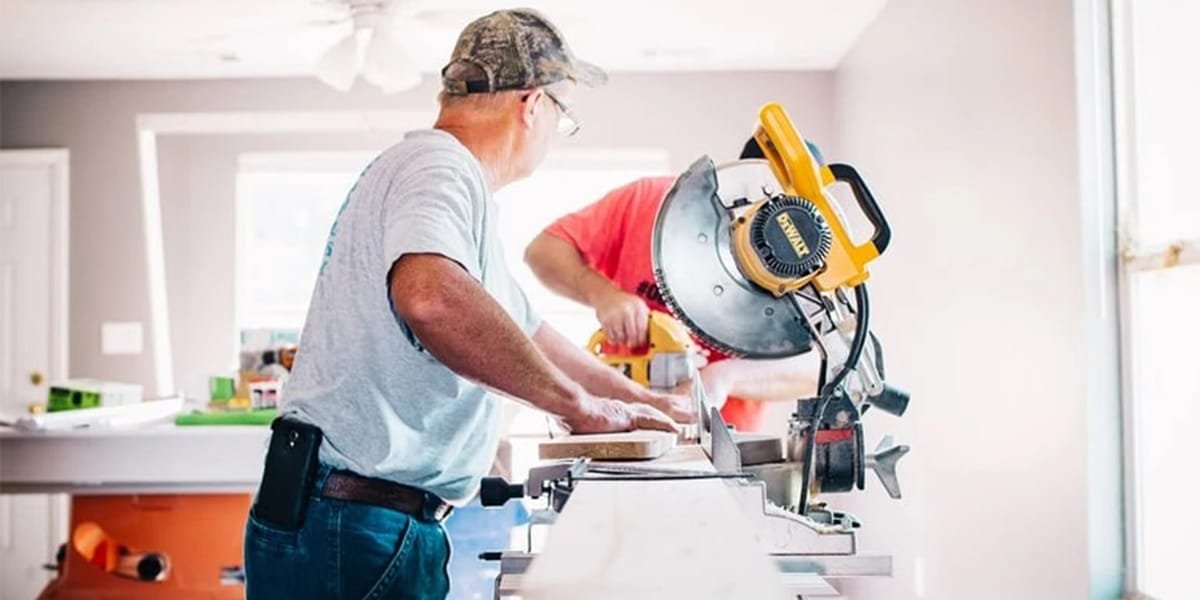
You need to measure and mark your mgo boards with care. This step helps you get a perfect fit and avoid waste. Follow these best practices:
Measure the wall area where you want to install the mgo board.
Use a straightedge or ruler to draw a clear line where you need to cut.
Mark the line with a pencil. This gives you a precise guide for cutting.
Check your measurements twice before you cut. This habit saves you time and prevents mistakes.
Cutting Techniques
You can use different tools to cut mgo boards. The right tool depends on the thickness of the board and the finish you want. Here is a table to help you choose the best method:
Tool/Technique | Description | Effectiveness for Clean Edges and Dust Minimization |
|---|---|---|
Circular Saw | Use a thin carbide blade for clean and precise cuts. | High – minimizes chipping and dust. |
Plunge Saw | Equipped with a diamond blade for precise control and straight cuts. | High – ensures clean edges. |
Angle Grinder | Can cut through mgo boards but results in rough cuts and mess. | Low – not recommended for clean edges. |
Score and Snap Method | Suitable for cutting thinner boards (up to 8 mm) by scoring and snapping. | Moderate – only for thinner boards, not for thick. |
Always cut mgo boards in a well-ventilated area. Wear a mask and safety glasses to protect yourself from dust.
Dry Fitting Boards
Before you attach the mgo boards, you should dry fit them. Place each board against the wall to check the fit. Make sure the edges line up and the boards sit flat. If you see gaps or uneven spots, trim the mgo board as needed.
Tip: Dry fitting helps you spot problems early. You can make small adjustments before you fasten the mgo boards in place.
Take your time during this step. Careful fitting leads to a smooth and professional finish.
Installing MgO Board: Step-by-Step Instructions
 Positioning and Fastening Boards
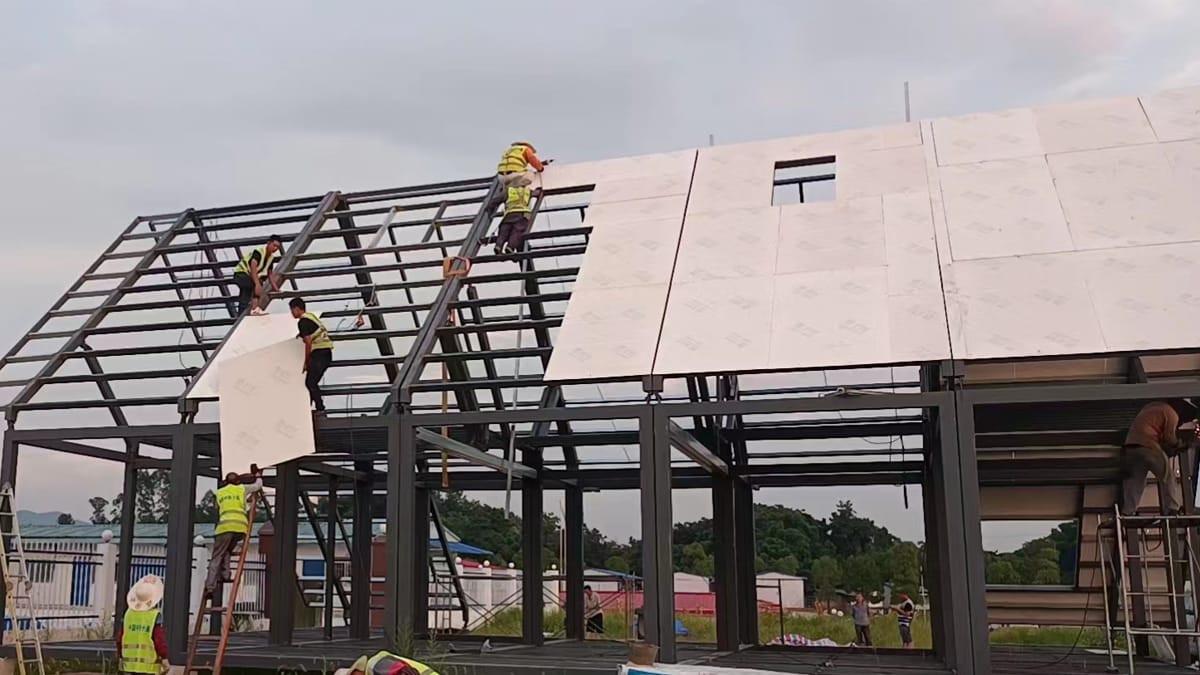
Start installing mgo board by planning the layout. Place each sheet so that you minimize the number of cuts. Try to keep cut edges along the room’s perimeter. This method makes the job easier and helps you get a clean look. When you begin laying the mgo boards, make sure the framing is straight and the spacing between keels is even. This step gives you a strong base for magnesium oxide board installation.
Hold the first mgo board against the wall. Align the edges with the framing. Use a level to check that the board sits straight. Leave a small gap of about 1/8 inch between sheets. This gap allows for expansion and prevents cracking later. You should also keep the bottom edge of the mgo board slightly above the floor to avoid moisture problems.
Fastening the boards securely is important for a stable wall. Use the right screws for your framing. For wood studs, choose #8 flat head fasteners with high/low threads and a sharp drill point. For metal studs, use #8 flat head screws with nibs under the head and a self-drilling point. If you use Magpanel MGO boards, 4.8 x 42mm Bi-Metal Drywall Screws work well. Always use 18 gauge or heavier screws for metal framing.
Follow this fastening pattern for best results:
Location | Fastener Spacing | Distance from Edge | Notes |
|---|---|---|---|
Perimeter | 6 inches | 9/16 inch | No closer than 4 inches from corners |
Center | 12 inches | 9/16 inch |
|
Screw to Edge | — | 10-15 mm (15-20 mm for cut edge) | Use single pass with screw gun |
Drive each screw so the head sits flush with the board surface. Do not overtighten, as this can damage the mgo. Place screws at least 4 inches away from corners to prevent cracking. When fastening the boards securely, always check that the board remains flat against the framing.
Tip: Keep the room at a steady temperature and humidity during magnesium oxide board installation. This practice helps prevent warping and keeps seams tight.
Handling Corners and Edges
Corners and edges need extra care during installing mgo board. When you reach a corner, measure and cut the mgo board so it fits snugly. Place the cut edge toward the corner of the room. This step hides rough cuts and gives a neat finish.
For outside corners, use a corner bead or metal trim for protection. Attach the trim before you finish the seams. For inside corners, leave a small gap between boards. Fill this gap with a flexible sealant or joint compound. This method allows for slight movement and stops cracks from forming.
When laying the mgo boards, always check that the edges line up with the next sheet. Keep a 1/8 inch gap between boards for expansion. Fill this gap with a high-quality sealant like Manus-Bond 75-AM. After filling, embed fiberglass tape in a sandable joint compound. Sand lightly and apply a final coat for a smooth finish.
Common mistakes can cause problems later. Avoid tightening screws too much, as this can crack the mgo. Store boards flat and let them adjust to the room before installing mgo board. Use corrosion-resistant fasteners and keep boards dry to prevent moisture damage.
Note: Careful handling of corners and edges during magnesium oxide board installation leads to a professional look and longer-lasting walls.
By following these installation instructions, you can complete installing mgo board with confidence. Each step, from laying the mgo boards to fastening the boards securely, helps you build a strong and smooth wall.
Finishing Magnesium Oxide Board Installation
 Treating Joints and Seams
You need to treat the joints and seams of your mgo boards to create a smooth, strong wall. This step helps prevent cracks and keeps moisture out. Start by applying fiberglass mesh tape over every seam. Press the tape firmly so it sits flat against the mgo surface. Make sure you cover all joints, including corners and cut edges.
Follow these steps to finish the seams:
Spread a thick layer of joint compound over the seam. Extend the compound a few inches past the edges.
Press the fiberglass mesh tape into the wet compound. Align it carefully with the joint.
Add more joint compound over the tape. Use a feathering motion to smooth it out.
Check for air bubbles under the tape. Remove them to keep the seam strong and prevent cracks.
Use a fire-rated joint compound that works with mgo boards. Sandable elastomeric or lightweight concrete patching compounds work well.
Fill the joints until the compound is even with the mgo board surface.
Let the first layer dry. Apply a second layer, extending it at least 2 inches past the joint edges. For cut edge joints, extend each layer 4 inches further.
Allow each layer to dry before adding the next one. Keep the room at a steady temperature and humidity to avoid cracks.
Lightly sand the joint compound when it is slightly damp. Wipe away dust and apply a final coat of finishing compound. Feather it out to blend with the mgo board.
Once the last coat dries, sand it lightly for a smooth finish.
Tip: Always use fine-grit sandpaper and avoid over-sanding. This keeps the tape covered and protects the mgo surface.
Treating joints and seams with care gives your mgo wall a professional look. You also protect the wall from water and damage.
Priming, Painting, and Sealing
After you finish the joints and seams, you need to prime, paint, and seal your mgo boards. This process protects the surface and gives your wall a clean, attractive finish.
Start with the right primer. Choose a primer that bonds well with mgo. Acrylic-based primers and masonry or concrete primers work best. These primers form a strong bond with the cement in mgo and help neutralize its alkaline surface. This step prevents peeling and cracking.
Primer Type | Works With MGO Boards? | Benefits |
|---|---|---|
Acrylic-based | Yes | Strong bond, neutralizes surface |
Masonry/Concrete Primer | Yes | UV-resistant, prevents cracking |
Regular Drywall Primer | No | Weak bond, poor durability |
Apply the primer in a thin, even coat. Let it dry completely before painting. Use high-quality paint that is compatible with mgo. Acrylic latex paint works well for most rooms. For bathrooms or kitchens, choose paint with moisture resistance.
Sealing your mgo boards is important, especially in wet areas. Seal all edges and seams with fiberglass mesh tape and joint compound. Add a waterproof layer in places that get wet often. For outdoor walls, use weather barriers to protect against rain and sun. You can add water-repellent additives for extra protection.
Description | |
|---|---|
Edge and Seam Sealing | Seal edges and seams with fiberglass mesh tape and joint compound to prevent water ingress. Add a waterproof layer in wet areas. |
Weather Barriers | Use weather barriers for outdoor applications to protect against rain and sun. Add water-repellent additives for enhanced protection. |
Maintenance | Regularly clean and inspect for damage, and repair with appropriate sealants to maintain integrity. |
Note: Regular cleaning and inspection help keep your mgo walls in good shape. Repair any damage with the right sealant to maintain strength and appearance.
Priming, painting, and sealing your mgo boards give you a wall that looks great and lasts for years. You protect your investment and enjoy a safe, beautiful space.
You can build a strong wall with magnesium oxide board if you follow these steps. First, collect all your tools and materials. Clean the area and make sure the surface is flat. Next, plan where each board will go and secure the joists. Cut the boards to fit and put them in place. Leave small gaps between the boards so they can expand. When you finish, treat the seams, use primer, and paint the wall.
Solution | |
|---|---|
Moisture absorption | Use waterproof sealants and good ventilation. |
Cracking and warping | Store boards flat and allow acclimation. |
Always wear safety gear to protect yourself. Make sure your workspace is ready before you start. If you need to work with wires or pipes, ask a professional for help. You can begin your project with confidence and enjoy walls that last a long time and look nice.
FAQ
How do you cut magnesium oxide board safely?
You should use a carbide-tipped scoring knife or a circular saw with a dust-reducing blade. Always wear a mask and safety glasses. Cut boards in a well-ventilated area or outside to avoid breathing in dust.
Can you install magnesium oxide board over existing drywall?
Yes, you can install it over drywall. Make sure the surface is clean, dry, and flat. Use appropriate screws to fasten the board securely to the studs behind the drywall.
What type of paint works best on magnesium oxide board?
Acrylic-based or masonry primers work best. After priming, you can use acrylic latex paint. This combination gives you a strong, smooth finish and helps protect the board from moisture.
Do you need to seal the edges of magnesium oxide boards?
Yes, you should seal all edges and seams. Use fiberglass mesh tape and joint compound. In wet areas, add a waterproof sealant. This step keeps water out and helps your wall last longer.
Is magnesium oxide board fire resistant?
Yes, magnesium oxide board resists fire. It does not burn easily and helps slow the spread of flames. Many builders use it in places where fire safety matters most.