


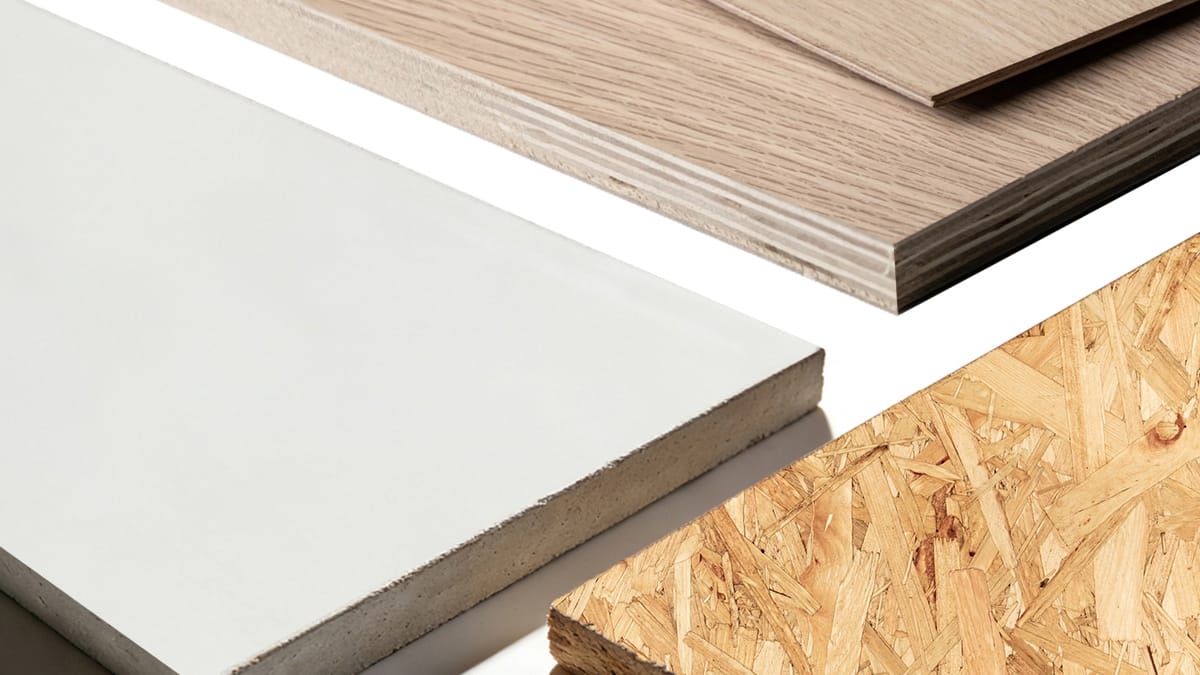
21 Feb MgO Board vs Particle Board Which Is Best for Substrate Floors
When considering a substrate floor that can withstand water, fire, and environmental challenges, it’s important to compare MgO board vs particle board substrate floor options. Studies indicate that MgO board remains robust in wet conditions and effectively prevents mold growth, while particle board tends to swell and break in humid environments. In terms of fire resistance, MgO board can endure flames for up to four hours without burning quickly, whereas particle board ignites rapidly and produces more smoke. The table below highlights these differences:
Material | Moisture Resistance | Fire Resistance Rating | Eco-Friendliness |
|---|---|---|---|
MgO Board | Excellent, no mold | Up to 4 hours | No toxins, recyclable |
Particle Board | Poor, swells and cracks | Less than 1 hour | Contains chemicals, limited recycling |
In the comparison of MgO board vs particle board for substrate floors, it’s clear that MgO board offers superior strength and safety.
Key Takeaways
MgO board does not let water in. This makes it great for wet places like bathrooms and kitchens. It stops mold from growing. It also stays strong for a long time.
MgO board is better for fire safety. It can handle fire for up to four hours. Particle board catches fire fast. It also makes dangerous smoke.
Pick MgO board if you want it to last long. It costs more at first, but it lasts over 30 years. It also needs less fixing than particle board.
MgO board is good for the environment. It does not have bad chemicals. It can even take in carbon dioxide. This makes the air inside safer to breathe.
Only use particle board in dry places with little use. It is not good for wet spots. It can get bigger or break if it gets wet or pressed.
Material Comparison for Substrate Floors
MgO Board Composition
MgO board is made with magnesium oxide. Makers add glass mesh and vermiculite to it. This mix forms a board that is strong and light. MgO boards do not have wood or harmful chemicals. Making MgO boards uses less energy. This helps the planet. These boards do not let out bad fumes in your house. They help the earth by lowering carbon pollution. MgO boards can even take in carbon from the air. This makes them good for green building.
Feature | MgO Board | Particle Board |
|---|---|---|
Core Material | Magnesium oxide and mineral-based | Primarily wood-based with resins |
Fire Resistance | Naturally resistant | Less resistant due to wood content |
Moisture Resistance | Naturally resistant | More susceptible to moisture |
Additional Components | Glass mesh and vermiculite | Varies in density and composition |
Ideal Environments | Humid and fire-rated applications | Versatile for furniture and design |
Particle Board Composition
Particle board is made from wood scraps. Factories mix sawdust, chips, and shavings with glue. The glue types are urea-formaldehyde, melamine-formaldehyde, or phenol-formaldehyde. These glues hold the board together. But they can let out fumes that are not good for indoor air. Particle board soaks up water fast. Even a little spill can make it swell or bend. Mold can grow on it too. Particle board is not good for wet rooms like kitchens or bathrooms. The chemicals in it can hurt your health if you breathe the fumes for a long time.
Impact on Substrate Floor Performance
MgO board and particle board work very differently. MgO boards protect against water and mold for a long time. They stay strong in wet places like bathrooms and kitchens. MgO boards also resist fire and heat. This keeps your home safer. You can use MgO boards where people walk a lot. They do not break easily. MgO boards help block noise and keep heat inside. This makes your home quiet and cozy. Particle board does not do well with water or heavy use. It can break down fast in damp or busy spots. If you want a safe and strong floor, MgO boards are the best choice.
Durability and Strength
 Load-Bearing and Compression
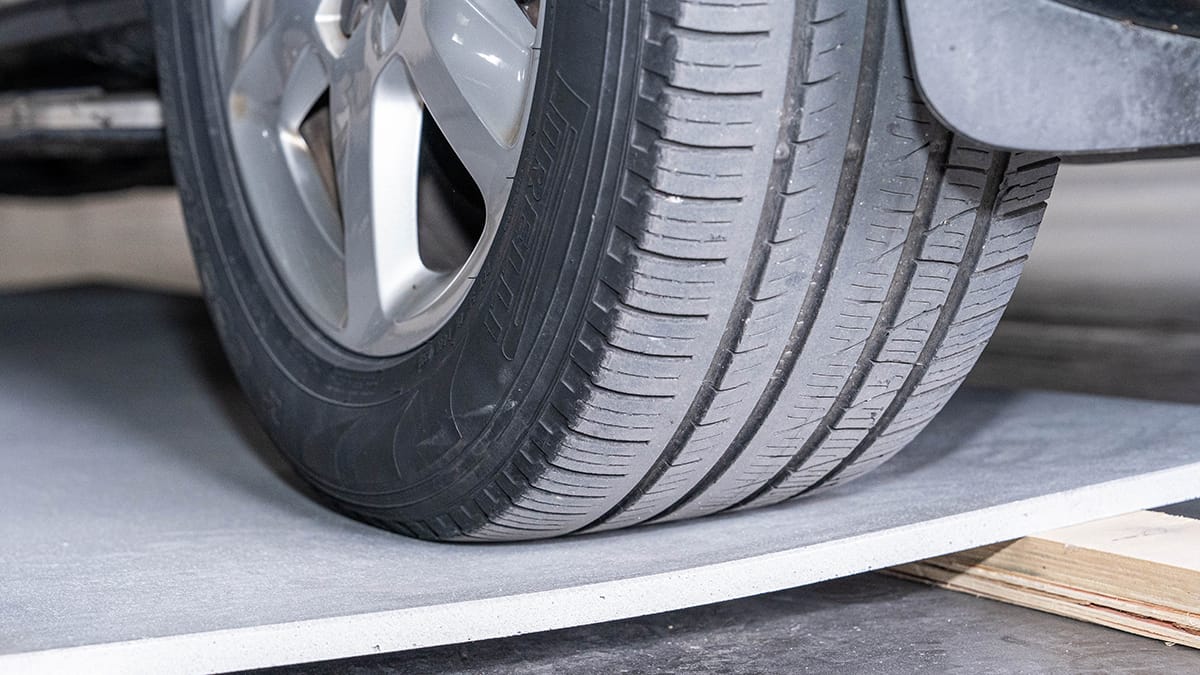 Load-Bearing and Compression
When picking a substrate floor, you want it to be strong. It should hold heavy things and not break under pressure. MgO board and particle board are very different in strength. MgO board is much stronger. You can put heavy tiles or stones on MgO board. It will not crack or bend. MgO board is made with magnesium oxide, glass mesh, and vermiculite. This mix makes MgO board tough and hard to break. Your floor stays flat and strong, even with lots of people walking on it.
Particle board is not as strong. Factories make it from wood scraps and glue. The glue can get weak if it gets wet. Particle board may bend or break with heavy furniture. You might see dents or sagging in busy rooms. MgO board is better at holding weight and not bending.
Here is a table that shows how MgO board and particle board do in strength tests:
Attribute | MgO Board Evidence | Particle Board Evidence |
|---|---|---|
Load-Bearing Ability | Handles pressure well; tested for strong forces. | Gets weak with heavy loads; bends and cracks. |
Moisture Resistance | Stays strong after water; does not soak up water. | Swells and gets weak when wet. |
Impact Resistance | High impact rating, better than cement boards. | Low impact; dents and chips easily. |
Longevity in Wet Areas | Keeps shape and strength in wet places; stops germs. | Breaks down in wet spots; gets mold and pests. |
Tip: If you want a floor that lasts and stays strong, MgO board is the best choice.
Long-Term Performance
You want a floor that stays strong for many years. MgO boards last a long time. You can use them in busy places like halls, kitchens, and entryways. MgO boards do not wear out or break easily. They do not bend, crack, or lose their shape. Your floor looks good and works well for a long time.
Particle board does not last as long. It wears down in busy rooms. The glue inside can break when wet or used a lot. You may see swelling, cracks, or holes. Particle board is not good for places with lots of people or water spills.
Here is a table that shows how MgO boards and particle board handle wear in busy areas:
Attribute | Description |
|---|---|
Strength and Durability | MgO boards have fibers or mesh, so they are tough and stay the same shape for years. |
Impact Resistance | MgO boards are better than gypsum boards and keep their shape under stress. |
Dimensional Stability | MgO boards do not bend or crack over time, even in different weather. |
Particle Board | Gets damaged, bends, and swells in busy or wet places. |
You can trust MgO boards to keep your floors safe and strong. MgO boards are great for homes, schools, and offices. Particle board costs less at first, but you will pay more for fixing it later. MgO boards are stronger in every way.
Pick MgO boards for:
Busy places 🚶
Wet rooms like bathrooms and kitchens 🚿
Floors that need to last a long time 🏠
Do not use particle board in:
Busy rooms
Wet or damp places
Rooms with heavy furniture
MgO board and particle board are very different in strength and durability. MgO boards help you feel safe and save money over time.
Moisture and Mold Resistance
High-Humidity Performance
You want your substrate floor to stay strong in places with lots of moisture. Bathrooms, kitchens, and basements often have high humidity. When you compare mgo board vs particle board substrate floor, you see big differences in how each material handles water.
Mgo board gives you excellent moisture resistance. You can use mgo boards in wet rooms without worry. These boards do not absorb water, so they keep their shape and strength. Mgo boards are made from almost 100% inorganic materials. This means they do not rot, mold, or decay. You can trust mgo boards in places like pools, saunas, and laundry rooms. They are certified for microbial resistance and approved for use in high-humidity areas.
Particle board does not perform well in damp spaces. It can handle small amounts of moisture, but it weakens with long-term water exposure. The wood and glue inside particle board soak up water. This causes the board to swell, bend, and lose strength. You may see particle board break down in bathrooms or basements. Mold and mildew can grow on particle board, making it unsafe for wet environments.
Tip: If you want a substrate floor that lasts in humid places, choose mgo board. You will avoid problems with swelling and mold.
Here is a table that shows how mgo board and particle board perform in high-humidity areas:
Feature | Mgo Board | Particle Board |
|---|---|---|
Moisture Resistance | Excellent, does not absorb water | Poor, absorbs water easily |
Mold/Mildew Resistance | Certified, does not support growth | Mold and mildew can grow |
Structural Integrity | Maintains strength in humidity | Weakens and swells |
Ideal Locations | Bathrooms, kitchens, basements | Dry rooms only |
Mold and Swelling Issues
You need to think about mold and swelling when picking a substrate floor. Mgo boards resist mold because they do not give mold spores any food. The inorganic makeup of mgo boards means mold cannot grow. Tests show mgo boards absorb only a tiny amount of moisture—about 0.34%. This keeps your floor safe and clean. Mgo boards scored zero on the ASTM G21 fungal resistance test, which means no mold grows on them.
Particle board has the opposite problem. The wood and glue inside particle board provide food for mold. When particle board gets wet, it absorbs water quickly. This leads to swelling, warping, and loss of strength. You may see particle board crack or break after water exposure. Mold and mildew can spread fast, causing health risks and damage.
Mgo boards do not warp, swell, or delaminate after short-term moisture exposure.
After many wetting and drying cycles, mgo panels keep their strength. Particle board loses up to 40% of its strength after repeated moisture exposure.
Mgo boards last over 30 years in normal weather without degrading. Particle board breaks down much faster in wet conditions.
Note: Mgo boards are ideal for substrate floors in wet and humid places. You will get long-lasting protection against mold and swelling.
If you want a safe, strong, and clean substrate floor, mgo board is the best choice. Particle board may cost less at first, but you will spend more fixing problems caused by moisture and mold.
Fire Resistance and Safety
Fire Ratings
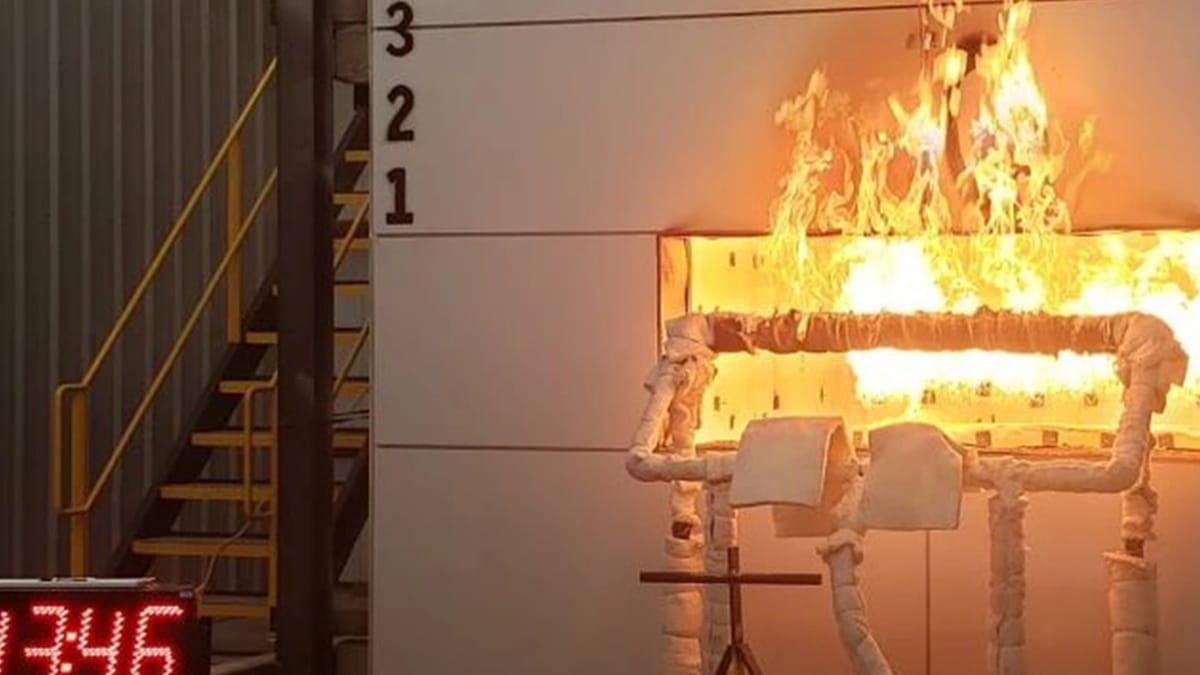 Fire Ratings
You want your substrate floor to protect your home or business from fire. MgO board gives you strong fire resistance. You can trust it to slow down flames and keep your space safe. MgO board has A1-rated fire resistance. This means it can withstand fire for up to 120 minutes. You can use MgO board in high-risk areas, like kitchens or commercial buildings. Particle board does not offer the same protection. It burns quickly and does not last long in a fire.
Here is a table that shows how MgO board compares to other boards:
Feature | A1-rated MgO Boards | Gypsum Boards |
|---|---|---|
Fire Resistance Rating | High (120 minutes) | Moderate |
Suitability for High-Risk Areas | Yes | No |
MgO board gives you better fire resistance than gypsum or particle board. You can rely on MgO board to keep your floors safe during a fire.
Safety for Substrate Floors
You need to think about safety when choosing a substrate floor. MgO board has strong fireproofing properties. It does not burn or spread flames. The board is non-combustible and has a zero flame spread rating. You can use MgO board in fire walls, ceilings, and fire-rated assemblies. It does not degrade under heat. Particle board does not have these fireproofing properties. It is made from wood and glue, so it burns fast and produces smoke.
Here is a table that shows the fire safety features of MgO board:
Feature | MgO Board |
|---|---|
Non-combustibility | Yes |
Flame spread rating | Zero |
Degradation under heat | Does not degrade |
Common applications | Fire walls, ceilings, fire-rated assemblies |
Fire rating | |
Combustibility | Inherently non-combustible |
High temperature resistance | Withstands high temperatures without burning |
MgO board gives you peace of mind. You know your floor will not catch fire or help flames spread. Particle board does not protect you in a fire. It can make a fire worse and put you at risk.
Tip: If you want the best fire resistance and fireproofing properties for your substrate floor, choose MgO board. You will keep your space safer and lower the risk of fire damage.
You can see that MgO board stands out for fire resistance and safety. It gives you strong fireproofing properties and helps protect your home or business. Particle board cannot match these benefits. Make the smart choice for fire safety and pick MgO board for your substrate floor.
Environmental Impact and Health
Eco-Friendliness of MgO Board
You want a substrate floor that is good for the planet. MgO boards are known for being eco-friendly. They do not have bad chemicals like benzene or asbestos. This means you keep toxins out of your house and nature. MgO boards last longer than many other materials. You do not need to replace them often, so you save energy and resources.
Making MgO boards uses less energy than making other boards. Factories use 25% to 50% less energy than cement board factories. This helps lower carbon pollution. MgO boards can even trap carbon dioxide while they cure. If you pick MgO boards made nearby, you help cut down on pollution from trucks and ships.
Here are some reasons why MgO boards are a green choice:
No toxic chemicals come out when you use or throw away MgO boards
Long life means less waste and saves resources
Uses less energy to make
Can soak up CO₂ from the air
When you look at other choices, MgO boards are better for the earth. MgO boards help you build in a way that protects nature.
Material | Use of Recycled Materials | Sustainable Practices |
|---|---|---|
Particle Board | Uses wood chips, sawdust, and leftovers | Helps reuse wood, lowers tree cutting |
MgO Board | Uses less energy, traps CO₂ while curing |
Chemical Content in Particle Board
You should think about air quality inside your home. Particle board has glues like urea-formaldehyde. These glues can let out formaldehyde and other chemicals into the air. Breathing these chemicals can hurt your lungs and may cause cancer. Particle board also burns fast and makes lots of smoke and bad fumes in a fire.
MgO boards do not have these problems. They do not let out formaldehyde or other chemicals. Even in a fire, MgO boards make very little smoke and do not release harmful gases. You can feel safe using MgO boards at home, school, or work.
Aspect | Magnesium Oxide (MgO) Board | Particle Board |
|---|---|---|
Combustibility | Does not burn, lasts in fire up to 4 hours | Burns fast, fire resistance less than 1 hour |
Smoke Emission | Makes very little smoke in fire | Makes lots of smoke and bad fumes |
Toxic Chemicals | No formaldehyde or VOCs, no bad chemicals | Has glue that lets out formaldehyde and VOCs that can hurt lungs and cause cancer |
Note: If you want clean air inside, pick MgO boards. You will avoid bad chemicals and keep your air safe.
MgO boards give you a safe, green, and healthy choice for floors. Particle board may cost less, but it can hurt your health and the planet.
Cost and Value
Upfront and Installation Costs
When you plan a flooring project, you want to know the cost and affordability of each option. MgO board usually costs more at first than particle board. You pay for the material and the installation. The cost per square foot for MgO board ranges from $1.50 to $2.50. Particle board is cheaper, with a cost per square foot between $0.50 and $1.00. You may also notice that installing MgO board can cost a bit more. Installers need special tools and skills, which adds to the total cost. Particle board is common, so installation is faster and less expensive.
Material | Average Cost per Square Foot | Installation Cost |
|---|---|---|
MgO Boards | $1.50 – $2.50 | Slightly higher due to specialized handling |
Particle Board | $0.50 – $1.00 | Lower due to common usage |
Tip: If you have strict budget considerations, particle board may seem like the better choice at first. However, you should also think about the long-term value.
Long-Term Value and Maintenance
You want your floor to last and give you good value over time. MgO board gives you strong long-term value because it resists water, fire, and damage. You do not need to spend much on repairs or replacement. MgO board keeps its shape and strength for many years, even in busy or wet areas. This means you save money on maintenance and avoid extra costs in the future.
Particle board may cost less at first, but it does not offer the same long-term value. It can swell, crack, or grow mold if it gets wet. You may need to replace it sooner, which adds to your total cost. When you look at cost and affordability, you should think about both the upfront price and the value you get over time.
MgO board gives you:
Lower maintenance costs
Fewer replacements
Better value for your money
Particle board may fit your budget considerations now, but it can lead to higher costs later.
Note: Choosing MgO board means you invest in long-term value and peace of mind. You get a floor that stands up to daily life and saves you money in the long run.
Application Suitability
Best Uses for MgO Board
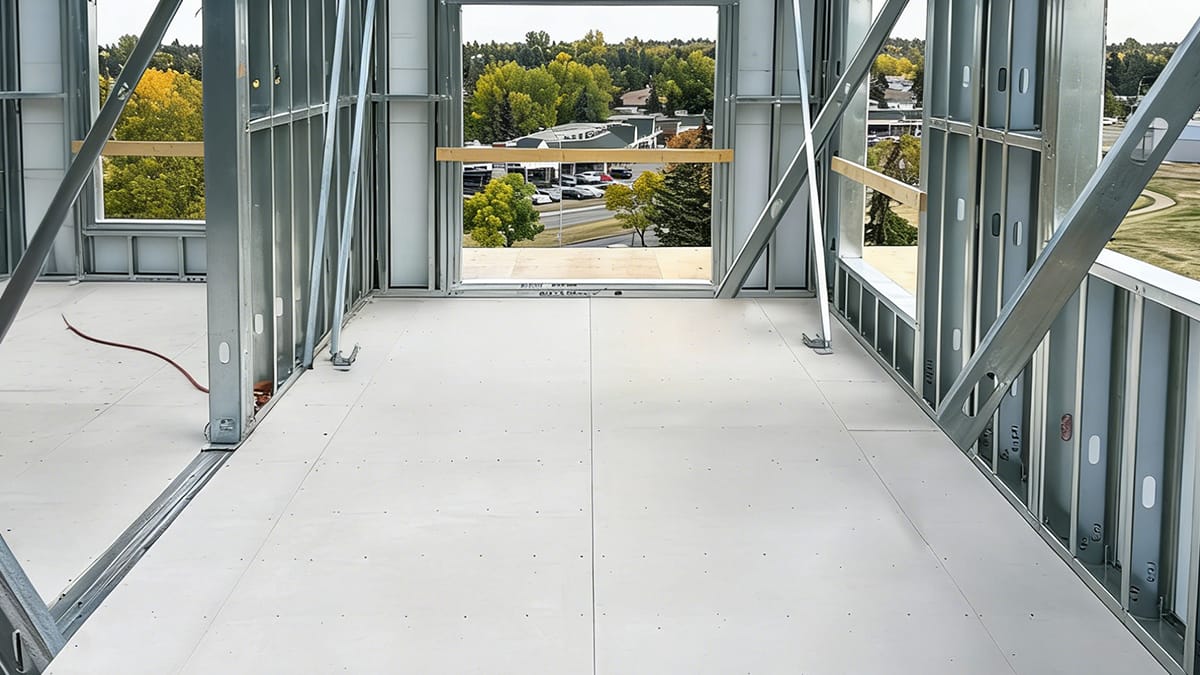 Best Uses for MgO Board
You want your substrate floor to last and stay safe. Mgo boards work well in places where you need strong fire resistance and moisture protection. You can use mgo boards in schools, hospitals, and high-rise buildings. These places need floors that do not burn easily and stay strong when wet. Mgo boards also fit well in kitchens, bathrooms, and basements. You get peace of mind because mgo boards do not swell or grow mold.
Here are some top uses for mgo boards:
Busy hallways and entryways
Wet rooms like laundry areas and pool decks
Commercial spaces with heavy foot traffic
Fire-rated walls and ceilings
Mgo boards offer easy installation. You save time and money on labor. Their durability means you do not need to replace them often. Mgo boards are also eco-friendly, so you help the planet when you choose them.
Property | Description |
|---|---|
Fire Resistance | Mgo boards provide superior fire resistance, making them ideal for safety-critical environments. |
Moisture Resistance | They are highly resistant to moisture, suitable for areas prone to dampness. |
Durability | Mgo boards are known for their durability, ensuring long-lasting performance in flooring applications. |
Ease of Installation | Their installation is straightforward, which can reduce labor costs and time. |
Best Uses for Particle Board
You may want to use particle board for projects with lower budgets. Particle board works best in dry rooms where you do not expect water spills. You can use particle board under carpets or in bedrooms. It fits well in furniture making, like shelves and cabinets. Particle board is not good for wet or busy places. It can swell and break if it gets wet.
Here are some common uses for particle board:
Bedroom floors under carpet
Closet shelving
Furniture panels
Low-traffic office spaces
If you need a quick and cheap solution, particle board may work. You must remember that it does not last as long as mgo boards.
Choosing the Right Substrate Floor
You need to think about your project before choosing the right material. Ask yourself where you will use the floor. Will the room get wet? Will many people walk on it? Do you need fire safety? Mgo boards give you the best protection in most cases. You get strong fire resistance, moisture protection, and long life. Mgo boards also help with eco-friendly building.
If you want a floor for a dry, low-traffic room, particle board may be enough. For most applications and suitability, mgo boards stand out. You make a smart choice when you pick mgo boards for kitchens, bathrooms, schools, and hospitals. You get safety, strength, and peace of mind.
Tip: When choosing the right material, always check the room’s needs. Mgo boards work best for tough jobs. Particle board fits simple, dry spaces.
You see that mgo boards offer more benefits for substrate floors. You help your building last longer and stay safe. Think about applications and suitability before you decide.
When you look at mgo board and particle board for floors, you notice big differences. MgO board protects well from fire, water, and damage. It does not let water in or break in busy places. Fire safety is very important. MgO board stops fire and keeps your house safe. Particle board burns quickly and cannot stop fire. Many local rules say you must use fire-safe materials. Picking MgO board helps you save money and stay healthy.
Feature | MgO Board | Particle Board |
|---|---|---|
Fire Resistance | ✅ | ❌ |
Moisture Safety | ✅ | ❌ |
Durability | ✅ | ❌ |
Health | ✅ | ❌ |
Tip: Check what your project needs and what local rules say. MgO board makes floors that last and protect you from fire.
FAQ
Can you install MgO board in bathrooms and kitchens?
Yes, you can install MgO board in bathrooms and kitchens. MgO board resists water and mold. You get a strong floor that stays safe in wet areas.
Does particle board release harmful chemicals indoors?
Particle board contains glues that release formaldehyde. You may notice a smell. Breathing these fumes can affect your health over time.
How long does MgO board last as a substrate floor?
MgO board lasts over 30 years in normal conditions. You get a durable floor that resists damage from water, fire, and heavy use.
Is MgO board more expensive than particle board?
MgO board costs more upfront. You pay less for repairs and replacements later. MgO board gives you better value over time.
Can you use particle board under tile flooring?
You should avoid using particle board under tile. Particle board swells and breaks when wet. Tiles may crack or lift if the board fails.