


04 Jan What You Need to Know About Magnesium Oxide Board in Building
You will find magnesium oxide board as a strong choice for building projects today. This panel uses magnesium oxide, water, and wood fibers. Builders often use magnesium oxide boards for walls, ceilings, and floors. These boards resist fire and moisture and help prevent mold. They also support green building. The popularity of these boards grows each year. See the table below for global market growth rates:
Period | |
|---|---|
2025-2033 | 4.98 |
2025-2035 | 6.46 |
2023-2032 | 8.3 |
Key Takeaways
Magnesium oxide boards do not burn and do not get wet easily, so they are good for safe building projects.
These boards are not heavy and are strong, so they are easy to put in and help buildings last longer.
If you use magnesium oxide boards, you may spend less money fixing things because they do not grow mold and do not need repairs often.
They are good for the environment because they use natural things and make less pollution when made.
You should use special tools when putting them in so you do not break them and the surface looks nice.
What Is Magnesium Oxide Board?
Composition and Structure
Magnesium oxide board is a new type of building panel. It is made from minerals and fibers mixed together. Factories use a special process to make these panels. The main parts are magnesium oxide, magnesium chloride, water, and things like wood fibers or fiberglass mesh. All these parts help the board stay strong and last long.
Magnesium oxide boards have a special mix of minerals and fibers. This mix helps the board stop fire, water, and mold.
Here is how factories make magnesium oxide boards:
They heat magnesite to get magnesium oxide powder.
They mix magnesium chloride with water to make brine.
They add magnesium oxide powder, brine, and other things to make a thick paste.
They pour or press the paste into flat panels.
They squeeze the panels with big machines.
They dry the panels in two steps to make crystals and take out water.
Magnesium oxide boards have these main parts:
Magnesium Oxide (MgO)
Magnesium Chloride (MgCl₂)
Water
Wood fibers or fiberglass mesh
Light fillers like perlite or vermiculite
This design makes magnesium oxide boards a good choice instead of gypsum board, drywall, plywood, and OSB. You can use them in many places where you need strong and safe panels.
Key Properties
Magnesium oxide boards have special features that make them different from other panels. They do not burn, get wet, or grow mold. These features make magnesium oxide boards a smart pick for many building jobs.
Property | Description |
|---|---|
Non-combustible | Magnesium oxide boards do not catch fire or help fire spread. |
High thermal stability | They stay the same even in very hot places above 1000°C. |
Water vapor release | The minerals let out steam when hot, which slows down fire. |
Low smoke emission | The steam helps make less smoke during a fire. |
Durability under heat | Magnesium oxide does not break when it gets very hot. |
Applications | Used in schools, hospitals, and big buildings for fire safety. |
You can see how magnesium oxide board and gypsum board are different in fire and water safety:
Attribute | Magnesium Oxide Board | Gypsum Board (Drywall) |
|---|---|---|
Fire Resistance | Lasts 30–60 minutes, gets weak in fire | |
Moisture Resistance | Very strong, does not swell or mold | Takes in water, can grow mold |
Mold Resistance | No mold | Can get mold |
Magnesium oxide boards do not burn or get weak in fire. They do not soak up water or get moldy. These features make them great for places where you need strong and safe panels.
Magnesium oxide board is special because it is strong, stops fire, and keeps out water. You can use it for walls, ceilings, floors, and more. If you want panels that last and protect, magnesium oxide boards are a good choice.
MgO Board in Construction
 Interior Applications
 Interior Applications
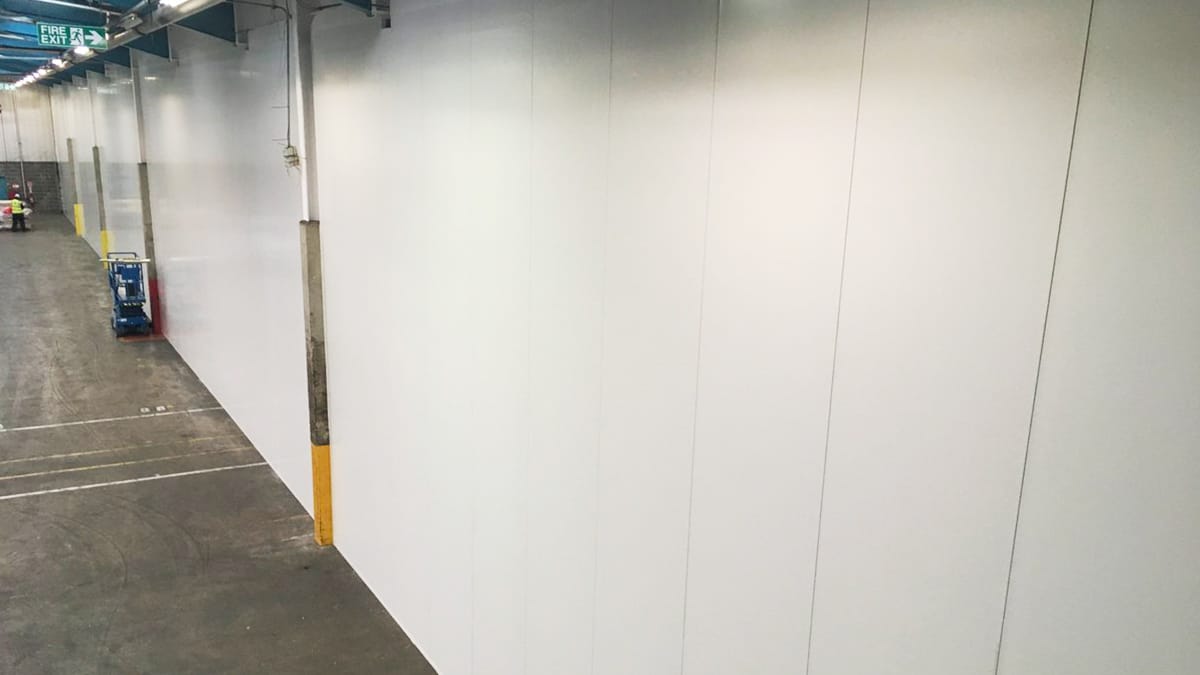
You can use mgo boards for many inside projects. These boards work well for walls, ceilings, and floors. They give strong fire protection. They also help stop mold and water damage. The table below shows where people use magnesium oxide boards inside buildings:
Application Type | Description |
|---|---|
Interior Walls | Strong and fire-safe walls for homes, offices, and stores. |
Ceilings | Light boards for ceilings in public and work places. |
Subflooring | Boards that do not soak up water, good for kitchens and bathrooms. |
Fire-Rated Doors | Used inside doors that block fire for up to 2 hours. |
Furniture Panels | Tough panels for cabinets and shelves that you can paint. |
Acoustic Panels | Makes rooms quieter and also stops fire. |
These uses show how mgo boards help keep rooms safe and dry.
Exterior Uses
Mgo boards also work well outside. You can use them for siding, soffits, and trim. These boards can handle rain, snow, and sun. They do not lose strength in bad weather. Their water-resistant features help them last a long time. Good magnesium oxide boards can stay strong for over 30 years in normal weather. Some mgo boards are as good as fiber cement and gypsum boards. They give good protection for the outside of your building.
Mgo boards made with magnesium oxysulphate cement block water even better.
Most mgo boards stay strong after being wet for a long time.
Some brands may have different levels of water resistance.
Sheathing and Specialty Uses
Sheathing is a very important use for mgo boards. You can use them inside and outside to protect buildings from fire, water, and mold. Mgo sheathing works for floors, walls, stairs, hallways, and ceiling tiles. These boards are also used as backerboard for tile and for cubicle walls. Their features make them a good choice for hospitals, schools, and other places that need to be safe and strong.
Tip: Use mgo sheathing where you need extra fire and water safety. This will make your building safer and work better.
Magnesium oxide boards give you many ways to build. Their features help you make buildings that last longer and stay safe.
Pros and Cons of Magnesium Oxide Boards
Main Advantages
 Main Advantages
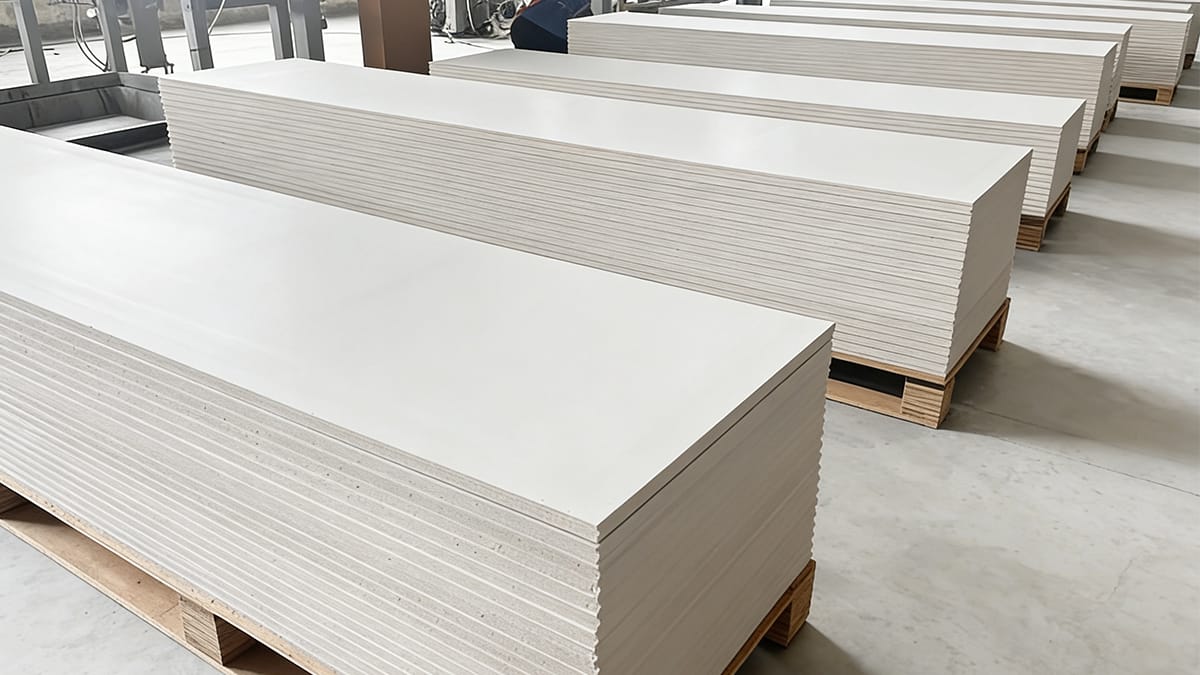
Magnesium oxide boards give you many good things. They help keep buildings safe from fire. These panels last a long time and do not break easily. You can use them for walls, ceilings, and floors. They work well in places that need fire safety.
Fire resistance: Magnesium oxide boards do not burn fast. They help protect your building if there is a fire. They are good for fire-rated walls and other safe places.
Durability and strength: These boards stay strong for years. You do not have to worry about them breaking soon. Their strength helps your building last longer.
Moisture and mold resistance: You can use magnesium oxide boards in wet rooms. They do not swell or get mold, so your walls and floors stay dry.
Lightweight: These panels are easy to carry and put in place. Their light weight makes them good for many jobs.
Environmental benefits: Magnesium oxide board helps green building. The panels use natural minerals and fillers. This means less use of fake materials. Making these boards gives off less CO₂ than cement boards. When making them, magnesium oxide takes in carbon dioxide from the air. It turns into magnesium carbonate. This can remove about 0.5 tons of CO₂ for every ton of board made. You can reuse these boards as filler. They do not let out bad gases. The boards help keep buildings warm or cool, which may save energy.
Note: Magnesium oxide boards use earth-friendly parts. They do not make toxic gases and help keep air clean inside.
Here are some common green ratings and certifications for magnesium oxide boards:
Making them gives off less CO₂ than cement boards.
Stops water, mold, and bugs, so you do not replace them often.
Can be crushed and used again, with no bad gas release.
Helps keep buildings warm or cool, which may save energy.
Builders pick magnesium oxide boards because they help the planet and work well.
Potential Drawbacks
There are some problems with magnesium oxide boards. These panels have a few things that may make your project harder.
Challenge | Description |
|---|---|
Specialized cutting tools | You need special saws with diamond or carbide blades for clean cuts. |
Brittleness | The boards can crack or break if you do not handle them carefully. |
Weak nail holding power | Nails do not grip as well as in wood boards, which makes fastening harder. |
Aesthetic finishing difficulties | You may need extra steps like skim coating and sanding for a smooth finish. |
Cost: Magnesium oxide boards cost more than gypsum board or plywood. You may need to spend more money.
Availability: You may not find these panels at every store. Some places do not have many, so you might need to order them.
Installation challenges: You need special tools to cut the boards. If you use normal saws, the edges may chip or break. The boards can crack, so you must be careful. Nails do not hold as well as in wood, so you may need screws or other fasteners. Getting a smooth finish may take extra work, like skim coating and sanding.
Tip: For best results, use the right tools and follow the instructions from the maker.
Think about these pros and cons before you choose magnesium oxide boards. They are strong and last long, but you need to think about cost and how to put them in.
Comparing MgO Board to Other Materials
Vs. Drywall and Gypsum Board
 Vs. Drywall and Gypsum Board
Magnesium oxide boards cost more than drywall. Drywall is cheaper at first. It costs about $0.50 to $1.00 for each square foot. Magnesium oxide board costs $1.50 to $2.50 for each square foot. You pay more for magnesium oxide boards, but they last longer. They need less fixing over time.
Material | Cost per Square Foot |
|---|---|
MgO Board | $1.50 – $2.50 |
Gypsum Board | $0.50 – $1.00 |
Magnesium oxide boards stop fire and water better than gypsum board. Gypsum board does not protect as well. Here is how they compare:
Property | MgO Board | Gypsum Board |
|---|---|---|
Fire Resistance | Very good, works well in fires | Not as good, some types help with fire |
Moisture Resistance | Does not stop water, can get ruined |
Tip: Use magnesium oxide boards in places that get wet or may catch fire. They keep you safer.
Vs. Cement Board and Plywood
Cement board and plywood are used a lot. Magnesium oxide boards are lighter than cement boards. This makes them easier to carry and put in place. You do not need as much work to use them.
Board Type | Weight (kg) | Handling Characteristics |
|---|---|---|
Magnesium Oxide | 12-13 | Light, easy to cut and install |
Cement Board | 15-20+ | Heavy, harder to move and costs more to use |
Plywood/OSB | Varies | Light, but not as strong in tough spots |
Magnesium oxide boards do not get bugs, mold, or mildew. Cement board also lasts long and stops pests. Plywood bends and works well in windy places. But plywood does not last long in wet or moldy spots.
Material | Durability Highlights | Longevity Notes |
|---|---|---|
Magnesium Oxide | Very strong, stops bugs, mold, mildew | Lasts a long time |
Cement Board | Strong, stops pests, mold, rot | Lasts long if put in right |
Plywood | Tough, bends, good for wind | Can use again, good for the planet |
Vs. OSB and Other Panels
OSB panels are used for sheathing. Magnesium oxide boards are better at stopping water and bugs. OSB can swell, bend, and get mold when wet. Magnesium oxide boards stay strong and do not get termites or bugs.
Feature | MGO SIP Panel | OSB SIP Panel |
|---|---|---|
Moisture Resistance | Stops water, mold, mildew | Can swell, bend, and get mold |
Pest Resistance | Can get bugs |
Magnesium oxide boards help the planet. They use natural minerals and need less energy to make. OSB panels use glue that can let out bad gases. You can recycle magnesium oxide boards. OSB depends on the wood and glue used.
Note: Magnesium oxide boards help green building and keep air clean inside.
Practical Considerations for MgO
 Installation Tips
 Installation Tips
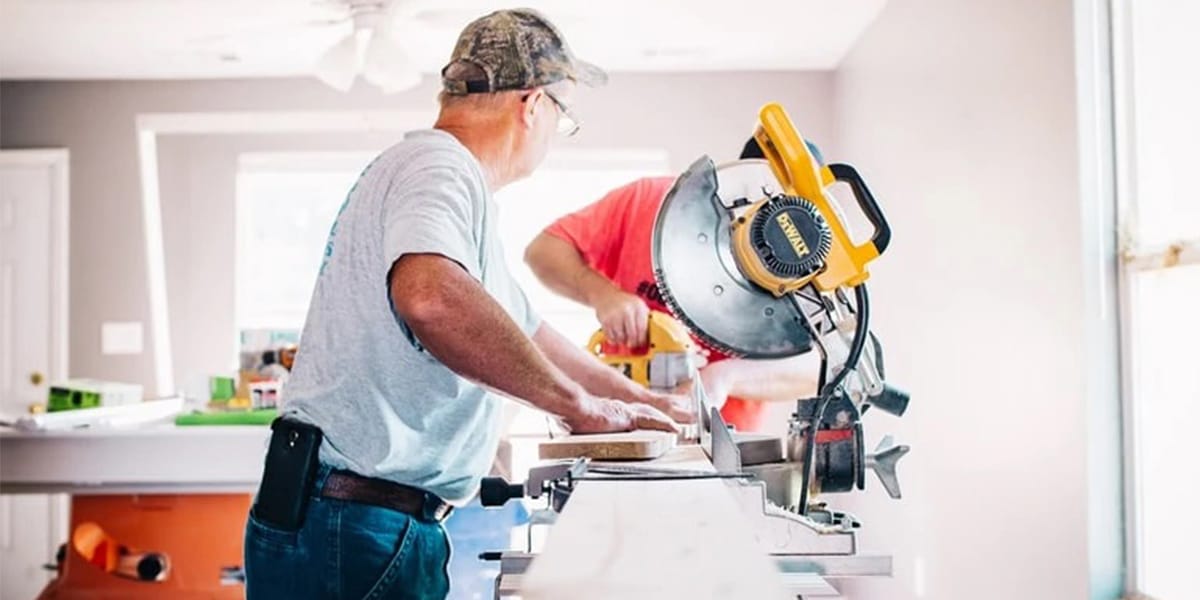
When you put in magnesium oxide boards, use the right tools. Pick the correct fasteners to keep your project safe. For sheathing, use 316-stainless steel or ceramic coated fasteners. If you work with wood studs, use #8 flat head fasteners with high and low threads. For metal, use #8 flat head screws with nibs for countersinking. Put fasteners at least 4 inches away from corners. Space perimeter fasteners 6 inches apart. Put center fasteners 12 inches apart.
Recommended tools for installation:
Safety glasses, dust mask, gloves
Putty knife, saw horses, square
Carbide tipped scoring knife or utility knife
Fiber cement shears, dust reducing circular saw
Polyurea or modified epoxy seam filler
Underlayment, adhesive
Tip: Always keep magnesium oxide boards flat before you use them. Let them get used to the room so they do not crack or bend.
Here is a table that shows common mistakes and how to avoid them:
Common Installation Errors | Solutions to Avoid Errors |
|---|---|
Moisture absorption leading to sweating | Use boards with less chloride, add waterproof sealants, ventilate, keep away from rain. |
Corrosion of metal components | Use boards with low chloride, corrosion-resistant fasteners, coatings, and dry storage. |
Cracking and warping | Store boards flat, let them adjust, do not tighten too much, spread joint compounds evenly. |
Poor adhesion of finishing materials | Use the right primers, test adhesives, use special finishes, follow instructions. |
Variability in quality | Buy from trusted sellers, ask for test reports, check boards, order samples. |
Finishes and Maintenance
You can use many finishes on magnesium oxide boards. These finishes protect the boards and make them look nice. You can pick paint, stucco, plaster, or wallpaper. There are more finishes for different needs. For sheathing, use the right primer and test your glue before you finish.
Note: Clean and check your boards often to keep them strong. Fix any damage fast so the boards stay safe.
Cost and Availability
The average price for magnesium oxide board is about $3.21 per square meter in 2024. Prices change based on where you live and what quality you want. You may find magnesium oxide boards easier to buy in the Asia-Pacific region because cities are growing fast. The Middle East and Africa have smaller markets but are growing quickly. Supply can change because of world events like the COVID-19 pandemic, which affects materials and shipping.
Rules also change how easy it is to buy boards. In the United States, you must follow ASTM E84 and ASTM C1177 standards. Australia uses AS 1530.1 fire testing, especially for bushfire areas. The EU, UAE, and UK have their own rules for magnesium oxide boards. Always check local rules before you buy sheathing for your building project.
You can pick magnesium oxide board for your building jobs. It is strong and works in many places. Architects and builders like it for three big reasons:
Reason | Description |
|---|---|
Magnesium oxide boards do not burn or make toxic smoke. This helps keep buildings safe. | |
Low Maintenance Requirements | These boards stop water, mold, and bugs. You do not need to fix them often, so you save time and money. |
Eco-Friendly and Sustainable | The boards use safe materials. They help keep the air inside clean and healthy. |
Magnesium oxide boards work well in hospitals, schools, tall buildings, outside walls, kitchens, and bathrooms. If you want more details, check your local rules and ask sellers about their certifications.
FAQ
What tools do you need to cut magnesium oxide board?
You need a carbide-tipped scoring knife or a circular saw with a diamond blade. Always wear safety glasses and a dust mask. These tools help you make clean cuts without breaking the board.
Can you paint or finish magnesium oxide board?
You can paint, plaster, or cover magnesium oxide board with wallpaper. Use a primer first for best results. Test your finish on a small area to check how it looks and sticks.
Is magnesium oxide board safe for bathrooms and kitchens?
You can use magnesium oxide board in wet areas like bathrooms and kitchens. The board resists water and mold. It helps keep your walls and floors dry and safe.
How long does magnesium oxide board last?
Magnesium oxide board can last over 30 years in normal conditions. It stays strong and does not break down easily. You do not need to replace it often.