


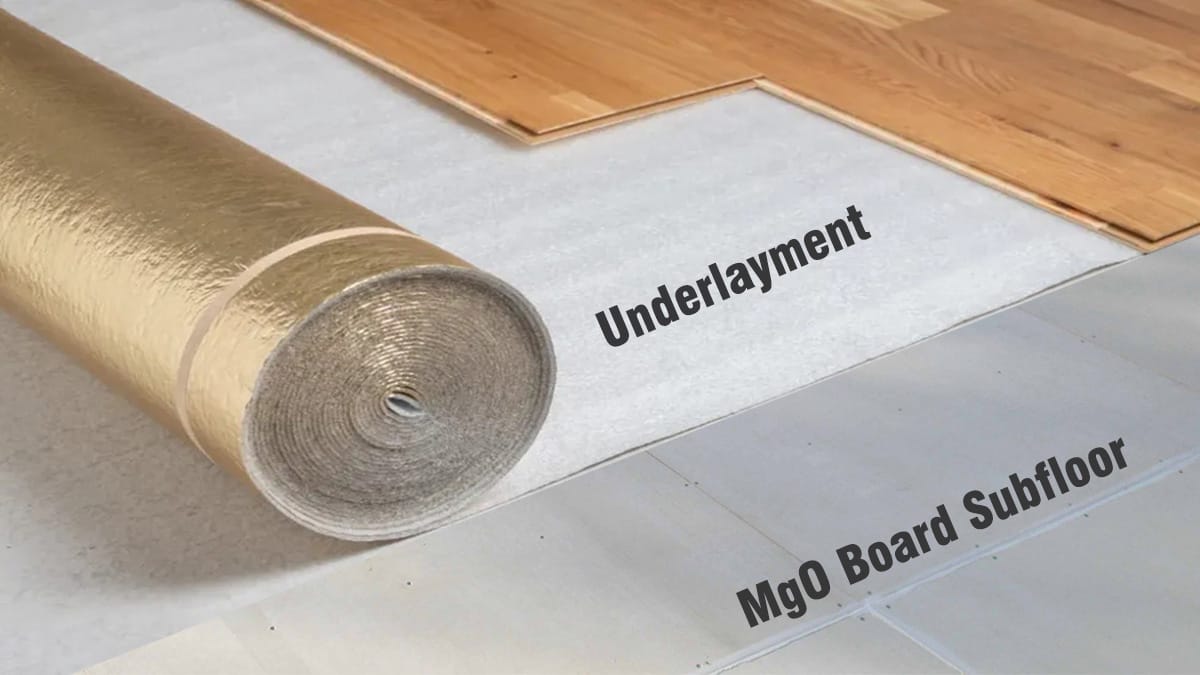
29 Dec Understanding Basement Subfloor Board Types and Their Uses
You need a strong base for your basement floor. Basement subfloor board types help stop damage to your home. Many homes have water problems under their floors.
About 60% of homes in the United States have basement leaks. These leaks can cause moisture problems.
Picking the right subfloor can keep your basement dry and safe. Each subfloor type gives different levels of moisture resistance and strength.
Key Takeaways
Picking the right basement subfloor type helps stop water damage. It also keeps your home safe. Plywood and OSB are popular choices. Plywood dries faster than OSB. Plywood does not swell as much as OSB. High-performance panels protect well against moisture. They also give good insulation. These panels work well in wet basements. Magnesium oxide boards are very strong. They do not burn easily. They are great for basements with water problems. Always check for water leaks. Use moisture barriers to make your basement subfloor last longer.
Basement Subfloor Board Types
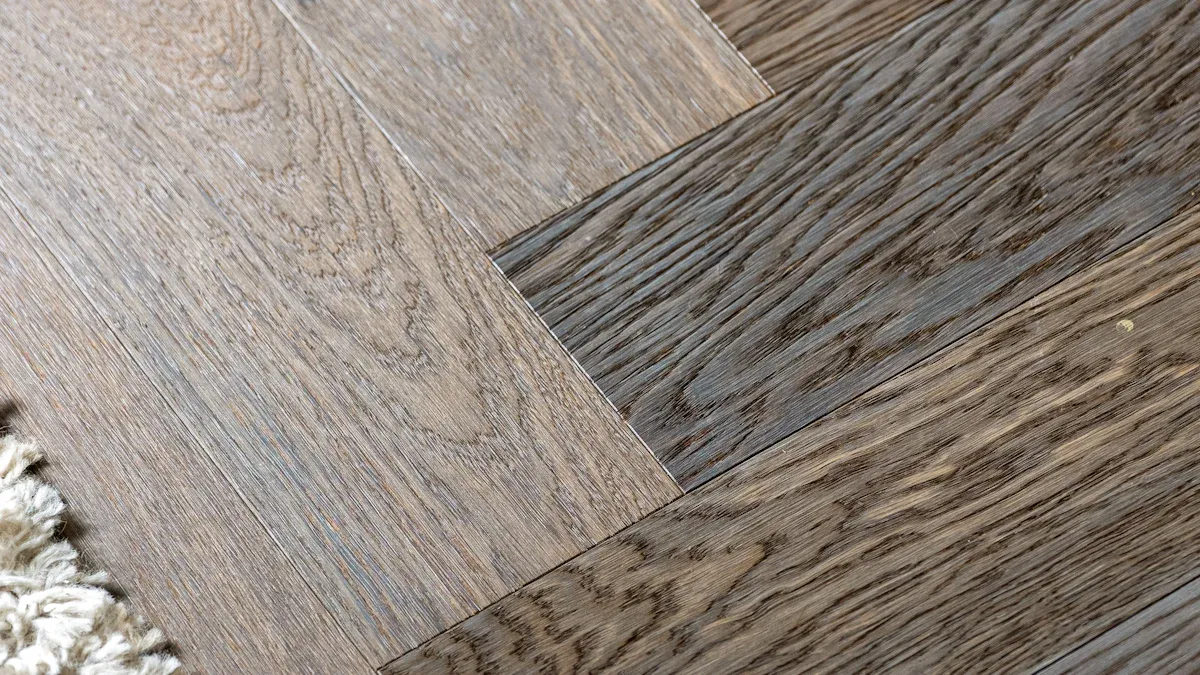
When you choose a basement subfloor, you need to know the main basement subfloor board types. Each type handles water and basement conditions in a different way. Here is a quick look at the common types of subfloors you might use in your basement.
Plywood and OSB Boards
Plywood and OSB (Oriented Strand Board) are two of the most common basement subfloor board types. You often see these boards in homes because they are easy to find and install. Plywood does not swell much when it gets wet and dries out faster than OSB. OSB can absorb water, especially at the edges, and may swell or warp. Both types work well for many basement floors, but you need to protect them from water to keep them strong.
Tip: Always check for water leaks before you install plywood or OSB in your basement.
Feature | Plywood | OSB |
|---|---|---|
Dries out faster, less swelling | Holds water longer, edge swelling | |
Structural Performance | Strong and rigid | Less effective under heavy loads |
Concrete Slabs
Concrete slabs are another popular choice for basement subfloor board types. You pour the slab directly on the ground. Concrete does not let water or pests in easily. It also gives you many flooring options, like tile or wood. You do not have to worry about mold or mildew as much. However, cracks can form if water or weather changes the ground. Fixing plumbing under a slab can be hard if water leaks.
Concrete slabs allow many flooring choices.
Cracks and hidden water leaks can cause trouble.
High-Performance Panels
High-performance panels are newer basement subfloor board types. These panels stop water from reaching your floor. Many have foam or plastic layers that keep your basement warm and dry. They also help prevent mold and mildew. You might pick these panels if your basement has a lot of water or if you want extra comfort.
High-performance panels block water and add insulation.
They help keep your basement floor warm.
Mold and mildew do not grow as easily.
Magnesium Oxide Board
Magnesium oxide board is a strong choice for basements with water problems. This board does not swell or warp when it gets wet. It keeps its shape even in damp places. Magnesium oxide board also resists fire for over two hours, making your basement safer. You can use it if you want a tough, safe subfloor that stands up to water.
Magnesium oxide board stays strong in wet basements.
It does not burn or catch fire easily.
Foam and Plastic Panels
Foam and plastic panels are basement subfloor board types that focus on water protection and warmth. Foam panels keep your basement floor warm and dry. Plastic panels stop water from reaching your subfloor. Some panels use both foam and plastic for extra protection. You need to check for water problems before you install these panels. Always follow safety rules and cover foam with a fire barrier.
Product Type | Insulation Type | Water Protection Features |
|---|---|---|
Foam Panels | Foam | Keep floors warm, block water |
Plastic Panels | Plastic | Stop water from reaching subfloor |
Foam + Plastic Combo | Foam + Plastic | Extra water and warmth protection |
Note: Always inspect your basement for water before you pick any basement subfloor board types.
Types of Basement Subfloor Panels
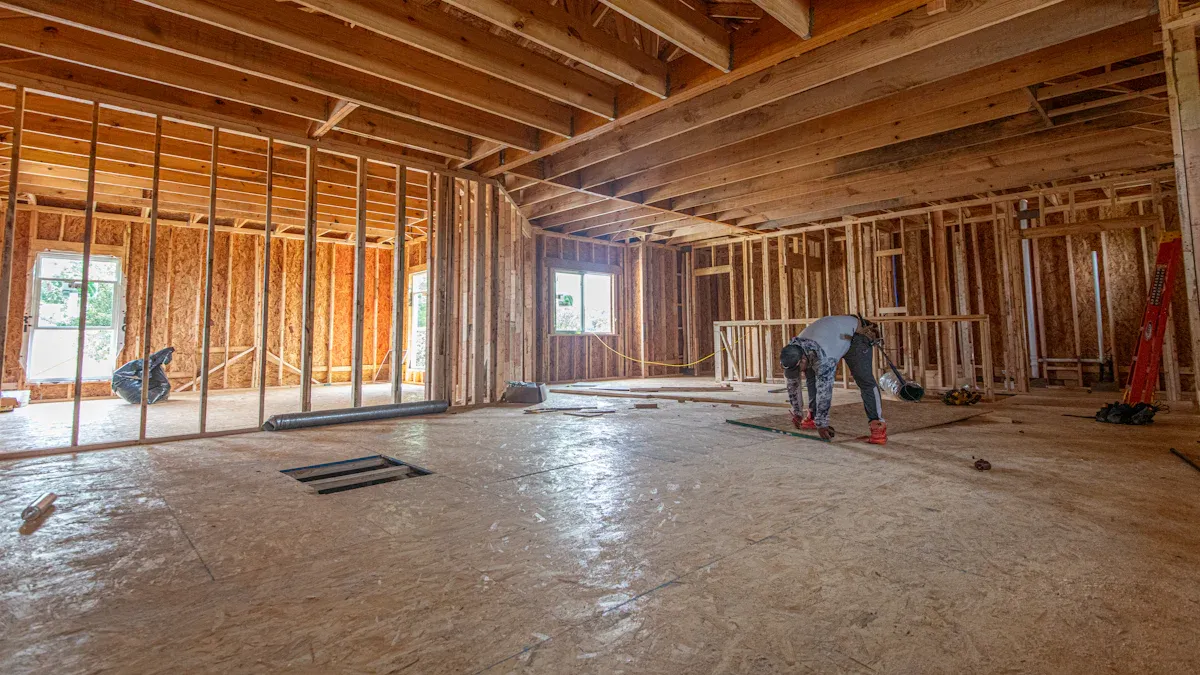 There are many basement subfloor panels you can pick from. These panels help keep water out of your basement. Each panel uses different subfloor materials to keep your floor safe and dry. You should learn how each panel works. This helps you pick the best subfloor material for your basement.
Plastic-Bottom Panels
Plastic-bottom panels have a base made from high-density polyethylene. This subfloor material makes a strong wall against water. The air gap design lets air move under the panel. This helps water dry up faster. You get better control over moisture and less mold. These panels are good for basements with water problems.
Feature | Benefit |
|---|---|
High density polyethylene | Makes a great wall against water and keeps out moisture. |
Air Gap technology | Lets air move and helps water dry up. |
Plastic-bottom panels are a popular subfloor material for basements. People use them a lot where water is a big problem.
Foam-Bottom Panels
Foam-bottom panels use foam as the main subfloor material. The foam layer makes your basement floor warmer and softer. It also helps stop water from getting to the top layer. You get a soft floor and more insulation. These panels are best for basements that need warmth and water protection.
Foam-Only Panels
Foam-only panels use only foam as the subfloor material. You put these panels right on the basement floor. Foam-only panels keep water away from your finished floor. They also make your basement warmer. You must cover foam panels with a fire barrier to stay safe. Foam-only panels are common in basements that need more warmth and water protection.
Uncoupling Membranes
Uncoupling membranes work as a waterproof wall between your subfloor and finished floor. These membranes control vapor and stop water from reaching your tiles. You can put tiles on uncured concrete slabs because the membrane lets the slab stay wet but keeps water away from the tiles. Uncoupling membranes help tiles stay strong even if the concrete moves. This is important for basements with water problems.
When you pick basement subfloor panels, think about how much water your basement gets. You need subfloor materials that keep water out and keep your basement dry. Foam, plastic, and membranes are common subfloor materials that help with water problems. Each subfloor material has its own good points, so choose the panel system that fits your basement best.
Choosing the Right Basement Subfloor
 Moisture Resistance
 Moisture Resistance
When you pick a basement subfloor, think about moisture resistance first. Water can hurt your basement and cause mold to grow. You want to keep water away from your subfloor and basement flooring. Many subfloor systems help stop water from getting in. You can put a moisture barrier under your subfloor to block water from rising. Some subfloor systems come with built-in moisture barriers and air gaps. These features help water dry faster and keep your basement safe.
Pick water-resistant materials like vinyl or tile for your basement floor.
Add a moisture barrier underlayment for extra safety.
Choose subfloor systems with vapor barriers and air flow.
Marine-grade plywood and pressure-treated plywood are good for moisture resistance.
MgO boards do not soak up much water and stop mold.
Tip: Always look for water leaks before you put in basement subfloor panels. A moisture barrier is the best way to stop water damage.
Durability
Durability is important for your basement subfloor. You want your subfloor to last a long time, even with water and heavy use. Some subfloor systems work better in wet basements. MgO boards and concrete slabs are strong and last many years. MgO boards stay strong after getting wet and drying out many times. Concrete can hold heavy things and does not bend. Cement boards give you a flat base and do not let water in.
Subfloor Material | Moisture Resistance | Durability (Years) | Best Use Areas |
|---|---|---|---|
MgO Board | High | 30+ | Wet rooms, basements, kitchens |
Concrete | High | 40-50+ | Basements, ground floors |
You can use OSB for strength and moisture resistance. OSB is even and does not cost much. Sleeper system subfloor options help with strength and water control. Premade subfloor systems last longer in basements with water problems.
Installation
Putting in basement subfloor panels the right way keeps your basement safe from water. You need to follow steps to avoid mistakes. Always use a moisture barrier before you put down subfloor systems. Let your subfloor materials sit for 48–72 hours at room temperature. Make sure the concrete slab is clean and dry. Leave small gaps between panels so they can expand. Use code-approved screws or ring-shank nails to hold panels down. Work one panel ahead and glue tongue-and-groove joints. Keep panels in a dry place before you start.
Mistake | Description | Solution |
|---|---|---|
Not enough space between panels | Panels can buckle when they expand. | Leave a 1/8 inch gap at ends and edges. |
Panels put in upside-down | Uneven floors can happen. | Trademark side should face down. |
Fasteners in the wrong place | Panels can move. | Put fasteners 3/8 inch from corners and 6 inches apart. |
Gluing too many panels at once | Glue can get weak. | Only glue one panel ahead. |
Not gluing tongue-and-groove | Panels can move and make noise. | Put glue in the tongue-and-groove. |
Waiting too long to fasten panels | Glue may not work right. | Fasten each panel as you go. |
Using the wrong fasteners | Floors can squeak. | Use code-approved screws or nails. |
Letting water sit on panels | Water can ruin the subfloor. | Wipe up water and make sure it drains. |
Storing panels wrong | Panels can get ruined. | Store panels dry, off the ground, and covered. |
Note: Always use a moisture barrier and follow the maker’s instructions for the best subflooring material.
Cost Factors
Cost matters when you pick a basement subfloor. You want to balance price, moisture resistance, and strength. Some subfloor systems cost more but protect better against water. Premade subfloor systems with built-in moisture barriers can save you money on repairs. OSB is a cheap choice for many basements. MgO board and plywood cost more but last longer. Sleeper system subfloor options may cost more at first but help with water and warmth.
Material Type | Average Installed Cost (per sq ft) |
|---|---|
Plywood | $2.50 – $3.00 |
MGO Board (Magnesium Oxide) | $1.50 – $3.00 |
OSB (Oriented Strand Board) | $0.50 – $1.00 |
You should match your subfloor systems to your basement’s needs. If your basement is damp, use a moisture barrier and water-resistant subfloor. For cold basements, pick subfloor systems with insulation. Premade subfloor systems work best for basements with water problems. Always check your budget and pick the best subflooring material for you.
Tip: The best subflooring material for your basement depends on water, moisture resistance, and your budget. Premade subfloor systems and sleeper system subfloor options help with water and warmth.
You can pick from many basement subfloor types. Each type has its own good points. Some types, like plywood, are strong. Others, like foam panels, help keep water out. The right subfloor keeps your basement dry and safe. To make sure your basement stays in good shape:
Choose a subfloor that fits your basement’s water level and how you use it.
Put in moisture barriers and seal all the joints.
Get help from an expert if your basement is tricky.
If you choose well now, you can save money later.
FAQ
What are basement subfloor panels and why do you need them?
Basement subfloor panels help protect your basement floor from water and cold. You use these panels to keep your basement dry, warm, and safe. They also make your finished floor last longer.
How do basement subfloor panels stop moisture problems?
Basement subfloor panels use special layers like foam or plastic. These layers block water from reaching your subfloor. Air gaps in the panels let moisture dry out faster. You get less mold and fewer water issues in your basement.
Can you install basement subfloor panels by yourself?
You can install basement subfloor panels if you follow the instructions. You need to check your basement for leaks first. Use a moisture barrier and leave space between panels. Always use the right fasteners for your subfloor.
What types of basement subfloor panels work best for cold basements?
Foam-bottom and foam-only basement subfloor panels add warmth to your basement. These panels keep your feet warm and block water. You can use them with a moisture barrier for extra protection.
How do you choose the right basement subfloor panels for your basement?
You look at moisture, warmth, and cost. Pick basement subfloor panels with good water protection for wet basements. Use panels with insulation for cold basements. Always match the subfloor to your basement’s needs.