


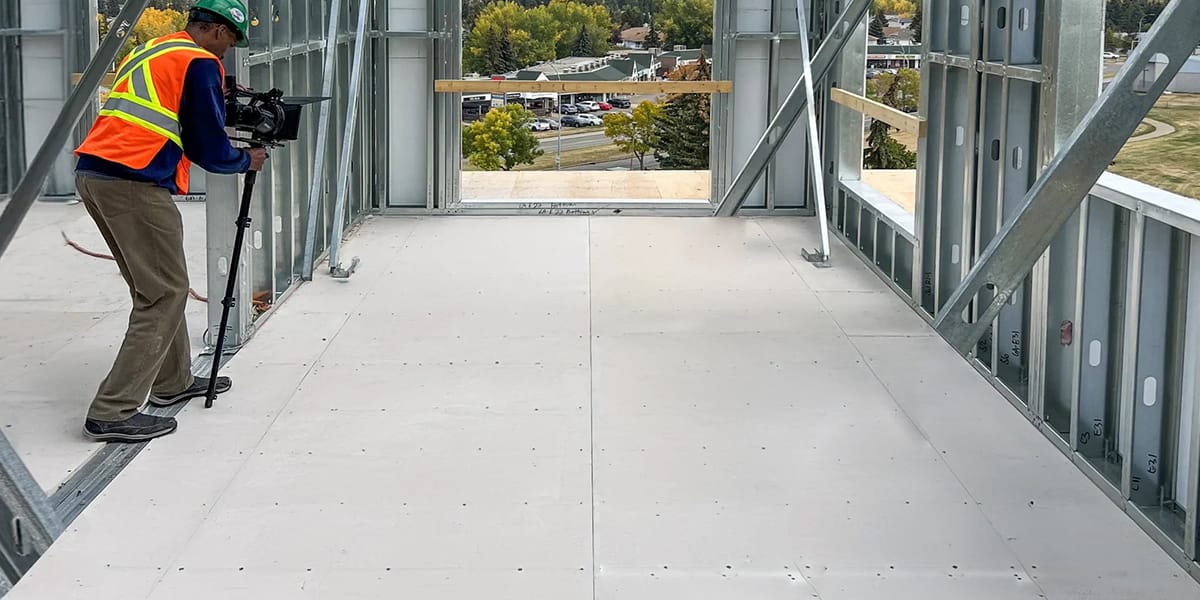
12 Dec Top 5 Types Of Subfloor Materials
Table of Contents
You have many choices when you pick a subfloor. The main subfloor materials are plywood, OSB, concrete, magnesium oxide board, and engineered wood. Each material has good points and bad points. Some people pick plywood because it costs less. Others choose concrete because it resists water. You should pick the best material for your space and money.
Choosing the right subfloor helps you stop repairs and problems later.
Key Takeaways
Picking the right subfloor material helps stop future fixes and issues. Plywood is tough and dries fast. It works well for many floors. But it costs more than OSB. Concrete lasts a long time and does not get damaged by water. It is good for basements and wet places. But it can feel cold and hard. Magnesium oxide board is very safe from fire and water. It is a smart pick for places that need extra safety. Engineered wood stays steady when humidity changes. It is good for busy areas. But you might need special tools to put it in.
Types of subfloor materials
Plywood subfloor
Plywood is used in lots of homes and buildings. This material gives a strong base for many finished floors. Plywood comes in large sheets made from thin wood layers glued together. You can buy waterproofed plywood for wet places like bathrooms or kitchens.
Here’s a simple look at how plywood and OSB are different:
Feature | Plywood | OSB |
|---|---|---|
Moisture Resistance | Dries out fast and dries fully | Absorbs less water but dries slowly |
Structural Integrity | Can have knots and weak spots | More even and has thicker layers |
Delamination Issues | Glue can fail and bubble | No glue problems but edges can swell |
Cost | Usually costs more | Usually costs less |
Suitability | Good for many flooring jobs | Not good for some flooring types |
Pros:
Simple to cut and put in place
Works well with nails and screws
Dries fast if it gets wet
Good for many subfloor jobs
Cons:
Can have knots or weak spots
May bubble or come apart if wet too long
Costs more than OSB
Home floors under laminate and engineered wood
Offices with lots of people walking
Fixing old floors in historic buildings
Making apartments or condos quieter
Factories needing strong floors for heavy machines
Tip: Use waterproofed plywood for extra water safety in your subfloor.
OSB subfloor
OSB means oriented strand board. This material uses wood chips pressed together with glue. OSB gives a flat and steady surface for most finished floors. You can get waterproofed OSB for wet rooms.
Here’s how OSB and plywood compare:
Material | Strength | Durability | Cost | Installation |
|---|---|---|---|---|
OSB | Strong like plywood, holds heavy things | Swells and breaks down faster with water | Costs less than plywood | Easy to put in, smooth surface |
Plywood | Stronger for most jobs | Handles water better | Costs more | Cuts easily, holds nails and screws well |
Pros:
Costs less than plywood
Has a smooth surface for floors
Easy to install
Uses fast-growing trees, so it is better for the planet
Cons:
Swells and breaks down faster when wet
Not good for ceramic or vinyl tiles
Takes longer to dry if wet
Best use cases:
Subfloor for carpet, laminate, or engineered wood
Big projects where you want to save money
Places with little water risk
Note: Use waterproofed OSB in bathrooms or kitchens to stop swelling.
Concrete subfloor
Concrete is a strong subfloor material. You see it in basements, garages, and big buildings. Concrete works well in wet places or places with lots of use.
Here’s a table showing good and bad things about concrete:
Benefits of Concrete Subfloor | Drawbacks of Concrete Subfloor |
|---|---|
Very tough, handles lots of walking | Can look plain and boring |
Needs little care | Feels cold and hard to walk on |
Can be colored or treated for style | Makes rooms loud |
Good for the planet, made from natural stuff | Slippery when wet |
Saves money, lasts a long time | Surface treatments can cost a lot |
Concrete lasts longer than wood subfloors and needs less care:
Subfloor Material | Durability | Maintenance Needs |
|---|---|---|
Concrete | Very good | Needs little care |
Plywood | Good | Needs some care |
OSB | Fair | Needs some care |
Pros:
Very strong and lasts a long time
Handles water and heavy things
Needs little care
Good for basements and ground floors
Cons:
Hard and cold to walk on
Can be loud
May need extra work to look nice
Best use cases:
Basements, garages, and big buildings
Wet places
Places with lots of walking
Tip: Add rugs or special padding to make concrete floors warmer and quieter.
MgO subfloor
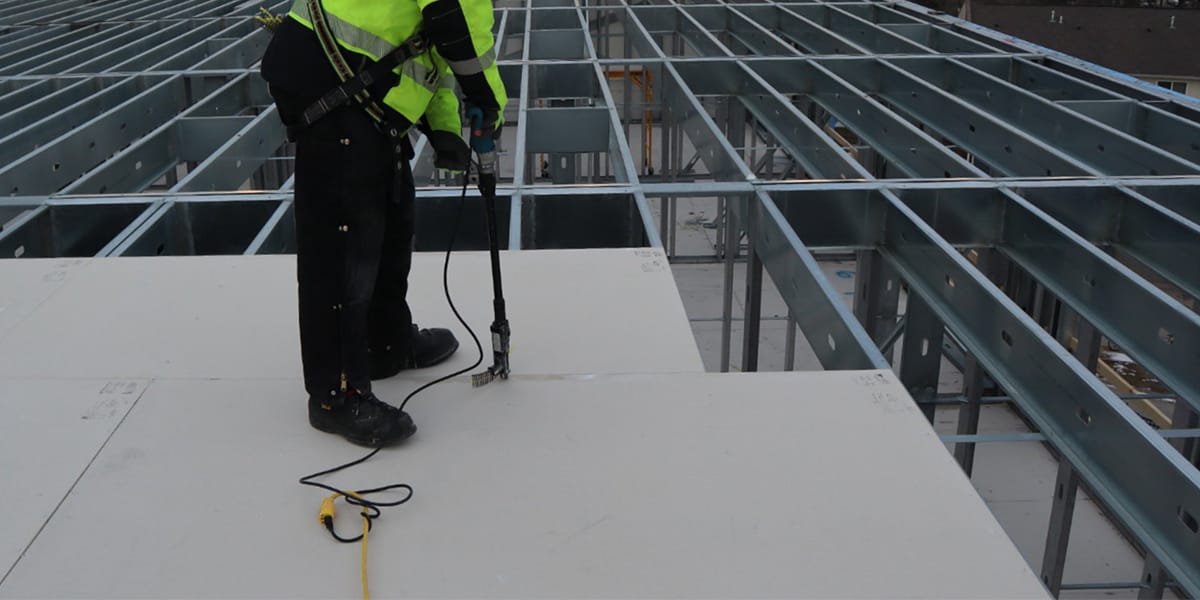 Magnesium oxide board, called MgO, is a newer subfloor material. MgO gives great fire and water safety. This board does not burn and stays strong even when wet.
MgO is good for safety and lasts a long time:
Feature | MgO Boards | OSB | Plywood | Gypsum Boards |
|---|---|---|---|---|
Fire Resistance Rating | Excellent | Poor | Limited | Excellent |
Combustibility | Does not burn | Burns easily | Burns | Does not burn |
Structural Integrity Under Fire | Stays strong | Fails fast | Fails fast | Gets weak |
Smoke Emission | Very little | Lots | Lots | Very little |
Temperature Resistance | High | Low | Low | Medium |
Applications | Fire-safe places | Not for fire safety | Medium use | Fire-safe walls |
MgO boards can handle very high heat and do not give off bad fumes. There are two main types: magnesium sulfate-based (more stable, less rust) and magnesium chloride-based (can take in water, may cause rust).
Pros:
Great fire safety
Handles water well
Does not bend or rot
Safe for people with allergies
Cons:
Costs more than plywood or OSB
Needs careful work to stop rust
Not easy to find everywhere
Best use cases:
Homes and buildings needing fire safety
Wet rooms like bathrooms or laundry rooms
Places needing strong, long-lasting subfloor
Note: MgO subfloor is best for places where you want extra fire or water safety.
Engineered wood subfloor
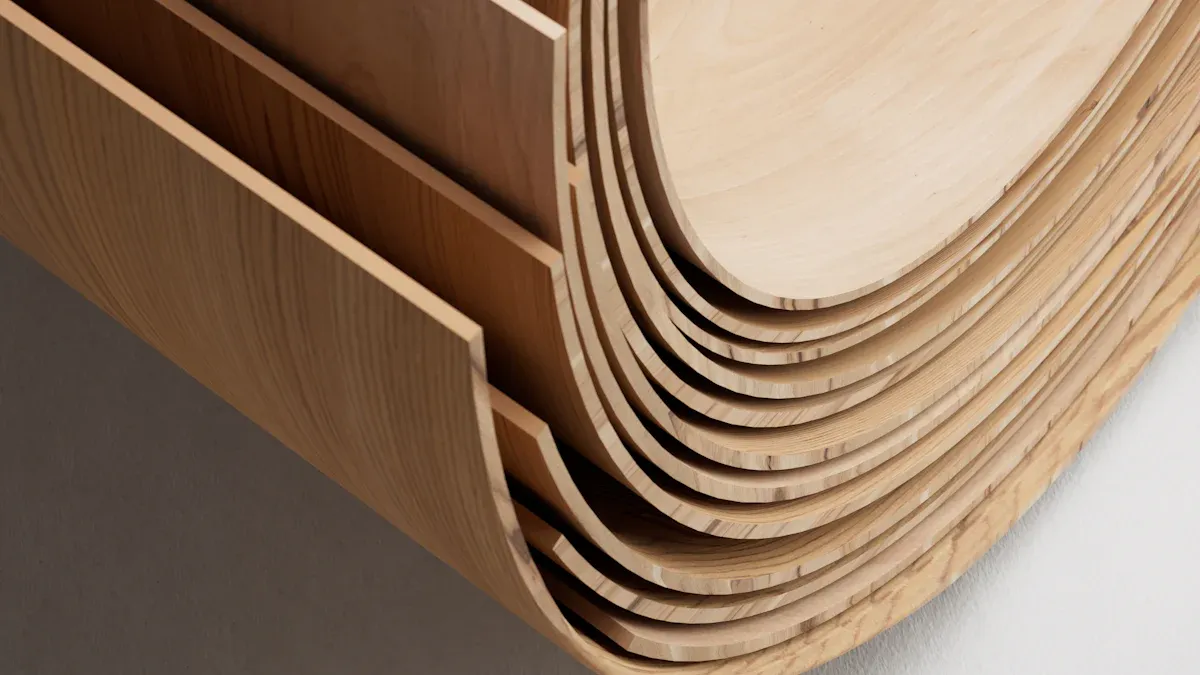 Image Source: unsplash
Engineered wood is a modern subfloor material. It has layers of wood glued together for extra strength. Engineered wood does not swell or shrink much, so it works well in places with changing humidity.
Here’s how engineered wood compares to plywood and OSB:
Feature/Benefit | Plywood | OSB |
|---|---|---|
Durability | Very strong and flexible | Cheaper but not as strong |
Moisture Resistance | Swells but dries fast | Swells slowly, may not get better |
Aesthetic Appeal | Can be colored or painted | No finished look |
Environmental Impact | Not as good for the planet | Better for the planet |
Cost | Costs more | Costs less |
Size Availability | Smaller sheets | Bigger sheets |
Structural Consistency | Not always even | More even |
Suitability for Flooring Types | Good for all floors | Not for ceramic or vinyl tiles |
Engineered wood subfloor gives you:
Very steady base, even in damp places
Easy to put over concrete or heated floors
Top layer looks like hardwood and lasts longer
Pros:
Handles water and temperature changes
Strong and steady for busy areas
Looks nice under many finished floors
Cons:
Costs more than OSB
May need special tools to install
Not as cheap as plywood
Best use cases:
Homes with heated floors
Basements or rooms with lots of moisture
Busy places needing strong subfloor
Tip: Engineered wood subfloor is a smart pick if you want a modern, tough base for your floors.
Subfloor comparison
When you pick a subfloor, you want to know how it works. Let’s look at the main things to help you choose the best one for your home.
Durability
You want your subfloor to last a long time. Concrete is very strong and can last for many years. Plywood and OSB are good in dry rooms, but they might not last as long if they get wet. Engineered wood is steady and works well in busy places. Magnesium oxide board does not burn or rot, so it stays strong for years.
Here’s a quick look at how long each subfloor lasts:
Concrete lasts for many years.
Plywood and OSB need care, especially if they get wet.
Engineered wood and magnesium oxide board last well in most homes.
Tip: If you want a subfloor that lasts the longest, pick concrete or magnesium oxide board.
Moisture resistance
Water can damage a subfloor. Concrete does not mind water, so it is great for basements and bathrooms. Magnesium oxide board also keeps out water and mold. Plywood and OSB are okay with some water, but you need to use barriers or waterproofed types in wet rooms. OSB can swell and stay wet, which can cause it to rot.
Check out this table for moisture resistance:
Subfloor Material | Best Suited For | Moisture Resistance |
|---|---|---|
Plywood | Hardwood, Laminate, Carpet, Vinyl | Moderate (with barriers) |
OSB | Engineered Wood, Laminate, Carpet, Vinyl | Moderate (not for heavy moisture) |
Concrete | Ceramic Tile, Vinyl Tiles, Stone | Excellent |
Magnesium Oxide Board | Wet rooms, fire-safe spaces | High |
Note: Using waterproofed plywood or OSB helps protect your subfloor in kitchens and bathrooms.
Cost
You want to save money when you pick a subfloor. Plywood and OSB are the cheapest choices. Concrete costs more at first, but it lasts longer. Magnesium oxide board and engineered wood cost more because they have extra features like fire safety and strength.
Here’s a chart showing how much it costs to put in each type:

Plywood: $2.50 – $3.50 per sq ft
Concrete: About $6 per sq ft
Magnesium oxide board: Costs more, but gives more safety
Engineered wood: Costs more, but is strong and modern
Installation
You want a subfloor that is easy to put in. Plywood and OSB are simple for most people to use. Concrete needs special tools and skills. Magnesium oxide board needs careful work and you must follow the steps. Engineered wood is easy to lay down, but you might need special tools.
Here are some common problems:
Magnesium oxide board can soak up water from the air, which makes it harder to install.
Concrete is heavy and hard to move.
OSB and plywood are easier for most people to cut and fit.
If you want a subfloor that is quick and easy to put in, plywood or OSB are good choices.
Best material for finished flooring
 Hardwood
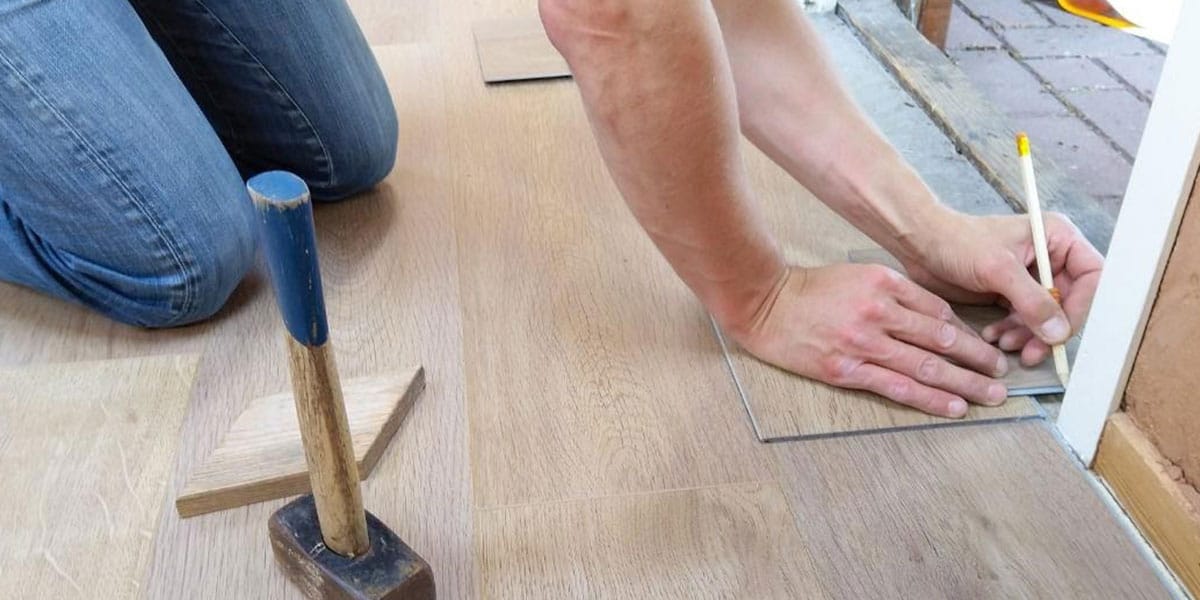 Hardwood
Hardwood floors need a strong base to last. Plywood and OSB are the best choices. Both hold nails well and keep floors steady. Plywood costs more, but it dries quickly if wet. OSB is tough and does not bend easily. You must prepare OSB so it does not swell. Particle board and pressed wood are not good. They can bend and get bigger when wet.
Subfloor Material | Advantages | Disadvantages |
|---|---|---|
OSB | Stays flat, lasts long, keeps out water, holds nails | Needs sanding if treated, can swell if not ready |
Plywood | Strong, keeps out water, holds nails | Costs more than OSB |
Particle Board | Cheap | Bends and swells, not a good pick |
Pressed Wood | Cheap | Bends and swells, not a good pick |
Tip: Pick plywood or OSB for hardwood floors. They give you a strong and smooth base.
Laminate
Laminate floors need a flat and strong base. Plywood and OSB work well for laminate. Both keep your floor steady and smooth. Concrete is another choice, but you need a barrier for water.
Subfloor Material | Description | Suitability |
|---|---|---|
Plywood | Strong, flat, and works for many floors. | Good for most laminate floors. |
Oriented Strand Board (OSB) | Cheap, made from wood pieces, strong and steady. | Good choice instead of plywood. |
Concrete | Used in homes with slab floors, needs a water barrier. | Use only if you stop water problems. |
Note: Use plywood or OSB under laminate floors. Add a water barrier if you use concrete.
Tile
Tile floors need a base that holds weight and keeps out water. The best choice is a membrane. Membranes block water and let tiles move without breaking. Cement backer board can crack and does not stop water. Exterior plywood is not good for wet places.
Subfloor Material | Support Level | Moisture Resistance | Notes |
|---|---|---|---|
High-quality membranes | High | Excellent | Stops water and lets tiles move, so tiles last longer. |
Cement backer board | Medium | Low | Hard but can crack, does not stop water. |
Exterior-grade plywood | Low | Low | Gets bigger and bends in wet places. |
Self-leveling compounds | Medium | None | Needs extra water protection. |
Uncoupling membranes | High | Medium | Takes stress and stops cracks. |
Tip: Use a membrane system under tile floors. It keeps out water and stops cracks.
Carpet
Carpet needs a soft and strong base. Plywood is the best choice for carpet. It gives a smooth and steady surface. Concrete works too if it is flat and clean. Always use padding under carpet for comfort.
Plywood makes a strong and smooth base.
Concrete works if it is flat and dry.
Padding makes carpet softer and lasts longer.
Note: Use plywood under carpet and add padding for comfort.
Vinyl
Vinyl floors need a base that keeps out water and stays flat. The best choice is a subfloor that does not let water in, like AdvanTech. You can also use special layers like AbaTec or MITITEC™. These help with sound and water problems.
Use water-safe subfloors to stop bending.
MITITEC™ is good for glue-down vinyl.
Make sure your subfloor is dry and stops vapor.
Tip: Pick water-safe subfloors for vinyl floors. You stop water problems and get a quiet floor.
How to choose the right subfloor
Key factors
Picking the right subfloor can make your floor last longer and feel better under your feet. You want to look at a few things before you decide. Here are some key factors you should think about:
Check what material is already in place. You need to know if your subfloor is wood, concrete, or something else.
Look for signs of water or moisture. Wet spots or mold mean you need a material that can handle water.
Think about how much people walk on your floor. Busy rooms need a strong subfloor that does not wear out fast.
Set your budget. Some subfloor materials cost more, but they might last longer or give you extra benefits.
Make sure your subfloor is level and stable. If it is not flat, your finished floor can crack or squeak.
Tip: A level and dry subfloor helps your finished floor stay smooth and quiet.
Common mistakes
You might want to focus only on the top layer of your floor, but the subfloor matters just as much. Here are some mistakes you should avoid:
Ignoring the condition of your subfloor. If you skip checking for damage or moisture, you can end up with squeaks or mold.
Forgetting to test for moisture or levelness. Floors that are not flat or dry can shift, creak, or wear out too soon.
Skipping pre-installation checks. You need to inspect and clean your subfloor before you put down new flooring.
Not preparing the subfloor properly. If you rush, you might get uneven spots or problems with your finished floor.
Note: Taking time to prepare your subfloor can save you money and trouble later.
You can pick from many subfloor materials. Plywood and OSB are good under hardwood floors. Concrete is best for tile and wet places. Engineered wood works well in busy or damp rooms. Look at this table to see which subfloor fits your floor:
Flooring Type | Recommended Subfloor Materials | Key Considerations |
|---|---|---|
Solid Hardwood | Plywood, OSB | Needs a sturdy base |
Laminate | Concrete, existing coverings | Many options |
Vinyl | Most surfaces (fix water damage) | Flexible installation |
Tile | Concrete | Needs strong, level support |
High-Moisture Areas | Concrete, engineered wood | Stop moisture problems |
Think about how long it will last, if it can handle water, and if it is easy to put in. If you are not sure, talk to a flooring expert.
FAQ
What is the best subfloor for a bathroom?
You want a subfloor that resists water. Concrete and magnesium oxide board work best. Waterproofed plywood or OSB can also help in wet areas.
Can you put new flooring over an old subfloor?
Yes, you can. Make sure the old subfloor is dry, flat, and clean. Fix any damage before you install new flooring.
How do you know if your subfloor needs replacing?
Look for squeaks, soft spots, or mold. If you see water damage or feel uneven areas, you should replace your subfloor.
Is engineered wood subfloor good for basements?
Engineered wood works well in basements. It handles moisture and stays strong. You get a steady base for many types of finished flooring.
Do you need a moisture barrier under your subfloor?
You should use a moisture barrier in wet rooms or basements. It helps stop water from damaging your subfloor and finished floor.