


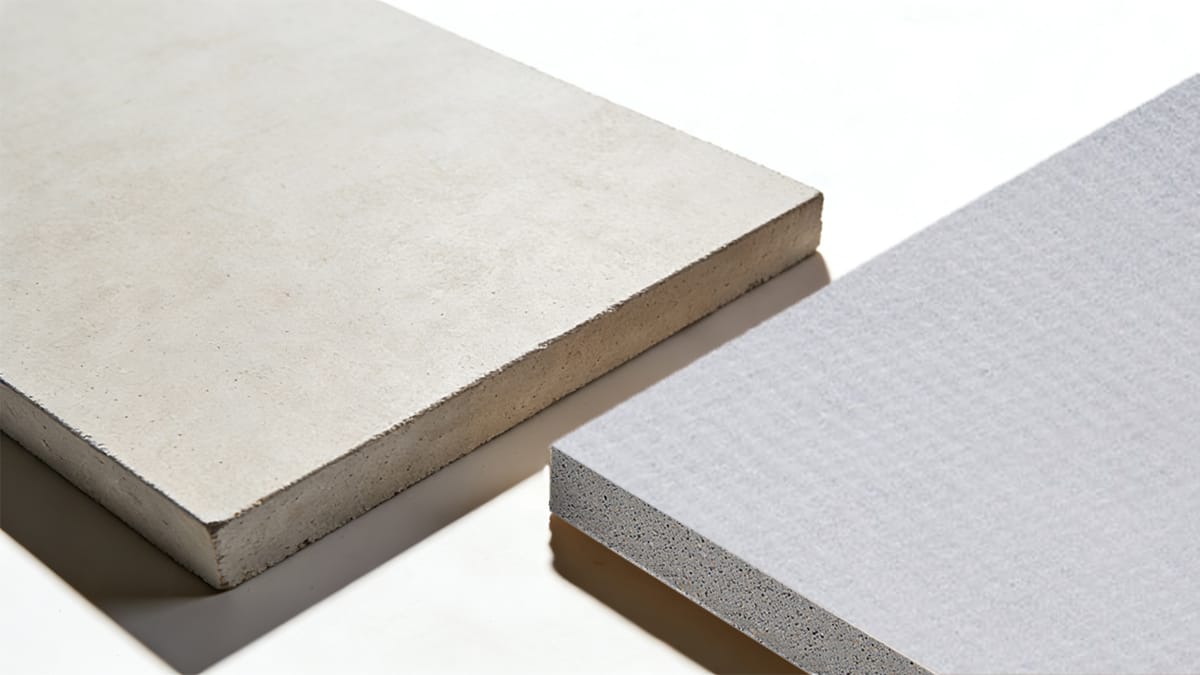
09 Feb Comparing MgSO4 Boards and MgCl2 Boards for Modern Construction
Table of Contents
When selecting the best board for construction, it’s essential to consider the differences between MgSO4 Board vs. Magnesium Chloride (MgCl₂) MgO Board. MgSO4 boards are superior for new buildings as they effectively prevent water infiltration and have a longer lifespan. In contrast, MgCl₂ boards tend to absorb moisture, making them unsuitable for areas prone to wet conditions. Although MgSO4 boards may have a higher initial cost, they ultimately save money over time due to reduced repair needs. Refer to the following table to compare the performance of each board in construction:
Attribute | MgSO4 Boards | MgCl2 Boards |
|---|---|---|
Moisture Resistance | Stops water damage better | Soaks up water, not good for wet places |
Durability | Only loses 31% of strength | Loses 45% of strength, swells and breaks in wet places |
Cost | Costs more, but saves on fixing things | Cheaper, good for saving money |
Understanding these distinctions is crucial before making a board selection. Choosing between MgSO4 Board and Magnesium Chloride (MgCl₂) MgO Board is a significant decision for builders, with MgSO4 board being the more effective option for most construction projects.
Key Takeaways
MgSO4 boards are very good at stopping water. This makes them great for places like bathrooms and kitchens.
MgSO4 boards cost more at first. But they help you save money later. They need fewer repairs and last longer.
MgCl2 boards cost less when you buy them. But they can cost more over time. They soak up water and can make metal parts rust.
Pick MgSO4 boards if you live near the coast or in wet places. They help stop water damage and keep buildings strong.
You can paint or put tile on both boards. Always use a primer first for the best look.
MgSO4 Board vs. Magnesium Chloride (MgCl₂) MgO Board: Key Differences
Main Performance Differences
When you look at MgSO4 Board and Magnesium Chloride (MgCl₂) MgO Board, you notice some big differences. MgSO4 Board is good at stopping water and stays strong in hard weather. MgCl2 Board takes in water, which can make problems for buildings. It is important to know how MgSO4 and MgCl2 boards are not the same before picking one.
Here are the main ways they are different:
MgSO4 Boards do not have chloride, so metal parts do not rust or get stains.
MgCl2 Boards have chloride, which can make screws, nails, and other metal things rust.
MgSO4 Board keeps its shape and strength even in wet or salty places.
MgCl2 Board can get bigger, break, or lose strength when it gets wet.
You can see these differences in the table below:
Attribute | MgSO4 Boards | MgCl2 Boards |
|---|---|---|
Moisture Resistance | Excellent; does not absorb water | Poor; absorbs water |
Durability | High; stays strong in all climates | Lower; weakens in wet conditions |
Corrosion Risk | None; safe for metal parts | High; can cause rust |
Maintenance | Low; needs less repair | High; needs more repair |
Cost | Higher upfront, lower long-term | Lower upfront, higher long-term |
Most builders pick MgSO4 Board for new buildings. Experts say MgSO4 Boards last longer and save money over time. MgCl2 Boards might cost less at first, but you may pay more later for repairs.
Tip: If you build where it rains a lot or near the sea, MgSO4 Boards will keep your building safer than MgCl2 Boards.
Moisture and Durability Comparison
You should check how MgSO4 Board and Magnesium Chloride (MgCl₂) MgO Board work when they get wet. This is a big reason why your building lasts longer. MgSO4 Boards do better than MgCl2 Boards in wet or salty places. Because they do not have chloride, they do not make metal parts rust or stain. Builders say MgSO4 Boards stay the same size in coastal areas.
Here is a table that shows how much strength each board loses:
Board Type | Strength Loss (%) |
|---|---|
MgSO4 | |
MgCl2 | 45 |
You can see MgSO4 Boards lose less strength than MgCl2 Boards. MgCl2 Boards might work well at first, but they need more fixing because they do not handle wet or hot and cold changes well. MgSO4 Boards need less fixing because they stay strong when the weather changes.
You want your building to last a long time. MgSO4 Board helps you do that. MgCl2 Board might look like a good deal, but it can cause swelling, breaking, and rusty metal. That is why MgSO4 and MgCl2 boards are not the same in real life.
Note: MgSO4 Boards are better if you want your building to last and do not want to spend a lot on repairs later.
What Is an MgSO4 Board?
 Composition and Structure
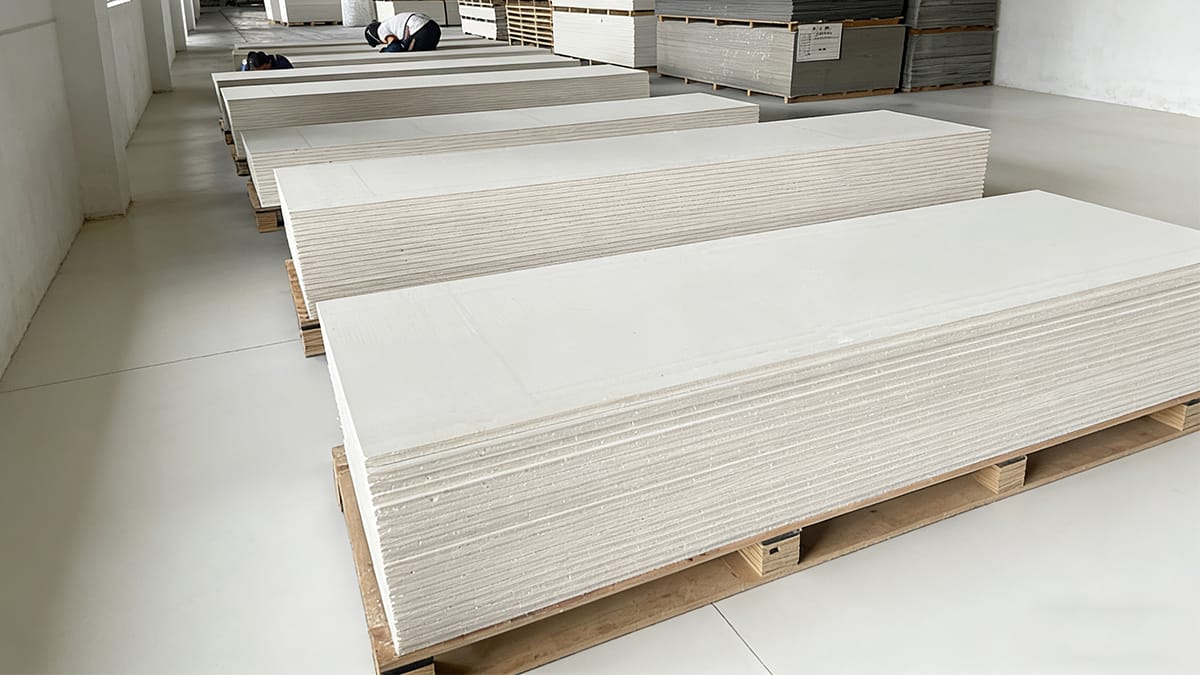 Composition and Structure
A magnesium sulfate board is made from different materials that help it work well. The main part is magnesium oxide, which makes the board strong. Magnesium sulfate is added to help the board not catch fire easily. Perlite is in the board to make it lighter, so it is easier to carry and put up. Fiberglass mesh is inside the board to make it tough and hard to break. Water is used to mix everything together when making the board. Halogen is also added to help the board keep out water.
Here is a table that shows what each part does in a magnesium sulfate board:
Chemical Component | Description |
|---|---|
Magnesium Oxide | Main raw material for structural integrity. |
Magnesium Sulfate | Key component providing fire resistance. |
Perlite | Used for lightweight properties. |
Fiberglass Mesh | Reinforcement for strength and durability. |
Water | Essential for the chemical reaction in board formation. |
Halogen | Contributes to moisture resistance. |
This board is both strong and light. You can use it for many things like walls and ceilings.
Core Properties and Benefits
You want a board that can handle hard weather and wet places. A magnesium sulfate board gives you many good things for building. It does not soak up much water, so it works well in damp or rainy places. Mold and mildew cannot grow on this board, so you do not have to worry about them. The board can stop fire for up to four hours, which helps keep buildings safer. It also stays strong after freezing and thawing many times, so it lasts longer in places with changing weather.
Here is a table that shows the main benefits:
Property/Benefit | MgSO4 Boards |
|---|---|
Moisture Resistance | Absorb very little water |
Fire Resistance | |
Durability | Strong after 25 freeze-thaw cycles |
Mold and Mildew Resistance | Stops mold and mildew |
Weight | Lightweight but strong |
Rust Prevention | No chloride, avoids rust |
🛡️ Tip: You can use this board next to metal parts and not worry about rust. There is no chloride, so screws and nails stay safe.
This board is easy to use, safe, and lasts a long time. Builders, architects, and people who own homes like magnesium sulfate boards because they work well and give peace of mind.
What Is an MgCl2 Board?
Composition and Structure
You may ask what makes a magnesium chloride board special. This board has magnesium oxide and magnesium chloride inside. Makers add other minerals to make it stronger. Each board has its own mix of chemicals. Some boards have magnesite, brucite, and dolomite. These minerals help the board last longer and stay tough.
Here is a table that shows the main chemicals in magnesium chloride boards:
Component | Percentage in Boards |
|---|---|
5-phase | 63.4% (Board B), 83.8% (Board C) |
Magnesite | 4.3% – 16.8% (other boards), ~30% (Board B) |
Brucite | 12.2% (Board A), 27.6% (Board D) |
Dolomite | Present in Board F |
The mix of minerals is not the same for every board. This changes how each board works in different places.
Core Properties and Benefits
Picking a magnesium chloride board gives you some good things. This board stops fire well, so it helps keep buildings safe. But the board can soak up water, so it is not good for bathrooms or kitchens. If you use it in a wet place, it might get wet on the surface and lose strength. The chloride in the board can make metal parts rust after some time.
Here is a table that compares magnesium chloride boards and magnesium sulfate boards:
Property | Magnesium Chloride Boards (MgCl2) | Magnesium Sulfate Boards (MgSO4) |
|---|---|---|
Composition | MgO and MgCl₂ | MgO and MgSO₄ |
Water Resistance | Absorbs moisture | Low water absorption |
Fire Resistance | Excellent | Excellent |
Corrosion Resistance | Can corrode metals | Better, free of chloride ions |
Application Scenarios | Not for humid areas | Good for bathrooms and kitchens |
Moisture Resurgence | May develop surface moisture | No moisture resurgence |
You should use this board in dry rooms where water is not a problem. The board works well for walls and ceilings in offices or living rooms. If you want to save money at first, this board is a good pick. But remember, you might pay more later if the board gets wet.
💡 Tip: Always check the room before you use a magnesium chloride board. This helps you stop problems with water and rust.
Performance Comparison of MgSO4 and MgCl2 Boards
Moisture Resistance
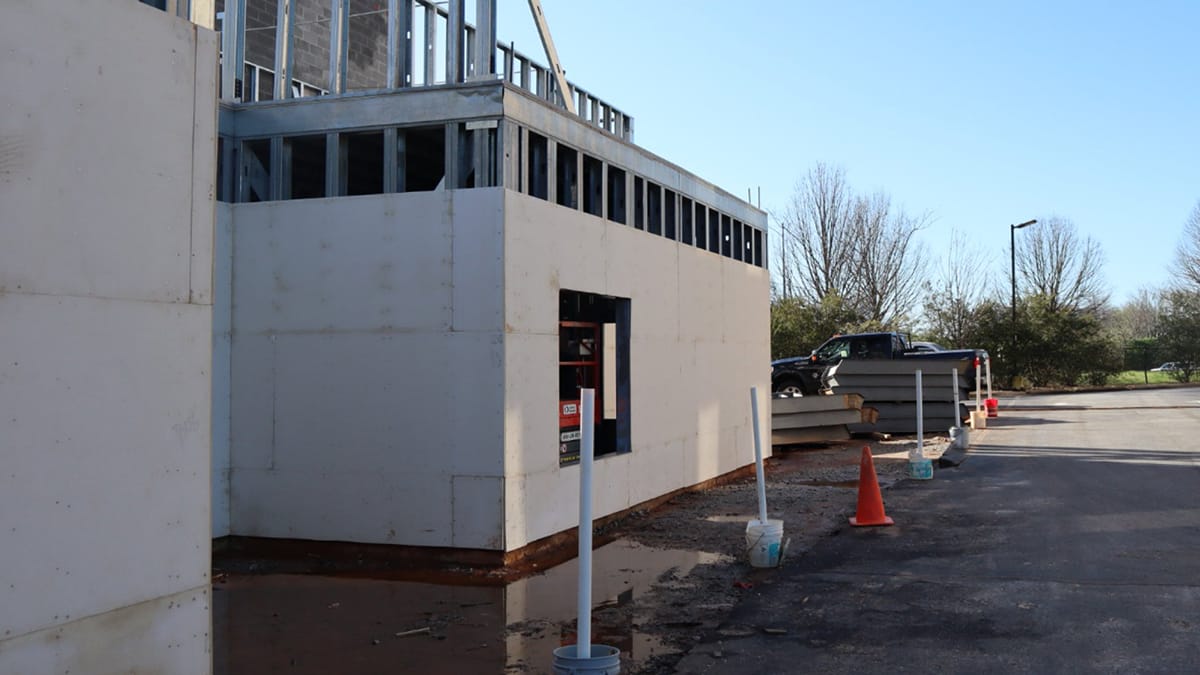 Moisture Resistance
You want your building to stay dry and strong. MgSO4 boards and MgCl2 boards act very differently with water. MgSO4 board does not soak up much water. You can use MgSO4 boards in bathrooms and kitchens. These boards work well in wet places. MgCl2 board takes in water easily. When MgCl2 boards get wet, they can swell or break. Sometimes, they lose strength too. If you use MgCl2 boards in humid rooms, you might see water stains. You could also see wet spots on the surface. MgSO4 boards keep their shape and strength. You do not need to worry about repairs. This shows MgSO4 board is better for wet places and lasts longer.
💧 Tip: Pick MgSO4 boards for rooms with lots of moisture. You will not have problems with swelling or water damage.
Fire Resistance
Fire safety is important when you choose a board. MgSO4 board is very good at stopping fire. These boards do not burn and can handle heat up to 1200°C. MgSO4 boards stay strong during a fire. They meet A1 non-combustible rules and pass two-hour fire tests. MgCl2 board can also stop fire, but some MgCl2 boards have organic stuff. These boards might not pass fire tests. MgCl2 boards may not stay strong in a fire. MgSO4 boards are much better than MgCl2 boards for fire safety.
Aspect | Magnesium Sulfate-based MgO Boards (MagPanel) | Magnesium Chloride-based MgO Boards |
|---|---|---|
Fire Safety Compliance | Usually does not burn | Some boards with organic stuff do not pass fire tests |
Fire Resistance Rating | A1 non-combustible (EN 13501-1); up to 2-hour fire tests | N/A |
Heat Resistance | Withstands up to 1200°C; stays strong during fire | N/A |
Flame Spread | Very low (FSI 0 to 25) | N/A |
Smoke Emissions | Minimal smoke and toxic gases | N/A |
Fire Endurance | Keeps strength during 2-hour fire tests | N/A |
🔥 Note: MgSO4 boards give you better fire safety than MgCl2 boards. Your building will be safer.
Corrosion and Efflorescence
You want your board to protect metal parts and keep walls clean. MgSO4 board is great at stopping rust. These boards do not have chloride. Screws and nails do not rust. You will not see stains or white powder on MgSO4 boards. MgCl2 board has chloride inside. This can make metal parts rust and cause stains. If you use MgCl2 boards, you might need to replace rusty screws. You may also need to fix stained walls. MgSO4 boards work better in wet places. They lower the risk of rust and stains.
MgSO4 board stops water and helps prevent rust and stains.
MgSO4 boards stay strong in wet rooms.
MgCl2 boards take in water and can get white powder or break apart.
MgSO4 board is best for bathrooms and kitchens.
MgCl2 boards are not good for outside unless you cover them.
🛠️ Alert: To avoid rust and stains, use MgSO4 boards for your project.
Durability in Humid Environments
You want your board to last a long time, even in wet places. MgSO4 board stays strong and does not change shape in humidity. MgCl2 board does not do as well in wet air. Some MgCl2 boards start to “cry” or sweat after one month in high humidity. Other MgCl2 boards last longer, but you cannot always trust them. MgSO4 boards stay tough and do not need many repairs. This proves MgSO4 board is better for lasting a long time.
🌧️ Tip: Use MgSO4 boards where there is lots of rain or humidity. You will have fewer problems.
Cost Considerations
You want to save money and get good results. MgSO4 board costs more at first. But you save money later because you do not need to fix water damage or rust. MgCl2 board is cheaper to buy. But you might pay more later for repairs or new boards. MgSO4 boards give you better value because they last longer.
Attribute | MgSO4 Boards | MgCl2 Boards |
|---|---|---|
Initial Cost | Higher | Lower |
Repair Costs | Low | High |
Long-Term Value | Saves money over time | May cost more due to repairs |
💰 Note: MgSO4 boards are a smart buy. You pay more now, but you save money later.
Compatibility with Finishes
You want your board to look nice with paint, tile, or plaster. Both MgSO4 board and MgCl2 board work with these finishes. You need to use a primer before painting either board. You can put tiles on both boards with thin-set mortar. Plaster sticks well to both types of board. Both boards are good for finishes.
Finishing Material | Compatibility with MgSO4 Boards | Compatibility with MgCl2 Boards |
|---|---|---|
Paint | Requires primer for adhesion | |
Tile | Use thin-set mortar | Use thin-set mortar |
Plaster | Can be applied directly | Can be applied directly |
Paint: Use a primer first for best results.
Tile: Thin-set mortar works well for both boards.
Plaster: You can put plaster right on the board.
🎨 Tip: Always use a primer before painting MgSO4 or MgCl2 boards. Your finish will look better and last longer.
MgSO4 board gives you better results for water, fire, rust, and lasting a long time. MgCl2 board costs less at first, but you might have more repairs. This comparison helps you pick the right board for your building.
Applications of MgSO4 Boards and MgCl2 Boards
Best Uses for MgSO4 Boards
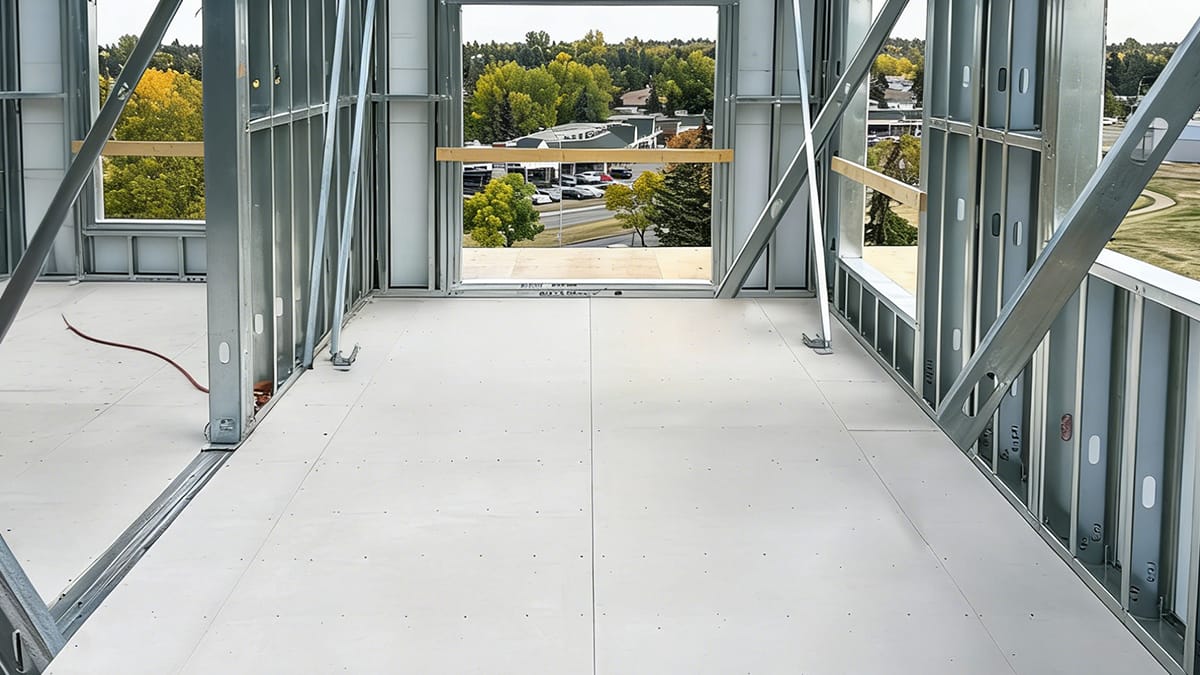 Best Uses for MgSO4 Boards
You can use an mgso4 board in many places. Builders choose mgso4 boards for homes and businesses because these boards last a long time. You get strong walls and ceilings that breathe well. Mgso4 boards work for subflooring and wall sheathing. You can install mgso4 boards as ceiling panels to stop fire and moisture. Bedrooms and living areas stay quiet when you use mgso4 boards for soundproofing. Fire-rated walls in offices and stores use mgso4 boards for safety. You see mgso4 boards in kitchens and swimming pool areas because these boards resist water.
Subflooring and wall sheathing
Ceiling panels for fire and moisture resistance
Soundproofing in bedrooms and living areas
Fire-rated walls in commercial buildings
High-moisture areas like kitchens and pools
🏠 Tip: Mgso4 boards help you build safe, quiet, and dry spaces.
Best Uses for MgCl2 Boards
You find mgcl2 board in places that stay dry. Mgcl2 boards work for interior walls in offices and living rooms. Builders use mgcl2 boards for ceilings where water is not a problem. Mgcl2 boards fit well in classrooms and hallways. You can use mgcl2 boards for temporary walls or displays. Mgcl2 boards cost less, so you save money on short-term projects. You see mgcl2 boards in areas with low humidity.
Interior walls in dry rooms
Ceilings in offices and schools
Temporary partitions and displays
Hallways and classrooms
💡 Note: Mgcl2 boards work best in dry places. Avoid using mgcl2 boards in bathrooms or kitchens.
Real-World Scenarios
You want to know how mgso4 board and mgcl2 board perform in real life. If you build a house near the ocean, mgso4 boards protect your walls from salty air and moisture. You use mgso4 boards in a restaurant kitchen to stop water damage and mold. In a school, mgcl2 boards work for classroom walls where humidity stays low. You choose mgcl2 boards for a pop-up shop because these boards cost less and install quickly. Mgso4 boards keep swimming pool facilities safe and dry. Mgcl2 boards suit offices with stable indoor air.
Scenario | Recommended Board | Reason |
|---|---|---|
Coastal home | mgso4 board | Resists moisture and salt |
Restaurant kitchen | mgso4 board | Stops water and mold |
School classroom | mgcl2 board | Works in dry conditions |
Pop-up shop | mgcl2 board | Low cost, easy setup |
Swimming pool facility | mgso4 board | Handles high moisture |
Office ceiling | mgcl2 board | Good for dry indoor air |
🛠️ Tip: Match the board to your project’s needs. Mgso4 boards give you strength and moisture protection. Mgcl2 boards help you save money in dry spaces.
Common Questions and Misconceptions
Myths About Magnesium Boards
You may hear that every magnesium board absorbs water and breaks down in humid places. This is not true for all types. Some reports say that magnesium oxide boards act like other porous boards and soak up moisture. These reports often come from boards with high organic content. When you use a board made by trusted companies, you get much better results. Tests show that boards with low wood chip content do not break down after many soak and dry cycles. Mold does not grow on these boards. You can trust these boards in wet rooms if you choose the right type.
Some people think that every magnesium board is hard to install or only works for special jobs. This is not correct. You can use a board for walls, ceilings, and even floors. You do not need special tools. Many builders now use these boards instead of plywood or OSB. Another myth says that magnesium boards do not resist fire well. In fact, chloride-free boards can handle very high heat. These boards stay strong even when other materials crack or fail.
💡 You should always check the type of board before you buy. Not all boards are the same.
Environmental and Health Factors
You want to know if a board is safe for your family and the planet. Magnesium boards do not have harmful chemicals like formaldehyde or asbestos. These boards do not give off bad smells or gases. You get better air quality in your home. The board also stops mold and pests because it is made from inorganic materials. If a fire happens, the board does not make toxic smoke.
Here is a table to help you compare the two main types:
Board Type | Corrosiveness | Moisture Resistance | Environmental Impact |
|---|---|---|---|
MgSO4 | Less corrosive | More stable | Reduced risk of damage |
MgCl2 | More corrosive | Susceptible | Potential corrosion issues |
You should know that a MgCl2 board can absorb water in humid air. This can cause metal parts to rust. A MgSO4 board is a safer choice in these places. Both boards are non-toxic and do not harm indoor air. You can use them in schools, homes, and offices.
Health Factor | Description |
|---|---|
Made from natural materials, no harmful chemicals. | |
No VOCs | Does not release gases, keeps air clean. |
Mold and Pest Resistance | Stops mold and pests from growing. |
Fire Safety | Does not burn or make toxic smoke. |
Weeping Issue | MgCl2 can absorb water and cause rust; MgSO4 is safer in humid places. |
🛡️ Choose the right board for your climate and project. You will get a safe, strong, and long-lasting result.
If you want your building to last in wet places, pick mgso4 board. Mgso4 board is strong and does not let water in. Mgcl2 board is better for rooms that stay dry. Always think about what your project needs before you choose a board. Look at this table to see how each material works:
Material | Moisture Resistance | Durability |
|---|---|---|
OSB | Low | Moderate |
Gypsum | Low | Moderate |
Fiber Cement | High | High |
Magnesium Oxide | High | High |
If you want to learn more, check out these links:
FAQ
What makes a magnesium sulfate board better for wet areas?
You get better moisture protection with a magnesium sulfate board. This board does not soak up water. You can use it in bathrooms, kitchens, or near pools. The board keeps its shape and strength even when the air is humid.
Can you paint or tile over a magnesium board?
Yes, you can paint or tile over this board. Always use a primer before painting. For tile, use thin-set mortar. The board gives a smooth surface for finishes. You get a strong base for your project.
Does a magnesium chloride board cause metal parts to rust?
A magnesium chloride board contains chloride. This can make screws and nails rust over time. If you want to protect metal parts, choose a board without chloride. The right board helps you avoid costly repairs.
Is every magnesium board fire resistant?
Most magnesium boards resist fire well. You should check the label before you buy. Some boards with organic fillers may not pass fire tests. A magnesium sulfate board usually gives you the best fire safety.
Where should you avoid using a magnesium chloride board?
You should not use a magnesium chloride board in wet or humid places. This board absorbs water and can swell or break. Use this board only in dry rooms. The right board choice keeps your building safe.