


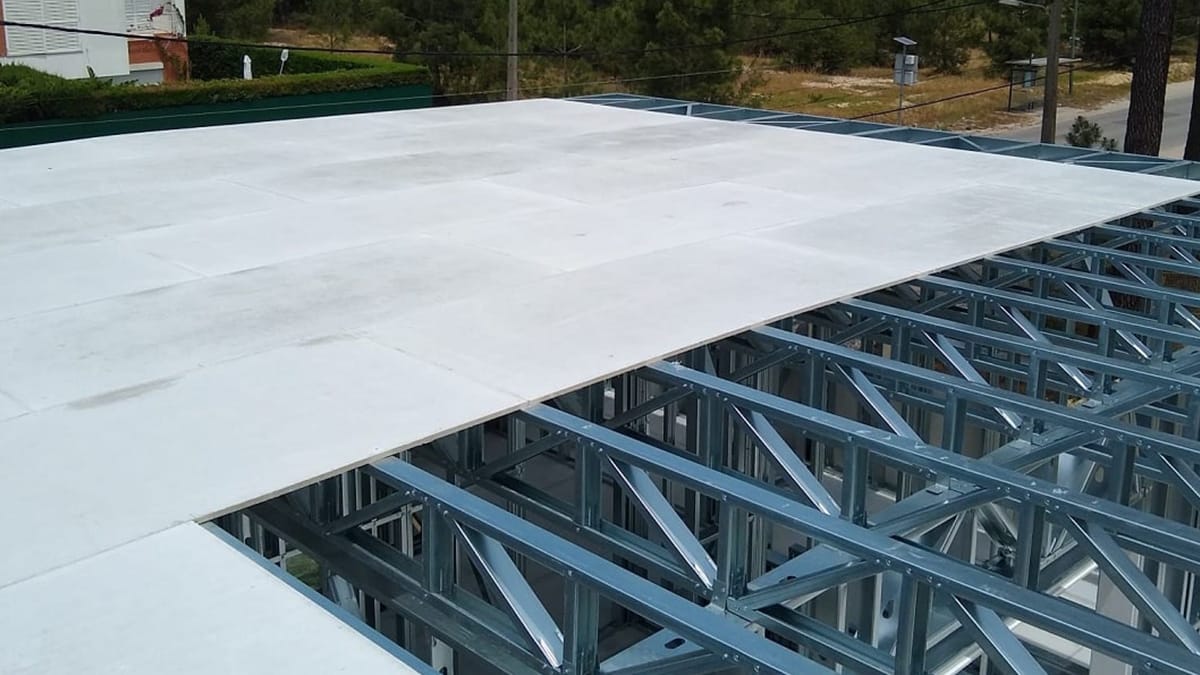
03 Feb Magnesium Sulfate Subfloor Panels: The Key to Durable and Safe Flooring
Table of Contents
Choosing the right subfloor is essential for ensuring that floors are strong and safe. Many homes and buildings rely on the subfloor to support everything above it. The magnesium sulfate subfloor offers innovative solutions for enhancing the strength and safety of floors. You can discover the magnesium sulfate subfloor advantages when seeking materials that are durable and help maintain a secure environment.
Key Takeaways
Magnesium sulfate subfloor panels are very strong. They do not break easily. They work well in busy places. They are good for wet spaces too.
These panels stop fire for a long time. They last over two hours in a fire. You do not need extra treatments. This keeps buildings safe.
Magnesium sulfate boards do not let water in. They stop mold from growing. They are great for kitchens and bathrooms.
Using magnesium sulfate boards is good for the earth. They make less carbon pollution. They help trap CO2. This helps keep our planet healthy.
You can install them fast and easily. This saves time and money. They last a long time. You spend less on repairs later.
Magnesium Sulfate Subfloor Advantages
Superior Strength and Impact Resistance
Floors need to last a long time. Magnesium sulfate boards make floors strong. These boards are better than plywood or OSB. They have more strength and last longer. Magnesium sulfate subfloor panels can handle more pressure and stress.
Magnesium sulfate boards have a compressive strength of 14 MPa.
Gypsum boards only reach 3 to 6 MPa.
A 12mm magnesium sulfate board gets about 13.7 MPa, which is higher than most.
Magnesium sulfate boards hold up under heavy things and lots of walking. These panels also resist impacts very well. After 25 times of getting wet and drying, magnesium sulfate boards keep their bending strength. Plywood loses about 9% of its bending strength in the same test. In wet places, magnesium sulfate boards resist hits, wear, and scratches better than plywood. You can count on them to work well even in hard conditions.
Tip: If you need subflooring for kitchens, bathrooms, or entryways, magnesium sulfate boards are great because they resist water and impacts.
Fire Resistance and Safety
Safety is important in every building. Magnesium sulfate boards help keep people safe because they resist fire very well. Wood subfloors like plywood and OSB need extra treatments to meet fire safety rules. Some plywood can get a Class A fire rating, but only with special coatings. Most wood materials burn easily and need help to be safer.
Magnesium sulfate subfloor panels can stand up to fire for over two hours. This is much better than plywood and OSB. You do not need to add fireproof coatings to magnesium sulfate boards. This makes them safer and easier to use.
Magnesium sulfate boards resist fire because of their special chemical makeup. The table below shows how they work:
Mechanism | Description |
|---|---|
Hydration Process | Water reacts and forms crystals that help block fire. |
Crystalline Phase | The 5·1·7 phase adds strength and keeps out water for fire safety. |
Modifier Effects | Additives like PBTC and HPMA make the boards even better at stopping fire. |
You get these benefits when you use magnesium sulfate boards. The hydration process and crystals help stop heat and flames. Additives make the panels work even better. These magnesium sulfate subfloor advantages help protect your building and everyone inside.
Magnesium sulfate boards do more than just make floors strong. They also resist fire, water, and keep people safe for a long time. You can use magnesium sulfate boards in homes, schools, and businesses. If you want the best for your floors, magnesium sulfate boards give you great results.
Moisture Protection and Longevity
 Water Resistance in Subflooring
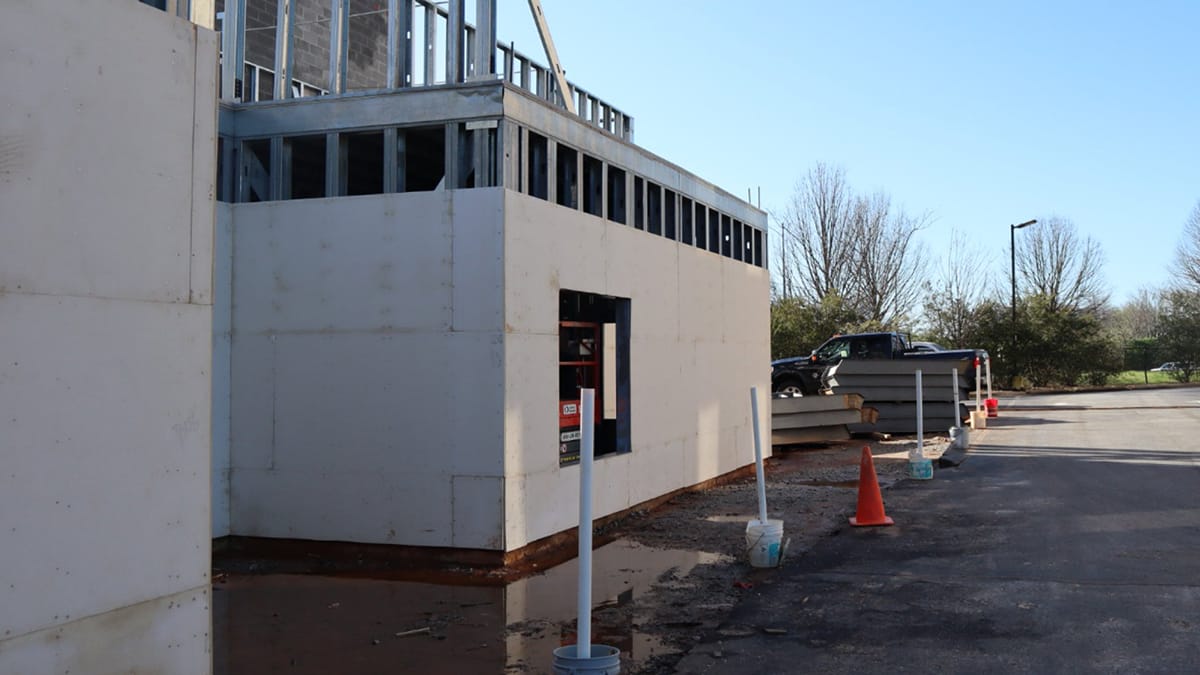 Water Resistance in Subflooring
Building or fixing floors can be hard. Water can ruin floors if you pick the wrong material. Magnesium sulfate boards are great at stopping water. They do not swell or bend when wet. They also do not come apart after being wet for a long time. This makes them good for kitchens, bathrooms, basements, and laundry rooms. These places often have spills, leaks, or lots of moisture. Regular subfloors can get damaged in these spots.
Here is a table that shows how different materials handle water:
Material | Resistance Characteristics | |
|---|---|---|
MgO Boards | Superior | Excellent water, mold, mildew, and moisture resistance. |
Plywood | Limited | Swells, warps, and delaminates with prolonged moisture. |
Cement Boards | Excellent | Highly resistant to moisture; does not swell or degrade. |
You can see magnesium sulfate boards do better than plywood. They are as good as cement boards at stopping water. They stay strong and do not change shape, even in floods or damp places. This saves money on repairs and keeps floors safe.
Prevention of Mold and Mildew
Keeping out moisture helps your health and your floors. If water gets under the floor, mold and mildew can grow. Mold can cause allergies and breathing problems. It can even make people very sick. Magnesium sulfate boards stop mold and mildew from growing. They do not soak up water and are very alkaline. Their materials do not feed mold.
Magnesium sulfate boards naturally stop water and mold.
They work well in damp places and do not swell.
Mold cannot grow on them like it does on wood or drywall.
These boards help keep the air inside healthier.
If you want floors that last and stay strong, use magnesium sulfate boards. You can put them in homes, schools, or hospitals. They work anywhere moisture is a problem. With their water and mold resistance, your floors will last a long time.
Eco-Friendly Benefits of Magnesium Sulfate Boards
Sustainable Production and Energy Efficiency
It is important to pick building materials that help the earth. Magnesium sulfate boards are one of the most eco-friendly choices today. Making these boards uses less energy than other subfloor materials. They also make less carbon pollution. When you look at magnesium sulfate boards and gypsum, you see a big difference in how they affect the planet.
Material | |
|---|---|
Magnesium Oxide | 340 |
Gypsum | 740 |
Magnesium sulfate boards make less than half the carbon emissions of gypsum. This helps lower greenhouse gases when you use them. The way magnesium sulfate boards are made uses surface mining. This does not need dangerous chemicals. The dust from mining is safe for people, animals, and the land.
Magnesium sulfate boards do even more. They grab carbon dioxide from the air as they harden. For every ton of boards you use, about half a ton of CO2 is taken out of the air. In a normal house, you can remove several tons of CO2 by using these boards. This makes magnesium sulfate boards a smart choice for green building.
Note: Magnesium sulfate boards do not have asbestos, formaldehyde, ammonia, silica, or benzene. This means they are safer for your family and the environment.
Environmental Benefits for Builders
Using magnesium sulfate boards helps you meet green building rules like LEED, WELL, and BREEAM. These boards help you get points for saving energy, clean air, and using earth-friendly materials. They do not let out bad chemicals, so the air inside is cleaner. Factories can cut magnesium sulfate boards to the right size, so there is less waste.
Green Building Rating System | Contribution of Magnesium Sulfate Boards |
|---|---|
LEED | Earn points for saving energy, clean air, and using green materials. Absorb CO2 while hardening and do not have harmful chemicals. |
WELL Building Standard | Make air better by not having toxic chemicals like asbestos or formaldehyde, which helps health and comfort. |
BREEAM | Meet rules by making less waste and using less energy to make the boards. They can be recycled, which helps the planet. |
You can trust magnesium sulfate boards because they pass tough tests. These include EN13501-1 A1 for fire safety, ASTM E84 Class A for low flame spread, ISO 9001 for quality, and ILAC-MRA for worldwide test results. Green certifications help with LEED and BREEAM, so you know you are helping the planet.
EN13501-1 A1: Makes sure the boards are safe from fire.
ASTM E84 Class A: Shows the boards do not spread flames easily.
ISO 9001: Checks that the boards are made well.
ILAC-MRA: Proves the test results are trusted everywhere.
Green Certification: Helps with LEED and BREEAM for green building.
Magnesium sulfate boards have many earth-friendly benefits:
Environmental Advantage | Description |
|---|---|
Carbon Capture | The boards grab carbon dioxide as they harden, which lowers CO2 in the air. |
Non-Toxic Materials | They do not have asbestos, formaldehyde, ammonia, silica, or benzene, so they are safer for people and the planet. |
Sustainable Mining | The mining is done on the surface and does not use bad chemicals, so it does not hurt the earth. |
Beneficial Dust | Any dust from mining is good for the land, people, or animals it touches. |
Magnesium sulfate boards are lighter than many other subfloor materials, so moving them makes less pollution. Making them to exact sizes means less waste, which keeps building sites cleaner.
Tip: If you want to build a school, hospital, or home that meets green rules, magnesium sulfate boards help you reach your goals.
Magnesium sulfate boards give you real earth-friendly and health benefits. They help you build strong, safe, and green places. You can feel proud knowing you picked a material that protects the planet and everyone inside.
Installation and Cost Benefits
 Ease of Installation
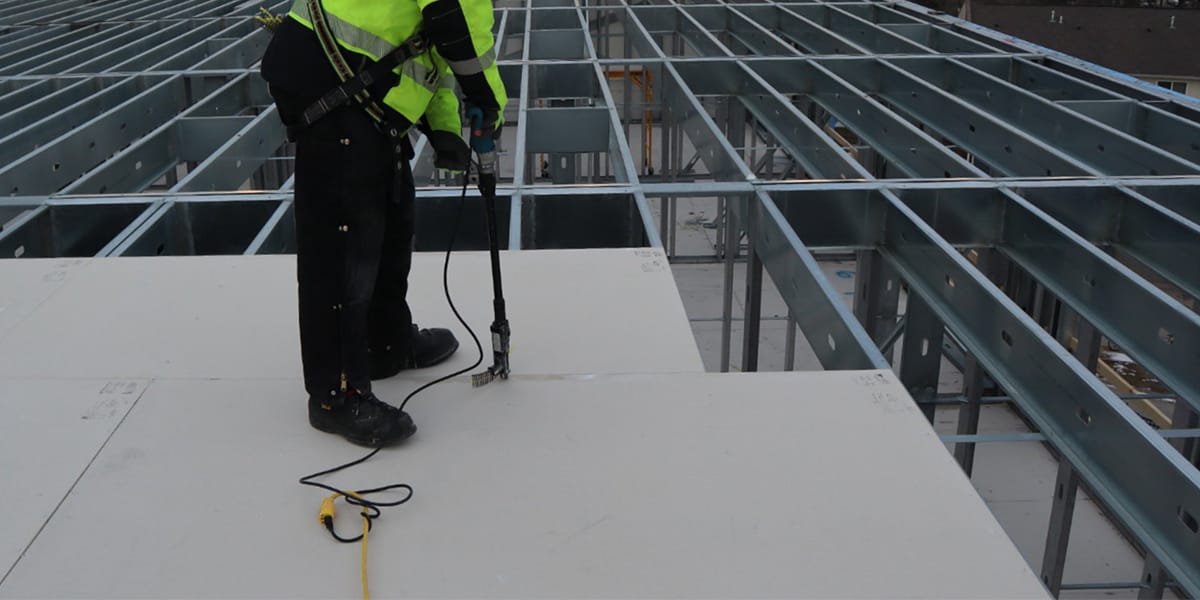 Ease of Installation
It is easy to put in magnesium sulfate boards. You do not have to wait for them to dry. Your regular building crew can install them. This saves time and makes the job go faster. The table below shows how magnesium sulfate boards are quicker than other choices:
Material | Installation Time | Curing Time | Installation Crew Requirement |
|---|---|---|---|
Magnesium Oxide Panels | None | Existing framing crew | |
Gypsum Underlayment | 3 to 7 days | 3 to 7 days | Specialized contractors |
Magnesium sulfate boards help you finish your project quickly. You do not need extra workers or wait for drying. This makes everything easier.
Sometimes, you might have problems when installing. You need special saws to cut the boards. The boards can break if you do not handle them gently. Nails do not hold well, so you should use screws or glue. To make the boards look smooth, you may need to skim coat and sand.
Challenge | Description |
|---|---|
Specialized cutting tools | You need expensive saws with diamond or carbide blades for good cuts. |
Brittleness | The boards can crack or snap if you are not careful. |
Weak nail holding power | Nails do not stay in as well as they do in wood. |
Aesthetic finishing difficulties | You may need to skim coat and sand for a smooth look. |
Tip: Use the right tools and follow the instructions to avoid most problems.
Cost-Effectiveness Over Time
Magnesium sulfate boards help you save money over many years. They cost about the same as OSB and less than plywood. These panels are strong and last longer than other types.
Material | Price per 4×8 sheet | Price per square foot | Installation Cost | Notes |
|---|---|---|---|---|
OSB | About $6 | $1 to $2.40 | Same as plywood | Cheaper choice in 2025 |
Plywood | About $10 | $4.50 to $10 | Same as OSB | About 60% more than OSB |
Magnesium Sulfate Panels | $1.50 to $3.00 | $1.50 to $3.00 | N/A | Stronger and more durable than OSB and plywood |
You do not spend much on repairs because magnesium sulfate boards resist water and mold. Over twenty years, you pay less for fixing and get more for your money.
Cost Factor | MgO Boards | Gypsum Boards |
|---|---|---|
Maintenance Cost | Moderate (may need more repairs) | |
Long-term Durability Savings | High (less replacement needed) | Low to moderate (might need more replacement) |
Total Lifecycle Cost | Lower over time because they last and need fewer repairs | Higher because they may need more replacement or repairs in wet places |
Here are some benefits you get:
Eco-friendly production helps the earth.
Durability means fewer repairs.
Low maintenance saves you time and money.
Magnesium sulfate boards might cost more at first, but you save money later. You do not need to fix or replace them often, even in wet places. Big projects save even more because these boards last longer and need less care.
Note: Magnesium sulfate boards give you great value for homes and businesses when you use them for your subfloor.
You can count on magnesium sulfate subfloor panels for strong floors. These panels are safe and last a long time. They can hold heavy things without breaking. They keep out water and do not burn easily. The table below shows how well these panels work:
Specification | Concentrated Load | Safety Factor | Impact Load | Ultimate Load | Uniform Load | Fire Protection |
|---|---|---|---|---|---|---|
FS440 | ≥1960 N | Pass | 295 N | ≥5880 N | 9720 N | A1 |
FS662 | ≥2950 N | Pass | 445 N | ≥8850 N | 12500 N | A1 |
These boards do not catch fire and block water.
You can recycle them almost completely.
Experts like them because they do not rust and work in many places.
If you want to know more, you can look up the history of MgO panels. You can also compare them to other types and find good products for your project.
Ask a flooring expert if magnesium sulfate boards are right for your building.
FAQ
What makes magnesium sulfate subfloor panels different from regular plywood?
Magnesium sulfate panels are much stronger than plywood. They last longer and do not break easily. These boards stop water, fire, and mold better than plywood. You can use them in places that get wet or need extra safety.
Can I install magnesium sulfate boards myself?
You can put in these boards with simple tools. Screws or glue work best for holding them down. Always read and follow the instructions from the maker. If you are not sure, ask a flooring expert for help.
Are magnesium sulfate panels safe for indoor air quality?
Yes, these panels do not let out bad chemicals. The air inside your house stays clean. They do not have asbestos, formaldehyde, or other harmful stuff.
Where should I use magnesium sulfate subfloor panels?
You can use these panels in kitchens and bathrooms. They also work in basements and entryways. Schools, hospitals, and businesses use them too. These panels can handle lots of people and wet floors.