


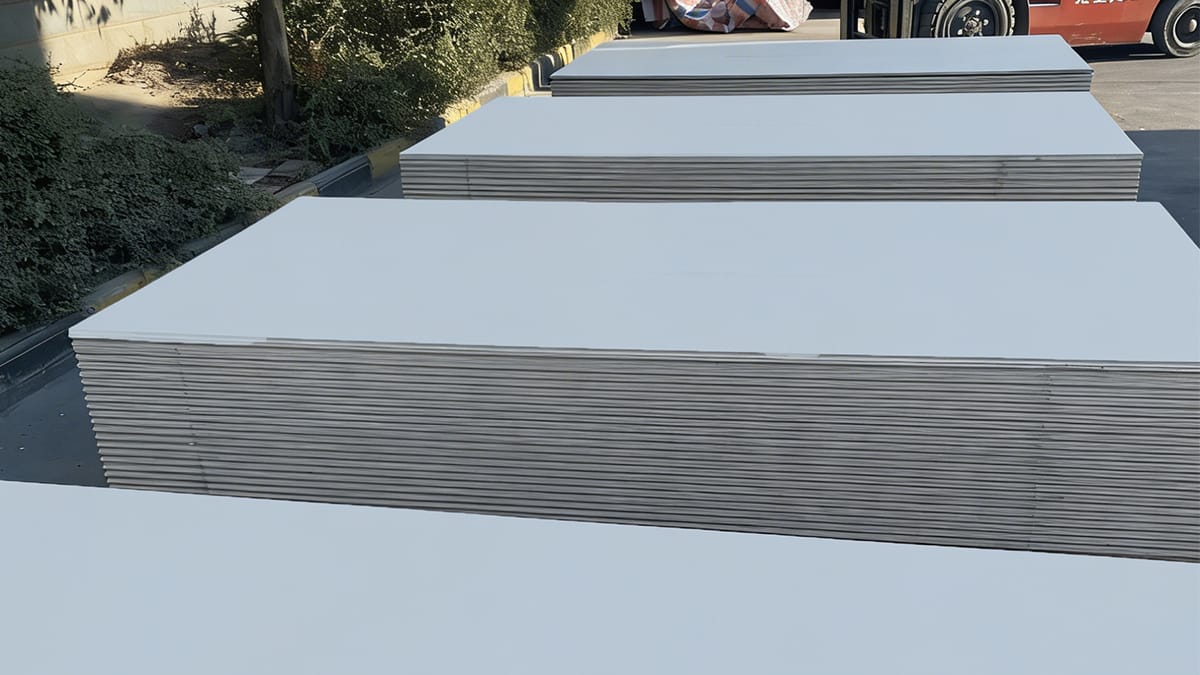
15 Feb Choosing Between Magnesium Sulfate and Magnesium Chloride Boards
Table of Contents
You want the right board for your project. Magnesium Sulfate Board vs Chloride Board comes down to where you will use it. Magnesium sulfate board works best in wet or humid spaces because it resists moisture and prevents corrosion. Chloride boards cost less but do not last as long in damp conditions. For dry areas, both types perform well. Think about your budget, the environment, and how long you want the board to last.
Key Takeaways
Magnesium sulfate boards work well in wet places. They do not get damaged by water. They do not rust. This makes them good for bathrooms and kitchens.
Magnesium chloride boards cost less money. They do not last as long in wet places. They can take in water. They can get bigger and weaker over time.
Both types of boards can resist fire. Magnesium chloride boards stay strong longer in fire. Always look at fire safety ratings before you buy.
Think about your budget and what you need for your project. Magnesium sulfate boards cost more at first. They save money later because they last longer.
Always seal and finish the boards the right way. This stops water from hurting them. It helps them work well and last longer.
Magnesium Sulfate Board vs Chloride Board
Key Differences in Composition
When you look at magnesium sulfate board vs chloride board, you see they are made differently. Magnesium sulfate board has sulfur in it. Magnesium chloride board has chlorine instead. Both boards have oxygen, magnesium, and carbon. The sulfur or chlorine changes how each board deals with water and other things.
Magnesium sulfate board has sulfur. This helps it fight water and rust.
Magnesium chloride board has chlorine. This can cause trouble when it gets wet.
Studies show magnesium sulfate board is better for wet places. Magnesium chloride board can break down faster in humid spots. These differences matter when you pick which board to use.
Performance Overview
You want to know how magnesium sulfate board vs chloride board work in real life. How well they do depends on how they handle water, rust, and how long they last.
Tip: Always check how well a board works before you buy it.
Here is a quick table to help you see the main differences:
Property | Magnesium Sulfate Board (MgSO₄) | Magnesium Chloride Board (MgCl₂) |
|---|---|---|
Corrosion Risk | None | High (without treatment) |
Moisture Resistance | Excellent | Moderate to poor |
Stability Over Time | High | Medium |
Magnesium sulfate board is great in wet places. MgSO4 boards keep 69% of their strength when wet. MgCl2 boards only keep 55%. Magnesium chloride board soaks up more water. This can make it swell and get damaged. Magnesium sulfate board does not soak up much water. It works better in damp rooms.
Another big difference is how the boards last over time. Magnesium sulfate board stays strong for years. Magnesium chloride board can get weak and rusty in wet places.
When you look at how they handle water, magnesium sulfate board vs chloride board has a clear winner. Magnesium chloride board can break down when it gets wet. Magnesium sulfate board keeps its shape and does not soak up much water. This makes it good for bathrooms, kitchens, and other wet rooms.
If you want a board that lasts and fights water, magnesium sulfate board is better. Magnesium chloride board costs less, but you might need to replace it sooner if it gets wet. These differences help you pick the best board for your job.
Moisture and Corrosion Resistance
Magnesium Sulfate Board in Wet Areas
You need good moisture resistance for wet places. Magnesium sulfate boards do not rust, even after being wet for a long time. These boards work well in bathrooms, kitchens, and basements. They do not soak up much water, so you can trust them to stay strong. The table below shows how magnesium sulfate boards compare to other boards:
Property | Magnesium Sulfate Boards | Magnesium Oxide Boards |
|---|---|---|
Moisture Resistance | Can have water problems | |
Hygroscopic Nature | Doesn’t absorb water | Absorbs water easily |
Likelihood of Swelling | Rare | Happens often |
Magnesium sulfate boards keep their shape in humid air. You can use them for 22 weeks in wet places and they do not change. They do not rust and help keep your project safe. These boards do not soak up much water, so they are great for damp rooms.
Note: Magnesium sulfate boards are best for wet places. They do not swell or get weak over time.
Magnesium Chloride Board and Corrosion
Magnesium chloride boards act differently with water. When they get wet, they can rust because of the chloride. They soak up water fast, which makes them swell and break. This means they do not last as long in tough places. You may have to fix or change them more often.
Magnesium chloride boards do not last long in wet places.
They get weak and rusty in harsh spots.
You will need to fix or change them more because of water.
Chloride can make magnesium chloride boards break faster. They do not stop rust like magnesium sulfate boards. You should not use them in wet or humid rooms. Magnesium chloride boards can rust and break when they get wet. If you want your board to last and stay strong, pick magnesium sulfate boards for wet areas.
Board Type | Water Resistance Description |
|---|---|
Magnesium Sulfate Boards | Low water absorption; excellent for humid or wet environments. |
Magnesium sulfate boards give you better moisture resistance and stop rust. Magnesium chloride boards cannot do as well in wet places.
Fire Resistance and Safety
 Fire Performance of Both Boards
 Fire Performance of Both Boards
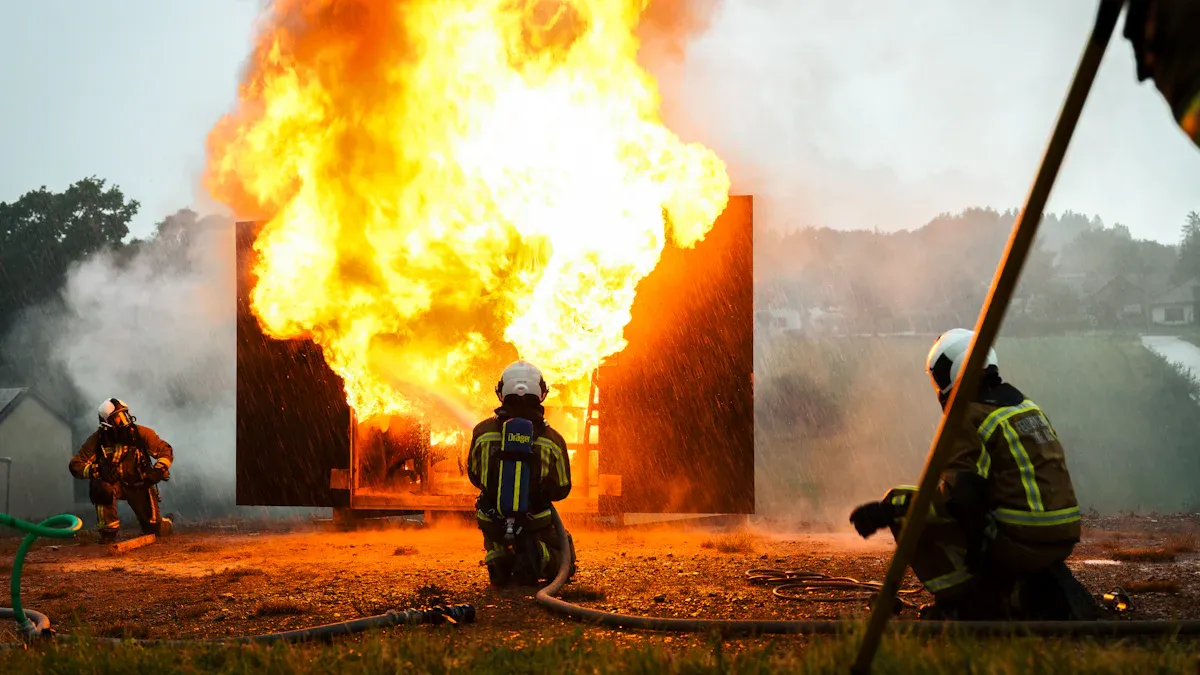
You want your building to be safe from fire. Magnesium sulfate boards and magnesium chloride boards help protect you. Both boards are tested for fire resistance. You can see their results in the table below:
Board Type | |
|---|---|
Magnesium Sulfate Board | 60-90 minutes |
Magnesium Chloride Board | Up to 4 hours |
Magnesium chloride boards last longer in fire. Magnesium sulfate boards also give good fire safety. Both boards can handle high heat. They do not break apart easily. Their fireproofing slows down flames and smoke. These boards help keep rooms safer during a fire.
It is important to know how these boards do in fire tests. Both boards are tested under ASTM E119 and EN 13501-1. Magnesium sulfate boards can stand fires over 1600°F. Magnesium chloride boards also resist high heat. Their fireproofing stops flames from spreading quickly. You get less smoke and better air during a fire.
Certifications
You should check for fire safety certifications before picking a board. Magnesium boards follow strict fire safety rules. The main standards are shown in the table below:
Building Code / Standard | Recognition of MgO Boards for Fire Safety Compliance |
|---|---|
ASTM E119 | MgO boards certified for one-hour fire resistance |
ASTM E136 | MgO boards classified as non-combustible |
2024 IBC | References ASTM E119 and ASTM E136 for fire safety |
Magnesium boards are also listed in other building codes. These codes prove magnesium boards have strong fireproofing. You can feel safe knowing your project meets fire safety rules.
Tip: Always pick boards with fire safety certifications. This helps keep your space safe and follows building codes.
Both magnesium sulfate and magnesium chloride boards give fire safety. Their fireproofing helps protect your building. Always check fire safety ratings and certifications before buying. This makes sure your project is safe and meets all fire rules.
Durability and Maintenance
Long-Term Stability
You want your building to last a long time. Durability is important when picking between magnesium sulfate boards and magnesium chloride boards. Magnesium sulfate boards stay strong for many years. They do not bend or crack, even in wet places. You will not see swelling or soft spots. These boards keep their shape and strength for a long time.
Magnesium sulfate boards resist water. This stops them from bending or cracking.
Their low alkalinity means less white powder and rust. This helps the boards stay strong in damp rooms.
These boards do not soak up water. This keeps them from swelling or breaking.
Magnesium chloride boards are not as tough. They can take in water and get bigger. Over time, this can cause cracks and weak spots. You might need to fix or change these boards more often. If you want your boards to last, magnesium sulfate boards are a better pick.
Maintenance Needs
You need to know how to take care of your boards. Good care helps your boards last longer. Magnesium sulfate boards are easier to care for because they are strong. Magnesium chloride boards need more care, especially in wet places.
Here is a table that shows what you should do to care for both boards:
Maintenance Task | Description |
|---|---|
Inspect for moisture | Look for stains, swelling, or soft spots |
Repair joints/seams | Use the right compounds to patch |
Replace damaged boards | Take out and put in new boards if needed |
Clean surfaces | Wipe with a damp cloth, skip harsh cleaners |
Check metal fixtures | Watch for rust, use stainless steel if needed |
Ventilate spaces | Move air to keep humidity low |
Check your boards often. Clean them with a damp cloth. Do not use strong cleaners. Watch for water damage, especially with magnesium chloride boards. If you see swelling or soft spots, change the damaged boards. Good airflow keeps the air dry and protects your boards.
Magnesium sulfate boards make care simple. They are strong, so you do not need to fix them much. You can feel good knowing your boards will last.
Cost and Availability
Price Comparison
You want to know how much these boards cost. Magnesium chloride boards usually have a lower price. Many builders pick them when they have less money to spend. Magnesium sulfate boards cost more because they last longer and fight water better. You pay more at first, but you save later since you do not replace them as much.
Prices change based on where you live. In Asia-Pacific, like China, boards are cheaper. Most boards are made there. In North America and Europe, prices are higher. These places have strict building rules and care about the environment, so costs go up. Shipping and how many people want boards also change the price. If you live far from a big seller, you might pay more for delivery.
Tip: Always check with local sellers for the best price. Prices can go up or down fast because of demand and shipping.
Factors Affecting Cost
Many things can change the price and how easy it is to get magnesium boards. You need to think about problems with getting supplies, how many people want boards, and how much it costs to make them. The table below shows what can change the price:
Factor | Impact on Cost and Availability |
|---|---|
Supply Chain Challenges | Not enough magnesite can make supply risky. |
Price Volatility | Mining rules and laws can make prices go up. |
Production Costs | Higher energy and pollution rules make boards cost more. |
Market Demand | More people want boards than there are materials. |
Prices go up if magnesite is hard to find. New mining rules and higher energy bills also make boards cost more. If more people want boards for fire safety or mold, demand grows faster than supply. This makes boards harder to find and more expensive.
Builders now use more dry, strong panels for new buildings. This makes more people want magnesium sulfate boards, so prices can rise. You should plan your money with these things in mind. To get the best deal, check prices from different sellers and ask about delivery costs.
Remember: Prices change with trends, supply problems, and local needs. Always check before you buy.
Applications and Choosing the Right Board
Best Uses for Magnesium Sulfate Board
 Best Uses for Magnesium Sulfate Board
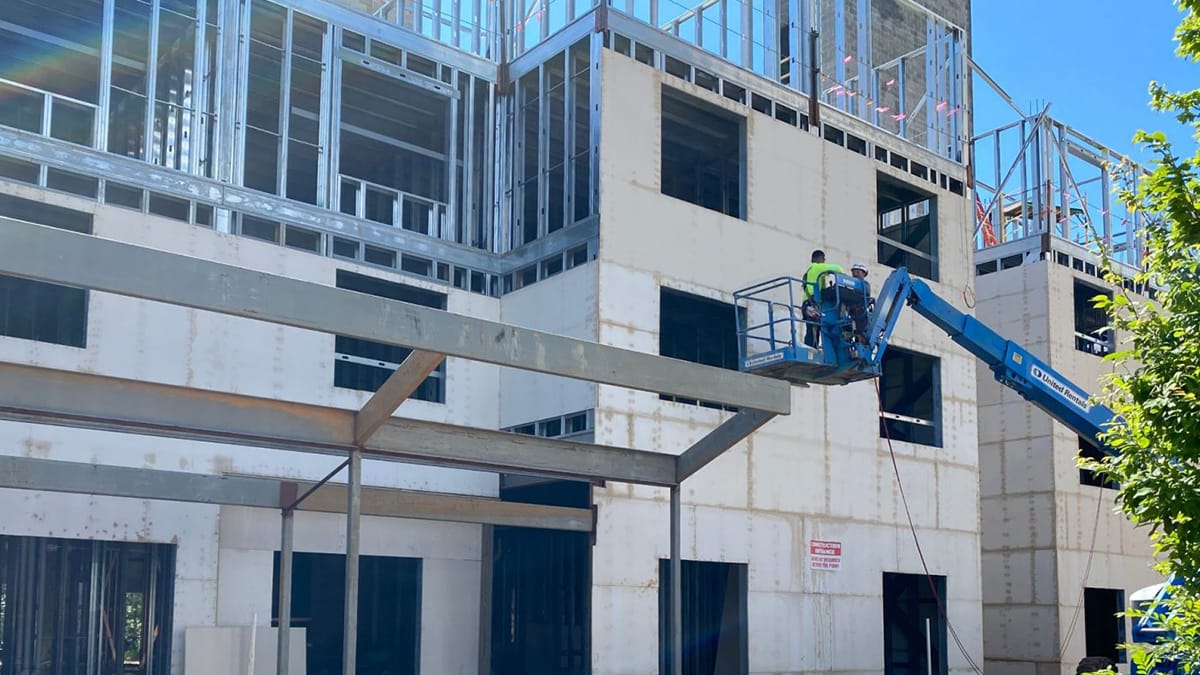
You need the right board for your project. Magnesium sulfate board is good in many places because it does not let water in. It stays strong even when it gets wet. You can use it in houses, offices, and schools. This board helps stop fire and blocks noise. It works well for ceilings, roofs, and walls. People also use it to make furniture look nice.
Here is a table that shows where you can use magnesium sulfate board and what benefits you get:
Application Area | Benefits |
|---|---|
Residential Construction | Lightweight and strong, good for homes and workplaces |
Fire Safety | Blocks fire for up to four hours, protects buildings |
Moisture Resistance | Keeps moisture out, prevents swelling or rust, works for roofs/ceilings |
Sound Insulation | Reduces noise, helps in offices, schools, hospitals |
Furniture Design | Strong and stylish for wall panels and custom furniture |
You should always finish and seal the board. Do not let water touch it directly. Good finishing helps the board last longer and look better.
Tip: Use magnesium sulfate board where you need to stop water, fire, or noise.
Best Uses for Magnesium Chloride Board
Magnesium chloride board can be used inside and outside. You can use it for outside walls, roof decks, and trim. Builders use it for fire walls, strong walls, ceilings, and floors. You see it in houses, schools, and gyms.
You need to know that if the board is not treated, it can soak up water. This can make salt leak out and hurt metal parts. Treated boards do not have these problems. You should use barriers and seal the joints to keep water out.
Here are some good ways to use magnesium chloride board:
Outside walls
Roof decks
Sheathing
Fascias
Soffits
Trim
You can also use magnesium chloride board for:
Fire walls
Strong walls
Ceilings
Tile backerboard
Floors
If you use magnesium chloride board, keep it dry. This stops paint from peeling, mold from growing, and metal from rusting.
Limitation | Description |
|---|---|
Moisture Absorption | |
Corrosion | Chloride ions can rust metal parts and weaken the board |
Cracking and Warping | Changes in weather or poor handling can cause cracks and warping |
Compatibility with Finishes | Some finishes may not stick well, which affects looks and durability |
Note: Always check if the board is treated and finish it right to stop water problems.
Decision Guide
You want to pick the best board for your job. Think about where you will use it and what you need most. Magnesium sulfate board is stronger and lasts longer in wet places. Magnesium chloride board costs less but can break in damp spots. Some builders lost money because magnesium chloride board did not last in wet rooms. Magnesium sulfate board is used more around the world because it stays safe and strong.
Use this checklist to help you choose:
Is your project in a wet or humid area?
Choose magnesium sulfate board.
Do you need strong fire resistance?
Both boards work, but magnesium chloride board can last longer in fire.
Is your budget tight and the area dry?
Magnesium chloride board may be enough.
Do you need sound insulation?
Magnesium sulfate board works better.
Will the board touch water or be in a bathroom, kitchen, or basement?
Pick magnesium sulfate board.
Common mistakes to avoid:
Using untreated magnesium chloride board in wet places.
Not sealing or finishing the boards fully.
Ignoring the need for vapor barriers and sealed joints.
Forgetting to check for compatibility with paints and finishes.
Reminder: Always match the board to your project needs. Good planning helps you avoid problems and saves money.
You can make a smart choice by thinking about water, fire, cost, and how long the board will last. Magnesium sulfate board is best for wet places. Magnesium chloride board is good for dry places and if you want to save money. You get better results when you use each board the right way.
You want to pick the best board for your job. Magnesium sulfate board is good in wet places. It also protects well against fire. Magnesium chloride board costs less and can also stop fire. But it does not last long if it gets wet. This guide helps you choose the right board for your needs.
Always look at fire resistance ratings. Ask an expert if you are not sure.
Use magnesium sulfate board if you need water and fire protection.
Pick magnesium chloride board for dry rooms and if you want to save money.
FAQ
Can you cut and install magnesium sulfate boards like regular drywall?
You can cut magnesium sulfate boards with a utility knife or saw. You install them using screws or nails. Always wear safety glasses and a mask when you work with these boards.
Do magnesium boards give off harmful chemicals?
You do not need to worry about harmful chemicals. Magnesium sulfate and magnesium chloride boards do not release toxic fumes. You can use them safely in homes, schools, and offices.
Which board costs less for a big project?
Magnesium chloride boards usually cost less. You save money at first. Magnesium sulfate boards last longer in wet areas, so you spend less on repairs over time.
How do you keep magnesium boards in good shape?
You should check for water damage often. Clean the boards with a damp cloth. Seal all joints and edges. Good ventilation helps keep the boards dry and strong.
Can you paint or finish magnesium boards?
You can paint or finish both types of boards. Use primers made for magnesium boards. Make sure the surface is dry and clean before you start.