


07 Apr How to Choose the Best Decorative Wood Panels for Your Walls in 2026
Table of Contents
You want your walls to look amazing and feel just right for your space. Choosing decorative wood panels for walls can transform a room, but you need to think about more than just looks. Many people focus on things like durability, easy maintenance, and how the panels fit into their home decor. You might care about using sustainable or reclaimed wood for a greener home. Most homeowners love pre-finished panels since they make cleaning a breeze. If you want a healthy environment, low-VOC finishes are a smart pick.
Key Takeaways
Pick wood panels that fit your home’s style. This could be modern, rustic, or classic. Think about what each room is used for when you pick panels. Some rooms need panels that can handle water. Other rooms just need to look nice. Choose sustainable or reclaimed wood panels. These make your space look better and help the planet. Check how strong the panels are and how much care they need. This helps them stay nice for a long time. Make a budget for the panels and for putting them in. This will help you not spend too much money.
Style and Room Function
Matching Panels to Home Decor
You want your home to show your style. First, think about what look you like. Do you want modern, rustic, or classic? Maybe you care about the environment. Each style works best with certain wood panels.
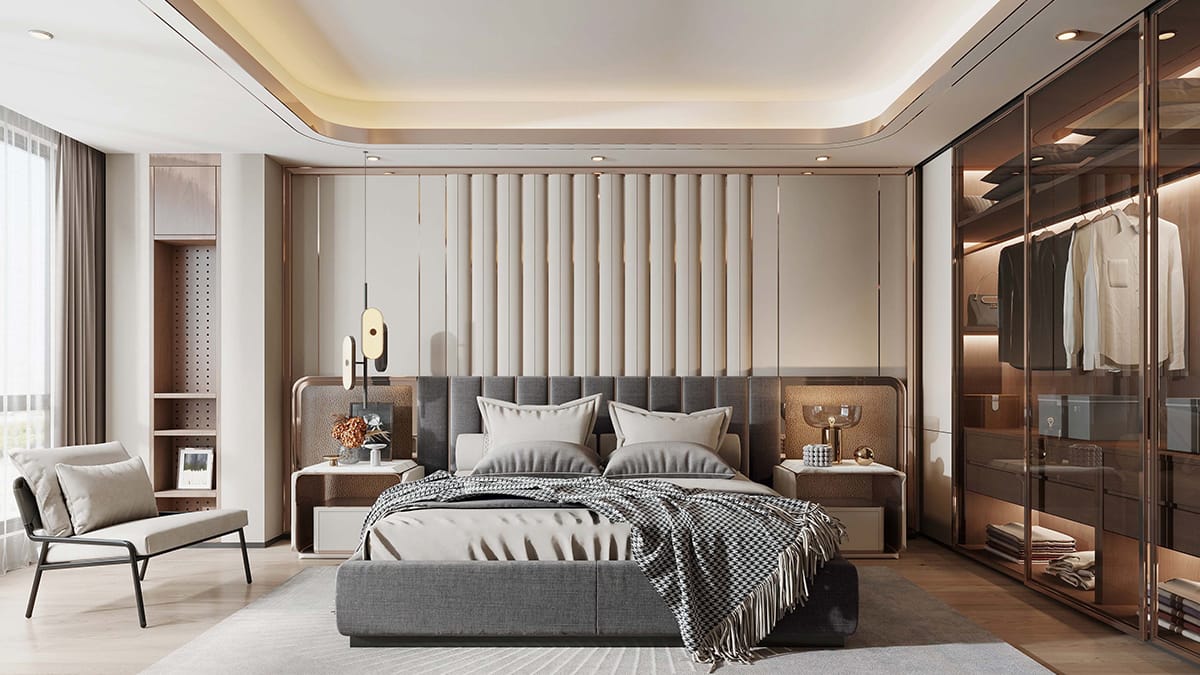
Fluted wall panels are popular because they look different. Their grooves give walls depth and texture. People use them in many places.
Modern panels have straight lines and look smooth. Rustic panels show wood grain and knots. They make rooms feel warm. Classic panels have rich colors and fancy details. Sustainable panels help the planet and add warmth.
Using sustainable wood panels can change a room. They make spaces feel warm and natural. These panels remind us to care for the earth.
Decorative wall panels add texture and warmth. They also make rooms quieter and air cleaner. Wood panels make rooms feel cozy. Painted walls may not do this.
Wood wall panels add texture and warmth to rooms.
Modern styles use straight lines for a clean look.
Rustic styles use natural wood for a cozy feel.
Wood panels help with sound and air quality.
Choosing Panels for Room Function
Pick the right panel for each room. Think about how you use the space. Living rooms and bedrooms need comfort and style. Kitchens and bathrooms need panels that handle water and are easy to clean.
Here’s a quick guide to help you:
Panel Type | Key Features | Applications |
|---|---|---|
PVC Panels | Waterproof, mold-resistant, easy to clean | Bathrooms, showers, laundry rooms |
WPC Panels | Water and bug resistant, looks like wood | Kitchens, balconies, outdoor spaces |
SPC Panels | Waterproof, fire-safe, stone look | Fancy bathrooms, spas, basements |
Match the wood type to your room’s style. Oak feels strong and cozy. It is good for classic homes. Walnut looks rich and fancy. It fits modern rooms. Ash is light and simple. It works in new designs.
Wood Type | Characteristics | Influence on Room Style |
|---|---|---|
Oak | Strong, cozy, old-fashioned | Good for classic homes |
Walnut | Rich, fancy look | Adds luxury to modern rooms |
Ash | Light, simple | Fits new designs |
The right panel makes your room feel perfect. You want your rooms to look nice and work well. Panels make rooms pretty and useful. They last long and are easy to clean.
Wood panels make rooms look good and work well.
They make rooms feel cozy, unlike painted walls.
Wood panels last long and are easy to care for.
Try to keep your design matching. Make sure panels fit the room’s use and your home’s style. Pick finishes that last and look nice. Think about how to install and clean them. Set a budget. Try samples before you buy.
Purpose: Do you want panels for looks or sound?
Environment: Check if the room is wet or hot.
Style and Finish: Make sure the panel matches your home.
Type of Wood: Pick oak or walnut for style and strength.
Finish and Treatment: Choose finishes that last.
Acoustic Properties: Pick panels that help with sound.
Installation Method: See how panels go on the wall.
Maintenance and Durability: Think about cleaning and how long they last.
Budget: Decide how much you want to spend.
Environmental Impact: Pick wood that is good for the earth.
Sample Testing: Try samples to see how they look.
When you pick the right panel for your style and room, your home will feel cozy and look great.
Types of Decorative Wood Panels for Walls
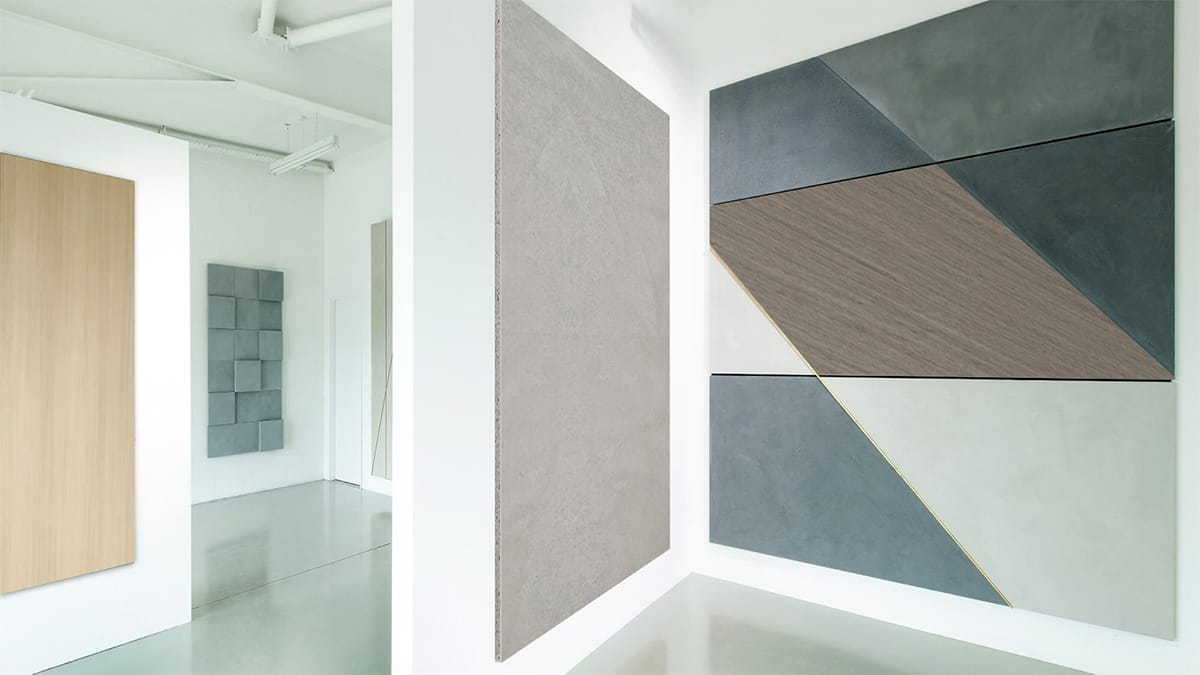 When you start looking at decorative wood panels for walls, you will see many choices. Each type brings its own look, feel, and benefits to your home decor. Some panels feel warm and natural. Others give you a modern or eco-friendly vibe. Let’s break down the main types of wall panelling materials so you can pick what fits your style and needs.
Solid Wood Options
Solid wood panels stand out for their natural beauty and strength. You get real wood, which means every panel has its own grain and color. These panels work well if you want a classic or rustic look in your home decor. You can find them in oak, walnut, ash, and many other species.
Why choose solid wood?
You get versatile design options. There are many colors, finishes, and textures.
Solid wood adds warmth and comfort to any room.
High-quality wood panels last a long time and resist wear.
They help with sound and keep rooms warmer.
You can refinish or repaint them if you want a new look.
Solid wood can increase your home’s value.
Keep in mind:
Solid wood costs more than other types of wall panelling materials.
Wood can react to moisture. It may warp or get damaged in wet rooms.
You need to do some regular maintenance to keep it looking great.
Tip: Use solid wood panels in living rooms or bedrooms where you want a cozy, timeless feel. Avoid using them in bathrooms or kitchens unless you pick a finish that protects against moisture.
Engineered and MDF Panels
Engineered wood and MDF (Medium Density Fiberboard) panels give you a budget-friendly way to get the look of wood. These panels use leftover wood fibers or layers pressed together. They often come with a wood veneer on top, so you still get a wood look.
Type of Wood | Cost Comparison |
|---|---|
Solid Wood | Generally more expensive due to natural sourcing and processing, but can increase in value over time. |
Engineered Wood | More affordable, providing a budget-friendly alternative without compromising functionality or style. |
Engineered panels are smooth and easy to paint or finish. They work well for modern or minimalist styles. MDF panels are popular for decorative wall panel designs because they are easy to cut and shape.
What you should know:
Engineered wood uses leftover materials, so it helps reduce waste.
These panels need fewer trees, which is better for the planet.
Some engineered panels can be recycled.
They may use adhesives that release VOCs, so check for low-VOC options if you care about air quality.
Engineered panels do not last as long as solid wood. You may need to replace them sooner.
Note: Engineered and MDF panels are great for accent walls, hallways, or places where you want a smooth, painted finish. They are not the best choice for wet areas unless they are specially treated.
Reclaimed and Eco-Friendly Choices
If you want your home to be green, reclaimed and eco-friendly panels are a smart pick. These panels use wood that has already served another purpose. You help save trees and give old wood a new life.
Popular eco-friendly options:
Skiplap: Made from salvaged Douglas Fir and Beetle Killed Pine. It comes in many colors and uses a zero-waste design.
Beetle Killed Pine T&G: Crafted from pine trees affected by beetles. It has unique colors and can be unfinished or prefinished.
Reclaimed Distillery Wood: Sourced from old warehouses. It brings history and character to your walls.
What to expect:
Reclaimed wood gives your room a unique look. No two panels are the same.
You help the environment by using less new wood.
Sometimes, reclaimed wood needs extra cleaning or planing before you use it.
Kiln-drying is a good idea. It stops warping and gets rid of bugs.
Eco Tip: Use reclaimed wood for feature walls or entryways. You get a story and a style that stands out.
When you look at all the types of wall panelling materials, you can see how each one changes the look and feel of your space. Solid wood brings warmth and value. Engineered and MDF panels give you style on a budget. Reclaimed and eco-friendly panels help the planet and add character. Think about what matters most to you—style, budget, or sustainability—then pick the decorative wall panel that fits your vision for interior wall paneling.
Durability and Maintenance
Comparing Panel Lifespan
When you pick decorative wood panels for walls, you want them to last. Some panels can stay beautiful for decades, while others may need replacing sooner. The type of wood and how you care for it make a big difference. Here’s a quick look at how long different panels usually last:
Type of Wood Panel | Average Lifespan |
|---|---|
Hardwood | |
Softwood | 10-15 years |
Properly Treated | Upwards of 30 years |
Engineered | 10-15 years |
Solid Wood | Decades |
Solid wood panels often last the longest, especially if you keep them dry and clean. Engineered panels give you a good look for less money, but they may not last as long. If you want your home decor to stay fresh for years, choose panels that match your lifestyle and room needs.
Maintenance and Cleaning Tips
You can keep your interior wall paneling looking great with simple care. Solid wood needs a little more attention than engineered panels, but both types are easy to manage if you follow a few steps.
Dust your panels every week with a soft, dry microfiber cloth. This keeps dust from building up.
For deeper cleaning, use a vacuum with a soft brush. This helps avoid scratches.
Wipe sticky spots with a damp cloth and a mild wood cleaner. Don’t use too much water.
Keep your panels away from direct sunlight and high humidity. This helps prevent warping and fading.
Solid wood panels can be sanded and refinished if they get scratched. Engineered panels have a thin top layer, so you can’t refinish them as often.
Always avoid harsh chemicals and rough sponges.
Tip: Manage the humidity in your home to help your panels last longer. A small dehumidifier can make a big difference.
With the right care, your decorative wood panels for walls will stay beautiful and strong. Good durability and maintenance mean you enjoy your home decor for many years.
Color, Finish, and Installation
Selecting Colors and Textures
Choosing the right color and finish for your wood panels can change the whole mood of your room. You might want a light, natural look for a fresh feel, or maybe you prefer deep, rich tones for a cozy vibe. Think about how the color and finish will match your home decor. Some finishes make cleaning easier, while others add texture and interest.
Kitchens look great with smooth finishes. These are easy to wipe clean after cooking.
Bathrooms need finishes that handle moisture. Lightly textured surfaces protect wood and still look stylish.
Outdoor spaces need tough textures. These finishes keep their look even after rain or sun.
Tip: If you want your panels to last, pick a color and finish that fits the room’s needs. Some brands, like James Hardie, offer many textures and finishes that boost both style and durability.
Textures can also help with maintenance. Smooth panels are simple to clean. Textured panels hide fingerprints and small marks. When you choose the right color and finish, your interior wall paneling will look great and stay strong.
Installation Methods and Costs
You have a few installation methods to pick from. Each one has its own cost, look, and level of difficulty. Some methods work better in certain rooms or with certain panel types.
Panel Type | Installation Method | Approximate Cost (per sq. ft) | Durability | Ideal Room |
|---|---|---|---|---|
Shiplap | Nail or Screw | $2.50 | High | Living Room |
Tongue and Groove | Nailed or Glued | $3.00 | Very High | Bedroom |
Plywood Panels | Screw | $1.50 | Medium | Home Office |
Reclaimed Wood | Screw or Glue | $4.00 | High | Dining Room |
Wood Veneer | Adhesive | $2.00 | Low | Hallway |
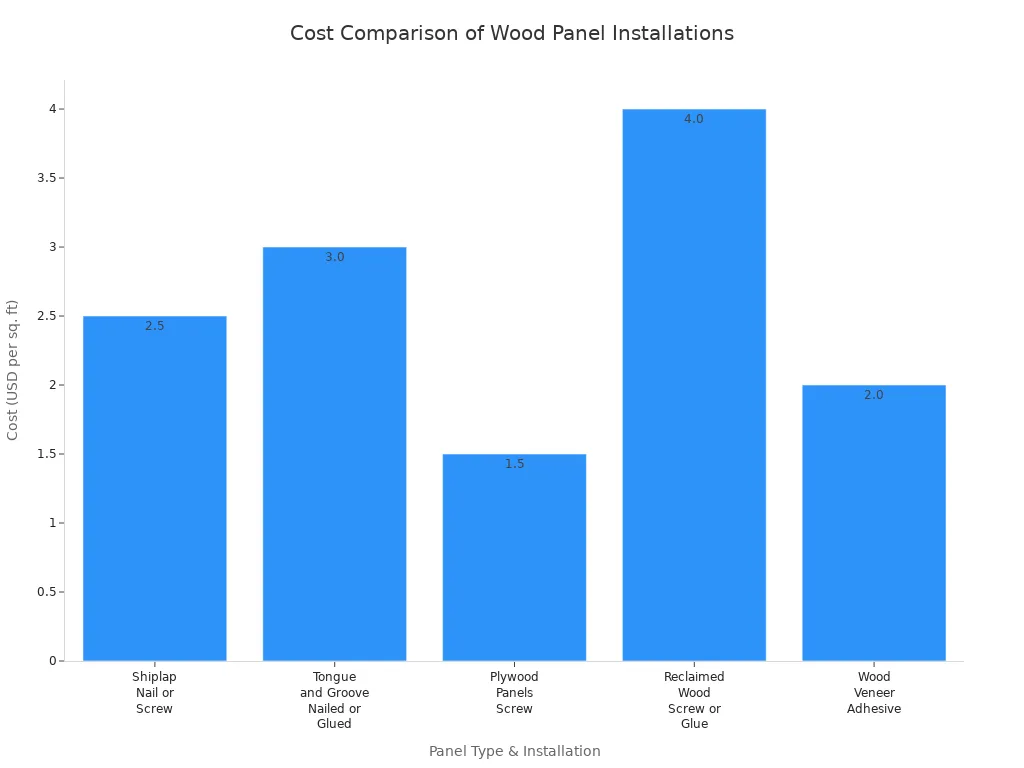
You can save money by installing panels yourself. For example, MDF or HDF panels cost about $3–$8 per square foot if you do it yourself. If you hire a pro, the price goes up to $6–$10 per square foot. High-quality wooden panels can cost $20 to $70 per square foot. Most people spend about $3 to $8 per square foot for installation.
When you look at installation methods, think about your budget and your skills. Some panels need glue, while others use nails or screws. Peel-and-stick panels are easy for beginners. More complex methods, like tongue and groove, may need a pro. Pick the method that fits your room and your budget.
Room Suitability and Budget
Best Panels for Each Room
Every room in your house is different. Some rooms get used a lot. Hallways and living rooms see many people walk by. These places need strong panels. Some panels can hide scratches and still look nice. Here is a table to help you pick the best panel for busy rooms:
Wood Panel Type | Key Features | Best Applications in High-Traffic Areas |
|---|---|---|
Shiplap | Horizontal boards with gaps, adds dimension, hides imperfections | Feature walls in living rooms, hallways |
Beadboard | Narrow vertical boards with grooves, adds texture, easy to clean | Wainscoting in entryways, mudrooms |
Board and Batten | Wide boards with narrow strips, durable, hides minor damage | Feature walls in living rooms, entryways |
Tongue and Groove | Interlocking panels, seamless surface, reduces noise | Ceilings in living rooms, bedrooms |
Raised and Flat Panels | Offers depth and richness, long-lasting finishes | Formal dining rooms, entry halls |
Slatted and Acoustic | Vertical/horizontal slats, sound management | Media rooms, modern living spaces |
Reclaimed and Rustic | Unique textures, eco-conscious, hides wear | Accent walls in living rooms, home bars |
Bathrooms and kitchens have more water in the air. These rooms need panels that do not get ruined by water. Wood can soak up water and change shape. This can make panels swell or shrink. Moisture-resistant panels help stop mold and keep walls strong.
Tip: Always check if the room is wet or dry before picking a panel. This helps you stop problems like warping or mold.
Setting a Realistic Budget
You want your home to look nice, but you also need to save money. Decorative wood panels cost between $2 and $25 for each square foot. Putting the panels up can cost as much as the panels themselves. If you pick solid wood like oak or cherry, it looks fancy and lasts long, but costs more. Softer woods like pine are cheaper and still look good.
Engineered wood panels are a smart choice. They cost about one-third less than solid wood. You still get a nice look. Natural finishes are less expensive than shiny ones. Eco-friendly panels help the earth and can save you money.
Decide how much you want to spend.
Measure your walls to know the cost.
Compare prices for panels and installation.
Think about how panels can add value to your home.
Note: Planning for installation costs helps you avoid extra charges. Pick the right panel for each room to get style and save money.
You can find the right wall panel for your home decor by following a few simple steps:
Decide on your style and pick panels that match your taste.
Choose the best material for your needs.
Check durability and maintenance.
Select colors and finishes that fit your space.
Compare installation methods and costs.
Try using a checklist to compare options. Ask a designer for advice or request sample panels. This helps you make smart choices. Start your project today and enjoy beautiful decorative wood panels for walls.
FAQ
What is the best way to clean wood wall panels?
Use a soft, dry cloth for dusting. For sticky spots, try a damp cloth with mild soap. Avoid harsh cleaners. Keep panels dry to prevent damage.
Can I install wood panels myself?
Yes, you can! Many panels come with easy instructions. Peel-and-stick panels work well for beginners. If you want a complex design, you might want to hire a pro.
Are wood panels safe for bathrooms?
Some wood panels work in bathrooms if they have a water-resistant finish. Look for panels labeled for wet areas. Always check the manufacturer’s advice before installing.
How do I pick the right color for my room?
Think about your room’s light and style. Light colors make rooms feel bigger. Dark tones add warmth. Try sample panels on your wall to see what looks best.
Do wood panels help with sound?
Yes! Wood panels can reduce noise and make rooms quieter. Acoustic panels work best if you want to block sound between rooms.