


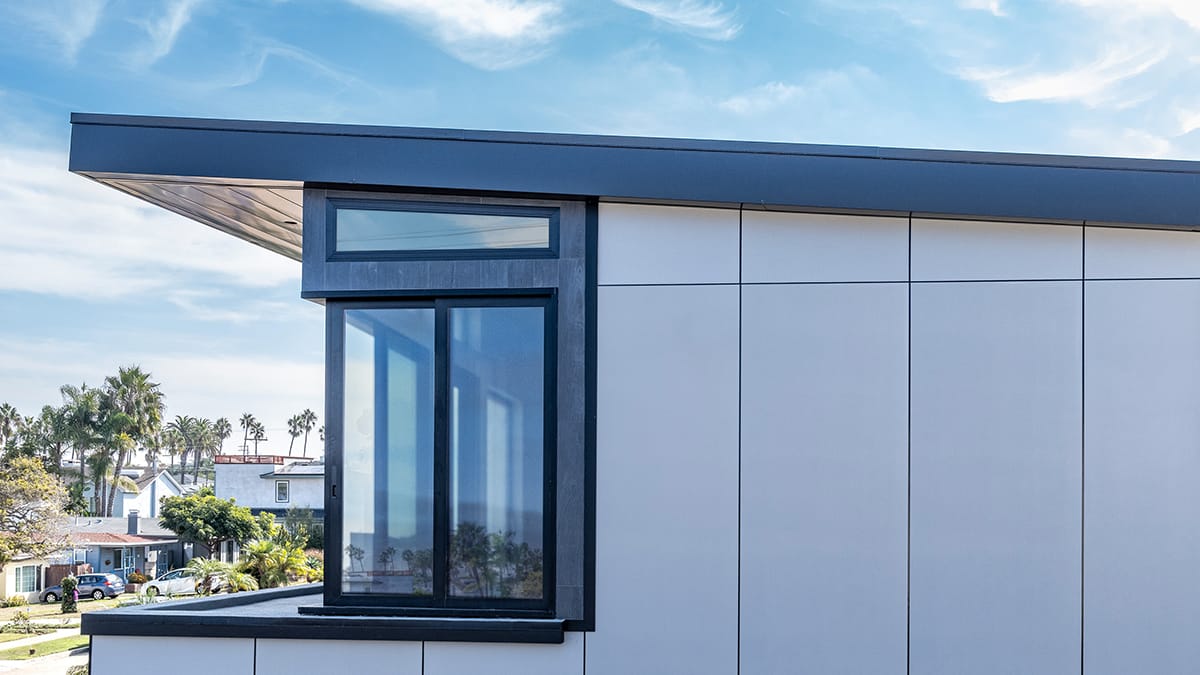
07 Oct What Are the Top Alternatives to Cement Board Siding for Homes
If you are looking for a cement board siding alternative for your house, you have many choices. Some popular siding options include vinyl, wood, engineered wood, metal, composite, and MgO Board Siding. Many people opt for vinyl and fiber cement because they are cost-effective and versatile. Fiber materials are becoming increasingly popular as they mimic the appearance of wood and are easier to maintain. If you are environmentally conscious, some options utilize cellulose fibers, which help prevent water and pest issues. Check out the table below to see how some cement board siding alternatives compare:
Material | Durability | Maintenance | Cost | Appearance |
|---|---|---|---|---|
Vinyl | Low to Moderate | Low | Most budget-friendly | Synthetic look |
Engineered Wood | Moderate | Moderate | Moderate | Natural appearance |
Fiber Cement | High | Moderate to High | Higher | Textured, natural |
Considering the benefits of various cement board siding alternatives can assist you in selecting the best option for your home’s aesthetic and requirements.
Key Takeaways
Look at different siding choices like vinyl, wood, engineered wood, metal, composite, and MgO board. This helps you pick what works best for your house. Think about how long each one lasts and how much work it needs. Vinyl is simple to keep clean. Engineered wood looks real but does not need much care. Check the prices closely. Some siding costs less at first but might need fixing or replacing sooner. Pick siding that fits your weather. Water-resistant siding is good for rainy places. UV-resistant siding is better for sunny spots. Think about what style you like. Using more than one material and picking popular colors can make your house look nicer and worth more.
Cement Board Siding Alternatives
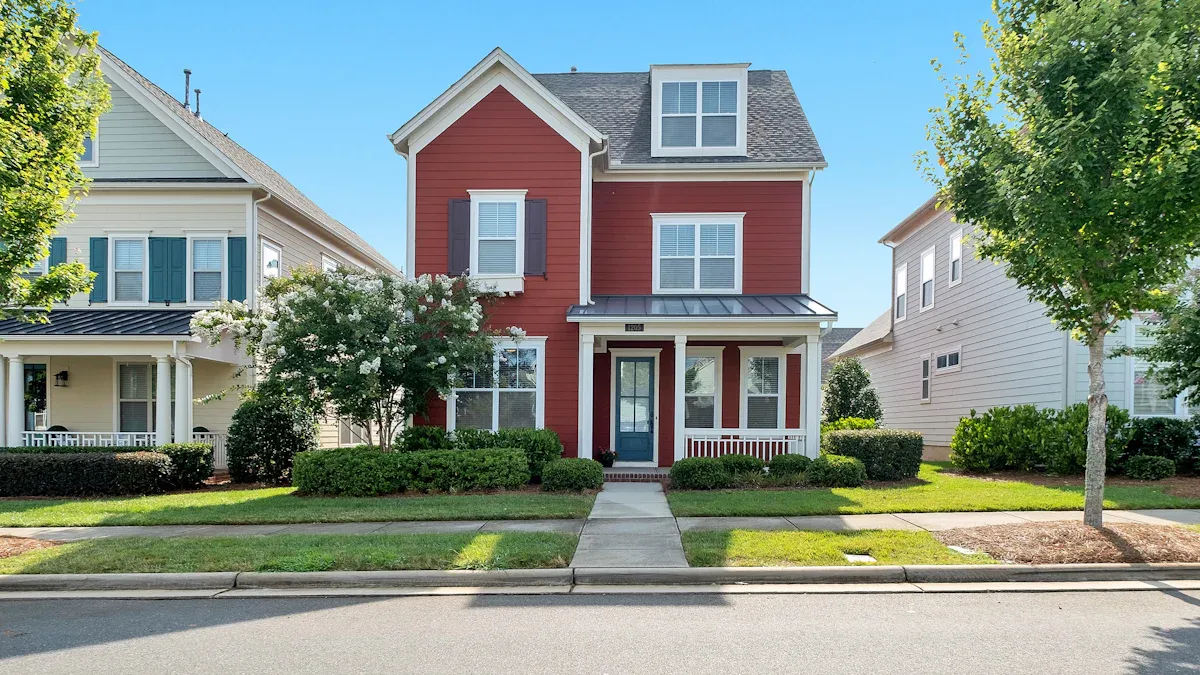
When you look for cement board siding alternatives, you will see many choices. Each choice has its own good and bad points. Let’s look at the most popular options so you can pick what works for your home.
Vinyl Siding
Vinyl siding is a common choice for homes. People like it because it is cheap and easy to put up. Here are some things to know:
Vinyl siding costs less than fiber cement siding. It usually costs $2.90 to $8.50 per square foot.
It lasts about 30 to 40 years. With good care, it can last longer.
You do not need to paint it. Cleaning is easy with a hose or pressure washer.
Vinyl siding can crack or tear in bad weather. It may look plastic-like when you get close.
It is not as eco-friendly as fiber cement siding. Making vinyl siding releases VOCs.
Tip: Vinyl siding is good if you want something cheap and easy to take care of. Clean it often to stop mold and mildew.
Wood Siding
Wood siding gives homes a classic, natural look. Many people like how it looks and that you can paint or stain it any color.
Wood siding looks natural and is easy to change.
It is good for the environment and saves energy.
You need to take care of it often. This stops decay, bugs, and water problems.
Keeping wood siding nice can cost a lot over time.
Some wood types resist fire, but wood siding can still burn easier than fiber cement backer board.
If you want a warm, old-fashioned look and do not mind taking care of it, wood siding is a good pick.
Engineered Wood Siding
Engineered wood siding is a newer choice. It looks like real wood but lasts longer. LP SmartSide is a well-known brand.
Feature | Engineered Wood Siding | Traditional Wood Siding |
|---|---|---|
Composition | Made from treated wood strands and glue. It is stronger than regular wood. | Usually made from cedar or redwood. These can rot more easily. |
Maintenance | Comes pre-primed. It needs less painting. | Needs painting or staining often to stop rot and warping. |
Termite Resistance | Treated with zinc borate to stop termites. | Can get termites if not watched closely. |
Pricing | Costs less to buy and keep up. | Costs more to put in and keep nice. |
Engineered wood siding is getting more popular. More people will use it soon. You get wood’s look with less work and better protection from bugs.
Metal Siding
 Metal siding is another strong choice. You see it on modern homes and in places with tough weather.
Siding Type | Durability and Weather Resistance |
|---|---|
Metal Siding | Very strong. It can handle heavy rain, snow, and wind. |
Cement Board | Strong but can soak up water. It does not rot or get bugs, but needs care. |
Metal siding costs more at first. It is usually $3 to $15 per square foot.
It lasts over 40 years and needs little care.
You save money later because you do not fix or replace it much.
Metal siding does not burn, get bugs, or soak up water. It is safe and strong.
If you want a modern style and do not mind paying more at first, metal siding is a good choice.
Composite Siding
Composite siding is a newer option. It mixes wood fibers and resins. It looks like wood but lasts longer.
Benefit | Composite Siding | Fiber Cement Siding |
|---|---|---|
Water Resistance | Does not soak up water. It does not swell or crack. | Soaks up water. It can swell or crack if not cared for. |
Maintenance | Needs only simple cleaning. | May need new paint sometimes. |
Installation | Light and easy to put up. | Heavy and harder to install. |
Aesthetic Options | Not many factory colors. | More choices for looks. |
Composite siding does not soak up water. You do not worry about swelling or cracking.
It is light, so putting it up is fast and easy.
You get wood’s look with less work and better protection from bugs and rot.
Composite siding keeps your home warm or cool all year.
If you want siding that looks like wood but is easier to care for, composite siding is a smart choice.
MgO Board Siding
MgO board siding is one of the newest choices. It stands out because it does not burn and resists water.
MgO boards do not burn. They are safe for places with fires.
They do not soak up water or get mold. They stay strong even when wet.
MgO board siding costs $1.50 to $2.50 per square foot. It is not expensive.
You do not need to seal it as much as fiber cement backer board. It does not swell or crack after rain.
If you want siding that is safe, does not soak up water, and is cheap, MgO board siding is a good pick.
Note: Other choices include fiber cement backer board, foam boards, and glass mat gypsum boards. These have special benefits like better insulation or fire safety.
Looking at these siding choices gives you more ways to make your home look nice, safe, and valuable. Picking the right one can save you time, money, and worry later.
Top Cement Board Alternatives for 2025

Durability
If you want siding that lasts, you have choices. Fiber cement siding is strong in wet places. It does not swell or crack after rain. MgO board keeps its shape and does not get mold. Engineered wood siding lasts a long time but needs more care. Metal siding can handle storms and does not burn. Stone veneer and brick last the longest, sometimes over 50 years.
Siding Material | Lifespan (Years) | Water Resistance | Mold Resistance | Fire Resistance |
|---|---|---|---|---|
Fiber Cement | 30–50 | Excellent | Excellent | Good |
MgO Board | 30–50 | Excellent | Excellent | Excellent |
Engineered Wood | 20–40 | Good | Good | Moderate |
Metal | 20–40 | Excellent | Excellent | Excellent |
Stone Veneer | 50–100+ | Excellent | Excellent | Excellent |
Maintenance
Most people want siding that is easy to care for. Fiber cement and MgO board need little work. You just wash them sometimes. Metal siding is easy to clean and does not need paint. Engineered wood siding needs more care. You must check for rot and repaint it. Vinyl is easy to keep up but can crack in cold weather.
Tip: New siding materials last longer and need less fixing. This saves you time and money.
Cost
Cost is important when picking siding. Some choices cost more at first but save money later. Fiber cement siding costs about $7–$18 per square foot. MgO board is cheaper, around $1.50–$2.50 per square foot. Engineered wood siding is affordable, usually $1–$6 per square foot. Stone veneer and brick cost the most but last the longest.

Appearance
You want your house to look nice. The best cement board alternatives for 2025 have many styles. Fiber cement siding comes in bright colors and wood-look finishes. People like the look of wood without extra work. Stone veneer and dark colors are popular now. They make homes look modern and strong. Mixed materials and vertical siding are also trendy. These let you show your style.
People say siding changes how a house looks and sells.
Good siding makes your home look better and worth more.
Color and texture help make a good first impression.
In 2025, you will see more bright colors, cool mixes, and fire-safe siding choices.
How to Choose the Right Cement Board Alternative
Choosing the best siding for your home can feel tricky, but you can make it simple by focusing on three things: climate, budget, and style. Let’s break down how to choose the right cement board alternative for your needs.
Climate
Your local weather plays a big part in picking siding alternatives. Some materials work better in wet or stormy places, while others shine in dry or sunny spots. Here’s a quick guide to help you match materials to your climate:
Factor | Description |
|---|---|
Great for rainy areas. Foam boards and DensShield keep water out. | |
Weight & Installation | Foam boards are light and easy for DIY. Heavier options last longer but need more work. |
Durability & Longevity | Pick materials that fight cracking and mold, especially if your area gets lots of storms. |
Application Area | Wet zones need water-resistant boards. Dry places can use plywood or engineered wood siding. |
Exterior Applications | Allura fiber cement and foam boards stand up to harsh weather. |
Vinyl siding stands up to wind and flying debris.
Many modern options block UV rays, so your siding won’t fade or crack in the sun.
Good siding keeps water out, which helps stop mold and rot.
Tip: If you live where hurricanes or snowstorms hit, look for siding that resists high winds and heavy rain.
Budget
You want your home to look great without breaking the bank. When you compare cement board alternatives, check both the price and how long each one lasts. Here’s a quick look at popular choices:
Siding Type | Pros | Cons | |
|---|---|---|---|
Vinyl Siding | $4.50 to $8.20 | Cheap, easy to clean, many styles | May need replacing sooner |
Fiber Cement Siding | $4.70 to $8.50 | Tough, low upkeep | Can get mold if not cared for |
Engineered Wood Siding | $4 to $9 | Custom looks, low maintenance | Needs paint, can get moisture damage |
Metal Siding | $4 to $8 | Strong, easy to clean | Can dent |
Stucco Siding | $6 to $9 | Good insulation, affordable | Harder to install |

Financing and rebates can help lower your costs.
Some states offer grants or tax credits for energy-saving siding.
Style Preferences
You want your home to match your taste. In 2025, homeowners love mixing materials like wood, brick, and metal for a layered look. Wide-plank clapboard and cedar-like shingles are trending. Warm wood tones are also popular, replacing older styles.
Try mixing brick with wood or metal for a modern touch.
Wide planks and v-groove profiles add depth and interest.
Choose colors and textures that make your home stand out.
Remember, the right cement board siding alternative should fit your climate, budget, and style. Take your time, compare the alternatives, and pick what feels right for you!
You have many great alternatives to cement board siding. Each one has its own style, cost, and care needs. When you pick the best fit, think about how long it lasts, how much work it takes, and how it looks. Here are some steps to help you choose:
Look at your needs and possible upgrades.
Check your climate zone.
Learn about different alternatives.
Set your budget.
Talk to an expert.
Ask for samples.
Review the warranty.
Take your time and pick the siding that makes your home look and feel just right.
FAQ
What is the easiest siding to maintain?
Vinyl siding is the easiest to keep clean. You just need a hose or pressure washer. You do not have to paint it. Most people find it simple to care for.
Can you install siding yourself?
You can install some siding types yourself. Vinyl and engineered wood work best for DIY. Heavy materials like fiber cement or stone need professional help.
Which siding lasts the longest?
Stone veneer and brick siding last the longest. These options can stay strong for over 50 years. Metal and fiber cement also offer great durability.
Are there eco-friendly siding alternatives?
Yes! You can choose engineered wood, MgO board, or composite siding. These alternatives use recycled materials and help reduce waste.
How do I pick the right siding for my climate?
Check your local weather. If you get lots of rain, pick water-resistant siding like fiber cement or MgO board. For sunny places, look for UV-resistant options.