


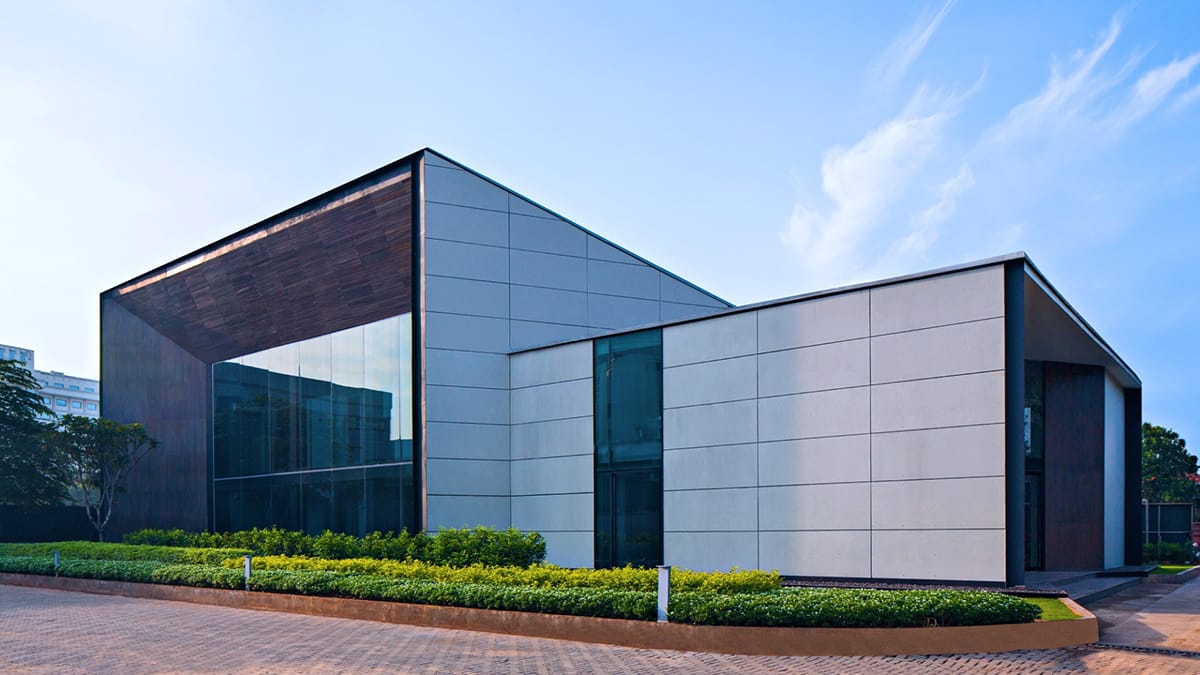
18 Jan Magnesium Sulfate Sheathing vs OSB and Plywood for Modern Wall Construction
You may ask if magnesium sulfate sheathing is better than osb and plywood for new walls. Magnesium sulfate sheathing is very strong and lasts a long time. It also protects better against fire. Builders like it because it keeps out water. The price is not the same as other choices. Magnesium sulfate sheathing affects the environment in special ways. When you put it in, it is helpful in many ways. You want the best choice, and magnesium sulfate sheathing has many good points.
Key Takeaways
Magnesium sulfate sheathing is very good at stopping fire and water. This makes it a safe choice for building walls.
This material lasts longer than OSB and plywood. It needs fewer repairs and saves money over time.
Using magnesium sulfate sheathing helps meet tough environmental rules. It is good for the earth and can be recycled.
You need to be careful when you install it. Use rust-proof screws and leave small gaps so it can expand. This helps you get the best results.
Think about using magnesium sulfate sheathing in places with lots of fires or wet weather. It is strong and keeps people safe in these areas.
Magnesium Sulfate Sheathing and Other Materials
What is Magnesium Sulfate Sheathing
Magnesium sulfate sheathing is used in many new buildings. This panel is made with different materials to make strong walls. It has magnesium oxide, magnesium sulfate, wood dust, perlite, and glass fiber mesh. People mix magnesium oxide and magnesium sulfate with water to make a thick paste. They add wood dust and perlite next. Glass fiber mesh goes into the mix. Workers pour the mixture into molds and press it flat. The boards dry in special rooms. These mgo sheathing boards stop fire, water, and mold. Magnesium oxide sheathing lasts longer than most other panels. Builders pick magnesium oxide boards because they are strong and safe.
Magnesium oxide sheathing gives you:
Very good fire protection
Does not soak up much water
Stops mold from growing
Stays strong for a long time
What is OSB
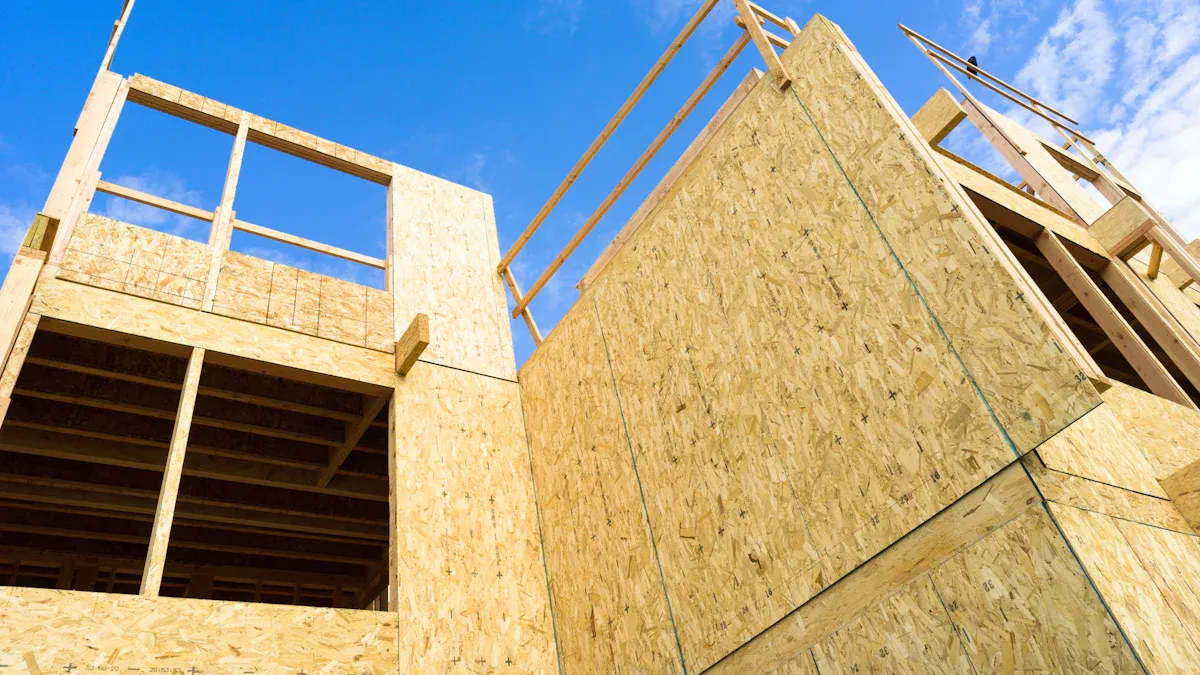
OSB is used a lot in building walls. OSB means Oriented Strand Board. This panel is made from wood strands glued together with resin. The strands are placed in certain ways to make it strong. OSB works for walls, floors, and roofs. You can see how OSB is used in the table below:
Application Type | Description |
|---|---|
Wall Sheathing | Holds up the walls |
Floor Underlayment | Is the bottom layer for floors |
Roof Cover | Makes a tough roof surface |
I-Joist | Used to make strong beams |
Furniture | Used to build furniture |
Trailer Liners | Makes trailer walls stronger |
Recreational Vehicle Floors | Used in RV floors for strength and water protection |
OSB is cheap and works well as a sheathing panel. It can hold heavy things and does not get ruined by water easily. Builders use OSB for many parts of buildings.
What is Plywood
Plywood is a sheathing panel you may know. Plywood is made from thin wood layers glued together. Each layer’s grain goes in a different direction. This keeps plywood from bending or twisting. Plywood’s layers make it strong. The grains going different ways help stop splitting and give even strength. Plywood is strong but not heavy. Builders use plywood for walls, floors, and roofs.
Tip: Plywood is good when you need exact sizes and strong support.
Unique Properties of Magnesium Sulfate Sheathing
Magnesium oxide boards are special because they stop fire and water. These mgo sheathing boards last longer in hard places. Magnesium oxide sheathing does not bend or rot like wood panels. You can use magnesium oxide boards where it is wet or there is a fire risk. Builders pick mgo sheathing boards for safety and strength. This panel helps keep walls safe in new buildings.
Durability and Strength of MgO Sheathing Boards
 Structural Performance
 Structural Performance
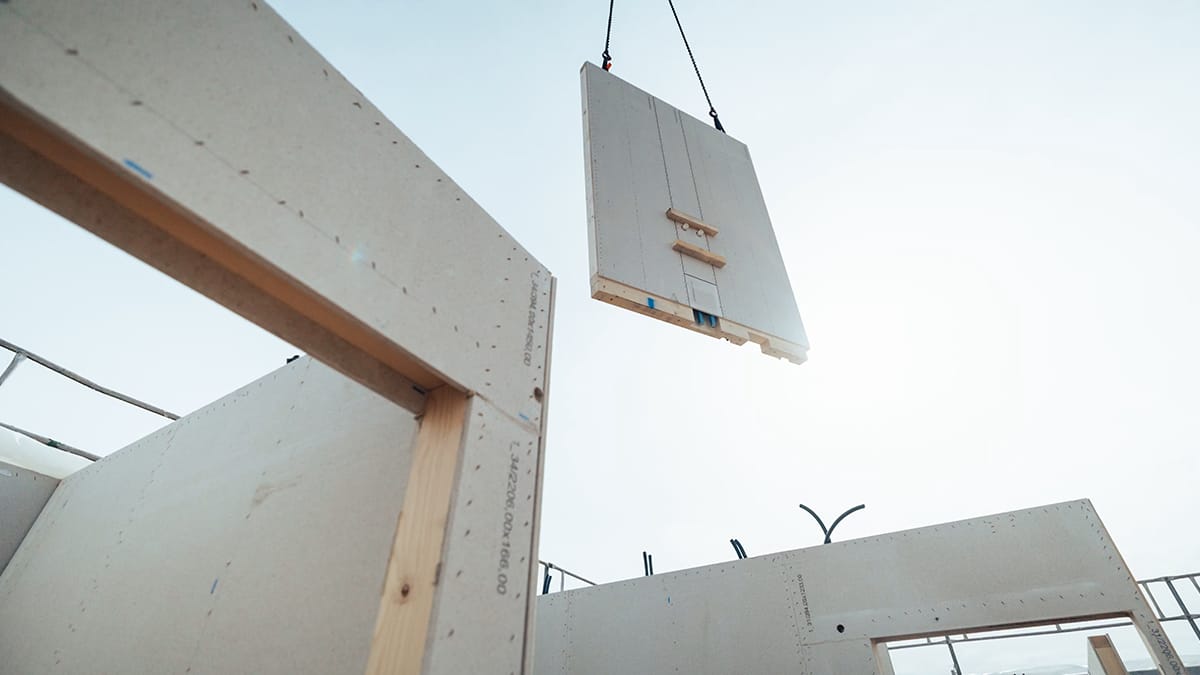
You want walls that stay strong for a long time. Magnesium oxide sheathing is tough and lasts many years. These boards are stronger than wood panels in many ways. They do not lose their shape or strength when wet or under heavy things.
Here is a table that compares magnesium oxide sheathing to other panels:
Material | Flexural Strength (MPa) | Edgewise Compression (kN) |
|---|---|---|
MgO Panels | > 14 | 127 |
OSB | N/A | N/A |
Plywood | N/A | N/A |
Magnesium oxide boards keep a flexural strength above 14 MPa, even when wet. You can count on these boards in hard situations. OSB and plywood are not as strong, especially if they get wet.
You might wonder how these panels handle hits and heavy weight. Look at this table:
Material | Impact Resistance | Load-Bearing Performance |
|---|---|---|
Magnesium Oxide Boards | High mechanical strength, suitable for heavy loads | |
OSB | Moderate, may suffer from moisture damage | Strong strength-to-weight ratio, but less durable under moisture |
Plywood | Excellent, resists warping and splitting | High structural integrity, reliable in load-bearing applications |
Magnesium oxide sheathing is very strong and does not wear out fast. These boards work well in busy places or where people walk a lot. Plywood does not bend or split easily, so it is good for holding up weight. OSB is strong for its weight, but water can make it weaker.
Note: Mgo sheathing boards keep their flexural strength after many wet and dry cycles. OSB loses about 40% of its strength, and plywood loses about 9%. Magnesium oxide boards almost do not change.
Longevity and Real-World Use
You want your walls to last a long time. Magnesium oxide sheathing stays strong for many years. These boards do not let in water, fire, or bugs. You do not have to worry about mold or swelling. Magnesium oxide boards keep their shape and strength in tough weather. People use them in places with lots of rain, snow, or heat.
Here are some facts about real-world uses of mgo boards:
Magnesium oxide panels do not soak up water. This stops mold and keeps the air clean inside.
Mgo sheathing boards work well in very hot or cold weather. You do not see cracks, bending, or swelling.
Builders use magnesium oxide sheathing in schools, hospitals, and homes. These places need strong walls that last a long time.
Magnesium oxide boards stay strong and tough over the years. You can feel safe knowing your walls will not break.
You can see that magnesium oxide sheathing works in many kinds of weather. These boards keep their strength in storms or when it is very wet. Real-world use shows that mgo boards stay safe and strong for many years.
Tip: If you want a panel that lasts and keeps your building safe, magnesium oxide sheathing is a smart pick.
Fire Resistance of Magnesium Oxide Sheathing
Fire Ratings
It is important for your building to be safe in a fire. Magnesium oxide sheathing gives very good fire resistance. This panel does not catch fire or make a fire worse. You can count on magnesium oxide boards to protect walls and keep people safe. Many builders pick magnesium oxide sheathing because it helps with fire safety.
In Europe, magnesium oxide boards have an A1 non-combustible rating. This means they do not burn at all.
Fire-resistant magnesium oxide boards must pass hard tests like ASTM E84, ASTM E119, and EN 13501-1+A1:2010 before you can use them as fire-rated panels.
OSB panels get special chemicals to help with fire resistance, but they are not as good as magnesium oxide sheathing.
Fire-rated OSB panels slow down fire, but they still burn after a while.
You can see that magnesium oxide sheathing is best for fire resistance. This material stays strong even in very hot fires. Plywood and OSB do not have the same fire resistance as magnesium oxide boards. If you want better fire safety, magnesium oxide sheathing is a smart pick.
Safety and Building Codes
You must follow building codes for fire safety. Magnesium oxide sheathing helps you meet these rules. Many codes allow magnesium oxide boards because they resist fire well. You can use these fire-rated panels in wood or steel buildings.
MgO panels must pass the same fire tests and rules as other building products. This lets MgO panels be used in both regular and special fire-rated walls inside and outside.
Magnesium oxide sheathing gives better fire safety and helps you pass checks. You can use magnesium oxide boards in schools, hospitals, and homes. These panels protect people and buildings. You also get strong walls and peace of mind. When you choose magnesium oxide sheathing, you get high fire resistance and safety for a long time.
Moisture Resistance of Magnesium Sulfate Sheathing
Water Absorption
 Water Absorption
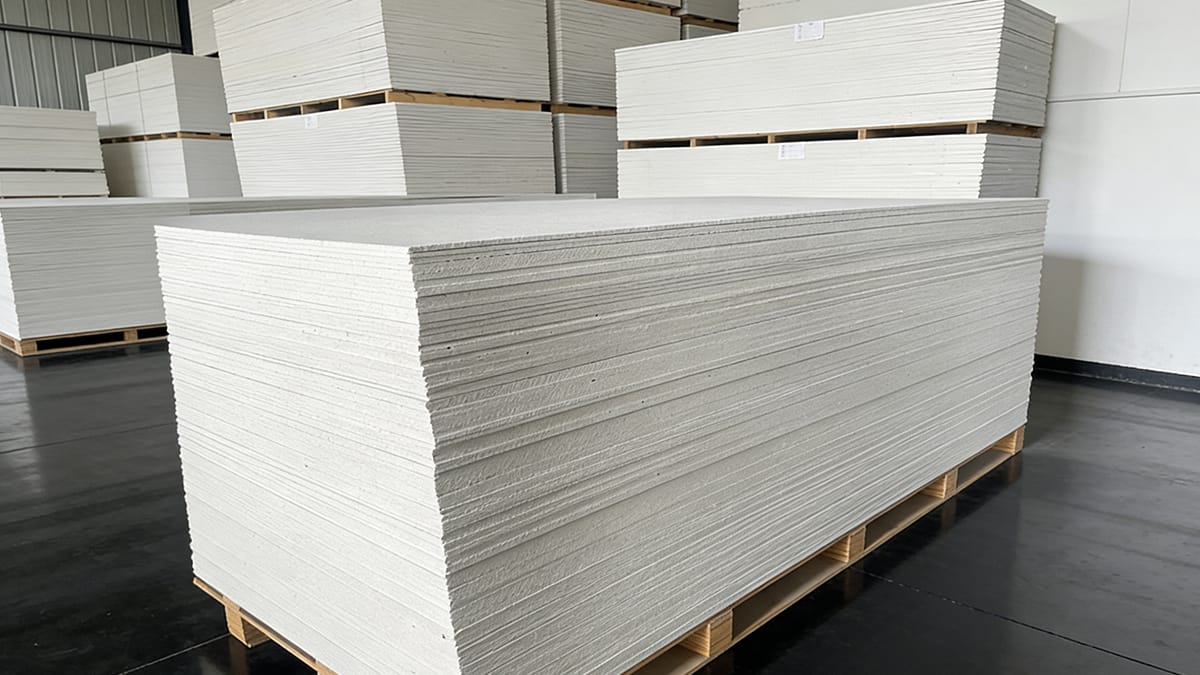
You want your walls to stay dry and strong. It is important to pick a panel that keeps out water. Magnesium oxide sheathing protects better from water than wood panels. Less water gets into magnesium oxide boards. Tests show magnesium oxide sheathing only takes in 4% to 11% water at 75% humidity. This small amount helps keep walls safe and dry. Plywood soaks up more water, so it can swell and get weak. OSB also takes in water, which can cause problems later.
Magnesium oxide boards do not change shape when wet.
Plywood and OSB can swell and get soft if they get too wet.
Magnesium oxide sheathing helps stop damage from leaks or rain.
Tip: If you build where it rains a lot or is humid, magnesium oxide sheathing is better for keeping out water and lasting longer.
Mold and Humidity Performance
Stopping mold is important for healthy buildings. You want a panel that does not let mold grow. Magnesium oxide sheathing stops water and mold very well. These panels do not let mold grow, even in damp rooms. You can use magnesium oxide boards in bathrooms, kitchens, or basements. OSB and plywood do not keep out water as well. When these wood panels get wet, they can swell and break down. Mold can grow on them and make people sick.
Magnesium oxide boards work well in rooms with lots of moisture.
You see less mold and fewer problems with magnesium oxide sheathing.
OSB and plywood need extra care to stop mold and stay strong.
Note: Magnesium oxide sheathing helps keep your building safe and clean. You get good water protection and walls that last a long time.
Magnesium oxide sheathing keeps out water better than OSB and plywood. Your building is safer from water and mold. You also get stronger walls and a safer place for everyone.
Cost and Availability
Material Costs
When you look at panel prices, you see big changes. OSB and plywood are popular because they cost less. Many people use them for building. You can see the average prices in this table:
Material | Cost per Sheet | Cost per Square Foot (approx.) |
|---|---|---|
OSB | $10 – $25 | $0.33 – $0.83 |
Plywood | $16 – $24 | $0.50 – $0.75 |
Magnesium Oxide | N/A | N/A |
OSB and plywood help you save money when building walls. Magnesium oxide sheathing costs more at first. You might not see a set price for magnesium oxide boards in every store. Even though magnesium oxide sheathing is more expensive, it saves money later. These panels last longer and need fewer repairs. You do not have to worry about mold or water hurting your walls. Magnesium oxide sheathing can also lower insurance costs because it does not burn easily. You spend less on heating and cooling because magnesium oxide boards help keep rooms warm or cool.
Tip: If you want a panel that saves money over time, magnesium oxide sheathing is a good choice.
Supply and Regional Access
You can buy osb and plywood in most stores in North America. These panels are easy to find and ship. Magnesium oxide sheathing is not in every store, but you see it more in places with strict building rules. In Asia Pacific, magnesium oxide boards are popular because cities are growing fast. Builders in Europe use magnesium oxide sheathing more because of fire safety laws. In the United States, you see more magnesium oxide sheathing in green buildings and places with strong safety rules. OSB and plywood are still popular because they cost less and are easy to get.
Magnesium oxide boards are getting easier to find as more builders want strong and safe materials. You may need to order magnesium oxide sheathing from special suppliers. If you want a fire-rated osb panel, you can find it in most stores, but it does not last as long as magnesium oxide sheathing. You should think about how easy it is to get each panel before you start building.
Note: Magnesium oxide sheathing gives you stronger and safer walls, but you may need to plan ahead to get it for your project.
Environmental Impact
Sustainability
You want to pick building materials that are good for the earth. Magnesium oxide sheathing is better for the environment than other panels. Making magnesium oxide sheathing uses less energy and makes less pollution. For every ton made, it gives off only 340 kg of CO2. This is much less than gypsum and most wood panels. When these boards dry, they also trap carbon dioxide. This helps lower their carbon footprint even more.
Here is a table that shows how magnesium oxide sheathing compares to OSB and plywood:
Feature | Magnesium Oxide Sheathing | OSB and Plywood |
|---|---|---|
Energy Manufacturing | Low | Higher |
Recyclability | Yes | Limited |
Toxic Substances | None | Present |
Emissions During Production | Fewer | Higher |
Mold Resistance | High | Lower |
Fire Resistance | High | Moderate to Low |
Magnesium oxide sheathing does not have formaldehyde or toxic glues. It does not let out bad gases. You can recycle it all the way. People call it ‘Nutritional Waste’ because it is safe for nature. These things make it one of the best choices for green building.
Disposal and Recycling
When a building gets old, you want materials that do not hurt the planet. Magnesium oxide sheathing gives you many safe ways to get rid of it. You can recycle extra pieces or use them for ground cover or road base. Some builders grind it up and use it to help soil. If you cannot recycle it, you can put it in a landfill. It is safe because it does not have harmful chemicals.
OSB and plywood are not as easy to recycle. They have glues and chemicals that make recycling hard. Most times, you have to throw them away in a landfill. When they break down, they can let out bad stuff.
Picking magnesium oxide sheathing helps you build in a way that keeps the earth safe now and later.
Advantages of MgO Sheathing Boards
Key Benefits for Builders
 Key Benefits for Builders
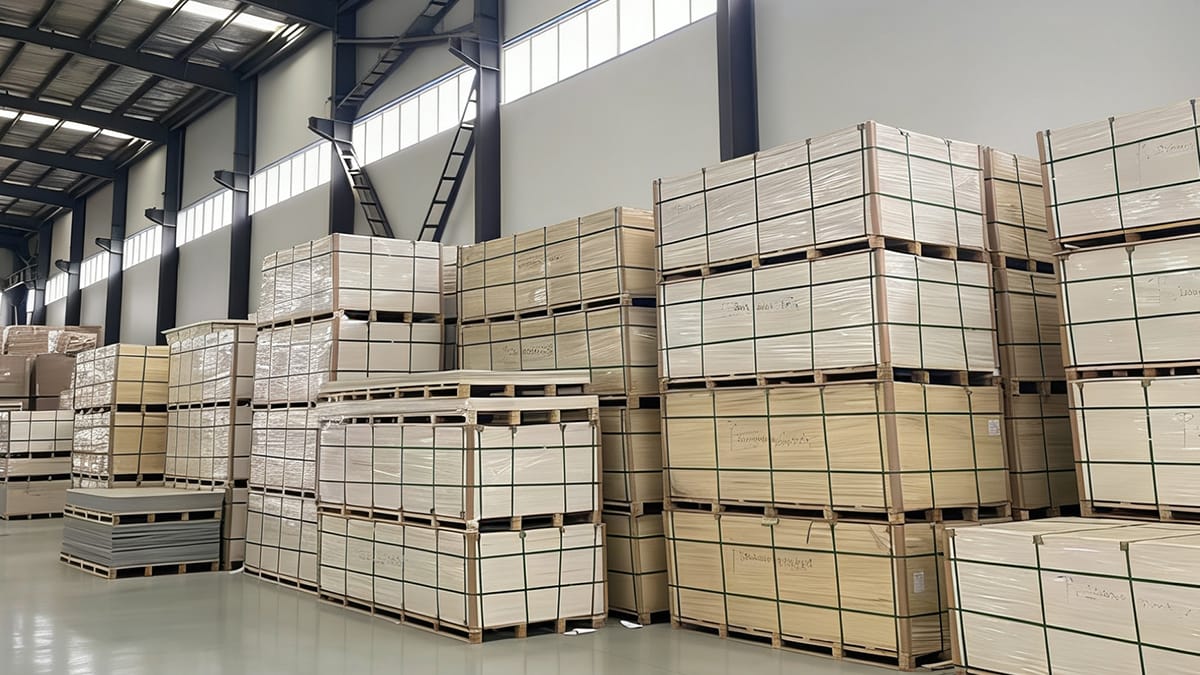
When you look at building strong and safe walls, you want materials that give you the best results. MgO sheathing boards stand out because they offer many benefits that help you build better and faster. You get a sheathing panel that works well in tough conditions and lasts for years.
Here is a table that shows how mgo sheathing boards compare to OSB and plywood:
MgO Sheathing Boards | OSB and Plywood | |
|---|---|---|
Eco-Friendliness | Low carbon, green choice | Higher carbon, less eco-friendly |
Very fireproof | Lower fire resistance | |
Water Resistance | Stops mold and mildew | Can get damaged by water |
Strength | Very strong and long-lasting | Often weaker and less durable |
Green Standards | Meets strict eco-building rules | May not meet all green standards |
You can see that mgo sheathing boards give you better fire safety and water resistance. These boards do not burn or let mold grow. You also help the planet because magnesium oxide boards use less energy to make and do not need harmful chemicals.
MgO sheathing boards also save you time and money. You finish your projects faster because these boards are easy to install. Over time, you spend less on repairs because the boards do not rot or break down. You can even reuse them if you remodel or move walls.
Tip: Choosing mgo sheathing boards means you get strong, safe, and green walls that last for many years.
Here is another table that shows more features:
Feature | MgO Boards | Traditional Materials |
|---|---|---|
Fire Resistance Rating | Up to 4 hours; excellent fire safety | Wood and drywall need extra fireproofing |
Combustibility | Non-combustible; safe for fire-prone areas | Wood burns and spreads fire easily |
Thermal Stability | Stays strong in high heat | Lower stability in wood and gypsum |
Moisture Resistance | High; stays fireproof in wet areas | Gypsum weakens with water; wood absorbs moisture |
You get peace of mind when you use mgo sheathing boards. These boards keep your building safe from fire, water, and mold. You also meet green building rules and help protect the environment.
Best Use Cases
You may wonder when to use mgo boards in your projects. These boards work best in places where you need extra safety and strength. Here are some top applications of mgo sheathing boards:
Fire-prone areas: Magnesium oxide sheathing does not burn, so you can use it in schools, hospitals, and homes where fire safety matters most.
Wet or humid places: MgO boards resist water and mold, making them perfect for bathrooms, kitchens, basements, and coastal buildings.
Green buildings: If you want to meet strict eco-building rules, mgo sheathing boards help you reach your goals.
Fast construction: You can install these boards quickly, which saves you time and labor costs.
High-traffic spaces: Magnesium oxide boards stay strong even when people walk or bump into them often.
You get the most advantages of mgo sheathing boards when you use them in places that need long-lasting protection. These boards work well in both new buildings and remodels. You can trust them for walls, ceilings, and floors.
Note: When you choose mgo sheathing boards, you make your building safer, stronger, and better for the environment.
If you want to know when to use mgo boards, look for projects that need top fire and water resistance. You also get great results in places with strict green standards or where durability is key. The applications of mgo sheathing boards keep growing as more builders see their value.
Installation and Practical Implications
Handling and Fastening
It is important to know how to work with panels. Magnesium oxide sheathing feels different than wood panels. You should check your tools before you begin. Make sure the surface is clean, flat, dry, and strong. Use a carbide-tipped scoring knife for thin boards. For thick boards, use a circular saw that makes less dust. Leave a small gap between boards so they can expand. Fill the gap with a flexible seam filler. Use screws that do not rust and drill small holes first. This helps stop the boards from cracking. Leave space at the joints and use fiberglass tape to make them stronger. Sand the surface if you want to paint. Use the right primer for painting.
Here is a table that shows some problems you might have when putting up magnesium oxide sheathing compared to OSB and plywood:
Challenge | Magnesium Oxide Sheathing | OSB/Plywood |
|---|---|---|
Supply Chain and Availability | Concerns about supply chain volatility and costs | More stable supply chains |
Cost Considerations | Higher upfront costs | Generally lower upfront costs |
Moisture Reactions | Potential for moisture absorption issues | Less moisture-related concerns |
Building Code Acceptance | New material with varying acceptance | Well-established in codes |
Market Education | Need for education among stakeholders | Established knowledge base |
Tip: Always check if the surface is too wet before you put on panels. This helps you avoid problems later.
Compatibility with Other Materials
You need to think about how magnesium oxide sheathing works with other building parts. These boards can take in water from the air. This can make screws rust over time. The salts in magnesium can make this worse and hurt wood framing. You should use screws that do not rust and watch the humidity in your building.
Here are some easy tips for builders and homeowners:
Use screws that do not rust so they last longer.
Leave small gaps between boards and fill them with flexible seam filler.
Put fiberglass tape on the joints to make them stronger.
Sand the surface and use the right primer if you want to paint.
Make sure the surface is clean, dry, and flat before you start.
Note: Magnesium oxide sheathing makes strong walls, but you must follow these steps to get the best results.
There are big differences between magnesium sulfate sheathing, osb, and plywood. Magnesium sulfate sheathing is strong and lasts a long time. It protects well from fire and water. OSB and plywood cost less and are easy to use. Check this table to see how they compare:
Feature | Magnesium Sulfate Sheathing | OSB and Plywood |
|---|---|---|
Fire Resistance | Excellent | Moderate |
Moisture Resistance | Excellent | Poor |
Cost | Higher upfront | Lower upfront |
Pick magnesium sulfate sheathing if you want fire safety and walls that last. Choose osb and plywood if you need to save money or want something simple. Think about what your project needs and talk to building experts before you choose.
FAQ
What makes magnesium sulfate sheathing different from OSB and plywood?
Magnesium sulfate sheathing keeps out fire and water better. OSB and plywood are made with wood and glue. Magnesium sulfate sheathing uses minerals and fibers instead. This helps your walls stay strong and safe.
Can you cut and install magnesium sulfate sheathing like wood panels?
You can cut magnesium sulfate sheathing with a knife or saw. Use screws that do not rust to attach it. Make sure the surface is dry before you start. If you follow the steps, installing is simple.
Is magnesium sulfate sheathing safe for indoor air quality?
Magnesium sulfate sheathing does not let out bad gases. It does not have formaldehyde. Your rooms stay clean and healthy with this panel.
Does magnesium sulfate sheathing cost more than OSB or plywood?
Magnesium sulfate sheathing costs more at first. You save money later because it lasts longer. You also spend less fixing mold or fire damage.