


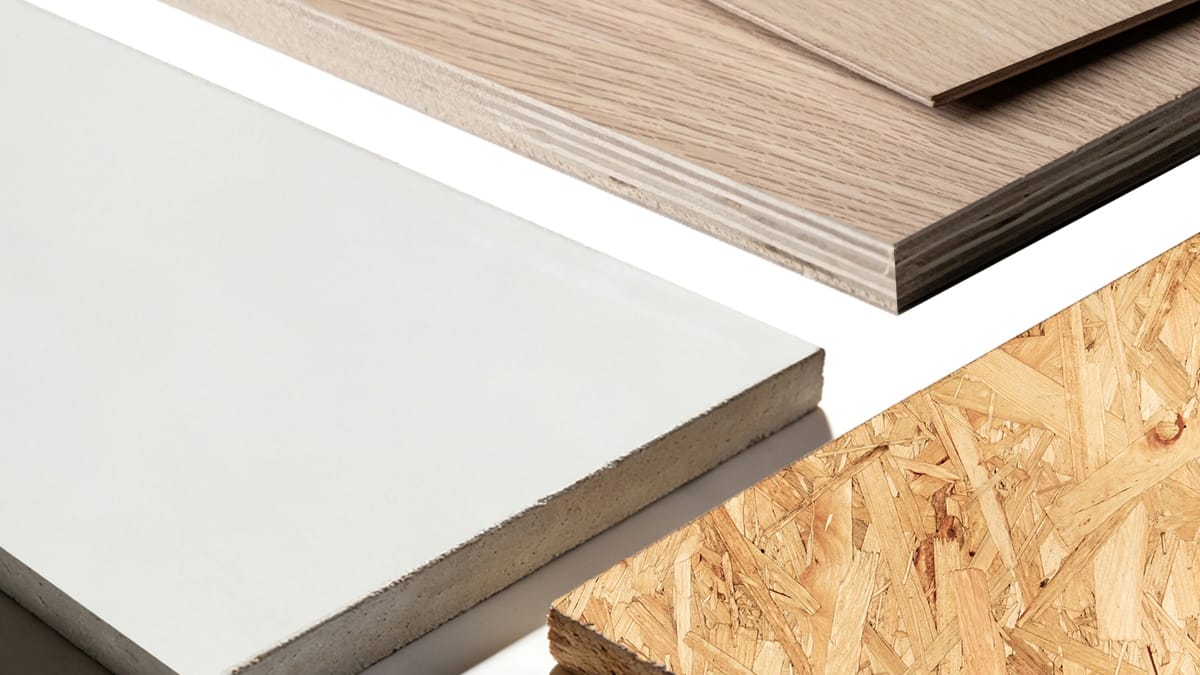
23 Feb MgO Board or OSB Substrate Floor Which Is Right for You
You want your substrate floor to last a long time. MgO board is best if you need strong moisture, fire, and mold resistance. It works well in basements or wet places. OSB is good for dry areas and costs less money. The MgO Board VS OSB Substrate Floor table below lets you compare important features fast. Think about your space, safety, and how much you can spend before you pick.
Feature | MgO Board | OSB |
|---|---|---|
Moisture Resistance | Excellent | Fair |
Fire Resistance | High | Low |
Cost | Higher | Lower |
Key Takeaways
MgO board stops water and fire very well. This makes it good for basements and wet places.
OSB costs less and works in dry rooms. But it can get bigger and rot if it gets wet.
Pick MgO board if you want it to last long and need little care. It is best for busy or damp areas.
Think about what your project needs. Use MgO board for safety and strength. Use OSB if you want to save money and finish fast.
Always pick flooring that fits the room. This keeps it safe and helps it last longer.
MgO Board vs OSB Substrate Floor Comparison
Feature Overview Table
When you compare MgO board and OSB substrate floor, you find many differences. These differences are important for your project. You want a floor that lasts a long time. You also want it to be safe and not cost too much. This comparison helps you pick the best material for your needs.
Tip: Always look at where you will put your floor. Wet basements need different floors than dry rooms.
Here is a table that puts the main features side by side:
Feature | MgO Board (Magnesium Oxide) | OSB (Oriented Strand Board) |
|---|---|---|
Durability | Highly durable, resists impact | Strong, but can get damaged by water |
Moisture Resistance | Excellent, does not swell or mold | Fair, can swell or rot in wet areas |
Fire Resistance | Non-combustible, no toxic fumes | Lower, may burn or smoke |
Cost | Higher, special handling needed | Lower, easy to install |
Installation | Needs care, may break if mishandled | Simple, uses standard tools |
Environmental Impact | Eco-friendly, recycled materials | Chemical treatments, less green |
Pest Resistance | Stops termites and other pests | No special pest protection |
Sound Insulation | Blocks noise well | Not as strong for sound |
Lifespan | Shorter, needs more repairs | |
Maintenance | Few repairs, low upkeep | More repairs, higher upkeep |
You can see MgO board is great for moisture, fire, and lasting a long time. OSB is cheaper and works well in dry places. If you need a floor for a basement or a humid area, MgO board protects better. OSB is used in homes and buildings where water is not a problem.
MgO board stops water, mold, fire, and pests. You do not need to fix it often, so you save money.
OSB costs less and is fast to put in. You use it for normal floors in dry rooms.
You can see what is good about each material in this comparison. MgO board is best when you want safety and strength. OSB is good if you want to save money and finish fast. When you choose between MgO board and oriented strand board, think about your space, how safe you want to be, and your budget.
What Is MgO Board?
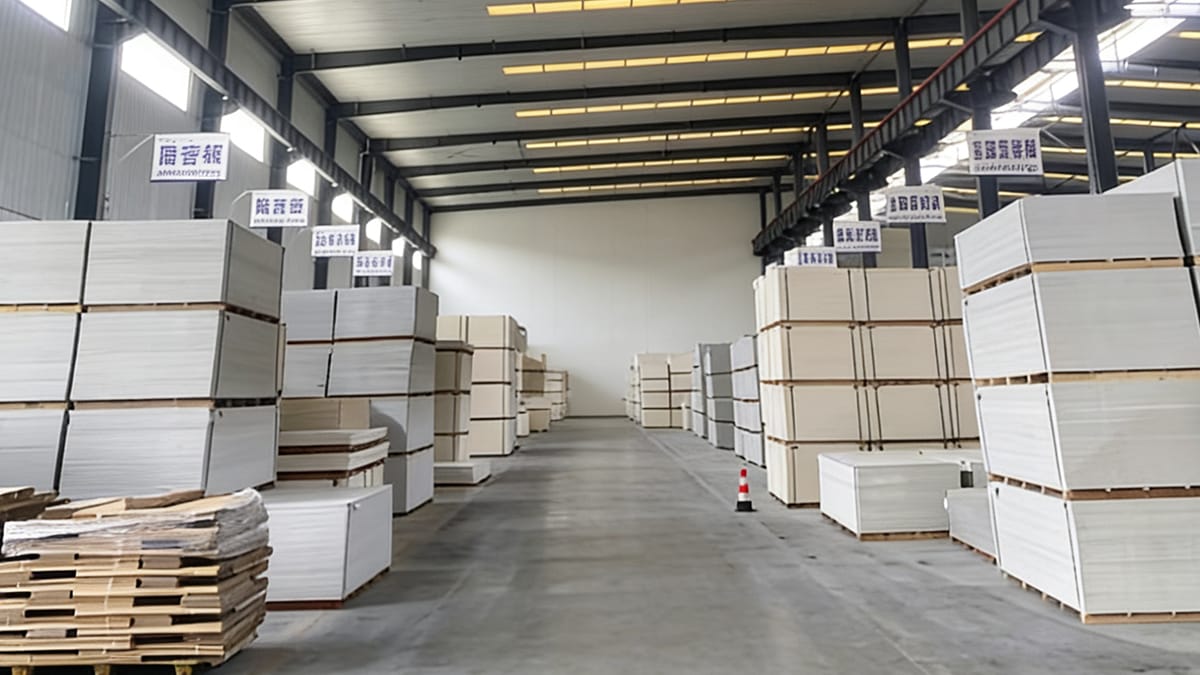 MgO board is a new building material. You can use it for many projects. It is strong and safe. It works well when you compare MgO board vs OSB substrate floor. These panels give you a surface that lasts in tough places.
Properties of MgO Board
MgO board is made from minerals and fibers. This mix makes your floor last longer and stay safe. Here are the main parts and what they do:
Component | Description |
|---|---|
Magnesium Oxide (MgO) | A natural non-toxic inorganic mineral, calcined and pulverized into powders. |
Magnesium Chloride (MgCl2) | Mixed with MgO powder to create a cement slurry. |
Perlite | An insulating material that enhances fire resistance. |
Wood Fiber | Acts as an adhesive, improving overall performance. |
Non-woven Fabric | Provides moisture-proof, breathable, and flexible characteristics. |
Fiberglass Mesh | Increases strength and toughness of the board. |
This mix makes the board strong. It stops water, fire, and pests. It does not swell or rot in wet places. You can trust it to keep your space clean and safe. MgO panels also block noise and stay strong when used a lot.
Note: MgO board does not make toxic fumes in a fire. This helps protect your family and your things.
Common Uses
You can use magnesium oxide board in many places. Builders use it in homes, schools, and offices. Here are some ways you might use it:
Inside walls and ceilings for fire safety
Floors in kitchens, bathrooms, and basements
Fire doors and around fireplaces
Furniture panels and shelves
Panels to block noise
Outside soffits and walls for weather safety
Roof and outside wall layers
Wet rooms like bathrooms and laundry rooms
Big buildings and public places
MgO board works as sheathing, backer board, and underlayment. You get a good base for tile, wood, or carpet. It keeps water out and stops warping. If you want a safe and long-lasting floor, MgO board is a great choice.
What Is Oriented Strand Board?
Oriented strand board is used in many floor projects. You see it in houses, schools, and stores. Builders like it because it is strong and simple to use. When you look at mgo board vs osb substrate floor, osb is best for dry rooms.
OSB Properties
OSB panels come from small logs. The logs are cut into thin pieces. These pieces are dried and mixed with wax and resin. This makes the panels strong and helps them resist water. The pieces are put in layers that face different ways. This makes the board strong and steady.
Here is a table that shows how OSB is made:
Step | Description |
|---|---|
Log Selection | Small logs from fast-growing trees are picked. |
Debarking and Cutting | Logs are peeled and cut into thin pieces. |
Drying | Pieces are dried to the right moisture. |
Mixing | Pieces are mixed with wax and resin for strength and water resistance. |
Mat Arrangement | Pieces are layered in certain ways for stability. |
Hot-Pressing | Layers are pressed with heat and pressure to stick together. |
Cooling and Trimming | Boards are cooled and cut to the right size. |
Additional Treatments | Some boards get edge sealing to last longer. |
Sanding | Boards are sanded to make them smooth. |
OSB’s special design helps it stay flat and strong. It does not bend or break easily.
OSB has the same thickness and density everywhere. This makes it easy to put in floors fast and right. OSB can take a little water, but it might swell if it gets too wet.
Typical Applications
You see OSB panels in many building jobs. Here are some ways people use them:
Subfloors for hardwood, tile, or carpet
Walls and roofs
Shelves and furniture bases
Boxes and crates
OSB subfloors give a strong base for finished floors. They spread weight and keep floors smooth. Builders use OSB in homes and small businesses. OSB also helps the environment because it uses fast-growing trees and recycled wood.
Durability and Strength Comparison
 MgO Board Performance
 MgO Board Performance
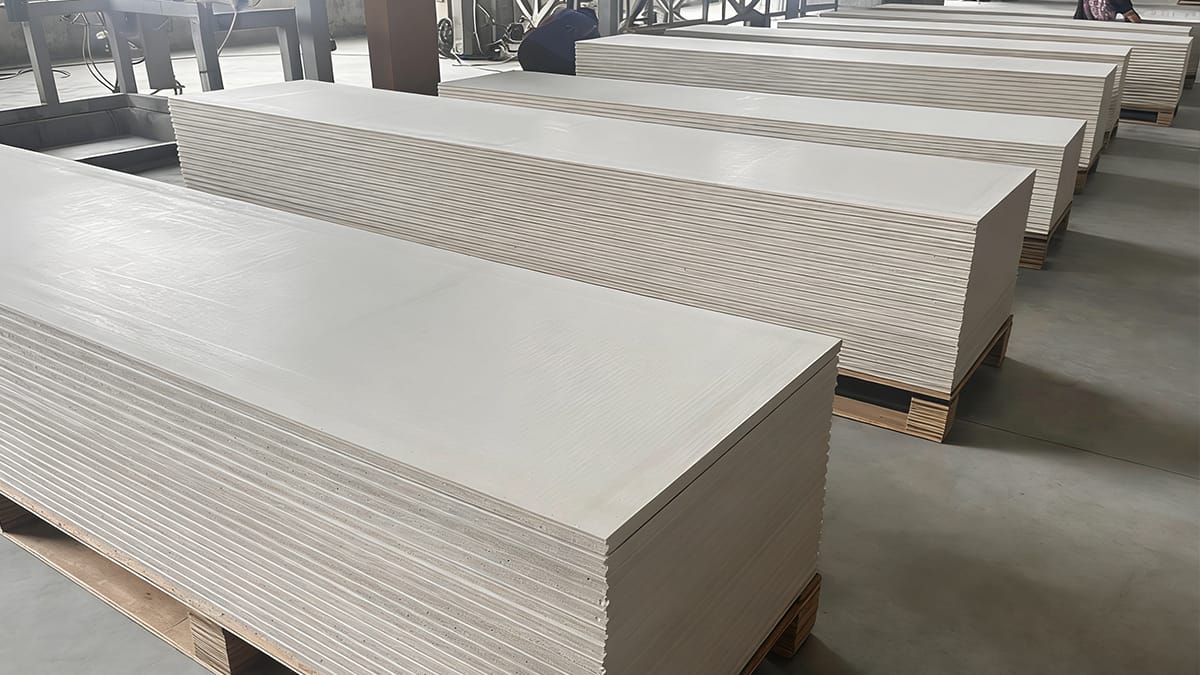
MgO board is very strong and lasts a long time. It stays tough even when it gets wet. MgO panels do not swell or bend from water. Your floor stays flat and strong for many years. Tests show MgO panels are stronger than wood boards. They can handle heavy things and do not break easily. MgO board does not crack or bend under pressure.
MgO flooring uses thick layers and fiberglass mesh. These make it extra strong and last longer. You can put MgO board in busy places like halls or stores. It will not get damaged easily. MagPanel® MgO boards hold more weight than regular boards. If you need a strong basement floor, MgO board is a good choice.
OSB Performance
OSB is strong and costs less for dry rooms. Builders use OSB for floors in homes and shops. The board spreads weight and helps floors stay smooth. But OSB gets weak if it gets wet. It can swell or bend, so it does not last as long. OSB is not as tough as MgO panels.
You might pick OSB for rooms that stay dry and have light use. It works for normal floors but is not as strong as MgO board. When you compare MgO board and OSB, MgO board does better in hard places. If you want a floor that lasts and takes heavy use, MgO board is the best pick.
Moisture and Mold Resistance
MgO Board in Wet Areas
You want a floor that stands up to water and keeps your space healthy. MgO board gives you strong moisture resistance. You can use it in basements, bathrooms, or laundry rooms. The board does not swell or rot when it gets wet. You do not have to worry about mold growing on the surface. MgO board blocks mildew and allergens. You keep your home safe from fungi and insects.
MgO boards are naturally anti-fungal.
They resist rot, mildew, mold, and allergens.
You do not attract insects or pests.
If you live in a humid climate, MgO board helps you avoid costly repairs. You spend less time cleaning and fixing your floor. The board stays strong and smooth for many years. You protect your family from health problems caused by mold. MgO board works well for mold prevention in places with lots of moisture.
Tip: You can install MgO board in wet areas without worrying about damage or health risks.
OSB in Moist Environments
OSB works best in dry rooms. You might use it in bedrooms, living rooms, or offices. When OSB gets wet, it can swell and lose strength. The board may start to rot if water stays on it for a long time. Mold can grow on OSB in damp places. You may need to replace the floor if it gets damaged by water.
OSB in Wet Areas | What Happens? |
|---|---|
Gets wet | Swells and weakens |
Stays damp | May rot and mold |
Needs repair | Costs go up |
You should avoid using OSB in basements or bathrooms. If you want a floor that lasts in wet places, MgO board is a better choice. OSB does not give you the same level of moisture resistance or mold prevention.
Fire Resistance Comparison
MgO Board Fire Safety
 MgO Board Fire Safety
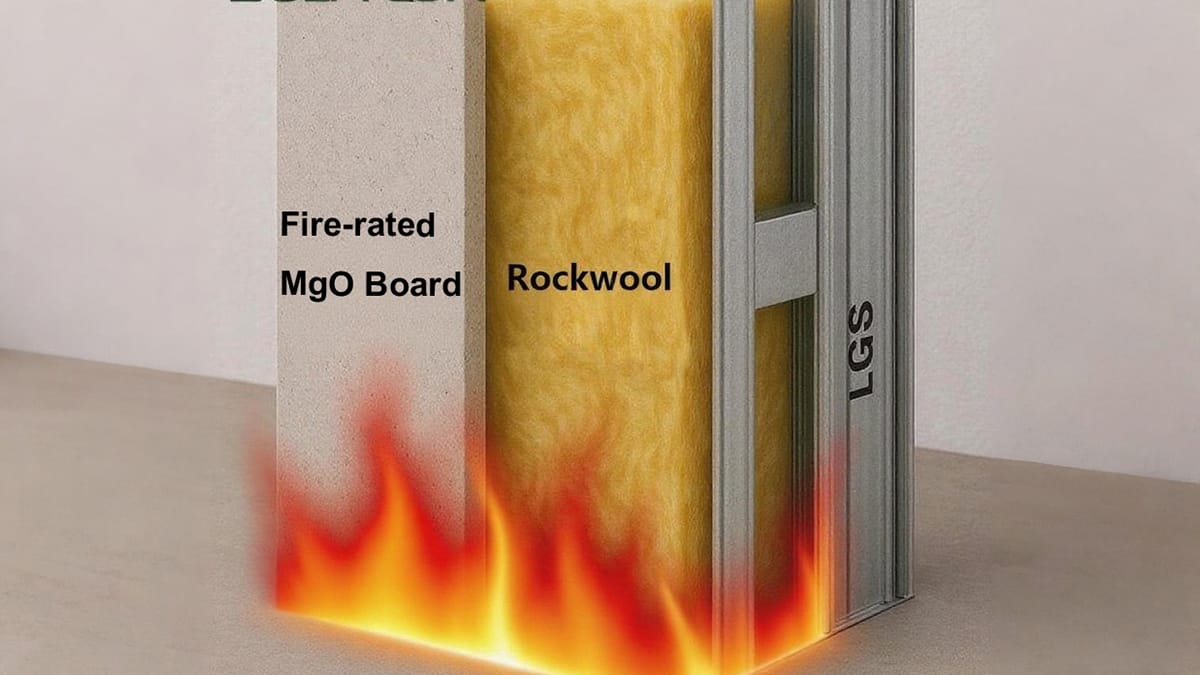
You want your floor to protect your home from fire. MgO board gives you excellent fire resistance. This board does not burn when exposed to flames. In fact, it can help stop a fire from spreading. During a fire, MgO board releases water vapor, which cools the area and slows down the flames. You can trust this material in high-risk places like basements, kitchens, or utility rooms.
MgO board is a Class A1 fire product. This means it is non-combustible and safe for areas where fire safety matters most.
Here is a quick look at how building code authorities describe fire performance:
Board Type | Fire Performance Description |
|---|---|
MGO Board | Non-combustible, excellent fire resistance, ideal for high-risk areas |
Cement Board | Good fire resistance, may need extra fireproofing in some cases |
MgO board stands out because it does not create toxic smoke or fumes. You get more time to leave the building safely if a fire starts. You also protect your belongings from damage.
OSB Fire Safety
You might see osb used in many homes. However, it does not offer strong fire protection. OSB can catch fire and help flames move through your house. Standard OSB is not flame-resistant. If you want better safety, you need to look for fire-rated osb, which has special treatments to slow down burning.
Here is how these materials behave in fire tests:
Material | Fire Resistance Rating | Fire Resistance Characteristics |
|---|---|---|
Magnesium Oxide (MgO) Boards | 0/0 | Class A1 fire product, does not burn, releases water vapor to help stop fire. |
OSB | N/A | Not flame-resistant, can help fire spread. |
You should know that regular osb does not meet the same safety standards as MgO board. If fire safety is important for your project, MgO board gives you better protection.
Cost and Value
Material and Installation Costs
When you plan your floor project, you want to know how much you will spend. The cost comparison between MgO board and OSB substrate floor helps you see the difference. MgO board usually costs more than OSB. The price for MgO board ranges from $1.50 to $2.50 per square foot. OSB costs less, with prices from $1.00 to $2.41 per square foot, depending on the type and use.
Material Type | Cost per Square Foot |
|---|---|
OSB Sheathing | $1.00–$1.82 |
OSB Subfloor | $1.56–$2.41 |
MgO Board | $1.50–$2.50 |
You also need to think about installation costs. MgO board is more expensive to install than OSB. If you want to save money, OSB is a better choice for budget projects. MgO board may need special handling, which can add to the total cost.
MgO board is more expensive than traditional subfloor materials like OSB.
The higher cost of MgO board can make it less appealing for budget-conscious projects.
Tip: If you have a tight budget, OSB helps you keep costs low.
Long-Term Value
You want your floor to last and need fewer repairs. MgO boards give you strong long-term value. These boards resist insects, mold, and mildew. You do not need to worry about cracking, warping, or sagging. This means you spend less on maintenance and replacement over time.
MgO boards are extremely durable and resistant to insects, mold, and mildew, indicating a long lifespan.
MgO boards provide long-term durability, resisting cracking, warping, and sagging, which reduces maintenance costs and replacement frequency.
OSB is durable under dry conditions but can degrade quickly when exposed to moisture.
If you use OSB in dry rooms, it works well. In wet areas, OSB can swell and rot, which leads to more repairs and higher costs later. MgO board keeps your floor strong for many years, even in tough places. You get better value over time if you choose MgO board for basements or humid spaces.
Choosing the right material saves you money and trouble in the future.
Installation and Handling
Working with MgO Board
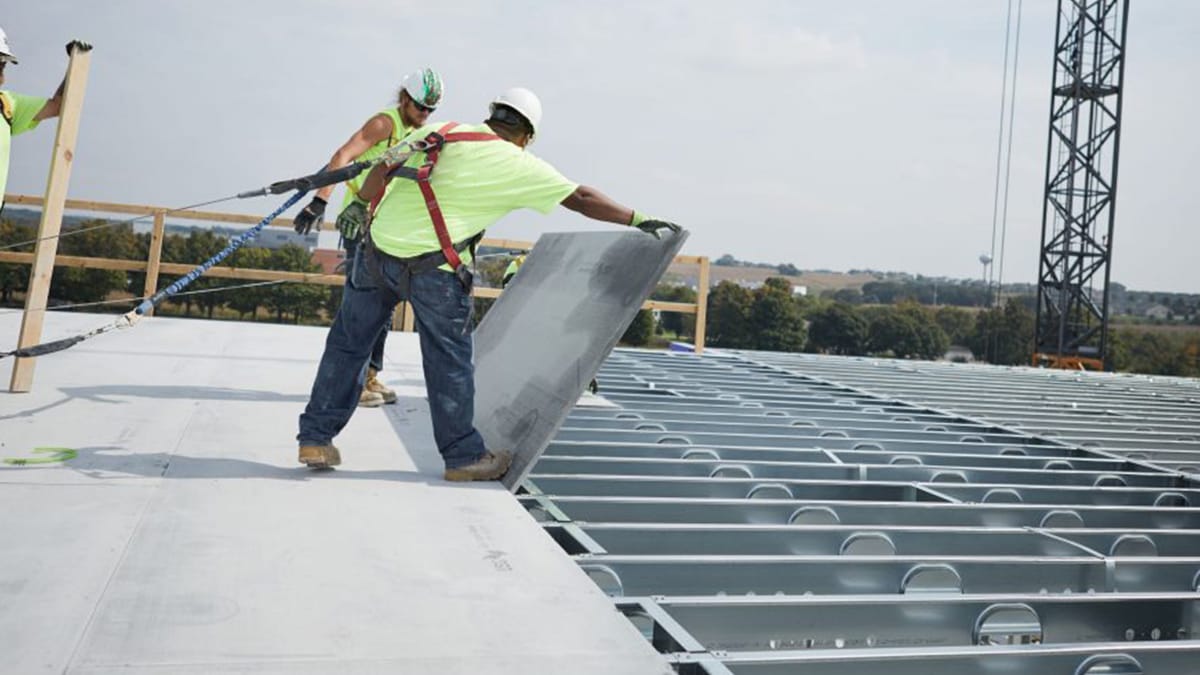 Working with MgO Board
You need to handle MgO board with care during installation. The board is strong but can crack if you drop it or hit it hard. Always carry the panels upright and support them from underneath. When you cut MgO board, use a carbide-tipped saw blade. This helps you get a clean edge and keeps dust low. Wear a mask to protect yourself from dust.
Fastening MgO board requires special screws. You should use #8 flat head fasteners with high/low threads and a sharp drill point for wood studs. For metal framing, pick 18 gauge or heavier screws. Use #8 flat head screws with nibs to help countersink the screw heads. Place fasteners at least 4 inches from corners. Space perimeter fasteners 6 inches apart and center fasteners 12 inches apart. This pattern keeps the board secure and prevents cracking.
Installation Technique | Description |
|---|---|
Fastening to wood studs | Use #8 flat head fasteners with high/low threads and a sharp drill point. |
Fastening to metal | Use 18 gauge or heavier screws; #8 flat head screw with nibs for countersinking. |
Fastener Installation | Install fasteners no closer than 4” from corners, with perimeter fasteners 6” apart and center fasteners 12” apart. |
Tip: MgO board does not need glue or adhesives for most subfloor jobs. You get a solid fit with screws alone.
Working with OSB
You will find OSB easier to handle and install. The panels are lighter and less brittle than MgO board. You can cut OSB with a standard circular saw. You do not need special blades or tools. Most builders use regular wood screws or nails to fasten OSB. You can place fasteners closer to the edges without worrying about cracks.
OSB panels fit together with tongue-and-groove edges. This design helps you line up the boards quickly and keeps the floor flat. You can walk on OSB panels during installation. The process moves fast, and you do not need extra training.
OSB works well with standard tools.
You can install OSB panels by yourself or with a small team.
The boards are flexible and easy to adjust.
If you want a quick and simple installation, OSB gives you less hassle and saves time.
Environmental Impact
MgO Board Sustainability
You may wonder how MgO board affects nature. MgO board uses minerals from the earth. It does not have harmful chemicals. You can recycle MgO board or let it break down in soil. This makes it a smart pick for green building. You help the earth by using materials that do not pollute.
Life cycle studies show MgO SIPs are not always better for the environment than other building types. This is because of long shipping and making OSB. But, MgO SIPs could be greener if made and sourced locally.
You can recycle MgO boards in many ways. Big pieces can become smaller panels. Ground-up MgO can fill new buildings. Crushed boards can go into cement mixes. You can even use MgO waste to help soil. MgO boards do not give off toxins when thrown away. They help with circular building and support green goals.
Material | Recyclability | End-of-life Disposal Options |
|---|---|---|
MgO Boards | – Larger broken pieces for smaller panels |
You can recycle or safely throw away MgO boards.
MgO boards do not have fake resins or chemicals.
Using MgO boards helps keep landfills clean.
OSB Sustainability
OSB comes from fast-growing trees. This helps save old forests. OSB uses wood scraps and recycled wood, so there is less waste. You can recycle OSB, but it does not break down as fast as MgO board. Some OSB has glues or chemicals that can hurt nature if not handled right.
Material | Recyclability | End-of-life Disposal Options |
|---|---|---|
OSB | Recyclable | May not have the same environmental benefits as MgO boards |
You can use OSB in green projects if you recycle it. OSB works best if you keep it dry and reuse it. You help the earth by picking OSB with safe glues and recycling old boards.
Tip: Always check if your building materials help your green goals.
MgO Basement Subfloor
Why Choose MgO for Basements?
You want your basement to stay dry, safe, and healthy. When you pick a mgo basement subfloor, you get many benefits that help protect your home. Building experts say this basement subfloor material works well because it stops fire, mold, and water problems. You can install these boards easily since they are lightweight.
Excellent fireproof qualities keep your basement safer.
Fungus resistance stops rot, mildew, allergens, and mold.
Lightweight panels make installation easier for you.
MgO boards let water vapor escape but block liquid water. This helps control humidity and stops mold from growing. You keep your basement air clean and fresh. If you live in a place with lots of rain or high humidity, a mgo basement subfloor helps you avoid costly repairs.
You also get strong protection against fire. MgO boards do not burn easily. They give you more time to react if a fire starts. The table below shows how MgO board compares to other materials:
Material | Fire Resistance | Water Resistance |
|---|---|---|
MgO Board | Superior | Superior |
Gypsum Board | Moderate | Moderate |
Field studies show that a mgo basement subfloor does not swell or lose strength when wet. You can trust it to last for many years. You keep your basement safe and strong with this choice.
OSB Limitations in Basements
You may think about using OSB for your basement floor, but it has some problems. OSB absorbs moisture quickly. This can cause swelling and mold growth. Your floor may start to bend or break. The surface of OSB is rough and does not look nice. It can get scratched or dented easily, especially in busy areas.
Moisture sensitivity leads to expansion and distortion.
The rough look makes it less appealing for finished spaces.
The surface wears down faster in high-traffic areas.
OSB does not give you the same protection as a mgo basement subfloor. If you want a basement that stays dry and strong, MgO board is the better choice.
Which Is Right for You?
Best for Moisture and Fire
 Best for Moisture and Fire
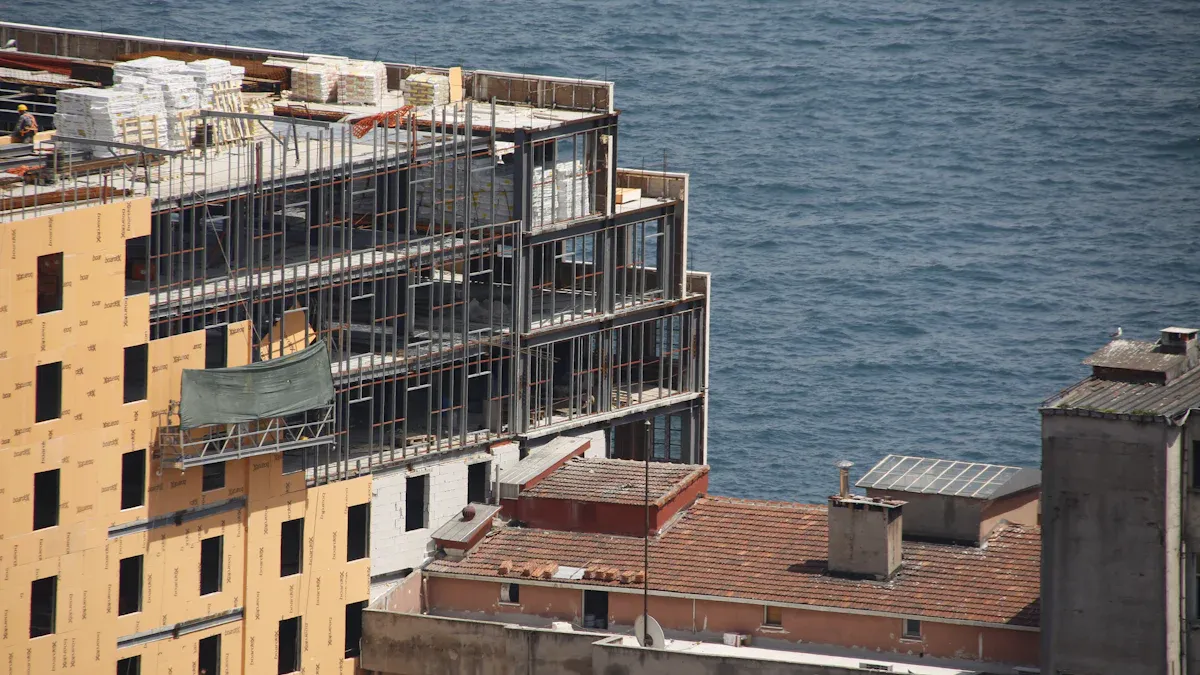
You want a floor that can handle water and fire. If you need strong protection from moisture and flames, mgo basement subfloor is the best pick. Magnesium oxide board does not swell or rot when wet. Mgo panels stop mold and mildew, so your basement stays healthy. You also get great fire resistance, which helps keep your family safe. Mgo board works well in basements, bathrooms, laundry rooms, and other damp places. You do not have to worry about fixing damage or health problems from mold. If you want a safe and tough floor, choose mgo basement subfloor for wet or risky areas.
Tip: Water is the biggest problem for basement floors. Pick subfloor materials that block water, mildew, and mold.
Board Type | Swelling Risk | Best Use Areas | |
|---|---|---|---|
MgO Board | Very Low | No | Wet, humid locations |
OSB | High | Yes | Dry interiors |
Best for Budget Projects
You may want to spend less money on your floor. If you work in dry rooms, osb subfloor is a smart choice. Oriented strand board costs less and goes in fast. Osb panels fit together easily and use regular tools. You can use osb in bedrooms, living rooms, or offices where water is not a problem. Fire-rated osb gives a little more safety, but it does not protect as well as mgo board. Osb subfloor is strong for dry spaces, but you need to watch out for water. If you want to save money, osb panels help you finish your project quickly.
Osb is a good choice for dry rooms.
You pay less for installation and materials.
Osb panels work best where there is no water.
All-Around Recommendation
You want a good mix of strength, price, and safety. The mgo board vs osb substrate floor comparison shows what each material does best. Mgo basement subfloor gives you long-lasting value in wet or busy places. Osb subfloor works well for saving money in dry rooms. If you need protection from water, fire, and want fewer repairs, pick mgo basement subfloor. If you want to spend less and work in dry spaces, osb panels are a good choice. Always match your subfloor to your space and needs.
You get the best results when you pick the right material for your project. Think about water, fire, cost, and strength before you choose.
Material | Key Features | |
|---|---|---|
MgO Board | Wet areas, fire-rated walls, high-traffic spaces, basements | Fire resistance, moisture resistance, durability, sound insulation |
OSB | Dry interiors, budget projects | Cost-effective, easy installation |
You see MgO board offers high durability, strong fire protection, and excellent moisture resistance. Many users like its eco-friendly features and clean installation. OSB gives you a budget-friendly option with easy installation and good strength for dry rooms.
MgO board works best in basements, bathrooms, and places with water or fire risk.
OSB fits well in dry spaces and helps you save money.
Key Factor | MgO Board | OSB |
|---|---|---|
Moisture/Fire | Best for wet, risky | Not recommended |
Budget | Higher cost | Lower cost |
Choose the material that matches your project. Ask a professional if you need help.
FAQ
Can you install MgO board over an existing OSB subfloor?
You can install MgO board over OSB if the OSB is dry and flat. Make sure the surface is clean. Use screws to secure the MgO board.
Tip: Always check for moisture before installing.
Is OSB safe for basement floors?
OSB is not safe for basements with moisture. Water can cause OSB to swell and grow mold.
Material | Basement Use | Moisture Risk |
|---|---|---|
OSB | Not advised | High |
MgO | Recommended | Low |
How do you cut MgO board?
You can cut MgO board with a carbide-tipped saw blade. Wear a mask to avoid breathing dust.
Use slow, steady cuts
Support the board while cutting
Does MgO board need special fasteners?
MgO board needs special screws for best results. Use #8 flat head fasteners for wood studs. For metal framing, use 18 gauge or heavier screws.
Note: Proper fasteners prevent cracks and keep your floor strong.